REVIEW · SAPA
Discover the Beauty of Sa Pa: A One-Day Trek
Book on Viator →Operated by SAIGONESE TREKKING HOUSE · Bookable on Viator
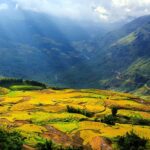
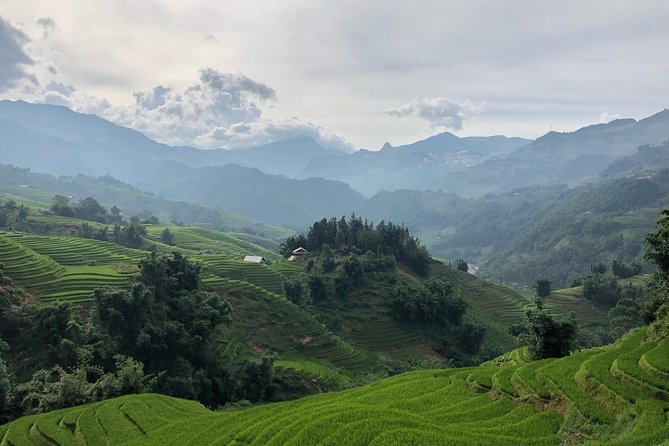
Rice terraces pull you into Sa Pa. This one-day trek threads Muong Hoa Valley and introduces the Black Hmong at Y Linh Ho, where you can watch daily life up close. I love the mountain scenery and the real feel of Y Linh Ho.
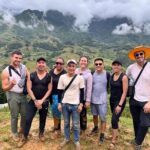
You also get a classic route that links Lao Chai and Ta Van, usually with a small group (up to 15). I like that guides such as Lin and Su focus on how Hmong communities farm and live, and that the included lunch keeps the day comfortable and realistic.
One possible drawback: on rainy or foggy days the trail can turn muddy and slippery, so you should expect this to be hiking, not a stroll.
In This Review
- Key things I’d pay attention to before you go
- Sa Pa one-day trek value: $19 with food and more than walking
- The route through Muong Hoa Valley: scenic, but expect real trail conditions
- Stop 1: Y Linh Ho Village and Black Hmong culture (1 hour, ticket included)
- Stop 2: Lao Chai Village in the Muong Hoa valley (1 hour, ticket free)
- Stop 3: Ta Van Village community feel (30 minutes, ticket included)
- Guides, groups, and why small details matter
- Transportation, meeting point, and how the day closes
- What’s included vs not included (and how it affects your budget)
- The weather reality in Sa Pa: rain, fog, and decision-making
- How fit do you need to be for this trek?
- Who should book this Sa Pa one-day trek
- Should you book this Sa Pa one-day trek?
- FAQ
- How long is the Sa Pa one-day trekking experience?
- Which villages are included on the route?
- Is lunch included?
- Is pickup from my accommodation available?
- Are entrance tickets included?
- How physically demanding is it?
- What if the weather is poor?
Key things I’d pay attention to before you go
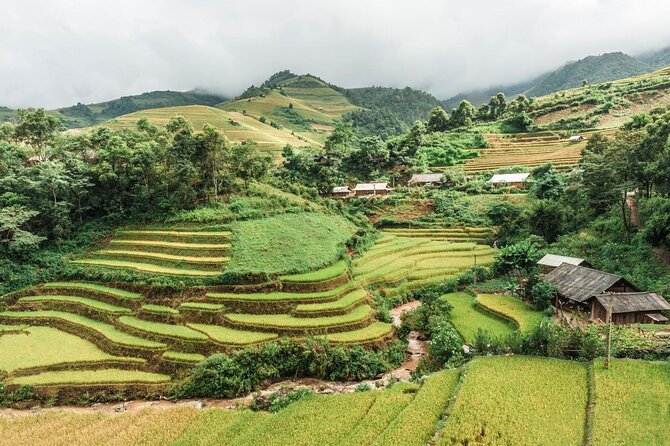
- Muong Hoa Valley first impressions: rice terraces and mountain views set the tone for the whole trek.
- Y Linh Ho is the cultural anchor: a stop with Black Hmong life, plus an included admission ticket.
- Lao Chai and Ta Van keep the pace moving: both are village stops tied to Hmong farming and everyday routines.
- Guides do the explaining: names that show up in real guide stories include ZiZi, Lin, and Su, all focused on local context.
- Lunch and bottled water are handled: you’re not stuck hunting food halfway through the day.
- Small group size: up to 15 people, which often feels more personal than big bus tours.
Sa Pa one-day trek value: $19 with food and more than walking
For $19 per person, this is one of those deals that makes sense once you look past the word trek. You’re not just paying for steps on a path—you’re paying for a guided route, lunch, bottled water, entrance tickets, and transport back to Sapa Town. That’s a lot to bundle in a half-day format.
The timing is also practical. Plan on about 5 to 6 hours, with a schedule that moves from village to village rather than lingering all day in one spot. If you only have one day in Sa Pa, this kind of structure helps you see a lot without feeling like you’re trapped on a bus.
Another quiet win: there’s luggage storage in Sapa Town if you let the operator know in advance. That matters when you arrive early, have a late checkout, or just don’t want to carry extra weight while you’re hiking.
You can also read our reviews of more hiking tours in Sapa
The route through Muong Hoa Valley: scenic, but expect real trail conditions
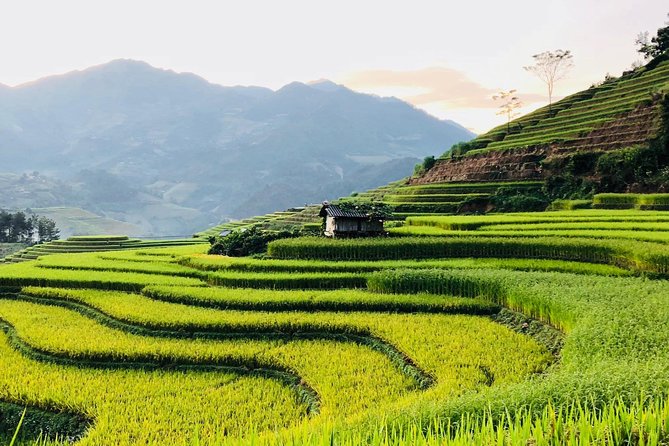
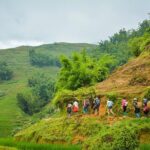
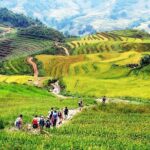
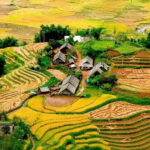
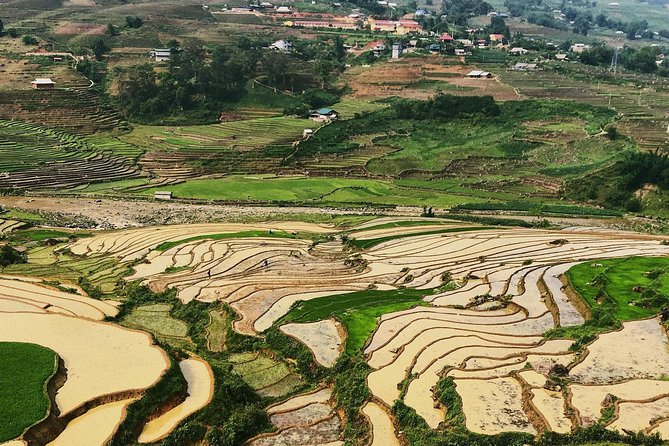
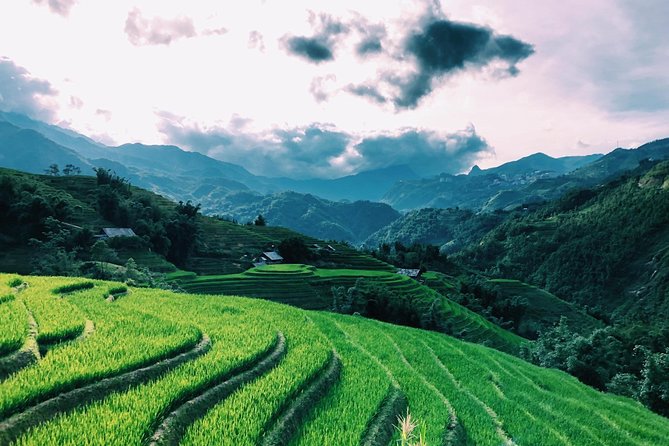
The heart of the experience is the Muong Hoa Valley trek. You’ll start by moving through valley terrain with rice terraces and mountain scenery, then work your way between settlements. It’s the kind of route where weather changes what you see.
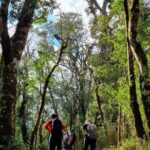
Here’s the honest part: one of the strongest themes in feedback is that the trail can get slippery in wet conditions. Another story described the route as beautiful even in bad weather, but the organization made it harder than it needed to be for safety. On the flip side, there are also examples of guides doing their best to keep you oriented when fog and rain roll in.
So how should you treat this? Assume you’ll be walking on uneven ground. Bring shoes that can handle mud. If you’re prone to slips on slick surfaces, this is not the day to test them.
Stop 1: Y Linh Ho Village and Black Hmong culture (1 hour, ticket included)
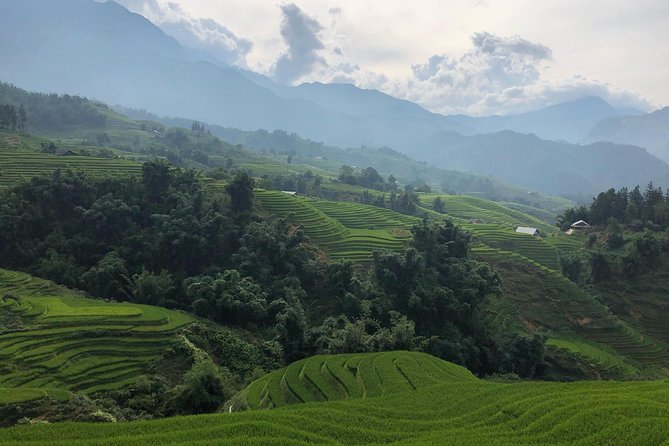
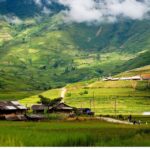
Y Linh Ho is where the trek starts to feel cultural in a concrete way. You’re not just passing viewpoints—you’re reaching a village in the Muong Hoa Valley tied to the Black Hmong ethnic minority.
The big reason this stop works is that it’s a full hour, not a quick photo stop. That extra time gives you room to slow down, observe daily routines, and ask questions. It also helps you adjust to the hike early in the day, before you’re tired.
Ticket detail: admission is included here. That’s nice because it reduces friction when you’re already focused on the walk.
Weather note: if fog or rain arrives early, this is where your view might shift dramatically. One guide story highlighted how ZiZi pushed to make sure the villages were still visible and understandable despite the weather.
Stop 2: Lao Chai Village in the Muong Hoa valley (1 hour, ticket free)
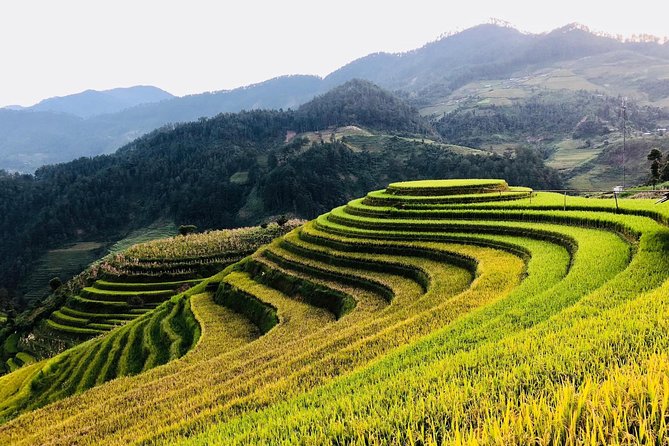
Lao Chai sits about 7 km southeast of Sapa town’s center, tucked in a deep valley area named Muong Hoa. It’s a classic Sa Pa village stop, and the time here reflects that: you get around one hour to take it in.
Ticket detail: admission is free for Lao Chai. That keeps the day simpler.
What makes Lao Chai worth your attention is the way it fits into the trekking rhythm. By the time you reach it, you’ve already warmed up with scenery and a first village. Lao Chai is the point where the day starts to feel like a loop—walk, pause, learn, walk again.
You should also be ready for interaction. Village visits often mean people will approach to talk, sell, or invite you to see things around them. Keep your boundaries clear. If something feels like pressure, you can politely step back.
Stop 3: Ta Van Village community feel (30 minutes, ticket included)
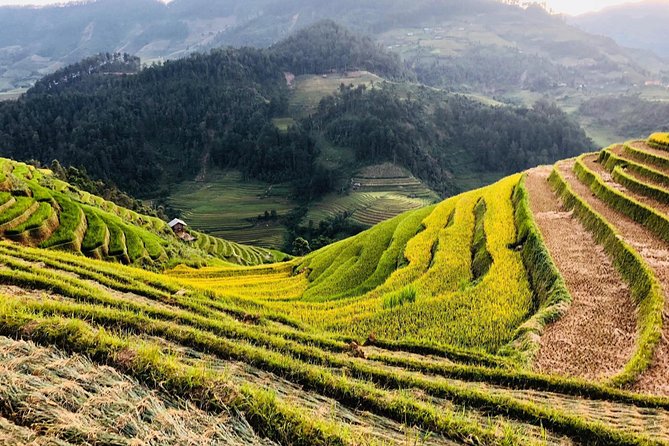
Ta Van is shorter—about 30 minutes—but it can be a memorable stop because it’s described as a small community with friendly, welcoming people living peacefully along valleys and streams.
Ticket detail: admission is included here too. That’s useful because you don’t have to worry about a separate payment as you wrap up the trek.
Since the time is shorter, the best move is to treat Ta Van as your “slow down and absorb” moment. You’ll likely get fewer chances for extended conversation than at Y Linh Ho, so focus on what you want to understand: farming rhythms, home life, or how daily routes connect to the land.
Guides, groups, and why small details matter
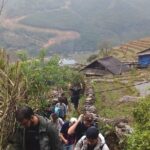
This experience runs with a maximum group size of 15. That number sounds small in writing, but on a real muddy trail it matters. Smaller groups tend to spread out less, move more smoothly, and make it easier for guides to adjust pacing when the path is slick.
You’ll also get the benefit of guided explanation. Multiple guide names come up in real day-of stories: Lin, Su, and ZiZi. The common thread is that they focus on tribal differences and daily life—how communities live, farm, and manage the valley.
That said, not every day is perfect. One story included an accident after someone slipped on the slippery section, and another described someone following the group to encourage spending money. Those experiences aren’t the trek’s fault, but they’re a real reminder: treat safety and personal boundaries as part of the trip.
Transportation, meeting point, and how the day closes
The start point is the Saigonese Trekking House at 02 Nguyễn Chí Thanh, TT. Sa Pa, Sa Pa, Lào Cai, Vietnam.
The tour can include pickup offered, but your exact experience depends on where you’re staying. One story described getting picked up by foot because the accommodation was close to the start of the walk. So if you’re staying in the center, things can feel simple and quick.
At the end, the activity finishes back at the meeting point, with transportation back to Sapa Town included. That helps you avoid the “Now what?” feeling when your legs are tired.
What’s included vs not included (and how it affects your budget)
Included:
- Lunch
- Bottled water
- Entrance tickets
- Transportation back to Sapa Town
- Luggage storage in Sapa Town (tell them in advance)
Not included:
- Insurance
- Tips
Budget-wise, the included lunch and tickets are the big value drivers. If you’re used to paying for village entrance separately or scrambling for food during a trek, bundling those costs into a single $19 price feels smart.
On tips: since tips aren’t included, decide your tip amount based on guide effort and day conditions. If you’re unsure, a modest, fair approach usually fits a guide who kept the day organized and safe.
The weather reality in Sa Pa: rain, fog, and decision-making
This kind of trek is weather-sensitive. The experience is listed as requiring good weather, and if it gets canceled due to poor conditions you should expect a different date or a full refund. That’s the safety net.
But even when the tour runs, weather can still change the experience. One story described trekking on a foggy, rainy day, with everything covered in mist, while ZiZi worked to help the group see the villages and understand what was around them. Another highlighted muddy, slippery paths and made clear that the day can be physically demanding when rain hits.
So I’d plan like this:
- If rain is in the forecast, take the trail seriously.
- Wear shoes you trust on wet ground.
- Keep your pace steady and let the guide set the rhythm.
How fit do you need to be for this trek?
The physical requirement is described as moderate fitness. That lines up with how real trekking days feel in Sa Pa: you’ll be walking for several hours, moving between different points, and dealing with uneven surfaces.
One story said it wasn’t a walk in the park, and that muddy and wet conditions can make it tougher than it sounds. Another story noted the trek as challenging and physically hard.
If you can handle uneven outdoor walking for a few hours, you’ll be in the right zone. If you want an easy level day, you might find it stressful in rain.
Who should book this Sa Pa one-day trek
This is a good fit if:
- You have one day in Sa Pa and want a route with multiple villages.
- You like trekking that includes people and daily life, not just scenery.
- You prefer small groups (max 15) over big tour batches.
- You want lunch, water, and key entrance fees handled in one package.
It might not be ideal if:
- You want a casual stroll with flat, dry paths.
- You have limited tolerance for muddy, slippery conditions.
- You’re uncomfortable with village interaction where people may approach.
Should you book this Sa Pa one-day trek?
I’d book it if you’re after a real village trek through Muong Hoa Valley and you’re okay with the fact that Sa Pa weather can turn trails slick. The price feels fair for what you get: lunch, bottled water, entrance tickets, and transport, all wrapped into a guided 5–6 hour day.
If you’re sensitive to slippery terrain or you’re traveling at a time when heavy rain is likely, consider booking with a plan that gives you flexibility. When the day is foggy or wet, the best outcomes seem to come from solid guides who keep you oriented—people like Lin, Su, and ZiZi show up in successful stories.
FAQ
How long is the Sa Pa one-day trekking experience?
It runs about 5 to 6 hours.
Which villages are included on the route?
You visit Y Linh Ho, Lao Chai, and Ta Van.
Is lunch included?
Yes. Lunch and bottled water are included.
Is pickup from my accommodation available?
Pickup is offered, and the tour has a meeting point at Saigonese Trekking House in Sapa. Pickup seems easiest when your lodging is near the start.
Are entrance tickets included?
Yes. Admission tickets are included for Y Linh Ho and Ta Van, and Lao Chai is listed as free.
How physically demanding is it?
It’s intended for travelers with moderate physical fitness. The trek may be muddy and slippery in wet weather, so it’s more hiking than a casual walk.
What if the weather is poor?
The experience requires good weather. If it’s canceled due to poor weather, you’ll be offered a different date or a full refund.