REVIEW · SA PA
SAPA FREE 1 DAY TREEKKING WITH CHAN
Book on GetYourGuide →Operated by Chan Giang · Bookable on GetYourGuide
A free trek that feels like a real day out. You’ll walk through Sapa’s Hmong and Dzay villages with guide Chan Giang, hit classic spots like Y Linh Ho, Lao Chai, and Ta Van, and learn how people live beyond the postcard view. I love the small-group, local-feeling pace and the way your route can flex from 5 to 11 km based on the day and your comfort level.
The second thing I really like: Chan Giang brings energy—clear English, jokes, and answers along the way—so the walk turns into a conversation, not a lecture. One possible drawback: this is still mountain trekking, so even on a good weather day you should expect muddy paths and real walking time, especially after rain.
In This Review
- Key Things I’d Book This For
- How This “Free” Trek Works in Real Life (and the tipping piece)
- 9 AM at Sapa Stone Church: Luggage Drop and a Clean-Start Day
- Choosing Your Trek Distance: 5 to 11 km (Why Flex Matters in Sapa)
- Y Linh Ho Village: First Contact With Daily Life
- Lunch at a Hmong Family Restaurant: Food With a View
- Lao Chai: One of the Oldest and Largest Communities
- Ta Van by 3 PM: The End Point and the Hanoi Bus Window
- Chan Giang as Your Guide: English, Humor, and On-the-Spot Adjustments
- Mud Season Reality Check: What the Trails Will Ask of You
- What’s Included vs Not Included (so you don’t get surprised)
- Who This Trek Fits Best (and who should skip it)
- Price and Value: $1.97 plus a Tip That Makes Sense
- Should You Book This Sapa Free 1-Day Trek With Chan?
- FAQ
- Where is the meeting point, and where does the trek end?
- How long is the trek?
- How far will I walk?
- What’s included in the price?
- Is the tour really free?
- What languages are available?
- What should I bring?
- Who should avoid this trek?
Key Things I’d Book This For
- Tax-only cost with a real tipping culture: the guide gets time, not a wage, so tips matter.
- Village-to-village walking: Y Linh Ho, Lao Chai, and Ta Van, instead of just a scenic overlook.
- Flexible routes (5–11 km): you choose how hard you go.
- Lunch with a local Hmong family: a proper stop, with a view, not just snack-and-go.
- Shower before and after: you can clean up without turning the day into a muddy misery.
- Strong communication with Chan Giang: English that makes questions easy, plus a fun vibe.
How This “Free” Trek Works in Real Life (and the tipping piece)
Let’s talk money first, because the tour price looks almost too low to be true. You’ll see a $1.97 per person charge, described as mainly tax. The bigger point is what’s implied: your guide’s work isn’t paid like a typical tour job, so the experience depends on your tip at the end.
The tour guidance is pretty direct: if you’re happy, leave a minimum $10 per person. That tip is where the fairness lands. If you hate tipping, this isn’t the format for you. If you like supporting local guides who genuinely lead—and teach—then this setup is a good deal.
A few more Sa Pa tours and experiences worth a look
9 AM at Sapa Stone Church: Luggage Drop and a Clean-Start Day
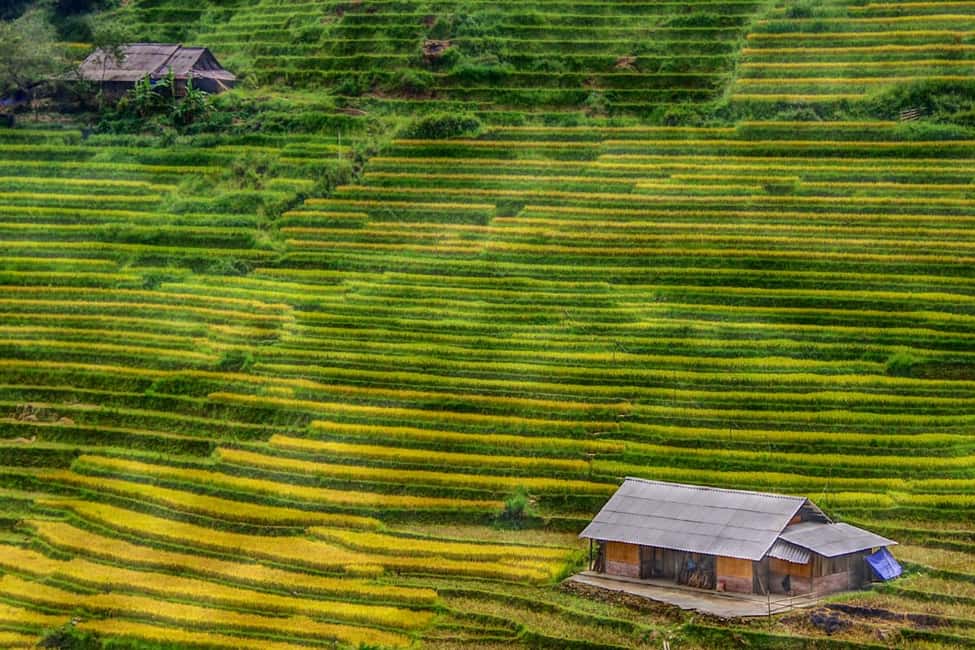
The day begins at 9:00 AM at Sapa Stone Church. It’s a simple, easy meeting point and it helps you avoid the classic Sapa problem: figuring out where “the tour starts” while you’re still half-awake.
One smart detail: you leave your luggage at the office and you get access to a shower before and after the trek. That changes the whole vibe of a mountain day. You can travel lighter, keep your energy for the walk, and still feel human at the end—especially useful if you’re doing Hanoi next or heading elsewhere the same day.
Choosing Your Trek Distance: 5 to 11 km (Why Flex Matters in Sapa)
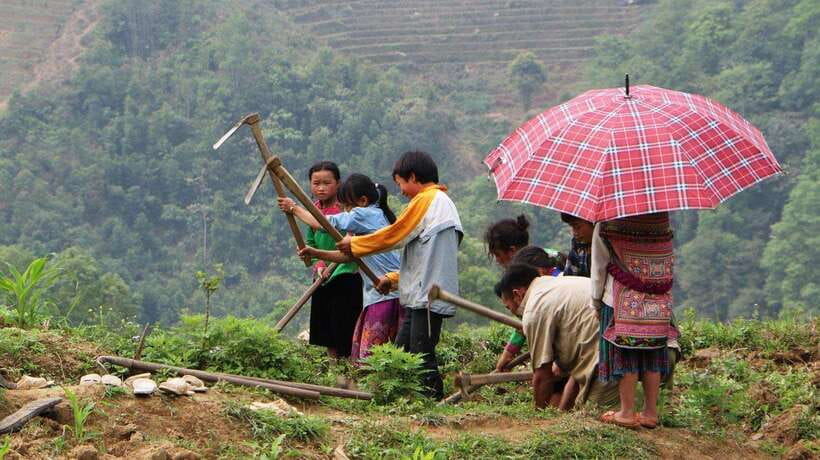
Your route options run about 5–11 km, with different difficulty levels. That matters because Sapa weather can change quickly and the trail can feel harder depending on rain and footing. It also matters if you’re traveling with mixed fitness levels—this plan is built to adjust.
You’re not stuck with one “party pace.” Along the way, Chan Giang asks what you prefer, and she can shift to match your comfort. I like that because it reduces the usual stress of trekking tours: the feeling that you must keep up or fall behind.
Y Linh Ho Village: First Contact With Daily Life
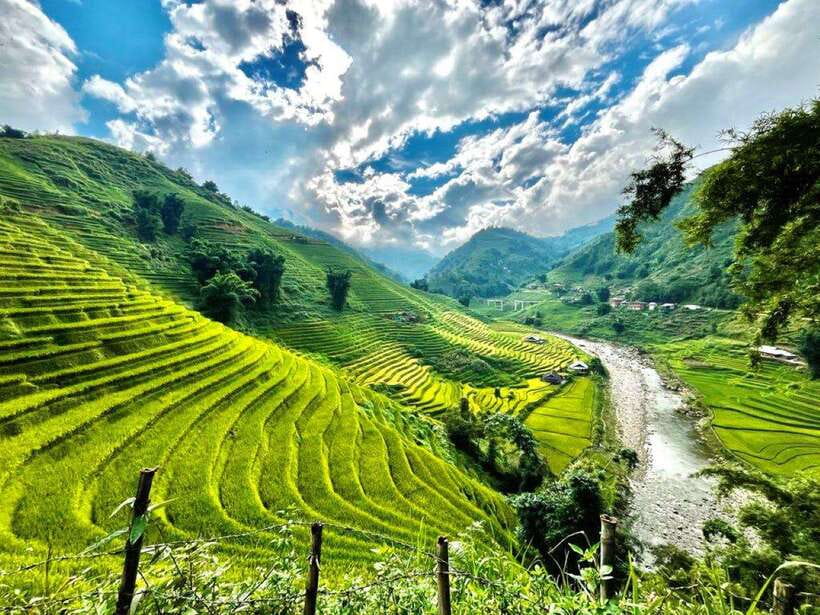
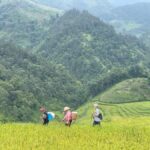
After meeting up, the trek heads toward Y Linh Ho village. This is where the day starts to feel real: you’re not just looking at mountains, you’re walking through the everyday rhythm of village life.
This is also the stage where you’ll get explanations along the way—customs, traditions, and how different ethnic groups live in the area. In practical terms, that turns the walk into something you remember, not just scenery you pass through.
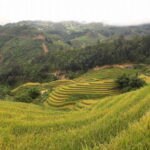
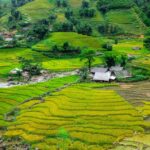
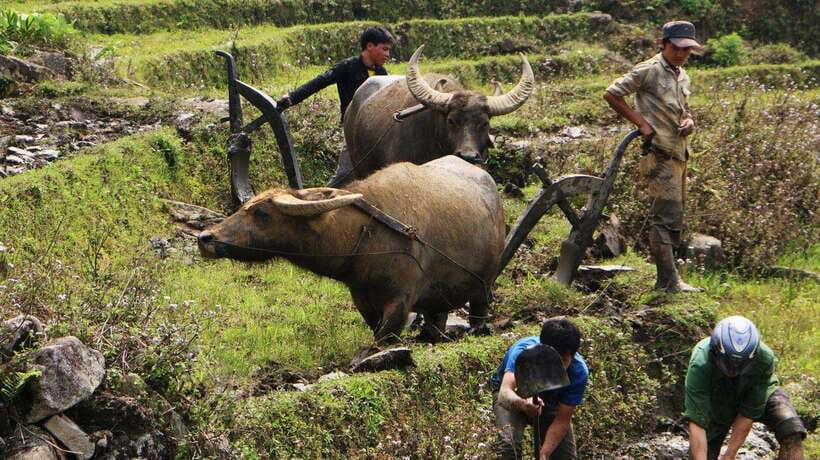
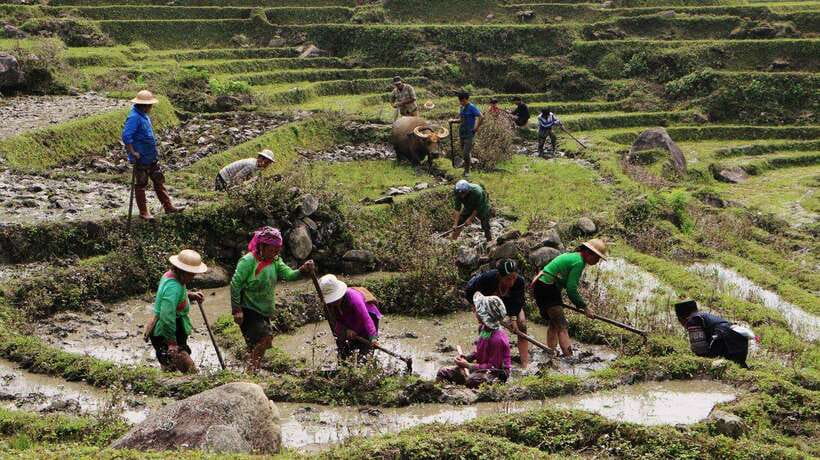
If it’s harvest season, you might see rice planting or harvesting in action. That seasonal rhythm is one of the reasons Sapa trekking feels different from a fixed “attractions only” day. The fields don’t read as a theme park; they read as work.
Lunch at a Hmong Family Restaurant: Food With a View
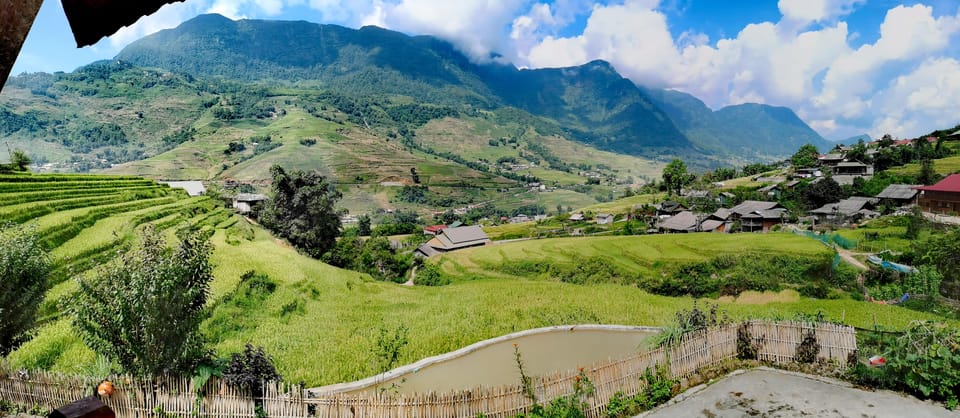
You’ll stop for traditional lunch at a local Hmong family restaurant. The main value here isn’t only the meal—it’s the context. Eating during the trek gives you a sense of what visitors rarely see: a family-operated break that’s part of the normal day.
The word that comes up again and again is that the lunch is delicious and that it comes with a nice setting. I’d plan to treat lunch as part of your energy strategy. Bring water when you can (drinks are not listed as included), and plan your timing so you don’t arrive famished and cranky. Mountains have a way of making everyone a little humble.

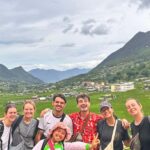
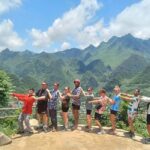
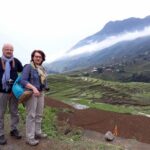
Lao Chai: One of the Oldest and Largest Communities
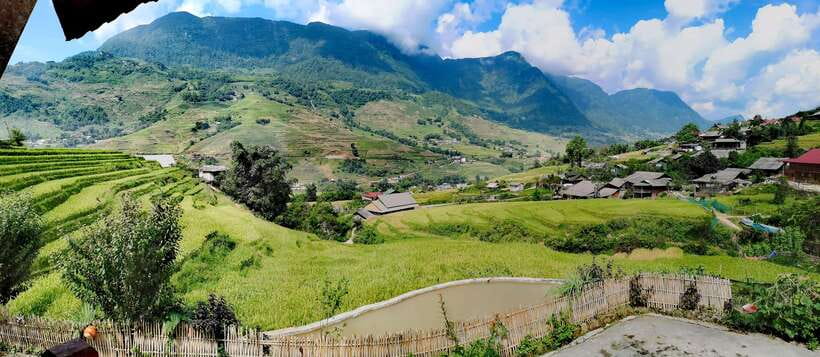
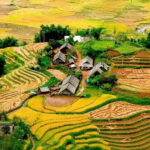
Next up is Lao Chai village, described as one of the oldest and largest communities in the region. This is where your walk starts to connect history, culture, and landscape in a way that’s more grounded than “look at the view” tourism.
You’ll continue learning about ethnic minority customs as you move through different areas. The practical takeaway: slower, steady steps plus good questions. If you ask things like how daily routines work or how farming shapes life, you’ll likely get answers that go beyond a basic script.
Ta Van by 3 PM: The End Point and the Hanoi Bus Window
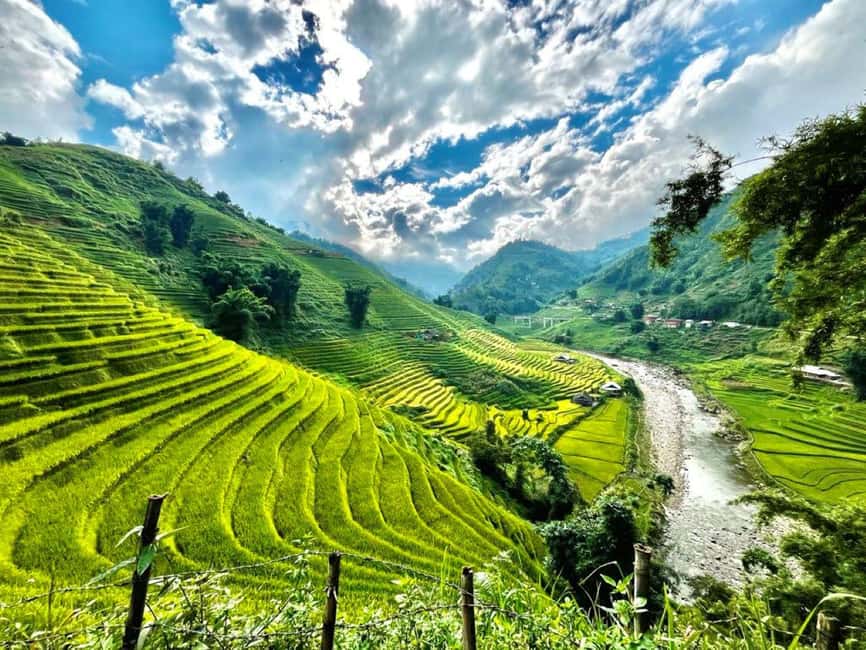
The plan wraps up around 3:00 PM in Ta Van village. From there, you’ll get transport back to Sapa, with enough time to catch your bus to Hanoi.
This timing matters. A lot of Sapa treks run long and then you’re scrambling at the end. Here, the goal is to finish early enough that you can keep your travel schedule sane.
Ta Van is home to the Dzay people, so the cultural shift at the end of the day is part of what makes this more than one long loop walk. You get variety without bouncing around too much.
Chan Giang as Your Guide: English, Humor, and On-the-Spot Adjustments
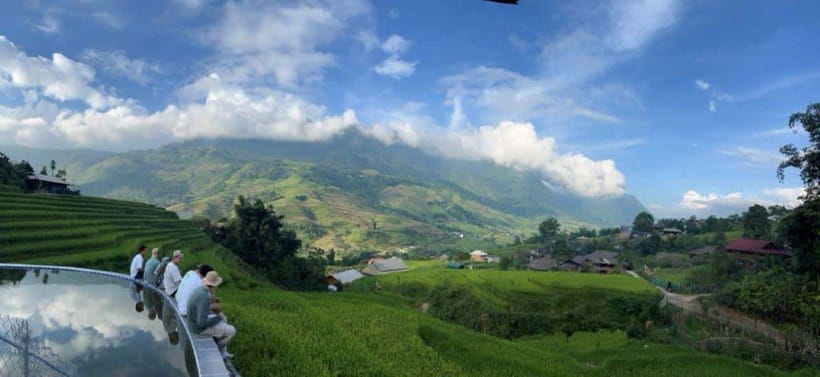
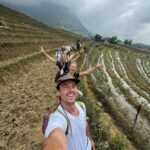
The tour is strongly associated with guide Chan Giang. The standout theme: she’s funny, engaging, and communicates very well in English. More than that, she answers questions and keeps the group moving with a flexible plan.
There’s also an emotional rhythm people often don’t expect from a trek: conversation. If you like learning while walking—rather than doing a checklist—you’re in the right place.
She’s also responsive when conditions change. One example from how the day can go: if rain hits in the morning, the route can be adjusted to match what’s safe and practical. That’s the difference between trekking with a plan and trekking with someone who’s actually leading in real conditions.
Mud Season Reality Check: What the Trails Will Ask of You
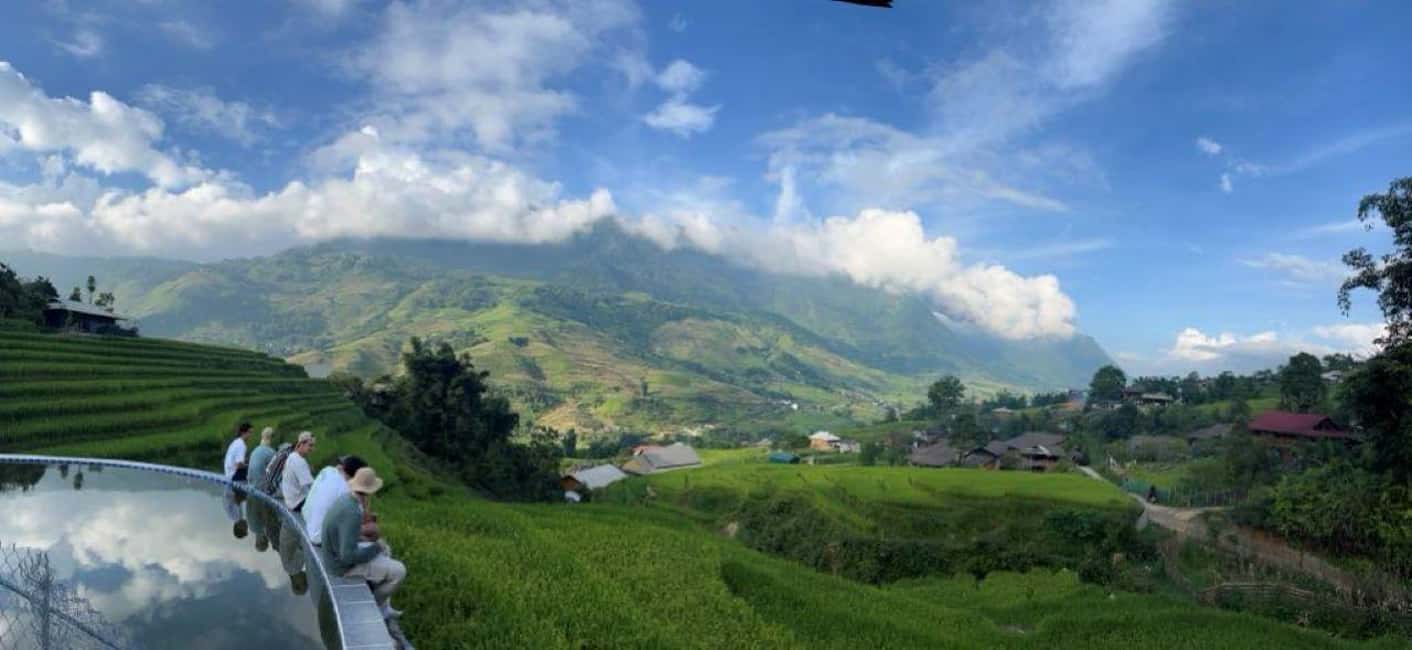
Even when the views are spectacular, you need to be ready for mud. Some routes and seasons mean wet ground, slippery steps, and the kind of dirt that gets into your socks whether you asked for it or not.
The good news: you’ll have help. On muddy days, local support matters, and the group may be assisted by Hmong women and children along the way. Still, your job is preparation.
Bring comfortable shoes, and if you have them, use proper hiking shoes or boots. Also pack rain gear because light sprinkles can turn into wet ground fast. Sunglasses and a sun hat help too—Sapa sun can pop even when clouds look ready to dump rain.
What’s Included vs Not Included (so you don’t get surprised)
Here’s the clean breakdown:
- Included: Guide
- Not included: drinks, lunch (listed as not included), pickup outside Sapa city, trekking shoes/boots, water, and transfer back to Sapa after the trek
Now, this is where the wording can feel confusing, because lunch is described as part of the day. Practically, expect the lunch stop to be arranged during the trek, but still plan your budget as if you’ll cover your own food and drinks unless your confirmation states otherwise.
Also note: transport back to Sapa after the trek is described as part of the plan, yet it’s listed as not included in the basics. If you’re trying to keep costs tight, message your operator before you go. You want clarity on transfer and any meal charges.
Who This Trek Fits Best (and who should skip it)
This trek is not marketed for everyone, and that’s a good thing. It’s listed as not suitable for people with:
- heart problems
- high blood pressure
- low level of fitness
- wheelchair users
- non-swimmers
- people who dove within 24 hours prior
- people with haemophilia
- divers without certification
- people with lactose intolerance
If any of those apply to you, don’t force it. Walking in mountain areas can be physically demanding, and the restrictions are there for a reason.
Who it suits? You’ll likely love this if you want:
- a one-day Sapa plan that doesn’t feel like a crowded bus tour
- a route you can scale between easy strolls and harder treks
- a guide who talks to you, not just around you
Price and Value: $1.97 plus a Tip That Makes Sense
Let’s do the honest value math. The listed price looks ultra-low. The reason is the structure: the tour relies on your tip. At the end, you’ll likely pay around $10 per person minimum if you’re satisfied, plus any personal spending like drinks and other extras.
Does that still make it good value? For many people, yes, because you’re getting:
- a full one-day trekking route through multiple villages
- a real guide connection with Chan Giang
- cultural explanations along the way
- lunch as part of the day’s flow
- and that rare bonus: showers and luggage drop
In other words, you’re paying for the experience in the way that works here: directly supporting the guide, and using your money to keep this less-touristy, family-involved style of trekking going.
Should You Book This Sapa Free 1-Day Trek With Chan?
Book it if you want a one-day trek that feels human—walking through Hmong and Dzay communities, choosing your 5–11 km route, and finishing in time for onward travel. I’d also book it if you like a guide who’s funny, fluent, and ready to adjust when the weather or group pace changes.
Skip it if you need a fully cushioned, no-mud, low-walking day. This is a trek day. It asks for comfortable shoes, some stamina, and a willingness to go where the path goes.
And one practical tip: because the guide isn’t paid like a standard tour job, plan your tip budget before you arrive. That keeps the whole experience smooth and respectful.
FAQ
Where is the meeting point, and where does the trek end?
You meet at Sapa Stone Church. The trek ends back at the meeting point area, with the day wrapping up in Ta Van around 3 PM and then transport back to Sapa so you can catch your bus to Hanoi.
How long is the trek?
It’s a one-day trek. The itinerary starts at 9:00 AM and ends around 3:00 PM.
How far will I walk?
Route distances are flexible, typically 5–11 km, depending on the option and difficulty level you choose.
What’s included in the price?
The tour includes a guide. Drinks, water, trekking shoes/boots, and pickup outside Sapa city are not included.
Is the tour really free?
The tour is described as free, with a small charge that covers tax. The guide does not receive pay for the tour, so you’re encouraged to leave a tip, with a minimum of $10 per person if you’re happy with the experience.
What languages are available?
The tour is offered in English and French.
What should I bring?
Bring comfortable shoes (and hiking shoes/boots if you have them), rain gear, sunglasses, a sun hat, a camera, a charged smartphone, and drinks/water. Trekking gear can also help.
Who should avoid this trek?
It’s not suitable for wheelchair users and people with heart problems, high blood pressure, or low fitness, plus several medical/physical restrictions listed by the operator (including haemophilia, and conditions involving diving or swimming).