REVIEW · DA NANG
Da Nang: Full-day My Son Sanctuary And Hoi An Heritage Tour
Book on GetYourGuide →Operated by Hoi An Express · Bookable on GetYourGuide
Temples and town streets in one long day. This tour strings together My Son Sanctuary—the Champa Kingdom’s religious center in a mountain valley—with a focused walk through Hoi An, including the Japanese Covered Bridge and several standout heritage stops. You’ll get both the big-picture story of the Champa world and the smaller, hands-on feel of how Hoi An looks and works street by street.
I especially like the way My Son’s setting does half the work for you: red brick towers and sanctuaries sit inside a lush valley backed by towering mountains. The Hoi An portion also feels practical, not just scenic, because you’ll see the kind of architecture and cultural mix people talk about for years—old houses, assembly halls, and craft-style stops—without needing to plan a thing. One consideration: it’s a long, structured day with multiple walking segments, so wear comfortable shoes and plan for warm, sun-heavy conditions.
In This Review
- Key things to notice before you go
- My Son Sanctuary: Champa temples in a mountain valley
- The real transition: from ancient worship sites to Hoi An’s old-town streets
- Lunch in the middle: fuel for walking Hoi An
- Hoi An Market, Lotus Pagoda, and the riverfront vibe
- 66 Bạch Đằng: history-with-a-performance moment
- Old houses and the Japanese Covered Bridge: the stops for photos and meaning
- Culture stops that add texture: craft workshop and quick local snack time
- Pace and logistics: how to handle 9.5 hours smoothly
- Price and value: what $67 covers (and what you’ll spend anyway)
- Who this tour is best for
- Should you book the Da Nang: My Son Sanctuary and Hoi An Heritage Tour?
- FAQ
- How long is the My Son and Hoi An tour?
- What’s included in the price?
- Where does pickup happen?
- Is lunch included?
- What are the main stops during the day?
- Do I get an English-speaking guide?
- Is there a show during the itinerary?
- Are entrance fees included?
- Is this tour only for groups, or can it be private?
- Can children join without an adult?
Key things to notice before you go
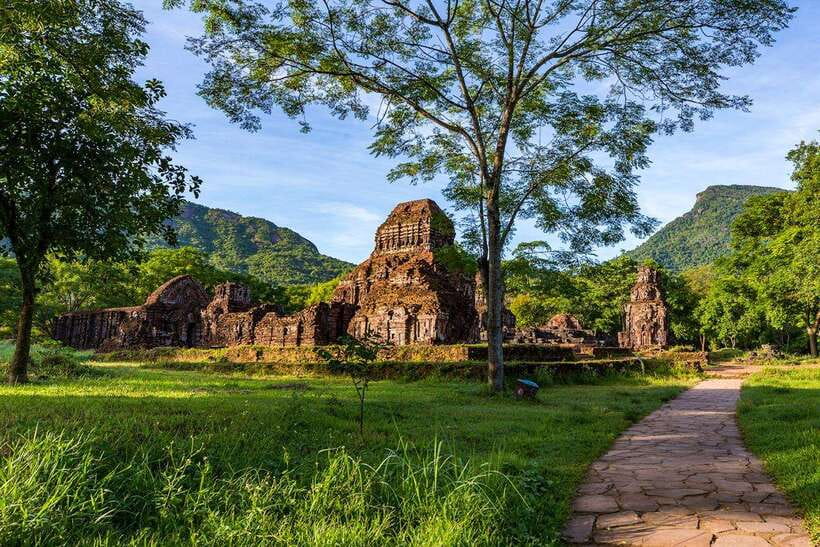
- My Son’s Champa ruins: red brick towers tied to the 7th–13th centuries, set inside a dramatic valley.
- Hoi An on foot: guided stops that focus on old-town architecture and heritage details, not just quick photo breaks.
- Japanese Covered Bridge: a signature landmark you’ll reach as part of the natural flow of town sights.
- A lunch break that actually resets you: traditional Vietnamese food with a full hour.
- Time for a show: a traditional dance show at 66 Bạch Đằng during the town portion.
- Pickup and drop-off from central Da Nang: convenient logistics, with one noted exception (Son Tra Peninsula).
My Son Sanctuary: Champa temples in a mountain valley
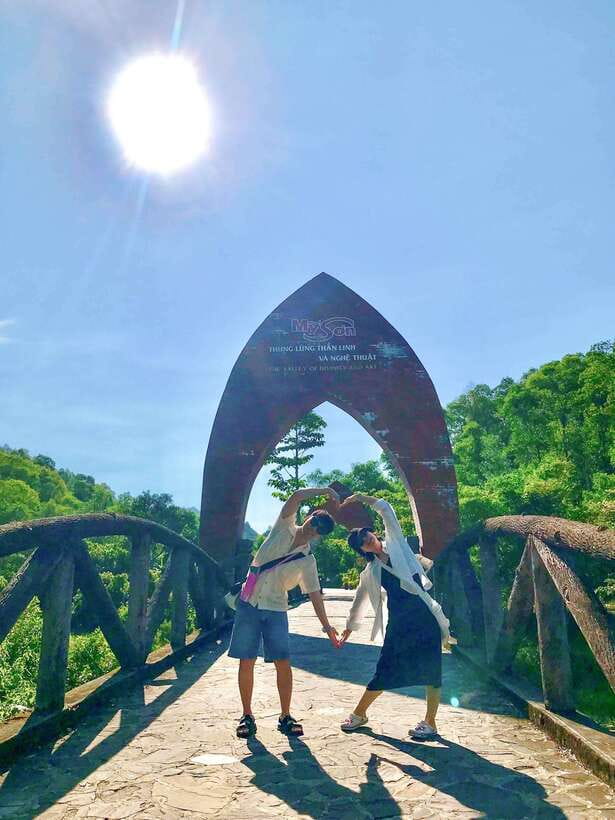
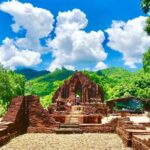
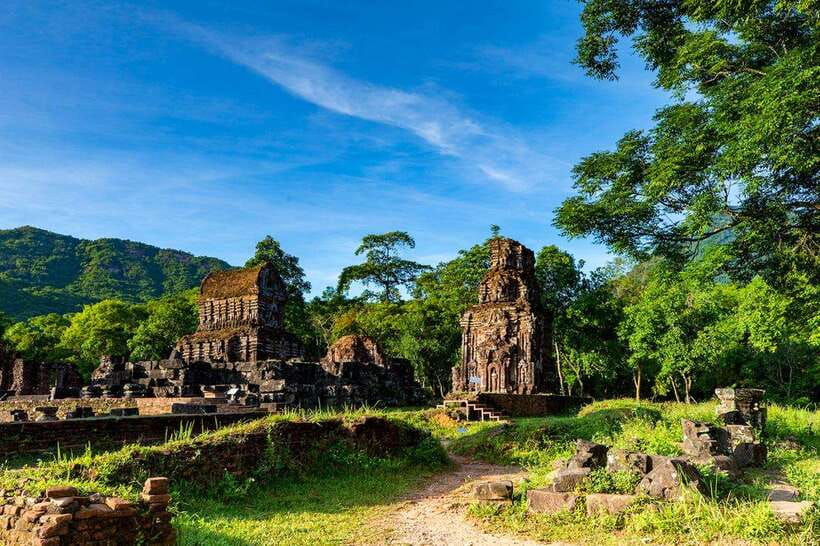
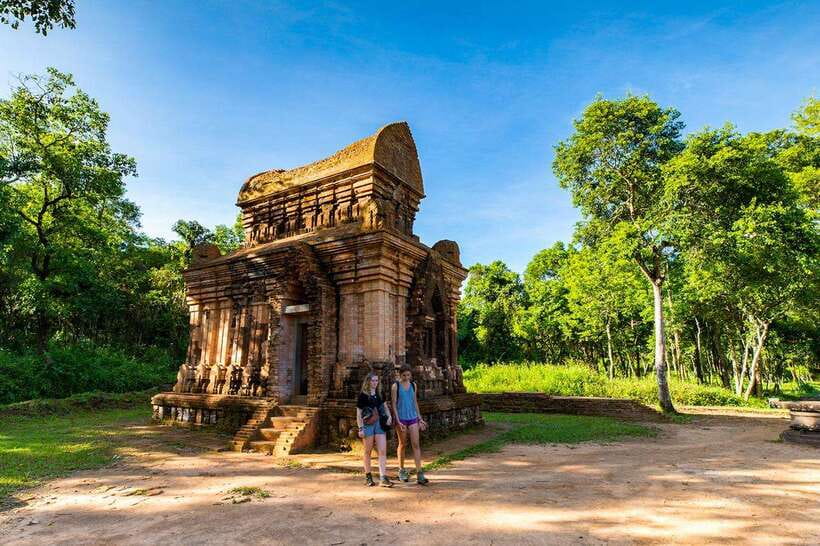
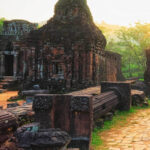
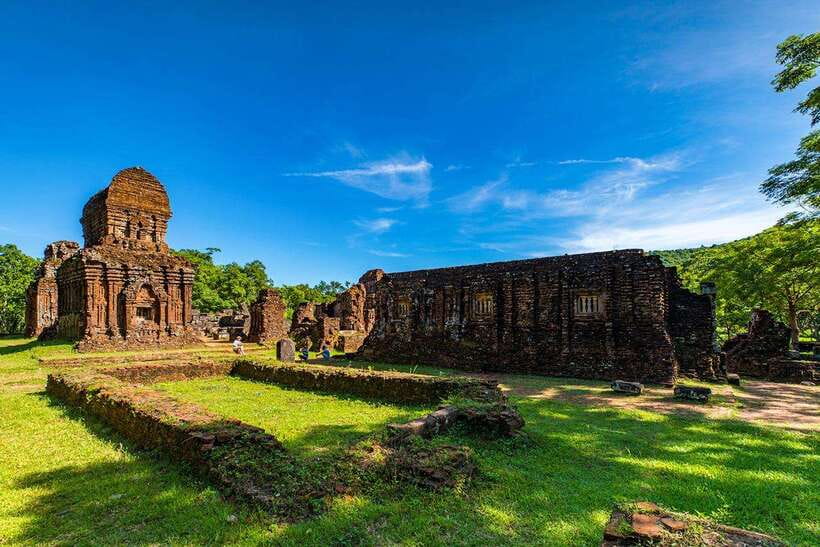
My Son is the reason this day works. You’re not just looking at “ancient ruins”; you’re visiting the former capital and religious heart of the Champa Kingdom. The site is recognized as a UNESCO World Heritage Site, and the layout makes it easy to understand why it mattered: sanctuaries sit in a green valley framed by tall mountains, with multiple groups of red brick structures rising above the trees.
The guided visit is about 2 hours, which is a sweet spot. Long enough to appreciate the scale and the way the towers and sanctuaries are arranged, without turning into a slog. If you’ve ever visited ruins where everything feels spread out, My Son helps you out. It’s compact enough that your guide’s explanations actually land, and your feet stay busy rather than wandering.
What you’ll want to do here:
- Look for the red brick towers and sanctuary complexes rather than treating it as one single monument.
- Pay attention to how the site spans centuries. The structures date from the 7th to the 13th century, even though My Son’s story reaches earlier (the ruins are said to date back to the 3rd century).
- Expect a guided pace that includes walking between clusters, so bring sun protection.
A practical note: you’ll be switching gears after this—then you’re heading to Hoi An for street-level exploring. So think of My Son as the big “context” stop, and Hoi An as the “how it looks and lives” stop.
You can also read our reviews of more historical tours in Da Nang
The real transition: from ancient worship sites to Hoi An’s old-town streets
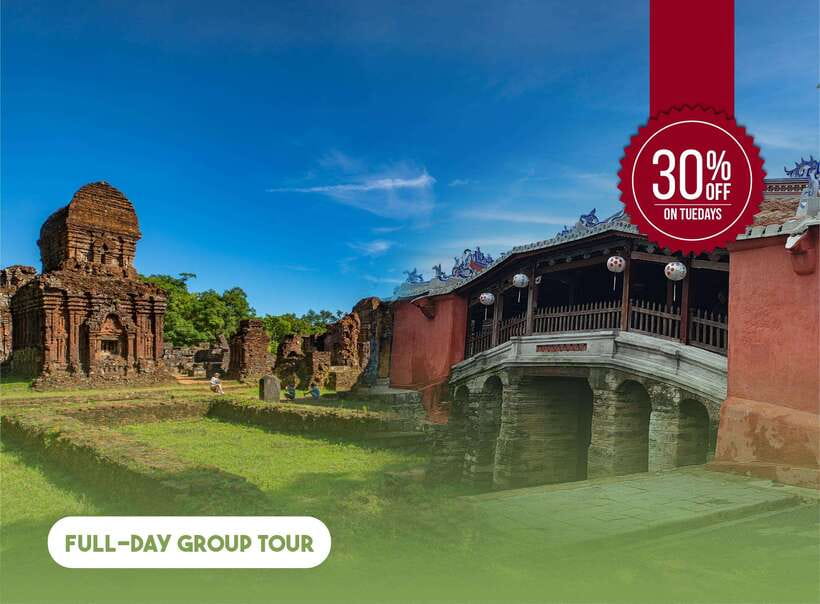
After My Son, the day moves to Hoi An, and you’ll feel that shift immediately. My Son is about sacred spaces built for ceremonies; Hoi An is about everyday heritage—houses, market areas, and the layered cultural influences you can see in building styles.
The tour is built around guided walking. You won’t just get a bus window view. You’ll make multiple stops where the guide points out what to look for, then you’ll walk short sections on foot between them. The good part of this format is that it keeps you oriented. The only downside is that you’ll want to be realistic about stamina. Over roughly 9.5 hours total, your feet will get time in.
Hoi An’s highlights in this itinerary emphasize architecture and community spaces:
- Hoi An Museum (quick stop)
- Ancient Houses (including Tan Ky)
- Assembly halls influenced by Chinese culture
- A traditional craft-style manufacturing workshop stop
- A cluster of pagoda and river-area sights
If you like history you can see with your eyes, this town segment is where it comes together.
Lunch in the middle: fuel for walking Hoi An
Lunch is included and scheduled as a 1-hour break at a local restaurant in Hoi An. This matters more than it sounds. My Son takes up your morning attention, and Hoi An asks for energy—sun, walking, and lots of turning your head up at details.
Because lunch is built into the flow, you’re not stuck hunting for food between sights. You also get to eat traditional Vietnamese food instead of playing guessing games with menus you might not understand quickly.
What I suggest for the best experience:
- Use lunch to reset your hydration. You’ll get bottled water included, but you’ll still want to drink regularly in warm weather.
- Keep your pace easy after lunch. Your afternoon is packed with stops that are shorter, so you want to avoid arriving already tired.
Hoi An Market, Lotus Pagoda, and the riverfront vibe
One of the tour’s smart choices is sprinkling in stops that feel like real life—not just staged landmarks.
You’ll visit the Hoi An Market for about 35 minutes. Markets can be hit-or-miss on tours, but here it’s guided and timeboxed, which helps. You get a sense of local activity and daily textures without losing half the day.
Then comes Lotus Pagoda with a guided visit and about 20 minutes of walking. Pagodas offer a different kind of atmosphere than heritage houses. Even when you’re not studying architecture like a pro, you can usually feel the shift—quieter, more spiritual, and a nice contrast after market noise.
66 Bạch Đằng: history-with-a-performance moment
Another fun detail in the Hoi An portion is 66 Bạch Đằng, where you’ll have a guided visit plus a traditional dance show (about 40 minutes). This is a good slot in the itinerary: by then, you’ve already seen the town’s visual culture, and a performance adds the missing piece—movement, rhythm, and how tradition gets expressed in public.
This stop also breaks up the walk schedule. Instead of constantly moving street to street, you’ll get a more seated, paced moment. If you’re traveling with someone who gets tired of “another old house,” a performance like this can be a nice compromise.
A few more Da Nang tours and experiences worth a look



Old houses and the Japanese Covered Bridge: the stops for photos and meaning
This tour puts real weight on architecture. The most famous moment is the Japanese Bridge stop, but it’s not thrown in randomly. You’re guided through nearby heritage context first, so the bridge doesn’t feel like an isolated selfie stop.
Here are the architecture-focused stops that stand out:
- Hoi An Folk Museum (short guided visit)
- Old House of Tan Ky (guided visit, about 20 minutes)
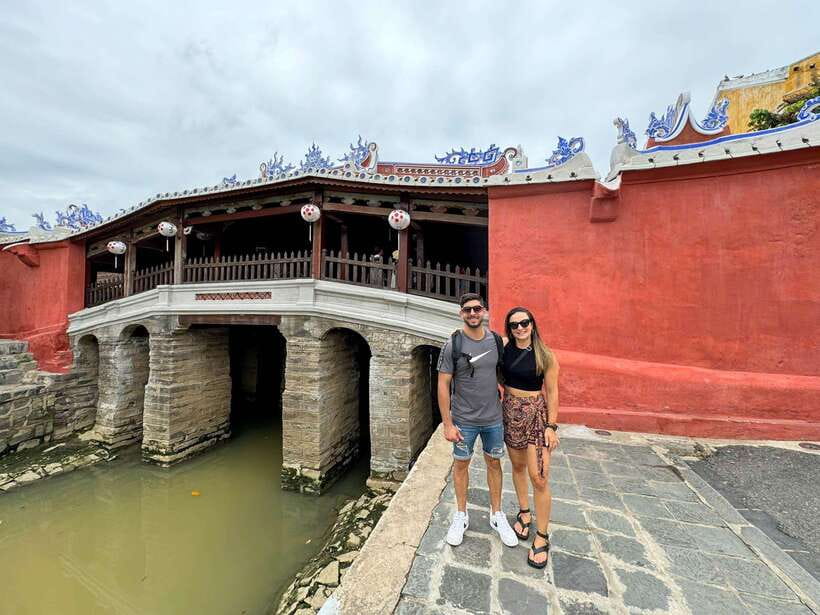
- Japanese Covered Bridge (guided visit, about 15 minutes)
Tan Ky is a key stop because old houses in Hoi An are where you see cultural mixing in woodwork, layout, and design choices. The tour also includes an “Ancient Houses” style stop earlier, which fits the same theme: architecture as evidence of history.
Then you reach the Japanese Covered Bridge. It’s iconic for a reason: it’s simple to recognize, easy to photograph, and important as a signal of the town’s historical trading connections. Even if you’re not a big bridge person, it’s one of those landmarks that helps you understand why Hoi An became famous far beyond Vietnam.
If you care about photos, a practical tip: schedule your best shots when you have your short guided window. Don’t plan on wandering endlessly for the perfect angle; the itinerary timing is part of the value.
Culture stops that add texture: craft workshop and quick local snack time
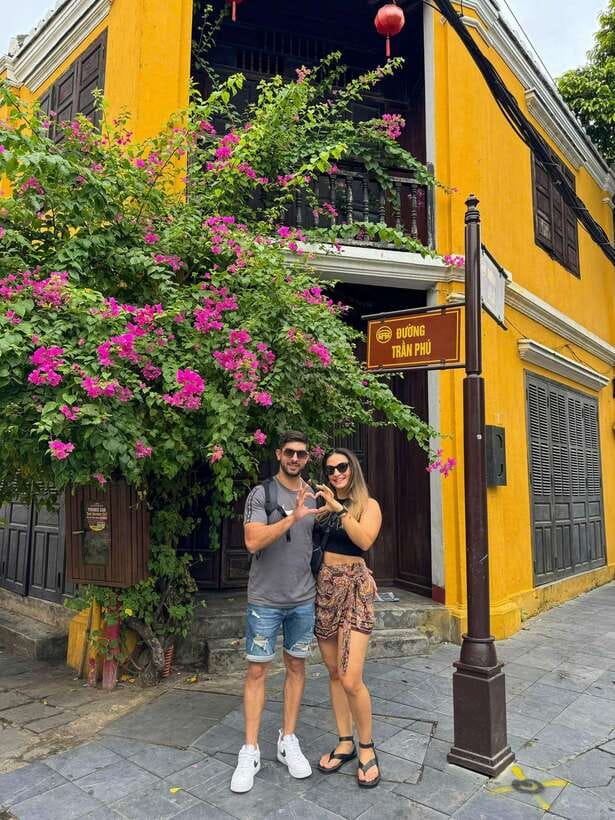
Two smaller moments help make the day feel more local rather than purely “big sights”:
- An Art Craft Manufacturing Workshop stop, which adds craft context to the architecture you’re seeing
- A local café stop for snacks (about 10 minutes)
Neither is meant to turn into a long shopping spree. They’re quick texture builders. You come away knowing that Hoi An’s identity isn’t only buildings—it’s also making, learning, and everyday routines.
If you’re sensitive to shopping, you can keep this part light: look, ask one or two questions, then move on when your 10-minute window ends.
Pace and logistics: how to handle 9.5 hours smoothly
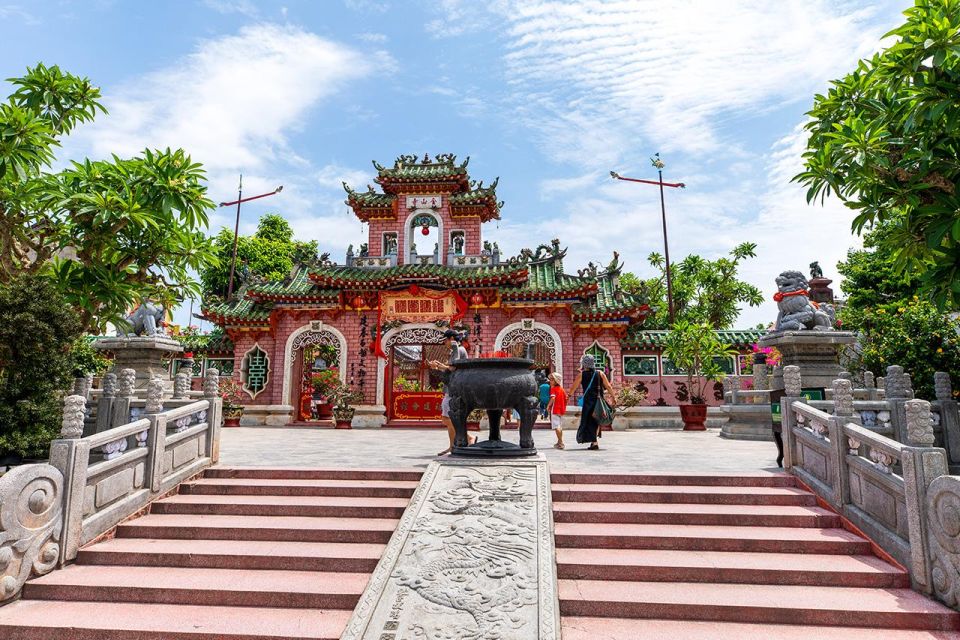
This is a full-day tour (about 9.5 hours). The itinerary has multiple guided segments and several short walks: the market, pagoda walk, river square area, and final stroll time before return.
The logistics are fairly clear:
- Pickup is from Da Nang city center hotels (with an exception: Son Tra Peninsula pickups are not included).
- You should be ready about 15 minutes before pickup time.
- It’s an English-speaking guide, and private group options are available.
To make it feel good instead of exhausting, I’d plan like this:
- Wear shoes you can walk in for hours, not just for sightseeing.
- Bring sun protection. Even with shade in parts of town, My Son and the open streets of Hoi An will expose you.
- Use bottled water. It’s included, and you’ll appreciate it on warmer days.
Also, keep expectations realistic. This route is designed to hit major sights, not to give you long free time at every stop. If you want to linger for long stretches on your own, you’ll need to manage that with your guide.
Price and value: what $67 covers (and what you’ll spend anyway)
At $67 per person, the value comes from bundling the hard parts:
- Transportation
- Entrance fees
- Lunch
- Bottled drinking water
- English-speaking tour guide
- Travel insurance
- Hotel pickup and drop-off in central Da Nang
What you pay for yourself is listed as personal expenses—so think snacks, souvenirs you might want, and anything not tied to the included meals.
In plain terms, you’re paying for reduced planning stress. Instead of figuring out transport between My Son and Hoi An, timing, ticket lines, and guide context, you get it organized into one guided day. For most people visiting central Vietnam, that’s worth real money.
Who this tour is best for
I’d point this tour toward travelers who want:
- A one-day hit of both Champa culture (My Son) and Hoi An’s architecture on foot
- A guide who can connect what you see to what it means
- A structured plan that still includes real walking and local stops like the market and craft workshop
It’s also a solid choice for couples and friends who want a shared itinerary. If you prefer quiet, unscheduled time, you might find the day a bit busy—but the guided format is the point of the experience.
One more rule to know up front: unaccompanied minors aren’t allowed, and children must be accompanied by an adult (book adult tickets for any additional children).
Should you book the Da Nang: My Son Sanctuary and Hoi An Heritage Tour?
Yes, if you want an efficient, guided day that pairs a UNESCO-recognized Champa site with a walkable old town. This tour’s strongest advantage is that it doesn’t treat My Son and Hoi An as two random checkboxes. It strings them together so you can see how Central Vietnam’s cultures shaped both sacred spaces and everyday streets.
I’d book it if:
- You’re the type who likes answers while you’re walking, not after you get home
- You care about architecture as much as scenery (Tan Ky, assembly-hall influences, Japanese Bridge)
- You want transportation and entrance fees handled for you
I’d think twice if:
- You hate structured schedules or long days with multiple short stops
- You’re expecting tons of free time to wander alone for hours
If you fit the first group, this is a strong way to use one day in Da Nang and actually come away with context.
FAQ
How long is the My Son and Hoi An tour?
The duration is listed as 9.5 hours.
What’s included in the price?
Transportation, entrance fees, lunch, bottled drinking water, an English-speaking tour guide, travel insurance, and hotel pickup and drop-off from Da Nang city center are included.
Where does pickup happen?
Pickup is included from Da Nang City Center hotels. Pickup from Son Tra Peninsula is not included.
Is lunch included?
Yes. Lunch at a local restaurant is included and lasts about 1 hour.
What are the main stops during the day?
You’ll visit My Son Sanctuary, then move through Hoi An with stops including the Hoi An Market, Lotus Pagoda, 66 Bạch Đằng (with a traditional dance show), Hoi An Folk Museum, Old House of Tan Ky, a local café for snacks, and the Japanese Bridge, plus a final stop at Sông Hoài Square.
Do I get an English-speaking guide?
Yes. The tour includes an English-speaking live guide.
Is there a show during the itinerary?
Yes. There is a traditional dance show at 66 Bạch Đằng.
Are entrance fees included?
Yes. Entrance fees are included.
Is this tour only for groups, or can it be private?
A private group option is available.
Can children join without an adult?
No. Unaccompanied minors aren’t allowed, and every child must be accompanied by an adult.
![[GROUP] SCUBA DIVING For Beginners in Phu Quoc Island (TRY DIVE) - What Makes the Try Scuba Lesson Beginner-Ready](https://2.thevietnamtraveler.com/wp-content/uploads/group-scuba-diving-for-beginners-in-phu-quoc-island-try-dive.jpg)