REVIEW · SA PA
Sapa: 3-Day Ha Giang Loop Motorbike Tour
Book on GetYourGuide →Operated by Lisa Vietnam Travel · Bookable on GetYourGuide
Motorbikes in Ha Giang feel like freedom. This 3-day loop tour takes you from Sapa up into Vietnam’s far-north mountain world, with big scenery days, simple homestays, and an English-speaking guide keeping things smooth. I really loved the Ma Pi Leng pass views from the top viewpoints, and I also enjoyed the contrast of cooling off at Du Gia Waterfall after long mountain roads.
The main consideration: this is a long road trip with long riding stretches and basic accommodations. You should feel good about multi-day driving and bring layers for changing weather, because you will be on the road even when it turns damp or cool. The good news is the guide team matters here too, and I like that the tour leadership can make a difference, like Phuc guiding the group, and pilots such as Chu (black horns) handling the bike riding with calm confidence.
In This Review
- Key things to know before you go
- From Sapa to Ha Giang City: starting with a hotel pick-up and a night bus
- Day 1 on the Happiness Road: Quan Ba, Heaven Gate, Yen Minh, Tham Ma, and Dong Van
- Day 2: Dong Van market, the Cliff of Death, and the long climb to Ma Pi Leng
- Day 3: Du Gia to Ha Giang via Duong Thuong Valley and Song Lo passes
- The riding setup: Japanese motorcycles, helmets, and practical safety habits
- Homestays and meals: authentic mountain days with basic comfort
- Price and value: what you pay for, what you don’t, and smart upgrades
- Who should book this Ha Giang Loop from Sapa
- Should you book this tour from Sapa?
- FAQ
- How long is the Ha Giang Loop on this tour?
- What time do I get picked up in Sapa?
- What does the tour include for meals and drinks?
- What kind of accommodation will I stay in?
- What safety gear is provided for the motorbike riding?
- Is the motorcycle provided, and are fuel costs covered?
- What is not included in the price?
Key things to know before you go
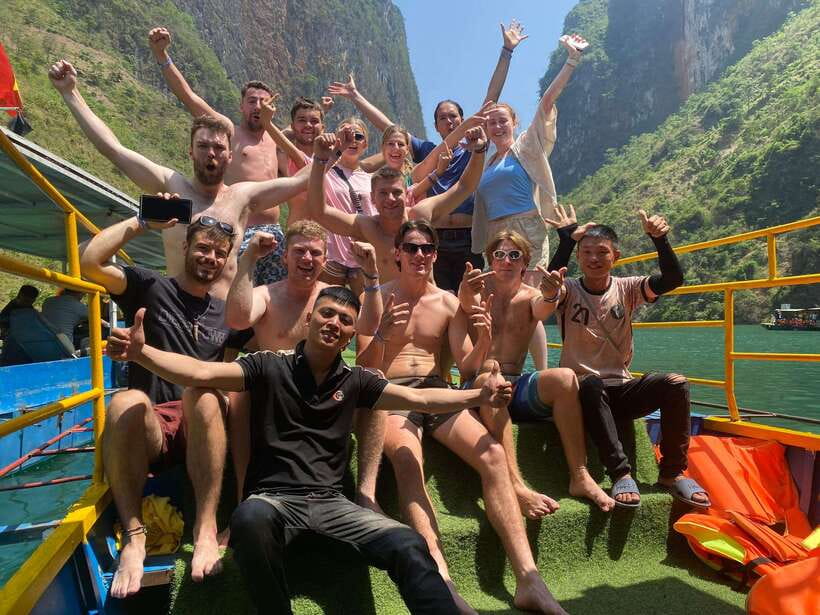
- Ma Pi Leng and the Tu San defile views: a top-pass stop where the valley depth is the real wow moment
- Dong Van Old Town market time: trade, culture, and everyday mountain life in one place
- Du Gia Waterfall swim: a fun break that turns the hardest riding day into a refresh
- Homestays plus hotel nights: you get local stays, but comfort is basic and simple
- Safety gear and motorcycle setup: helmets, knee and elbow protection, rain clothes, and bag straps are included
From Sapa to Ha Giang City: starting with a hotel pick-up and a night bus
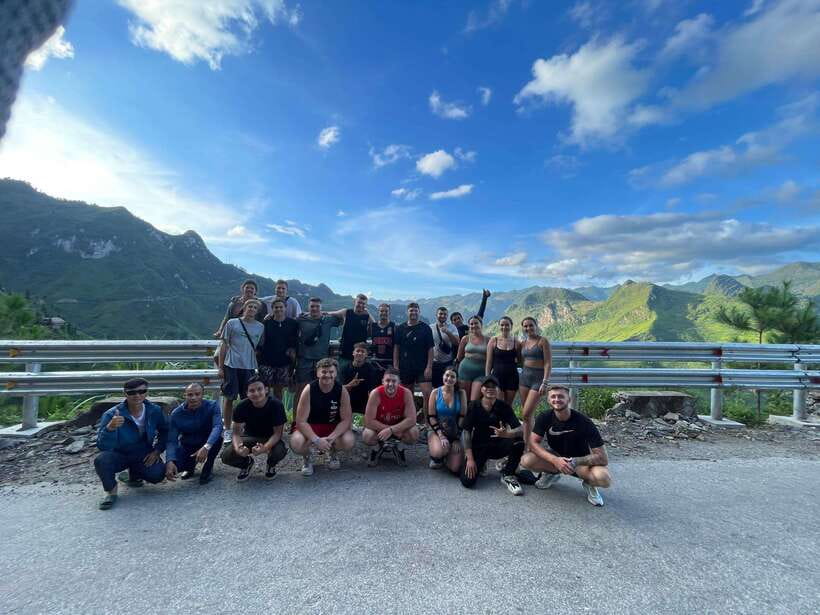
Your tour begins in Sapa. You get picked up from your hotel or hostel at 7:30 PM, then you transfer by big bus to Ha Giang City. The goal is smart: you get the road out of the way first, then arrive early enough to check in and nap before the loop starts.
In the morning, you’re not expected to jump into tough riding right away. You arrive in time to check in at the hostel and catch rest, then breakfast comes before you meet your guide and easy rider setup. This pacing helps a lot because the loop is not a quick sight-seeing sprint. It’s a real 3-day driving experience across mountain passes.
A few more Sa Pa tours and experiences worth a look
Day 1 on the Happiness Road: Quan Ba, Heaven Gate, Yen Minh, Tham Ma, and Dong Van
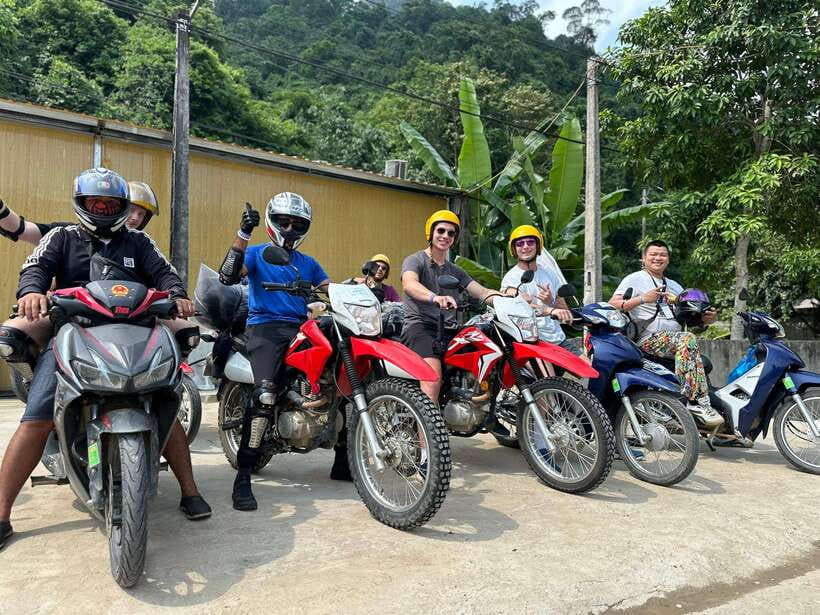
Day 1 covers about 135 km, with breakfast, lunch, and dinner included. After breakfast, you meet your English-speaking tour guide and your ride partner setup (easy rider is available on request, and the tour provides quality genuine Japanese motorcycles). Then the loop starts north out of Ha Giang City on roads locals call the Happiness Road.
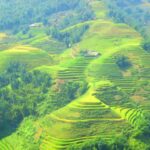
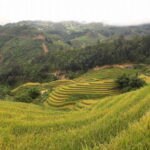
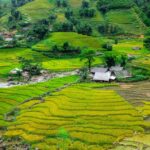
You begin with the Quan Ba – Bac Sum Pass climb, then roll through the Dong Van Karst Plateau Geopark area. You’ll reach the Quan Ba Heaven Gate, a mountain observatory above steep zigzags. This is the kind of stop where the road bends so sharply you feel your body lean into the view. If you like photo breaks, build in time to pause, breathe, and let your eyes adjust to the scale of the mountains and rice fields.
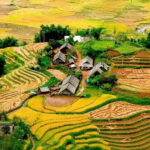
Next, you pass Fairy Hill, then continue toward Yen Minh. The drive includes another pass covered by pine forest, and you’ll see terrace patterns stretching along the route. The lunch stop here matters because it breaks up the day before the next climbing section.
After lunch, you travel toward Tham Ma Pass on National Highway 4C. Then you reach Sa Phin, where you can visit the one-hundred-year-old palace of Vuong Chinh Duc, known as the King of the H’mong. It’s a meaningful cultural pause, not just a roadside photo stop.
Finally, you make your way up to Dong Van Town. You stop at Dong Van Old Town, then visit an ancient fort built by the French. This is a different type of viewpoint: less about raw nature, more about the way different eras left marks on mountain life. If you’re into how history interacts with geography, this sequence clicks.
One small practical note for Day 1: your energy will feel fine during the first stops, then you’ll realize you’ve been climbing and winding for hours. Plan to keep your breaks simple, water-focused, and consistent.
Day 2: Dong Van market, the Cliff of Death, and the long climb to Ma Pi Leng
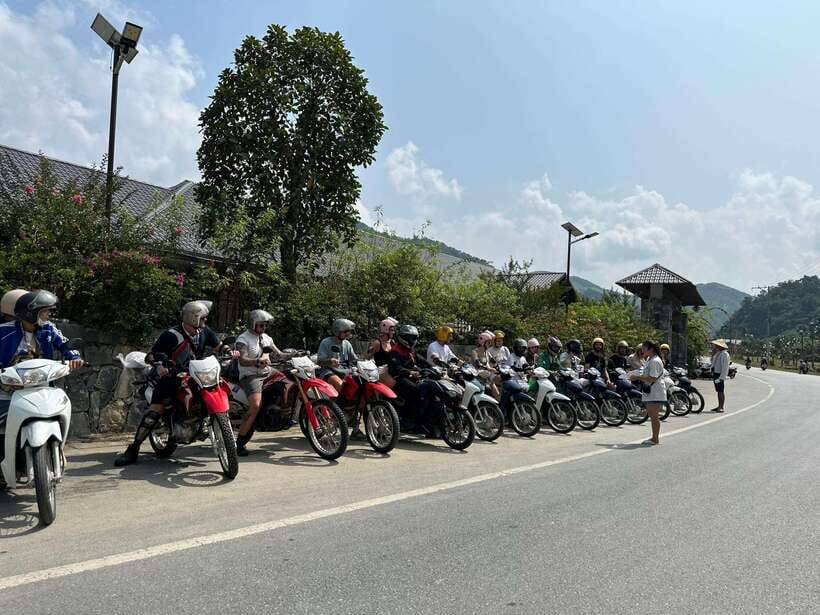
Day 2 is about 120 km and tends to feel like the tour’s “peak scenery day.” After checking out your homestay and breakfasting, you head to the Dong Van market in the Dong Van Old Town area. This is the largest exchange of goods and culture in the Dong Van rocky plateau, which means you get to see more than monuments. You get to see real mountain trading rhythms.
Then the route turns serious in the best way. You go through some of the most dramatic mountain passes the loop is known for. The itinerary includes the cliff stretch often referred to as the Cliff of Death. The name sounds intense, and the terrain is indeed low, steep, and unforgiving. That’s exactly why you want to follow your guide’s instructions closely and keep your attention on the road at all times.
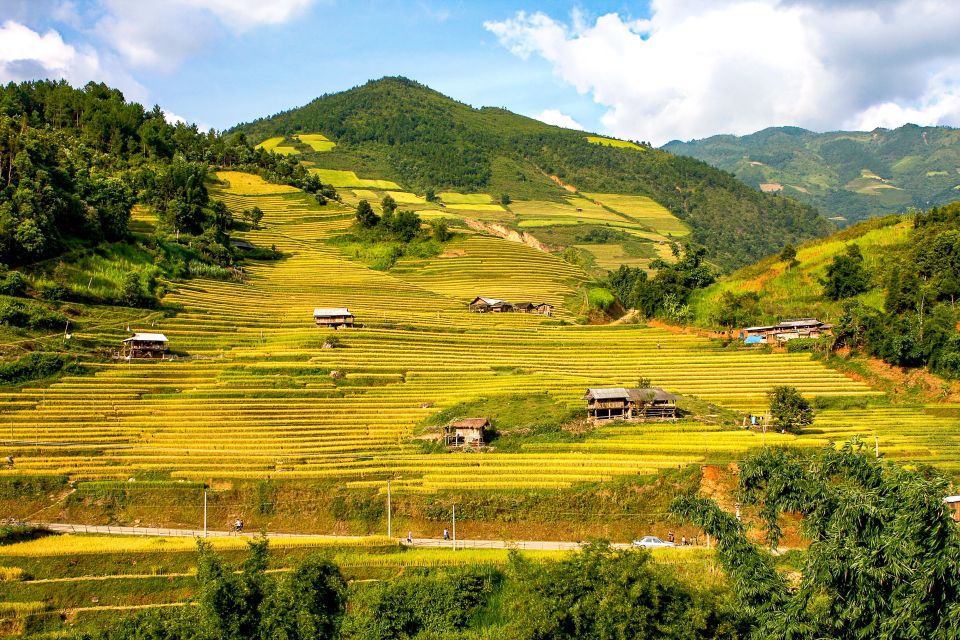
From there, you climb up to Ma Pi Leng Pass. At the top, you stop at a Panorama Viewpoint. This is a classic Ha Giang moment: the mountains stack into layers, and terrace fields look like patterns cut into stone. From up here, the sense of depth is the point. You can also look down toward Tu San defile, a location visitors aim to reach at least once.
After the viewpoints, you move to Mau Due for lunch. Then you continue through rocky mountain passes, with plenty of chances to rest and look around when you’re stopped safely. The day’s final leg ends at Du Gia Village.
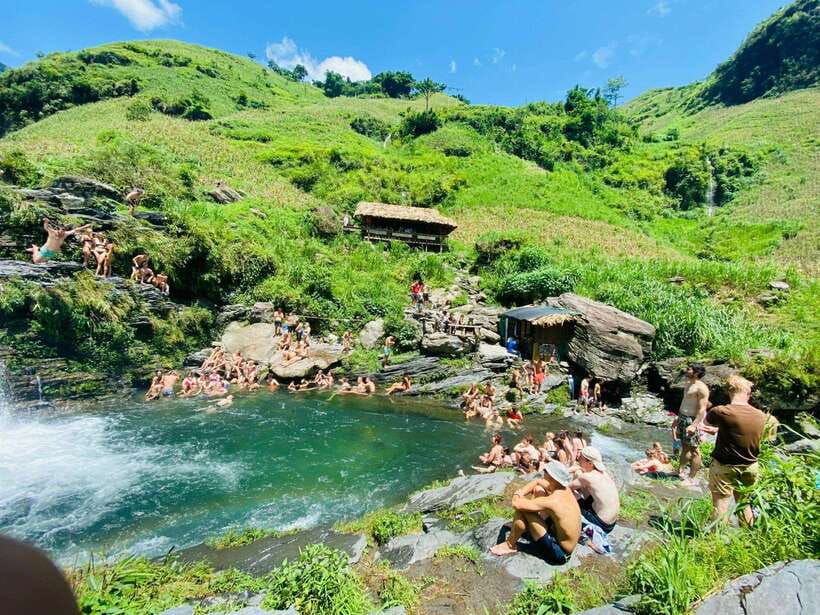
And then comes the best reset after Day 2 driving: Du Gia. You visit the village and go for a swim at Du Gia Waterfall. It’s set in a deep green forest environment, and that contrast matters. After two days of wind, turns, and heights, getting into cool water makes the whole loop feel worth every tense kilometer.
If you get motion-sick easily, this is also the day to be extra careful. Take it slow at transitions, drink water steadily, and don’t skip the helmet comfort checks before you move.
Day 3: Du Gia to Ha Giang via Duong Thuong Valley and Song Lo passes
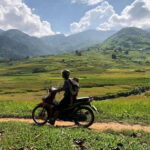
Day 3 rides about 100 km and shifts back toward bigger valleys and long views, with fewer “edge of the road” moments than the most intense sections of Day 2. After breakfast, you head south from Du Gia. You pass soaring mountains and enter the Duong Thuong Valley, where you see wide fields and higher winding passes.
One line in the itinerary says the route is very low and dangerous. So treat that like a warning label, not just a description. This is where your riding focus stays tight: keep spacing, move smoothly, and listen for the guide’s calls about speed and road conditions.
Then the route takes you from Thuong Street to Thuan Hoa. The scenery along this stretch is described as majestic, and that fits the sense of the day: fewer cliffs, more sweeping terrain and valley views. You cross the pass along the Song Lo Valley toward Ha Giang.
Lunch is served back at the hostel. After that, you have a few hours to rest or visit a local village near the hostel. The option matters. After three days, your brain needs a breather that isn’t another viewpoint.
Later, the bus picks you up and you return to Hanoi around midnight. The tour ends in Hanoi, so you’re not stuck wondering what’s next. It’s a clean finish after a long but well-structured road trip.
The riding setup: Japanese motorcycles, helmets, and practical safety habits
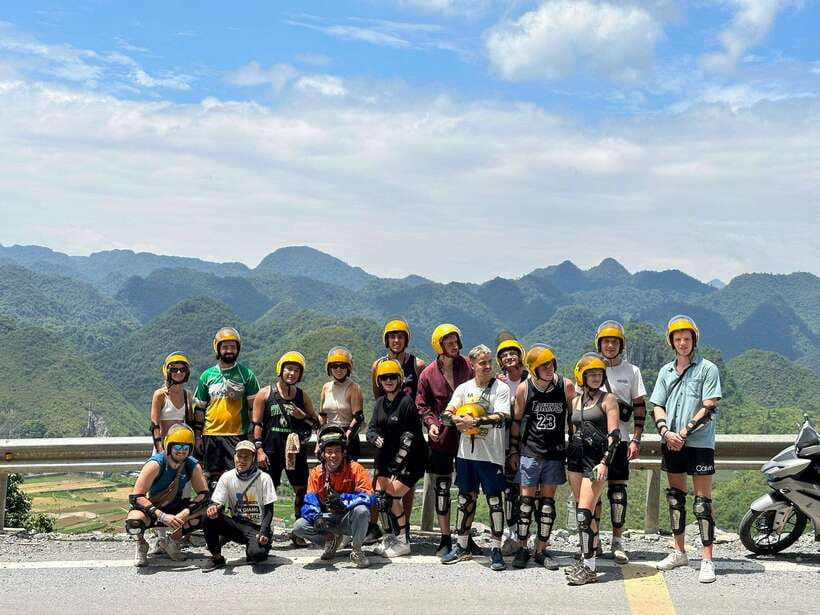
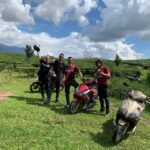
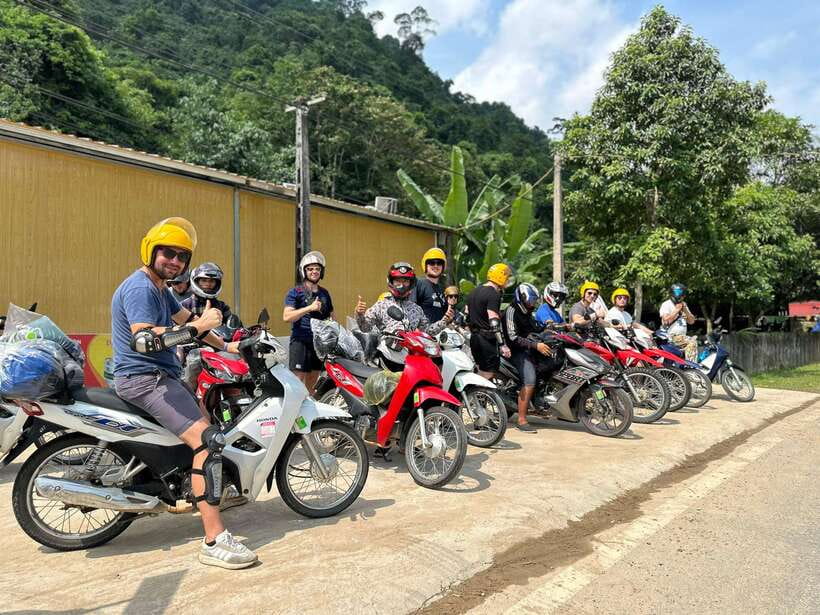
This tour is built around riding, so safety isn’t a footnote. It’s part of the package. You get full or half-helmet, protective knee and elbow gear, basic rain clothes, and even bungee cords plus a plastic cover for your bags. That last detail sounds small, but it helps you keep gear secure on bumpy mountain roads.
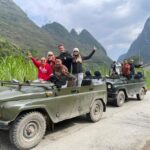
You also get genuine Japanese motorcycles and fuel costs are included, so there’s no stress about where gas comes from mid-loop. The itinerary also includes free storage of excess luggage. That’s useful in practice because you want your essentials on the bike, and the rest can stay put safely while you’re doing the loop.
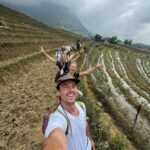
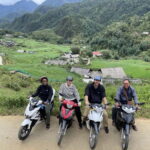
And yes, leadership matters. Good guiding reduces the “guessing.” Phuc, for example, is described as very nice and supportive as a group leader. The riding side can also feel smoother when you trust your rider partner. Chu, with the black horns, is mentioned as a very good pilot. Even if you choose to ride yourself, you’ll feel calmer when you see the group partner riding style and you know your guide is paying attention.
My practical advice: wear the gear exactly as it’s intended. Don’t make shortcuts with helmet fit, and don’t pretend rain clothes are optional. Mountain weather changes fast, and you’ll feel it.
Homestays and meals: authentic mountain days with basic comfort
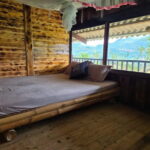
Accommodation on this tour is a mix. You’ll sleep in a traditional homestay and also in basic guesthouses or hotels, depending on the night. There’s also a single room option for an extra fee if you want more privacy.
Don’t expect luxury. The point here is the mountain setting and local hosting, not fancy furniture. Meals are simple local Vietnamese food, and all meals listed in the itinerary are included. You also get drinking water, plus water or soft drinks during lunch.
Another comfort detail: when you arrive on the night bus, you get a free dorm bed. That makes the first rest night easier, especially if you’re coming from a different travel schedule around Sapa.
If you’re the type who likes predictable breakfasts and perfectly timed service, this may feel different. But if you’re okay with simple meals and a slower evening rhythm, the homestay setup is part of why the loop feels like more than a checklist.
Price and value: what you pay for, what you don’t, and smart upgrades
There isn’t a price listed here, so I’ll judge value based on what’s included. You get a lot for one bundled trip: an English-speaking guide, bus transfer both ways, all entrance tickets and permits, motorcycles, fuel costs, and the full set of meals. You’re also covered for the safety gear and basic rain protection.
That bundle matters because Ha Giang travel can become expensive if everything is booked separately. With the loop, you’re paying for logistics as much as for scenery. When you roll through passes on a planned schedule, the benefit is stress reduction.
Two items that can change the experience if you want them:
- Easy rider option is available on request.
- Luxury bus upgrade is available if you contact the provider.
There’s also a seasonal surcharge noted for Xmas and Tet of 50 US dollars per person. If you travel during those dates, it’s worth budgeting for it early.
What’s not included is also clear: personal expenses and personal travel insurance. There’s also no included bus to Ninh Binh unless you request it.
If your comfort level with riding is a question mark, ask about easy rider before you decide. It’s the simplest way to keep the loop experience while lowering fatigue.
Who should book this Ha Giang Loop from Sapa
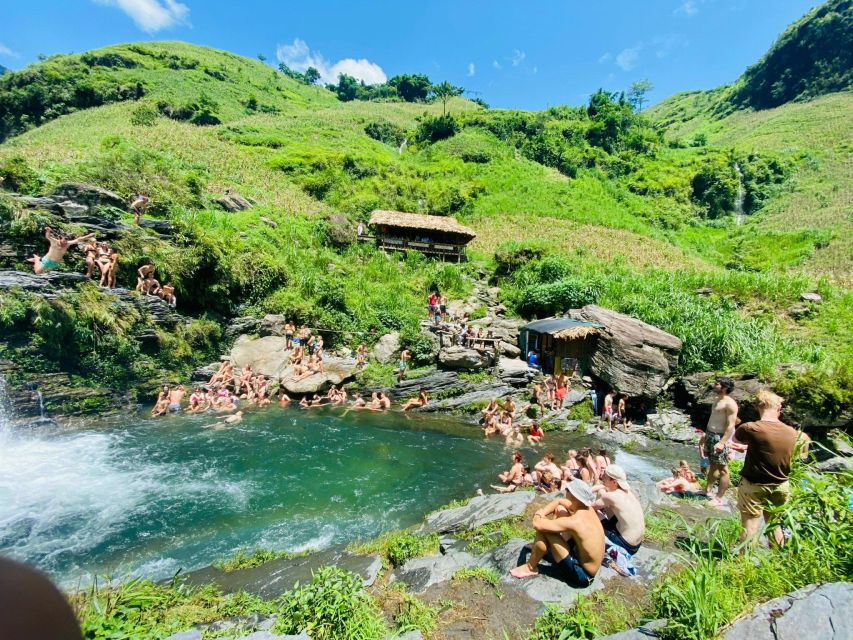
You should book if you want big, memorable mountain driving with real stops: Ma Pi Leng viewpoints, Dong Van market culture, and a Du Gia waterfall swim. You’ll probably love it most if you enjoy road trips where the journey is part of the experience, not just the connection between photo points.
You might rethink it if:
- You don’t handle long riding days well.
- You hate being in basic accommodations.
- You’re uncomfortable with careful road discipline on steep, winding passes.
The loop is around 350 km over 3 days. That’s not a small loop. But the way the days are split—plus the built-in rest time on Day 1 morning and the meal breaks—helps make the distance feel manageable.
Should you book this tour from Sapa?
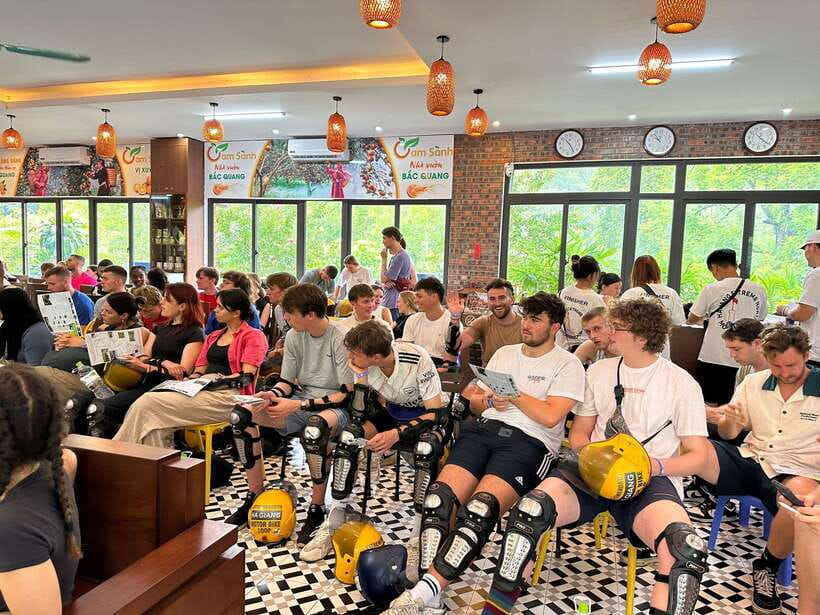
If you’re craving a northern Vietnam road trip with strong mountain scenery and guided support, this is a solid choice. The safety gear included, the Japanese motorcycle setup, and the way the itinerary balances viewpoints with market and waterfall time make the days feel intentionally planned. With an average rating around 4.9/5 across 34 reviews, the guide team and riding experience are clearly major reasons people feel satisfied.
Just go in honest about the trade-offs: long days on the road and basic comfort. Pack layers, protect yourself from weather, and ride with patience. Do that, and you’ll leave with the kind of mountain memories that stick.
FAQ
How long is the Ha Giang Loop on this tour?
The Ha Giang Loop is about 350 km over 3 days.
What time do I get picked up in Sapa?
You’re picked up from your hotel or hostel in Sapa at 7:30 PM for the bus to Ha Giang City.
What does the tour include for meals and drinks?
All meals listed in the itinerary are included, with local Vietnamese food. Drinking water is included, and water or soft drinks are provided during lunch.
What kind of accommodation will I stay in?
Accommodation is a mix of ethnic minority homestays and basic guesthouses or hotels. There’s also a single room option for an extra fee, and you get a free dorm bed when arriving on the night bus.
What safety gear is provided for the motorbike riding?
You receive full or half helmets, protective knee and elbow gear, and basic rain clothes.
Is the motorcycle provided, and are fuel costs covered?
Yes. The tour provides quality genuine Japanese motorcycles, and fuel costs are included.
What is not included in the price?
Not included: personal expenses, personal travel insurance, and a bus to Ninh Binh unless you request it. Easy riders are available on request, and there is a surcharge of 50 US dollars per person for Xmas and Tet holiday.