REVIEW · SA PA
Vietnamese Spring Rolls & Tofu in Tomato Sauce Cooking Class
Book on GetYourGuide →Operated by Saigonese Trekking House · Bookable on GetYourGuide
Spring rolls taste better when you wrap them yourself. This Northern Vietnam class is a practical, hands-on way to learn two classic Vietnamese dishes, from building chả nem/chả giò fillings to cooking a tangy pot of tofu in tomato sauce. I especially liked how the lesson feels like real home-cooking, not a demo where you just watch.
My favorite part was the market-to-kitchen flow. You get the option to visit a local market, then prepare ingredients from scratch, which makes the final flavors easier to understand and repeat later.
One thing to consider: the session runs in English, but the quality of instruction can vary a bit by guide, so if you want super detailed step-by-step explanations, come ready with questions.
In This Review
- Key highlights to know before you go
- Vietnamese spring rolls and tofu: what you’re really learning
- Where the experience starts: the market-to-kitchen rhythm
- Chả nem/chả giò spring rolls: fillings you can actually customize
- Đậu sốt cà chua: tofu in tomato sauce, the comfort-food way
- How the instructors keep it interactive (and where language matters)
- What you’ll do step by step (the practical flow)
- Price and value: why $25 can make sense
- Who this class is best for
- Small considerations before you book
- Should you book Vietnamese spring rolls & tofu in tomato sauce?
- FAQ
- What dishes do I learn to make in this class?
- Is there an option to visit a market before cooking?
- What languages is the class taught in?
- How much does the cooking class cost?
- Is pay later available?
- What is the cancellation policy?
Key highlights to know before you go
- Market stop option to choose ingredients with your hands, not just your eyes
- Fresh spring roll technique using classic Vietnamese filling combos
- Vegan comfort food lesson: tofu simmered in tomato sauce with that familiar sweet-sour balance
- Plating help so your food looks as good as it tastes
- English-guided class in a warm, welcoming setting with interactive cooking
- Small, hands-on feel where you actively cook both dishes
Vietnamese spring rolls and tofu: what you’re really learning
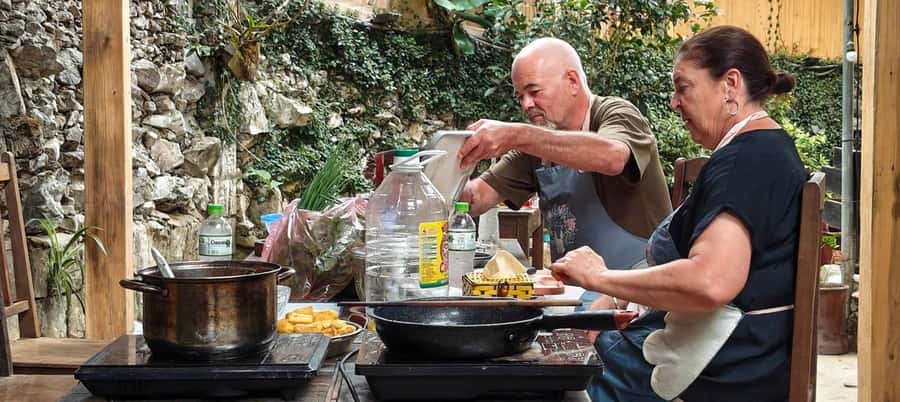
This isn’t just a cooking class for the recipe folder. It’s a chance to learn how Vietnamese home meals are built: bright, balanced flavors; simple methods; and ingredients that matter.
You’ll focus on two dishes that show up again and again in Vietnamese family kitchens in the north: fresh spring rolls (often linked to chả nem/chả giò styles with different fillings) and đậu sốt cà chua, a tomato-sauced tofu dish that’s tangy, comforting, and very doable at home.
The big value here is that you’re not only being told what to cook. You’re learning the logic of it. Why a filling tastes “right” before it ever hits the wrapper. How a sauce thickens and turns glossy. How tofu changes texture once it’s simmered rather than just warmed. If you leave with that kind of understanding, you can recreate these dishes long after your trip.
You can also read our reviews of more cooking classes in Sa Pa
Where the experience starts: the market-to-kitchen rhythm
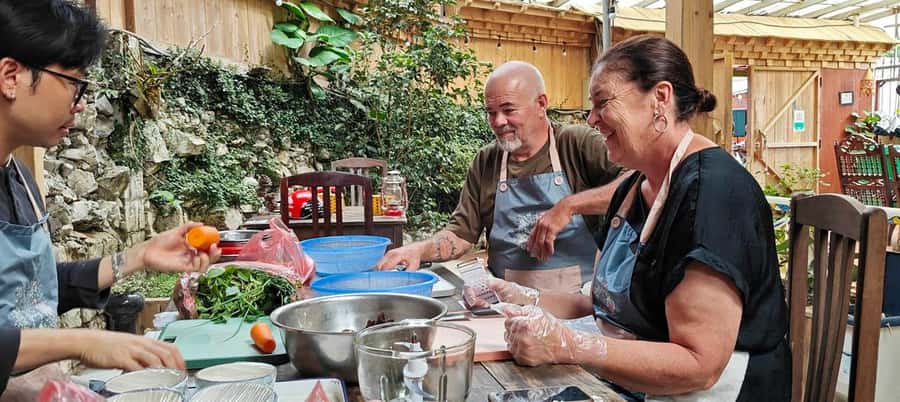
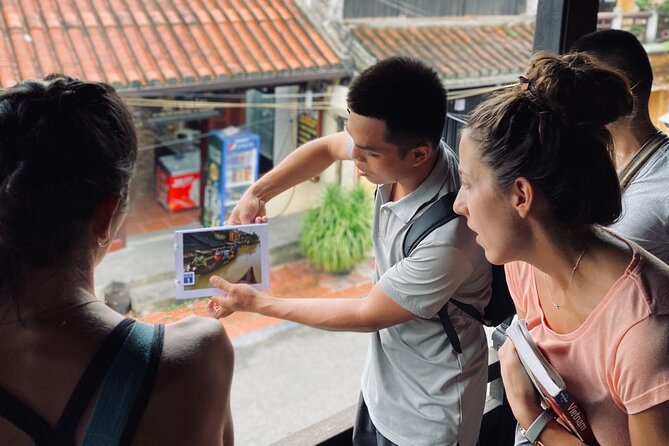
The class has an optional local market visit, and that matters more than it sounds. When you see ingredients before cooking, you start noticing what Vietnamese cooks mean by freshness and balance. You also learn what’s worth buying and what to treat as flexible, based on what’s available.
You’re guided by local instructors in a warm setting, and the experience is designed to be interactive. That usually means you’ll get time to prep, handle ingredients, and ask questions—not just stand nearby.
If you’re thinking about doing this class in a place like Sapa or anywhere in Northern Vietnam, the market stop also helps you connect your cooking to the food geography. Northern Vietnamese meals often lean into herbs, crunchy vegetables, and sauces that taste bright instead of heavy.
A practical tip: if you go to the market, watch what your guide recommends for the filling balance—especially how they treat sweet elements, sour elements, and crunchy ones. That balance is what makes the spring roll taste like spring roll, not just “wrap plus filling.”
Chả nem/chả giò spring rolls: fillings you can actually customize
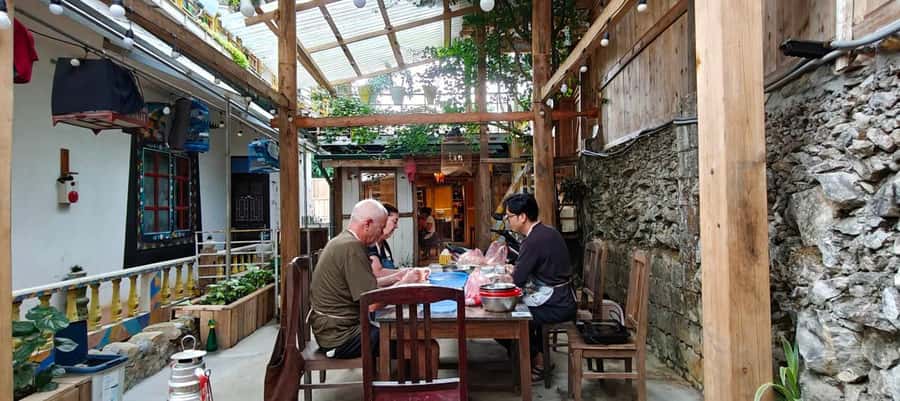
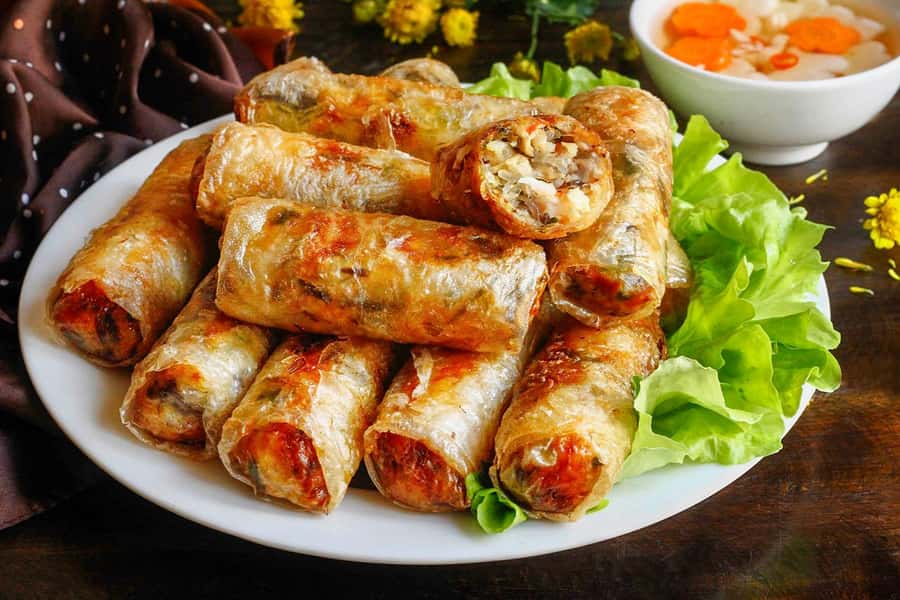
You’ll make local, traditional Vietnamese spring rolls. The class doesn’t lock you into a single filling. It specifically points out that Vietnamese spring rolls can include many combinations like vermicelli noodles, leafy greens, onion, pork, carrot, and bean sprouts.
That flexibility is a gift for you as a cook at home. It means the technique matters more than the exact ingredients. You can follow the method, then swap what you find where you live. Want a different crunch? Adjust the vegetables. Prefer a softer texture? Adjust the noodles or greens.
Here’s what you should pay attention to while you cook:
- Filling texture: You want the mix to feel cohesive, not watery. If a filling is too wet, it can make wrapping messy and affect how the roll holds together.
- Layering flavors: Onion and greens bring freshness; noodles bring body; vegetables bring crunch. A good filling tastes balanced before it becomes a roll.
- Wrapper handling: Spring roll wrappers can be forgiving, but they also demand patience. Don’t rush the setup. Treat it like a rhythm.
Because the class is hands-on, you’re likely to learn by doing the motions and getting feedback. That’s the difference between reading a recipe and actually producing a roll that looks right and tastes right.
Đậu sốt cà chua: tofu in tomato sauce, the comfort-food way
The second dish is a classic Vietnamese vegetarian option: tofu mixed with tomatoes simmered into a sauce, often described as tangy and comforting. Even if you don’t usually cook with tofu, this dish is a smart way to learn because simmering changes tofu from plain to flavorful.
Tomato sauce in Vietnamese cooking tends to aim for a balance: tang from tomatoes, savoriness from the base, and a finish that clings. Once you simmer tofu, it absorbs that sauce character.
When you make this dish, the key skills you’re practicing are:
- Building a sauce that tastes good on its own (before it’s fully reduced)
- Simmering for texture: tofu needs enough time to take on flavor without falling apart into nothing
- Getting the thickness right: you want sauce that coats rather than turns watery
If you’re vegetarian (or you’re just trying to eat lighter without losing comfort), this is the type of recipe that works for weeknights. It’s also a great dish to bring back to home cooking because it doesn’t require rare ingredients—just good tomatoes and a method you can repeat.
How the instructors keep it interactive (and where language matters)
This class is taught in English. In the reviews, one recurring theme is that instructors are friendly and energetic. That matters because spring rolls can frustrate you if the process feels unclear. A good teacher keeps the group moving, answers questions, and makes the technique feel doable.
At the same time, one review noted that an English guide can sometimes be less detailed if your language expectations are very high. So if you want maximum clarity on each step, bring curiosity and ask follow-up questions, even if your guide’s explanations are brief.
The provider is Saigonese Trekking House, and the overall teaching style is framed as warm and welcoming with a focus on hands-on participation and guidance.




What you’ll do step by step (the practical flow)
The experience generally follows a simple, logical pattern that mirrors how you’d cook at home:
- Optionally visit a local market to handle and select fresh ingredients.
- Prepare ingredients from scratch for both spring rolls and tofu in tomato sauce.
- Cook the spring rolls, working with a traditional Vietnamese filling approach (including options like noodles, leafy greens, onion, carrot, bean sprouts, and sometimes meat depending on the menu style).
- Simmer the tofu with tomato sauce to build that familiar tangy comfort flavor.
- Practice plating techniques, so your food doesn’t just taste good—it looks like a proper Vietnamese meal.
There’s a lot of value in that order. The market connects you to ingredients. Spring rolls require careful prep and assembly, which builds technique. Then the tofu dish gives you a simmer-and-coat lesson, which feels calmer and more comforting.
Price and value: why $25 can make sense
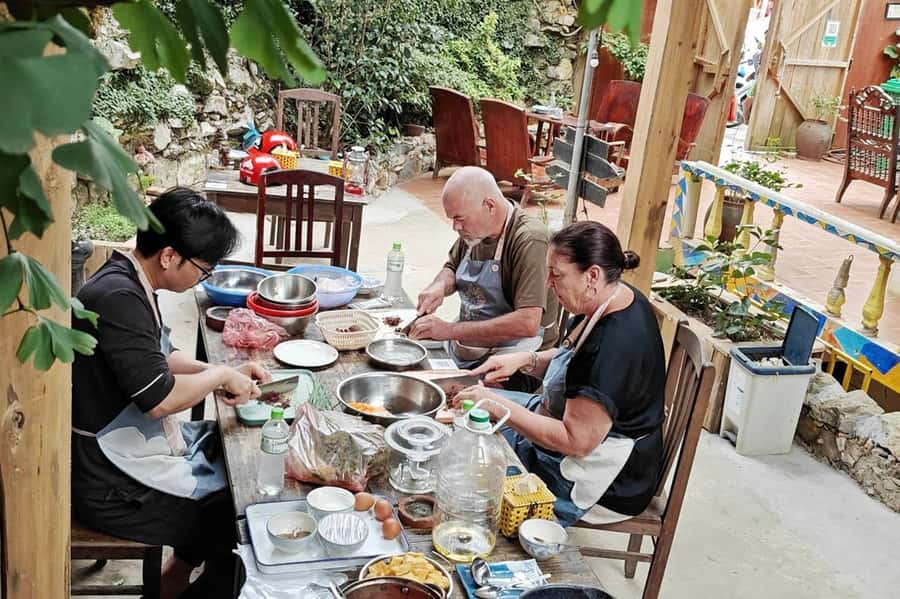
At $25 per person, this is priced like a focused cooking class rather than a long, multi-course food tour. The value mostly comes from what’s included:
- You learn two dishes (spring rolls plus tofu in tomato sauce).
- You get instruction in English.
- You have the option of a market visit.
- You leave with technique you can reproduce, not just a meal experience.
A cooking class gets expensive fast when it includes a big meal spread and lots of stops. Here, you’re paying for hands-on cooking time with two recipes that you’ll actually want to make again. If you care about vegetarian Vietnamese food or you just want one cooking skill that feels real, that $25 price can be very fair.
Who this class is best for
This is a strong match if:
- You like hands-on travel that teaches a skill, not only sights
- You want a vegetarian Vietnamese dish lesson (tofu in tomato sauce)
- You’re interested in Northern Vietnam flavors and home-style comfort food
- You cook at home and want recipes that translate into your kitchen
It’s also a good fit if you’re traveling solo or in a small group and want a structured activity that still feels personal. The class format is interactive, and the guidance is designed to keep you participating.
Small considerations before you book
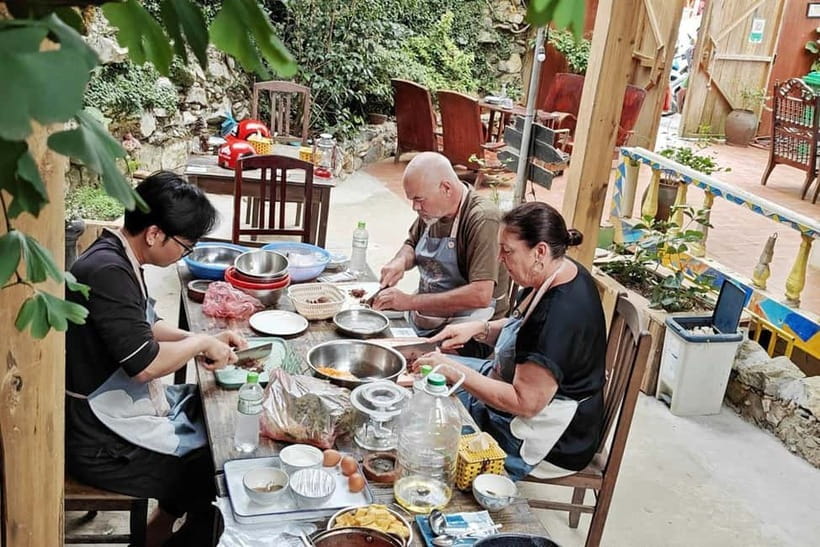
A few things to check in your head:
- English instruction level may vary depending on the instructor, so be ready to ask questions.
- Spring roll prep takes attention. If you get impatient with steps that require patience (wrapping, mixing, assembly), this might feel a bit hands-on and less casual.
- You’ll want to eat Vietnamese-style portions when the cooking ends, but the class is mainly about learning technique and plating, not a full restaurant-style feast.
Should you book Vietnamese spring rolls & tofu in tomato sauce?
If you want one honest skill you can bring back—fresh spring roll technique plus a reliable tofu tomato sauce—you should book this. It’s simple, classic, and designed around real home-cooking logic. The biggest wins are the hands-on spring roll work and the vegetarian comfort food lesson that feels repeatable at home.
Pass if you’re only looking for a sightseeing-heavy day or you want extremely technical, lecture-level explanations in fluent, detailed English. Otherwise, for $25, this is a practical, flavorful class that gives you more than a photo. You’ll leave with food you understand and can cook again.
FAQ
What dishes do I learn to make in this class?
You’ll learn to make Vietnamese fresh spring rolls (chả nem/chả giò style) and tofu simmered in tomato sauce (đậu sốt cà chua).
Is there an option to visit a market before cooking?
Yes. The experience includes an option to visit a local market and prepare fresh ingredients from scratch.
What languages is the class taught in?
The class is taught in English.
How much does the cooking class cost?
The price is $25 per person.
Is pay later available?
Yes. You can reserve now and pay nothing today.
What is the cancellation policy?
You can cancel up to 24 hours in advance for a full refund.