REVIEW · SA PA
Discover Sapa Trekking with optional Cultural Homestay
Book on GetYourGuide →Operated by Chan Giang · Bookable on GetYourGuide
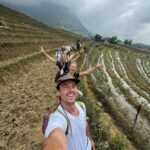
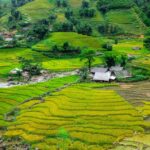
Rice terraces start your day. This 9 AM Sapa trek takes you from village photo stops to Hmong culture and, if you want, an optional cultural homestay with warm family hospitality. I especially like the flexible route options (about 5–11 km) so you can match the day to your fitness, and I like how the pace aims for a less crowded feel off the main tourist tracks. One thing to plan for: this is still a mountain walk, so mud, steep sections, and slippery ground can make it tougher than a casual stroll.
You’ll meet near Sapa Stone Church and head out into the valley for a guided loop through Y Linh Ho, Lao Chai, and Ta Van, with lunch included. The day runs about 5.5 hours, with the tour wrapping around 3 PM in Ta Van so you can get back to Sapa in time for your Hanoi bus.
In This Review
- Key things I’d focus on before you book
- Why this Sapa trek feels different from the usual day trip
- Picking the right distance: 5–11 km routes and what that means for your day
- Starting at Sapa Stone Church at 9 AM: the first shift from town to valley
- Y Linh Ho village: photo stops, views, and a gentler on-ramp
- Lao Chai: lunch with a local Hmong family and why this break matters
- Ta Van: Dzay village time, guided walk, and a realistic 3 PM finish
- Optional cultural homestay: when you want more than one day
- What the guides really add: culture lessons while you walk
- Gear and safety: the real Sapa checklist
- Price and logistics: is $20 good value?
- Who this trek is perfect for (and who should skip it)
- Should you book Discover Sapa Trekking with optional Cultural Homestay?
- FAQ
- How long is the trekking tour?
- What time does the tour start?
- Where do I meet for the tour?
- Where does the tour end?
- What villages are included?
- Is lunch included?
- Does the price include transfers back to Sapa?
- What is the trekking distance?
- Is the tour guided in English?
- Is there an optional cultural homestay?
- What should I bring?
Key things I’d focus on before you book
- Village-to-village hiking: You’re moving through Y Linh Ho, Lao Chai, and Ta Van, not just stopping for a quick look.
- Flexible distance and difficulty: The trek ranges roughly 5–11 km depending on route choice and conditions.
- Lunch with local families: You eat during the day at a Hmong family spot with views.
- English-guided cultural context: You learn about customs and daily life as you walk.
- Optional homestay with a family: Choose the overnight option if you want more than one day of village time.
- Mud and footwear matter: Expect some slippery moments, and you’ll appreciate solid shoes and rain gear.
Why this Sapa trek feels different from the usual day trip
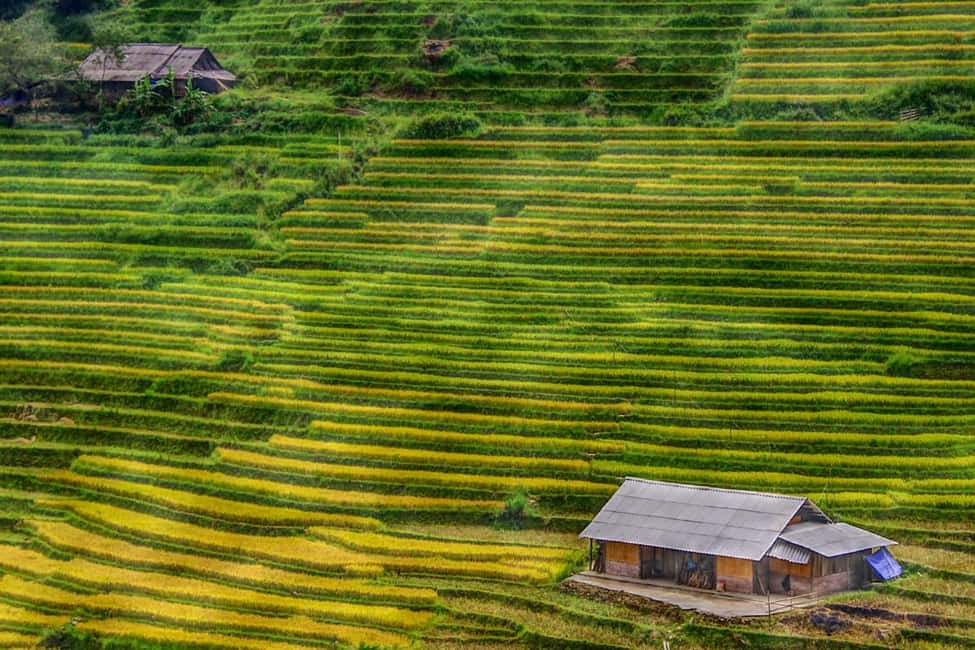
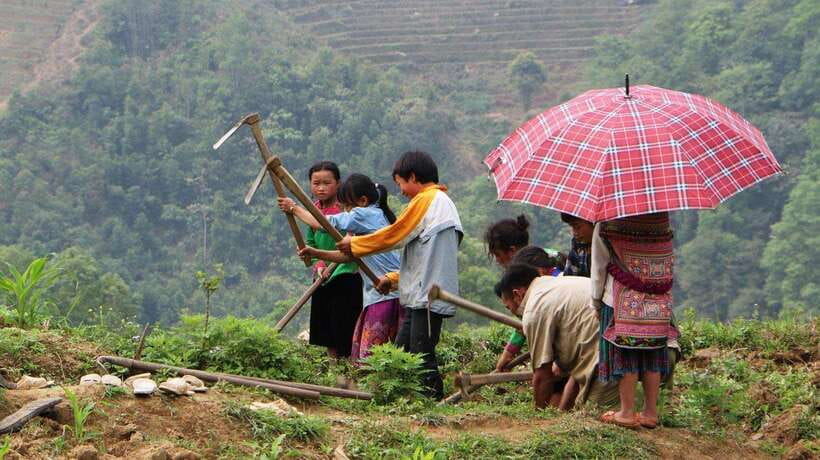
Sapa is famous for views, but what makes this kind of trek worth it is the order of the day: you start with scenery, then you walk into real village routines. You’ll spend time in Hmong and Dzay communities through walkways, field edges, and small paths between settlements. It’s the kind of day where the mountains don’t feel like a backdrop. They feel like the place people live and work.
I like that the tour is built around understanding daily life, not just checking boxes. You get guided time in villages, plus you hear about customs and traditions along the way. And if you happen to travel during harvest season, you might see rice planting or harvesting in action, which adds a strong sense of time and place.
That said, Sapa walking days can be deceptively tiring. Even when the track is described as manageable, the terrain can be wet, uneven, and muddy. If you’re not comfortable with mountain walking, you’ll feel it fast. The tour also isn’t recommended for certain health needs, and the physical demands are part of the experience.
You can also read our reviews of more hiking tours in Sa Pa

Picking the right distance: 5–11 km routes and what that means for your day
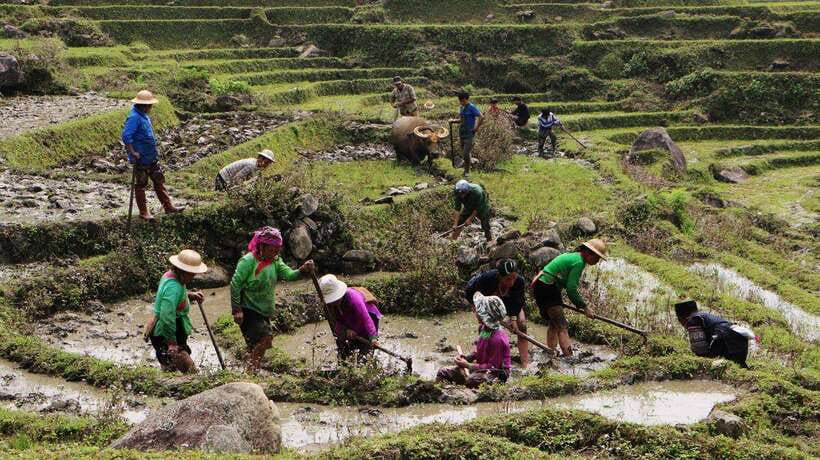
The route distance is flexible, roughly 5–11 km, with different difficulty levels. That range matters because Sapa can turn “easy” into “slow and careful” once paths get slick. If you’re new to hiking, aim for the shorter option and build confidence in the terrain before you stretch the day longer.
On longer routes, you may encounter more variety in what you pass: waterfalls, bamboo bridges, and long stretches walking through or along rice areas have shown up on past treks. Even if your specific route varies, the idea stays the same: more distance usually means more walking time between villages, more turns in the path, and more chances to see working fields.
Your best move is to talk to the guide about your pace and comfort early. Guides in this area often adjust the route and flow so you can keep moving without turning it into a grind. If you see steep or sketchy sections, you can ask about alternatives, including staying on safer paths.
Starting at Sapa Stone Church at 9 AM: the first shift from town to valley
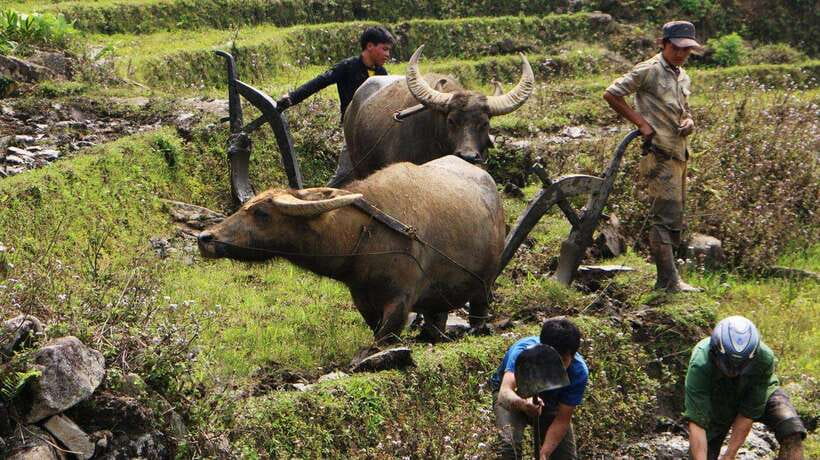
You’ll begin at 9 AM, meeting at Sapa Stone Church. The operator notes meeting either in Sapa town or at your hotel at that same start time, so if you’re not sure what’s arranged for your day, confirm the exact pickup location the day before.
The first minutes matter because they set your expectations. Sapa town is cool, busy, and full of scooters. Then you step out into a quieter valley rhythm. From there, the tour heads toward Y Linh Ho, which works well as a first village stop: you get oriented, see the setting up close, and start learning how the communities relate to the surrounding fields.
Y Linh Ho also includes a guided component plus time for a photo stop and shopping. That’s a good combo for first-timers: photos help you remember the shapes of terraces and paths, while the shopping time lets you interact with what people make and wear without feeling rushed.
Y Linh Ho village: photo stops, views, and a gentler on-ramp
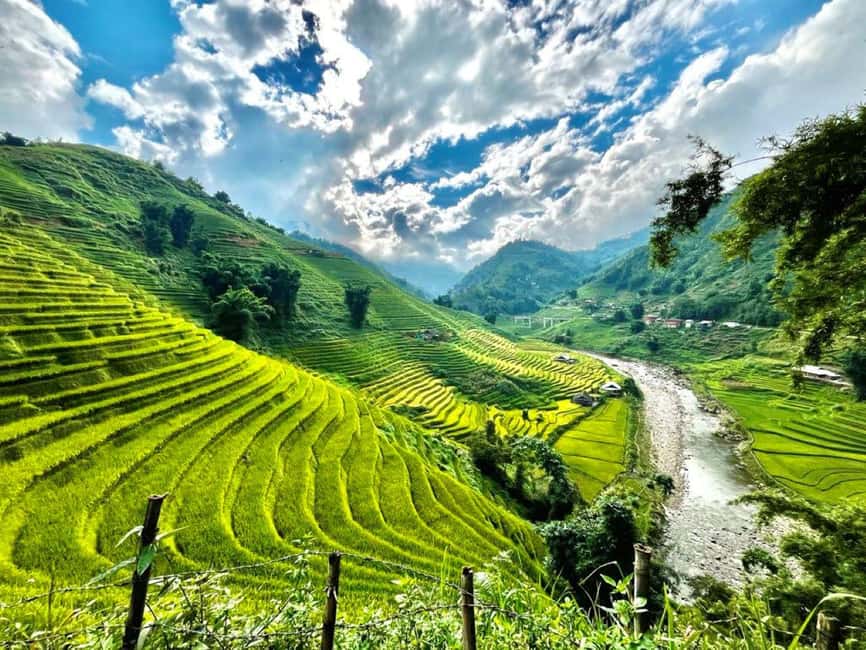
Y Linh Ho is where the day turns from travel to walking. Expect around 2.5 hours here, including guided time, walking/hiking on the way, scenic views, and time for shopping. In plain terms: it’s long enough for you to settle into the rhythm and short enough that you’re not exhausted before lunch.
This stop is also where you learn how customs show up in everyday choices. You’ll hear about traditions and daily life while you move, which makes the visuals stick. Rice terraces can look similar in photos, but you start noticing different textures and water patterns once you’re walking beside them.
One drawback to keep in mind: the valley can get wet. Mud is common in mountain areas, and even when the path isn’t extreme, wet ground can make each step feel more important. Bring the right shoes and take it slow early.
Lao Chai: lunch with a local Hmong family and why this break matters
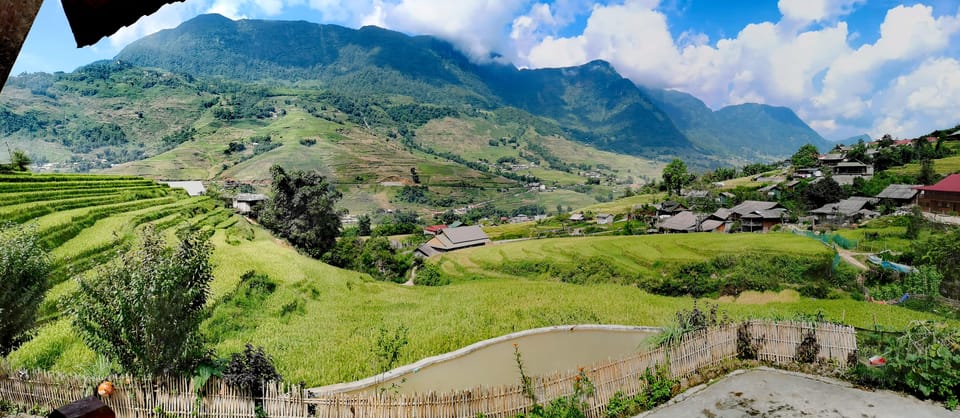
After Y Linh Ho, you head to Lao Chai for lunch, about 1 hour. Lunch isn’t just a pause. It’s one of the most meaningful parts of the day because it connects the walk to local life. The lunch is at a Hmong family restaurant, and you’re eating in a setting with a view rather than in a standard tourist dining room.
From past trek experiences on this route, the meals have been described as delicious, and there’s also been mention of vegetarian catering. If that matters to you, it’s smart to request it when you book so the guide can coordinate.
This is also the point in the day where people tend to relax a little. You’ve walked, you’ve learned some context, and now you sit. That lunch hour helps you return to the trail with better energy for the next village.

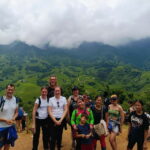
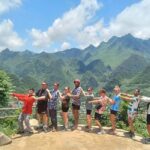
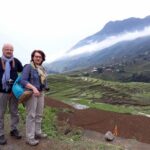
Ta Van: Dzay village time, guided walk, and a realistic 3 PM finish
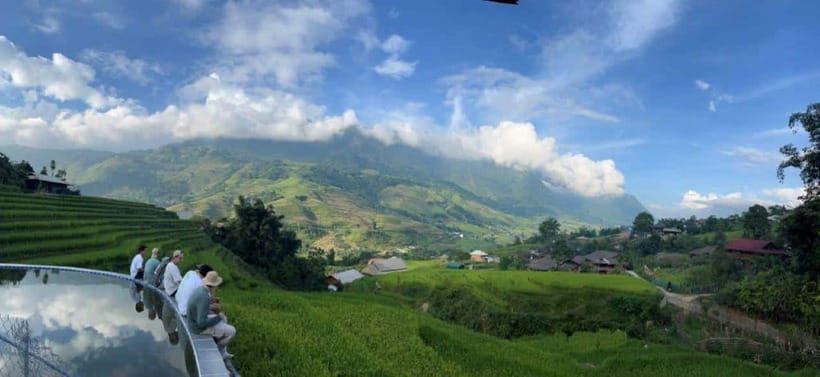
The final village stop is Ta Van, where the schedule calls for about 1.5 hours. You’ll have a photo stop, guided exploration, and time for shopping and sightseeing, plus walking/scenic viewing along the way.
Ta Van is home to the Dzay people, and that shift from Hmong areas adds variety to your cultural map of the valley. Instead of treating Sapa as one culture, you start seeing it as several communities shaped by the mountains, the fields, and the seasons.
The practical win here is timing. The tour wraps around 3 PM in Ta Van and then you’re transported back to Sapa, with enough buffer to catch your bus to Hanoi. If you’re working with a tight transit schedule, this finish time is a big reason to pick this format over longer multi-day treks.
Optional cultural homestay: when you want more than one day
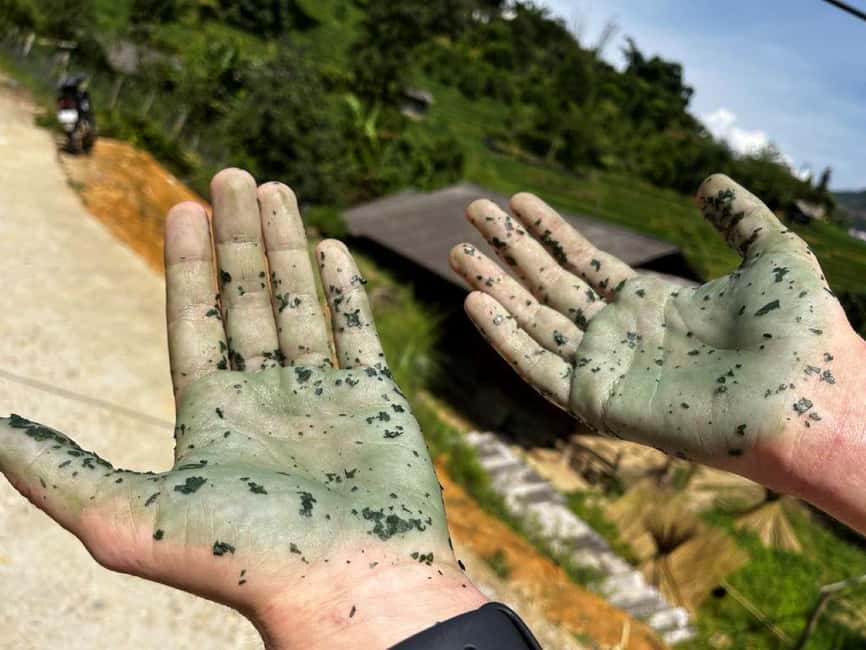
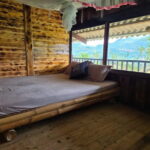
The trip offers an optional cultural homestay. That’s the right choice if you’re craving more than the daytime tour version of village life. A homestay adds the evening and morning moments you normally miss: family routines, conversation time, and a deeper sense of how the community lives with the landscape.
If you choose the overnight option, keep your mindset flexible. You’re not going to a hotel; you’re visiting a family home. Comfort will depend on conditions and what’s available with that particular family.
If you have dietary needs, especially around dairy, note that the tour’s info lists lactose intolerance as not suitable. If that’s you, ask directly what’s possible before you choose the homestay add-on.
What the guides really add: culture lessons while you walk
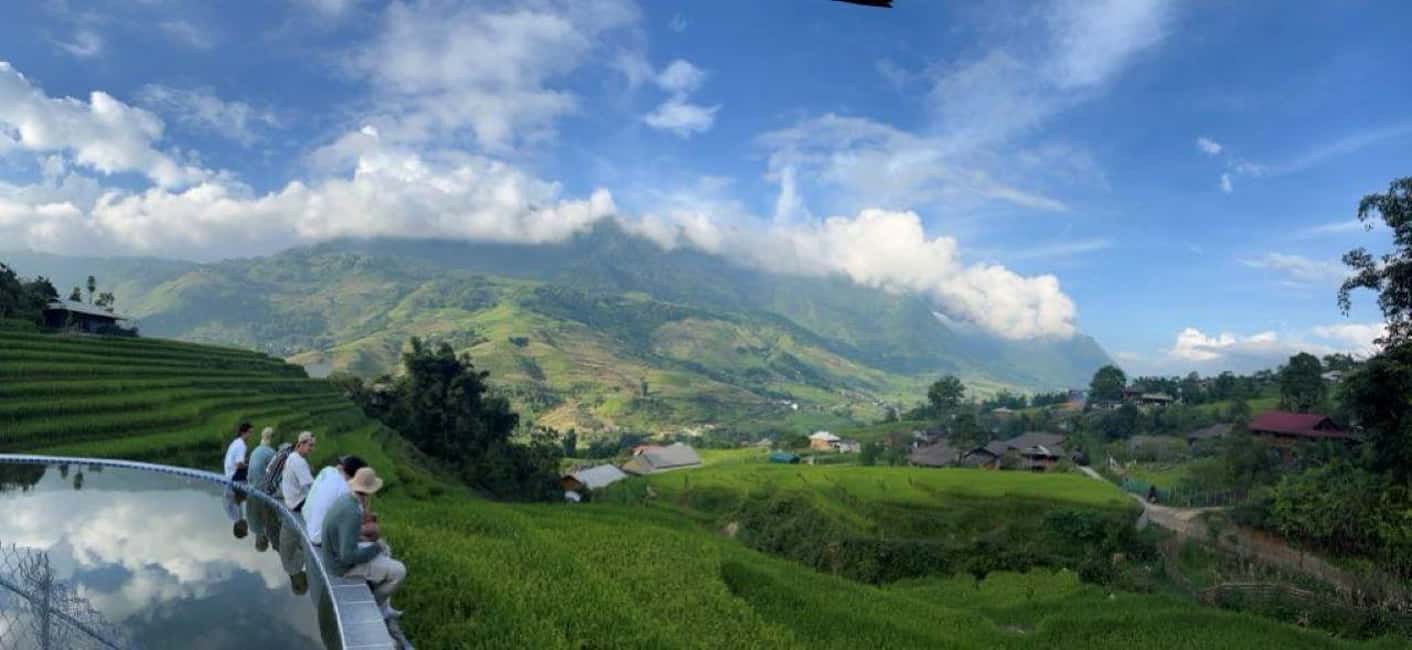
A good guide can turn a trek into an education that doesn’t feel like a classroom. In this area, guides like Chan Giang and other Hmong guides including Sung (and even the tour team involving Chan’s sister Vu) are known for strong English and for answering questions in a natural way as you go.
The best part is not just facts. It’s how the guide connects what you see with daily choices. You’ll learn about how people live, what they do in their fields, and how traditions show up in daily life. And because you’re walking together the whole time, you get a steady flow of conversation rather than Q&A at the end.
On muddy days, guides and local helpers can make a real difference. There are stories of Hmong women and children helping when the track gets slick, and that kind of support can help you feel safer and more confident on the trail.
Gear and safety: the real Sapa checklist
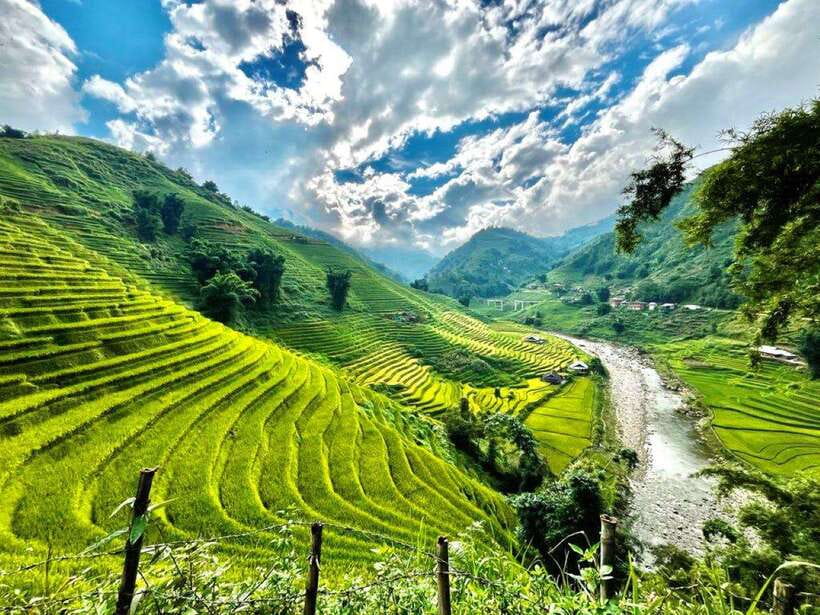
This trek asks for a few non-negotiables. The tour info is clear: bring comfortable shoes, sunglasses, a sun hat, a camera, drinks, hiking shoes (ideal), rain gear, and a charged smartphone. You’ll also want trekking gear if you have it.
Here’s how I’d translate that into practical choices:
- Shoes: choose shoes you trust on mud. Slippery sections can happen, and ankle support helps.
- Rain gear: even light showers can change the ground fast.
- Sun protection: mornings can start bright, and you’ll be outside for hours.
- Water: drinks aren’t included, so pack what you’ll need.
One extra tip based on real-world conditions: if gumboots or extra footwear are available through the guide’s network, take advantage of it. Past treks on this route have included help arranging footwear right at the start when trails were muddy.
Also, skip the idea that this is a gentle “pictures only” walk. One review noted it included about 11–12 km and felt like an adventure, not a stroll. If you can walk 1.5–3 hours in uneven terrain without panicking, you’ll likely be fine.
Price and logistics: is $20 good value?
At about $20 per person, this trek is good value because the core costs are covered. Lunch is included, you get a live English-speaking guide, and you get transfer back to Sapa after the trek. That matters in Sapa because the “cheap” version of many day tours often charges extra for guide time and transport.
What’s not included is also important to know. Drinks aren’t included, and water isn’t included. Trekking shoes or boots aren’t included either, so if you’re arriving without gear, budget for at least the right footwear.
Pickup outside Sapa city is not part of the package, so plan to be based in Sapa or confirm your pickup point. The start and end are tied to Sapa Stone Church, and the schedule is built for a smooth return to town.
Who this trek is perfect for (and who should skip it)
This is a strong fit if you want:
- A mountain day with village stops instead of just scenic viewpoints
- An off-the-beaten-track feel, with routes that avoid the most crowded paths
- Cultural explanations while you walk through villages like Y Linh Ho, Lao Chai, and Ta Van
- A realistic half-day structure that still feels meaningful
It’s also a great pick if you like meeting local guides and asking questions on the move. The format makes conversation natural.
But it’s not a fit if:
- You use a wheelchair, or you need low-impact walking only
- You have heart problems or high blood pressure (the tour info lists these as not suitable)
- Your fitness is very limited and you can’t handle uneven terrain
- You have lactose intolerance and are considering the homestay option
If you’re unsure about your health limits, ask the operator directly before booking.
Should you book Discover Sapa Trekking with optional Cultural Homestay?
I’d book it if you want Sapa to feel human. This isn’t a drive-by photo tour. It’s a guided village walk with lunch and a finish that respects your travel schedule back toward Hanoi.
Book it sooner rather than later if you:
- Want flexibility on distance and difficulty (roughly 5–11 km)
- Care about meeting Hmong and Dzay communities through daily life
- Like the idea of an optional homestay for more evening and morning time
Hold off if you:
- Expect flat, easy walking only
- Don’t have the right shoes and rain gear
- Need medical accommodations or have health issues listed as not suitable
If you’re ready for real mountain walking and you want culture that happens on foot, this one is a smart bet. The payoff is a day where the terraces, villages, and people connect into one story you can actually understand.
FAQ
How long is the trekking tour?
The tour duration is about 5.5 hours.
What time does the tour start?
The tour starts at 9 AM.
Where do I meet for the tour?
Meet at Sapa Stone Church.
Where does the tour end?
The tour ends back at the meeting point.
What villages are included?
The trek includes stops in Y Linh Ho, Lao Chai, and Ta Van.
Is lunch included?
Yes, lunch is included (served at a local Hmong family restaurant).
Does the price include transfers back to Sapa?
Yes. Transfer back to Sapa after the trek is included.
What is the trekking distance?
Routes range from about 5 to 11 km depending on the selected route and difficulty.
Is the tour guided in English?
Yes, the tour guide provides English.
Is there an optional cultural homestay?
Yes, there is an optional cultural homestay for additional overnight cultural experience.
What should I bring?
Bring comfortable shoes, trekking shoes if you have them, sunglasses, sun hat, camera, drinks, rain gear, and a charged smartphone.