REVIEW · SAPA
Half-Day Hometrek from Sapa with Hmong Sister House
Book on Viator →Operated by Hmong Sister House and Trekking · Bookable on Viator
A mountain walk with village stories is the best kind. I love the rice-terrace views and the fact you’re guided by real Hmong culture instead of generic talk. The main catch is that the trail can get muddy and March can feel quieter, so you’ll want good shoes and flexible expectations.
You’re looking at about 4.5 hours on a shared group route with up to 15 people, starting anywhere from 6:00 AM to 2:30 PM. Pickup is offered from convenient spots in Sapa, and the trek ends at Zizi Mekhoo Sapa Homestay, about 9 km from town.
In This Review
- Key Highlights You’ll Actually Feel
- A Half-Day Hometrek That Hits the Right Notes in Sapa
- Pickup in Sapa: Easy Start, Shared-Group Energy
- Y Linh Ho: The Old Market Path and Why It Matters
- Lao Chai: Rice Paddies, Community Views, and Photo Breaks
- Ta Van Village: Cultural Stories With an English-Speaking Hmong Guide
- Hau Thao and Zizi Homestay: The Finish With Big Views
- What’s Included (and Why It’s Good Value)
- Timing and Pace: 4.5 Hours Means You’ll See Real Things, Fast
- Weather and Trail Reality: The Two Things That Can Change Your Day
- Who This Trek Is Best For
- Should You Book This Half-Day Hometrek?
- FAQ
- How long is the trek?
- What is the price per person?
- Is pickup included, and where does the tour start?
- Where does the tour end?
- What’s included in the tour price?
- Do I need good weather?
- How many people are in the group?
Key Highlights You’ll Actually Feel
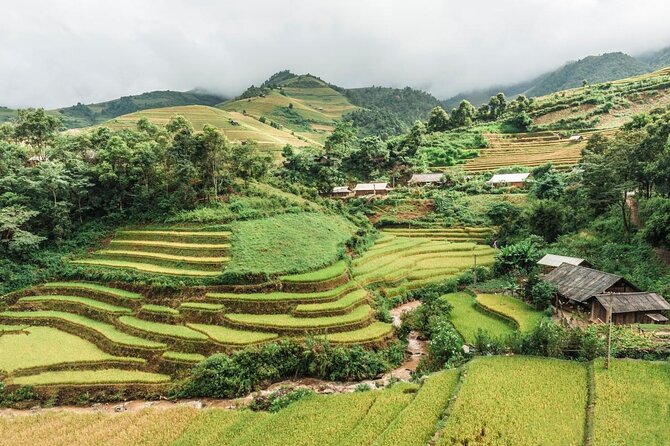
- A classic Hmong market trail becomes a viewpoint route, connecting villages with rice fields along the way
- English-speaking Hmong guides help the route make sense, including daily life and culture
- Rice paddies + mountain views at multiple points, not just one photo stop
- Small-group feel (max 15) makes it easier to move at a human pace
- Hau Thao village finish at a family homestay with an optional family dinner
- Free admission tickets and lunch + bottled water included add real value
A Half-Day Hometrek That Hits the Right Notes in Sapa
Sapa can feel like a buffet of tours. This one is different because it’s built around a walk that Hmong people used long ago. You’re not just moving from viewpoint to viewpoint. You’re tracing the path from village to the market direction, then arriving where a Hmong family lives and seeing how the land shapes daily life.
I especially like how the trek gives you a quick overview of several key villages—without forcing you into an all-day slog. It’s a good choice when your energy is limited, your schedule is tight, or you simply don’t want to spend half the day arguing with buses and timing.
Just know the route is still a hike. Even with a guide’s help, uneven ground and wet patches can slow you down. One person even twisted an ankle near the start, and the trip ended early. That’s a useful reminder: good footwear and a realistic attitude matter.
A few more Sapa tours and experiences worth a look
Pickup in Sapa: Easy Start, Shared-Group Energy
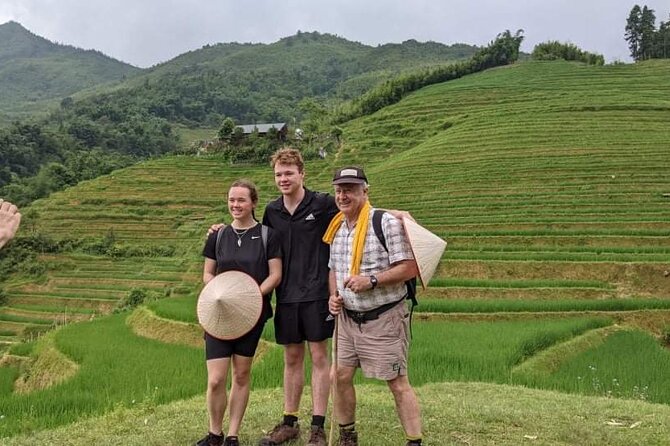
This tour runs out of Sapa town, with pickup offered from wherever is convenient—like your hotel or bus stop. After you meet your guide, the group heads toward the trail area, and the schedule stays tight enough to keep the total walking experience around 4 hours 30 minutes.
The experience is shared, not private, with a maximum of 15 travelers. That’s a sweet spot for many people: small enough to feel personal, but large enough to keep the cost reasonable. If you prefer a quiet, custom pace, this may feel a little less tailored. But the big upside is that you get the same cultural guidance without paying for private pricing.
Also worth noting: the tour window is flexible. You can start within 6:00 AM to 2:30 PM, so you can pick a time that matches your day—morning for cooler air and clearer visibility, later for a slower start.
Y Linh Ho: The Old Market Path and Why It Matters
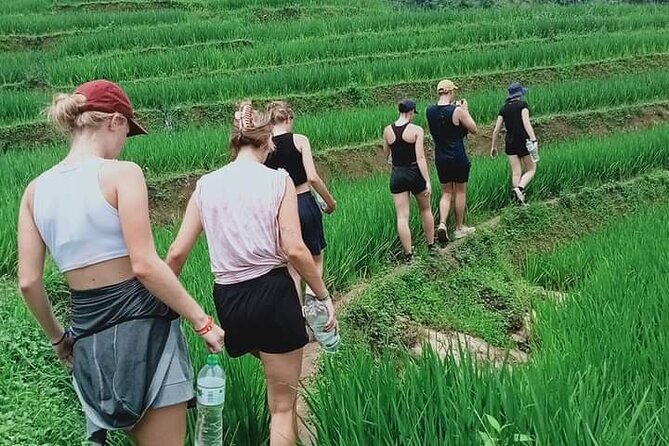
Your first major walking segment takes you through Y Linh Ho, where the story behind the route comes alive. The idea is straightforward: in the old days, Hmong people like Zizi’s family would hike from their village toward Sapa’s market. Now, that same idea becomes a “must-do” trek—because it shows the heart of the region.
This stop is special because it’s not just scenery. It’s the origin story of the hike. When your guide explains why the path existed—how people moved, how they planned, how the land guided them—it changes the way you see the next steps. Even if you’re short on time, you still get context.
If visibility is good, you’ll likely get nice mountain views here too. If clouds roll in, don’t panic. The route remains about walking through village life and land use, not only about chasing a perfect photo moment.
Lao Chai: Rice Paddies, Community Views, and Photo Breaks
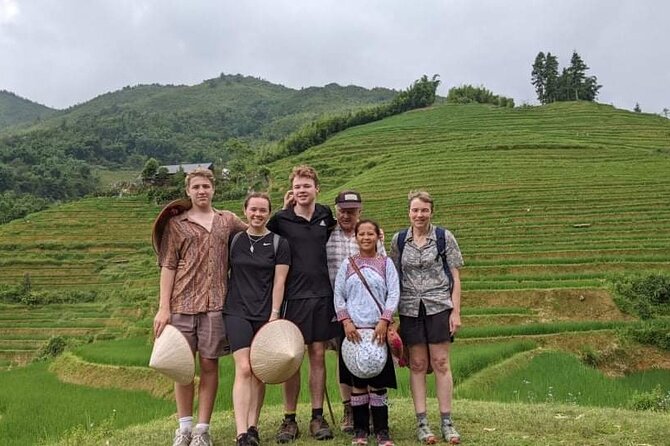
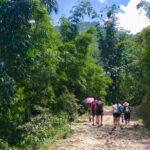
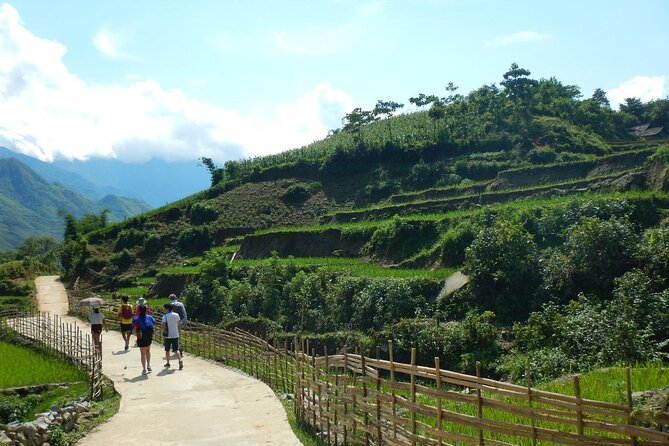
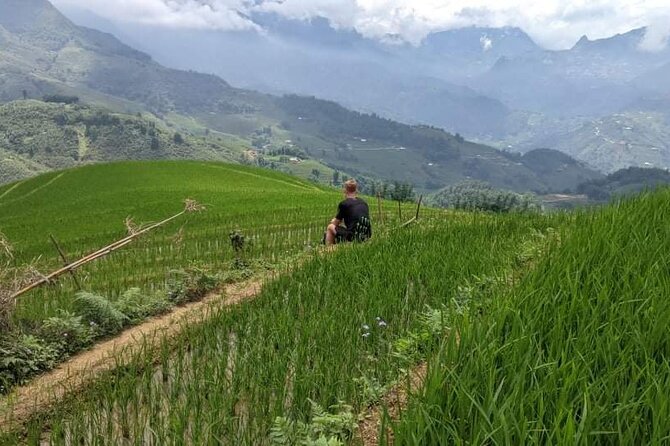
Next up is Lao Chai, where you get an excellent perspective of the major communities and how the region is organized around rice cultivation. This is where the trek shifts into the classic Sapa rhythm: walking on paths that thread between paddy views, then stopping for photos at spots that are genuinely scenic.
Why this section works: it’s varied. You’re not staring at one panorama for hours. You get layered sightlines—valleys, terrace fields, and the shapes of villages—plus the feeling that these communities are connected, not isolated.
A practical note: rice areas can be wet. Even in decent weather, paths can be slick or muddy. If you’re prone to slipping or you’re carrying heavy luggage, consider going a touch slower here. You’re not racing the clock; the tour is paced for a comfortable shared group walk.
Ta Van Village: Cultural Stories With an English-Speaking Hmong Guide
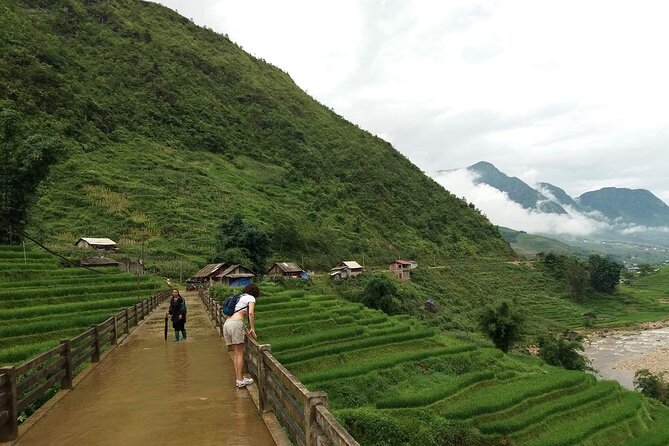
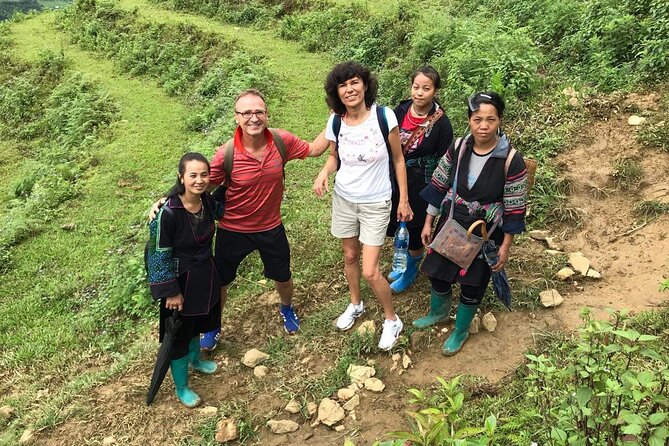
Then you reach Ta Van Village, one of the stops where the cultural side becomes the main event. The guide accompanies you and shares stories about the village history and Hmong culture—so the trek doesn’t feel like a sightseeing loop. It feels like learning how people live in this environment.
This is also where I think the guide quality matters most. In the experience, you’re specifically looking at an English-speaking Hmong guide, and one of the best things people highlight is how living the culture shows through. The difference is subtle but real: the explanations feel grounded, not “scripted,” because the guide is part of the community.
If you enjoy asking questions—about daily routines, community roles, or what life looks like during farming seasons—this segment is where you’ll get the most out of your time. Don’t be shy about asking what you’re seeing. Guides can often connect the scenery to a specific way of working the land.

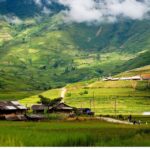


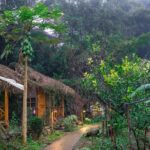
Hau Thao and Zizi Homestay: The Finish With Big Views
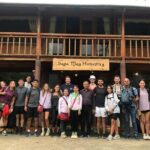
The trek ends in Hau Thao, where Zizi’s family lives at Zizi Mekhoo Sapa Homestay. This part is built to feel like a natural conclusion: you arrive, you take in the view, and you get time to explore the village atmosphere up close.
This is one of those moments where the homestay finish changes your perspective. Instead of “tour ends, goodbye,” you have a sense of place and a family home setting. If you want to extend the experience, you can join the family dinner cooked by Zizi Homestay. Your English-speaking Hmong guide can explain the road’s history, daily life, and Hmong culture during the meal area.
The trek ends about 9 km from Sapa town, so plan to stay at or near the homestay for any later plans. If you’re heading back to town the same day, you’ll want to coordinate timing.
What’s Included (and Why It’s Good Value)
For $25 per person, you get a lot that other tours often charge extra for. The experience includes:
- Pickup offered within Sapa from convenient points
- Bottled water
- Lunch
- Admission tickets are free for the stops
- A mobile ticket
When you compare tour costs, the hidden money is usually food, transport, and “entry” fees. Here, lunch + water are already handled, and the admission tickets are free, so you can spend your time enjoying the walk instead of shopping for lunch at the last minute.
Also, the tour includes an English-speaking guide, and that’s often the real value driver. Language access matters in village settings, where the difference between passing through and understanding what you’re seeing is huge.
Timing and Pace: 4.5 Hours Means You’ll See Real Things, Fast
This half-day trek is designed around a compact route:
- Stop 1: Sapa pickup area (around 40 minutes)
- Stop 2: Y Linh Ho (around 1 hour)
- Stop 3: Lao Chai (around 1 hour 30 minutes)
- Stop 4: Ta Van Village (around 1 hour)
- Stop 5: Hau Thao (around 30 minutes)
That structure helps you understand what you’re buying: time in motion, with culture and views built into the walking segments. It’s not a long sit-and-watch tour, and it’s not an aggressive full-day hike either.
The start time flexibility is also useful. If you’re sensitive to early mornings, you can choose a later start between 6:00 AM and 2:30 PM. If you prefer cooler conditions and clearer sightlines, start earlier when you can.
Weather and Trail Reality: The Two Things That Can Change Your Day
This experience requires good weather. If weather is poor, the tour can be canceled and you’ll be offered a different date or a full refund. That’s important because the route includes muddy paths and uneven terrain.
One thing I recommend: treat this as a hike, not a casual stroll. Even when the route is manageable for most people, wet trails can be slippery. If you bring footwear with grip, you’ll feel calmer at every stop.
If you’re traveling in months when Sapa feels slower, keep your expectations flexible. Some seasons can mean fewer active village moments or less energy on the trail. The core views and cultural guidance remain, but the overall atmosphere can be quieter.
Who This Trek Is Best For
This half-day hometrek is a strong fit if you want:
- A cultural village trek with an actual Hmong guide, not just a driver
- Rice paddy scenery and mountain views in a short timeframe
- A route that gives you a sense of how multiple communities connect
It’s also a good choice for couples or solo travelers who want structure but not a private-only experience. If you’re traveling with mobility limitations, you might find the muddy uneven paths challenging—most travelers can participate, but the terrain is still terrain.
If your priority is comfort over hiking, consider lighter options in the area. But if you can handle a real walk and you care about seeing village life, this hits the sweet spot.
Should You Book This Half-Day Hometrek?
Book it if you want a short trek with real cultural context and you like rice terrace views that come from walking, not just standing. The combination of English-speaking Hmong guidance, village route storytelling, and included lunch makes it good value for the price.
Skip or think twice if you know you’re not comfortable on muddy, uneven ground, or if weather conditions in your travel week are uncertain and you hate changing plans. In that case, you might prefer a different day-based option with less dependence on trail conditions.
FAQ
How long is the trek?
It runs for about 4 hours 30 minutes (approx.).
What is the price per person?
The price is $25.00 per person.
Is pickup included, and where does the tour start?
Pickup is offered from convenient points in Sapa town. The start is Sa Pa, Lao Cai, Vietnam.
Where does the tour end?
The tour ends at Zizi Mekhoo Sapa Homestay in Ban Pho village, Sa Pa. It’s about 9 km from Sapa town.
What’s included in the tour price?
The tour includes bottled water and lunch.
Do I need good weather?
Yes. The experience requires good weather. If it’s canceled due to poor weather, you’ll be offered a different date or a full refund.
How many people are in the group?
It’s shared with a maximum of 15 travelers.
—
If you tell me your travel month and whether you prefer early or late starts, I can help you pick the best timing window for this trek.

![Trang An Hoa Lu Mua Cave Tour [Japanese guide, limousine bus, lunch and dinner included] - Hoa Lu’s Ding dynasty remains: ancient bones before the views](https://2.thevietnamtraveler.com/wp-content/uploads/trang-an-hoa-lu-mua-cave-tour-japanese-guide-limousine-bus-lunch-and-dinner-included.jpg)