REVIEW · HOI AN
Tra Que Village Cycling And Farming
Book on Viator →Operated by Hoi An Food Tour - Private Day Tours · Bookable on Viator
Pedal 15 minutes, forget the city. This is a gentle bike ride into Tra Que Vegetable Village, where you’ll see rice fields, buffaloes, and an organic farming setup that’s simple and eye-opening. It’s family friendly, small-group, and packed into a half-day.
Two things I really like: the chance to learn how Tra Que uses seaweed to fertilize herbs, and the hands-on time making traditional rice paper with farmers. You also get a light lunch with pho, which makes the whole morning feel complete rather than snack-and-scoot.
One consideration: you’re still riding a bicycle for a good chunk of time, so if you’re worried about comfort on rural lanes, go slow and wear the helmet. Start time is 8:30 am, which helps with heat, but you will feel the morning routine.
In This Review
- Key things to know before you go
- From Hoi An Old Quarter to the Green Fields: the ride and the vibe
- Tra Que Vegetable Village: what “organic” looks like in real life
- Rolling up your sleeves: gardening and farming hands-on
- Making traditional rice paper: the skill you actually take home
- The small “extra” moments: temples, photos, and guide personalities
- Lunch that fits the day: light pho and why it works
- Price and value: what $25 actually buys you
- Logistics that matter: timing, meeting point, and what to bring
- Who this tour suits best (and who might want something else)
- Should you book Tra Que Village Cycling And Farming?
- FAQ
- Where is the meeting point for this tour?
- Does the tour offer pickup?
- What time does the tour start, and how long does it last?
- Is lunch included?
- What’s included in the price?
- How many people are in the group?
- What should I bring?
Key things to know before you go
- Organic farming in Tra Que: learn how farmers use seaweed to feed herbs without chemical fertilizers
- Rice paper making: a real skill moment, not just a photo stop
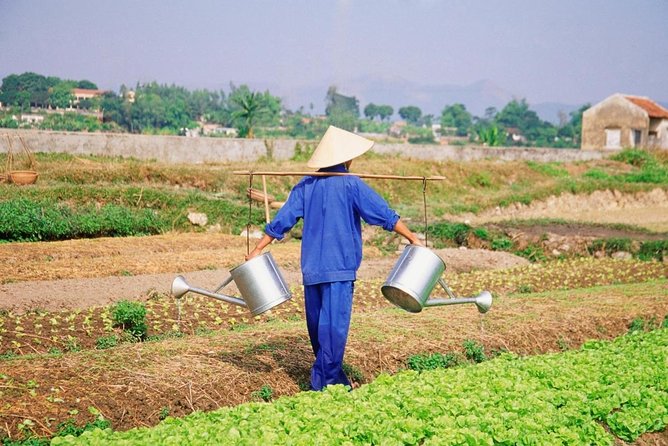
- Farm work experience: you’ll join in garden activities from prepping the land to picking vegetables
- Small group size: capped at 15 travelers, so you’re not lost in a crowd
- All-in value: bike, helmet, water, guide, activities, and entry fees are included, plus a light pho lunch
From Hoi An Old Quarter to the Green Fields: the ride and the vibe
You start at 119 Tran Quang Khai, near the heart of Hoi An. If you’re using pickup, that’s a nice touch—less time herding bags and more time cycling. The scheduled start is 8:30 am, and the total time on the clock is about 3 hours 30 minutes.
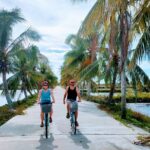
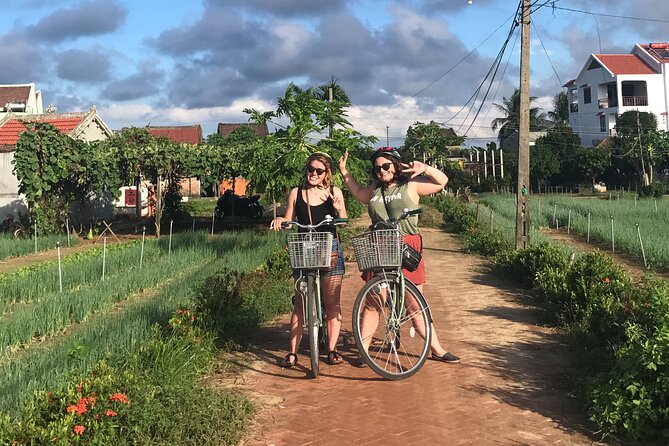
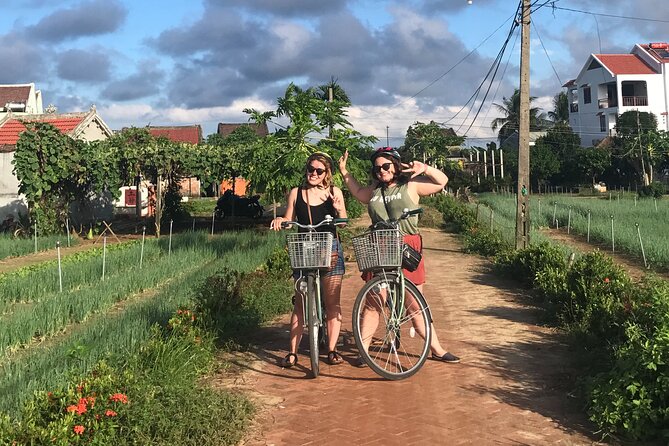
Here’s the big appeal: the ride is short enough that you can enjoy the countryside without turning your day into a fitness event. You’re leaving the old quarter behind and heading toward the Tra Que vegetable area in roughly 15 minutes. Even if you’ve done lots of bike tours in Asia, this one feels different because you’re not just passing fields—you’re actually entering the working farm world soon after.
Expect flat paths and a laid-back pace. Helmets are required, and water is included, which helps when the sun decides to show up early. Also, this is a small-group format (maximum 15 people). That matters. You’ll get clearer instructions and easier pacing, especially if you bring kids or you’re not a confident rider.
You can also read our reviews of more cycling tours in Hoi An

Tra Que Vegetable Village: what “organic” looks like in real life
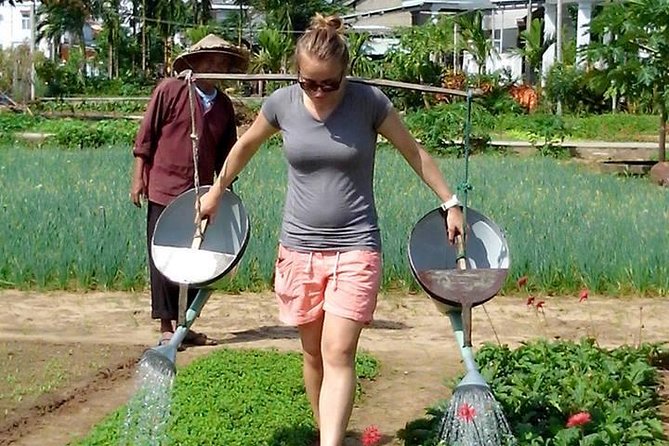
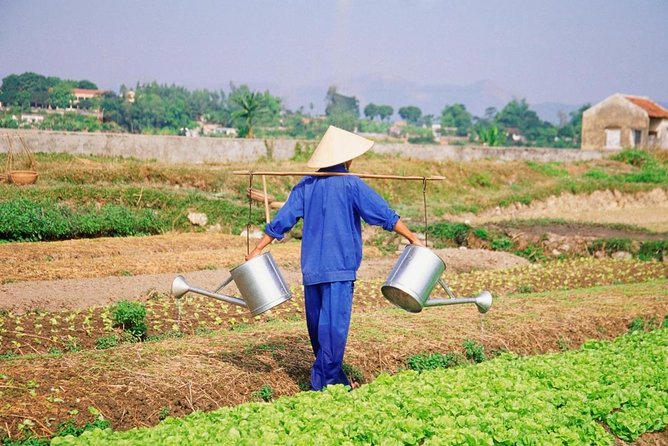
Tra Que isn’t just a marketing name. The core detail you’ll hear on-site is how locals fertilize herbs using seaweed. It’s a practical system tied to local resources, and it’s one of the reasons the village is known for organic produce. You’ll likely notice that the focus is on growing food the way the community has long done it—hands on, everyday work, and a calm rhythm.
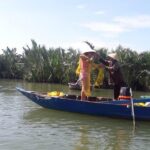
As you arrive, you’re surrounded by the sights people came to Vietnam for in the first place: rice fields, water, and those slow-moving water buffaloes you always hope to see somewhere muddy. Depending on the day, you might catch the rivers looking glassy, or you might see a more typical farmland scene with mud and shade.
A tour like this earns its keep because you’re not only “seeing nature.” You’re learning how the place works. The guide will help you connect what you’re watching—soil, fertilizer, vegetables—with what you’re doing next.
Rolling up your sleeves: gardening and farming hands-on
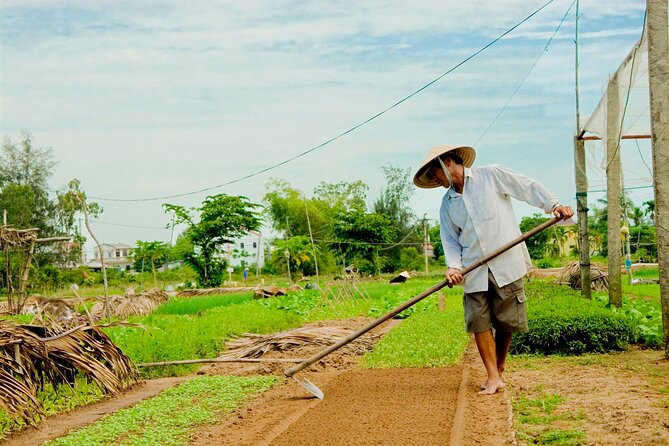
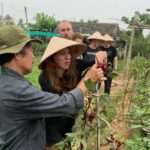
The heart of the experience is the time you spend joining farmers in gardening activities. That includes tasks that start with preparing the land and continue through picking vegetables. It’s not heavy labor; think more like guided participation. You’ll get a better understanding of what “farming” means beyond harvest photos.
This is also where you’ll interact with local people in a more natural way than a quick market stop. You’ll ask questions, try small tasks, and get explanations that usually don’t happen when you only view farms from a distance.
If you like food travel, this part connects directly to why Vietnam tastes the way it does. Fresh herbs and vegetables are a major part of Vietnamese cooking, and Tra Que is exactly where that story becomes real.
Family tip: the farm activities tend to be a great fit for kids because there’s movement, nature, and lots to look at. If your child can sit on a bike safely and you’re comfortable following your guide’s pace, this morning format is usually a smart fit.
Making traditional rice paper: the skill you actually take home
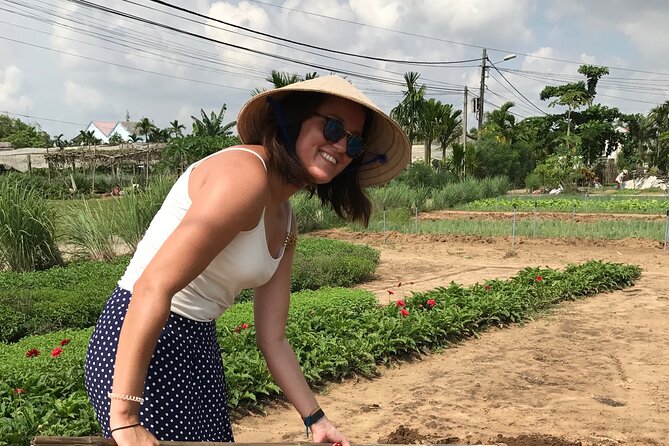
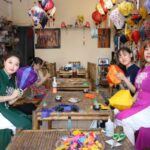
The standout activity here is rice paper making. You’re not just watching someone do it. You’ll get involved in the process of making traditional rice paper, which turns the whole tour from sightseeing into something you can remember and describe.
Rice paper might sound like a simple food item, but the making process is part science, part craft, and part timing. During your session, you’ll learn how farmers turn field produce into a staple used in Vietnamese dishes.
This is also where a good guide makes a difference. I’ve seen groups led by locals like Kim, and she’s the kind of guide who can keep the pace upbeat while still taking time to explain. Another guide, Tin Tin, has been described as energetic and helpful. Emma is known for clear English and patience. Jackie has been praised for translating questions about organic farming practices. With the right guide, you get both the hands-on work and the explanations that make it click.
The small “extra” moments: temples, photos, and guide personalities
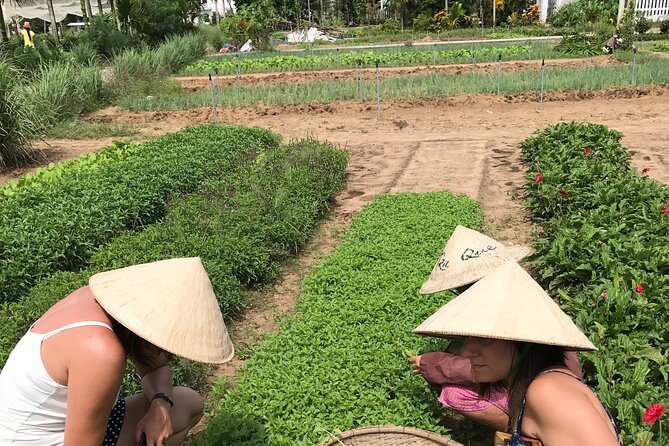
While the main focus stays on Tra Que farming, you may get small detours along the way, like a stop at a temple. That kind of quick moment can add variety without turning the day into a museum marathon.
You’ll also have plenty of photo opportunities. Rural Vietnam is photo-friendly, but the difference here is timing. You’re not racing to get shots before a schedule. The day slows down once you’re in the farm area.
One more real-world note: your guide’s personality matters a lot on a bike tour. Many of these tours run like a smooth morning with steady instruction. Some guides are also known for speaking additional languages—Kim, for example, has been mentioned as able to speak Japanese. If that’s relevant to you, it can make the Q&A feel less stressful.
A few more Hoi An tours and experiences worth a look

Lunch that fits the day: light pho and why it works
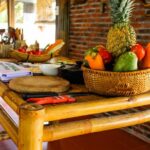
Lunch is included, and it’s light pho (beef noodle soup). After cycling and farm work, the order of operations matters. A lighter meal makes it easier to stay comfortable during the final stretch of the tour and keeps you from feeling weighed down.
Pho is also a smart choice because it’s familiar enough to many people and simple enough to enjoy even if you don’t eat spicy foods. It’s not a fancy restaurant lunch experience—it’s the kind that feels local, practical, and right for a half-day outing.
If you tend to eat big, you might want to add a snack later. But the tour’s plan makes lunch part of the flow, not an afterthought.
Price and value: what $25 actually buys you
The price is $25. On paper, that could sound like a “budget day.” In reality, it’s good value because most of the cost drivers are covered:
- Bicycle and helmet
- English speaking local guide
- Activities and entry fees
- Water
- Light pho lunch
So you’re not paying separately for equipment, access to the village, or the core farm experience. If you’ve ever tried to cobble together a countryside visit in Hoi An—rent a bike, figure out routes, pay for entry, then hunt for lunch—the “all-in” approach is a relief.
Also, the group size cap (15) keeps the price from turning into a mass-tour situation. You still get guidance, which is the part you’ll feel most during cycling and hands-on activities.
Logistics that matter: timing, meeting point, and what to bring
Start time is 8:30 am. That’s early enough to dodge the strongest mid-day heat, but not so early you’ll feel wrecked. Meeting point is 119 Tran Quang Khai.
You’ll want to pack the basics that make rural mornings comfortable:
- Sun protection (sunscreen, hat/cap)
- Fully charged camera
- Sunglasses
- Footwear: flip-flops, sandals, or similar are suggested
That last point is worth thinking about. Sandals can feel easy, but farmland can be dusty and uneven. If you’re the type who hates sliding around, you might prefer sturdy sandals with a good grip. You’ll be on a bike and moving between areas, so secure footing helps.
Also, take a moment to decide how you’ll handle water and sun. Water is included, but you’ll still want your own sunscreen to avoid turning the day into a painful wipe-down at the end.
Who this tour suits best (and who might want something else)
This is a great fit if you:
- want an easy cycling experience with countryside views
- like food-centered travel and want to see how ingredients connect to everyday life
- enjoy hands-on farm activities more than just looking around
- travel with kids and want a morning that feels active but not extreme
It’s also worth considering if you’re interested in organic farming and want a clear, plain explanation of how Tra Que uses seaweed fertilizer rather than vague “green vibes.”
You might look for a different option if you:
- want a more intense ride or long-distance biking
- dislike early mornings
- prefer a lunch with more variety than light pho
Should you book Tra Que Village Cycling And Farming?
Book it if you want a balanced morning: a short bike ride, real interaction with farmers, and a practical food-making experience you can talk about later. The value is strong because the essentials are bundled—bike, helmet, water, activities, entry fees, and lunch.
Don’t book it if you’re hoping for a big-city-style comfort day. This is rural, it involves farm work participation, and you’ll be in the sun unless you pace yourself.
If you’re on the fence, here’s my simple rule: if you’ll enjoy seeing how food is grown and you’re okay riding a bike at an easy pace, this tour is a smart use of a morning in Hoi An.
FAQ
Where is the meeting point for this tour?
You meet at the office at 119 Tran Quang Khai, Hoi An.
Does the tour offer pickup?
Yes, pickup is offered.
What time does the tour start, and how long does it last?
It starts at 8:30 am and lasts about 3 hours 30 minutes.
Is lunch included?
Yes. You get a light lunch with pho.
What’s included in the price?
The tour includes a bicycle, helmets (required), an English speaking guide, activities, water, light pho lunch, and many photo opportunities. Entrance fees are included too.
How many people are in the group?
The group size is limited to a maximum of 15 travelers.
What should I bring?
Bring sun protection (sunscreen and a hat/cap), a fully charged camera, sunglasses, and comfortable footwear like flip-flops, sandals, or similar.