REVIEW · SAPA
Sapa 3 Day Trekking with 2 Nights Homestay
Book on Viator →Operated by Asia Travel Legend · Bookable on Viator
Three days in Sapa will earn your appetite. This trek strings together Ta Van Village and Ban Ho homestay with real time in the Sapa valley, guided from start to finish. You walk between communities, eat simple local meals, and come back with a better feel for how people live up here.
What I love most is how the guides bring the trail to life. Guides like Lan and Pang are known for strong English and for adjusting what you do to the effort level you want, not just marching you along. I also like the homestay side of the deal: the food is described as homely and the rooms as clean and comfortable enough to recover.
One consideration: the trail has plenty of ups and downs, so if you’re not used to hiking, you’ll want to take breaks and go at a steady pace. Also, days run roughly 9AM to 3PM, so plan for a long day even when the views are doing their best to distract you.
In This Review
- Key highlights to know before you go
- Sapa trekking 9AM–3PM: what the rhythm feels like
- Day 1 in Ta Van Village: the easiest day to start, not the easiest walk
- Day 2: Giang Ta Chai, Su Pan, and ending at Ban Ho homestay
- Day 3: Ban Ho to Nam Toong and Thank Phu, then back to Sapa
- Homestays in Ta Van and Ban Ho: clean rooms and homely meals
- Guides matter here: what Lan, Pang, and May bring to the trail
- Meals included: 3 lunches, 2 breakfasts, 2 dinners
- Price and logistics: is $190.71 a good deal?
- What to pack for a Sapa trek with real hills
- Who this trek suits best
- Should you book this Sapa 3-day trek with 2 nights homestay?
- FAQ
- How long is the trek?
- How many nights are homestays?
- Which villages are included?
- What meals are included?
- Are drinks included?
- Are entrance fees included?
- Is pickup and drop-off included?
- Is this a private tour?
- What is the cancellation policy?
Key highlights to know before you go
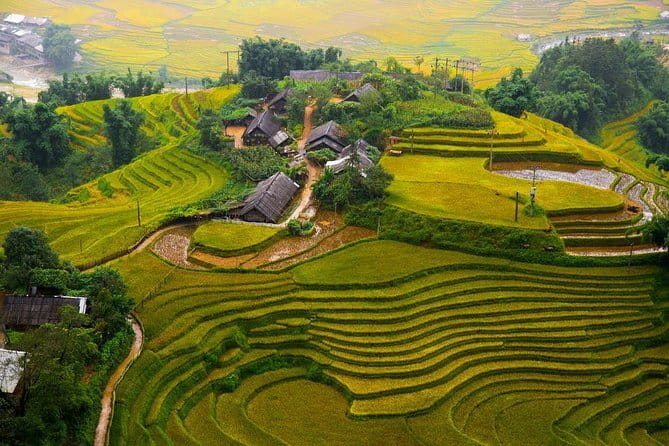
- Village-to-village walking across Ta Van, Giang Ta Chai, Su Pan, and Ban Ho
- 2 nights in homestays with included meals so you’re not hunting food mid-trek
- English-friendly guides who can explain culture and adjust your pace
- 3 lunches, 2 breakfasts, 2 dinners planned into the schedule
- Valley entrance fee included, plus transport back to Sapa Town after the trek
- Private group only your group participates, with pickup and drop-off available
Sapa trekking 9AM–3PM: what the rhythm feels like
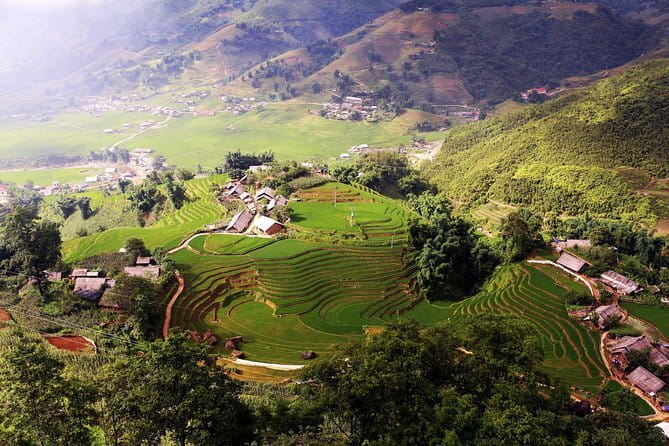
This is a 3-day, 2-night plan built around full trekking days. The schedule runs approximately 9AM to 3PM, then the rest of your day is about meals and resting in the homestay. That structure matters because it keeps the walk time consistent, so you don’t spend every morning guessing what’s next.
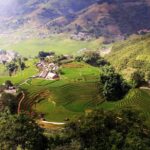
You’ll be walking in and around several villages rather than doing one long hike and calling it a day. That’s a big part of the value: you’re not only chasing scenery; you’re moving through working communities where crops, plants, and daily routines show up right along the path. It’s slower in the best way, because the guide can explain what you’re seeing while you walk.
Your “reward” is also practical. By the time you reach homestay at night, meals are already handled. You’re less tired and less stressed than tours where you’re constantly trying to sort snacks, bathrooms, and directions after every turn.
You can also read our reviews of more hiking tours in Sapa
Day 1 in Ta Van Village: the easiest day to start, not the easiest walk
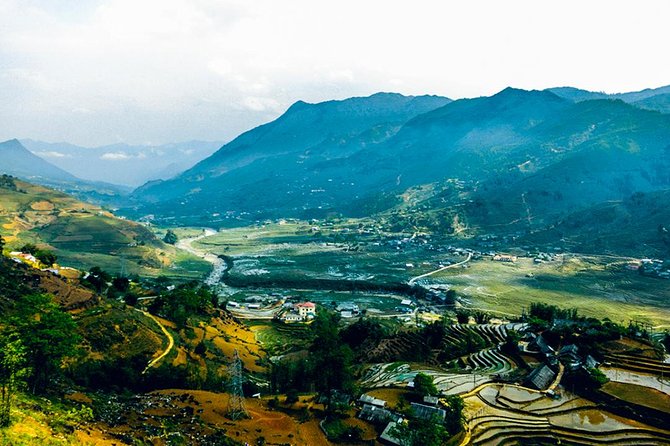
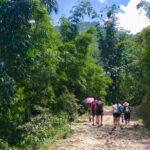
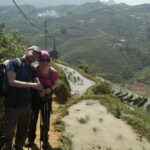
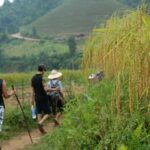
Day 1 focuses on Ta Van Village, with a long day on the trail. Ta Van is the kind of place where the village and the mountains feel like they’re sharing the same space. Expect a village-based trekking day where the guide can talk you through what you see—crops, plants, and local life.
This is also your start point for the homestay experience. Since Ta Van is your first major stop and you have 2 nights total, you should plan on settling in to a homestay night in that area after the walking portion.
A nice detail: you’re not left to figure out entrances and logistics. The valley entrance fee is included, and you have transport back to Sapa Town after the trek. That means less time spent in paperwork mode and more time walking.
Day 2: Giang Ta Chai, Su Pan, and ending at Ban Ho homestay

Day 2 is where the route widens. You’ll pass through Giang Ta Chai Village, then continue through Su Pan, ending at Ban Ho (homestay). It’s still a guided trekking day, but it feels more like a full “line” of villages connected by footpaths.
Giang Ta Chai is known (in guides’ explanations) for the cultural side of the trek. In particular, you’ll likely get stories that help you connect what you’re seeing to how people make a living up here. Guides such as Pang are specifically noted for teaching about local culture and the ecosystem, including plants and crops you can spot along the way.
Then comes the payoff: finishing at Ban Ho homestay. Your second homestay night is part of what makes this better than a day trek. You get time to slow down, eat what’s on the table, and let the day’s walking sink in.
Day 3: Ban Ho to Nam Toong and Thank Phu, then back to Sapa
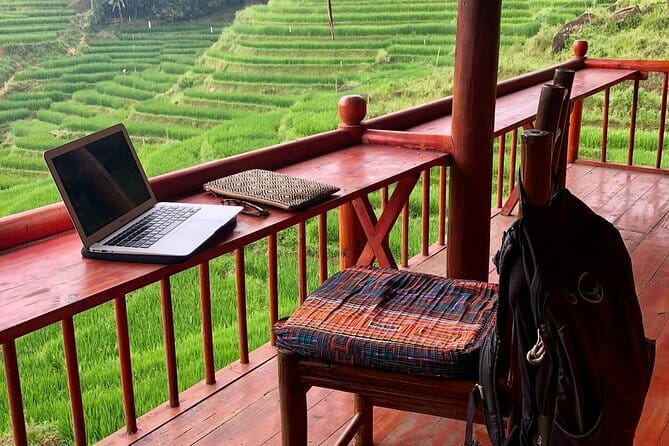
Day 3 loops through more points on the map and ends with you back in Sapa. Your route runs Ban Ho → Nam Toong → Thank Phu → Ban Ho → Sapa. The timeline shown for this day is shorter than the middle day (about 4 hours), so you can treat it as the “reset and enjoy” day.
That shorter final day can be a welcome relief after two longer trekking blocks. It also tends to be the day where you notice the little things you missed earlier—how the paths connect to fields, how homes are placed, and how the valley changes as you move through it.
You also wrap up with the promised return to Sapa Town. Your end point is back at the starting meeting area, which keeps the whole trip from turning into a logistics puzzle.
Homestays in Ta Van and Ban Ho: clean rooms and homely meals

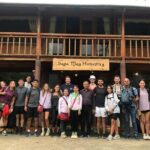
This tour is built around homestays for 2 nights, and that choice affects everything. You’re not only walking; you’re living like you’re part of the schedule for a couple days. That means meals are planned, and your evening has a natural rhythm: eat, rest, and prepare for the next day.
From what’s been shared about homestays on this style of trek, the key positives are simple: rooms that are clean, and food that feels homely rather than fancy. It’s the kind of dinner that helps you recover, not the kind that takes energy and time you don’t really have after hiking.
What you’ll want to do as a guest is also simple:
- Keep your expectations realistic for a rural homestay
- Ask your guide what to do at meals if you’re unsure
- Treat the household with respect—small things like quiet behavior and patience go a long way
If you’re the type who likes good information and good food (and who doesn’t mind trading hotel polish for authenticity), you’ll probably love this part.
A few more Sapa tours and experiences worth a look


Guides matter here: what Lan, Pang, and May bring to the trail
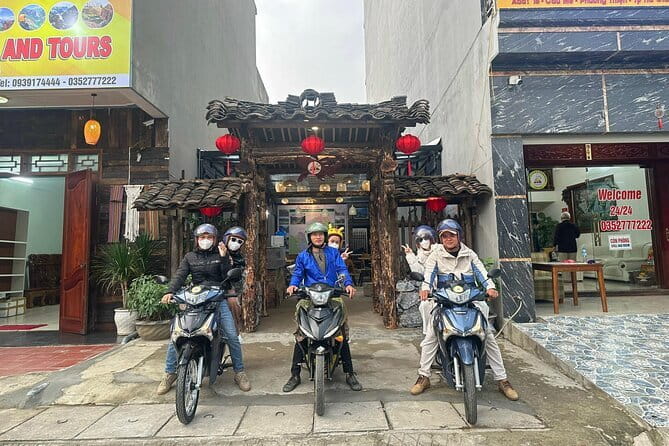
A trekking tour lives or dies by its guide. With this one, there’s a recurring theme: guides who can communicate and who will help you shape the hike to your comfort level.
In past experiences tied to this tour style, guides such as Lan are described as asking about how challenging you want each day to be, then offering options along the way. Pang is noted for excellent English and for sharing stories about H’mong culture and the local ecosystem. May is described as flexible and quick with answers.
Even if you don’t get the same guide name, the pattern you can hope for is consistent:
- English support so you don’t miss the meaning behind what you see
- flexibility to adjust pace and effort
- culture lessons that connect the walk to the people
That matters because it turns the hike from exercise-only into something educational and memorable. You finish the trek not just tired, but informed.
Meals included: 3 lunches, 2 breakfasts, 2 dinners
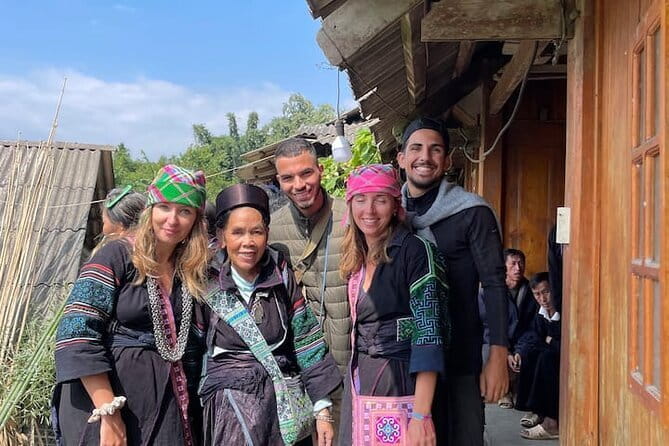
One of the best “quiet values” here is meal planning. Over the 3 days, you’re included for 3 lunches, 2 breakfasts, and 2 dinners. That’s a big deal on a trail because trekking days can make decision-making annoying. You’re busy walking; you shouldn’t also be thinking about where to eat.
You should also note what’s not included: drinks are not included. So if you like carrying water or want anything beyond what’s provided with meals, you’ll need to plan for that yourself.
Practical tip: pack light but don’t go empty. Even with planned meals, you’ll often want water on hand during walking breaks. Your guide will help, but you’ll feel calmer if you start the day ready.
Price and logistics: is $190.71 a good deal?
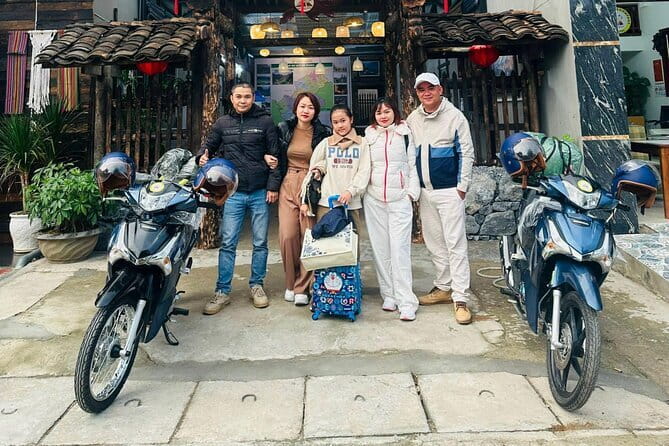
At $190.71 per person, this trip is priced like a guided homestay trek with real inclusions. Whether it feels like a bargain depends on what you compare it to.
Here’s what you’re paying for, based on what’s included:
- Pickup & drop-off
- A guide
- Homestay for 2 nights
- Entrance fee to the valley
- Transportation back to Sapa Town after your trek
- Meals: 3 lunches, 2 breakfasts, 2 dinners
For many people, the value is that your time stays structured. You’re not paying separately for guides, entry costs, and basic meals while you figure things out on the ground. And because it’s a private tour, you don’t have strangers with different speeds pulling your day apart.
If you’re on a super tight budget, you’ll still want to budget for drinks. If you’re okay with that, the price starts to look fair because the expensive parts—guide time and homestay handling—are already covered.
What to pack for a Sapa trek with real hills
You’ll be hiking through village paths with serious altitude and lots of slope work. One reason the experience gets labeled as difficult-but-worth-it is simple: terrain can surprise you even when the route is guided.
Bring:
- Good traction shoes for muddy or uneven paths
- A light rain layer (weather can shift fast in the mountains)
- A small day bag for water and snacks you like
- Sunscreen and a hat (even when it feels cool)
- Cash for any personal expenses, especially since drinks are not included
Also, keep a calm mindset. If you need to slow down, that’s not failure. With the kind of guides described here—people who ask what difficulty you want—that slower pace is often part of the plan.
Who this trek suits best
This isn’t billed as a hardcore mountaineering challenge, but it’s not a casual stroll either. The tour notes say most travelers can participate, and that sounds right if you’re comfortable walking for several hours a day.
You’ll probably enjoy it most if:
- You want a guided trek with homestay nights
- You like cultural context while you walk (not just photos)
- You want meals sorted so you can focus on the trail
- You value an English-speaking guide and the chance to adjust effort
You might want to think twice if you rarely exercise and you hate uneven footing. The walk can be tough at first, but many people manage it with pacing, breaks, and help from the guide.
Should you book this Sapa 3-day trek with 2 nights homestay?
My take: book it if you want a real Sapa experience that mixes walking with everyday life. The combination of two homestay nights, included meals, valley entry, and a guide that’s known for English and flexibility is strong value for the money. You also get the kind of village routing—Ta Van, Giang Ta Chai, Su Pan, Ban Ho—that makes the trip feel like more than one scenic point.
Don’t book it if you’re looking for a fully relaxed vacation where nothing physical happens. Plan for effort. Wear real shoes. Drink enough. Then let the guide do the work of making the day meaningful.
If that sounds like your style, this trek is a very sensible way to spend three days in Sapa.
FAQ
How long is the trek?
The tour is 3 days (approximately). The trek portion is listed as about 9:00am to 3:00pm each day, with Day 3 noted as about 4 hours.
How many nights are homestays?
You’ll have 2 overnight stays in homestay.
Which villages are included?
The route includes Ta Van Village, Giang Ta Chai Village, Su Pan, Ban Ho Village, plus Nam Toong and Thank Phu on Day 3.
What meals are included?
You get 3 lunches, 2 dinners, and 2 breakfasts.
Are drinks included?
No. Drinks are not included.
Are entrance fees included?
Yes. The entrance fee to the valley is included.
Is pickup and drop-off included?
Yes. Pickup and drop-off are included, and there’s also mention of pickup in Hanoi Old Quarter.
Is this a private tour?
Yes. It’s private, and only your group participates.
What is the cancellation policy?
This experience is non-refundable and cannot be changed for any reason. If you cancel or ask for an amendment, the amount you paid will not be refunded.