REVIEW · SAPA
2 Day Trekking Experience: Explore with knowledgeable local guide
Book on Viator →Operated by Sapa Trekking Tours: Live like a local whilst exploring the breathtaking scenery of Muong Hoa Valley · Bookable on Viator
Two days in Sapa feel like a visit home. You’ll walk with Hmong culture in the background and the long Muong Hoa Valley route under your feet, guided by a local who knows where to go and what to notice. The best part is how the day-to-day life of the area becomes part of the trek, not just a backdrop.
I love two things most: first, the guide support is practical, including being picked up and even extra boots if you need them. Second, you get real local time—like lunch shared in a family setting—so the trip feels personal instead of staged for photos.
The main consideration is effort. This experience is for people with moderate physical fitness, and day 1 is an approximately 16 km walk, so wear your most reliable shoes and be honest about your stamina.
In This Review
- Key Things You’ll Appreciate
- Meet Bau: Why This Trek Feels Personal
- Day 1: Sapa Start and the Muong Hoa Valley 16 km Walk
- Day 1 Night: Dinner and the Village Connection
- Day 2: More Trail Time and a Family Lunch
- Meals and What’s Actually Included (So You Can Budget Smart)
- Price, Pickup, and the Comfort of a Private Group
- Fitness Level: How Hard Is It Really?
- What to Pack and How to Stay Comfortable
- Who This Trek Is Best For
- Should You Book This Sapa Trek with Bau?
- FAQ
- FAQ
- How much does the 2-day Sapa trekking experience cost?
- What’s the duration of the trek?
- Is pickup included?
- Is this a private tour?
- What meals are included?
- Are admission tickets required for the experience?
- What physical fitness level do I need?
- Do I get a mobile ticket and confirmation?
- What happens if I cancel last minute?
Key Things You’ll Appreciate
Local Hmong guide Bau with strong English and a friendly, patient way of explaining what you see
Pickup from near your lodging and a private-group setup so you can move at the group’s pace
Approximate 16 km day 1 trek through Muong Hoa Valley, with plenty of time to pause and ask questions
Meals included: dinner plus two lunches, including a family lunch on day 2
Mobile ticket and free admission ticket status for the experience (no separate entry fees needed)
Free cancellation up to 24 hours in advance for a full refund, if plans change
Meet Bau: Why This Trek Feels Personal
Sapa trekking can turn into a conveyor belt if your guide is more traffic controller than storyteller. Here, the experience is built around Bau, an experienced local Hmong guide who focuses on showing you how people actually live and work in the mountains.
One detail I really like is the hands-on help. Bau can meet you at your hotel and brings the sort of gear backup that makes a hike less stressful—like extra boots if anyone needs them. That’s the kind of small thing that keeps a trail day from becoming a footwear problem.
Another strength is communication. The feedback points to excellent, clear English and a patient approach—especially when you want context for what you’re seeing. That matters in Sapa, where villages, crops, and everyday routines can look similar from a distance. With a guide who explains in plain language, you start noticing patterns instead of just collecting views.
You can also read our reviews of more guided tours in Sapa

Day 1: Sapa Start and the Muong Hoa Valley 16 km Walk
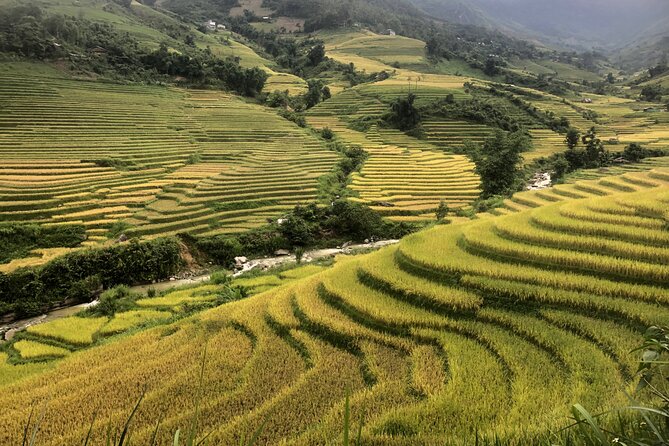
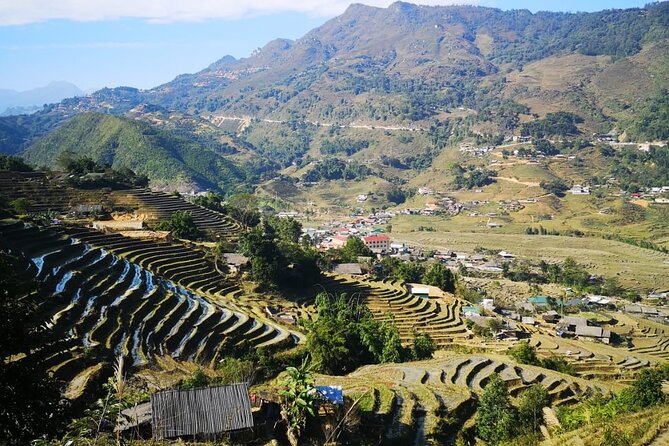
Day 1 starts in Sapa, then you’re on your feet for about 12 hours total, with the main trek roughly 16 km through Muong Hoa Valley. In other words, this is not a quick stroll. It’s a full walking day designed to get you from one part of the region to another while letting the trail reveal the local rhythm.
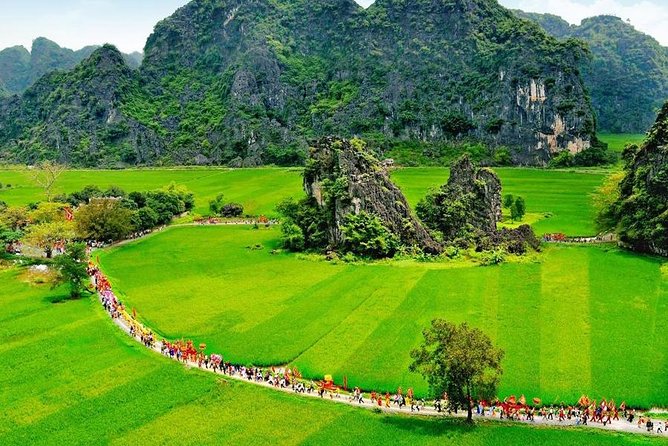
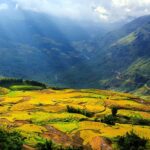
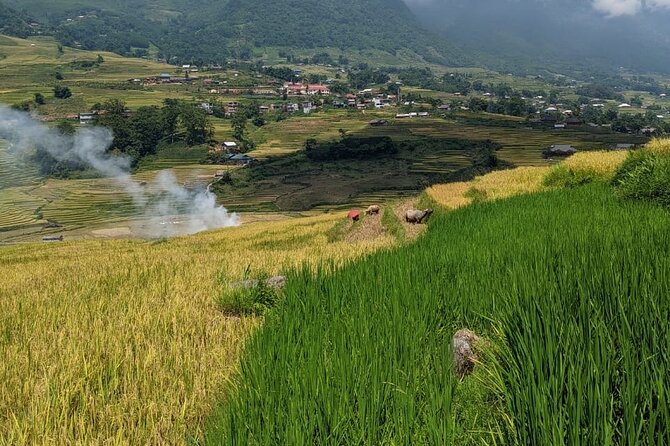
As you go, the route is where the value hides. Muong Hoa Valley is famous for its mountain scenery, but what makes this trek different is that the guide uses the walk to connect you to daily life. Instead of only pointing at scenery, Bau can help you understand what you’re looking at: how people farm, how villages fit into the terrain, and why certain paths matter.
What to plan for:
- You’ll want good leg comfort because a 16 km day is long even at a steady pace.
- You’ll likely stop often enough to keep things interesting, but don’t count on “easy mode” the whole time.
- Expect a slower feel in the best way—more time watching and asking, less time rushing.
A small but important comfort detail: even if you show up with decent shoes, Sapa weather can be unpredictable. The option of extra boots from your guide can be a lifesaver if your footwear is less flexible than you hoped.
Day 1 Night: Dinner and the Village Connection
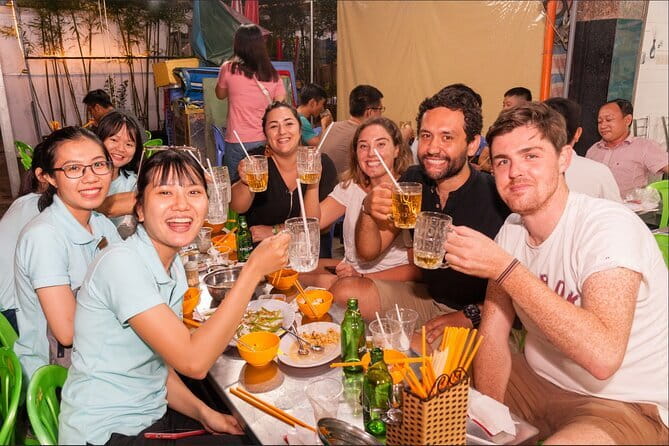
Day 1 doesn’t end when your feet do. You’ll have dinner included, and the experience is built around meeting the people behind the trail. The strongest theme here is family warmth and a sense of being welcomed, not just escorted.
Some trips like this include a homestay-style element, and the feedback around Bau’s service fits that pattern. Many people leave with the feeling that they didn’t just hike past a village—they spent time inside it, at a human pace, with food and conversation that make the area feel real.
If you’re the type who likes slow travel—eating with locals, asking about work, listening more than talking—this is usually the part that sticks with you. You learn more during dinner than you do standing at a lookout trying to guess what everything is called.
Day 2: More Trail Time and a Family Lunch
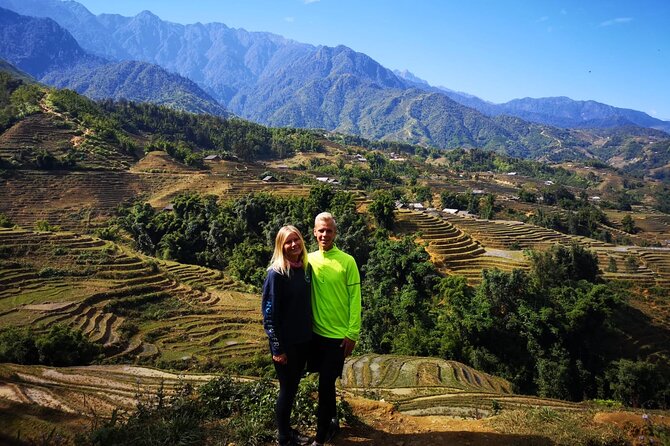
Day 2 continues from Sapa and keeps the focus on walking and cultural context. Like day 1, it’s listed as about 12 hours total, with another big chunk of time on foot and ongoing exploration of the surrounding areas.
One highlight is lunch shared with a hospitable local family. That’s not just a meal break. It’s a chance to slow down, reset, and see the community from the inside again—this time through table talk instead of trail talk.
Here’s what this does for your overall experience:
- It gives you a reason to take your time with the trek, because you know a real meal is coming.
- It makes the guide’s storytelling feel grounded. You’re not hearing facts in a vacuum—you’re experiencing the setting where those facts matter.
This is also the day where people who prefer genuine conversation tend to lean in. With Bau’s calm, supportive communication style, it’s easier to ask follow-up questions instead of nodding along.
Meals and What’s Actually Included (So You Can Budget Smart)
Let’s talk practical value, because food can quietly make or break the cost of a trekking tour.
This experience includes:
- Dinner
- Two lunches (lunch is listed twice)
Admission tickets are marked as free, so there’s no separate entry fee you need to add to your budget just to walk. Pickup is offered, and the tour uses a mobile ticket, which is convenient if you don’t want extra paperwork.
What’s not included is just as important:
- Tips are not included.
- Personal expenses, including insurance, are not included.
For budgeting, this matters because $65 for two days can look low until you realize what’s inside it: guide time, long walking days, and meals. The food coverage alone can offset a chunk of the cost compared to paying for lunch and dinner out of pocket every day.
Also note: this is a private tour/activity, meaning it’s only your group. That tends to be better for coordination and comfort—especially on long days—because you’re not trying to match the pace of people who want to sprint or people who want to stop constantly.
You can also read our reviews of more hiking tours in Sapa
Price, Pickup, and the Comfort of a Private Group
At $65 for approximately two days, this trek sits in the “good value if you match the style” category. You’re paying mainly for three things:
1) a local guide who can explain what you see and help you navigate day-to-day village life,
2) two long walking days with built-in meal breaks,
3) the convenience layer (pickup offered and mobile ticket).
Pickup is a big deal in Sapa. The area is walkable in some places, but it’s not “one easy bus stop away” for every route. Having your guide arrange pickup can save time and reduce confusion.
The private-group setup also matters. On hikes, a mixed group can become a slow-motion stress test. Here, being with only your group typically means fewer mismatched paces and less waiting around.
Fitness Level: How Hard Is It Really?
The tour asks for moderate physical fitness, which is the right warning label for this schedule.
The biggest indicator is day 1: an approximately 16 km trek through Muong Hoa Valley. That doesn’t automatically mean “dangerous,” but it does mean you should show up ready for sustained walking. If you’re used to long walks at home, you’ll probably feel comfortable. If you rarely do hills, plan on taking it slower than you want and start early with your water and snacks.
What I recommend for preparing:
- Wear shoes you trust on uneven ground.
- Bring a small, personal water plan for your own comfort (even if meals are provided).
- Pack in layers because mountain weather can shift fast.
Even with a supportive guide, long days reward preparation more than enthusiasm.
What to Pack and How to Stay Comfortable
This trek includes dinners and lunches, but the trail comfort is still on you.
Based on the kind of support Bau provides (like extra boots being available), you can assume footwear matters a lot. Bring socks you like, and if your shoes are stiff or brand-new, test them before you come to Sapa.
Beyond shoes, your must-haves are the basics:
- A light day bag for water and personal items
- Layers that you can remove or add as the temperature changes
- Something simple for sun and light rain (Sapa can shift)
If you’re sensitive to cold at elevation, pack a warm layer even if the morning starts mild. You’ll be moving all day, but “moving” doesn’t always mean “warm.”
Who This Trek Is Best For
This is a strong fit if you want Sapa to feel human, not just scenic.
You’ll likely enjoy it if you:
- want a local Hmong guide who can explain daily life and village routines,
- like walking days where meals are part of the plan, not an afterthought,
- prefer a private-group experience with pickup and a smoother schedule.
You might want to rethink it if:
- you’re looking for a short, low-effort hike,
- your fitness level is closer to “only easy flat trails,”
- you don’t want long days on foot (two days are planned, not one).
Should You Book This Sapa Trek with Bau?
If you want Sapa at street-level—through village stories, shared meals, and a guide who makes you feel welcome—this tour is a good match. The consistent strengths are the human connection, the practical support (including extra boots), and the way meal time turns into cultural time.
The main trade-off is physical effort. With an approximately 16 km day 1 and a moderate fitness requirement, you’ll get the most out of it if you show up prepared to walk and pause often.
FAQ
FAQ
How much does the 2-day Sapa trekking experience cost?
The price is $65 for the 2-day experience.
What’s the duration of the trek?
It’s listed as 2 days (approximately), with each day scheduled for about 12 hours.
Is pickup included?
Pickup is offered.
Is this a private tour?
Yes. It’s a private tour/activity, and only your group will participate.
What meals are included?
Dinner is included, and lunches are included for both days (listed as lunch (2)).
Are admission tickets required for the experience?
Admission ticket is marked as free, so you don’t need to buy entry tickets for this experience.
What physical fitness level do I need?
The experience says you should have a moderate physical fitness level.
Do I get a mobile ticket and confirmation?
Yes. The tour offers a mobile ticket, and confirmation is received at the time of booking.
What happens if I cancel last minute?
You can cancel for a full refund up to 24 hours before the experience starts. If you cancel less than 24 hours before, the amount paid is not refunded.