REVIEW · HOI AN
Hoi An: Lantern and Coffee Making Class
Book on GetYourGuide →Operated by Hoian Handicraft Tours · Bookable on GetYourGuide
Five cups of Vietnamese coffee, one lantern souvenir. This hands-on class combines Vietnamese coffee brewing (with a metal phin filter) and Hoi An lantern making, so you get both a tasty education and a souvenir you can actually use. I like that you’re not just watching you taste multiple styles, including egg coffee, and you leave with a foldable lantern you can pack home. One heads-up: there’s no hotel pickup, so you’ll need to get to the meeting point at 12 Ba Trieu St on your own.
The whole session runs about 210 minutes with an English guide and audio support, plus herbal tea or water and cookies to finish. The vibe is relaxed and family-run, and the instruction feels geared to real people with real questions, including hands-on help from folks like Tam during the lantern workshop.
In This Review
- Key Points You’ll Care About
- Where to Meet and How This 210-Minute Class Flows
- Brewing Vietnamese Coffee With a Phin Filter (What Makes It Different)
- Tasting Five Vietnamese Coffees, Including Hue Salt and Hanoi Egg
- Egg Coffee: The Soft, Thick Flavor That Actually Has Technique
- Coconut, White Coffee, and the Easy Wins for First-Timers
- Lantern Making: Crafting a Foldable Souvenir You’ll Actually Pack
- Practical crafting tip
- What You Get, and Why It’s Good Value at $24
- Best-Fit Travelers: Who Will Enjoy This Most
- Should You Book This Hoi An Coffee and Lantern Class?
- FAQ
- Where is the meeting point for the class?
- How long is the Hoi An lantern and coffee making class?
- What does the price include?
- Is hotel pickup included?
- What coffee styles will I make or taste?
- What should I bring with me?
- Do I need to speak Vietnamese?
Key Points You’ll Care About
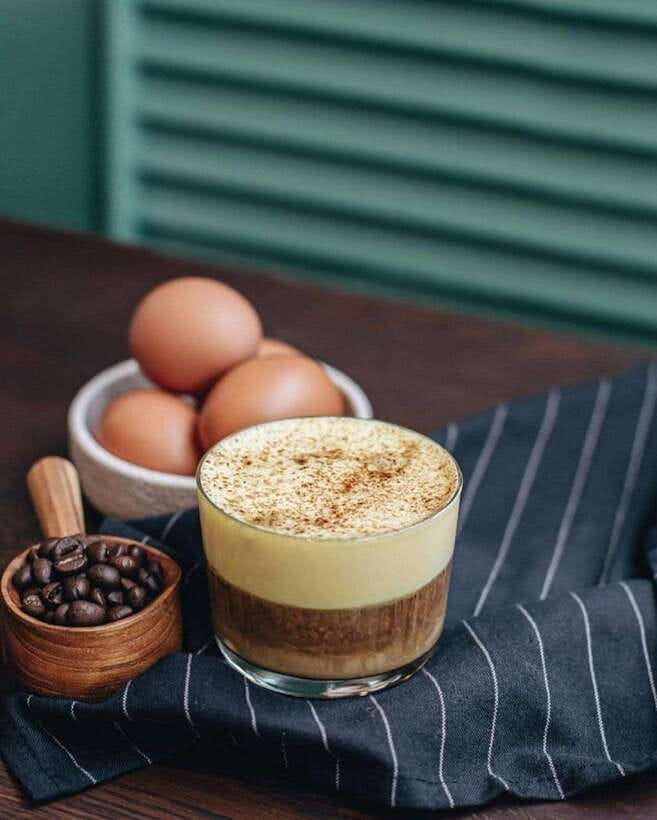
- Five coffee styles in one session, including egg coffee, Hue salt coffee, and a coconut option
- Phin filter method explained in plain steps, so you can recreate it at home
- Lantern crafting with real choice, from fabric colors/patterns to lantern shape options
- Foldable lantern design meant for packing and travel
- English instruction with friendly guidance, including extra patience for first-timers
Where to Meet and How This 210-Minute Class Flows
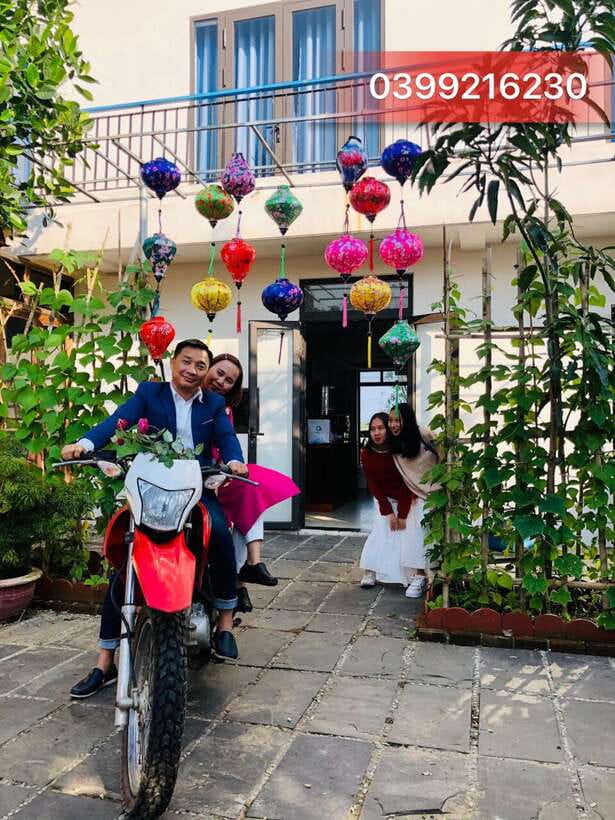
The meeting point is easy to spot: it’s behind Viettin Bank and opposite Le Ba Truyện Restaurant at 12 Ba Trieu St. Plan on arriving a few minutes early so you can get settled before the coffee part begins.
This is a two-stage experience that totals about 210 minutes. You start with coffee making, then you move to the lantern workshop by a short walk (no complicated transport needed).
Since no pickup or drop-off is included, I recommend wearing comfy shoes. Hoi An streets are walkable, but you’ll be on your feet for the switch between venues and for your lantern build.
A few more Hoi An tours and experiences worth a look



Brewing Vietnamese Coffee With a Phin Filter (What Makes It Different)
The core skill here is using a small metal filter called a phin. If you know French press, you’re in the right neighborhood, but the phin approach changes how the coffee concentrates and extracts.
Here’s what you can expect as they guide you through the process:
- How dark beans are roasted so the flavor holds up when mixed with sweetened milk
- How the phin works as the brew device
- How condensed milk and coffee get balanced for different styles
This matters because Vietnamese coffee often tastes bold and sweet in a very specific way. The method is part of the flavor, not just a brewing gimmick. Once you understand the phin rhythm, you’ll see why egg coffee and sweet white coffee taste so distinct even though they start from similar ingredients.
I also like that the class keeps moving in a step-by-step loop: make, taste, compare, then move on. It makes the whole thing feel less like a lecture and more like learning by doing.
Tasting Five Vietnamese Coffees, Including Hue Salt and Hanoi Egg
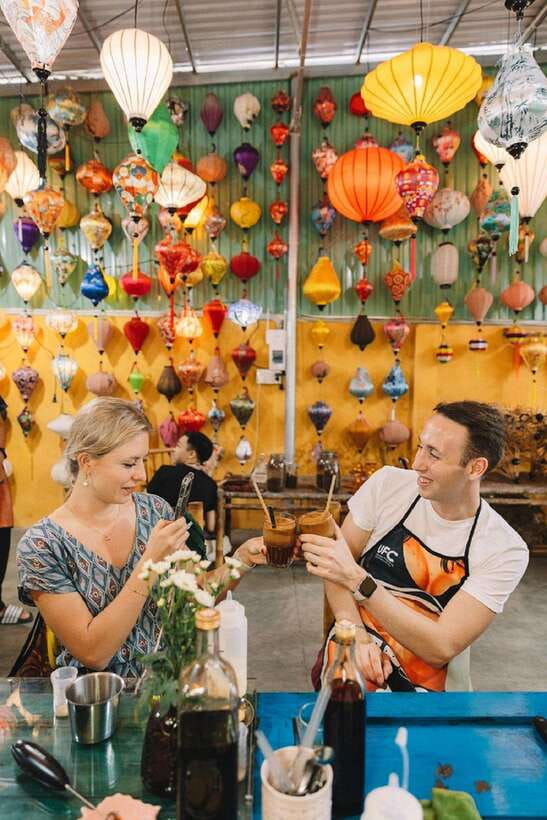
This class is built around tasting and making five different types of Vietnamese coffee, not just one house recipe. You’ll work through black coffee, then several signature styles that show how Vietnamese coffee culture bends flavors in different directions.
You’ll likely cover:
- Black coffee brewed through the phin
- Happy white coffee (sweet, creamy style)
- Hue Imperial salt coffee (a sweet-salty twist inspired by central Vietnam)
- Ha Noi capital egg coffee (the one people remember)
- A coconut version (a lighter, fragrant option compared to the more intense styles)
The big practical tip: don’t treat all five coffees like equal-strength drinks. The phin method tends to produce a strong concentrate. Several past guests noted a noticeable caffeine buzz when they drank the full amounts, so I’d pace yourself. Sip, share, and save yourself for the lantern portion.
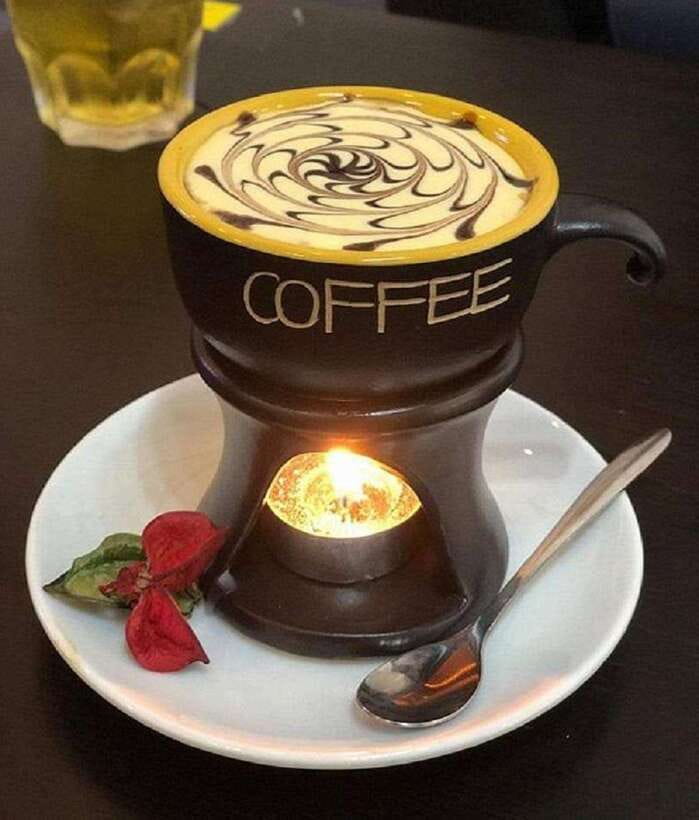
Also watch how sweetness and texture change as you move through the lineup. Condensed milk shows up in multiple versions, but the balance varies. Egg coffee is the moment you’ll feel it most: the flavor turns richer and thicker, and the texture becomes part of the experience, not just the taste.
Egg Coffee: The Soft, Thick Flavor That Actually Has Technique
Egg coffee (often linked with Hanoi) can sound like a novelty until you make it and taste it. In this class, the egg coffee section is part of the wider lesson on how Vietnamese coffee is built: roast, brew, then adjust sweetness and richness.
They’ll walk you through preparing the egg coffee, including the ingredients and how they come together. The result is usually a dessert-like cup that’s still distinctly coffee-forward.
If you’re new to Vietnamese coffee, egg coffee is a smart starting point. It’s approachable compared to plain black, but you’ll still taste the roast character. If you’re a serious coffee person, you’ll likely enjoy comparing it side-by-side with black and salt-coffee styles.
For me, the best part is how they guide you to notice differences. You’re not just drinking; you’re learning what changes when the milk, salt, or egg element changes.
Coconut, White Coffee, and the Easy Wins for First-Timers
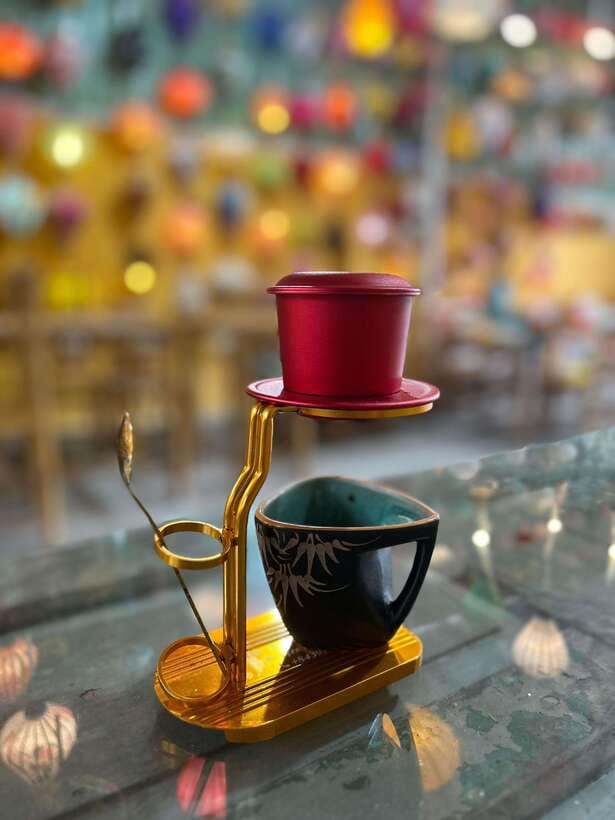
After the core tastings, the class includes additional enjoyable creations like white coffee, egg coffee, and coconut. This is where the experience shifts from learning the method to enjoying the flavor options.
White coffee in Vietnam is typically all about smooth sweetness and coffee depth without the bite of straight black. Coconut tends to bring aroma and a softer finish, which can be a relief if you’re sensitive to strong coffee.
If you’re traveling with someone who doesn’t love strong bitter coffee, these are the types most likely to land well. It also helps if you want a break from the most intense cups before you start crafting.
And yes, cookies and music show up as part of the relaxed pace. It’s not a rush-rush workshop; it’s built for a comfortable afternoon.
A few more Hoi An tours and experiences worth a look

Lantern Making: Crafting a Foldable Souvenir You’ll Actually Pack
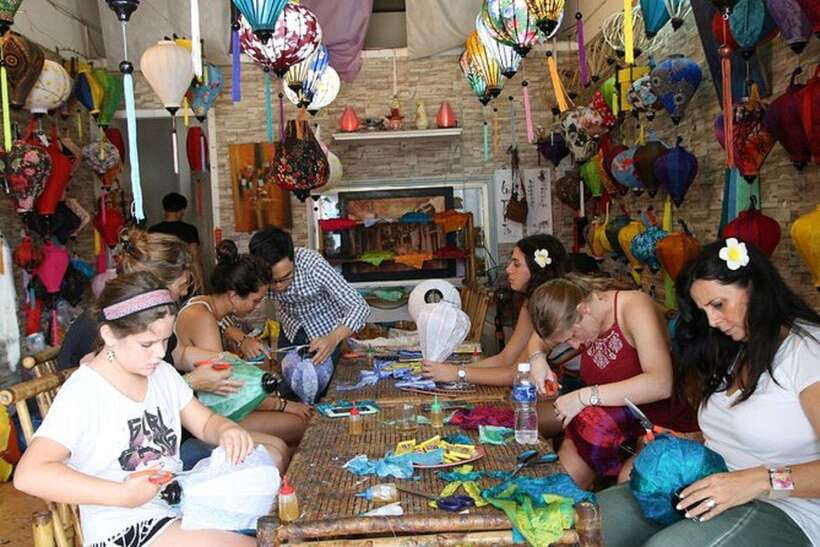
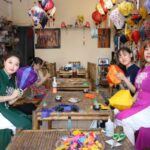
Once coffee wraps, you head to the lantern workshop, just a short walk away. This second half is where the class becomes more creative than culinary.
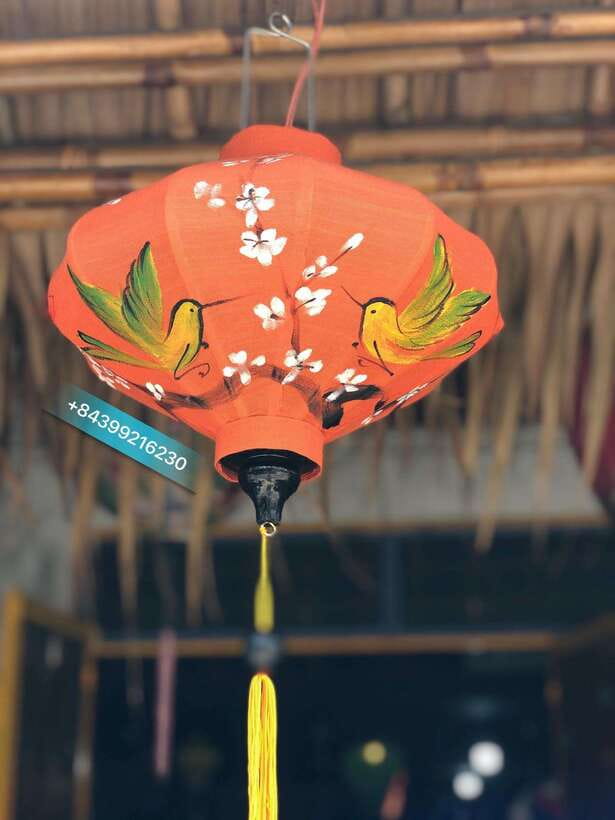
You’ll make a unique foldable lantern to bring home. Guests repeatedly mention that the folding design matters: you can compress it for transport instead of worrying about damage in your luggage.
Here’s what stands out about how they run the lantern session:
- You get help step-by-step, so beginners don’t feel lost
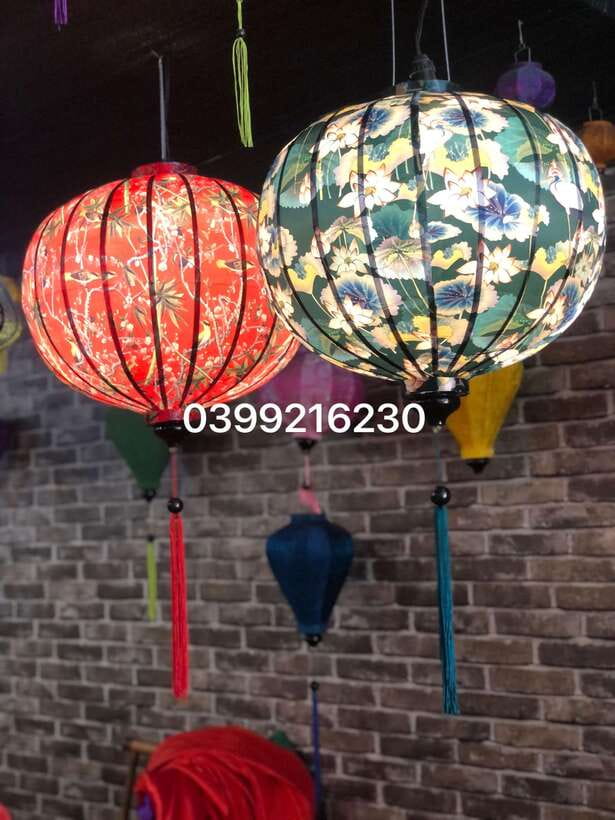
- There are fabric colors and patterns to choose from
- There are lantern shapes to choose from
- The staff are patient, even if you’re slow at the crafting parts
There can also be different ways to build. Some people reported options like using a premade frame with fabric, or constructing with bamboo sticks. The key for you: don’t stress. If you can follow instructions and take your time, you’ll end up with a lantern that looks like you made it on purpose, not by accident.
Tam is one guide name that showed up in the experience stories, and the tone from those accounts is consistent: friendly, funny, and genuinely helpful while you work.
Practical crafting tip
Take a slow approach with your hands. Lantern fabric and frames can be fiddly, and speed tends to lead to crooked results. If you want a better end product, aim for steady rather than fast.
What You Get, and Why It’s Good Value at $24
At $24 per person for about 210 minutes, you’re paying for two hands-on workshops plus the materials involved in the souvenirs. That’s the value equation here: it’s not just a coffee tasting and it’s not just a craft class.
Included items that make a difference:
- Coffee
- Herbal tea or water
- Cookies
- English guide and English audio support
- Local master instruction
A lot of the value also comes from what you learn. When you know how to brew with a phin, egg coffee stops being a mysterious local specialty and becomes something you can attempt at home. And when you understand the lantern folding approach, you get a souvenir that’s actually usable in your life, not just a photo prop.
One more reason the price feels fair: the workshop is family-run. Multiple staff members assist, which keeps the pace comfortable and reduces the frustration factor for first-timers.
Best-Fit Travelers: Who Will Enjoy This Most
This is a great pick if you want a break from Hoi An’s outdoor walking loop and you’d like something interactive. It’s also a strong option if you’re traveling with friends or family, because the instruction is paced and the hosts keep the vibe lively.
You’ll probably enjoy it most if:
- You care about Vietnamese coffee beyond the basics
- You like hands-on crafts (and don’t want a passive tour)
- You want a rainy-day or heat-day activity with a real payoff
- You’re the type who likes learning a small technique you can repeat later
If you’re the sort who drinks coffee very lightly, you can still enjoy it, but I’d pace your sips and start with the sweeter versions first. The caffeine can hit harder than you expect when you drink full servings.
Should You Book This Hoi An Coffee and Lantern Class?
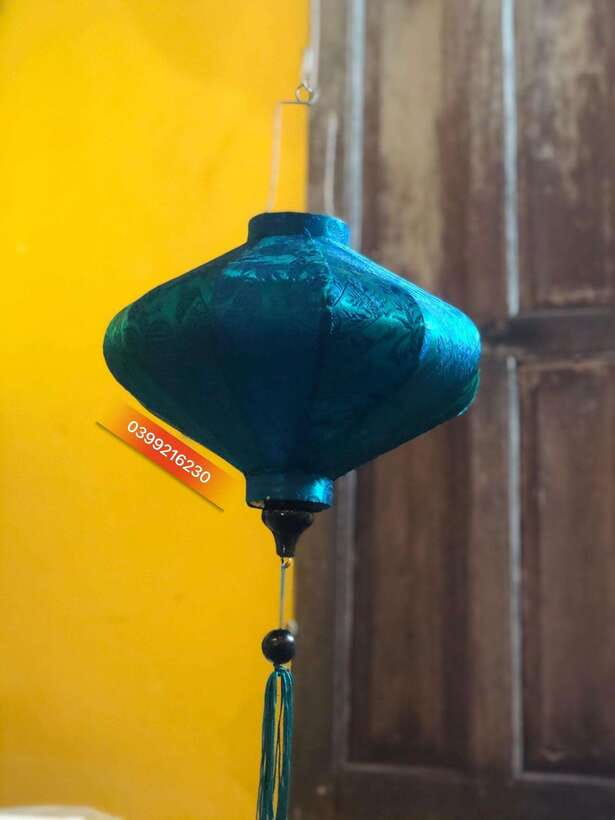
If you want one afternoon that gives you both a food skill and a keepsake, I’d book it. The combination is practical: coffee teaching fuels the energy, and lantern crafting gives you something to show for the day.
I’d only pause if you strongly dislike coffee or caffeine. Egg coffee and sweetened options help, but the session still includes multiple coffee styles. I’d also plan for the walk between venues since there’s no pickup, and bring a camera because you’ll want photos of both your cups and your lantern build.
If you’re deciding between options (like making a smaller vs larger lantern), pick based on your patience. A smaller lantern tends to be easier if you’re short on time or want a more relaxed craft session.
FAQ
Where is the meeting point for the class?
It meets behind the Viettin bank and opposite Le Ba Truyen restaurant at 12 Ba Trieu St.
How long is the Hoi An lantern and coffee making class?
The duration is 210 minutes.
What does the price include?
Included: cookies, herbal tea or water, coffee, an English guide, and a local master.
Is hotel pickup included?
No, hotel pick up and drop-off are not included.
What coffee styles will I make or taste?
You’ll work with five Vietnamese coffee types, including black coffee, happy white coffee, Hue Imperial salt coffee, Ha Noi capital egg coffee, and other creations like white and coconut styles.
What should I bring with me?
Bring a camera.
Do I need to speak Vietnamese?
No. The instruction is in English, and an English audio guide is included.