Street food on a scooter hits different than a walking crawl. You zip through Ho Chi Minh City like locals do, then stop for 7/9/12 tastings tied to real neighborhoods and stories. I like that the pace is built around eating, not checkboxes, and I also like the mix of classic sights plus Chinatown street life. One thing to consider: you need to feel okay riding a scooter for a few hours, and the exact food stops can feel intense if you’re very picky.
The best part for me is the combo of street tastings with places most visitors miss, including hidden Chinatown alleys and local markets. The tour also aims for genuine context—guides connect what you eat to culture and everyday life, so it feels less like random sampling and more like understanding the city. Guides such as Vy, Corn, Jason, Levi, Phi, Kevin, and Vihn have come up in feedback for being friendly, organized, and clear about dishes and sights.
The main drawback I’d flag is that scooter tours depend on smooth coordination. If your pickup timing slips, it can throw off your evening. Also, because guides may come from different backgrounds, your experience can vary a bit in personality and English style—usually that’s still a good time, just keep that in mind.
In This Review
- Key highlights worth planning for
- Why a scooter street food tour makes sense in Saigon
- Opera House start + a 1960s apartment block you can actually see from up top
- Ho Thi Kỷ flower market: color, smells, and a market rhythm you’ll remember
- Chinatown street food in motion: tastings guided by dish stories
- Phố Tàu Sài Gòn in District 5 (Chợ Lớn): where alleys do the talking
- District 3 unwind ride: French-era vibes and a calmer end
- Price and value: what $25 buys you in real terms
- Who should book this, and who should think twice
- My quick decision guide: should you book?
- FAQ
- How long is the Saigon Street Food & Hidden Alleys tour?
- What does the price include?
- Can I choose how many tastings I want?
- Is this tour private or shared?
- Do I need to pay for admission tickets?
- What if the weather is bad?
Key highlights worth planning for

- 7/9/12 tastings in a 4-hour ride-and-eat format (choose your hunger level)
- Scooter safety briefing + accident insurance (up to $5,000) for peace of mind
- Free pickup and dropoff at your center hotels, so you lose less time figuring things out
- Chinatown (Cho Lon) and the “Phố Tàu Sài Gòn” area via narrow alleys and local markets
- Stops that mix daily life, like a 1960s apartment block, with landmark views like the Opera House
- Personal English-speaking guide and no extra fee for private or group touring
Why a scooter street food tour makes sense in Saigon

In Saigon, traffic isn’t just noise. It’s part of how the city moves. A scooter tour lets you cover real distance fast, then park you right where the action is—places cars can’t reach, and buses would never thread through.
This tour is built around that practical reality. You don’t just “see” Saigon; you ride like locals and get guided through short segments that actually connect to what you’re tasting. I also like that you start with a quick safety briefing and help getting comfortable, which matters if you’ve never done this in Vietnam before. Once you’re moving, the route design does the work: short rides, then food moments, then short cultural stops.
One more point: you’ll be eating enough that good guidance matters. The guide is meant to explain what you’re tasting and where it fits in the neighborhood’s culture and history. Without that, it can turn into “food, food, more food.” With it, you remember what you ate and why.
You can also read our reviews of more food & drink experiences in Ho Chi Minh City



Opera House start + a 1960s apartment block you can actually see from up top
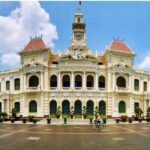
You begin with pickup and a safety briefing, then head to the Saigon Opera House area—listed in the tour schedule with free admission. Even if you’re not a theatre person, it’s a solid way to set the scene: architecture that signals how Saigon learned to mix old-world influence with modern street life.
After that, you go to the Nguyễn Thiện Thuật apartment buildings, a local living block from the 1960s. This stop is about more than photos. It’s designed to help you understand how everyday Saigonese life fits into vertical neighborhoods—how people live, snack, and socialize inside a place that isn’t built for tourists.
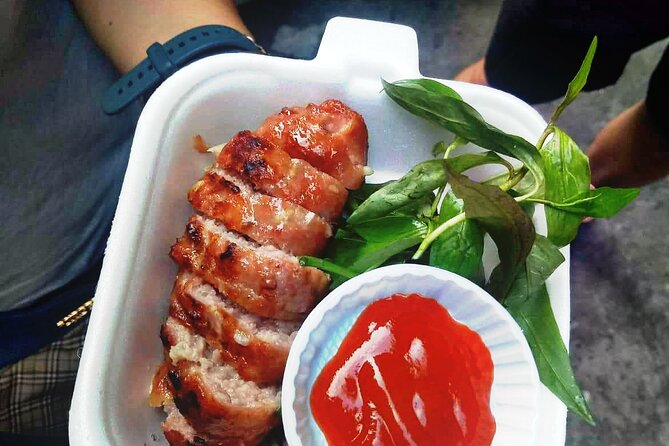
You’ll also get a view and the chance to observe daily life, then try classic Vietnamese snacks served by long-time family vendors (served during the stop). If you like seeing the “in-between” areas—where locals hang out rather than where tour buses pause—this stop is a good mental reset before you get deeper into Chinatown.
Possible consideration here: apartment-block visits can be a little more “local-life direct.” If you’re uncomfortable around crowds or close-up everyday activity, tell your guide early so they can manage the pace for your group.
Ho Thi Kỷ flower market: color, smells, and a market rhythm you’ll remember
Next comes the Ho Thi Kỷ flower market. This is the kind of stop that changes your senses quickly: the smell of flowers, the sound of people trading and moving, and the constant motion of stalls. It’s also scheduled with free admission in the tour plan.
What makes it useful (not just pretty) is the way it sets you up for the Chinatown food portion that follows. Markets in Ho Chi Minh City are cultural engines. They feed households, support street vendors, and shape what you see in the evening streets. When you walk through the market first, you understand the supply side behind the snacks and street dishes later.
Also, this market area is described as well-known for its colorful flower shops and Cambodian street food stalls. That cross-border mix matters in Saigon. It explains why some flavors and vendor styles feel familiar even when you’re eating something you don’t usually see at home.
A practical tip: wear something light and breathable. Markets mean you’ll move at a walking pace while standing, turning, and smelling everything up close. Don’t plan to come straight from an all-day rain-sweaty day if you can avoid it.
Chinatown street food in motion: tastings guided by dish stories
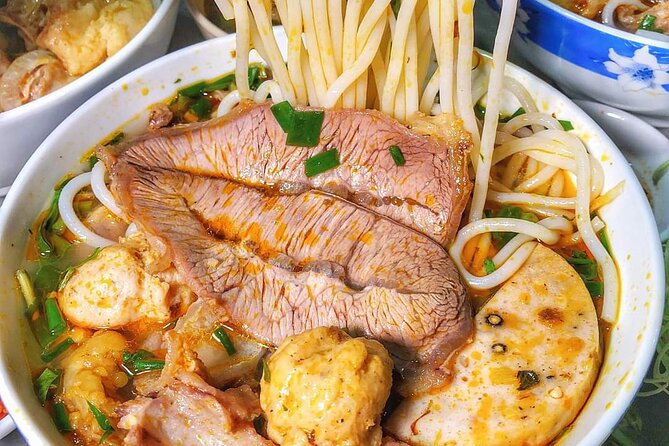
Once you reach Chinatown areas, the tour becomes the reason you booked. The schedule includes tasting street-food dishes prepared by third-generation local chefs, and your guide ties each dish to its recipe background and the culture around it.
This is the moment where I think the tour’s format really pays off. Street food can be overwhelming if you’re trying to translate menus, guess ingredients, and ask questions while the stall is already busy. A guide helps you focus on what matters: what you’re eating, how to interpret the flavor, and what makes it “Chinatown Saigon” rather than generic Vietnam street food.
The tour then keeps you moving into District 10, using narrow alleys rather than main roads. You get a local walk-through of hidden neighborhood corners and learning about traditions and neighborhood influences. It’s not just a food loop; it’s an explanation of why the neighborhood looks the way it does and how cultures blend here.
One more ingredient in the experience: you’ll be on scooters between stops. That makes the evening feel like a single storyline rather than a series of disconnected tastings. You taste, learn, ride, taste again. Your brain stays engaged.
If you’re traveling with children or someone nervous about making decisions, this structure helps a lot. One feedback highlight was how kids liked riding and how safe the guides and drivers were—so the “learning + eating” balance works even for families.
Phố Tàu Sài Gòn in District 5 (Chợ Lớn): where alleys do the talking
The tour’s Chinatown peak includes Phố Tàu Sài Gòn in Chợ Lớn, listed as Chợ Lớn Quận 5. You ride through energetic traffic to reach this big cultural enclave, then enter with your guide to explore hidden alleys and local market scenes.
This is where you’ll feel the city’s personality most clearly. The streets don’t treat you like a visitor. They treat you like part of the flow—assuming you move with your guide’s timing and don’t freeze in the middle of an alley.
Food and atmosphere mix here. You’ll be tasting again as you go, and you’ll have a chance to see how daily market life and Chinatown community spaces overlap. It’s also why the scooter format matters: walking-only routes can take forever and can’t access the same alley connections.
If your group is slow-moving or has mobility issues, this part can be a little demanding because alley paths can be tight and crowded. The good news is the tour is designed as a guided loop—so you don’t need to navigate your own way through traffic and side streets.
A few more Ho Chi Minh City tours and experiences worth a look



District 3 unwind ride: French-era vibes and a calmer end
After all the food and alley energy, you get a scooter ride through District 3. The schedule frames this as tree-lined boulevards and calmer neighborhoods, known for French-era villas.
Why this matters: it’s not random sightseeing tacked on at the end. District 3 works like a cool-down. You shift from tight market alleys to wider streets and a more relaxed pace, which makes your photos look better and your feet (or rather, your seating comfort) feel less strained after hours of movement.
The tour ends with your guide safely returning you to your hotel or starting point. That’s a real value piece in Saigon. After a food-focused evening, you don’t want to spend your last hour guessing rides or negotiating drop-offs in busy traffic.
Price and value: what $25 buys you in real terms
At $25 per person for around 4 hours, the value isn’t just the food count. It’s what’s wrapped into the price:
- Free pickup and dropoff at your center hotels
- A personal English-speaking guide
- All listed dishes for your chosen tastings level (7/9/12)
- Scooter accident insurance up to $5,000
- No extra fee for group or private tour
Food tours can get expensive fast once you add transportation and admission. Here, scooter transport is the core of the experience, and the safety insurance is specifically included. That combination is what makes the price feel reasonable—especially if you’d otherwise need a taxi between multiple neighborhoods.
Also, the tour is private in the sense that only your group participates. That matters because it makes questions easier and pacing smoother. You’re not fighting for space with a large bus-style crowd.
What’s not included? Personal expenses and tips. If you’re budget-minded, that’s straightforward. If you’re the type who likes to tip your guide, keep a little cash ready.
Finally: the tour says it requires good weather. If weather forces a change, you’re offered another date or a full refund. In rainy season, that can matter.
Who should book this, and who should think twice
This tour is a strong match if you:
- Want street food plus actual neighborhood context, not just landmark hopping
- Feel comfortable riding a scooter (or you’re willing to learn with a safety briefing)
- Like Chinatown energy and markets, including the blend of influences in Chợ Lớn
- Travel with kids or a group that benefits from a structured pace
It may be less ideal if you:
- Don’t want to ride a scooter at all, even short distances
- Are very sensitive to crowds or traffic noise
- Have strict food allergies—because while the tour tells you to let them know allergies, the specific dish-by-dish ingredients are not listed in the provided details
If you do have allergies, message ahead and be clear. The tour explicitly asks you to share your allergies, so do that early. A good guide can adjust your tastings, but you need to give them the information upfront.
My quick decision guide: should you book?
I’d book this if you want a Saigon evening that blends real street life with enough structure to feel safe and guided. The best reason to pick it is the combination: scooter mobility plus market-and-Chinatown stops plus tastings explained by a guide.
I’d think twice only if scooter riding makes you uneasy or if you can’t handle unpredictable timing. One past experience note included a delayed pickup, which is the type of hiccup that can happen with any scooter-based tour. If you’re the kind of person who needs a strict schedule, give yourself buffer time.
Bottom line: if you’re hungry for Chinatown food, want to see Ho Thi Kỷ and hidden alleys, and like moving through the city the way locals do, this is a very solid choice.
FAQ
How long is the Saigon Street Food & Hidden Alleys tour?
It runs about 4 hours.
What does the price include?
The price includes free pickup and dropoff at your center hotels, all dishes mentioned for your chosen tastings level, a personal English-speaking guide, and scooter accident insurance up to $5,000.
Can I choose how many tastings I want?
Yes. This tour is offered with 7, 9, or 12 tastings.
Is this tour private or shared?
It’s a private tour/activity, with only your group participating.
Do I need to pay for admission tickets?
The tour schedule lists admission tickets as free for the included sights.
What if the weather is bad?
The experience requires good weather. If it’s canceled due to poor weather, you’ll be offered a different date or a full refund.