REVIEW · SAPA
Sapa trekking 2 days small group
Book on Viator →Operated by Saparis Horizon Travel · Bookable on Viator
Two days of rice-terrace hiking in Sapa.
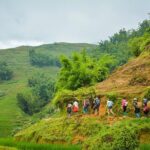
This Sapa trekking 2 days small group experience focuses on real village life in the Muong Hoa valley, with a homestay-style overnight so you’re not just driving past viewpoints. You’ll walk between several minority communities, including Black H’mong, Giấy (in Ta Van), and Red Dzao, and you’ll eat the food that goes with daily work in the fields.
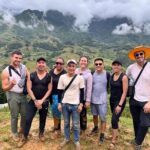
What I like most is the small group size (up to 15) and the fact that your day includes genuine conversations, not just photo stops. I also love that the trek is paced with village breaks and meals built in—like lunch in Lao Chai and the chance to eat locally at a Red Dzao home on Day 2.
A possible downside: the hiking is real. It’s not an extreme mountaineering mission, but you should expect a full day of uneven paths and hills, plus a homestay that may be simpler than hotel comforts.
In This Review
- Key things that make this Sapa trekking 2 days homestay stand out
- Sapa trekking 2 days in a small group: what you’re actually buying
- Pickup from Sapa town, mobile ticket, and a group that stays human
- Day 1: Y Linh Ho, Lao Chai, and Ta Van homestay (the “valley day”)
- Stop in Sapa first, then into the Muong Hoa valley
- Y Linh Ho village (Black H’mong): culture at walking pace
- Lao Chai village (Black H’mong): bridge crossing and a calmer feel
- Lunch in Lao Chai: local food near the river, with a picnic option
- Ta Van village (Giấy): rice terraces and a slower afternoon
- Arrive at your homestay: overnight in Ta Van
- What you’ll learn along the way: village life, tribal communities, and built-in storytelling
- Day 2: Muong Hoa valley viewpoints and the Red Dzao home lunch
- Walk to a viewpoint above Muong Hoa valley
- Giang Ta Chai village (Red Dzao): lunch at a local home
- More uphill walking, then finish near Su Pan
- Price and value: is $80 a fair deal for Sapa trekking 2 days homestay?
- What’s included, what to bring, and what to budget
- What I’d pack for this kind of trek
- Is this trek too hard? Who this Sapa walking route suits best
- Day-by-day timing: how to plan your Sapa schedule around it
- Should you book Sapa trekking 2 days Homestay with Saparis Horizon Travel?
- FAQ
- What does the Sapa trekking 2 days small group trip include?
- How big is the group for this Sapa trek?
- Does the tour pick you up in Sapa town?
- What villages are covered during the 2 days?
- What kind of tickets does the tour use?
- Can I get a full refund if I cancel?
Key things that make this Sapa trekking 2 days homestay stand out
- Small group (max 15): easier to ask questions and keep a steady pace
- Village-to-village route: Y Linh Ho to Lao Chai to Ta Van feels like a walk through daily life
- Homestay overnight in Ta Van: you get a night with a local family, not just a quick stop
- Two cultural tracks: Black H’mong areas on Day 1, Red Dzao on Day 2
- Meals and water included: dinner, breakfast, lunch twice, plus 1.5L water per day
Sapa trekking 2 days in a small group: what you’re actually buying
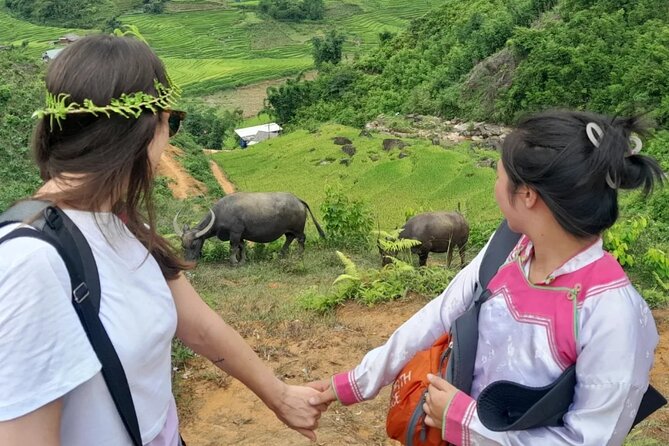
This is a 2-day trekking + homestay format, priced at $80 per person for about two days. The value isn’t just the walking. It’s the structure: pickup in Sapa town, guided village sections, built-in meal moments, and an overnight where you can slow down and see how people live after the hiking ends.
In Sapa, it’s easy to fall into a “bus-tour” rhythm—quick stops, quick photos, and then back to town. Here, the schedule is built around staying with the community you’re walking through, which changes the vibe. You’re still seeing big scenery, but you’re also learning what matters to the people living there day after day.
You can also read our reviews of more hiking tours in Sapa
Pickup from Sapa town, mobile ticket, and a group that stays human
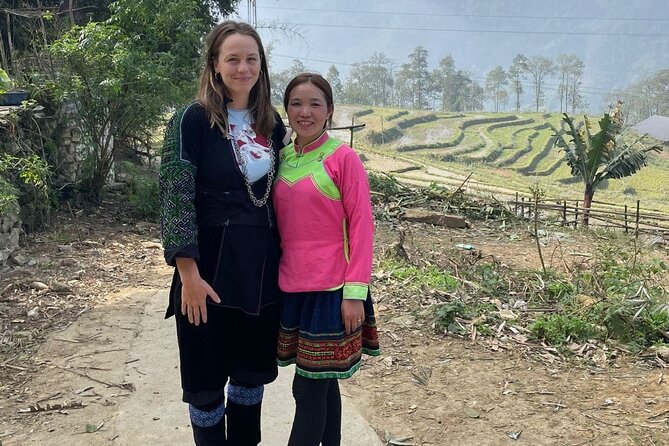
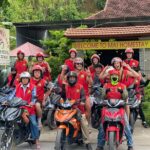
The tour includes pickup from Sapa town at the start (around 08:00–08:30) and car return on Day 2 (it finishes near Su Pan village, then you go back to your accommodation in Sapa town). That matters because the trek starts before most people have time to get organized on their own.
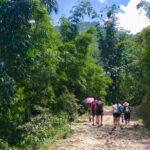
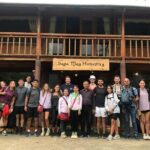
The tour also uses a mobile ticket, which is handy when you don’t want to hunt for paper vouchers. And because the group is limited to 15 people, the guide can actually explain things and keep everyone together without feeling like a crowd-control operation.
Practical takeaway: if you hate waiting around, this kind of organized pickup-and-return helps you use your short time in Sapa more efficiently.
Day 1: Y Linh Ho, Lao Chai, and Ta Van homestay (the “valley day”)
Day 1 is where you feel the rhythm of the Muong Hoa valley. The walking is sectioned so you get time in each village area rather than one long blur.
Stop in Sapa first, then into the Muong Hoa valley
You start with pickup and a brief introduction in Sapa town. Then the route shifts southeast from there, with the guide setting up the context for what you’ll see.
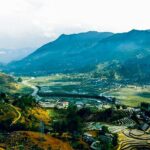
Right away, you’re moving along the Muong Hoa valley corridor, which is the backbone of Sapa trekking routes. You don’t just jump from viewpoint to viewpoint—you’re actually traveling through the same terrain that locals use.
Y Linh Ho village (Black H’mong): culture at walking pace
The first trekking segment leads you to Y Linh Ho village, home to the Black H’mong. This is one of those stops where the timing matters: you arrive after the morning start, when energy is high and the group isn’t tired yet.
Here, you’ll learn about life and culture of the Black H’mong people. The best way to get value from a stop like this is simple: ask specific questions. For example, ask how people organize daily routines around farming, or what changes most across seasons. A good guide will turn that into a real conversation instead of a lecture.
A few more Sapa tours and experiences worth a look

Lao Chai village (Black H’mong): bridge crossing and a calmer feel
Next comes Lao Chai, described as a larger Black H’mong village. You’ll cross a small bridge to enter the Muong Hoa valley area, then you’ll enjoy the peaceful countryside views as you settle into the village section.
After getting there, you have a chunk of time to move around and take in how daily work looks in a place that’s not built for tourists first.
Lunch in Lao Chai: local food near the river, with a picnic option
Lunch happens in Lao Chai around midday. You’ll eat local food at a restaurant near the river. There’s also an option described as having a picnic lunch uphill if you want the feel of the countryside more than the restaurant setting.
This is a smart inclusion because lunch isn’t just “food.” It’s a break that keeps the trek enjoyable, not punishing. And if you do the picnic-style version, you’ll likely feel more of the terrain between villages.
Ta Van village (Giấy): rice terraces and a slower afternoon
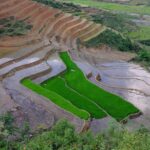
After lunch, you walk toward Ta Van village, known for large rice terraces and for being home to the Giấy people. The afternoon pacing is gentler here, and you get time to interact and take in the terraces from up close.
This stop is also a good moment to notice contrasts. Some villages feel compact and active; others feel open and spread out along paths and terraces. The difference is part of what makes a 2-day trek more interesting than a single-day loop.
Arrive at your homestay: overnight in Ta Van
Late afternoon brings you to the local homestay in Ta Van for one night. After a full day of trekking, you’ll have time to relax and then share conversation in the evening with the people running the homestay.
What I like about this design: it doesn’t treat the overnight as an afterthought. You’re not rushing out immediately after arrival. You can reset your legs and still get the human connection part people travel for.
What you’ll learn along the way: village life, tribal communities, and built-in storytelling
This tour is openly focused on learning local ways of life, and the itinerary reflects that. It’s not only “walk, stop, picture.” It’s tied to specific communities in specific places.
- Black H’mong areas (Y Linh Ho and Lao Chai): you’ll connect what you see to the daily rhythms of life and culture in these villages.
- Giấy area (Ta Van): you’ll pair terrace views with interaction, so the scenery has context rather than being just background.
- Red Dzao area (Day 2): the next day shifts the cultural lens so you’re not repeating the same story twice.
One more thing: local architecture is mentioned in the tour overview as a learning focus. Even when you’re not studying buildings like an architect, you’ll still notice how home layout, materials, and space respond to mountain living and farming needs.
The practical advice here is to keep your curiosity switched on during the walking itself. Often, the best explanations come when you’re moving between villages, not when you’re standing still.
Day 2: Muong Hoa valley viewpoints and the Red Dzao home lunch
Day 2 starts after breakfast, around 08:30–09:00 in Ta Van. This is where the trek becomes a little more scenic and a little more “high-view” focused.
Walk to a viewpoint above Muong Hoa valley
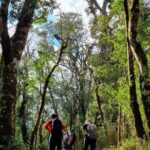
You follow the local trail to see the Muong Hoa valley from the high mountain. This is the kind of morning effort that pays off later. Even if you’re not the biggest fan of uphill stretches, the payoff tends to be stronger early in the day.
It also helps that you start with breakfast, rather than jumping straight into hiking on an empty stomach.
Giang Ta Chai village (Red Dzao): lunch at a local home
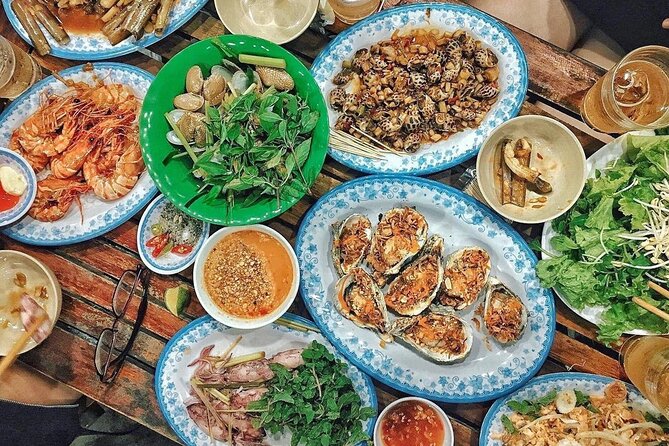
Then you trek to Giang Ta Chai village, associated with the Red Dzao people. You’ll have lunch at a local home and try local food by the Red Dao community.
Lunch here is part of the experience, not just a recharge. It’s also another cultural moment, because being invited into a home changes how you understand the meaning of village life. You’re not just looking at traditions—you’re seeing what a normal meal looks like in that setting.
More uphill walking, then finish near Su Pan
After lunch (around 12:00), you continue walking and go up the hill (the schedule notes that you head uphill after 13:00). By mid-afternoon, the tour finishes near Su Pan village, and then you’re picked up by car to return to Sapa town.
If you’re judging the whole trek by the first day only, Day 2 is the reality check. It’s usually where people notice how tired their legs are. The good news is the itinerary ends at a road area where transport is waiting.
Price and value: is $80 a fair deal for Sapa trekking 2 days homestay?
At $80 per person, what you’re getting is a full guided two-day package with meals and overnight included. Based on the inclusions, the tour covers:
- Dinner and breakfast
- Lunch twice
- Accommodation for one night
- Water (1.5L per day)
- Pickup from Sapa town
- Local guidance
- Mobile ticket
The real question is whether that matches your priorities. If you want a trekking experience that includes cultural interaction and a homestay, this pricing structure is often more realistic than trying to book a custom itinerary on your own.
Where the value stands out most is in the “hidden cost” of coordination. A guided schedule with meals and overnight already organized saves you time and stress, especially in a place where a last-minute plan can turn messy fast.
If you’re only chasing Instagram-level views and you don’t care about the homestay aspect, you might feel like $80 is more than a simple hike. But if you want the full Sapa village-to-village feel, it’s a solid deal for what’s included.
What’s included, what to bring, and what to budget
The inclusions list is refreshingly clear. You’ll have:
- Accommodation (homestay overnight)
- Dinner + breakfast
- Two lunches
- Water 1.5L per day
- Pickup and return transport
- Admission tickets listed as free for the stops
Not included:
- Tips
- Personal expenses
- Anything not explicitly listed
What I’d pack for this kind of trek
Even though water is included, I still suggest bringing a small daypack for snacks, a light rain layer, and essentials. Trekking shoes help with comfort, because village paths can be uneven. And bring something to keep your phone charged—views are great, and you’ll probably take more photos than you expect.
Also, consider a small cash amount for tipping and personal extras. Tips are not included, and the guide’s work is a big part of why this tour feels good.
Is this trek too hard? Who this Sapa walking route suits best
The tour states that most travelers can participate, which is a helpful signal. The itinerary includes multiple walking segments (for example, you’re looking at 2+ hours on the first major trek segment, then additional stretches through villages).
So here’s the honest way to decide:
- If you can handle a day of walking on hills and rough paths, you’ll likely be happy with the pacing.
- If you have knee issues or you need a mostly-flat hike, you should reconsider or ask the operator how intense the route feels on your dates.
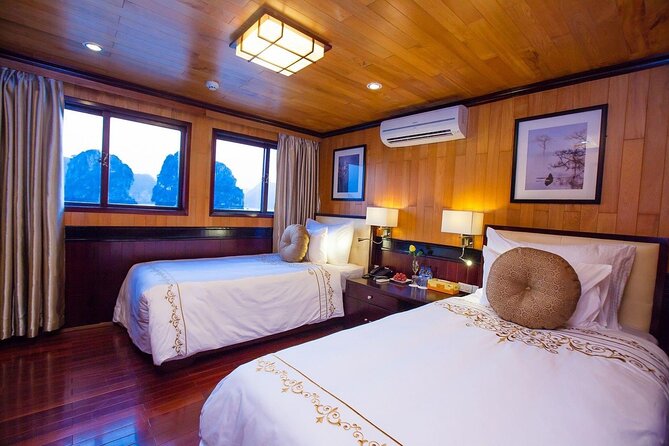
Homestay comfort is the other variable. One note from guide feedback indicates homestay size can be smaller than you might hope, so keep expectations realistic. You’re paying for the experience of being hosted, not for a resort bedroom.
Day-by-day timing: how to plan your Sapa schedule around it
This trek is designed to plug into your Sapa stay cleanly.
- Day 1: pickup in Sapa town around 08:00–08:30, trekking through Y Linh Ho and Lao Chai, lunch in Lao Chai, then onward to Ta Van and overnight.
- Day 2: breakfast in Ta Van around 08:30–09:00, morning viewpoint and trekking to Giang Ta Chai for lunch, then continued uphill sections and finish near Su Pan with return to Sapa town.
Translation: you’ll give up two full slices of time (not just half-days). If you want to fit this in with other Sapa activities, schedule it as your main outdoor moment, not a side quest.
Should you book Sapa trekking 2 days Homestay with Saparis Horizon Travel?
If you want a small group Sapa trek where the schedule includes community stops, real village meals, and an overnight in Ta Van, then yes—this is a strong booking choice. The itinerary is built to make the trek feel like part of village life, not a sightseeing circuit.
Book it especially if:
- You care more about interaction and context than only big views.
- You like the idea of sleeping in a local homestay and chatting in the evening.
- You want a guided route that handles pickup, pacing, meals, and return.
Skip it or ask more questions first if:
- You want a low-effort walk with minimal hills.
- You’re very sensitive to basic accommodation and simple overnight setups.
FAQ
What does the Sapa trekking 2 days small group trip include?
It includes dinner, breakfast, two lunches, accommodation for one night, water (1.5L per day), and the guided trekking with pickup/return transport. Tips and personal expenses are not included.
How big is the group for this Sapa trek?
The tour has a maximum group size of 15 travelers, which keeps the experience more personal and easier to manage.
Does the tour pick you up in Sapa town?
Yes. Pickup is offered in Sapa town at the start, and on Day 2 the car picks you up near Su Pan village to return you to your accommodation in Sapa town.
What villages are covered during the 2 days?
You’ll pass through Y Linh Ho and Lao Chai on Day 1 (Black H’mong areas), then reach Ta Van for the homestay (Giấy people). On Day 2 you’ll trek toward Giang Ta Chai village (Red Dzao people).
What kind of tickets does the tour use?
The tour uses a mobile ticket. The information also notes confirmation is received at the time of booking.
Can I get a full refund if I cancel?
Yes. Free cancellation is available up to 24 hours in advance for a full refund, based on local time.