REVIEW · HUE VIETNAM
Hue Imperial Ancient City Walking Tour
Book on GetYourGuide →Operated by Linh Nguyen · Bookable on GetYourGuide
Hue’s royal walls have a way of stopping you. This Hue Imperial Ancient City walking tour turns the citadel’s gates and palaces into clear stories about how power worked. You’ll walk through the spaces that shaped the Nguyen Dynasty, then connect them to later chapters of Hue history.
I especially love how the tour focuses on the parts that matter most: the Meridian Gate and the ceremonial heart inside the walls. I also like the way the guide uses storytelling and visual aids, so you don’t just read stone plaques—you understand why each place was built and used.
One possible drawback: it’s still a walking tour in the heat, and the citadel is big. Bring sunscreen and water, and plan for some sun-time between shaded stretches.
In This Review
- Key takeaways before you go
- Why Hue’s Imperial City Works Better With a Guide Than Alone
- Getting Started at the Imperial City Ticket Office (and Avoiding Confusion)
- Meridian Gate (Huế): The Main Entrance That Sets the Tone
- Thai Hoa Palace: Where Ceremonies Had a Center Stage
- Dien Tho Palace: The Queen Mother’s Residence in Plain Human Terms
- The Forbidden City: Emperor-Only Space and the Rules Behind It
- The Stories You’ll Actually Remember After the Walking Stops
- Pacing, Breaks, and the One Thing to Watch For
- Price Value: How $2 Works When a Guide Sets the Meaning
- Who This Tour Fits Best (and Who Might Want a Different Style)
- Practical Tips for a Smoother Hue Imperial City Visit
- Should You Book the Hue Imperial Ancient City Walking Tour?
- FAQ
- How long is the Hue Imperial Ancient City walking tour?
- What times does the tour start?
- Where do we meet for the tour?
- Is the tour in English?
- What is the group size limit?
- Is the tour wheelchair accessible?
- What should I bring?
- Can I cancel for a refund?
Key takeaways before you go
- Small group (up to 10) keeps questions from getting lost and makes it easier to hear the guide.
- English live guide helps you follow the politics, rituals, and architecture without guessing.
- Major named stops: Meridian Gate, Thai Hoa Palace, Dien Tho Palace, and the Forbidden City area.
- You’ll get historical context that connects eras, including colonial and war-era impacts on the site.
- Plan for walking—wear comfortable shoes and expect 150 minutes on your feet.
Why Hue’s Imperial City Works Better With a Guide Than Alone
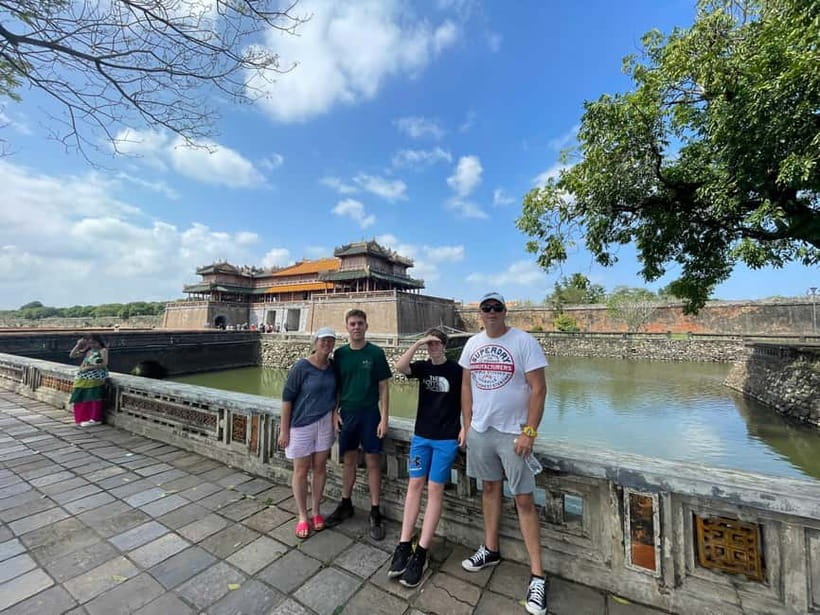
Hue’s Imperial City is one of those places where the stone is beautiful, but the meaning isn’t obvious unless someone points it out. A self-guided visit can turn into a long loop of gates, courtyards, and signage. A guided approach makes the complex feel logical, like a map with instructions.
The best part is that the tour doesn’t treat the citadel like a museum display. You learn how it was designed to control movement, how specific buildings shaped ceremonies, and how the royal family’s daily life fit into the spaces you’re walking through.
And yes, the English guide matters. Having your questions answered in real time changes the visit from sightseeing into understanding. This is also where that very low price makes sense: you’re paying for a live local who can translate the rules of an imperial palace into something you can grasp in about two and a half hours.
You can also read our reviews of more walking tours in Hue Vietnam



Getting Started at the Imperial City Ticket Office (and Avoiding Confusion)
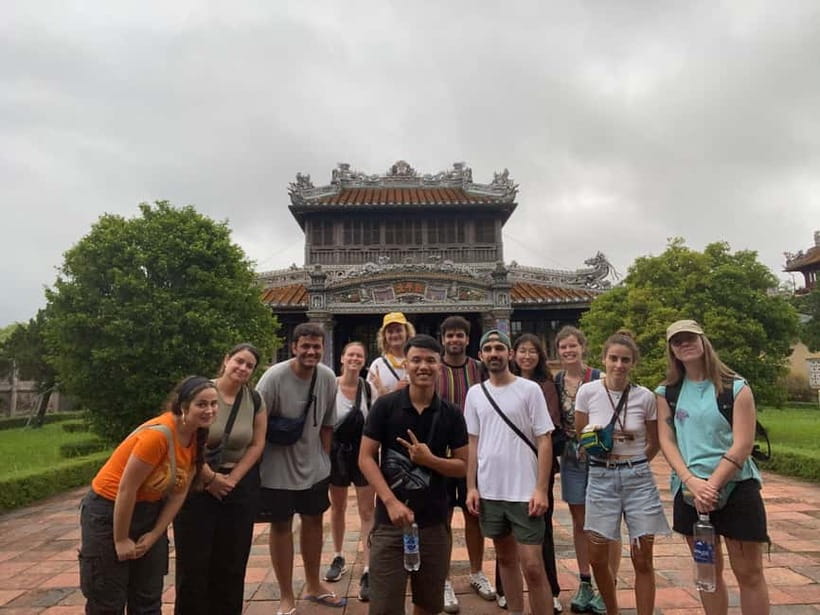
You’ll meet at the Imperial City area near the ticket booth, with two start times each day: 9:00 AM and 3:00 PM. Before the tour, you’ll be contacted to confirm the designated time, so keep an active phone number ready.
Here’s what I’d do to make your first ten minutes smooth:
- Arrive a little early so you can check in without stress.
- Bring a phone you can access quickly if you’re asked to confirm details by WhatsApp or local number.
- Wear shoes that handle uneven paths and long indoor-outdoor transitions.
This meeting setup is simple, which is good. Some big sites have confusing drop-offs. This one is straightforward: find the ticket booth area, meet the guide, then start walking.
Meridian Gate (Huế): The Main Entrance That Sets the Tone
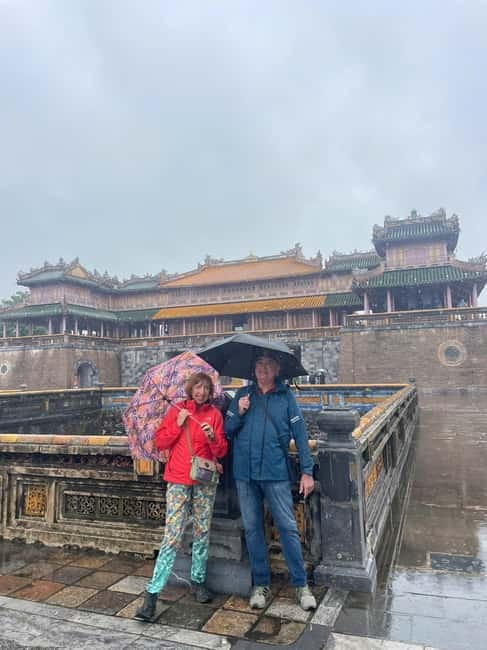
The Meridian Gate (Huế) is the kind of place you feel in your chest before you fully understand why. It’s the main entrance, and the gate is more than an architectural feature. It signals status, hierarchy, and the strict idea of who gets to pass through what—when.
With a guide, the Meridian Gate becomes a lesson in imperial design:
- Why entrances were placed and framed the way they were
- How movement through gates reinforced authority
- What the gate meant in ceremonial life versus everyday routine
Even if you’re not into architecture, you’ll likely understand the logic fast. The guide ties it to how the Nguyen court organized access and symbolism. You end up looking at lines, openings, and transitions rather than just admiring the view from one spot.
Practical note: this is one of the early anchors in the tour. If you want photos, give yourself a minute to position before the group keeps moving.
Thai Hoa Palace: Where Ceremonies Had a Center Stage
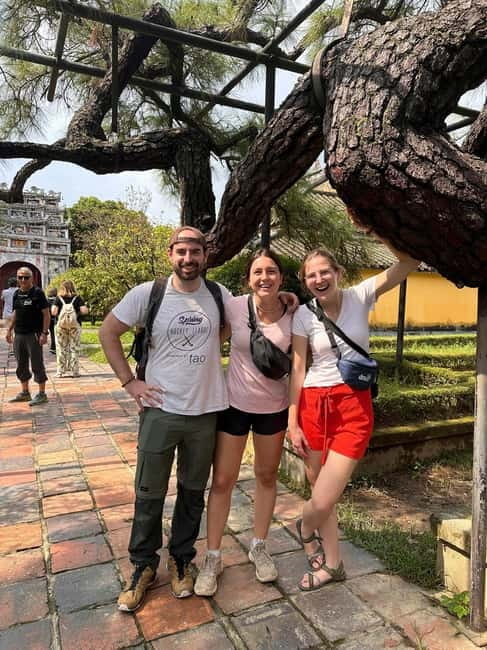
Next comes the ceremonial centerpiece: Thai Hoa Palace, the main hall. This is the kind of building that can look impressive but still feel vague without context. The tour helps you connect what you’re seeing to what happened there.
You’ll learn how the palace functioned in the Nguyen Dynasty’s political and ceremonial life. That matters because Thai Hoa isn’t just a room. It’s a statement about how the court performed legitimacy—through rituals, audience customs, and carefully controlled space.
If you like history that connects to real human behavior—who met whom, why certain rituals mattered—this stop tends to click. A strong guide also explains how the court’s expectations shaped daily life for the people inside the walls. That turns the palace into more than architecture.
One drawback to keep in mind: if you’re expecting a lot of time sitting inside, you might be a little surprised. This is designed as a walking tour with guided pacing, so you’ll likely be moving between viewpoints and building areas while absorbing the story.
Dien Tho Palace: The Queen Mother’s Residence in Plain Human Terms
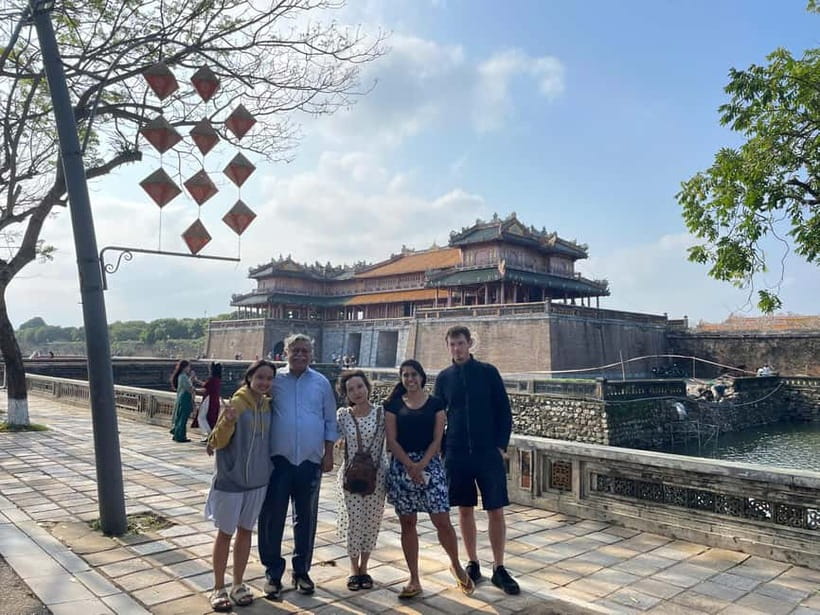
Then you shift from ceremonial power to family power at Dien Tho Palace, the queen mother’s residence. This stop is especially valuable because it balances the imperial myth.
Without this kind of explanation, visitors often focus only on emperors and the big ceremonial rooms. With Dien Tho, you get a different angle: influence within the family, the role of the queen mother, and how the palace layout reflected rank and responsibility.
What I like here is the tone shift. The tour frames royal life as lived experience, not just royal pageantry. You’re not only learning about formal structures; you’re hearing how customs and traditions shaped behavior inside the court.
If you’re traveling with someone who usually tunes out history, this is a good moment to bring them back in. The queen mother angle makes the palace feel more personal and less abstract.
You can also read our reviews of more city tours in Hue Vietnam




The Forbidden City: Emperor-Only Space and the Rules Behind It

The tour also covers the Forbidden City, the emperor’s private area. The name makes you think mystery, but the real value is understanding the structure of control: restricted movement, controlled access, and a palace plan designed around privacy and authority.
A guided walk helps you understand what makes this area different from the ceremonial zones:
- Why certain spaces were kept private
- How the palace design supported separation
- What that separation meant for court life and governance
You’ll also hear stories that make later history feel connected, not random. In past experiences on this tour, the guide has tied the citadel to later periods too—French colonial rule and independence struggles, and even how conflict-era impacts affected the site’s story. That makes the Forbidden City section feel like it sits inside a bigger timeline, not a frozen snapshot.
Photo note: this is a good area to take a few photos, then let the guide’s explanation play out. Some corners are best captured after you know what you’re looking at.
The Stories You’ll Actually Remember After the Walking Stops
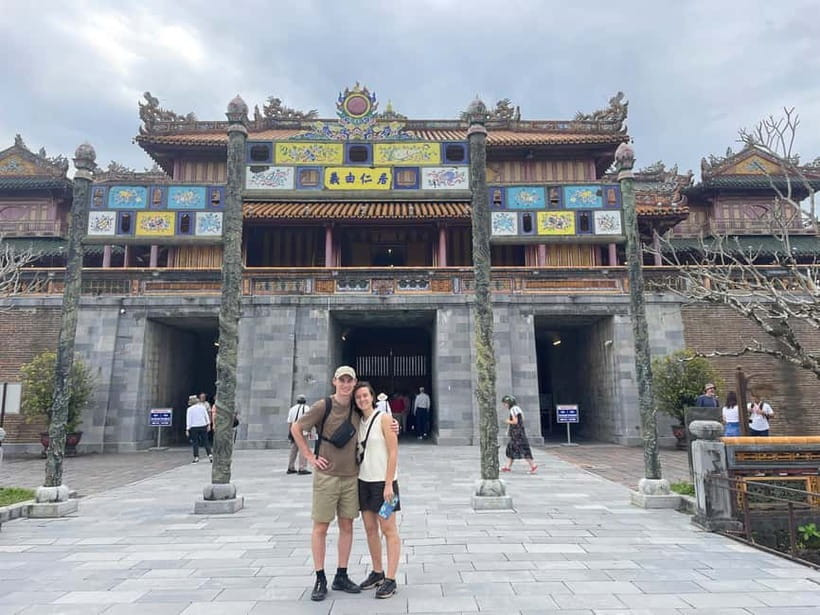
Hue’s Imperial City can overwhelm you if you treat it like a checklist. The tour works because it treats the citadel like a system: gates, halls, residences, and restricted areas all connect to how authority worked.
This is where the guide’s approach makes a difference. Linh Nguyen has a reputation in these tours for explaining not just the dates, but why those dates mattered to the people in Hue. Groups have mentioned strong English, clear pacing, and a knack for answering questions. In some cases, the guide also uses visual aids and photo prompts to show how areas looked in different periods.
That matters for two reasons:
- You stop thinking of the citadel as static.
- You start recognizing cause-and-effect—how rule, ritual, and later wars shaped what you see now.
Also, I like that the guide often turns the conversation outward. If you ask about Vietnam in general, the tour can expand beyond the walls without losing focus. You get context that helps you read the entire Hue experience, not only the imperial sections.
Pacing, Breaks, and the One Thing to Watch For
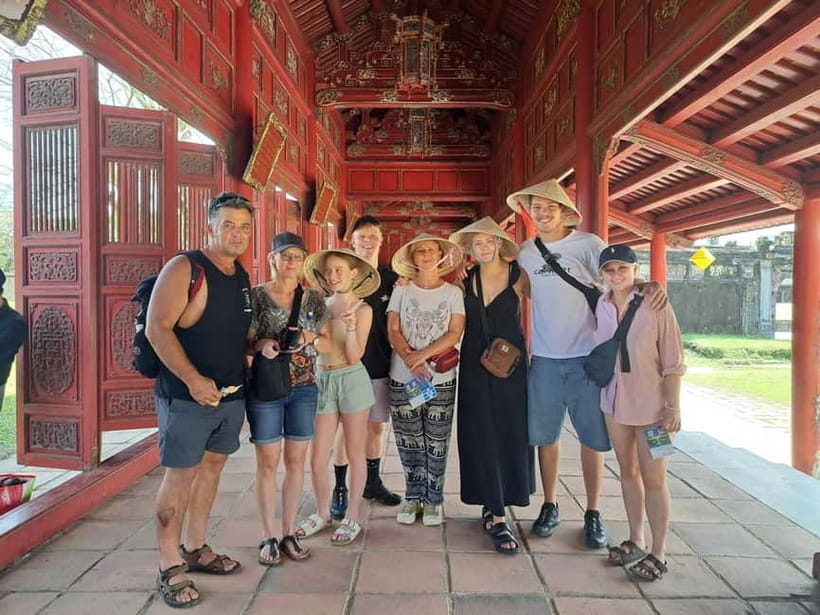
The tour is listed at 150 minutes, which usually means about two and a half hours of guided walking plus some time to pause, take pictures, and recover your legs. In some experiences, the guide has also included time for small breaks and short sections where you can walk around certain parts on your own.
That’s great when it happens smoothly. One thing to be aware of: pacing and where you’re allowed during pauses can feel a little confusing in some groups. If you’re the type who likes a perfectly structured route, arrive mentally flexible. Ask the guide where the group will regroup before you split off for a photo.
If you want the most out of your visit:
- Stay close enough to hear the guide during explanations.
- Use pauses for water, quick photos, and figuring out what you want to revisit later.
Price Value: How $2 Works When a Guide Sets the Meaning
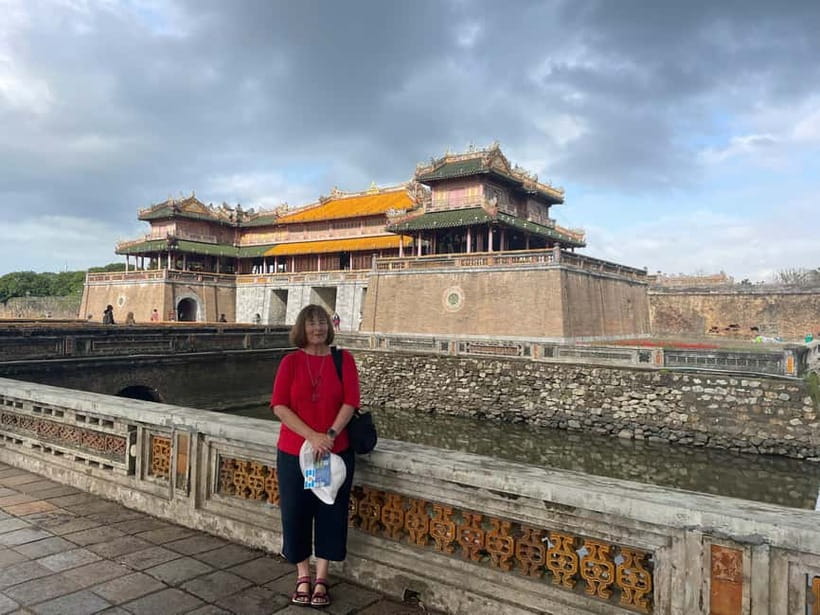
Let’s talk money, because $2 sounds almost unreal. For a 150-minute English walking tour with a local guide, that price is the headline—but value comes from what you get for it.
Here’s the logic:
- The guide does the hard part: translating power and architecture into understandable stories.
- The small group size (10 max) helps you actually interact.
- You get multiple major areas in one focused walk, instead of spending half your day wandering and still missing the point.
One more reality check: this tour is tips at your discretion. Multiple experiences with Linh have highlighted that a tip is expected and that bringing cash helps. The guide may even share a practical sense of what people commonly tip. So treat the $2 as the reservation piece, not the total cost.
If you budget like a pro, plan for a tip in cash.
Who This Tour Fits Best (and Who Might Want a Different Style)
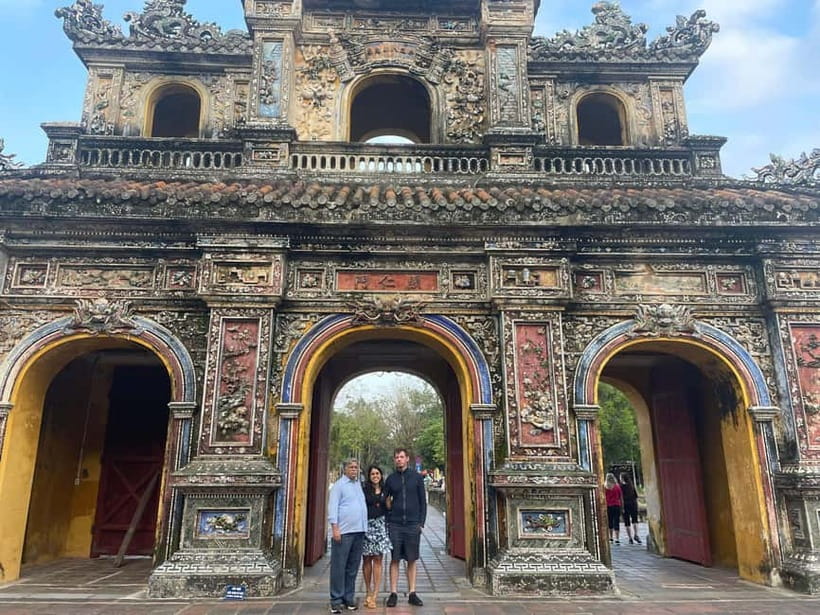
This Hue Imperial Ancient City walking tour is ideal if you:
- Want an English guide to explain the significance behind the buildings
- Prefer a structured route through major sites (Meridian Gate through the Forbidden City)
- Like history tied to real spaces and daily court life, not just dates
It’s also a good match for solo travelers, couples, families, and small groups, largely because of the small group cap. If you’re traveling with a bigger group, the tour does not accept bookings larger than 6 people (including children), even if separate reservations are made.
If you’re the type who prefers silent wandering and doesn’t care about context, you might find a guided tour feels like you’re being shepherded. In that case, you’d be better off visiting on your own for longer independent time. But for most people, the guide turns the citadel into something you can actually use.
Practical Tips for a Smoother Hue Imperial City Visit
A few small things make a big difference on this tour:
- Bring water and sunscreen. You’ll be outside enough that sun matters.
- Wear comfortable walking shoes. The citadel is not designed for flip-flop visits.
- Avoid alcohol and drugs. Keep it simple and respectful in a sacred-history setting.
- Bring some cash for a tip, since tipping is part of the culture here.
Also, if you want to maximize learning, write down one or two questions before the tour starts. Ask them early. Guides can answer faster when you’re curious about a specific topic.
Should You Book the Hue Imperial Ancient City Walking Tour?
I’d book it if you want the Imperial City to make sense fast. For $2 with an English live guide and a small group size, you’re getting a focused route through the big named areas: Meridian Gate, Thai Hoa Palace, Dien Tho Palace, and the Forbidden City. The guide’s storytelling approach helps you connect architecture to power, rituals, and later historical impacts on Hue.
Skip the booking if you hate walking, need lots of free time with zero structure, or only want to do quick snapshots. Otherwise, this is one of the best ways to understand Hue’s royal past without spending your whole day decoding it on your own.
FAQ
How long is the Hue Imperial Ancient City walking tour?
The duration is 150 minutes.
What times does the tour start?
There are two daily meeting times: 9:00 AM and 3:00 PM.
Where do we meet for the tour?
You meet in front of the Imperial City ticket booth.
Is the tour in English?
Yes, the live tour guide speaks English.
What is the group size limit?
The tour is a small group limited to 10 participants.
Is the tour wheelchair accessible?
Yes, the tour is listed as wheelchair accessible.
What should I bring?
Bring sunscreen and water.
Can I cancel for a refund?
Yes. You can cancel up to 24 hours in advance for a full refund.