REVIEW · HANOI
2-week Vietnam Itinerary | Classic Sightseeing | 2026 Enchanting
Book on Viator →Operated by Authentic Adventures · Bookable on Viator
This Vietnam trip hits the best bits fast. You’ll see Hanoi, ride through Trang An limestone caves, hike in Sapa’s villages, float in Lan Ha/Hạ Long Bay on a full cruise, then continue to Hoi An, Hue, Ho Chi Minh City, and the Mekong Delta—without you micromanaging schedules.
I especially like that you get a small group feel (max 10 travelers) and your pace includes real activities, not just stop-and-photo sightseeing. The second big win: most entrance fees and meals are handled, which keeps your daily budget more predictable. One thing to consider: this is a very full two weeks, so you’ll be in transit a lot and you’ll do some real walking (like the 500 steps up to Mua Cave and long village treks in Sapa).
In This Review
- Highlights You’ll Feel Right Away
- Hanoi: Ho Chi Minh, Temple of Literature, and the Old Quarter on foot (plus a cyclo ride)
- Ninh Binh: Bai Dinh scale, Trang An caves by boat, and Mua Cave views
- Sapa: Cat Cat, rice-terrace treks, Giang Ta Chai, and the Fansipan cable car
- Halong and Lan Ha Bay on La Pandora: sunrise, Tai Chi, caves, and slow time
- Da Nang, Marble Mountains, and Hoi An Old Town: from rock caves to lantern city streets
- Hue via Hai Van Pass: imperial city walking with lots of story stops
- Ho Chi Minh City and Cu Chi Tunnels: history you can’t un-know
- My Tho and the Mekong Delta: boats, river life, and Dragon Island
- Price and value: what $1,699 buys you here (and what you still handle)
- Who this tour is best for, and who should adjust expectations
- Should You Book This 2026 Vietnam Classic Sightseeing Tour?
- FAQ
- What cities and regions does this 14-day tour cover?
- Do you get picked up from the airport?
- Are entrance fees included?
- What meals are included in the price?
- Is there a domestic flight?
- How large is the group?
- What physical activities should I be ready for?
- Are there any closures that might affect the plan?
Highlights You’ll Feel Right Away

- Hanoi with guided classics plus a cyclo hour in the Old Quarter
- Bai Dinh Pagoda scale (500 stone arhat statues and record-size bronze bell)
- Trang An rowing-boat caves in a UNESCO setting (plus the movie-famous connection)
- Sapa villages and Fanispan via cable car, with multiple trek days
- Lan Ha/Hạ Long Bay cruise on La Pandora with sunrise and a Tai Chi session
- Support from guides like Tran Son, including help with visa and last-minute travel issues (from past travelers)
Hanoi: Ho Chi Minh, Temple of Literature, and the Old Quarter on foot (plus a cyclo ride)
Day one is simple and useful. You land at Noi Bai Airport, then get picked up and transferred into the city. Check-in is available from 2 pm, and after that, the day is open. This matters because Hanoi needs a little time to adjust. You can wander the Old Quarter, find a snack, and figure out where things are before the guided days start.
Day two is built around the big-name sites, but still stays human-paced. You’ll visit the Ho Chi Minh Complex, including the mausoleum grounds (note it’s closed Mondays & Fridays), his stilt-house residence, and the Presidential Palace area. Then the tour moves to the Temple of Literature & National University, a Confucius-focused site founded in 1070 that also honors 82 Vietnamese doctorates who earned imperial recognition.
In the afternoon, you head to the Vietnam Museum of Ethnology, which covers 54 ethnic groups through well-documented displays. If it’s closed (it’s closed Mondays), you switch to the History Museum instead, which keeps the rhythm going.
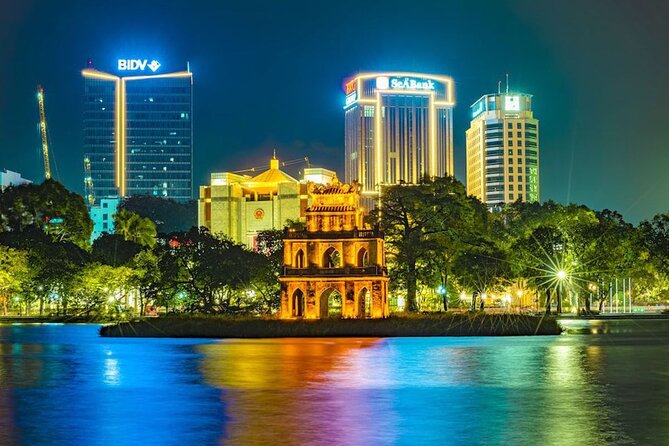
Finally, you return to the Old Quarter and do a 1-hour cyclo tour. You’ll also see Ngoc Son Temple on its little island in Hoan Kiem Lake. It’s one of those spots that looks postcard-perfect—but the best part is how it anchors the maze of streets around it. If you’re the type who likes to understand a place before you shop it, Hanoi will reward you.
Practical note: this day includes multiple locations in one shot, so wear shoes you can stand in for long stretches.
A few more Hanoi tours and experiences worth a look



Ninh Binh: Bai Dinh scale, Trang An caves by boat, and Mua Cave views
The Ninh Binh day is where the tour turns from “city sightseeing” into “Vietnam in motion.” You leave Hanoi early, then break along the way before reaching the pagoda and limestone areas.
First stop is Bai Dinh Pagoda, described as the biggest in Southeast Asia, and it’s not subtle. Expect records like 500 stone arhat statues, a 36-ton bronze bell, and a 100-ton Buddha statue. Even if you don’t care about architecture details, that kind of scale forces you to pay attention. It’s a place you feel in your legs and eyes—stairs, courtyards, and views as you move deeper.
Then comes Trang An Grottoes, a UNESCO-recognized World Heritage setting. This is the heart of the day: you’ll go through a tunnel-cave system on boats, with the calmer pace of rowing. The tour also includes the fun movie detail—Trang An was chosen as a location for the New Version of King Kong. You don’t need movie trivia to enjoy it, but knowing it’s a “real place, not a set” makes the caves feel even more special.
The finale is Mua Cave (Dancing Cave). You walk up almost 500 steps to Lying Dragon Mountain for panoramic views over the Tam Coc area. This is where you’ll either love the payoff—or realize you should’ve trained for stair day. Either way, the view is the point.
If you’re prone to sore knees, consider going slower on the climb. Bring water, and don’t treat it like a sprint.
Sapa: Cat Cat, rice-terrace treks, Giang Ta Chai, and the Fansipan cable car

Sapa is where the trip earns its name as Classic Sightseeing that still feels like adventure. The transfer starts very early—pickup around 6:00–6:20 in Hanoi Old Quarter, then the bus to Sapa via Lao Cai. Long travel days can be tiring, but having a plan on arrival helps. You get to Sapa with time to start building the experience.
In Cat Cat village, you’ll meet communities in traditional outfits associated with ethnic groups such as H’mong, Dzao, and Tay. The trek is short-ish by hiking standards—about 3.5 km—and it’s designed to be scenic rather than punishing. There’s also a local-food lunch included, which helps you avoid the “where do we eat?” scramble.
Next trek days lean more into walking and scenery. You start with Fansipan via cable car (the ride is listed as about 20 minutes), then head into the Ta Van Village area. The trek described goes along rice terraces and Muong Hoa Stream, aiming for viewpoints and village stops tied to the Black Hmong village of Lao Chai. The trek distance shown is about 12 km (so yes, this is the real walking day).
Day six adds another village trek in the Giang Ta Chai area, including a breakfast prepared by the family. You’ll walk through rice paddies and do a photo session around the surrounding mountain scenery, then trek toward the Giang Ta Chai Bridge and take a bus back to Sapa town.
One small practical perk: there’s time to relax afterward, including the option to shower using the hotel’s public bathroom.
The Sapa challenge is not only distance—it’s also consistency. You’re active over multiple days, so you’ll want:
- solid trekking shoes
- a light rain layer (because mountain weather can change fast, even if the plan doesn’t mention it)
- a phone battery strategy (photos eat power)
And if you’re thinking of altitude or cold weather: the itinerary doesn’t specify conditions, so plan based on your own comfort and what the season feels like when you go.
Halong and Lan Ha Bay on La Pandora: sunrise, Tai Chi, caves, and slow time
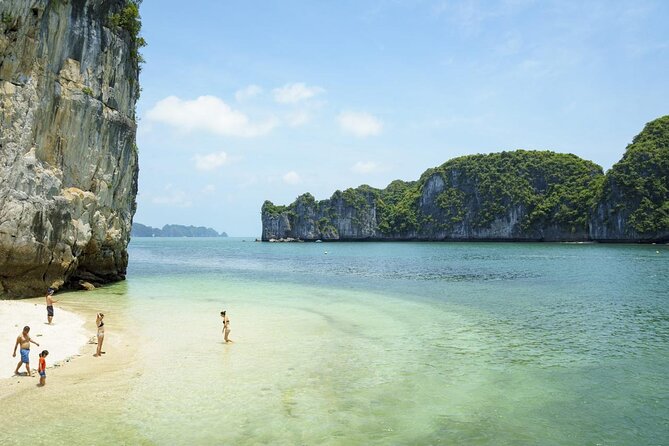
If Hanoi is about culture and Sapa is about legs, the Lan Ha/Hạ Long Bay cruise is about breathing. You transfer to Tuan Chau marina, then board the La Pandora cruise (including tender transfer). Afternoon cruising through Lan Ha Bay focuses on quieter karst scenery, and the plan includes time on the water without rushing every hour.
You’ll get the kind of cruise moments that people chase in photos:
- a sunset party on the sundeck (complimentary)
- a cooking demonstration focused on spring rolls
- later, an overnight anchor position so mornings aren’t just an early check-out
Day eight starts with sunrise on deck and an included Tai Chi session. After that, you’ll have a light breakfast. Then you visit Dark & Bright Cave. This is the “activity but not frantic” combo that makes the cruise feel like a full day, not just transport.
The main trade-off: cruise days are timed. Even if you love early mornings, you’ll need to accept that the day is driven by the schedule (sunrise, cave visits, meals). The upside is that you’re not deciding anything. You just show up, and the scenery does the rest.
Da Nang, Marble Mountains, and Hoi An Old Town: from rock caves to lantern city streets
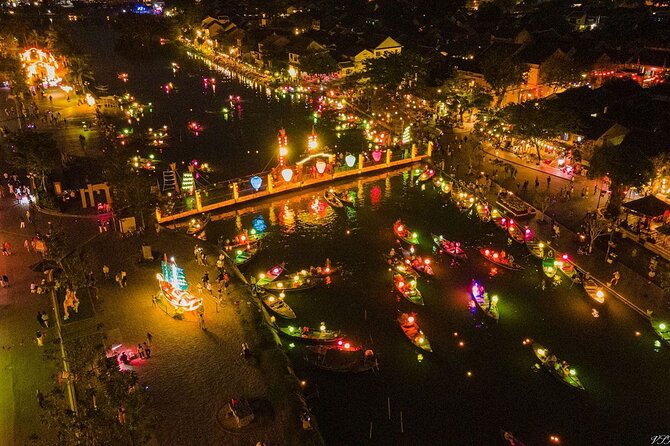
After the cruise, the tour moves to central Vietnam with stops designed for variety. In Da Nang, you visit Marble Mountains (Ngu Hanh Son) and the Non Nuoc Village at the mountain’s foot. Marble Mountains can be a quick outing if you treat it like a checklist, but the better way is to slow down at viewpoints and steps—this is one of those sites where your feet and eyes both matter.
Then the day shifts to Hoi An, starting with Bay Mau Coconut Forest in Cam Thanh. The tour notes it’s about 5 km from the southeast of Hoi An Old Town. The focus here is the eco-setting of the coconut forest and the water environment, with an included activity in that area (the itinerary doesn’t spell out the exact ride type in full, but it’s clearly a structured stop, not a casual wander).
From there, you move into Hoi An for an evening walk through the Old Town. Hoi An is described as a major 16th-century trading center due to early Western trader presence, and it still shows that layers-and-streets feel in the way the town is laid out. You’ll have time for your own pace, so you can find quiet corners and not just fight the crowds.
Day eleven then gives you a free full day in Hoi An. That’s a big deal for value. Many tours cram you into one night and call it “Hoi An time.” Here, you get a real day to go back to your favorite streets, shop slowly, or just eat your way through.




Hue via Hai Van Pass: imperial city walking with lots of story stops
The drive from Da Nang to Hue includes the Hai Van mountain pass, described as among the world’s top ten most beautiful. Even if you don’t chase that ranking, the pass is the kind of route where the scenery makes the bus ride feel like part of the journey.
In Hue, you focus on the Imperial City, including the palace of the 13 Nguyen Kings. The tour explains the last dynasty of Vietnam through the guide’s stories, and you’ll have time to wander through the grounds.
This day balances “big sites” with the kind of guidance that makes stone and gates feel like people lived there. The main consideration is that imperial sites are often expansive, and the walking can add up. If you need breaks, take them. You’ll enjoy it more if you’re not forcing yourself through fatigue.
Ho Chi Minh City and Cu Chi Tunnels: history you can’t un-know
After Hue, you fly to Ho Chi Minh City. The transfer includes a ride to the airport after breakfast, and then on arrival you check in at the hotel.
Then comes Cu Chi Tunnels, an underground system listed as over 220 km. This is described as a legendary system and a must-see for people interested in Vietnam’s history. The itinerary frames it as an afternoon visit, which is a good way to handle a heavy topic without spending the whole day there.
Because the itinerary only mentions the tunnels as the central focus, you should assume there will be a lot of standing, walking, and time spent viewing exhibits and tunnel sections. If claustrophobia is an issue for you, think carefully before going into tight passages.
My Tho and the Mekong Delta: boats, river life, and Dragon Island
The Mekong is where the tour shifts from big-ticket attractions to daily rhythms. From Ho Chi Minh City, you head to My Tho, on the left side of the Mekong River. You visit Vinh Trang pagoda first, then you spend time on a boat on the river.
The plan specifically mentions going downstream along Dragon Island and seeing daily activities such as catching and raising fish on farms. There’s also a crossing described as spanning a 3 km large river (the exact method isn’t specified in the text you provided, but the crossing itself is part of the itinerary).
This day is valuable because it’s not only scenery. It’s a look at work along the water and how the river shapes daily decisions—where people fish, farm, and move.
If you get motion sick, bring what usually helps you on boats. Even when it’s calm, the small rocking can catch you off guard.
Price and value: what $1,699 buys you here (and what you still handle)
At $1,699 per person for about 14 days, the big value signals are what’s included, not the sticker price.
You get:
- Private room accommodation
- Domestic flight (to Ho Chi Minh City)
- Air-conditioned vehicle transport (for the land segments)
- A tour guide
- Entrance fees for included sights
- Breakfast (13), Lunch (10), Dinner (4) as listed
- A cruise day with scheduled activities (Lan Ha/Hạ Long Bay)
What’s not included:
- tips, alcohol, soft drinks
- personal expenses
For budgeting, the meal plan matters. Having many meals included reduces the daily “what’s the next meal cost?” stress. Also, entrance fees add up fast in Vietnam when you stack museums, pagodas, and major sites. This tour wraps those into the package.
The one trade-off is the pace. Many “all included” tours are efficient because they move you. If you’re the type who wants lots of unscheduled downtime, you’ll need to treat your free day(s)—like Hoi An free time—as your recovery windows.
Who this tour is best for, and who should adjust expectations
This Classic Sightseeing tour fits best if you want:
- a north-to-south arc (Hanoi → Sapa/Ninh Binh → cruise → central Vietnam → Ho Chi Minh City → Mekong)
- guided structure for the big sites
- hands-on activities: boat caves, village treks, cruise deck time, tunnel visits
- the comfort of private rooms and included entrances/major meals
It may be less ideal if you hate early mornings, dislike long drives, or want to travel at a slow wandering pace every day.
One more practical tip based on prior traveler experiences: the company’s support can be a real lifesaver. Multiple past travelers specifically praised an organizer named Tran Son for keeping things organized and even helping with visa issues and last-minute travel disruptions. You can ask who will be your point person, and if Tran Son is available, it’s worth hoping for that level of hands-on help.
Should You Book This 2026 Vietnam Classic Sightseeing Tour?
Book it if you want a well-paced sampler of Vietnam’s top regions, with enough guided support to keep things easy and enough activities to make the days feel earned. You’re paying for organization, entrances, and a structured set of experiences—from Hanoi’s major cultural stops to a full cruise on La Pandora, then onward to Hoi An, Hue, Cu Chi, and a Mekong boat day.
Skip or reconsider if you’re only interested in one area (like just Hanoi and Hoi An), or if you need a lighter physical load. Sapa includes serious treks and a multi-day walking plan, and the Ninh Binh highlight includes that steep Mua Cave climb.
If you like your travel with a plan but not a factory feel, this is a strong pick for a first (or second) trip to Vietnam.
FAQ
What cities and regions does this 14-day tour cover?
It includes Hanoi, Ninh Binh, Sapa, Hạ Long Bay/Lan Ha Bay, Da Nang, Hoi An, Hue, Ho Chi Minh City, and My Tho with the Mekong Delta.
Do you get picked up from the airport?
Yes. You’ll be picked up at Noi Bai airport and transferred to the hotel in Hanoi city center.
Are entrance fees included?
Yes. Entrance fees for the included sightseeing destinations are listed as included.
What meals are included in the price?
The tour includes 13 breakfasts, 10 lunches, and 4 dinners.
Is there a domestic flight?
Yes. After breakfast on the day for Ho Chi Minh City, you transfer to the airport for a flight to Ho Chi Minh.
How large is the group?
The tour lists a maximum of 10 travelers.
What physical activities should I be ready for?
You should be ready for trekking and walking. For example, there is a walk of about 500 steps at Mua Cave, and Sapa treks include distances listed around 3.5 km and 12 km.
Are there any closures that might affect the plan?
Yes. The Ho Chi Minh mausoleum is closed on Mondays & Fridays. The Vietnam Museum of Ethnology is closed on Mondays, and the itinerary notes an alternative to the History Museum.