REVIEW · SAPA
Sapa 2-Day Trek & Homestay in Ta Van Village – Be a Local
Book on Viator →Operated by SAIGONESE TREKKING HOUSE · Bookable on Viator
Indigo and rice terraces in two days. This Sapa trek plus Ta Van Village homestay is built for real village rhythm, from walking paths between rice fields to sharing dinner with a H’mong family. I especially like the H’mong indigo dyeing workshop, where you dye fabric using natural indigo and bring your own handmade piece home.
The only real drawback I’d flag is the trail can feel like it has a lot of sales pressure at times, with people trying to sell small items while you walk. If you’re sensitive to that, it helps to go in calm and friendly, and keep your decisions simple.
In This Review
- Key things to know before you go
- Entering Sapa the local way: walking out of town and into H’mong village life
- Y Linh Ho and Lao Chai: rice terraces you can actually walk through
- Ta Van homestay at Giay’s Local House: private room, real village time
- Cooking together: market ingredients, garden time, and a meal that means something
- The H’mong indigo dyeing workshop: dye, learn, and take your own fabric home
- Day 2 trail through Giang Ta Chai, Bamboo Forest, and Su Pan
- Price and value: why $45 can work (and when it might not)
- What to pack (so the trek feels fun, not miserable)
- Who this tour suits best
- Should you book this Sapa 2-Day Trek & Homestay in Ta Van?
- FAQ
- FAQ
- How long is the Sapa 2-day trek and homestay?
- What is included in the tour price?
- Is pickup included, and will I return to Sapa Town?
- How large is the group?
- Do I get to dye fabric during the indigo workshop?
- What happens if the weather is poor?
Key things to know before you go
- Natural-indigo dyeing you do yourself: you learn the technique and dye a piece of fabric for a take-home souvenir
- A real overnight in Ta Van: you sleep at Giay’s Local House in a private room with meals included
- A guided loop through key villages: Y Linh Ho, Lao Chai, Ta Van, then Giang Ta Chai, a Bamboo Forest stretch, and Su Pan
- Small group size: capped at 15 travelers, which usually means less chaos and more attention
- Time with the H’mong beyond the trek: garden picking, village market time, and cooking together
- Practical comfort included: pickup is offered, you get bottled water, and there’s transport back to Sapa Town
Entering Sapa the local way: walking out of town and into H’mong village life
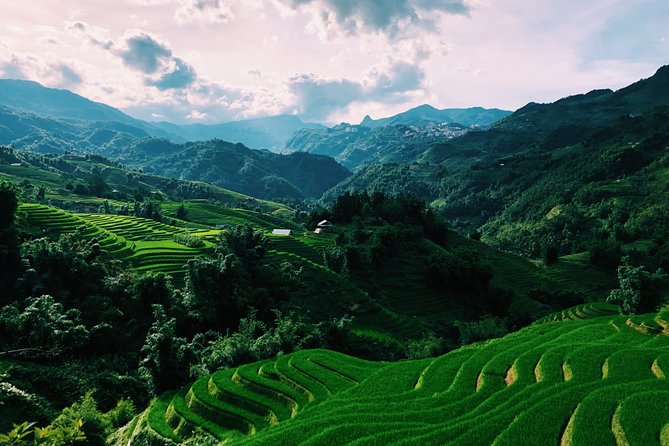
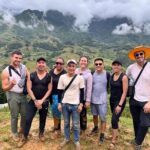
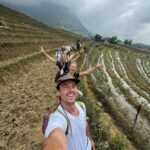
Sapa is famous for views, but what makes this 2-day trek special is the shift from scenery to people. Your day starts in Sapa Town and then moves into mountain villages where the walking feels like part of daily life, not just a photo stop.
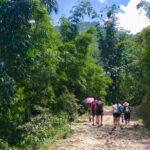
You’ll trek through Y Linh Ho, then Lao Chai, and eventually reach Ta Van. Expect a steady mix of valley paths and village lanes. It’s not described as a technical climb, but it is a mountain trek, so you’ll want decent footwear and a pace that you can keep for hours.
One more detail I really value: the guide focus. Some groups get English support, and guides like Sue and Su are specifically mentioned for explaining village life and answering questions. And if you’re organizing from farther away, people also mention help from Thao at Saigonese Trekking House to get everything lined up.
You can also read our reviews of more hiking tours in Sapa
Y Linh Ho and Lao Chai: rice terraces you can actually walk through
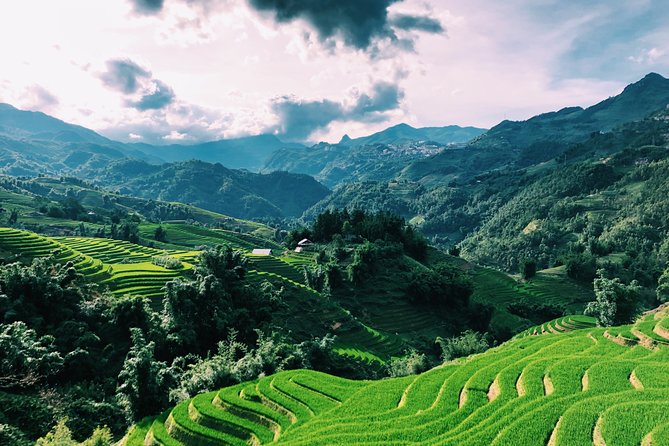
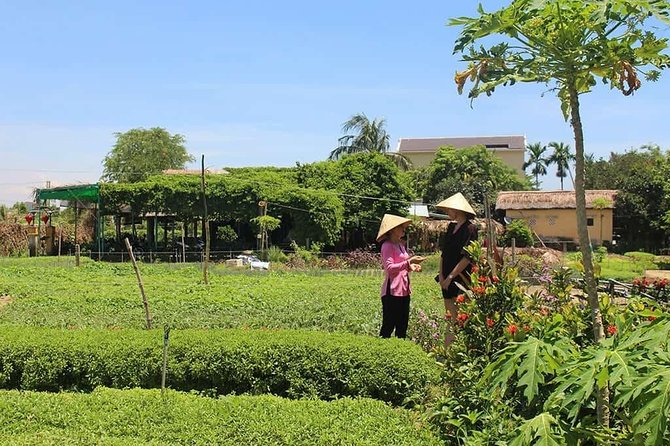
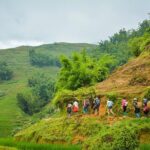
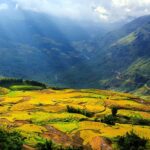
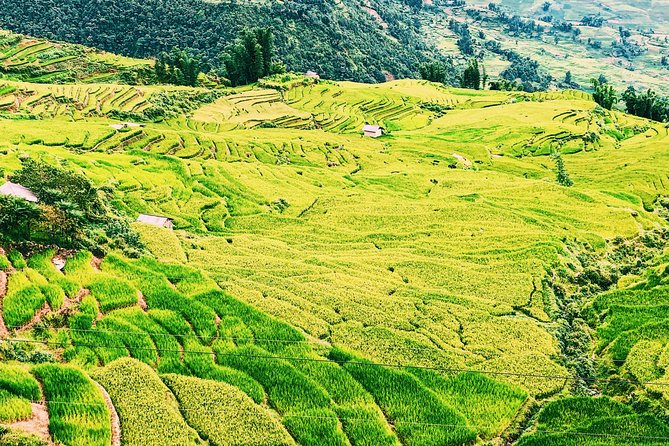
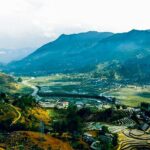
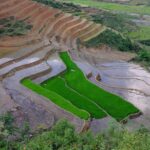
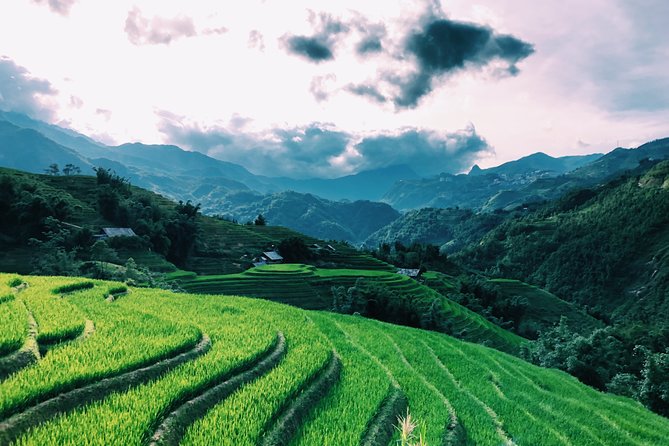
The route takes you through the rice terrace villages that define the Sapa experience. But here’s the difference: you’re not just looking at terraces from a viewpoint. You’re moving through the working landscape between villages.
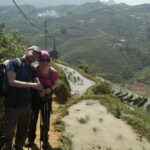
Y Linh Ho is one of the classic stops. This is where the walk begins to feel like you’re stepping into a human-scale world—homes, fields, and trail conversations. Lao Chai follows, and the route between them is where you’ll likely feel the rhythm: walk, pause, look, keep walking.
If you get the timing right and the weather cooperates, this day is all about that slow satisfaction of reaching the next village and realizing you’ve covered real distance. And yes, the views matter. Even so, I’d treat the views as the bonus, not the whole point.
Practical note: since the tour needs good weather, plan on the possibility that the experience could be adjusted. The goal is to keep the trek safe and enjoyable, not to force the day when conditions aren’t right.
Ta Van homestay at Giay’s Local House: private room, real village time
When you arrive in Ta Van Village, the pace shifts. You check in, unpack, and settle into your overnight base at Giay’s Local House. The key word here is private room. You’re not sleeping in a dorm-style setup.
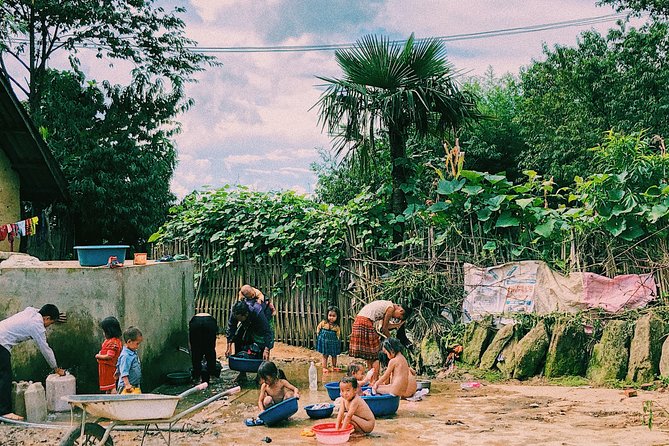
I like that the homestay time is built into the itinerary instead of being an afterthought. You’re not just dropping your bag and running back outside. You get time to relax, then connect with your host through village activities.
Dinner is shared with the local family, and the tour also includes lunch and breakfast. That matters more than it sounds. In many trek-based tours, food is a quick refill. Here, you’re part of the meal itself, which changes how the day feels.
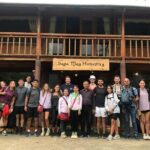
Also, because group size is limited (maximum 15 travelers), it tends to feel more personal. You’re less likely to feel like a number moving through a checklist.
Cooking together: market ingredients, garden time, and a meal that means something
One of the biggest reasons to choose this tour is what happens between the trekking segments: you do everyday tasks with your host. Your schedule includes options like picking vegetables from the garden and visiting the village market to buy ingredients for dinner.
This is where the “be a local” idea becomes real. Garden picking gives you a quick look at how food starts. Market time helps you understand what families rely on day to day. Then you cook together back at the homestay.
You don’t need cooking skills. What you need is patience, curiosity, and a willingness to slow down for simple steps. You’ll likely come away with a better sense of how daily life works in the valley—not just how it’s performed for visitors.
And the meal is more than included food. It’s part of the cultural exchange. You eat what you helped prepare, which makes it feel earned instead of staged.
The H’mong indigo dyeing workshop: dye, learn, and take your own fabric home
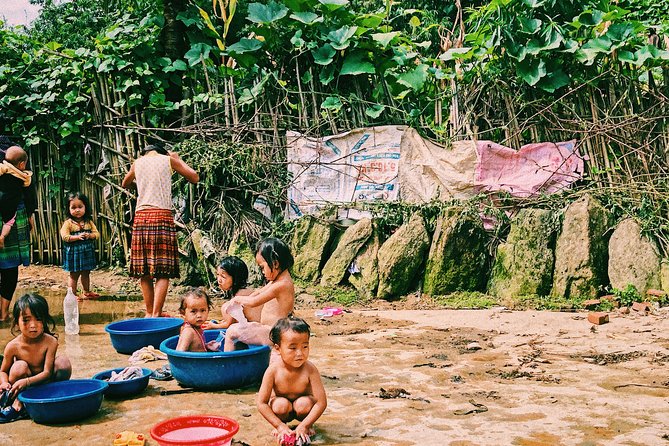
If you want one activity you’ll remember long after the photos, it’s the natural indigo dyeing workshop. After dinner, your host teaches you the H’mong tradition of coloring fabric with natural indigo.
The important practical detail: you get a piece of fabric to dye yourself. That means your souvenir isn’t just a purchased item—it’s something you created step by step during the session.
I like the fact that the process is tied to the clothing tradition itself. You’re not learning dyeing as a generic craft demo. It’s described as a technique connected to the traditional clothes of the H’mong people, which gives the workshop more meaning than the average “watch someone do it” class.
Also, this isn’t an optional extra add-on. It’s part of the experience as scheduled. If you care about authentic handmade souvenirs, this is one of the more straightforward ways to get one without hunting around later.
A few more Sapa tours and experiences worth a look
Day 2 trail through Giang Ta Chai, Bamboo Forest, and Su Pan
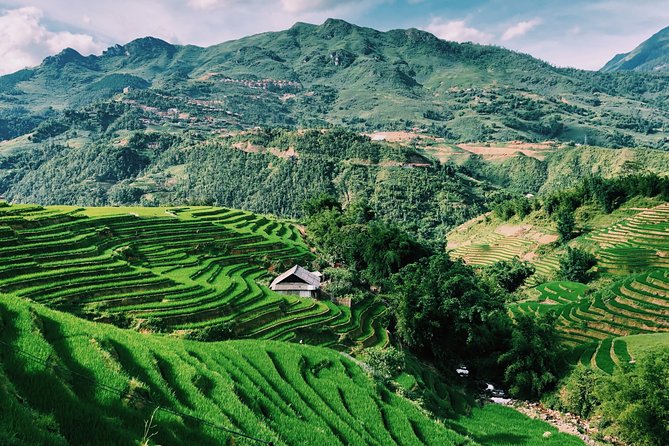
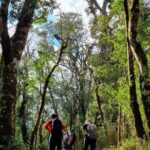
Day two starts with breakfast, then check-out from the homestay. After that, you continue trekking through Giang Ta Chai Village, then a Bamboo Forest segment, and onward to Su Pan.
This second day tends to feel different from the first. Instead of repeating the earlier village pattern, you get another set of villages and a change in scenery. The Bamboo Forest stop is especially useful for resetting your eyes and energy after village lanes.
There’s also mention of a waterfall stop where swimming may be possible, depending on what’s included on your route. If that’s part of your day, it can be a refreshing break—but only do what feels safe and sensible with water conditions.
By the end of the trail, a car is waiting to take you back to Sapa Town. That last leg is a big deal. It means you finish the experience without needing to manage your own return transportation after the trek.
Price and value: why $45 can work (and when it might not)
The price is $45 per person, and it’s typically booked about 5 days in advance on average. With a cap of 15 travelers, you’re paying for a guided, structured two-day experience with meals and overnight included.
Here’s what you’re getting for the money:
- Breakfast, lunch, and dinner with the local family
- Overnight at Giay’s Local House in a private room
- Transportation back to Sapa Town
- Bottled water
That’s a lot more “included” than many short tours that only cover guide time. If you were trying to piece this together yourself—guide, homestay, meals, and transport—it would likely cost more and feel less smooth.
What isn’t included is also clear: tips and insurance. That means you should decide ahead of time what you’ll tip and make sure you’re comfortable with your own health coverage.
Also note: this tour offers pickup and has a mobile ticket. Those two things reduce hassle when you’re already dealing with trekking logistics.
What to pack (so the trek feels fun, not miserable)
The data doesn’t list gear items, so I’ll keep this grounded in what the trek structure implies: two days walking in mountain villages.
I’d pack for changing mountain weather and for wet or muddy paths:
- Proper walking shoes or boots with grip
- Light layers you can adjust as temperatures change
- A small day bag for water and essentials
- A rain layer if conditions are unstable
Bring cash for whatever you might want to buy at the market, but also go in knowing the walk can involve a bit of sales pressure. If you’re planning to buy fabric, snacks, or small crafts, decide in advance what your budget is so the trail doesn’t turn into an impulse math test.
Who this tour suits best
This is a great fit if you:
- Enjoy active days and want a real walking itinerary between villages
- Care about cultural activities you participate in, not just observe
- Want a hands-on indigo dyeing souvenir you make yourself
- Prefer a small group feel (maximum 15)
It might feel less perfect if you:
- Dislike any shopping or selling pressure while walking
- Want a totally relaxed sightseeing day with minimal walking
Should you book this Sapa 2-Day Trek & Homestay in Ta Van?
I’d book it if your idea of a good Sapa trip includes living like you’re part of the village day for a couple of nights. The combination of trekking through key villages, cooking with a host family, and doing natural indigo dyeing is rare in a 2-day format.
I’d think twice only if the idea of sales pressure along the route would ruin your mood. If that’s you, you can still enjoy the homestay and dyeing—but go in with a plan for how you’ll handle it.
FAQ
FAQ
How long is the Sapa 2-day trek and homestay?
It’s listed as 2 days (approx.). You’ll trek through villages on Day 1, stay overnight in Ta Van, then trek again on Day 2 before returning to Sapa Town by car.
What is included in the tour price?
The tour includes breakfast, lunch, and dinner with the local family, an overnight stay at Giay’s Local House (private room), transportation back to Sapa Town, and bottled water.
Is pickup included, and will I return to Sapa Town?
Pickup is offered, and the tour includes transportation back to Sa Pa town after the trek on Day 2.
How large is the group?
The experience has a maximum of 15 travelers, so it’s designed to stay fairly small.
Do I get to dye fabric during the indigo workshop?
Yes. You’ll be taught natural indigo dyeing, and you’ll receive a piece of fabric to dye yourself. You can take your dyed fabric home as a souvenir.
What happens if the weather is poor?
The tour requires good weather. If it’s canceled due to poor weather, you’ll be offered a different date or a full refund.