REVIEW · SA PA
SAPA: 2-DAY 1-NIGHT TREKKING & CULTURE WITH HMONG GUIDE LINH
Book on GetYourGuide →Operated by VietNam Venture · Bookable on GetYourGuide
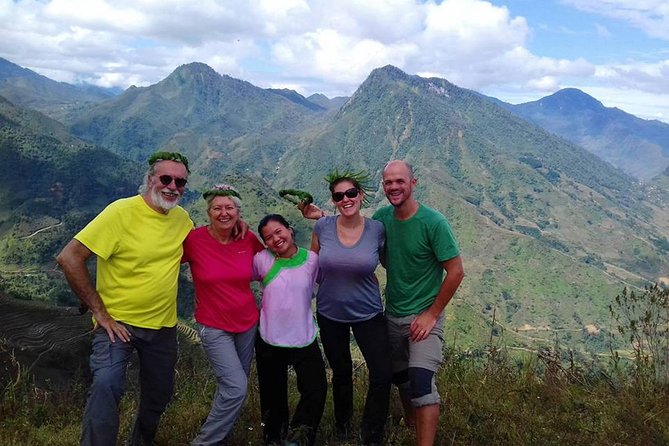
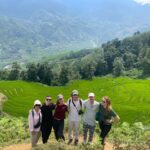
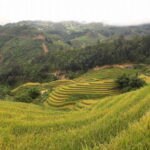
Two days in Sapa feels like a whole week. You hike through Muong Hoa Valley rice terraces, meet ethnic minority communities, and then sleep in a real homestay with your Hmong guide Linh. It’s the kind of trip that swaps roadside sightseeing for slow village life.
I really love the small-group pacing. You get time at places like Y Linh Ho, Lao Chai, and Ta Van instead of getting shoved from one viewpoint to the next. I also love the food and the hands-on parts, from a Vietnamese spring-roll cooking class to hearty home-cooked dinners. One consideration: the 19 km trek is moderate but very real, with uneven paths and steep sections, so you’ll want proper hiking shoes and patience.
Your guide may tweak the route if weather turns, which matters in the mountains. If it rains, the views can shift fast, but the experience stays worthwhile because you’re still moving through working fields and village paths.
In This Review
- Key highlights that matter on the ground
- Sapa Trek With Linh: What this tour does differently
- Getting there: Sapa Stone Church and a smooth start
- Day 1: From Y Linh Ho through Lao Chai to Ta Van
- Sapa → Y Linh Ho (Black H’mong)
- Y Linh Ho → Lao Chai (big H’mong community)
- Lao Chai → Ta Van (Giay and H’mong)
- Evening: cooking class and dinner
- Homestay night: what you’re really paying for
- Day 2: Giang Ta Chai, bamboo forests, waterfalls, then back to Sapa
- Ta Van → Giang Ta Chai (Red Dao)
- Giang Ta Chai → Supan: hilltop quiet and lunch
- Supan → Sapa transfer
- Trekking reality check: how to pack for 19 km of uneven trails
- Price and value: why $6 feels almost too good
- Who this Sapa trek is perfect for
- Should you book this Linh-guided Sapa homestay trek?
- FAQ
- FAQ
- Where does the trek start and end?
- What time should I arrive for the tour?
- How far and how challenging is the trek?
- What’s included in the price?
- What food and activities are included during the trip?
- Does the route change if weather is bad?
- Who might the tour not be suitable for?
Key highlights that matter on the ground
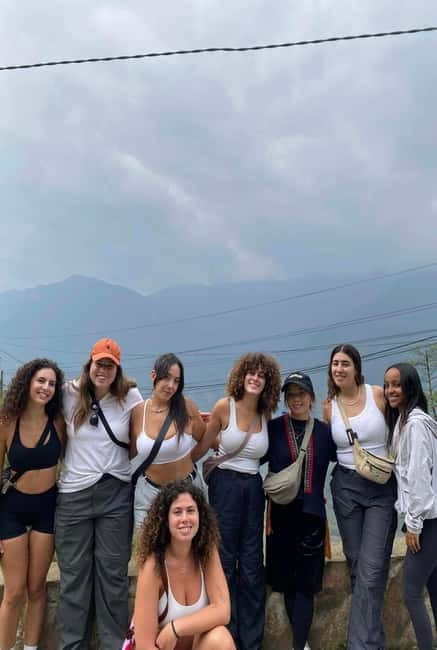
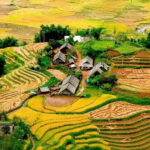
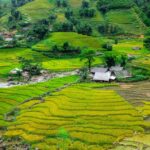
- Muong Hoa Valley rice terraces and village trails with sweeping views and suspension bridges
- Overnight with a family homestay plus included meals across two days
- Hmong guide Linh, often alongside local family guides for stories you can actually ask questions about
- Multiple ethnic communities you’ll see up close: Black H’mong, Giay, and Red Dao
- Waterfalls, bamboo forests, and hilltop scenery on Day 2
- Moderate-but-steady trekking (19 km total) with route flexibility if weather is unsafe
Sapa Trek With Linh: What this tour does differently
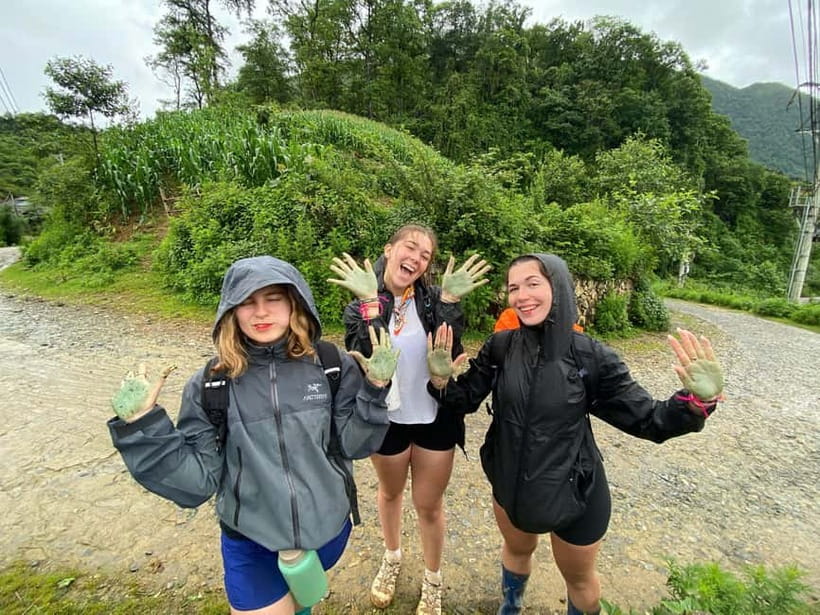
Sapa can turn into a blur. This 2-day, 1-night trek slows you down on purpose. Instead of racing through viewpoints, you walk the same kinds of paths that connect rice terraces, bamboo stands, and village homes. That means you’re not just looking at the region, you’re moving through it.
I like that the tour is designed around daily rhythms. You start in town, trek into the valley, eat with your group, and then sleep with a family before heading out again. The next day isn’t just a repeat route either. You get new villages, more waterfall scenery, and another change of valley texture as you head toward hilltop areas.
The other big win is the guide experience. The tour materials name Linh as the English-speaking local guide, and the meeting instructions point you to the person waiting at Sapa Stone Church with a name sign. In the field, you’ll likely also notice local family help (and sometimes different guide names show up in groups), but the through-line is consistent: you’re trekking with locals who can explain what you’re seeing in plain language.
You can also read our reviews of more guided tours in Sa Pa
Getting there: Sapa Stone Church and a smooth start
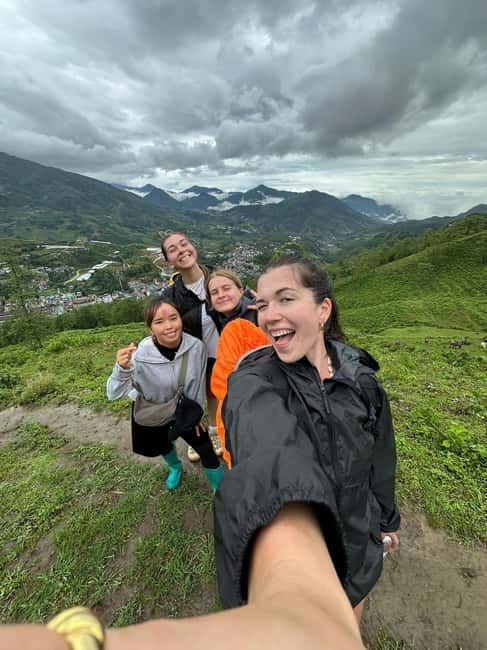
You begin at Sapa Stone Church (Nhà Thờ Đá Sapa) in central Sapa Town. Plan to arrive by 9:00 AM for a prompt departure, and look for your guide at the entrance with the relevant sign or name tag.
Even if you’re staying in Sapa already, this matters. Starting in the center keeps you oriented early. Then the day pulls you away from town and into the Mường Hoa Valley trails where the air feels cooler and the views open up.
The tour also includes car transfer to and from Sapa Town. That’s not just comfort. It saves time you would otherwise spend lining up rides, negotiating, and trying to catch the right vehicle on a tight schedule.
Practical tip: if you arrive early and need somewhere for your luggage, the tour notes that you should leave your luggage in Sapa if you already have a hotel. There’s also an option to arrange a bag transfer to the homestay for 50,000 VND per motorbike (each bike can carry up to two large backpacks).
Day 1: From Y Linh Ho through Lao Chai to Ta Van
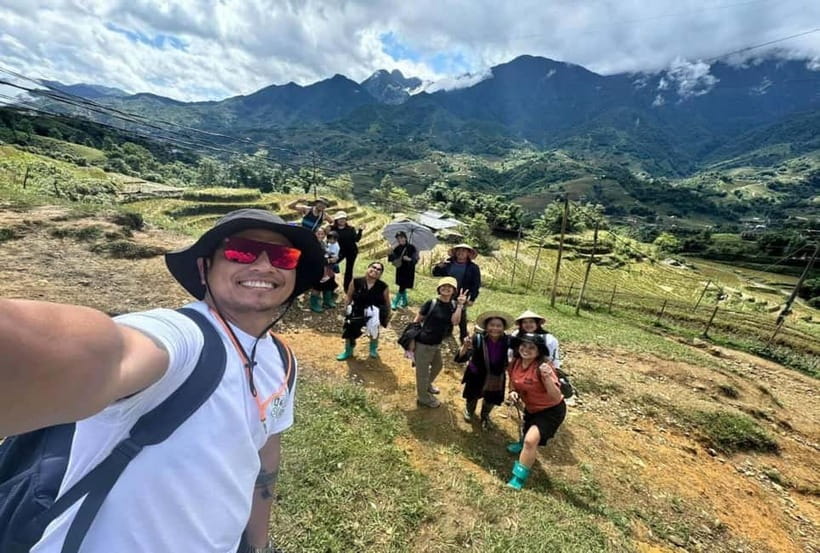
Day 1 runs roughly 5–6 hours and covers about 12 km, with a clear progression: terraces to village life to riverside paths before settling into the homestay.
Sapa → Y Linh Ho (Black H’mong)
You start trekking southeast along terraced mountains, with broad valley views that make Sapa feel suddenly huge. Y Linh Ho Village is where you meet the Black H’mong community. Expect to see traditional wooden and bamboo houses set alongside rice terraces.
What I like here is the change in your walking surface. In town, it’s urban. On the trail, it becomes a working environment: footpaths, terraces, and the kinds of small angles that show how people live with the terrain.
Y Linh Ho → Lao Chai (big H’mong community)
Next you move to Lao Chai, one of the larger H’mong communities. This is where the tour adds cultural details beyond scenery, including ancient stone carvings and day-to-day valley life.
Even when you’re just passing through, you get a sense that these villages aren’t staged. You’re walking through fields and paths that have purpose, and your guide can connect what you see to how people farm and live.
You can also read our reviews of more evening experiences in Sa Pa
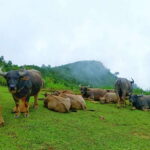
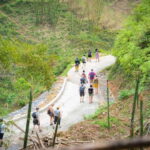
Lao Chai → Ta Van (Giay and H’mong)
Then comes Ta Van, home to the Giay and H’mong communities. You cross suspension bridges, which is both scenic and a good reminder that these routes aren’t always straightforward.
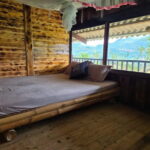
Ta Van is also where you check into the homestay. The tour description calls it an authentic family homestay, and the reviews back up the feel: cozy rooms, family welcome, and a dinner that actually tastes like it came from someone’s kitchen, not a restaurant lineup.
Evening: cooking class and dinner
Day 1 ends with food and a small activity. The tour includes a hands-on Vietnamese cooking class focused on spring rolls, then dinner with the group.
This part is more useful than it sounds. It turns your first night into a memory you can replay at home. And it also helps you relax after a full day of walking, before you settle in for the overnight.
One thing to keep in mind: because Day 1 includes a longer trek, your energy will dip in the late afternoon. If you’re the type who gets hungry fast, you’ll appreciate that meals are included and timed into the flow.
Homestay night: what you’re really paying for
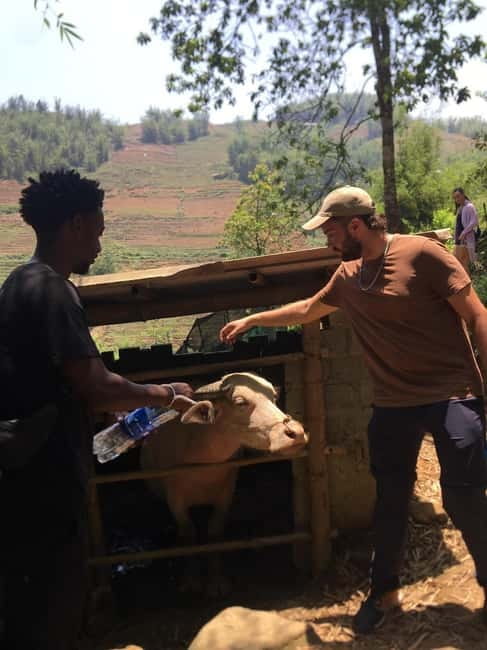
Overnight in a homestay is the heart of this tour. You’re not just getting a bed. You’re getting a window into how families host, feed, and share time.
The tour includes 1-night stay plus all meals. That covers dinner on Day 1, then breakfast and lunch on Day 2. Reviews also mention cozy rooms, showers/toilets in some homestays, and generous portions.
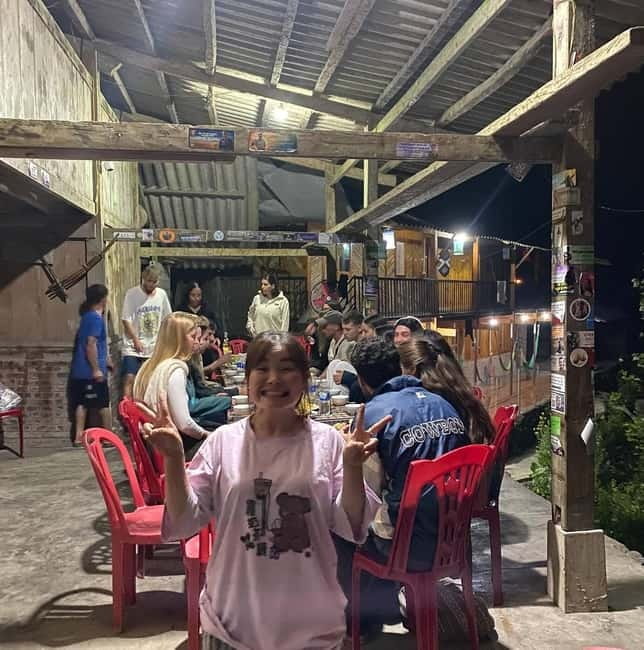
Several reviews mention extra evening atmosphere, like happy water and even karaoke, plus games with the group. Those details aren’t guaranteed in every family, but the theme is consistent: the homestay isn’t silent and formal. It’s social, with your guide and host family involved.
Here’s how to think about it: the homestay is where the trek stops being only physical. It becomes a cultural experience you can ask about. When your host explains food, farming, or village life, you’re getting context that you can’t get from a quick stop.
Practical note: keep expectations realistic. The tour explicitly says conditions may be basic compared to high-end resorts. Still, the overall feedback is positive on comfort and food quality.
Day 2: Giang Ta Chai, bamboo forests, waterfalls, then back to Sapa
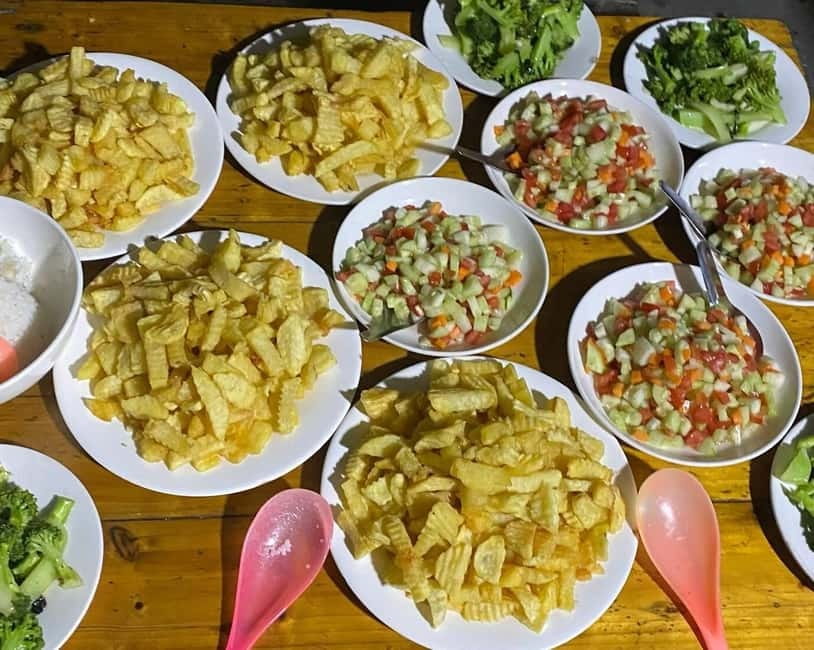
Day 2 is shorter in distance—around 6 km (about 3–4 hours)—but it can still feel intense because the terrain is uneven and you’re switching from village lanes to more natural trail sections.
You start in Ta Van with a homemade breakfast. Then the route heads toward more villages and more scenery.
Ta Van → Giang Ta Chai (Red Dao)
You walk toward Giang Ta Chai Village, where the tour focuses on the Red Dao community, known for red headdresses and herbal bath traditions.
This is one of the most interesting parts of the plan because it adds identity and tradition, not just a change of scenery. Your guide helps connect the patterns and practices you’re seeing to how the community lives.
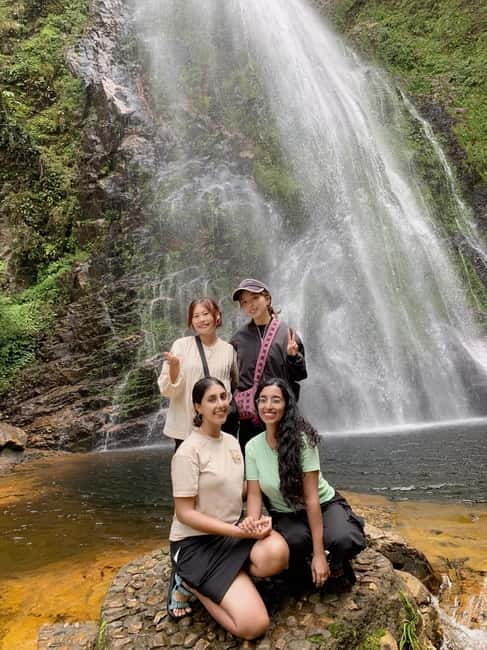
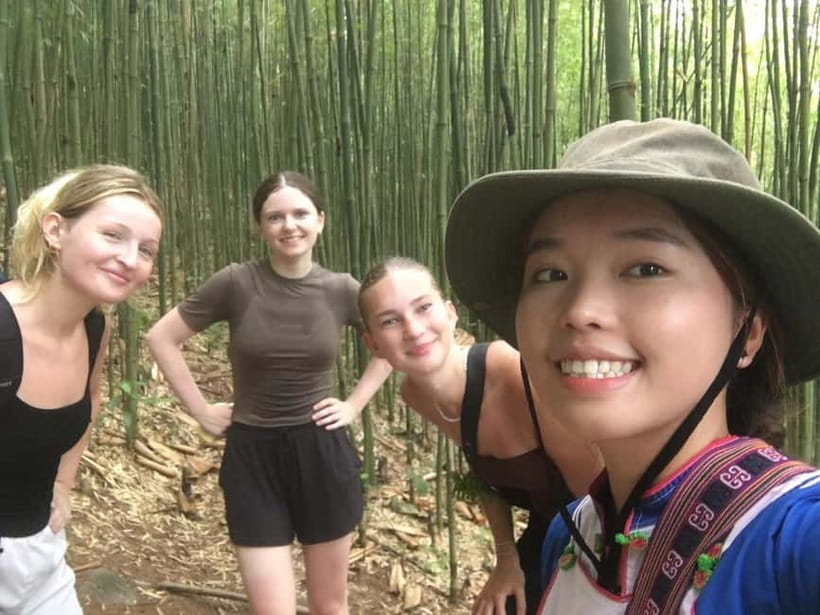
On the trail, you pass waterfalls, cross suspension bridges, and walk through bamboo forests. A bamboo forest walk changes the whole soundscape and feel of the hike. It’s cooler, shaded in patches, and visually different from the open terraced hills.
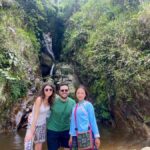
In at least one review, people also reported a chance to cool off at a waterfall. The itinerary mentions waterfalls but not a swim, so think of it as a possible bonus rather than a promise.
Giang Ta Chai → Supan: hilltop quiet and lunch
Next is Supan Village, described as peaceful, with sweeping valley views. Lunch happens at a small family restaurant.
This stop works well as a reset. After a morning of bridges, bamboo, and waterfalls, you sit down, eat, and let your legs recover before the return trip.
Supan → Sapa transfer
The tour then transfers by bus back to Sapa Stone Church around 14:30. The activity ends back at the meeting point, so you’re dropped near where you started.
For most people, this timing is perfect. You still have part of your afternoon for Sapa Town shopping, cafes, or a short sunset plan without feeling like you’ve been gone all day.
Trekking reality check: how to pack for 19 km of uneven trails
Let’s talk about the physical side in a practical way. The tour is rated moderate and covers about 19 km over two days. Day 1 is the longer one (about 12 km over 5–6 hours). Day 2 is shorter but includes natural terrain, bridges, and bamboo forest trail segments.
The biggest difference from a city walk is footing. Rice terrace paths and village tracks can be uneven, muddy after rain, and sometimes steep in short bursts. Reviews echo the need for the right shoes and clothes.
Here’s what to bring, straight from the tour notes:
- Hiking shoes
- Comfortable clothes (plus a change of clothes for the evening)
- Sunscreen, hat, sunglasses
- Water
- Insect repellent
- Sunglasses and a hat are especially helpful for sun-heavy sections
- A light raincoat or jacket
I’d add one more practical suggestion based on what people reported: if you like cooling off, consider packing a swimsuit. One group specifically mentioned a pool swim opportunity tied to the trip’s water stops. Even if it’s not guaranteed, it’s low-cost and can make a big difference if you get the chance.
Also, plan for heat. One review mentioned brutal afternoon heat when it was sunny. Bring enough water to avoid slowdowns, and don’t treat the trek like a casual stroll.
Price and value: why $6 feels almost too good
The headline price is listed as $6 per person, which is hard to compare with standard Sapa tours. Then the fine print adds a reality check: there’s a final payment of ₫700,000 per person due after the tour, and if weather or unexpected events prevent the trip, you only pay the ₫160,000 booking fee.
So what are you actually getting for the money? You’re paying for a mix of items that add up fast in Vietnam:
- An English-speaking local guide (Linh)
- Homestay for one night
- All meals (lunch and dinner Day 1, plus breakfast and lunch Day 2)
- Village/attraction entry fees
- Car transfers to and from Sapa Town
- Support for leaving luggage in Sapa (and optional bag transfer if you arrive early)
That’s why this trip can feel like value. The cost isn’t just “for walking.” It covers the logistics and the experience of sleeping and eating locally, plus guide time for a multi-hour trek.
The best way to judge value is not by the sticker price. It’s by whether the included homestay and meals are what you want. If you’d happily pay extra for a real overnight and local food, this is priced in a way that makes sense. If you’re only chasing quick views, you might find the trek longer than you expected.
Who this Sapa trek is perfect for
This tour fits best if you want an authentic Northern Vietnam experience with real village context.
You’ll likely enjoy it if:
- You want ethnic minority village visits (Black H’mong, Giay, Red Dao)
- You like guided trails with stories you can ask about
- You’re okay with a moderately challenging trek and uneven paths
- You want an overnight that feels personal, not like a hotel stopover
- You like the idea of learning something small through the day, like spring-roll cooking
It can also work well for solo travelers. Reviews include solo-friendly comments, and group size is described as small for a more flexible experience. That combination can help if you’re not sure you want to do a private trek alone.
It may not suit you if:
- You want flat, easy walking
- You need high-end comfort and predictable amenities
- You’re traveling with babies under 1 year or someone over 95 years (the tour notes it’s not suitable for those ages)
- You’re extremely sensitive to weather changes, since the route may adjust for safety
Should you book this Linh-guided Sapa homestay trek?
I’d book it if you’re coming to Sapa for more than photos. The strongest reason to choose this one is the blend of rice terraces + villages + overnight family time, all guided by a local English-speaking person.
Do consider it carefully if you’re unsure about your hiking comfort. You’re walking about 19 km total over uneven ground. Pack for sun and rain, and treat Day 1 as the main workout.
If your ideal Sapa day includes:
- bridges, terraces, bamboo trails, and waterfall areas,
- included meals,
- and a genuine homestay night with local hosts,
then this is a solid pick for the money and for the kind of memories that last.
FAQ
FAQ
Where does the trek start and end?
The trek starts at Sapa Stone Church (Nhà Thờ Đá Sapa) in central Sapa. The activity ends back at the same meeting point.
What time should I arrive for the tour?
Please arrive by 9:00 AM for a prompt departure.
How far and how challenging is the trek?
The trek covers about 19 km over two days with moderate difficulty. Expect uneven terrain and some steep sections.
What’s included in the price?
The tour includes an English-speaking local guide, 1-night stay in a traditional family homestay, all meals (lunch and dinner on Day 1, breakfast and lunch on Day 2), and entry fees to villages/attractions.
What food and activities are included during the trip?
You’ll have meals across both days, and Day 1 includes a Vietnamese cooking class focused on spring rolls.
Does the route change if weather is bad?
Yes. The tour notes that in case of bad weather, your guide may adjust the route for safety.
Who might the tour not be suitable for?
It is not suitable for babies under 1 year and not suitable for people over 95 years. Children under 4 are free (inform in advance).