REVIEW · HOI AN
Hoi An: Bay Mau Eco Cooking Tour
Book on Viator →Operated by Bay Mau Eco Cooking Tour · Bookable on Viator
Food tour that feels like Vietnam, not a show.
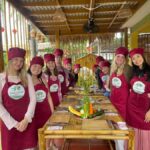
I like how this outing starts with a real market ingredient hunt, then turns that shopping list into actual food skills. A guide like Trang makes the herbs and spices feel practical, not mysterious, and you leave with a better sense of what goes into Vietnamese cooking.
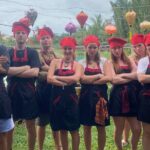
My second big win is the hands-on rice work. You’ll use traditional tools to pound and separate rice, grind rice for rice milk, and make rice paper in Cam Thanh’s coconut village setting, with instructors such as Ly and Phu showing the steps clearly.
One thing to consider: the day moves fast. A few parts—especially the cooking portion—can feel rushed, and the basket-boat ride may include stretches that are less scenic if you’re going under an overpass.
In This Review
- Quick hits
- Why Cam Thanh and Bay Mau turn cooking into culture
- Price and logistics: what $35 covers in central Hoi An
- Market stop: the fastest way to understand Vietnamese flavors
- Cam Thanh coconut village: rice pounding, rice milk, and rice paper
- Bay Mau basket boats: coracle-style riding in the coconut waterways
- The meal you make: lunch or dinner, and why it’s satisfying
- Who should book this Bay Mau eco cooking tour
- Should you book it or pass? My practical take
- FAQ
- How long is the Hoi An Bay Mau Eco Cooking Tour?
- Does the tour include hotel pickup and drop-off?
- Is the guide English-speaking?
- What cooking skills do you learn?
- Is lunch or dinner included?
- Is it private, and what if weather is bad or you need to cancel?
Quick hits
- Market-first shopping for fresh herbs, spices, and produce you’ll actually use
- Traditional rice techniques: pounding, separating, rice milk grinding, and rice paper making
- Cam Thanh Bay Mau basket boats for a water-forest ride through coconut waterways
- Door-to-door hotel transfers in central Hoi An, plus a mobile ticket
- Lunch or dinner included that you prepare yourself
- Private tour setup so it’s just your group with an English-speaking guide
Why Cam Thanh and Bay Mau turn cooking into culture
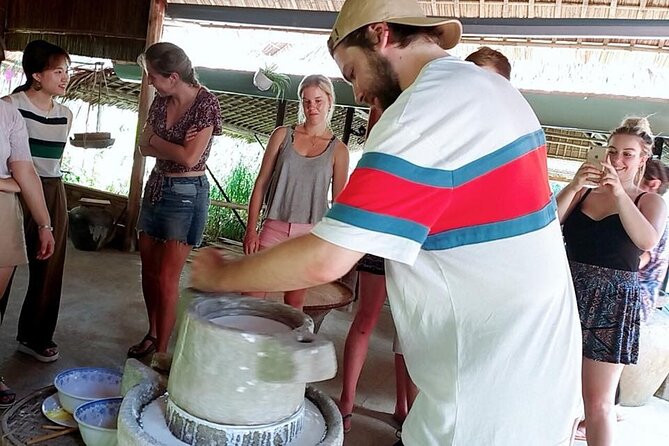
Hoi An is full of cooking classes, but this one leans into place, not performance. Cam Thanh (often tied to the Bay Mau coconut waterways) gives you context for why Vietnamese food tastes the way it does: fresh ingredients, rice as the backbone, and techniques that are meant for everyday kitchens.
What I like is the rhythm. You don’t just watch. You shop, you learn the tools, then you eat what you made. That’s the difference between a class that hands you recipes and a class that teaches you how people actually work—slow and physical parts, like pounding rice, and the patient parts, like shaping rice paper.
Also, the Bay Mau boat segment fits this theme. It’s not just a random add-on. You’re exploring the water-coconut world that surrounds the village life, then heading into the kitchen side of the same day.
You can also read our reviews of more cooking classes in Hoi An
Price and logistics: what $35 covers in central Hoi An
At $35 per person, this tour is priced like a budget-friendly half-day that still includes the key stuff: guide, transfers, cooking instruction, a boat ride, and a meal. For many culinary tours, you end up paying extra for transport or dining. Here, the value is in how much is bundled.
You get free car pickup and drop-off from central Hoi An hotels (Hoi An only). The schedule is also clear and commuter-friendly: pickup around 8:20am and return to your hotel around 1:00pm. That means you can still plan a late lunch, or a simple evening without feeling wrecked.
You’ll also have an English-speaking guide, plus a mobile ticket. If you’re someone who likes knowing exactly where you’re going next, this style of tour tends to feel easier than the ones that scatter you around town.
One practical note: tips aren’t included. If you’ve got a guide who really helps you nail the rice paper steps, you’ll want to budget a little extra for appreciation.
Market stop: the fastest way to understand Vietnamese flavors
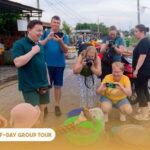
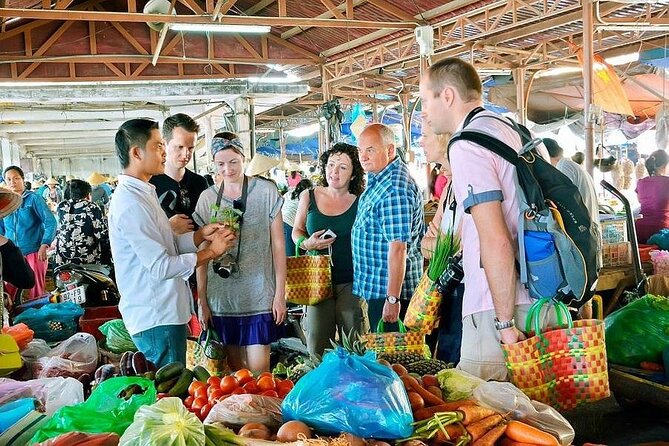
The market segment is a huge part of why this tour works. You head to a local market with your guide and focus on the main ingredients behind Vietnamese cuisine. This is where you learn what to look for, not just what to buy.
You’ll pick fresh ingredients for your cooking class, and you’ll get insight into Vietnamese herbs and spices—often the difference between a dish that tastes good and a dish that tastes like you ate it in someone’s home.
I especially like this approach because it changes how you shop afterward. Instead of buying sauces and hoping, you start thinking in categories: aromatic herbs, savory bases, fresh textures, and the small flavor elements that make a dish pop. It’s a skill you can use back in your own kitchen.
Time-wise, the market stop also sets your pace for the day. If you’re the type who gets cranky when the itinerary has too many moving parts, this one is at least front-loaded with context, so the rest of the day makes more sense.
Cam Thanh coconut village: rice pounding, rice milk, and rice paper
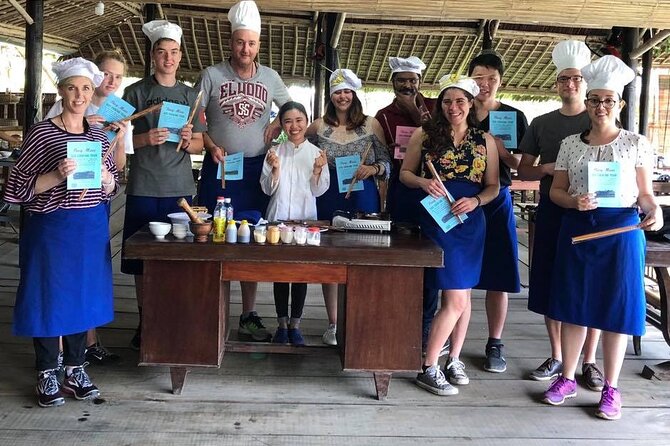
This is the star section. Cam Thanh isn’t just a scenic backdrop—it’s where you do the labor that rice-based Vietnamese cooking depends on.
You’ll transfer from the area around the coconut village, then get to the traditional tools. Expect hands-on work with things like a stone mortar and grinder and wooden pestles. These tools aren’t there for decoration. They force you to pay attention to texture, pressure, and timing.
Here’s what you’re learning, step by step:
- Pounding and separating rice: a very physical start that shows you how rice becomes usable for different preparations.
- Grinding rice for rice milk: this is about turning grain into liquid, and it helps you understand why rice milk tastes different from dairy-style shortcuts.
- Making rice paper: the most visual skill. You learn how rice transforms again—into something thin, flexible, and ready for wrapping or serving.
This portion is also where the guide’s style matters. In the reviews, people named guides like Ly and Phu, and that lines up with what you want from a good cooking teacher: clear explanations and the right amount of support. If the instructor is patient, you’ll feel confident. If they’re rushing, you might just go through motions.
That’s the main consideration I’d flag: the day can feel fast-paced with multiple activities packed in. If you prefer slow, relaxed learning—more watching, less sprinting—plan to keep your expectations realistic. You’ll do a lot, and the goal is hands-on practice, not a leisurely, unhurried cooking retreat.
Bay Mau basket boats: coracle-style riding in the coconut waterways
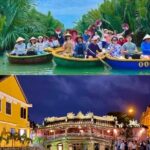
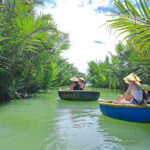
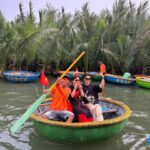
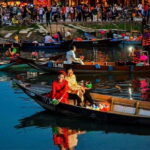
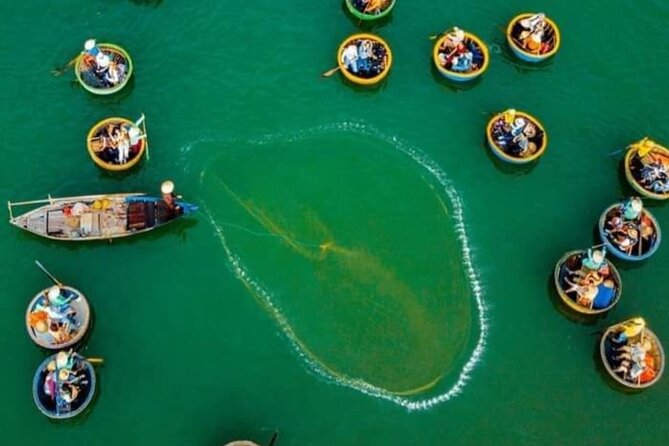
After the village work and the prep stage, you’ll head out for a basket-boat ride to explore the Bay Mau coconut forest area. It’s sometimes described with the Mekong Delta nickname in the heart of Hoi An, and the point isn’t to pretend it’s the Delta. The point is the water-coconut experience: quiet waterways, palms overhead, and a slower sense of motion than you get on roads.
The ride uses a basket boat format (often compared to coracles), and it’s a nice change of pace from the kitchen work. Your guide typically shows you what you’re seeing, and the ride gives you a break for photos and fresh air.
Now the trade-off. One recurring theme from people is that the boat portion can be less scenic depending on how the route passes through the area. If the path includes sections under an overpass, it can break the romantic coconut-forest vibe. You still get the activity, but the view might be more utilitarian than Instagram-perfect.
If you’re okay with that—and you’re here for the full eco-cooking flow rather than one perfect postcard moment—you’ll likely enjoy the ride for what it is: a functional, local-feeling way to experience the water world around Cam Thanh.


The meal you make: lunch or dinner, and why it’s satisfying
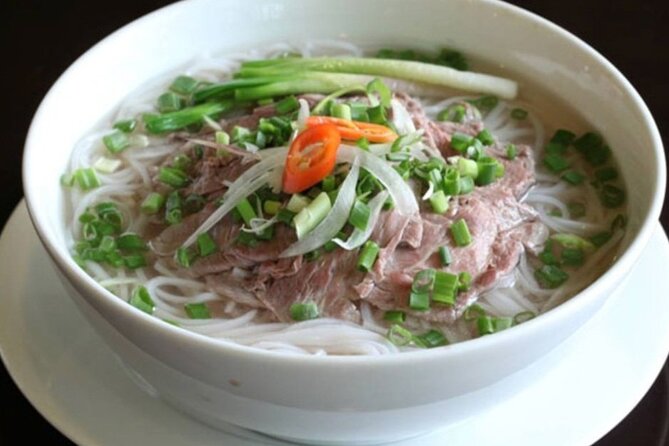
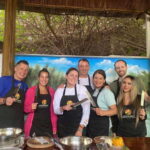
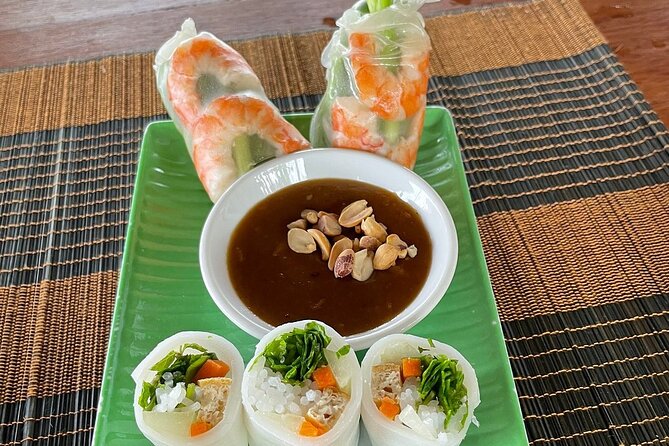
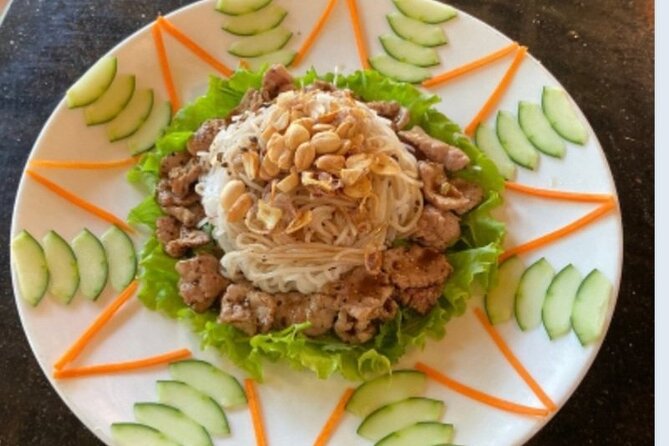
At the end of the cooking portion, you’ll eat what you cooked. The tour includes lunch or dinner (depending on timing and how they run the meal), and it’s not a separate restaurant stop where you wonder what you learned.
That matters because you can connect technique to taste right away. When you’ve pounded rice, ground it for rice milk, or made rice paper, you’re not guessing at what those steps should change. You get the proof, on your plate, while the process is still fresh in your mind.
You’ll also get a bottle of water. It’s a small inclusion, but for a half-day with market walking, hands-on kitchen work, and a boat ride, hydration helps you stay comfortable.
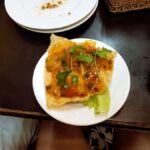
One more detail that feels important: the meal is described as lavish. That usually means you don’t leave hungry and you’re not just getting a single dish sample. It’s designed so you can taste your work and feel like you finished a complete experience, not a snack-sized cooking demo.
Who should book this Bay Mau eco cooking tour
This tour is a great fit if you want a hands-on Vietnamese cooking class with a cultural base in Cam Thanh. If you like learning food skills you can reproduce—rice paper, rice milk technique, and ingredient selection—you’ll likely find it worth your time.
It’s also a good choice if you don’t want to figure out transport. Door-to-door pickup and drop-off from central Hoi An makes it easy to fit into your schedule without extra logistics.
I’d think twice if you’re very sensitive to pacing. The day packs a market stop, village cooking tools, and the basket-boat ride into roughly 4 hours 40 minutes. If you want slow and leisurely learning, you might wish there were more time sitting down or practicing fewer steps at a relaxed rate.
If you’re traveling as a group, the private setup can be a plus. It’s only your group for the activity, so you’re not trapped watching strangers do their rice paper with the wrong grip and the wrong confidence.
Should you book it or pass? My practical take
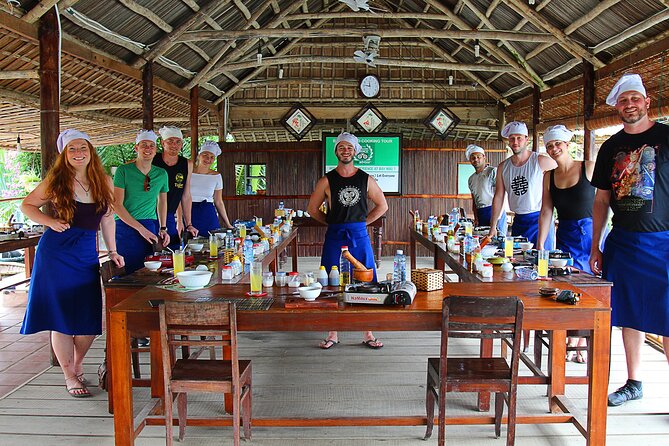
Book this if you want a cooking experience that feels tied to place: market ingredients, traditional tools, and Cam Thanh’s coconut waterways, all in one door-to-door half-day. For $35, the bundle of transfers, guided cooking practice, a boat ride, and a meal you made yourself is strong value.
Consider another option if you know you hate being rushed in lessons, or if you’re hoping the boat ride will be pure postcard scenery the whole time. This tour spends more energy teaching skills than guaranteeing perfect views.
FAQ
How long is the Hoi An Bay Mau Eco Cooking Tour?
The tour lasts about 4 hours 40 minutes.
Does the tour include hotel pickup and drop-off?
Yes. You get free car pickup and drop-off from hotels in Hoi An.
Is the guide English-speaking?
Yes, the tour includes an English speaking guide.
What cooking skills do you learn?
You’ll learn techniques such as pounding and separating rice, grinding rice for rice milk, and making rice paper, using traditional Vietnamese tools.
Is lunch or dinner included?
Yes. Lunch or dinner is included, and you eat what you prepare yourself.
Is it private, and what if weather is bad or you need to cancel?
It’s private, meaning only your group participates. You can cancel for a full refund up to 24 hours in advance, and the experience requires good weather; if it’s canceled due to poor weather, you’ll be offered a different date or a full refund.