REVIEW · SA PA
From Sa Pa: Full Day Trek of Fansipan Mountain
Book on GetYourGuide →Operated by Vietnam Nomadtrails · Bookable on GetYourGuide
Fansipan makes you earn its views. A guided full-day trek to Vietnam’s highest peak turns Sa Pa into a serious hiking day, with bamboo forests, streams, and a huge payoff once you’re up in the clouds. I love the mix of bamboo and rain-forest terrain and the way you reach the peak in time to savor the mountain panorama without rushing.
One big consideration: this is a long, tough day (about 9–10 hours of trekking for roughly 28km), and heavy rain can slow things down or cause a cancellation.
I also like that the trip is built for real mountain walking, not just sightseeing. You start early (around 6:00am), ride up to Tram Ton Pass at 1,994m, and get an English-speaking guide plus park insurance and fees handled for you.
In This Review
- Key things I’d circle before you go
- Fansipan at 3,143m: what the Roof of Indochina trek really means
- From Sa Pa at 6:00 to Tram Ton Pass (1,994m): the start you feel in your legs
- Bamboo and rain-forest trail: streams, climbs, and when you’ll need breaks
- Lunch and pacing: how the tour supports a 9–10 hour trek
- Peak time around 11:30–12:00: views over Sa Pa and even parts of China
- Cable car down vs hiking back: picking your ending after the summit
- What’s included in the $89 price—and what’s on you
- What you get
- What you must bring or pay extra for
- What to pack (and what’s not allowed) on this Fansipan climb
- Who this trek suits—and who should skip it
- Weather, safety, and fitness: the reality check for Fansipan
- Should you book this Fansipan day trek with Vietnam Nomadtrails?
- FAQ
- What time does the Fansipan trek start from Sa Pa?
- Where do we start trekking from?
- How long and how far is the full trek?
- What time do we reach the peak?
- Is lunch included, and can it be vegetarian?
- What’s included in the $89 price?
- Do I get cable car back to Sa Pa?
- What do I need to bring?
- Who is this trek not suitable for?
Key things I’d circle before you go
- A 28km round-trip with about 9–10 hours of trekking time
- Fansipan peak at 3,143m, the highest mountain in Vietnam
- Start from Tram Ton Pass (1,994m) with a clear plan to reach the top around late morning
- Lunch and 2L of bottled water per person included (vegetarian option available)
- Return choice: cable car down (extra cost) or hike back the same way to Tram Ton Pass
- Park entry + Vietnamese national park insurance included in the price
Fansipan at 3,143m: what the Roof of Indochina trek really means
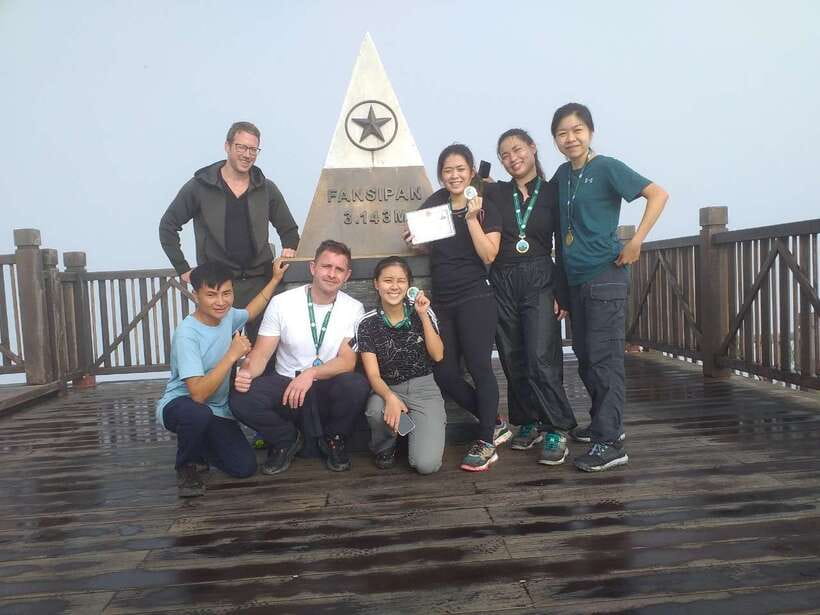
Fansipan is the name most people associate with the Roof of Indochina. It’s also the highest peak in Vietnam at 3,143m, and that altitude shapes the whole day. Even if you’re comfortable on trails at lower elevations, your pace, breathing, and energy will feel different once you’re climbing in the mountain air.
What I like about this trek style is that it doesn’t pretend you’re doing an easy nature walk. It’s a sportive, most difficult type of trek in the Sa Pa area—exactly the kind of challenge that makes the summit time feel earned. You’re walking through tropical jungle vibes too: bamboo forests, rain-forest sections, and stream crossings that keep the trail interesting.
That also means your mindset should be “strong day, steady steps,” not “how fast can I go.” The tour sets you up for a late-morning peak, then hands you time to take in the views and photos when the weather allows.
You can also read our reviews of more hiking tours in Sa Pa
From Sa Pa at 6:00 to Tram Ton Pass (1,994m): the start you feel in your legs
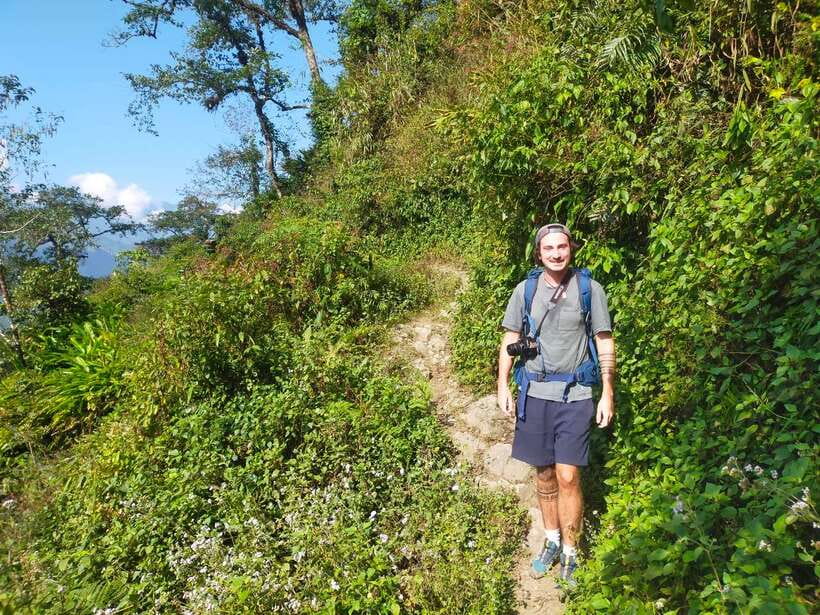
You start around 6:00am, usually after your own early breakfast. The morning matters here. You’ll beat some weather swings and avoid losing too much daylight on the return.
Then you get a short ride by car/van up to Tram Ton Pass at 1,994m. That handoff is useful because it cuts out extra low-elevation walking and gets you straight to the hiking section the day tour is built around. It also helps you mentally prepare: your trek really begins once you’re up at the pass.
If you’re staying in the center of Sa Pa, pickup is possible from your hotel/homestay or from the meeting point at No 013 Tue Tinh street. If pickup at your exact lodging isn’t available, you’ll want to plan to get to the meeting point on time so you’re not stressed before the first steep stretch.
Bamboo and rain-forest trail: streams, climbs, and when you’ll need breaks
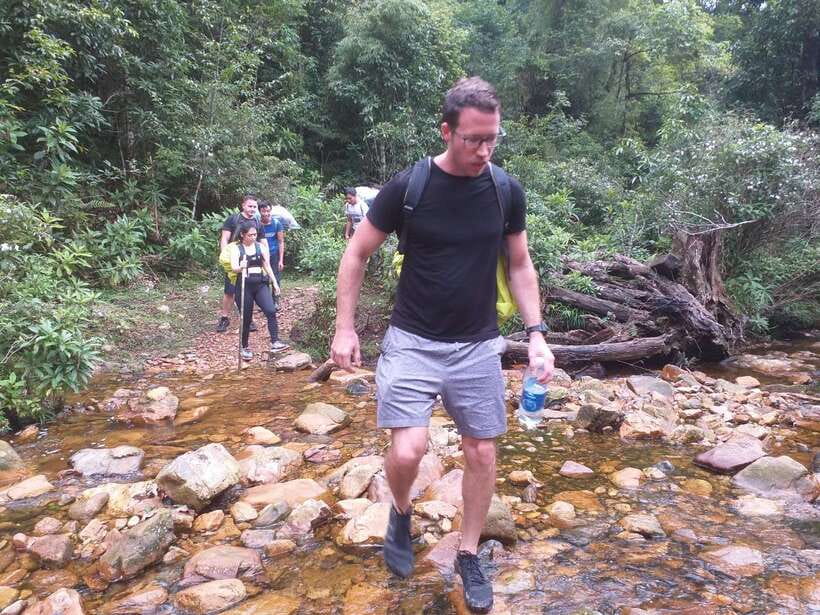
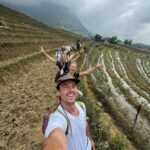
The trail covers about 28km round-trip, and the walking time is usually around 9–10 hours total. That’s your real schedule. Your feet will get a workout, and the route includes varied terrain: bamboo forest sections, rain-forest stretches, and places where you cross streams.
These are the kind of trail details that change the day. Bamboo and rainforest zones tend to feel cooler and more shaded than open slopes, but you also might deal with damp ground. Streams can mean slick rocks, and rain can turn “fine” footing into “slow and careful.”
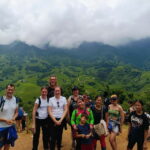
The tour guide role becomes practical here. You’re not only following a route; you’re learning how to pace yourself for a full day and what to expect from the terrain. One review summary mentions a guide who takes care of the group, and that’s exactly what you want on a hard trek—someone who keeps people moving safely without turning it into a sprint.
Also keep in mind: the trek will be canceled or delayed when it rains heavily. So if the forecast looks ugly, you’re not in total control. Your best move is to pack for wet conditions and stay calm if plans change.
Lunch and pacing: how the tour supports a 9–10 hour trek
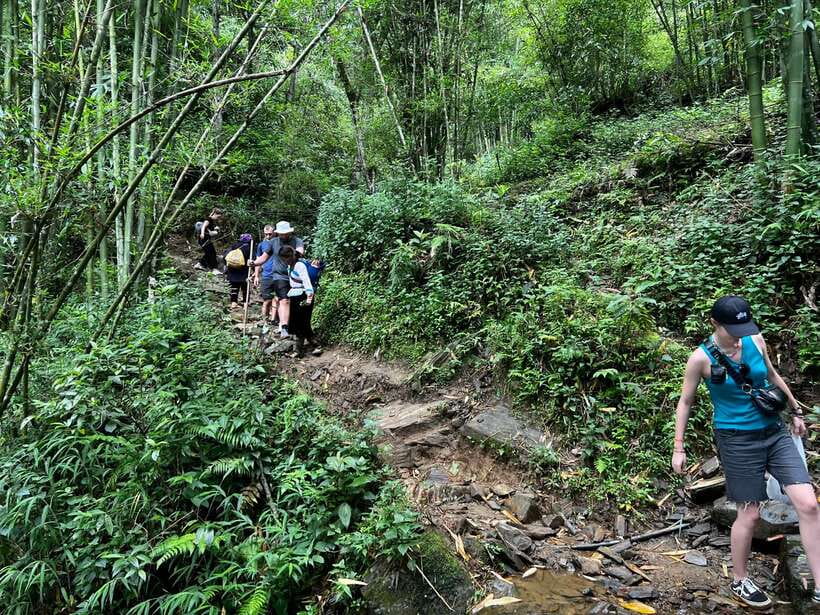
On the way, you’ll stop for lunch. It’s included, and the tour notes that it can be normal or vegetarian. That matters because for a long hike, an actual meal beats trying to improvise food mid-trail.
The route is set so you reach the peak around 11:30am to 12:00pm. That timing is a sweet spot. You usually get summit time in the late morning, then you still have the rest of the day to enjoy views and start the descent with enough daylight.
Pacing is everything on this kind of trekking day. The difference between arriving at the top feeling okay versus arriving crushed is often simple: start steady, keep breaks short, and don’t burn your energy early just because the beginning feels manageable.
Water is another “small” detail that helps your pacing. You get 2L of bottled mineral water per person for the day. Bring your own refill habits only if you know what you’re doing; the tour has already planned a solid baseline to keep you hydrated during the trek.
Peak time around 11:30–12:00: views over Sa Pa and even parts of China
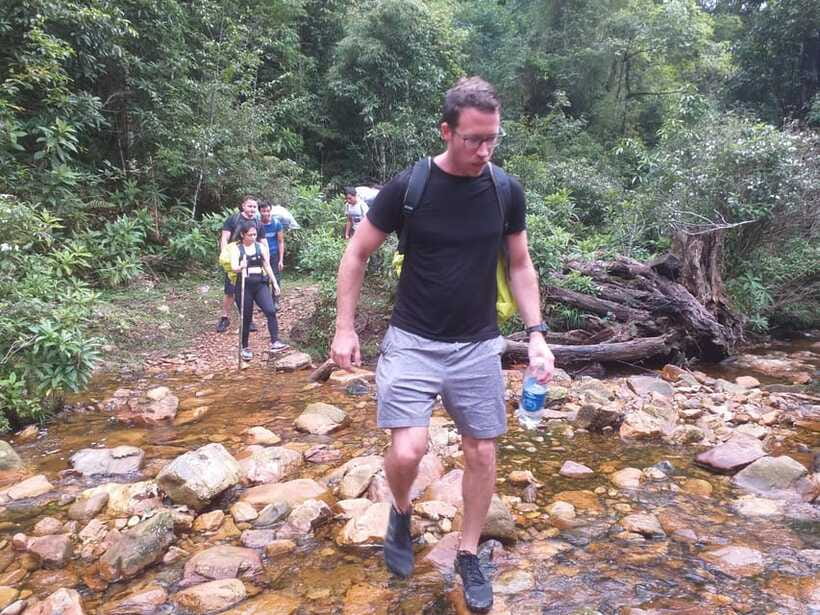
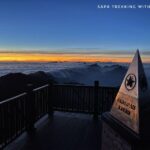
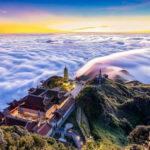
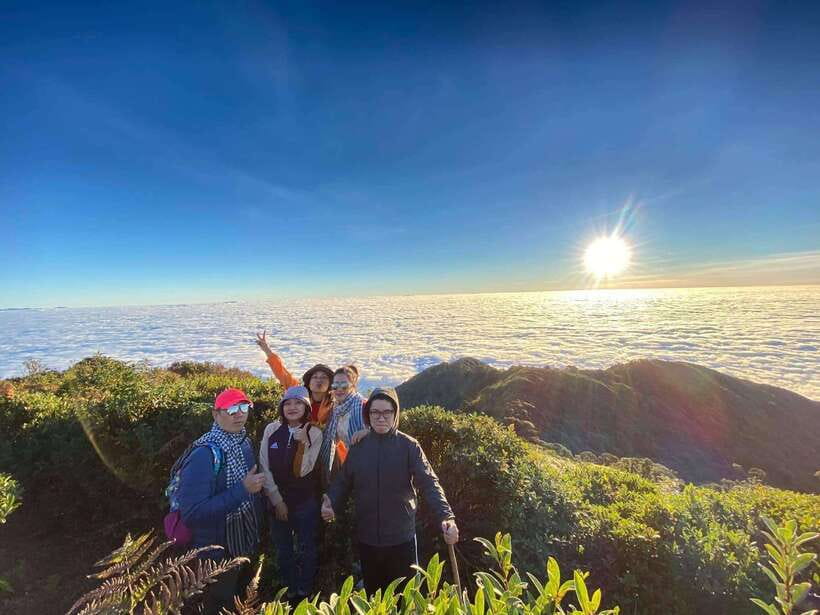
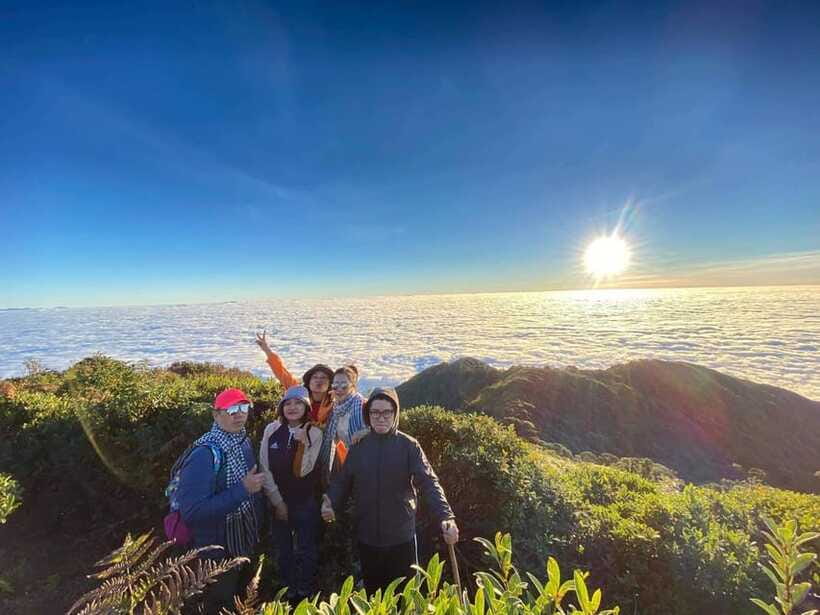
Reaching the summit is the big headline: Fansipan’s peak at 3,143m gives you the Roof of Indochina status in real life. But the experience isn’t just “stand at the top.” You’re scheduled to get up there around 11:30am–12:00pm, then take the rest of the time to enjoy the views.
From the peak, you can look over surrounding mountains and the Sa Pa town area. The tour description also notes that on clear days, you have a chance to spot some high mountains in China. That’s not something you can guarantee. Weather is king in the mountains. Still, having planned summit time increases your odds of catching the clearer windows that make those long-distance views possible.
This is also when photos start to matter. You’re high enough to see depth layers in the distance, and you can get those unique mountain shots people come for. If you’re afraid of heights, though, be honest with yourself. Even if you’re physically strong, the summit environment can be mentally challenging.
A few more Sa Pa tours and experiences worth a look
Cable car down vs hiking back: picking your ending after the summit
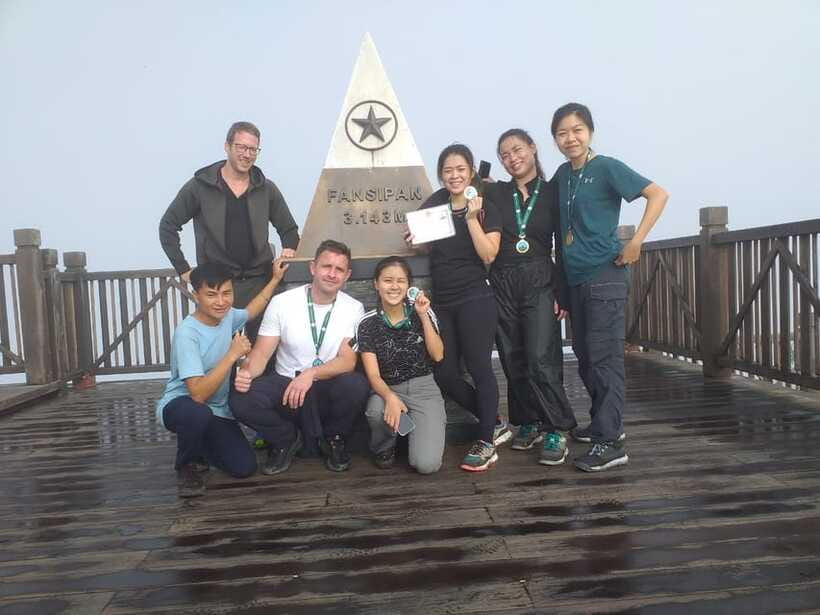
When you finish enjoying the peak, you have a choice for the return:
1) Cable car down to Sa Pa (ticket is on your own charge)
2) Keep trekking back the same way to Tram Ton Pass, where your driver waits to take you back to Sa Pa
Both options make sense. The hike-back option keeps you on the same trail and keeps the day fully “trek-focused.” The cable car option can help you recover quicker once you’ve already done the hardest part of the climb.
What I like about this flexibility is that it’s not a one-size-fits-all ending. If you feel your legs are gone, cable car becomes a rational choice. If you still have energy and want the full experience, hiking down keeps you closer to the trail’s rhythm.
Just be sure you’re prepared for the fact that cable car is an extra cost, and you’ll need to decide on the spot based on how you feel and how the weather is treating you.
What’s included in the $89 price—and what’s on you
At $89 per person, you’re paying for a full day that includes more than just a guide.
What you get
- Pickup and drop-off in Sapa center town (or meeting point at No 013 Tue Tinh street)
- English-speaking tour guide
- National park entrance fee plus Vietnamese insurance of national park day tour
- Authorization/permission
- Lunch (normal or vegetarian)
- 2L bottled water per person
- A certificate honored by the National park Department
For value, this matters because park fees, permissions, and park-day insurance can add up. Also, the guide and lunch remove two of the most common ways hiking days become stressful.
What you must bring or pay extra for
- Cable car ticket (if you choose it)
- Soft drinks
- Trekking gear like raincoat/rain gear, backpack, trekking stick, and trekking shoes (not included)
- Personal travel insurance and any tips for guide/driver
- Surcharge during Lunar New Year (stated as 26 Jan 2025 to 2 Feb 2025): $45 USD/person, payable directly
If you’ve done hikes before, you’ll recognize the gear list as the difference between a fun hard day and a miserable one. Don’t wing it.
What to pack (and what’s not allowed) on this Fansipan climb
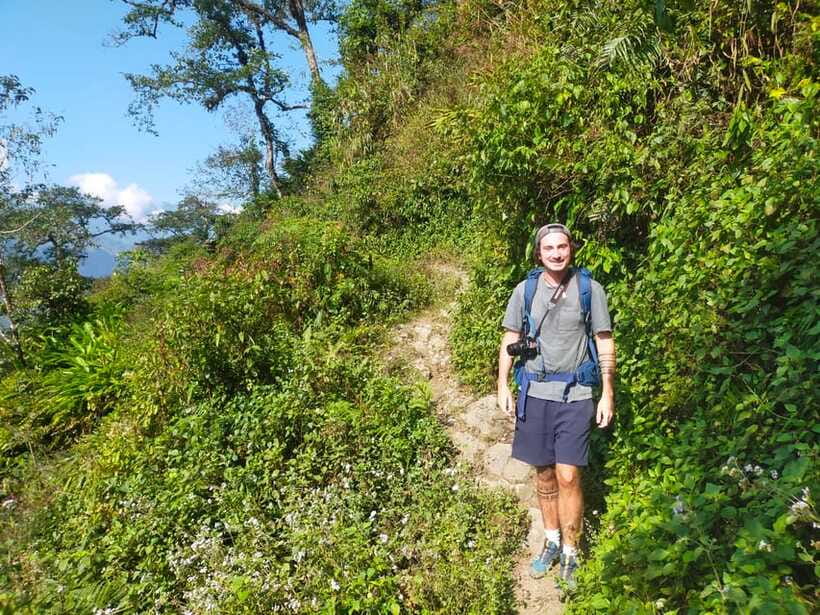
The tour gives clear guidance on what to bring. Pack for walking, rain, and sun. Even in cooler mountain zones, you can feel sunburn quickly when you’re exposed.
Bring:
- Passport or ID card
- Hiking shoes
- Sunscreen
- Comfortable clothes
- Long pants
- Biodegradable insect repellent
- Trekking gear items (especially if you don’t own trekking shoes or poles)
The tour also lists items that aren’t allowed:
- Pets
- Electric wheelchairs
- Firework/explosive substances
- Nudity
The “no pets” rule is especially important if you were thinking of traveling with an animal. The trekking day is also clearly designed around able-bodied hikers who can handle a long, demanding route.
Who this trek suits—and who should skip it
This trek isn’t for everyone, and the rules are there for a reason.
Not suitable for:
- Children under 16
- Pregnant women
- People with altitude sickness
- People afraid of heights
- People with low fitness
- People over 70
Even if you’re a regular hiker, I’d still pay attention to the altitude piece. The trek starts at 1,994m and climbs to 3,143m. Altitude can hit people differently, so don’t treat that risk like an “it’ll probably be fine” detail.
Who it suits best:
- You enjoy a challenging day outdoors
- You want a guided route through bamboo and rain-forest terrain
- You can handle roughly 28km and a 9–10 hour trekking day without needing constant breaks
The English-speaking guide is a plus if you want help with route flow and safety reminders. And the overall vibe—one review mentions a friendly guide who takes care of the group—fits the kind of experience you want when the trail gets tough.
Weather, safety, and fitness: the reality check for Fansipan
This is a mountain trek in a rainforest-leaning area. Rain matters. The tour states the trek can be canceled or delayed when it rains heavily. That’s not a minor inconvenience; it changes footing, visibility, and safety.
So the fitness test is part physical and part planning:
- Are you comfortable with a full-day hike?
- Do you have appropriate shoes for wet or uneven ground?
- Can you keep a steady pace for 9–10 hours of trekking time?
And mentally, summit time can feel exposed depending on conditions. If you’re uncomfortable around heights, this won’t become easier once you’re already at elevation.
If you’re booking during seasonal busy periods, keep expectations realistic about weather. The mountain doesn’t negotiate.
Should you book this Fansipan day trek with Vietnam Nomadtrails?
Book it if you want a true high-peak hiking challenge from Sa Pa, with a guide, park insurance, and lunch handled. At $89, the value is stronger than it looks on paper because park fees, authorization, and bottled water are included. You also get that smart summit timing around 11:30am–12:00pm, plus an optional cable car exit.
Skip it if you don’t want a long day of uphill walking, if altitude could be an issue for you, or if heights make you anxious. Also take seriously the rain risk—if the weather turns, expect the plan to shift.
If your goal is simply mountain photos and an easy outing, this is probably not the right match. If your goal is a demanding day in the bamboo and rain forest, earning real views from the Roof of Indochina, it’s a solid choice.
FAQ
What time does the Fansipan trek start from Sa Pa?
The start is around 6:00am, after your early breakfast.
Where do we start trekking from?
You’re taken by car/van to Tram Ton Pass at about 1,994m, which is where the trek begins.
How long and how far is the full trek?
You’ll trek about 9–10 hours for a round-trip distance of roughly 28km.
What time do we reach the peak?
You’ll reach the peak around 11:30am to 12:00pm.
Is lunch included, and can it be vegetarian?
Yes. Lunch is included, and there is a vegetarian option available.
What’s included in the $89 price?
Pickup/drop-off in Sa Pa center or the meeting point, an English-speaking guide, national park entrance fee and national park day insurance, authorization/permission, lunch, 2L bottled water, and a certificate honored by the National park Department.
Do I get cable car back to Sa Pa?
You have a choice. You can either take the cable car down (ticket is not included, extra cost) or trek back the same way to Tram Ton Pass.
What do I need to bring?
Bring passport or ID, hiking shoes, sunscreen, comfortable clothes, long pants, biodegradable insect repellent, and trekking gear like rain protection and trekking support items (not included in the tour).
Who is this trek not suitable for?
It’s not suitable for children under 16, pregnant women, people with altitude sickness, people afraid of heights, people with low fitness, or people over 70.