REVIEW · HOI AN
Guided tour of Sampan distillery // Agricultural Rum Medalist
Book on Viator →Operated by Distillerie d'Indochine · Bookable on Viator
The smell of sugar cane and rum hits fast. This Sampan distillery stop in the Hoi An area is a short, friendly look at how agricultural rum gets made, from cane to the glass. Two things I really like: you start with a welcome cocktail you can sip during the visit, and you finish with a guided tasting of 3 white rums. One consideration: it is a small, set-time experience with no pickup, so you’ll want to plan your trip to the meeting point carefully.
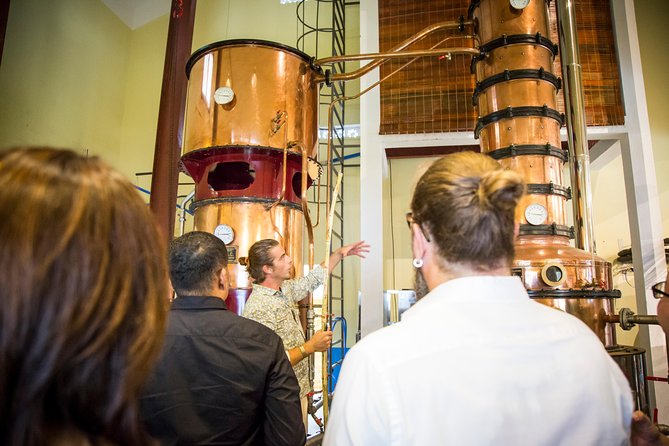
What makes the tour feel worth it is the mix of practical process and easy conversation. The team walks you through step-by-step rum development, then lets you taste the results right away in their cocktail bar. You’re also hearing the company’s medal story tied to the World Spirits Competition in San Francisco and Singapore—so the tasting has context, not just flavor.
The one drawback is that this is not a long, slow craft experience. Even if the group moves at a relaxed pace, you should expect about 45 minutes, not a half-day outing.
In This Review
- Key Highlights You Should Know Before You Go
- Sampan Distillery in the Hoi An Area: What You’re Really Signing Up For
- Your Welcome Cocktail: A Drink That Turns the Tour On
- From Sugar Cane Harvest to Rum Production: The Process in Plain Language
- The Medal-Winning Angle: San Francisco and Singapore, and Why It Matters
- The Cocktail Bar Tasting: 3 White Rums You Can Actually Compare
- Price and Time: Is $29 Good Value for What You Get?
- Group Size and Atmosphere: Small, Social, and Easy to Ask Questions
- Getting There From Hoi An: No Pickup Means You Must Plan
- Refreshing Touches and What’s Actually Included
- Who This Tour Is Best For
- Should You Book the Sampan Distillery Guided Tour?
- FAQ
- How much does the Sampan distillery guided tour cost?
- How long is the tour?
- What is included in the price?
- Do I get alcohol during the tour?
- Where do I meet for the tour?
- Is pickup included?
- What are the tour opening hours?
- How large are the groups?
- What’s the cancellation policy?
Key Highlights You Should Know Before You Go
- Welcome cocktail during the tour: You get a drink to enjoy while you learn how Sampan rum is made.
- Agricultural rum, step-by-step: You’ll hear how sugar cane turns into rum through the brand’s process.
- Only medal rums in Vietnam, by their claim: The tour ties their awards to what you taste.
- Tasting of 3 white rums: You sample the range, then connect each flavor to the explanation you just heard.
- Small group size (max 30): It’s paced for a personal, talk-included format.
- Family-run vibe: One review specifically praises a friendly French couple who helped start the distillery themselves.
Sampan Distillery in the Hoi An Area: What You’re Really Signing Up For
This tour is basically a focused sampler: a quick lesson on agricultural rum production, followed by a tasting that helps you pay attention. You’re not just standing in a warehouse and listening to slides. You’re moving through the story in a logical order—harvest to making to tasting—so it clicks fast.
Sampan positions this distillery as a source of medal-winning rum. Whether you care about competitions or not, that matters because it encourages the tour to explain what makes their rum different in the first place. In practice, the value is in how quickly you go from background to something you can taste in the cocktail bar.
And because it’s short, it’s a great fit when your day is already packed. If you’re in Hoi An and you want something concrete to do that won’t swallow your whole afternoon, this is one of those rare alcohol-focused tours that still feels like a real activity.
You can also read our reviews of more guided tours in Hoi An


Your Welcome Cocktail: A Drink That Turns the Tour On
The experience starts with a welcome cocktail made with Sampan rum. This is not an afterthought. The tour format says you can enjoy the cocktail throughout the discovery, while the guide explains the production steps.
That matters for two reasons. First, it lowers the awkwardness factor. Even if you’re not “a rum person,” you’re already in a relaxed mode when explanations begin. Second, it helps you keep your senses switched on—smell, sweetness, spirit character—because you’ll be asked to pay attention again during the tastings.
I like that they don’t hide the rum behind sugar-heavy confusion. You’re tasting the brand through both a cocktail introduction and then a more direct tasting later with white rums. That gives you a clearer comparison of how the same base spirit reads in different settings.
One practical note: a welcome drink plus a tasting of three rums means you should plan your transport home accordingly. This isn’t a “one sip and walk away” situation.
From Sugar Cane Harvest to Rum Production: The Process in Plain Language
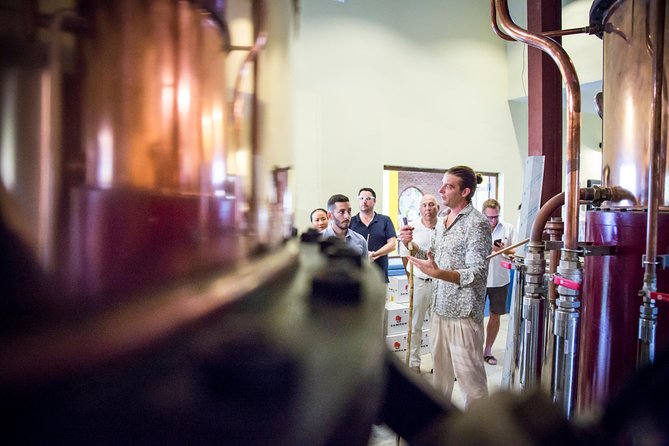
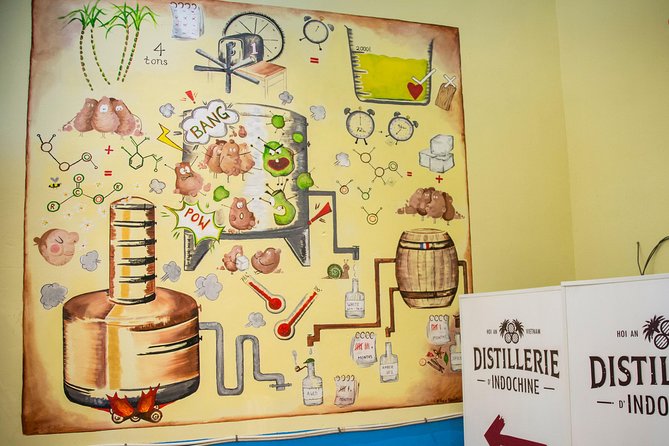
The tour takes you from sugar cane harvest—described as an ancestral know-how in Vietnam—to the production of rum. The key phrase is step-by-step, and that is how you’ll experience it: the guide explains each stage in order, rather than dumping a whole technical history at you.
You’ll likely hear a version of the brand’s story around agricultural rum, meaning the rum is built from agricultural inputs and craft methods, not just “we mix spirits.” The tour’s emphasis is on passionate explanation of each part of the chain, which is why this feels more educational than purely promotional.
Here’s how to use that time well. While they explain, try to mentally connect three things:
1) what ingredient base they start with,
2) what choices happen during production, and
3) what that might produce in the glass later.
When the tasting comes, you’ll be ready to notice whether the rum tastes more crisp, more aromatic, more sweet, or more neutral. Even for non-experts, that connection helps you get more value out of the experience.
The Medal-Winning Angle: San Francisco and Singapore, and Why It Matters
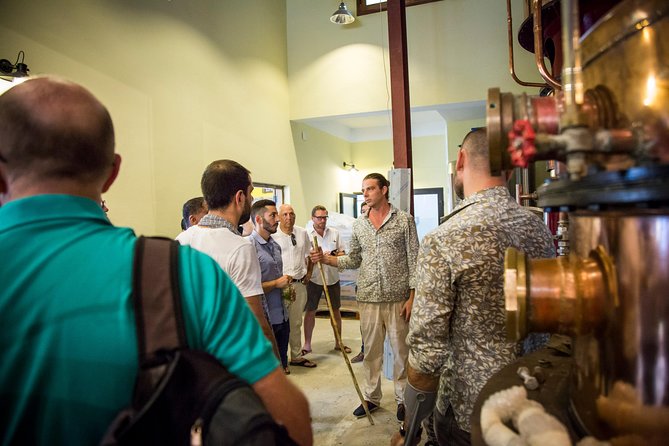
Sampan rums were awarded at the World Spirits Competition in San Francisco and Singapore. The tour also frames them as the only medal rums of Vietnam, according to the brand.
You don’t need to be a competition fan to see why this is useful. Competitions create a benchmark that suggests the product has been judged by outside standards. In a tasting tour, that gives you a reason to slow down and taste with intent, because the guide isn’t just saying the rum is good—they’re linking it to recognition.
That said, keep your expectations grounded. Awards don’t automatically mean every bottle will match your personal tastes. Use the medal story as a cue, not a promise. The real payoff is what you think after tasting the three white rums.
I also like that this medal context shows up during the tour itself, not as a last-minute sales pitch. It helps you understand what the distillery cares about and why they want you to taste their range in a guided way.
The Cocktail Bar Tasting: 3 White Rums You Can Actually Compare
After the production story, the tour ends with tasting in the cocktail bar. You’ll enjoy a tasting of three white rums, part of the range.
White rum is a smart choice for a guided tasting because it’s usually less hidden by heavy coloring or intense aging flavors. That makes it easier to notice differences in aroma and structure. In other words, your brain has an easier job. You’re not only tasting sweetness; you’re tasting the underlying spirit character.
Here’s how to get more out of the tasting:
- Take small sips and pause between them, so you can reset your palate.
- Compare how each one smells, not just how it tastes.
- Think back to the sugar cane-to-production explanation and see if any of it makes sense to your senses.
The tour format is built for exactly that. They don’t just pour you drinks. The experience is organized so the tasting is the final proof of the story you just heard.
And based on one standout review, the team is friendly and very good at guiding the tasting. That’s a big deal in a short tour: if the guide can explain without rushing, you come away feeling like you learned something, not just drank something.



Price and Time: Is $29 Good Value for What You Get?
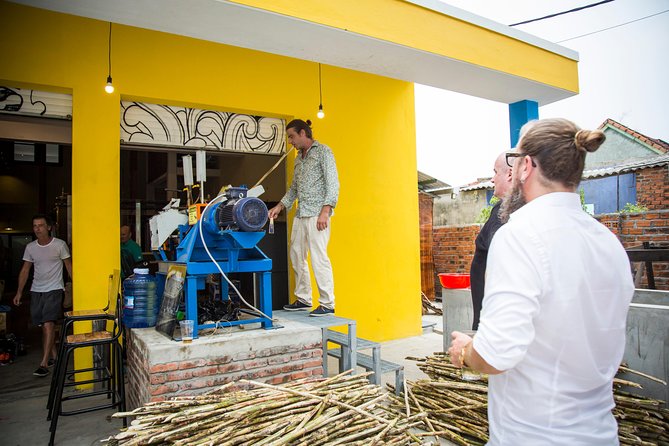
The price is $29, and the tour is listed as about 45 minutes. For that money, you’re getting all fees and taxes, a welcome cocktail, and a tasting of 3 rums.
Value here comes from three things working together:
- You’re paying for a guided process, not just entry to a building.
- The drinks are included, which means you’re not surprised by add-ons mid-visit.
- The tasting is structured—three white rums—so you’re not getting one random sample.
If you’re the type who likes to understand what you’re drinking, this pricing can feel fair. If you’re only after a quick buzz, there are probably cheaper ways to drink rum in Vietnam. But if you want the story of agricultural rum and the chance to compare a range in a focused session, $29 feels like a reasonable trade.
One more thing to keep in mind: a short tour can still feel longer if the team is chatty and you’re enjoying the conversation. One review calls it a great way to kill an hour or two, which hints that the pace may feel relaxed once you’re there.
So plan for the schedule to be tight, but your enjoyment to be a bit flexible.
Group Size and Atmosphere: Small, Social, and Easy to Ask Questions
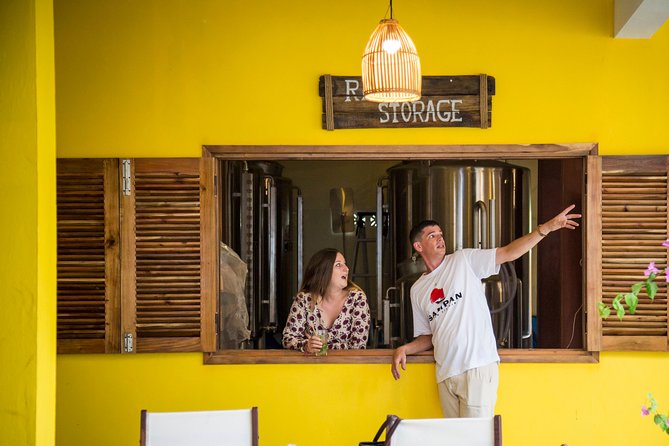
The tour has a maximum of 30 travelers. That’s a comfort zone size for a distillery visit, because you’re unlikely to be stuck as part of a silent crowd.
Also, the experience seems intentionally social. One review specifically highlights a friendly French couple who run the distillery and are talented at what they do. That kind of setup usually means you can ask follow-up questions without the guide vanishing into a big group.
I like tours like this for people who want interaction, especially if you don’t speak much Vietnamese. Even with language limits, people teaching a tasting can communicate through process and flavor notes. It’s one of the few ways to make an alcohol-focused tour still feel human, not robotic.
Getting There From Hoi An: No Pickup Means You Must Plan
This experience does not include customer pickup. The meeting point is listed as Distillerie d’Indochine, Unnamed Road, Bình Dương, Thăng Bình, Quảng Nam, Vietnam. The tour ends back at the meeting point.
So you have two tasks:
1) get to the distillery area on time, and
2) return after the tour.
Because the meeting road is listed as unnamed, it’s a good idea to use a map app with the exact location details you have. If you’re thinking of biking, take that seriously as a consideration. One review specifically jokes about not riding your bike there, which suggests the practical route may not be as simple as you’d hope.
In short: plan on using local transport options that are reliable for a short, timed tour. That keeps you from turning a rum tasting into a transportation stress test.
Refreshing Touches and What’s Actually Included
Besides the welcome cocktail and the tasting, the included items list mentions a refreshing fabric. The name is vague, but it sounds like a small comfort provided during the tour. If you’re sensitive to heat after walking around Hoi An, any extra comfort matters.
What’s included:
- All fees and taxes
- Refreshing fabric
- Welcome cocktail and tasting of 3 rums
What’s not included:
- Customer pickup
That mix is part of why this tour can work well on a day with limited time. You show up, you’re fed the tour and the drinks, and you leave with a clearer understanding of what agricultural rum means in the Sampan process.
Who This Tour Is Best For
This fits best if you want one of these outcomes:
- You like rum and want an explanation tied to real tasting
- You’re curious about agricultural rum rather than generic spirits
- You want a short activity away from the usual Hoi An sights
- You value a small-group vibe where you can ask questions
It’s also a good option for people who find long museum-style tours tiring. This is direct and practical: harvest to production to tasting, done at a pace you can actually finish.
If you’re a full-on nightlife person who wants big entertainment, this might feel too low-key. But if you want something different that’s still structured and enjoyable, it’s a strong pick.
Should You Book the Sampan Distillery Guided Tour?
If you enjoy learning through tasting, I’d say yes. For $29, you get a welcome cocktail, a guided process about agricultural rum, and a tasting of three white rums—and it’s paced to fit in about 45 minutes.
Book it especially if you’re looking for a calm, friendly break from sightseeing, and you want to understand what you’re drinking instead of just sampling blindly. The only reason I’d hesitate is if you can’t get to the meeting point on your own or you’re tight on time. Since there’s no pickup, transportation planning matters.
If you’re good with that, this is a smart, value-forward distillery stop with a clear ending: three white rums, explained and tasted.
FAQ
How much does the Sampan distillery guided tour cost?
The tour costs $29.
How long is the tour?
The duration is approximately 45 minutes.
What is included in the price?
All fees and taxes are included, along with a welcome cocktail and a tasting of 3 rums.
Do I get alcohol during the tour?
Yes. You’ll start with a welcome cocktail and end with a tasting of 3 rums.
Where do I meet for the tour?
The meeting point is Distillerie d’Indochine, Unnamed Road, Bình Dương, Thăng Bình, Quảng Nam, Vietnam.
Is pickup included?
No. Customer pickup is not included.
What are the tour opening hours?
It runs daily with hours listed as 9:00 AM to 12:00 PM and 1:00 PM to 5:00 PM.
How large are the groups?
The tour has a maximum of 30 travelers.
What’s the cancellation policy?
You can cancel for free up to 24 hours in advance for a full refund. If you cancel less than 24 hours before the start time, the amount paid is not refunded.