REVIEW · SA PA
Sapa Silver Waterfall And O Quy Ho Pass Tour By Motorbike
Book on GetYourGuide →Operated by Vietnam Package Tours · Bookable on GetYourGuide
Two passes and one waterfall, all on a motorbike. This Sapa route strings together Silver Waterfall and O Quy Ho Pass for big mountain payoff, plus quieter village moments between. I like how the day mixes calm stops (birds, streams, terraces) with wild road views that keep your camera busy.
The main consideration: this isn’t for everyone. If you’re pregnant, have back problems, or use a wheelchair, you should skip it—motorbike travel plus mountain roads can be uncomfortable. You’ll also want warm layers, because Sapa weather loves to surprise you.
In This Review
- Key Highlights to Know Before You Go
- A Sapa Motorbike Day That Feels Like More Than Just Sightseeing
- Silver Waterfall: The Calm Stop You’ll Remember
- The Ride North: O Long Tea Plantations, Buffalo, and Farmer Life
- O Quy Ho Pass (2,000 m): Clouds One Side, Sun the Other
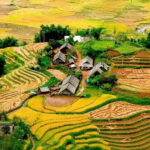
- Rain Forest to Ban Khoang: Red Dao Rice and Cardamom Terraces
- Ta Giang Phin Valley: Quiet Hmong Communities Along Streams
- Guides, Drivers, and How Safety Actually Comes Through
- Price and Value: Is $50 a Good Deal?
- What to Pack for Sapa’s Mountain Weather and Road Stops
- Who Should Book This Motorbike Route—and Who Should Skip It
- Should You Book the Sapa Silver Waterfall and O Quy Ho Pass Motorbike Tour?
- FAQ
- How much does the Sapa Silver Waterfall and O Quy Ho Pass tour cost?
- Where is the tour located?
- Does the tour include hotel pickup and drop-off?
- Is there an English-speaking guide?
- What stops are included in the tour?
- What’s included in the price?
- What should I bring for the day?
- Is smoking allowed during the tour?
- Is the itinerary the same if it rains?
- Is this tour suitable for everyone?
Key Highlights to Know Before You Go
- Silver Waterfall: a real nature pause with peaceful sounds and a paid entrance stop
- O Quy Ho Pass (2,000 m): one of Indochina’s highest mountain passes and major photo views
- Tea hills and buffalo fields: pass O Long tea plantations, grazing buffalo, and hillside farmers
- Ban Khoang Red Dao terraces: rice and cardamom farming on terraced slopes
- Ta Giang Phin Valley: quiet Hmong farm life along tranquil streams
A Sapa Motorbike Day That Feels Like More Than Just Sightseeing
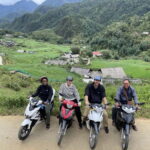
If you like your travel days to have motion, this is the kind of route that makes sense. A private or small-group-style motorbike tour lets you get out of town and into the hills faster than many bus options, and you can plan your stops around views rather than schedules.
I also like the pacing. You’re not stuck driving for hours with nothing to do. The trip builds in natural breaks: a waterfall stop, a high-pass viewpoint, and village/agriculture areas where you can actually slow down and look at how people farm. That combination makes the ride feel purposeful, not just scenic transportation.
That said, you’re on a bike through mountain country. You’ll be warm one minute, chilly the next, and you’ll need footwear that can handle stop-and-go walking at viewpoints and village paths.
You can also read our reviews of more tours and experiences in Sa Pa.
Silver Waterfall: The Calm Stop You’ll Remember
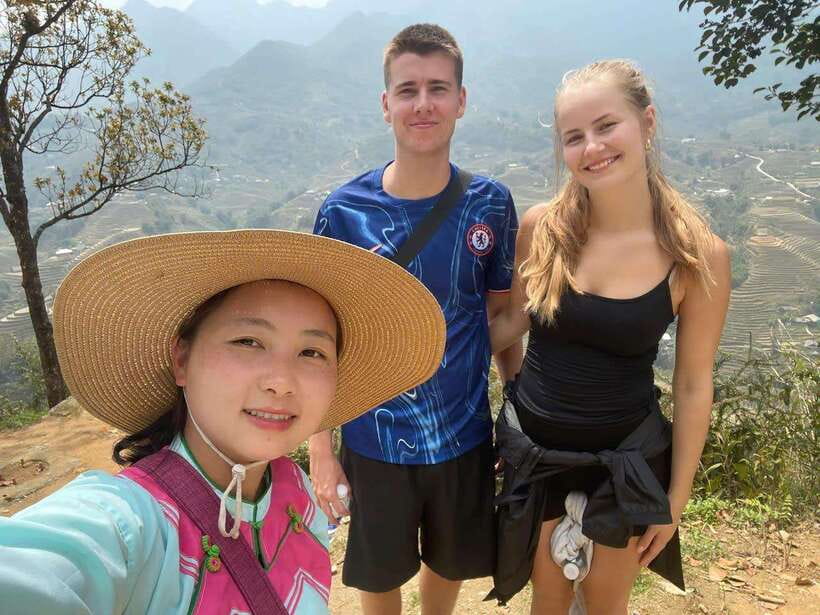
Silver Waterfall is the kind of place where the noise level drops the moment you arrive. The setting is described as lush nature with the sound of birds and streams doing most of the work for your mood. It’s a good reset after riding through open fields and plantation areas.
Practically, plan to spend time here rather than rushing a few photos. The entrance ticket is included, so you’re not doing awkward searching once you get there. Bring your camera, but also take a minute to just stand and listen—waterfalls in this region can feel surprisingly meditative.
Downside? Like any popular nature stop, it can be busy at times, and you’ll want comfortable shoes. Even if the walking is brief, you’re in hillside country, and slick spots can happen when the weather turns.
The Ride North: O Long Tea Plantations, Buffalo, and Farmer Life
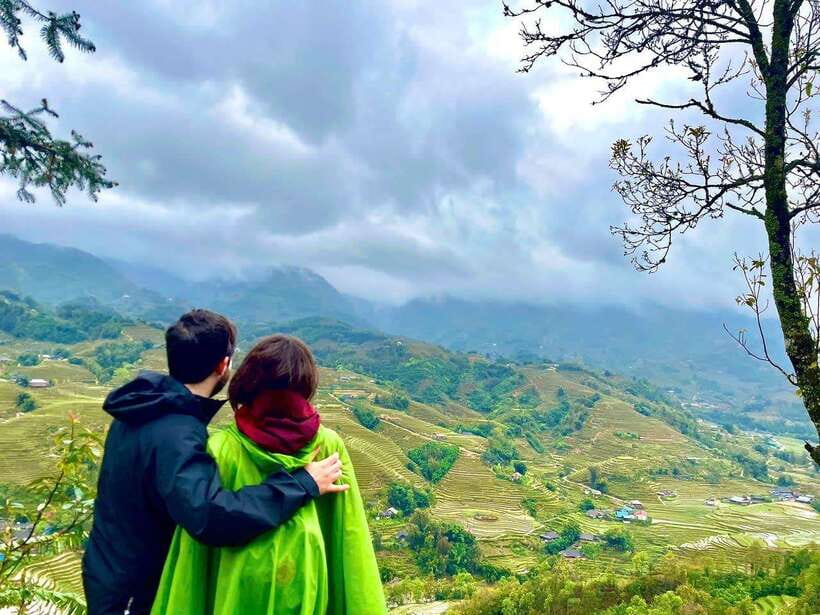
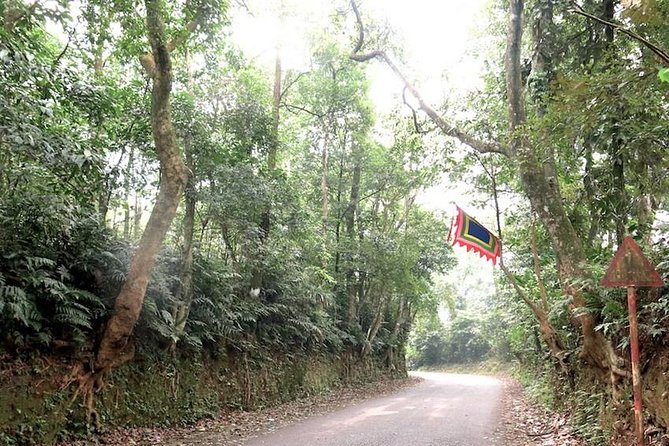
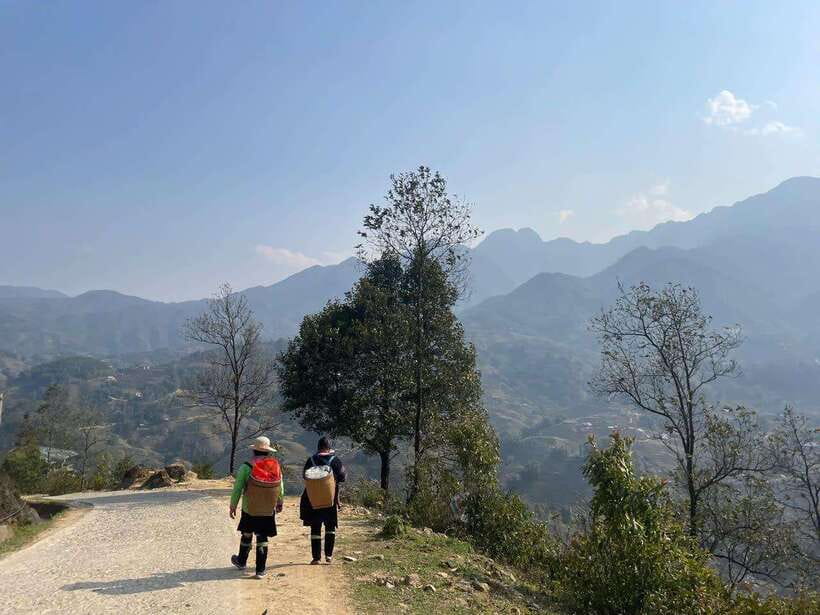
Between Sapa and the bigger headline stops, the route treats you like you’re driving through working countryside, not a theme park. You’ll pass O Long tea plantations, and you’ll also see grazing buffalo and hillside farmers along the way.
For me, the value here is that these aren’t just background images. The road gives you constant little moments—tea slopes changing color with the light, buffalo resting in open areas, and farmers working on steep terrain. It’s the kind of detail you don’t get when you only arrive at viewpoints.
If you’re traveling on a day with decent visibility, you may also catch views of Fansipan Mountain on clear days. That’s a nice bonus because it helps you understand why Sapa looks dramatic from so many angles. Even when Fansipan is hidden by clouds, the ride still reads as highland terrain: bends, elevation changes, and villages that hug the slopes.
Tip: ask your English-speaking guide what you’re looking at when the scenery changes. The route includes local context, and it often helps you photograph better because you know what to frame.
O Quy Ho Pass (2,000 m): Clouds One Side, Sun the Other
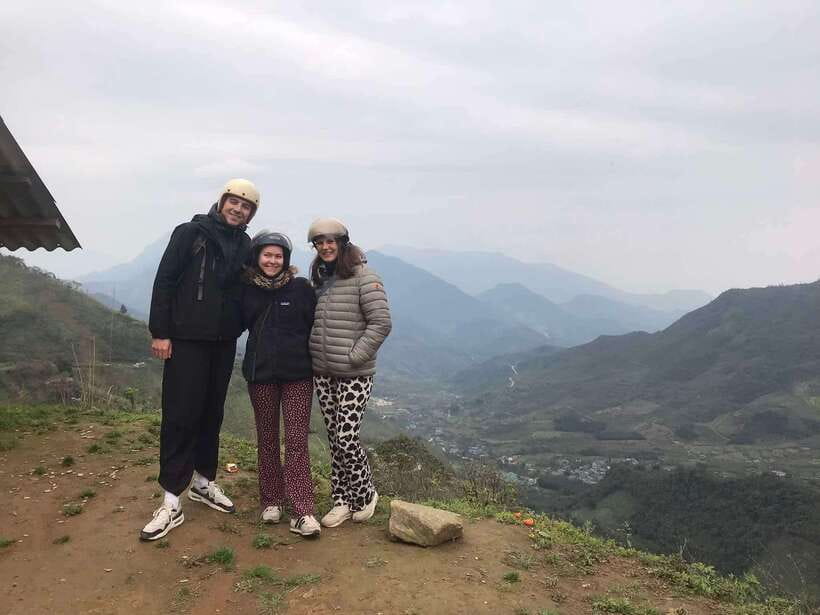
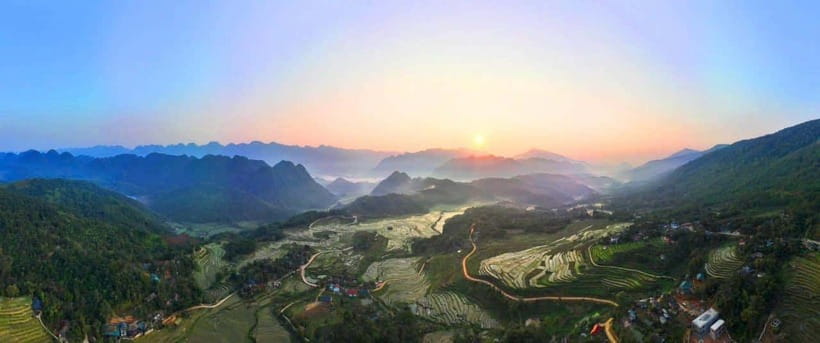
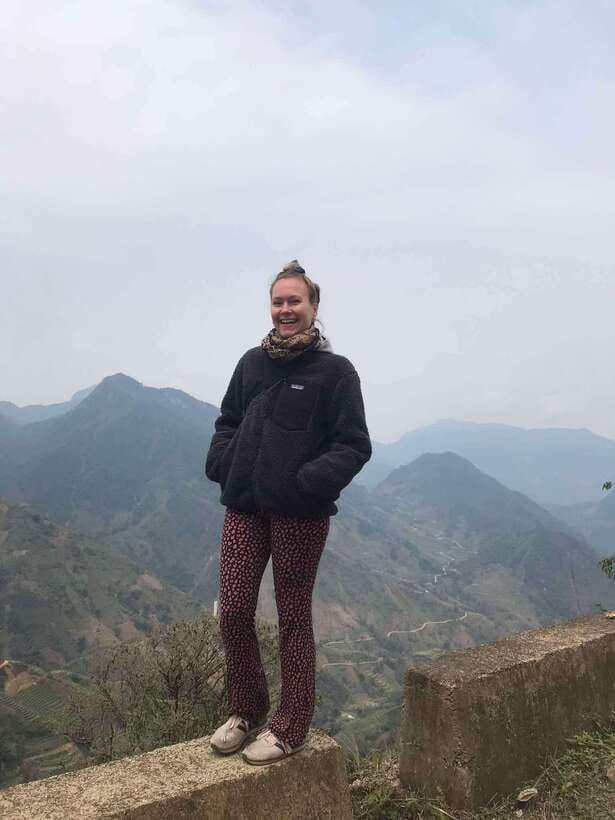
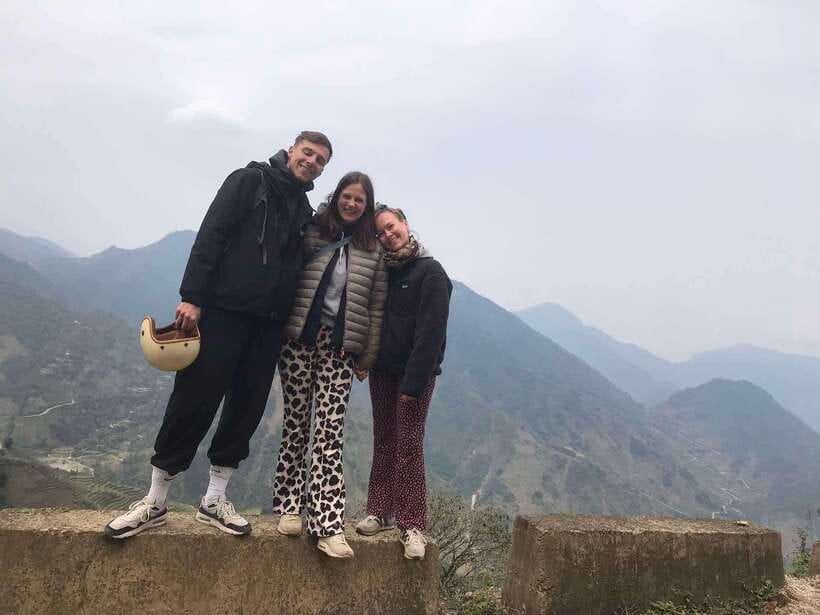
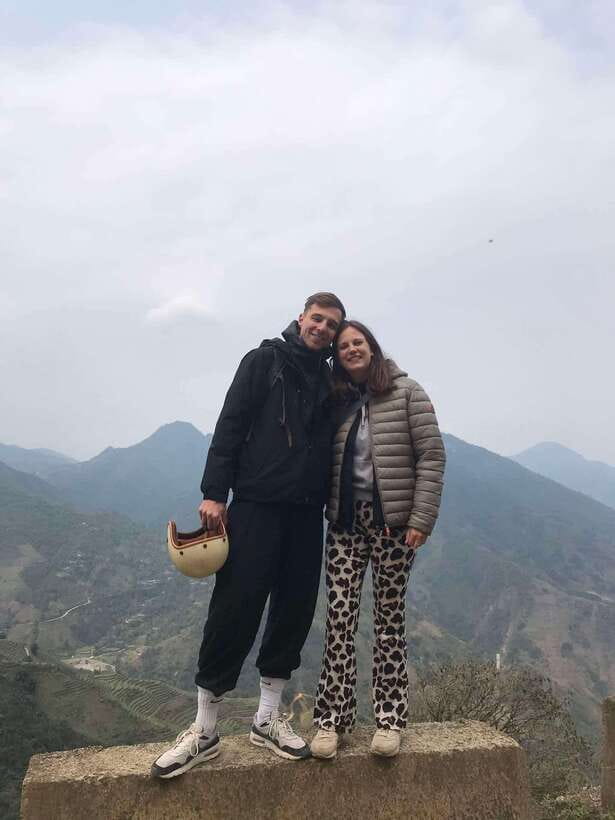
This is the moment that turns a countryside ride into a mountain story. O Quy Ho Pass sits around 2,000 meters above sea level, and it’s recognized as one of Indochina’s highest mountain passes. The big payoff is the panoramic viewpoint.
What makes it special is the light and cloud contrast. The pass-area description includes a cool visual effect: clouds covering one side while the other gets sunlight. That means even if the weather isn’t perfect, you can still get strong photo conditions. Fog can also soften the view and turn the mountains into layers, which can look great in photos if you’re patient.
Bring your camera and be ready to stop and reposition. Viewpoints on passes usually reward quick adjustments: step a little left, angle slightly up, and take one more shot when the light changes.
One practical drawback: at elevation, temperatures can drop fast. Warm clothing matters here more than you’d think.
Rain Forest to Ban Khoang: Red Dao Rice and Cardamom Terraces
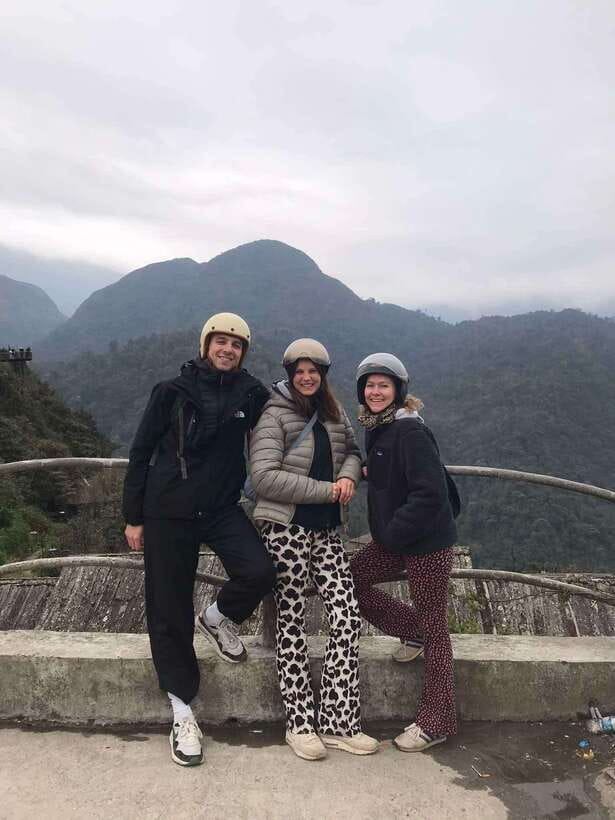
After the pass viewpoint, the route shifts into a wetter, greener feel as you head through a rain forest area toward Ban Khoang. This change in scenery matters because it prevents the day from feeling repetitive. One part of the ride is all open pass views; the next feels more enclosed and shaded.
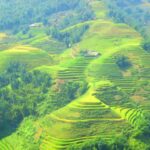
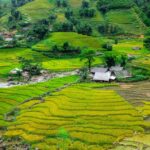
Ban Khoang is home to the Red Dao people. The highlight here is farming on terraces—specifically rice and cardamom. Terraced slopes are work-intensive, and seeing that agriculture up close gives you a different appreciation for how people live in mountainous terrain.
What you’ll likely enjoy is the human scale of the farming. Instead of only looking at buildings or monuments, you’re seeing daily production: plants grown in the geography they have. If you’re the kind of traveler who likes to understand how a destination supports itself, this stop gives you something real to think about during the ride back.
Consideration: because farming areas are often uneven, expect some walking on uneven ground. Comfortable shoes aren’t optional for this part.
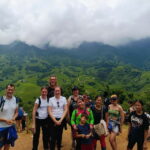
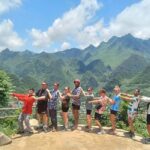
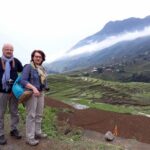
Ta Giang Phin Valley: Quiet Hmong Communities Along Streams
The day doesn’t end with a loud viewpoint. It continues into Ta Giang Phin Valley, described as peaceful, with Hmong communities living along quiet streams and farming areas.
This section is valuable for a simple reason: it slows your brain down. The earlier stops give you big views and intense terrain. The valley stop gives you time to observe everyday rhythm—water nearby, farms and small community life, and a calmer pace that feels like you’re watching life happen rather than being escorted to a “show.”
If the weather turns, this is also the part of the day where your guide may adjust timing and stops to keep you safe on mountain roads. The plan notes that the itinerary can change if it’s raining, which is sensible in a place like Sapa.
If you want photos, aim for softer lighting. Early in the day and near the edges of sunlight tend to flatter terraces and streams, especially if humidity makes the air look hazy.
Guides, Drivers, and How Safety Actually Comes Through
A lot of Vietnam motorbike tours live or die by the person holding the handlebars. The good news here: the tour experience emphasizes English-speaking guiding and a strong focus on safe riding.
In the guides you might meet, there’s a clear pattern: they’re not just driving you from point A to B. People like Pang, Mai, Sàng, Zizi, Julie, Zi, Lan, and Dzi show up in the guide stories for being friendly, answering questions, and taking care with driving. Some guides also stand out for photo help—like taking pictures or helping you get the right angles at stops.
What that means for you: you’ll get more than directions. You’ll get context about the culture and what you’re seeing on the roadside: tea growing, terrace farming, and the community patterns in Red Dao and Hmong areas. When your guide can explain things in plain English, you spend less time guessing and more time enjoying.
Safety note in human terms: mountain roads plus rain can change quickly. Your best move is to dress for the weather, keep your hands and attention steady while riding, and trust the timing your driver sets for viewpoint stops.
Price and Value: Is $50 a Good Deal?
At $50 per person, this tour is positioned as a full day of transportation plus guiding plus a paid entrance at the waterfall. You’re getting hotel pickup and drop-off, an English speaking tour guide, transportation, and the Silver Waterfall ticket.
Here’s why that price can feel fair: many tours add fees for entrance tickets later or treat guiding as optional. In this case, the waterfall entrance is included, and the core value is the route itself—Sapa to Silver Waterfall, up to O Quy Ho Pass, then down into Ban Khoang and Ta Giang Phin Valley.
What’s not included matters too. The only extra called out is a holiday surcharge. And as always, you’ll pay for your own snacks, drinks, and anything not listed.
I’d call this good value if you want an active, scenic day that mixes nature and culture, and you’re comfortable with motorbike travel. If you only want one viewpoint and you hate motion, you might prefer a simpler itinerary.
What to Pack for Sapa’s Mountain Weather and Road Stops
Sapa can feel like multiple seasons in a single day. The tour’s packing list is short, but it hits the essentials.
Bring:
- Comfortable shoes (for stops and uneven ground)
- Warm clothing (you’ll likely need layers)
- Hat and sunscreen (sun can still be strong at altitude)
- Camera (photo stops are part of the day)
- Water
Also, plan for rain possibility. The route notes that the plan may change if it’s raining to keep you safe. You don’t need a full rain gear kit for this write-up, but you do need to be ready for cool mist and damp conditions.
Not allowed: smoking. Easy rule, but it’s good to know going in.
Who Should Book This Motorbike Route—and Who Should Skip It
This tour fits best if you:
- Want a day with strong scenery and multiple stops
- Like photo opportunities from high viewpoints like O Quy Ho Pass
- Enjoy learning the “how” behind local life—tea, rice terraces, and village farming
- Are comfortable with motorbike transport and short walks at stops
Skip it if you’re:
- Pregnant
- Have back problems
- Using a wheelchair
And if you’re sensitive to cold, remember that warm clothing is strongly recommended. People often underestimate how chilly it can get when the ride climbs and the sky shifts.
If you’re traveling as a pair or solo, this style is especially good because you can coordinate pickup and get a more personalized feel than most rigid group tours.
Should You Book the Sapa Silver Waterfall and O Quy Ho Pass Motorbike Tour?
My take: this is a strong choice when you want a full Sapa-to-highlands day that blends nature and culture without wasting time. The highlights are clear—Silver Waterfall, O Quy Ho Pass, Red Dao farming in Ban Khoang, and the quiet Hmong valley of Ta Giang Phin.** Add in hotel pickup/drop-off and an English-speaking guide, and the $50 price starts to look like a practical way to get real mileage out of your day.
Book it if you can handle mountain riding and you dress for temperature swings. Don’t book it if motorbike travel would be uncomfortable for your body. If that’s your situation, you’ll likely enjoy the region more with an option built for easier walking and less time in traffic.
FAQ
How much does the Sapa Silver Waterfall and O Quy Ho Pass tour cost?
It costs $50 per person.
Where is the tour located?
It’s in Northern Vietnam, starting in Sapa and visiting nearby countryside, including Silver Waterfall and the O Quy Ho Pass area.
Does the tour include hotel pickup and drop-off?
Yes. The tour includes hotel pickup and drop-off.
Is there an English-speaking guide?
Yes. The tour includes an English speaking tour guide.
What stops are included in the tour?
The route includes Silver Waterfall, O Quy Ho Pass, Ban Khoang (Red Dao area), and Ta Giang Phin Valley (Hmong communities).
What’s included in the price?
Included are hotel pickup and drop-off, transportation, an English speaking tour guide, and the Silver Waterfall ticket entrance.
What should I bring for the day?
Bring comfortable shoes, warm clothing, a hat, a camera, sunscreen, and water.
Is smoking allowed during the tour?
No. Smoking is not allowed.
Is the itinerary the same if it rains?
The itinerary could be changed if it’s raining to keep you safe, since Sapa is a mountainous area.
Is this tour suitable for everyone?
It is not suitable for pregnant women, people with back problems, or wheelchair users.
If you tell me your travel dates and comfort level with motorbike rides, I can also help you decide whether this fits your pace in Sapa.