REVIEW · HOI AN
Hoi An Local Market and Vegetable Village Cooking Class
Book on Viator →Operated by Hoi An Cooking Class · Bookable on Viator
Your morning starts with ingredients, not instructions. This Hoi An class pairs a market stop with a vegetable village visit, then ends with hands-on cooking at the restaurant. It’s a great way to understand what Vietnamese flavor is built from—herbs, aromatics, and technique—before you ever plate a dish.
I love how the day teaches you the stuff behind the food: how to talk with sellers for produce, and how farms grow the vegetables and herbs you’ll actually cook. I also like the hands-on format with a chef named in the tour, Chef Hai, who shows the traditional methods for making multiple Vietnamese dishes.
One thing to consider: the schedule is weather-dependent, and the outdoors parts (market area, vegetable village, and the Cam Thanh portion) work best on clear days.
In This Review
- Key Highlights You’ll Notice
- Market Stop in Hoi An: How to Choose Herbs Without Guessing
- Tra Que Vegetable Village: Organic Farming That Explains the Flavor
- Cam Thanh: Boat Ride Timing and Why It Works Before Cooking
- The Cooking Class with Chef Hai: Four Dishes, Real Technique
- What You’ll Eat: More Than a Demo Plate
- Price and Logistics: Why $29 Can Work If You Like Food Days
- Small Group Size (Up to 12) and a Chef-Led Day
- Who Should Book This Hoi An Cooking Day?
- Should You Book It? My Decision Checklist
- FAQ
- FAQ
- How long is the Hoi An Local Market and Vegetable Village cooking class?
- What does the price include?
- Is pickup available?
- How many people are in the group?
- Do I get a mobile ticket?
- When will I receive confirmation after booking?
- Is the tour affected by weather?
- What is the cancellation policy?
- Is this tour suitable for most people?
Key Highlights You’ll Notice
- Market shopping with real ingredient focus so you know what each herb and vegetable does
- Tra Que Vegetable Village and its organic farming environment
- Cam Thanh boat time mixed into the route before you head back to cook
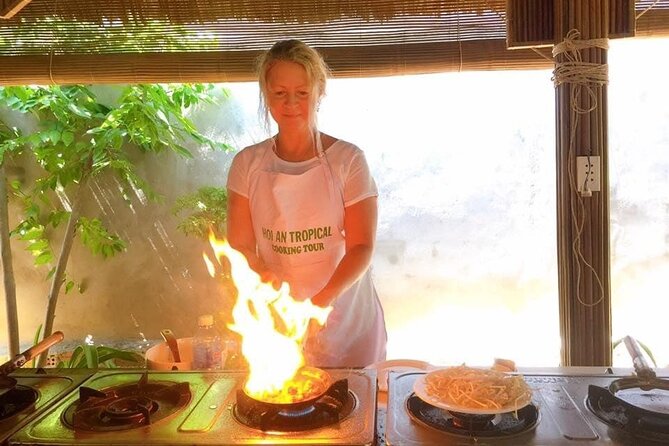
- Hands-on cooking for four dishes with traditional methods explained
- Small group size (up to 12) for a more personal class experience
Market Stop in Hoi An: How to Choose Herbs Without Guessing
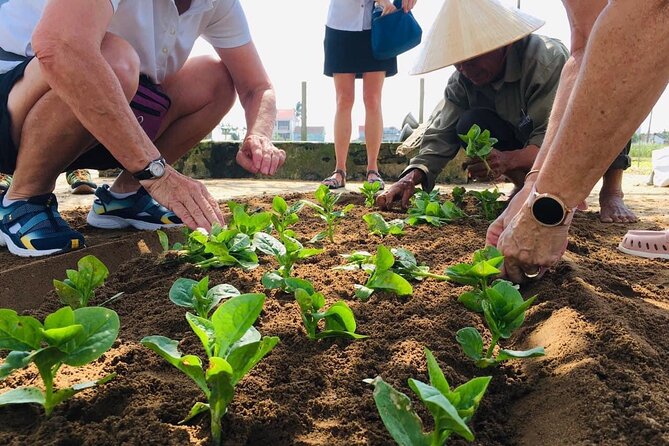
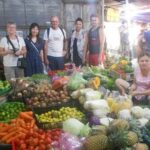
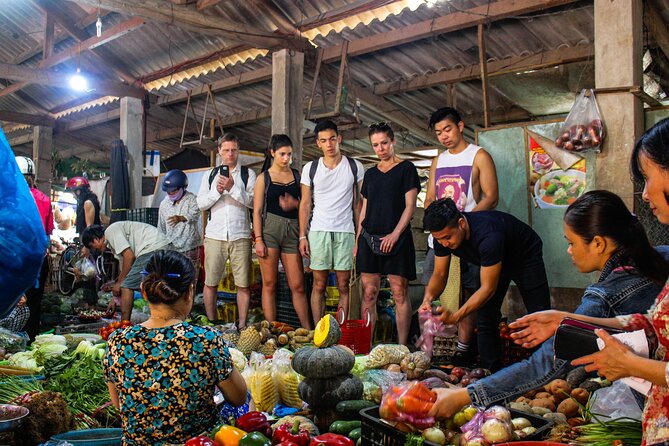
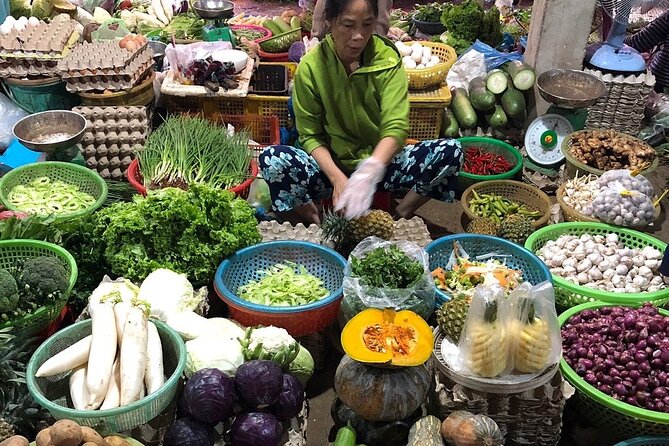
The first stop is Hoi An’s local market, where the goal isn’t just seeing stalls. You’re there to learn ingredients for the meals, and you’ll get guidance on how to deal with sellers and what to look for.
Markets can be chaotic if you walk in cold. The value here is that you’re not trying to translate everything while hungry and rushed. You get a structure: ingredients tied to the dishes you’ll make later, plus quick know-how on Vietnamese produce—especially herbs and vegetables that Western kitchens don’t always name correctly.
What I’d watch for: the quality of herbs. In Vietnamese cooking, the difference between one herb and another can change smell and bitterness. If you’re a picky eater, this is also a chance to ask questions before the cooking starts.
You can also read our reviews of more shopping tours in Hoi An
Tra Que Vegetable Village: Organic Farming That Explains the Flavor
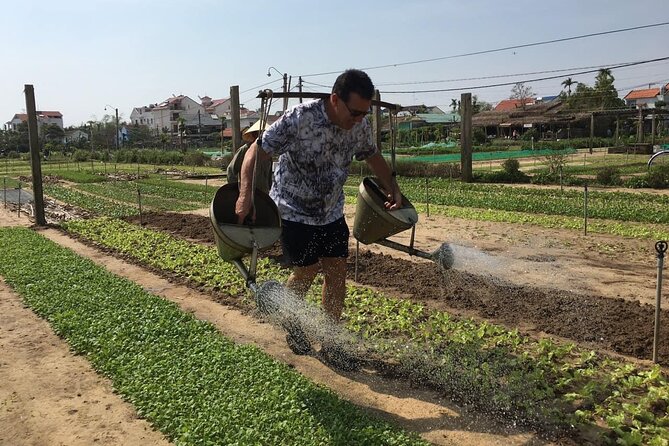
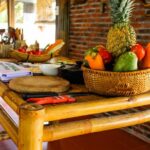
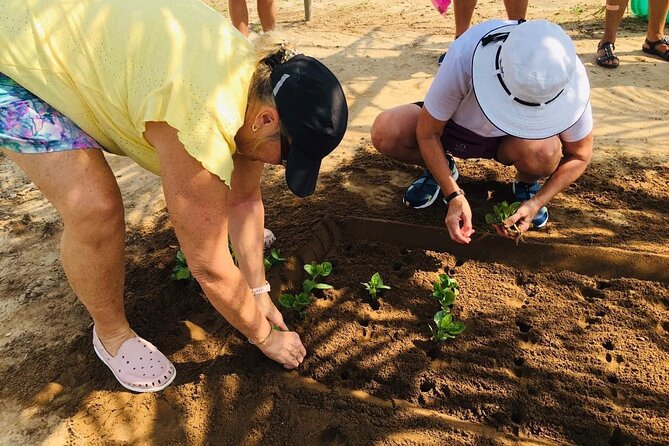
Next you head to the Tra Que Vegetable Village area, a working organic farming zone. This part is calmer and greener by design: you’re there to enjoy the farming setting and meet the community around the fields.
The practical takeaway is how food actually gets grown. In Vietnamese cooking, herbs aren’t just garnish. They support balance—freshness, sharpness, and a clean finish that works especially well in dishes built around sauce and aromatics.
Several comments highlight how the vegetables looked very green and how the produce had standout taste. Even if you’re not a “farm person,” you’ll likely understand why certain dishes taste lighter and fresher once you see how the village focuses on growing and community farming.
Possible downside: this is still an outdoor visit. If you’re sensitive to sun or heat, bring something simple like water and a hat, and plan to take short breaks.
Cam Thanh: Boat Ride Timing and Why It Works Before Cooking
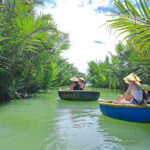
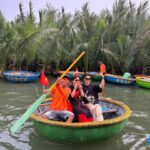
Cam Thanh is the next named stop, and it connects the countryside theme with a very “Hoi An” activity. After the outdoor farm time, you move toward the Cam Thanh area for a boat portion, including a look at different fishing techniques.
Then you go back to the restaurant for a welcome drink and the cooking class. I like this order. The boat time breaks up the day, and returning to a kitchen afterward gives your body a reset—shade, seating, and a clear plan for what you’re about to cook.
If you’re wondering whether this part is too much sightseeing, the answer is mostly no. It’s short enough to keep the cooking as the main event, and it helps you see Hoi An as more than just old town streets.
Watch-outs: the day includes multiple legs. Wear comfortable shoes and keep your phone ready for photos, but also accept that you’ll be moving through different areas with different ground surfaces.
The Cooking Class with Chef Hai: Four Dishes, Real Technique
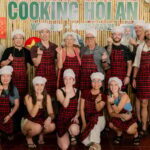
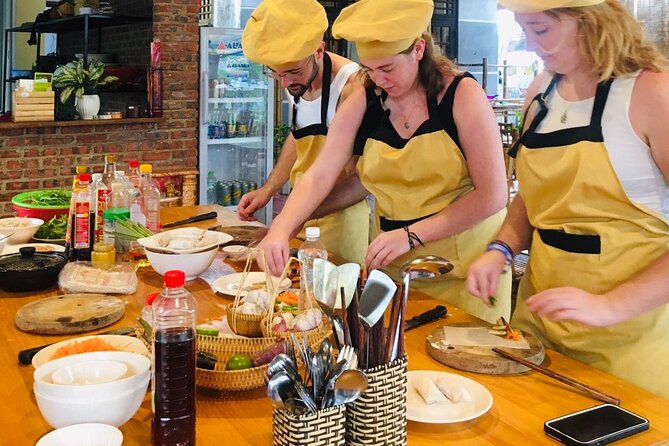
This is the centerpiece. At the restaurant, the chef teaches you how to cook four Vietnamese dishes, focusing on differences in ingredients and traditional methods. That’s the key phrasing, because technique is where most cooking classes fall short.
What you want to learn is how to make flavor decisions: what goes in first, what gets softened, what stays fresh, and how sauce components balance. A good chef won’t just recite steps. You should feel guided through why the dish works.
Many comments call out how clearly everything was explained and how fun it is to make all the dishes yourself. The best part of hands-on cooking is that you don’t just taste the final product—you build a memory of the process. That’s what makes it easier to recreate later.
Also, pay attention to herbs. If the chef shows you how to handle and add them, you’ll likely realize why Vietnamese food can taste both fragrant and sharp without becoming overpowering.
What You’ll Eat: More Than a Demo Plate
You’ll end up eating the dishes you cook, and that’s part of the reason this tour stays good value. Cooking classes can feel like long entertainment until you realize the meal is small or disappointing. Here, the class is designed around producing a full, satisfying result.
The market and farm stops feed the cooking session. You’re not just eating whatever the menu decided that day—you’re cooking with ingredients sourced from the areas you just visited. Comments often point to the food being delicious and to the satisfaction of making the best dishes yourself.
If you’re vegetarian or picky: the tour info focuses on traditional Vietnamese dishes, but it doesn’t spell out specific dietary options. If you have strong restrictions, ask ahead what can be adjusted based on your needs.
A few more Hoi An tours and experiences worth a look

Price and Logistics: Why $29 Can Work If You Like Food Days
At $29 per person, this tour is priced like an efficient food-focused half-day. The value comes from combining three things that are usually separate costs: a market visit, an agricultural stop with entrance coverage, and a chef-led hands-on cooking session.
The timing also matters. About 4 hours 30 minutes is long enough to feel like a full experience, but short enough to keep the rest of your day in Hoi An flexible.
A few logistics points help it run smoothly:
- Pickup is offered, which matters in Hoi An where distances can add up
- There’s a mobile ticket option
- The group size is capped at 12, which generally makes it easier to get questions answered
- Confirmation is received at booking time, so you’re not left guessing
The one practical consideration: you want good weather. The tour notes that it requires good conditions and offers a different date or a full refund if it’s canceled for poor weather.
Small Group Size (Up to 12) and a Chef-Led Day
A maximum of 12 people changes the feel. In small-group cooking, the chef can check technique, correct hand motions, and explain ingredient differences without rushing you through everything.
This also means you’ll likely have more chances to interact during the market and vegetable village portion. That matters for questions like: Which herb is used for freshness? Which vegetables are best for texture? What does the flavor shift when you swap ingredients?
Guide and chef roles matter too. The tour description names chef Hai as the instructor. Some groups also report chef Ly Hi in the kitchen, which suggests different leadership depending on the day—either way, you’re getting an actual cooking teacher, not just a translator.
Who Should Book This Hoi An Cooking Day?
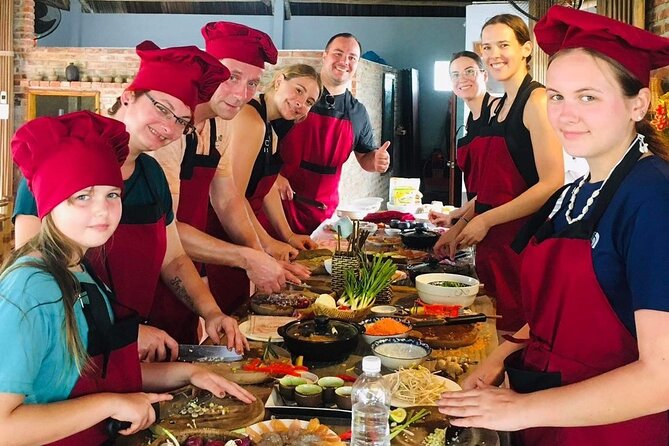
This tour fits best if you want:
- a practical cooking class, not a sit-and-watch show
- a farm-to-table feel through the market and vegetable village stops
- a half-day plan that still feels like countryside and food culture
It’s also a good pick for couples and small groups because the class remains social, but not chaotic. If you love markets, you’ll enjoy the ingredient hunt. If you love learning how flavors are built, you’ll appreciate the chef’s focus on traditional methods and ingredient differences.
If you prefer a slow, quiet pace or you hate outdoor time in sun and humidity, you might feel crowded by the day’s movement. In that case, choose based on weather.
Should You Book It? My Decision Checklist
Book this tour if you want a confident start to Vietnamese cooking. You’ll leave with four dishes under your belt, plus a clear sense of which herbs and vegetables matter and why.
I’d skip it (or ask extra questions before booking) if:
- you have strict dietary needs and want guaranteed substitutions
- you’re traveling during a period of uncertain weather
- you dislike market environments and prefer museums or beaches instead
If you like hands-on food experiences, this one is a strong deal. The market-to-farm-to-kitchen flow makes the meal feel earned, not random.
FAQ
FAQ
How long is the Hoi An Local Market and Vegetable Village cooking class?
It runs for about 4 hours 30 minutes.
What does the price include?
You get the tour experience with entrance tickets included for the Hoi An market and Tra Que vegetable village parts. The cooking class itself is part of the restaurant segment.
Is pickup available?
Yes, pickup is offered.
How many people are in the group?
The tour has a maximum of 12 people.
Do I get a mobile ticket?
Yes, the tour uses a mobile ticket.
When will I receive confirmation after booking?
Confirmation is received at the time of booking.
Is the tour affected by weather?
Yes. The experience requires good weather. If it’s canceled due to poor weather, you’ll be offered a different date or a full refund.
What is the cancellation policy?
Cancellation is free. You can cancel up to 24 hours in advance for a full refund.
Is this tour suitable for most people?
The tour notes that most people can participate.