REVIEW · NORTHERN VIETNAM
Full day motorbike Mu Cang Chai
Book on Viator →Operated by Indigenous Adventure · Bookable on Viator
Rice terraces look better from a motorbike. On this full-day ride through Mu Cang Chai, I like how fast the scenery changes, so you get multiple terrace angles instead of just one viewpoint. The day also feels culturally grounded, with stops built around the lives of local H’mong people and time for a proper lunch.
Two things I really enjoy are: first, the pace and access. You’re not just looking from the side of the road, you’re moving with an experienced driver and stopping where the views are strongest. Second, the lunch is part of the experience, not an afterthought, and it’s served with bottled water included.
The one consideration is obvious once you know the format: you spend most of the day on a motorbike. If you’re sensitive to motion or long rides, plan your expectations and take it at a comfortable pace with your driver.
In This Review
- Key highlights worth planning around
- Why Mu Cang Chai works so well on a motorbike
- The morning circuit: Hau De waterfall to La Pan Tan rice hills
- How the terrace stops actually help you understand H’mong life
- Lunch around noon: local food that keeps the day moving
- The afternoon shift: Dinosaur backbone, bamboo forest, and a calmer rhythm
- Horse-shoe terraces and Mu Cang Chai market to close the day
- Price and value: what $80 covers (and why it feels fair)
- What to expect for comfort and safety
- Who should book this full-day Mu Cang Chai motorbike ride
- Should you book it? My straight answer
- FAQ
- How long is the full-day motorbike tour in Mu Cang Chai?
- What time does the tour start?
- What are the main stops during the day?
- What meals and drinks are included?
- Do you get a motorbike and driver?
- Is entrance included?
- What’s included besides the ride and lunch?
- When should you avoid booking due to weather?
Key highlights worth planning around
- Rice terrace viewpoints from multiple angles for better photos and understanding
- Morning waterfall + terrace combo that sets the tone before crowds build
- An English-speaking host who drives so you get context while riding
- A full cultural route featuring bamboo forest, a mountain stop, and a local market
- Lunch included with bottled water so you’re not hunting food mid-ride
Why Mu Cang Chai works so well on a motorbike
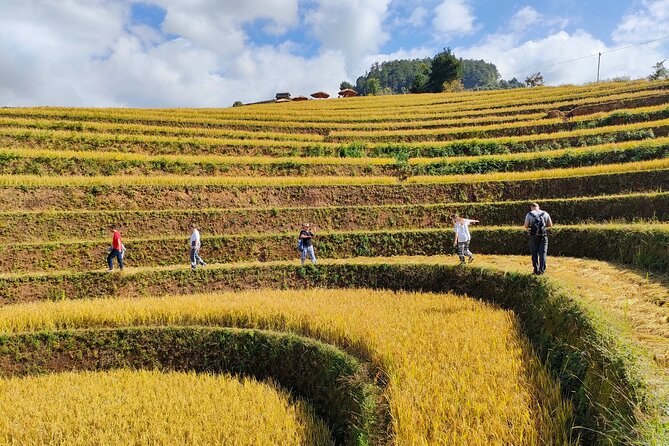
Mu Cang Chai is the kind of place where the view keeps changing every few minutes. If you try to do it slowly by car, you end up covering less ground or waiting around. On a motorbike, you move through the valley with fewer bottlenecks, and the route naturally gives you those big sweeping terrace views again and again—plus quieter angles that feel less staged.
The tour format also helps with one practical problem: terraces look different depending on where you’re standing and how the light hits the hills. By stopping at several named points, you’re not just ticking boxes. You’re learning how the terrain shapes the rice fields, and why locals choose certain slopes for planting. That’s where the culture part becomes real instead of just a lecture.
A few more Northern Vietnam tours and experiences worth a look
The morning circuit: Hau De waterfall to La Pan Tan rice hills
The day starts with a pickup window around 8:00 to 8:30 am. Then you’re on the motorbike with your local driver, leaving early when the air feels cooler and the light is better for viewing. This matters because Mu Cang Chai’s big scenery is mostly outdoors, so the quality of the morning is a real part of the value.
Your first major stretch includes Hau De waterfall. Even if you’ve seen waterfalls before, the timing and setting make it feel like a reset button after the road. Expect a short pause to take photos and soak in the sound and mist, even if the waterfall itself isn’t the main attraction of the region.
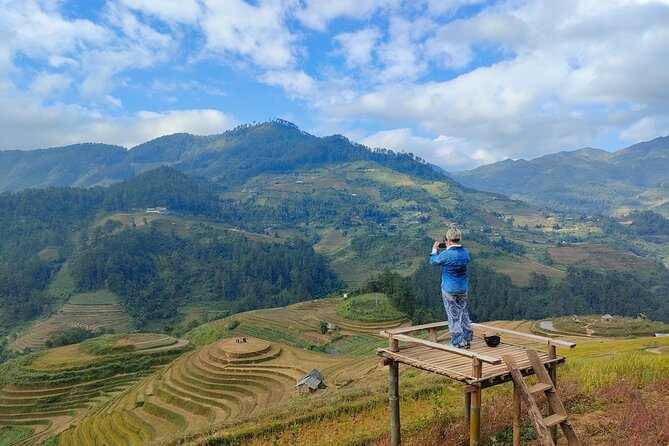
After that, you shift into rice-terrace country with the smaller raspberry hill rice field, often called wind of hill. It’s a good first terrace stop because you can read the pattern of the fields without the intimidation of the biggest overlook yet. Next comes La Pan Tan viewpoint, one of the best places to understand how the terraces step across the hills.
Then you top off the morning with the big raspberry hill rice field, known as Doi Mam Xoi La Pan Tan. This is the stop where the terraces usually feel most dramatic, because your perspective is wider and the ridgelines are easier to trace. The downside? It’s the kind of view people plan around, so you’ll want to be ready for some crowds depending on the day and season.
How the terrace stops actually help you understand H’mong life
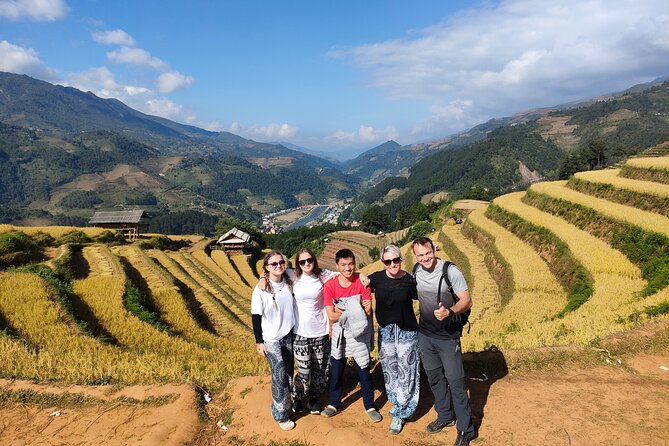
What makes this day more than just a photo tour is that the ride connects the scenery to what people do there. You learn about the history and culture of local H’mong communities as you travel between viewpoints, plus you get a better sense of why rice farming shapes daily life.
One detail I’d pay attention to: some versions of the experience include time to walk in the rice fields, where you can see the work at ground level. That kind of stop helps you notice things you miss from a viewpoint—paths, small planting zones, and the way people move through the terraces. If your guide offers a short walk, take it. It’s usually where the day feels most personal.
Also, the tour stops at both terraces and a bamboo forest later on, which gives you a wider picture of the local environment. Rice fields are the headline, but the surrounding forest and mountains explain where everyday resources come from and why the landscape supports farming.
Lunch around noon: local food that keeps the day moving
Around 12:00 pm, you stop for lunch with your driver, and it’s included. This is one of the best parts of the pricing, because food in rural areas can be hit-or-miss if you’re searching for it while the day keeps rolling.
In practice, the lunch functions as a reset for two reasons. First, you get real fuel after the morning’s outdoor stops. Second, you can slow down just enough to talk with your guide. If your host is someone like Yien—often mentioned as a young, energetic guide with strong English—this is also when the conversation tends to get more personal and less like a checklist.
The tour includes bottled water, which matters when you’re out for roughly eight hours. When water is already included, you don’t have to spend energy tracking it down mid-ride.
The afternoon shift: Dinosaur backbone, bamboo forest, and a calmer rhythm
After lunch, you continue around 1:00 pm to a set of stops that feel more varied than a pure terrace loop. The first named highlight is Dinosaur backbone mountain. The name gives you the quick mental image, but the real value here is perspective. You’re seeing another kind of form that shapes how ridges and slopes hold the terraces.
Then you head to the Mu Cang Chai bamboo forest. This is the moment where the day slows down visually. Terraces are all about open views, while bamboo stands can feel shaded and quieter. It’s a helpful contrast because it prevents the whole afternoon from feeling like the same kind of scenery.
If you like photo variety, bamboo forest stops are underrated. You get textures and different lighting, and your camera finally has something other than rice steps. It also gives your body a break from constant looking up at hills.
The only caution is timing. Bamboo forests and mountain areas can feel cooler and damp compared with open fields. If you start the morning in light layers, keep something simple for the afternoon.

Horse-shoe terraces and Mu Cang Chai market to close the day
Later in the afternoon, you visit the horse shoe rice field, called Mong Ngua Mu Cang Chai. This is another terrace stop, but the shape makes it feel distinct from the morning hills. Instead of one sweeping panorama, you’re working with a different pattern, and that helps you build a mental map of where the main terrace sections sit.
Then you finish with Mu Cang Chai market. This is the stop that turns the scenery lesson into a people lesson. Even if you’re not shopping heavily, markets are where you see daily life in motion—how goods are traded, how locals meet, and what stands out in an area where agriculture is the backbone.
Expect the day to wrap around 4:00 pm, returning you to the starting point. In my view, this timing is part of why the tour works: you get the morning’s best light for views, then end on a more human-paced stop before late-day fatigue hits.
Price and value: what $80 covers (and why it feels fair)
At $80 per person for about 8 hours, the pricing makes sense when you break it down. You’re paying for three big categories at once:
- Transport on a motorbike with an experienced local driver (the day would be hard to replicate by yourself)
- An English-speaking guide who connects stops to local culture and history
- Included lunch and bottled water, plus entrance fees
Entrance fees being included matters more than you might think. When you’re hopping between viewpoints and rural attractions, those little extras can add up quickly. Here, they’re folded into the total.
It also helps that the experience is described as suitable for most travelers. That doesn’t mean it’s painless for everyone, but it signals that the provider expects a wide range of comfort levels. If you’ve been nervous about motorbikes in general, this kind of guided setup is the safer way to test it.
What to expect for comfort and safety
You’ll be riding for most of the day, which means comfort planning matters. Try to dress for movement and for changing conditions: cool mornings, brighter midday sun, and sometimes cooler forest air later.
The tour is designed around safety and control, with an experienced driver handling the road. You’re not out front navigating turns. Your job is mainly to hold on, stay relaxed, and enjoy the view.
If you’re a first-time rider, this is still one of the more structured ways to go. The day is set up as a guided route with scheduled stops and a return time, so you don’t have to improvise.
Who should book this full-day Mu Cang Chai motorbike ride
This tour is a great fit if you want:
- More than one terrace view in a single day
- A route that mixes big scenery with calmer breaks like the bamboo forest
- A guide who can explain what you’re seeing, not just drive you between photo points
- A day that doesn’t require you to plan logistics across multiple locations
It may not be ideal if:
- You strongly prefer staying put and minimizing time on a motorbike
- You want long, slow hikes. The route is built for sightseeing stops, not multi-hour trekking
Should you book it? My straight answer
If your top priority is maximizing Mu Cang Chai in one day without stress, I think you should book it. The route hits the region’s main visual themes—waterfall, terrace viewpoints, bamboo forest, then market—and it does it with enough structure that the day feels smooth.
I’d especially consider it if you care about understanding the place. Stops like La Pan Tan, Doi Mam Xoi La Pan Tan, and Mong Ngua Mu Cang Chai aren’t just scenic names; they help you see how the hills and farming system create Mu Cang Chai’s signature look.
If you do go, my advice is simple: choose comfortable clothes, plan for a full day on the motorbike, and trust your guide’s pace. With an experienced driver and a host like Yien guiding in English, the day tends to feel both fun and organized.
FAQ
How long is the full-day motorbike tour in Mu Cang Chai?
It runs for about 8 hours.
What time does the tour start?
Pickup happens from 8:00 to 8:30 am.
What are the main stops during the day?
You visit places including Hau De waterfall, wind of hill (small raspberry hill rice field), La Pan Tan viewpoint, Doi Mam Xoi La Pan Tan (big raspberry hill rice field), Dinosaur backbone mountain, Mu Cang Chai bamboo forest, Mong Ngua Mu Cang Chai (horse shoe rice field), and the Mu Cang Chai market.
What meals and drinks are included?
Lunch and bottled water are included.
Do you get a motorbike and driver?
Yes. The experience includes a motorbike with a local driver, and an English-speaking guide drives as part of the tour.
Is entrance included?
Yes, entrance fee is included, and admission ticket is listed as free.
What’s included besides the ride and lunch?
Lunch, bottled water, motorbike with local driver, and entrance fee are included.
When should you avoid booking due to weather?
The experience requires good weather. If it’s canceled due to poor weather, you’ll be offered another date or a full refund.