REVIEW · DA NANG
Home Cooking Class: Market, Garden and cooking 4 dishes
Book on Viator →Operated by Da Nang Home Cooking Class · Bookable on Viator
You learn Vietnam through taste and hands. This Da Nang home-cooking class turns a local market shopping stop into real skills, then you cook four classic dishes with a local family. The group stays small (up to 10), so you get help when you need it and you’re not just watching.
What I like most is the mix of fresh-ingredient shopping plus hands-on cooking. You also sit down for Vietnamese coffee, and you get English recipe copies so the flavors don’t vanish the moment the class ends.
One possible drawback: it’s timed for a morning or afternoon slot, and drop-off isn’t included. Pickup is offered, but you’ll want a plan for getting back when the tour wraps.
In This Review
- Key things to know before you go
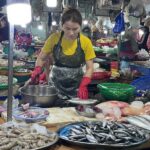
- Han Market: choosing ingredients like a local
- Da Nang Cathedral stop, plus coffee and tea tasting
- The vegetable garden and farm work: where ingredients begin
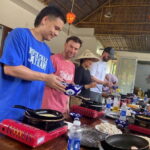
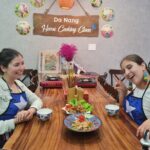
- Cooking in a local home: four dishes, done by you
- Menu options (what you may cook)
- Who teaches the class
- Price and value: why $26 makes sense here
- Timing and logistics: morning vs. afternoon and where you end up
- Who this class is best for
- Quick decision guide: should you book?
- FAQ
- What is the duration of the cooking class?
- How much does the experience cost?
- Will I be picked up from my hotel?
- How many people are in the group?
- What dishes will I cook?
- What’s included in the tour?
- What happens if the weather is bad?
Key things to know before you go
- Small group size (up to 10): more time with the instructor and fewer people crowding the counter.
- Han Market ingredient shopping: you pick items with an emphasis on quality before you cook.
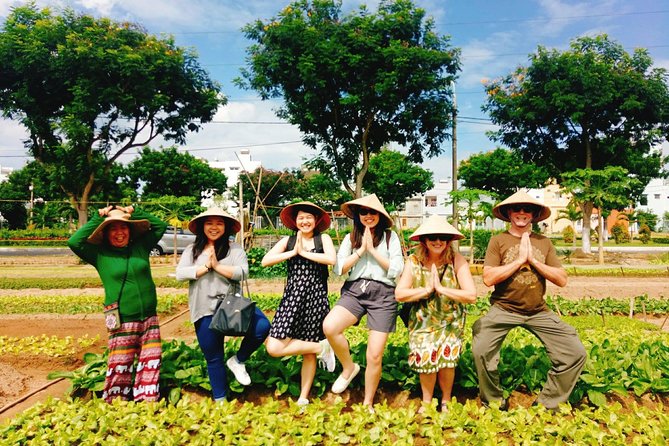
- Garden and farm activity: you don’t just talk about vegetables—you practice farm tasks.
- Vietnamese coffee and tea tasting: part of the cultural pace, not an afterthought.
- Cook 4 dishes and eat your work: you finish with a full meal, not samples only.
- English recipes included: handy if you want to repeat the dishes later.
Han Market: choosing ingredients like a local
Most cooking classes start with a recipe card. This one starts at Han Market, where you learn the practical side: what to look for, and how ingredients connect to the final dishes.
You’re picked up from your hotel in the Da Nang center before heading out, then you spend time selecting fresh items. The key word here is “select.” Instead of being handed a basket, you’re part of the ingredient decision. That matters because Vietnamese cooking often depends on correct basics—fresh herbs, the right produce, and ingredients chosen for quality.
There’s also a strong training feel to the market portion. You’re not just sightseeing. You’re building a kitchen checklist for what comes next: noodles, salads, spring rolls, and pancakes, depending on the menu for your day.
If you’ve ever taken a class where everyone cooks the same thing but you don’t know why ingredients matter, this format helps. You go into the home kitchen already understanding what you bought and why it was worth the effort.
One small reality check: markets are a visual and smell-heavy experience. Wear comfortable shoes and expect a bit of walking and standing while you look around and ask questions.
You can also read our reviews of more shopping tours in Da Nang

Da Nang Cathedral stop, plus coffee and tea tasting
After the market, the tour includes a stop at Da Nang Cathedral. It’s not the center of the cooking story, but it does add variety to the day so you’re not moving straight from ingredients to food without a breather.
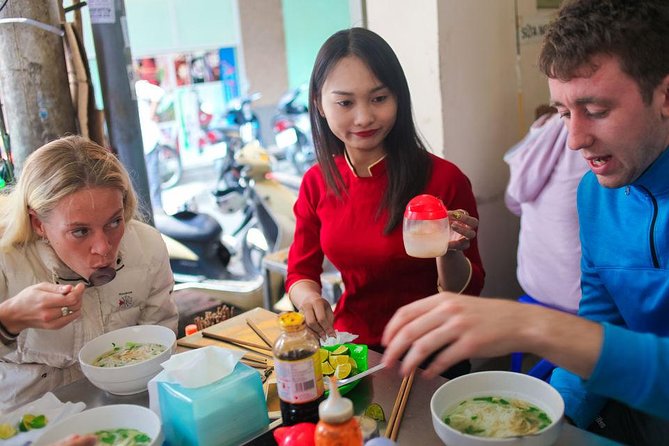
Then comes the part that slows things down a notch: Vietnamese coffee and additional tea tasting. Food tours can sometimes rush into cooking like it’s a race. Here, tasting is part of the learning rhythm. You settle in, take a few minutes, and you start tasting with a clearer palate for what you’ll make later.
This is also where the tour’s local-family angle feels real. The class is designed around how everyday people live and eat—coffee is part of the routine, not just a tourist sip.
If you’re sensitive to caffeine, keep an eye on how much you drink during tasting. The data doesn’t specify quantities, so I’d treat it like a real beverage experience and pace yourself.
The vegetable garden and farm work: where ingredients begin
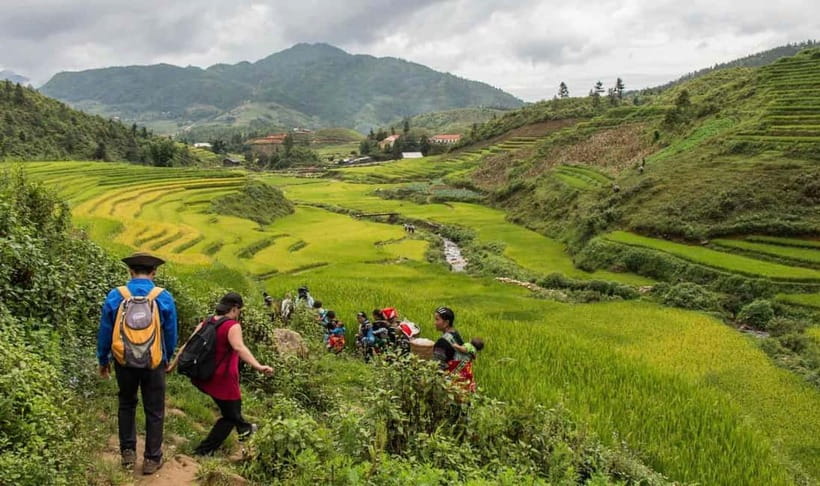
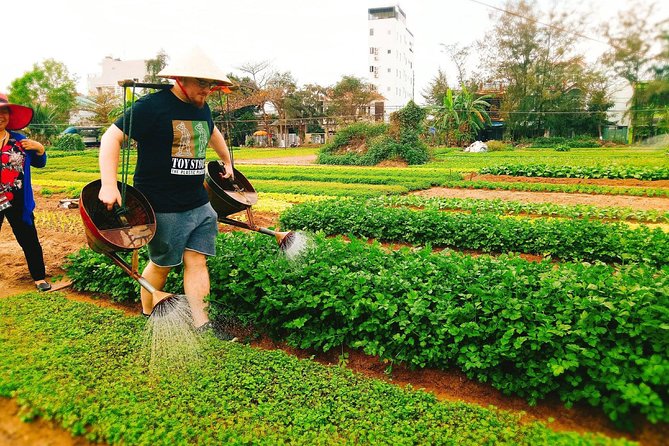
One of the most memorable parts is the farming activity in the vegetable garden area. You join farmers preparing land and growing vegetables, and you practice tasks in a way that feels closer to farm life than to staged “hands-on” theater.
This is more than a cute photo moment. When you later learn salads and spring rolls, it helps to have already seen the vegetables in their growing environment. You understand that the freshness isn’t random—it’s the foundation.
There’s a practical consideration here: this portion takes place outdoors. The experience requires good weather, and the tour notes that poor weather could mean you’re offered a different date or a full refund. That’s not a small detail. If you’re going at the edge of rainy season or you hate outdoor time, plan with weather in mind.
For clothing, think practical. You’ll want shoes that work on uneven ground and clothes you don’t mind getting a little dusty, especially if you’re practicing farm tasks.
Cooking in a local home: four dishes, done by you
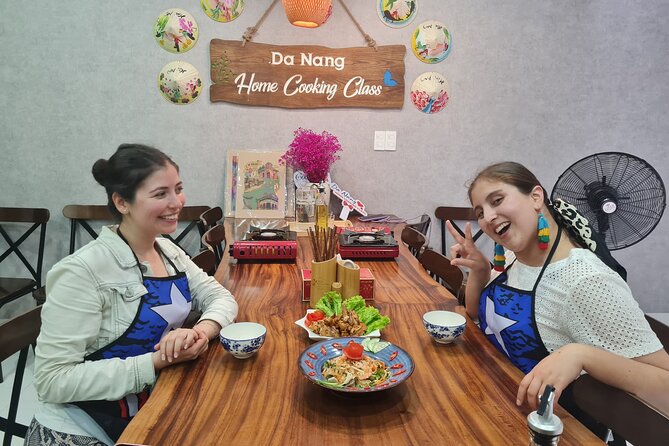
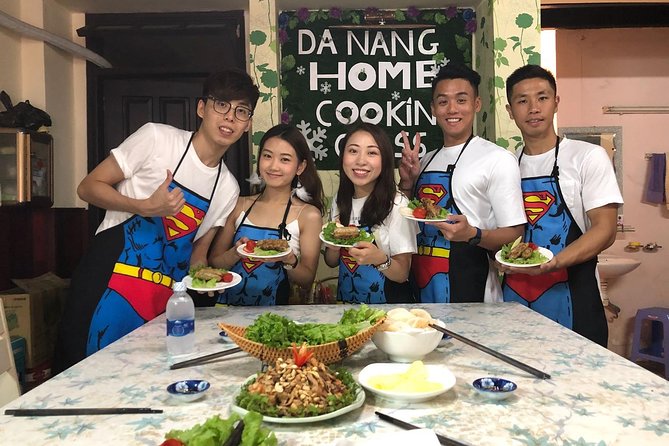
The main event happens at a local house. You arrive around 9:15 AM for the morning session or 3:15 PM for the afternoon session, and then you learn classic Vietnamese cooking skills step by step.
The promise is straightforward: learn to cook 4 traditional dishes and eat them when you’re finished. That hands-on format is usually the difference between a memorable class and one you forget a week later.
You’ll also get English recipe copies along with the ingredients, so you’re not relying only on memory. This is a big deal if you want to recreate dishes at home. Even if you don’t cook the exact recipe again, you’ll leave with a better sense of methods and ingredient combinations.
Menu options (what you may cook)
Your dish set depends on the day of week:
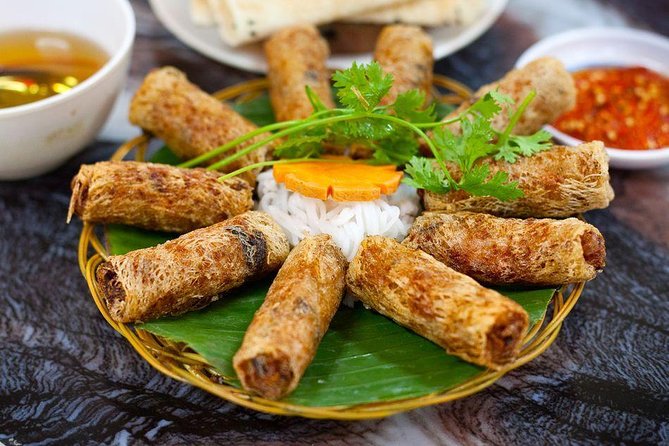
Menu 1 (Mon, Wed, Fri, Sun)
- Quang Noodle
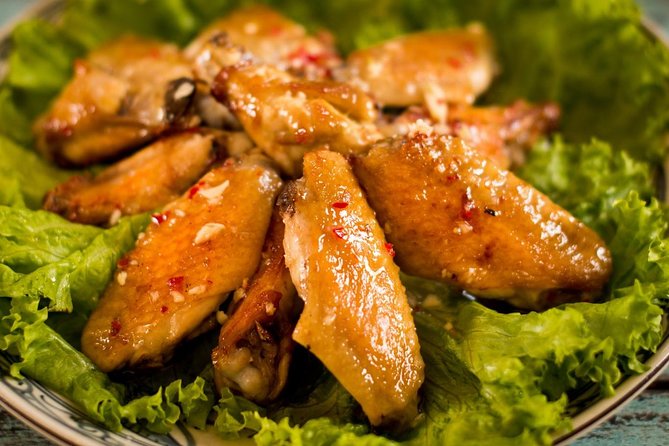
- Fish sauce chicken wing
- Green papaya salad with shrimp
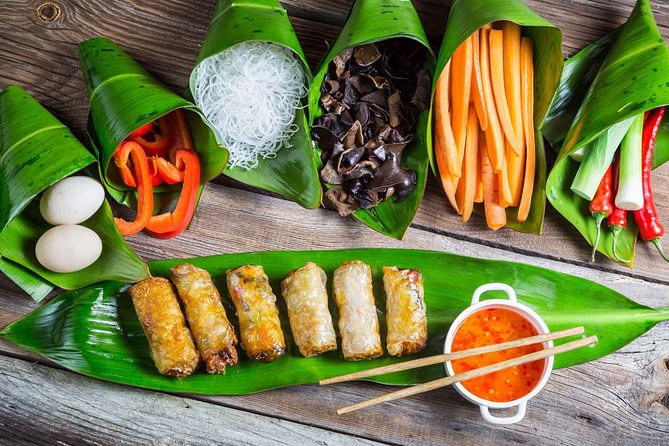
- Deep-fried spring rolls
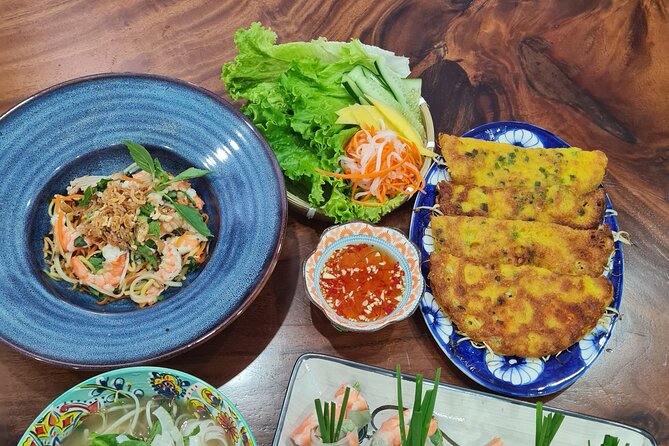
Menu 2 (Tue, Thur, Sat)
- Beef noodle soup
- Crispy Vietnamese Pancakes (Banh Xeo)
- Green mango salad with shrimp
- Fresh spring roll
You’ll notice a pattern: noodle dishes, salads, and spring rolls show up often, with pancakes or Quang noodles as the “centerpiece” swap. If you care about specific dishes, choosing the right day is worth doing.
Also, don’t plan to stay hungry. The way the menu is set up, you’re making multiple dishes and then eating your own output. That’s why a lot of people leave satisfied, sometimes stuffed.
A few more Da Nang tours and experiences worth a look

Who teaches the class
The instruction is English-speaking, and past sessions have been led by instructors such as Jane, Nhi, and Lyn, with additional help mentioned from Sophia. Exact pairing varies by date, but the consistent theme is patient, guided instruction so you can follow along even if you’ve never cooked Vietnamese food before.
Price and value: why $26 makes sense here
At $26 per person, this class looks like a bargain when you compare what’s bundled in.
You’re not just paying for a cook-along. You get:
- a market tour (ingredient selection)
- farming activity
- Vietnamese coffee (and tea tasting)
- all ingredients included
- an English instructor
- water
- dessert
- copies of recipes in English
- and pickup offered as part of the full experience option
When you price out those components separately—especially the ingredients and instructor time—the value starts to look real fast. And the small group size matters. If there were 20 people, the class would feel more like a demo. With a group capped at up to 10, you’re more likely to get hands-on help.
Is $26 perfect for every budget? If you’re already eating Vietnamese food nonstop and you only want one meal cooked for you, a class like this might feel like extra. But if you want a skill-building day that ends in a full dinner, it’s strong value.
Timing and logistics: morning vs. afternoon and where you end up
The schedule is split:
Morning session
- Pickup: 8:00–8:30 AM
- Cooking begins: about 9:15 AM
- Tour ends: about 12:00 PM
Afternoon session
- Pickup: 2:00–2:30 PM
- Cooking begins: about 3:15 PM
- Tour ends: about 6:00 PM
That’s useful if you like a day plan with clear boundaries. The cooking part doesn’t drag on all evening, and you can still fit other activities afterward (especially in the afternoon slot).
One logistics point to take seriously: drop-off service isn’t included. Pickup is included for the full tour option, but you should be ready to get back on your own when the class finishes. If your hotel is in the Da Nang center, it’ll likely be simpler—but still, confirm your plan so you’re not scrambling at the end.
You’ll also receive a mobile ticket, so keep your phone charged and ready for check-in.
Who this class is best for
This works especially well if you:
- want a hands-on cooking experience, not just watching
- like food that you can reproduce later using English recipes
- enjoy markets and don’t mind learning ingredient choices
- want a small group day with a local-family feel
It may not be ideal if you:
- hate outdoor time, since the farm portion depends on good weather
- want a super-short activity (this is about 4 hours total, not 90 minutes)
- need guaranteed drop-off transportation at the end
Quick decision guide: should you book?
Book this Da Nang cooking class if you want a full, practical day that starts with ingredient selection and ends with four dishes you actually cooked and ate. The small group size and English recipe handouts make it more useful than a typical food tour.
Skip or reconsider if your schedule is tight, you’re expecting a drop-off guarantee, or you’re uncomfortable with market walking and garden/outdoor farm tasks. With those in mind, it’s a strong choice for anyone who wants to understand Vietnamese cooking by doing it.
FAQ
What is the duration of the cooking class?
It runs for about 4 hours.
How much does the experience cost?
The price is $26.00 per person.
Will I be picked up from my hotel?
Yes. You can get pickup in the Da Nang center. Drop-off service is not included.
How many people are in the group?
The experience has a maximum of 10 travelers.
What dishes will I cook?
You’ll cook 4 dishes, but the menu depends on the day:
- Mon/Wed/Fri/Sun: Quang Noodle, Fish sauce chicken wing, Green papaya salad with shrimp, Deep-fried spring rolls
- Tue/Thur/Sat: Beef noodle soup, Crispy Vietnamese Pancakes (Banh Xeo), Green mango salad with shrimp, Fresh spring roll
What’s included in the tour?
Included are the market tour, farming activity, water, all ingredients, English recipe copies, an English-speaking instructor, dessert, and Vietnamese coffee/tea tasting as part of the experience.
What happens if the weather is bad?
The experience requires good weather. If it’s canceled due to poor weather, you’ll be offered a different date or a full refund.