REVIEW · HOI AN
Vietnamese Cooking Class in Historical Hoi An Restaurant
Book on Viator →Operated by Green Mango · Bookable on Viator
The smell of spices starts before the first lesson. This Vietnamese cooking class in historical Hoi An pairs hands-on cooking with a look at how ingredients shape Vietnamese flavors, all inside a heritage-listed building. I like that the chefs don’t just hand you steps; they explain the why behind common choices.
What I especially like is the menu choice (you can pick one of five five-course themes) and the sit-down meal where you eat what you cook. The 180-year-old cooking school setting also makes the whole evening feel special without being showy.
The only downside to consider is pacing. One guest noted the class felt very fast and very chop chop, with less time for extra explanation about why certain moves matter. If you like slow, detailed teaching, ask your instructor to pause and clarify.
In This Review
- Key Things I’d Plan Around
- Entering The Cooking School Inside Hoi An’s Heritage Building
- Picking Your 5-Course Menu: Essentials, Street Eats, and More
- How the 3-Hour Experience Actually Feels
- The Teaching Style: Ingredients First, Then Technique
- Optional Market Add-On: When You Want the Full Food Story
- From Stove to Table: Your Sit-Down Meal
- The Digital Recipe Book: Your Souvenir That Actually Gets Used
- Price and Value: What $33 Buys in Hoi An
- Where It Shines: First-Timers, Food Lovers, and Veggie Eaters
- A Quick Reality Check: When to Choose This (and When to Adjust Expectations)
- Practical Details That Help Your Evening Go Smooth
- Should You Book the Vietnamese Cooking Class in Hoi An?
- FAQ
- How long is the Vietnamese cooking class in Hoi An?
- Where do I meet for the class?
- Is the class a private experience?
- What food is included?
- Will I get recipes to cook at home?
- Can I choose what dishes I’ll cook?
- Is the market visit included?
- Is alcohol included in the price?
- What happens if the weather is bad?
Key Things I’d Plan Around
- Pick your menu theme up front so the dishes match what you want to learn most
- Heritage-listed 180-year-old building keeps the class grounded in place
- Five-course Vietnamese cooking journey built around key styles and ingredient ideas
- Market add-on is optional, so you can choose between more shopping time or more cooking time
- Digital recipe book emailed after class helps you recreate dishes at home
Entering The Cooking School Inside Hoi An’s Heritage Building
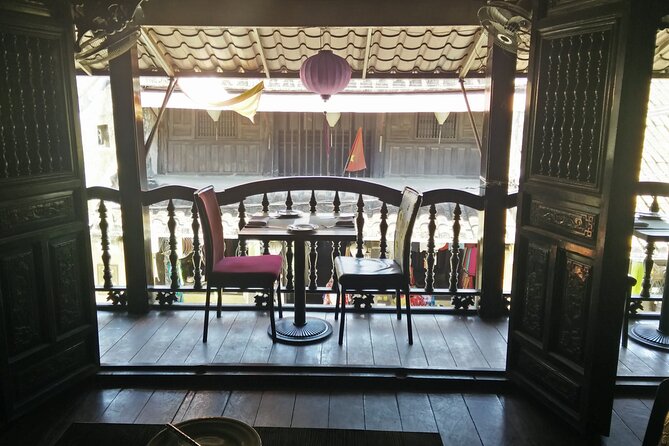
Hoi An is a place where food is part of the story, not a side quest. This class takes place in a heritage-listed building that’s about 180 years old, in the heart of the ancient town. You’re not walking into a generic studio; you’re cooking in a real old setting, which makes the evening feel anchored and memorable.
The operator, Green Mango, has been doing this since 2004, with locations in Cat Ba, Hanoi, and Hoi An. Head Chef Hai Nguyen is described as well-known across Vietnam for a modern take on traditional dishes. That mix matters: you’ll learn classics, but you’ll also get practical shortcuts and techniques that translate to a home kitchen.
Another nice part: the cooking school is set up for teaching. Classes are run on-site at the cooking school, so you don’t spend your time commuting around the city before you start cooking.
You can also read our reviews of more historical tours in Hoi An


Picking Your 5-Course Menu: Essentials, Street Eats, and More
One smart move here is letting you choose what kind of Vietnamese cooking you want to focus on. You can select from five five-course menus, each tied to a different slice of Vietnamese food and culture: The Essentials, Balancing Act, Street Eats, Hanoi Streets, and Veggie Eats.
If you don’t choose, the default is The Essentials. That’s a good bet if you want a strong baseline: you’ll cover core flavors and ingredients that show up again and again in Vietnamese cooking. If you want to learn why Vietnamese dishes taste the way they do, the menu titles hint at the teaching angle: balancing flavors in one menu, street-style thinking in another, and vegetarian structure in Veggie Eats.
Here’s how to think about it for your own planning. If you’re a first-timer and you want the broadest education, start with Essentials. If you already understand the basics and want something more focused, pick the menu that matches your food curiosity—street foods for variety, Hanoi Streets for regional personality, or Veggie Eats if you want a full menu that doesn’t feel like an afterthought.
How the 3-Hour Experience Actually Feels
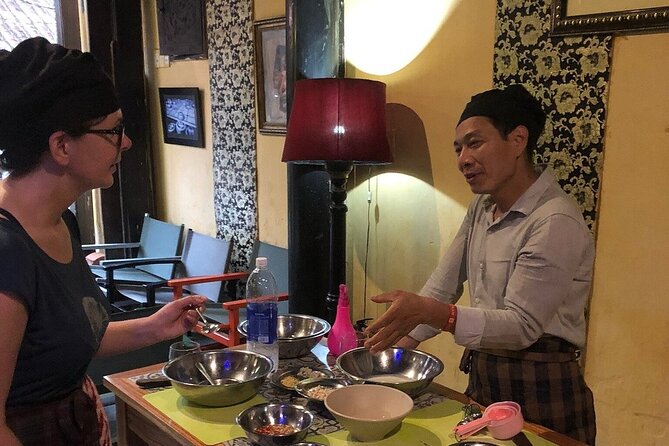
The class runs about 3 hours. That’s long enough to learn technique, build multiple dishes, and sit down to eat, but short enough that you stay hungry and engaged rather than exhausted and bored. It’s also priced so you can do it as a “worth it” evening, not a major commitment.
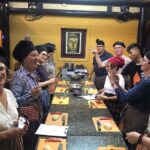
Classes are held for your group only. The experience is listed as a private tour/activity, meaning it’s not a random crowd shared with strangers. That matters because it usually leads to more instructor attention and fewer waits while you figure out what to do next.
About that pacing note: one written comment described the class as very fast and focused on doing. If you’re the type who learns best by asking a lot of questions mid-stream, bring that mindset. If you’re shy about speaking up, it may be worth choosing Essentials (where the structure tends to feel more foundational) so you can catch up as you go.
The Teaching Style: Ingredients First, Then Technique
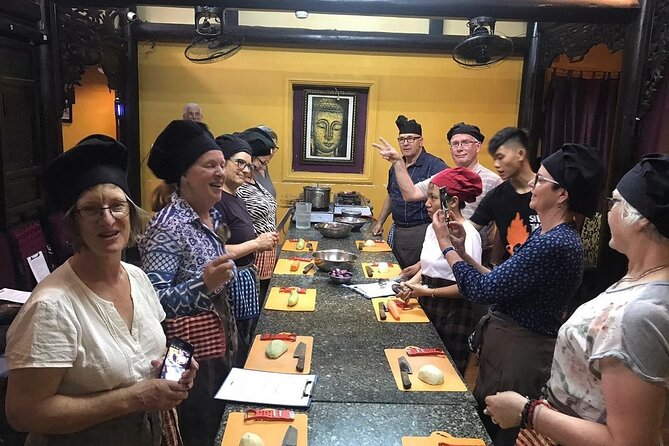
This is not just a “repeat after me” class. The lesson is described as a culinary tour through Vietnamese culture, tradition, and history, and the teaching centers on ingredients and their importance in Vietnamese cuisine.
That’s one of the best values in a cooking class like this: you’re not only collecting recipes, you’re learning a flavor system. Vietnamese cuisine often depends on a balance of elements—freshness, acidity, salt, sweetness, and fragrant aromatics. When the teaching focuses on ingredients and why they’re used, you’re more likely to recreate results at home rather than just memorizing steps.
You’ll also learn tips and tricks for preparation in your home kitchen. That’s where modern instruction helps. A traditional dish can be hard to reproduce if you only learn the exact method used in a teaching kitchen. Tips that explain texture, timing, and how things should look and smell help you translate.
One bonus: instructors are clearly a big part of the experience. Names like Pinky, Que, and Jam came up in written feedback, and they were described as friendly, entertaining, and good at getting people cooking. Even when the class moves quickly, a good teacher can keep you from feeling lost.
Optional Market Add-On: When You Want the Full Food Story
You have an optional add-on that can deepen the experience: a local market visit. If you choose it, you’re adding time devoted to ingredients before the cooking begins.
Why this is worth considering:
- Vietnamese cuisine relies on herbs and pantry staples that can vary a lot by season and region.
- Seeing items up close makes the later cooking lesson feel more logical.
- If you like shopping for ingredients to take home, this gives you a map for what to look for.
If you’d rather spend your time cooking and eating, you can skip the market. The class still works on its own because the menu structure and ingredient focus carry the lesson. Just know that choosing the market add-on usually means you’ll spend less time doing extra questions during the cooking stage.
Also, the class includes a digital recipe book emailed after the session, so even if you don’t do the market, you still leave with a clear reference for what you made.
You can also read our reviews of more cooking classes in Hoi An


From Stove to Table: Your Sit-Down Meal
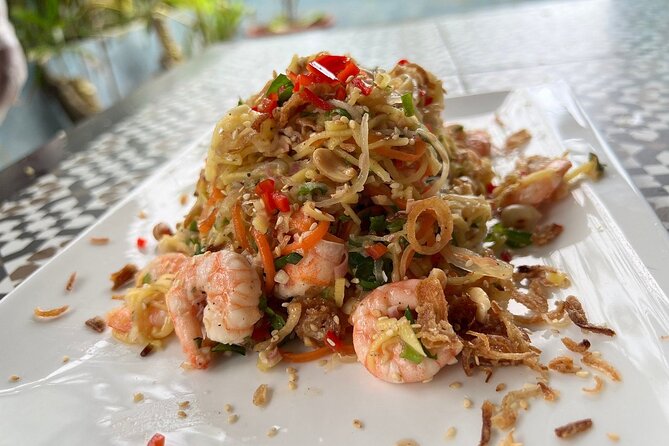
After cooking, you get to sit down and enjoy your prepared items. The experience includes dinner, and the format is part cooking lesson, part meal.
This is more valuable than it sounds. Cooking classes can sometimes feel like a treadmill: cook fast, eat later, and everything cools down. Here, the structure is built so your meal is part of the learning and part of the reward. You taste what you’ve made while the flavors are still fresh and the lesson is still fresh in your head.
And because it’s a five-course menu, you’re not nibbling one small dish. You’re getting a sequence that reflects Vietnamese dining style: the day’s flavors show up in order, and you experience how different components work together rather than eating one isolated plate.
Alcohol is not included, but there is a cocktail bar available. If you want a drink, it’s listed as ranging from 40,000 VND to 200,000 VND. If you want to keep it focused on the food lesson, you can keep it alcohol-free and save your budget for dinner components.
The Digital Recipe Book: Your Souvenir That Actually Gets Used
Another thing I like about this experience is the digital recipe book. It’s emailed to you after the class, which means you’re not forced to carry notes around while you’re cooking. You can also revisit it later when you’re recreating dishes at home.
This matters for value. A lot of classes sell the day itself, but you’re paying for the ability to cook again. When the recipe book includes the digital details aligned with the dishes you made, it becomes the real long-term souvenir.
Also, since the menu themes are specific, the recipes should reflect what you actually cooked—Essentials, Balancing Act, Street Eats, Hanoi Streets, or Veggie Eats—so your notes aren’t mismatched to the kind of Vietnamese cooking you want to reproduce.
Price and Value: What $33 Buys in Hoi An
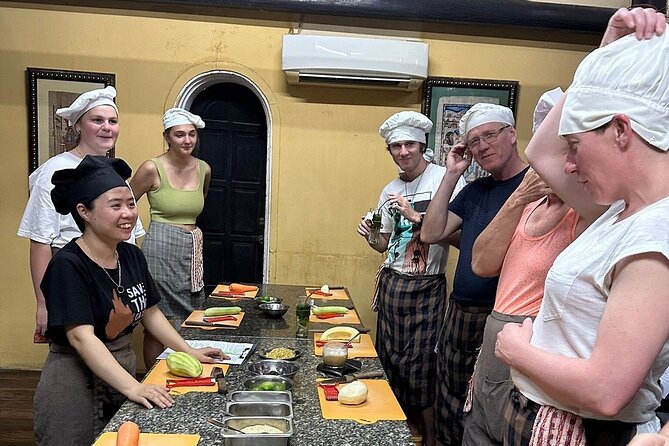
At $33 per person, this sits in the “solid value” zone for Hoi An cooking classes. You’re paying for:
- Instruction from chefs in a dedicated cooking school
- A five-course menu
- A sit-down meal including dinner
- A digital recipe book emailed after class
For a practical reality check, compare it to what you’d spend on a good restaurant meal plus a cooking-focused workshop. If all you wanted was dinner, you could eat locally for less sometimes. But you’re not just buying dinner here—you’re buying technique plus multiple dishes you learn to replicate.
You also get group discounts, and the experience lists mobile ticket as a feature. If you’re coming with friends or a partner, that can help the math. Even as a solo booking, private group format can keep attention focused.
The class also includes a heritage setting in the ancient town. That isn’t just decor. It affects the whole experience: you’re not rushed through a bland room; you’re cooking in an old building designed for a dining and teaching flow.
Where It Shines: First-Timers, Food Lovers, and Veggie Eaters
This class is a strong match for a few types of people.
If it’s your first Asian cooking class, this offers a structured pathway. The menu themes and five-course format give you a clear arc instead of a random collection of dishes. One written comment described it as a first experience and praised the outcome and enjoyment, including cooking and then dining on your preparations.
If you love a fun atmosphere, the teacher energy matters here. Written feedback included instructors being friendly, charming, and entertaining. That’s not a small detail. When your teacher keeps the mood upbeat, you’re more likely to stay engaged and actually learn.
If you’re veggie-inclined, Veggie Eats is built into the official menu options. That’s a practical way to enjoy a full Vietnamese menu without hoping a substitute appears.
If you’re the type who loves street flavors, Street Eats and Hanoi Streets can give you a different lens. You’ll likely come away with ideas about how Vietnamese dishes build identity through ingredients and preparation choices.
A Quick Reality Check: When to Choose This (and When to Adjust Expectations)
The biggest “consideration” is the pace. One note called it very chop chop and wanted more explanation about why ingredients are used. That doesn’t mean the class is low quality. It does mean you should be proactive if you learn better with slower, more conceptual teaching.
Here’s how I’d adjust your expectations:
- Think of this as hands-on and structured, not a long lecture.
- If you want deeper theory, ask questions during the session rather than waiting.
- If speed makes you nervous, choose a menu that feels like your comfort level. Essentials can be a safer starting point than a menu that’s more style-specific.
Also, the experience requires good weather. If weather is poor, you might be offered a different date or a full refund. So if you’re scheduling this on a tight trip, pick a flexible day when possible.
Practical Details That Help Your Evening Go Smooth
Your start point is Green Mango Restaurant, 54 Nguyễn Thái Học, Phường, Hội An, Quảng Nam 563800, Vietnam. The activity ends back at the meeting point.
When you book, you can tell them which menu theme you want. The default is The Essentials, but choosing up front is smart if you already know you want Street Eats or Veggie Eats.
Confirmation is received at the time of booking, and you’ll use a mobile ticket. If you’re traveling with friends, the private group setup can make it easier to coordinate everyone’s schedule.
And if you like your evenings simple, remember: dinner is included, alcohol isn’t. There’s a cocktail bar you can use if you want it, but the core plan stays focused on food.
Should You Book the Vietnamese Cooking Class in Hoi An?
If you want a memorable Hoi An evening that mixes hands-on cooking, a full five-course dinner, and a menu theme that matches your taste, I’d book this. The heritage setting and the ingredient-centered approach make it feel more meaningful than a basic cooking demo.
I’d be especially happy if you:
- Want to learn how Vietnamese flavors are built from ingredients
- Like cooking with real guidance and then eating immediately
- Want a practical take-home resource via the digital recipe book
- Prefer a structured five-course format rather than one or two dishes
I’d think twice if you need slow, detailed explanations. If you’re the type who needs time to understand every why before touching a knife, go in ready to ask questions during the session, or choose the menu theme that feels most foundational to you.
Overall, at $33 with a 4.8 rating and a track record of people recommending it, this is a strong value play for Hoi An—especially when you want your food trip to include skills, not just sightseeing.
FAQ
How long is the Vietnamese cooking class in Hoi An?
It runs for about 3 hours.
Where do I meet for the class?
You meet at Green Mango Restaurant, 54 Nguyễn Thái Học, Phường, Hội An, Quảng Nam 563800, Vietnam.
Is the class a private experience?
Yes. It’s listed as a private tour/activity, with only your group participating.
What food is included?
Dinner is included, and you sit down to enjoy the items you prepare.
Will I get recipes to cook at home?
Yes. A digital recipe book is emailed to you after the class.
Can I choose what dishes I’ll cook?
Yes. There are five five-course menu options: The Essentials, Balancing Act, Street Eats, Hanoi Streets, and Veggie Eats. The default is The Essentials.
Is the market visit included?
A local market visit is an optional add-on.
Is alcohol included in the price?
No. Alcoholic beverages are not included, but a cocktail bar is available with drink prices listed from 40,000 VND to 200,000 VND.
What happens if the weather is bad?
The experience requires good weather. If it’s canceled due to poor weather, you’ll be offered a different date or a full refund.