REVIEW · SAPA
Muong Hoa Valley Trek & Homestay Experience – 4D3N
Book on Viator →Operated by Trekking Tour Sapa · Bookable on Viator
A trek that feels personal from day one. This 4-day Muong Hoa Valley experience in Sapa takes you through five villages linked to the Hmong, Giay, and Red Dao ethnic communities, with time for big rice-terrace views and real-life cultural lessons. I also like that you’re not just walking for photos—you learn how people farm rice, build houses, and even how Hmong marriage traditions show up in daily life.
If you’re considering it, one practical thing to weigh: it’s for people with moderate fitness. The route includes uphill sections and valley conditions can run hot, especially in summer wet-season months. One review I found helpful noted June temperatures can feel much warmer in the valley than in Sapa town, so plan for heat and sudden weather swings.
In This Review
- Key highlights worth your attention
- A 4-Day Muong Hoa Valley Trek: What Your $190 Really Buys
- A quick cost reality check
- Start at Sapa Church, Then Let the Guide Set the Rhythm
- Day 1: Y Linh Ho to Ta Van and the Big Terrace Views
- What I like about this first day
- Where it can feel tiring
- Day 2: Giang Ta Chai Waterfalls and the Red Dao Area
- The payoff
- The potential drawback
- Day 3: Ban Ho Village to Nam Toong (About 3 km) and Red Dao Daily Life
- Why this day hits differently
- Consideration for your comfort
- Day 4: Follow the Muong Hoa River Back from Thanh Phu to Ban Ho
- What you’ll likely notice
- A small caution
- Homestay Night: Culture You Can See, Not Just Hear
- What to keep realistic
- Weather and Packing for June-Heat and Wet-Season Surprises
- Who Should Book This Trek (And Who Might Want a Different Style)
- Consider skipping if…
- Should You Book Muong Hoa Valley Trek & Homestay Experience?
- FAQ
- What time does the Muong Hoa Valley trek start, and where is the meeting point?
- How long is the tour, and is there a homestay?
- Which villages are visited during the trek?
- What’s included for meals and drinks?
- What fitness level do I need for this tour?
- What happens if the weather is poor?
Key highlights worth your attention
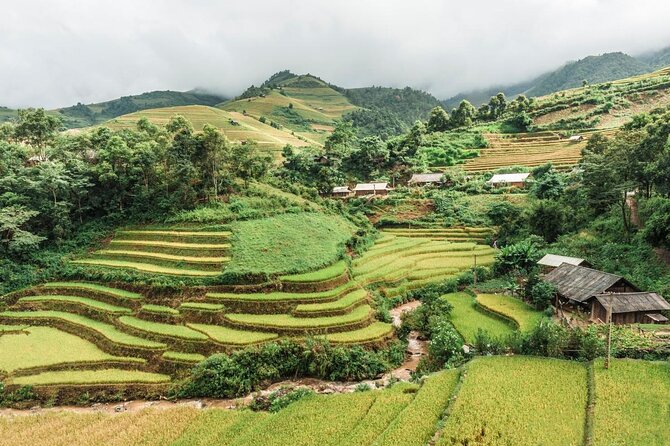
- Five village visits across Hmong, Giay, and Red Dao communities, not a single stop-and-photos routine
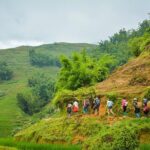
- Rice terrace viewpoints plus mountain views (including looks toward Hoàng Liên Mountain)
- A local homestay night with included meals, so you get cultural context around the table
- Culture lessons on traditions, farming, and house building techniques (including Hmong marriage customs)
- Small group size with a maximum of 15 travelers, which makes questions easier for your guide
- Village entry fees + meals included, which helps you keep the trip’s real cost under control
A 4-Day Muong Hoa Valley Trek: What Your $190 Really Buys
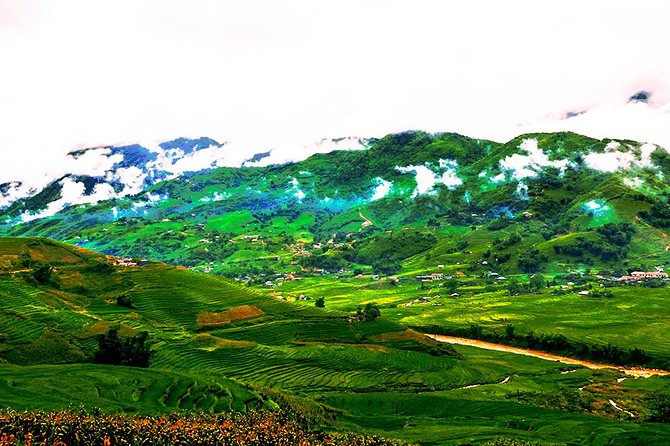
This tour runs about 4 days and costs $190 per person, which is the part to study honestly. On paper it sounds like a “trek + homestay” package, but the value is in what’s bundled.
You get village entry fees, a local guide, and an organized route between multiple ethnic-minority villages. You also get lodging for 1 night in a homestay, plus a full set of meals: breakfast (3), lunch (4), and dinner (3). Add in 1 big bottle of water per person and it starts to feel less like you’re paying for transportation and more like you’re paying for access—access to people, trails, and guided interpretation.
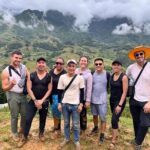
There’s also a small-group element. With a maximum of 15 travelers, you should get more than the usual herd-herding experience. That matters when you’re trying to understand traditions and daily work, not just pass through a village.
You can also read our reviews of more hiking tours in Sapa
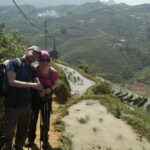
A quick cost reality check
If you tried to piece together a self-guided hike with a guide, entry fees, and a homestay separately, you’d likely spend more than the package price. Even if you keep your own spending low, food and guide time add up fast. Here, you’re buying structure and cultural guidance, not just walking hours.
Start at Sapa Church, Then Let the Guide Set the Rhythm
You meet at Sapa Church at 9:00 am (with the tour also referencing meeting near the main church area). You might be picked up, depending on where you’re staying, but the anchor point is clear: show up in the morning and your local guide will handle the start.
Your guide is part of what makes this tour work. The provider’s messages reference their local Hmong team in Sapa, and they also sign off as Sinh. You can expect a guide who knows how to translate daily life into something you can actually understand while you walk and pause.
A practical tip: go to breakfast early if your hotel timing is flexible. The tour begins at 9:00 am, and later days include early meals tied to trekking segments. If you’re the type who underestimates how quickly morning turns into “time to climb,” you’ll be happier if you start calm.
Day 1: Y Linh Ho to Ta Van and the Big Terrace Views
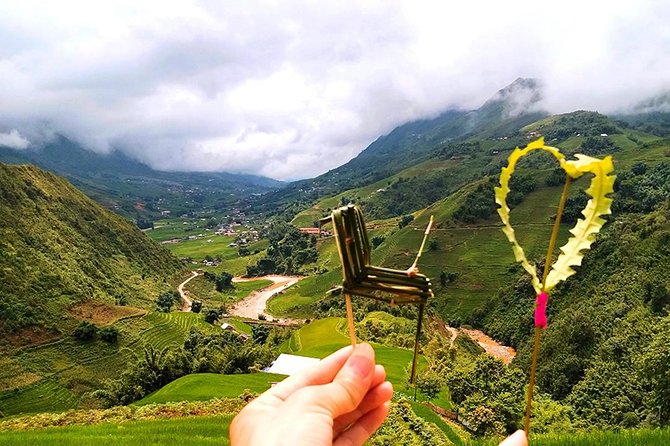
Day 1 starts with a meeting and a quick introduction, then you head 2 km down toward Cat Cat’s road area. That downhill opening matters because it’s a gentle warm-up before the day builds into more classic Sapa valley trekking.
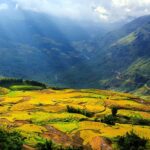
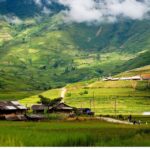
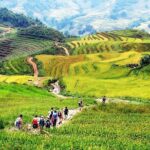
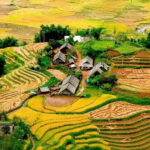
Then you move toward Y Linh Ho and the Ta Van Village area. Ta Van is where you get some of the most dramatic “stop-and-look” moments. The tour description promises some of the biggest rice terraces in Vietnam, plus mountain views toward Hoàng Liên Mountain.
What I like about this first day
This is a strong day to set expectations. You’re not jumping straight into a full-on challenge hike. Instead, you get scenery and context fast: villages first, then views, then the sense that your walking is moving you through real community spaces.
Where it can feel tiring
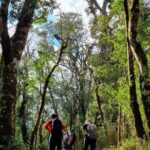
Even when the first segment is downhill, Sapa terrain tends to punish sloppy shoes. Expect uneven ground and muddy patches if conditions have been wet. If your footwear is more city-ready than trail-ready, your feet will let you know by late morning.
Day 2: Giang Ta Chai Waterfalls and the Red Dao Area
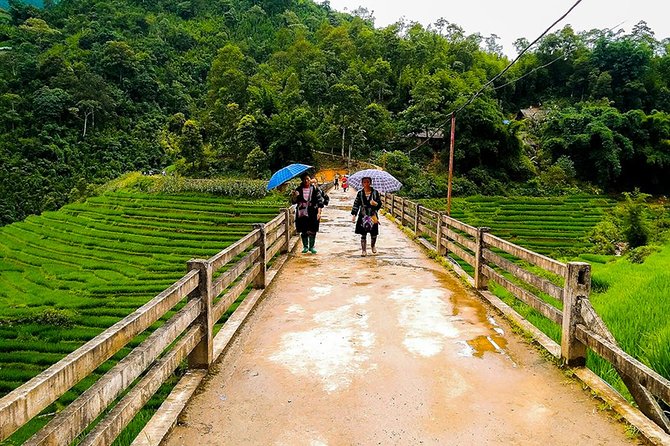
After breakfast, the second day turns upward. You’ll be taken uphill into the mountains to the waterfalls of Giang Ta Chai, then you enter the Red Dao area to learn more about their culture.
This is one of those days where the walking is only half the point. The other half is learning how people live with the mountain environment—how they organize their work, how traditions are carried through daily routines, and how the Red Dao community expresses identity in everyday life.
The payoff
Waterfalls give you a natural reason to slow down. You can take a break, reset your legs, and then shift attention from “movement” to “conversation.” If your goal is understanding, not only scenery, this day supports that.
The potential drawback
Day 2 involves uphill travel tied to reaching the waterfall area. You don’t need to be an athlete, but you should be comfortable with a steady climb. Bring the mindset that you’re pacing a climb, not sprinting it.
Day 3: Ban Ho Village to Nam Toong (About 3 km) and Red Dao Daily Life
Day 3 starts in Ban Ho Village with breakfast, then continues with walking to Nam Toong, about 3 km from Ban Ho. In Nam Toong, you’ll learn about the Red Dao minority living there.
This section is especially worth it if you like details about how people build and work. The tour overview highlights that the guide will explain things like rice-field work, house building techniques, and cultural customs. On Day 3, the “learning” feels tied to a specific place, not just a general talk.
Why this day hits differently
Ta Van gives you terraces and viewpoints. Giang Ta Chai gives you the mountain-and-water focus. Ban Ho plus Nam Toong tends to bring you closer to daily routines—how houses function, how work shapes the calendar, and how tradition stays visible even when you’re watching from a short distance.
Consideration for your comfort
A 3 km village-to-village walk sounds modest, but in Sapa it’s rarely flat. Expect uneven steps and timing that depends on weather. If you’re sensitive to heat, keep an eye on how your body reacts in the valley.
Day 4: Follow the Muong Hoa River Back from Thanh Phu to Ban Ho
Day 4 starts with a filling breakfast, then you walk from Thanh Phu back to Ban Ho via a different route, following the Muong Hoa River.
This is described as an easier but still beautiful way to wind down after the prior days. River routes often feel better for your legs because you’re not constantly switching up steep directions. Instead, the walk becomes more about steady movement and taking in the valley as it opens up around you.
What you’ll likely notice
By Day 4, you’ll be more aware of what you’re walking through: irrigation patterns, terrace edges, and the way trails connect communities. Even if you’re mostly focused on footing, your brain starts picking up the logic of the place.
A small caution
Even “easy” in Sapa can mean slick patches. If it’s been raining, river-adjacent trails can be muddy or slippery. Bring clothes you don’t mind getting dirty.
Homestay Night: Culture You Can See, Not Just Hear
This tour includes homestay accommodation for 1 night, plus meals. That’s important because homestays are often where language barriers shrink and everyday life expands—people eat, talk, and explain more freely when you’re not in a rush.
The tour overview specifically notes cultural education, including Hmong customs such as unique marriage traditions, and practical topics like house building techniques and work tied to rice fields. In real life, those lessons land better when you’re also sharing meals and hearing how daily life works beyond the trek.
What to keep realistic
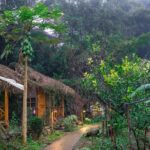
Homestays vary by community setup. The tour data doesn’t list bedding style or bathroom setup, so I’d treat this as “simple, community-based lodging,” not a hotel experience. If you’re the type who needs predictable comforts, this part is where you should be honest with yourself.
Weather and Packing for June-Heat and Wet-Season Surprises
One of the most useful details from the review summary is about June conditions: it can be about 23°C in Sapa town, while the valley walk can feel more like 31–32°C. That gap is common in mountain valleys, and it catches people off guard—especially if they pack like they’re staying in the town center.
So plan for two realities at once:
- Heat in the valley, even in cooler months
- Rain-ready conditions, especially during the summer wet season
The review also said it didn’t rain while they walked, but your trip might not be that lucky. The route depends on weather quality, and the provider notes that good weather is required. I’d pack for a “best-case + worst-case” week: breathable clothes for daytime, and a rain layer you can actually move in.
Practical packing that fits this specific trek:
- trail-friendly shoes with grip
- a light daypack for water layers and snacks (even though water is included)
- sun protection for valley heat
- a rain layer you can keep handy during village stops
Who Should Book This Trek (And Who Might Want a Different Style)
This tour works best if you want:
- to visit multiple villages, not just one scenic area
- a guide-led explanation of customs and traditions
- a homestay night that’s part of the learning, not an add-on
It’s also a decent fit if you’re comfortable with moderate hiking. The tour explicitly says moderate physical fitness is expected. Day 2 includes uphill travel to waterfalls, and Day 3 includes an additional walk to Nam Toong.
Consider skipping if…
You dislike uneven ground, long stair-like steps, or you expect “easy walking” every day. Also, if you need very specific lodging comforts, treat the homestay as simple and community-based since the tour doesn’t describe hotel-style amenities.
Should You Book Muong Hoa Valley Trek & Homestay Experience?
If your goal is a guided trek that connects views to culture, I think this one is worth your attention. The big reasons are practical: meals, village entry fees, a local guide, and a homestay night are bundled into the price, and you don’t spend your time guessing logistics. With 98% recommended and an overall 5.0 rating across dozens of reviews, the pattern is consistent: people leave feeling they got more than a photo stop.
Book it if you’re okay with moderate hiking and you can handle weather variability. If you’re chasing a purely luxury trip or “only flat paths,” you’ll probably feel constrained.
If you want a Sapa experience that’s organized, small-group, and focused on real village life—while still delivering rice-terrace views—this is the kind of trek that fits your itinerary.
FAQ
What time does the Muong Hoa Valley trek start, and where is the meeting point?
The tour starts at 9:00 am, and the meeting point is Sapa Church (near the main church area in Sa Pa).
How long is the tour, and is there a homestay?
It runs for about 4 days, and it includes homestay accommodation for 1 night.
Which villages are visited during the trek?
The itinerary includes visits to Y Linh Ho, Ta Van Village, Giang Ta Chai Village, Ban Ho Village, and Nam Toong Village (plus a Day 4 route from Thanh Phu back to Ban Ho).
What’s included for meals and drinks?
You receive breakfast (3), lunch (4), and dinner (3), plus 1 big bottle of water per person.
What fitness level do I need for this tour?
The tour is recommended for travelers with moderate physical fitness. There are uphill sections and walking between villages.
What happens if the weather is poor?
The experience requires good weather, and if it’s canceled due to poor weather, you’ll be offered a different date or a full refund.