REVIEW · HOI AN
Hoi An hiden food adventure
Book on GetYourGuide →Operated by Hoi An Da Nang Hue private tour · Bookable on GetYourGuide
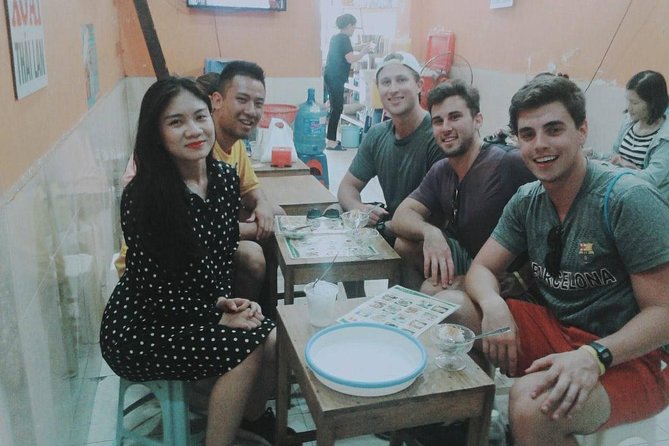
If you like eating like locals, this fits. I love the mix of street-food classics and family recipes you’d miss on your own. You’ll also get a focused walk through Hoi An’s backroads and everyday life, not just photo stops.
My favorite part is how the tour turns dinner into a small history lesson you can taste—Cao Lau, dumplings, banh beo, and more, with stories behind why they’re special. The other big win for me is the pacing: 3 hours, multiple stops, and enough food to feel like you had a full meal. One thing to consider: the walk is the whole point, so wear comfy shoes and come hungry.
In This Review
- Key things I’d plan around before you go
- Why this Hoi An food walk is more than dinner
- The route: start near Hoi An’s church gate, end at Chùa Cầu
- Stop-by-stop: what you’re actually eating and why it matters
- 1) Early tastings in local market and backstreets
- 2) Hoi An dumplings from a long-running family factory
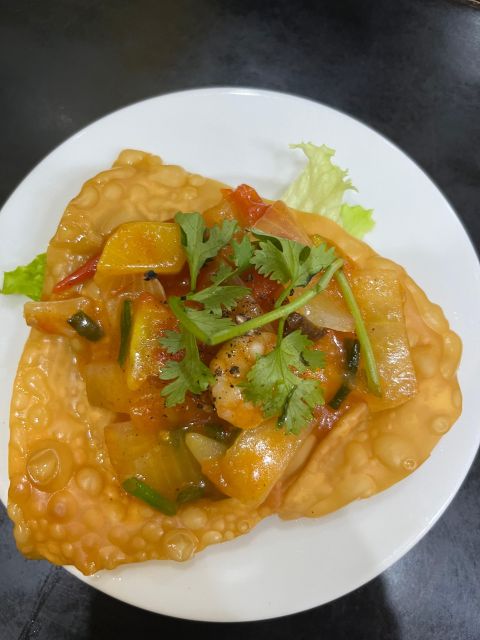
- 3) Wonton-style flavors and quick local comfort
- 4) Banh My and satay: the grab-and-go dinner mix
- 5) Cao Lau: the specialty noodle with a story behind it
- 6) Black sesame soup to finish strong
- 7) Old town stroll with stories and Hoai River romance
- Guides and group vibe: what the reviews consistently point to
- The “value math” of $23 in Hoi An
- What to bring (so your night stays fun)
- Who should book this tour?
- Should you book the Hoi An hidden food adventure?
Key things I’d plan around before you go
- 6–7 tastings in 3 hours (food + a drink at the end), which is solid value for a walking night plan
- Backroads and local homes instead of only the main tourist lanes
- Hoi An specialties you can’t fake at home, like banh beo and Cao Lau
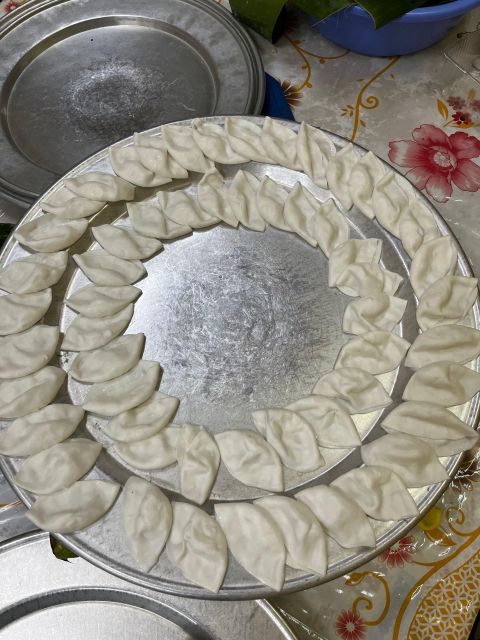
- Family-recipe stops, including a long-running dumpling producer with a secret family method
- Vegetarian options available, and your guide should adjust dishes at each stop
- Finish at Chùa Cầu, so you end right in the postcard heart of town
Why this Hoi An food walk is more than dinner
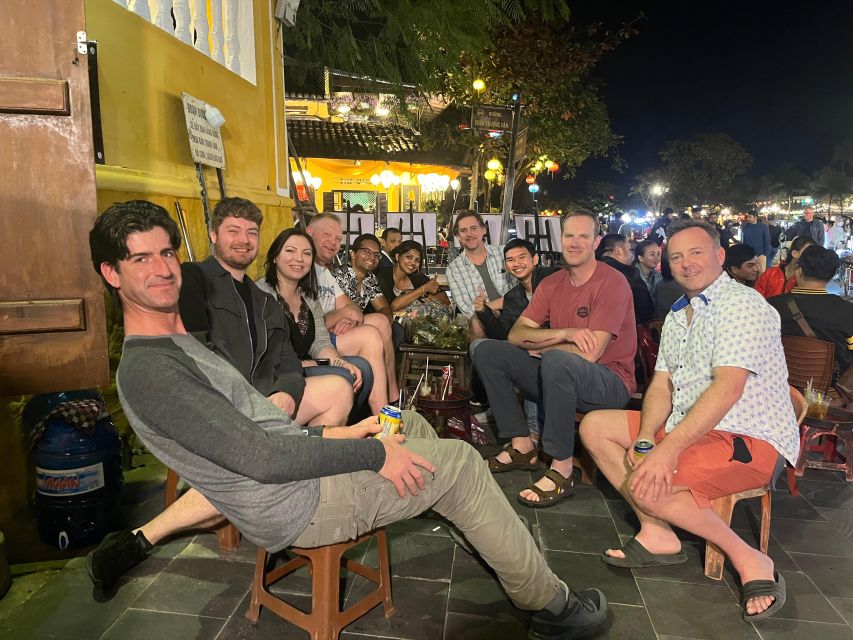
Hoi An is famous for lanterns and slow evenings, but the real magic is how people cook and eat day after day. This tour is built around that. You’re not just ordering dishes. You’re moving through the places where locals actually get their food made and served.
I like that it’s scheduled for your first night in town. It helps you get your bearings fast—where things are, what’s worth repeating, and which streets are worth lingering on later. And yes, you’ll likely leave with a mental map and a full stomach.
At $23 per person for about 3 hours, the value is pretty strong because so much is included: an English-speaking guide, all food items (6–7 dishes and drinks), plus water and a drink at the end. The only common “budget surprise” is the optional public-holiday surcharge, which can add cost on certain days.
You can also read our reviews of more food & drink experiences in Hoi An


The route: start near Hoi An’s church gate, end at Chùa Cầu
This is a walking tour, and the timing matters because Hoi An changes by the hour—light, crowds, and how easy it is to move. You’ll meet at the gate of Hoi An church at 106 Nguyễn Trường Tộ, though some start options may include Starbucks Trần Hưng Đạo Hội An (depending on the booking). Your route finishes at Chùa Cầu (the Japanese Covered Bridge area).
That start-and-finish choice is practical. You begin near a central landmark, then work your way through smaller lanes and local pockets, and end where you can comfortably stroll on afterward. If you want one night plan that works even if you’re jet-lagged, this is the kind of tour that helps without turning your evening into homework.
Stop-by-stop: what you’re actually eating and why it matters
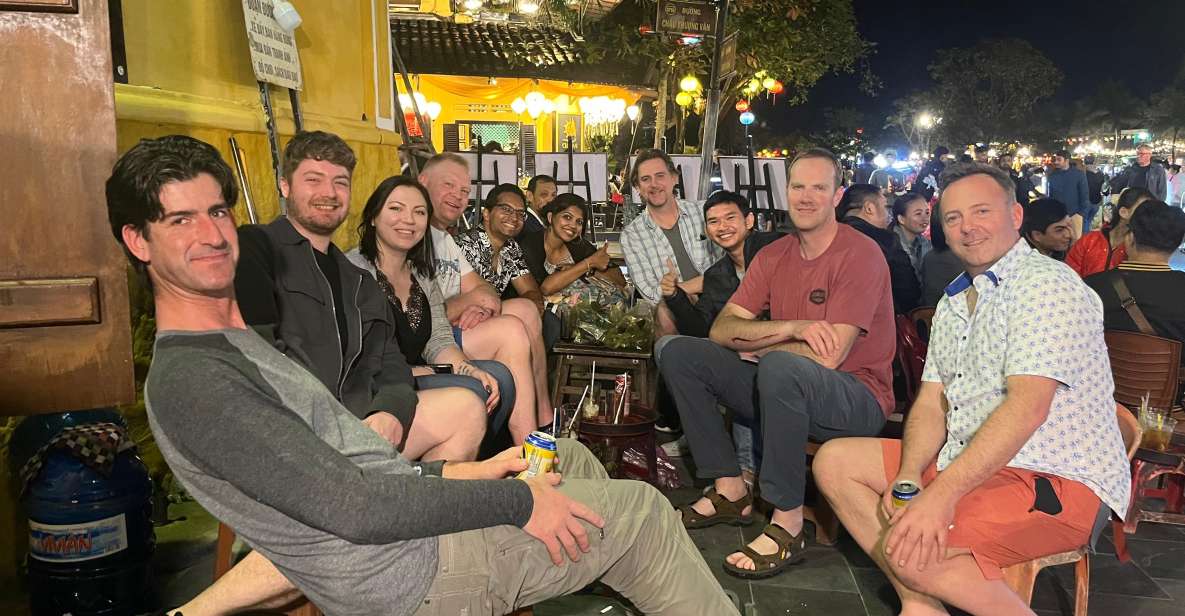
You’ll hit multiple eating stops across local market areas, residential lanes, and older parts of town. The tour is designed so each location matches a specific dish and a specific “why” behind it.
1) Early tastings in local market and backstreets
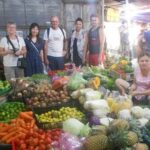
The tour starts with street-food style bites and guided wandering. Expect a mix of market energy and small local stalls, where the food is made for people who live nearby, not for tourists hunting a “must-try” list.
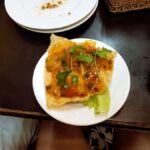
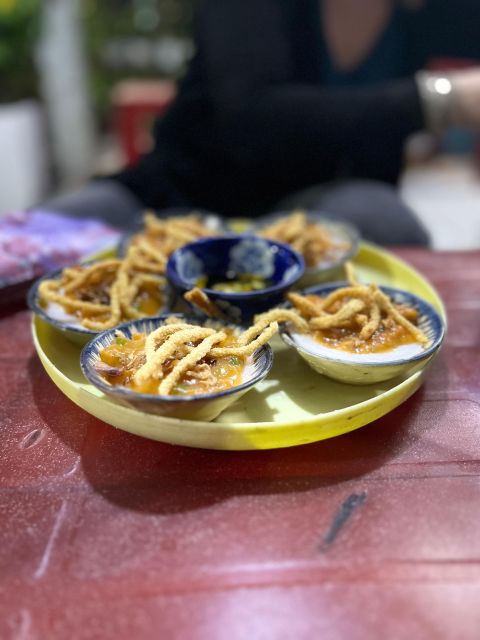
This is where you get the first “wow” moment: banh beo (water-fern cake) is delicate and compact, but it shows you how precise Hoi An flavors can be. It’s also a great sampler dish because it’s easy to compare across places—same basic idea, slightly different textures and toppings.
A bonus: this part of the walk also sets up the rest. You’re learning the rhythm of the town—where people gather, how kitchens operate in small spaces, and how guides spot the places that are truly local.
2) Hoi An dumplings from a long-running family factory
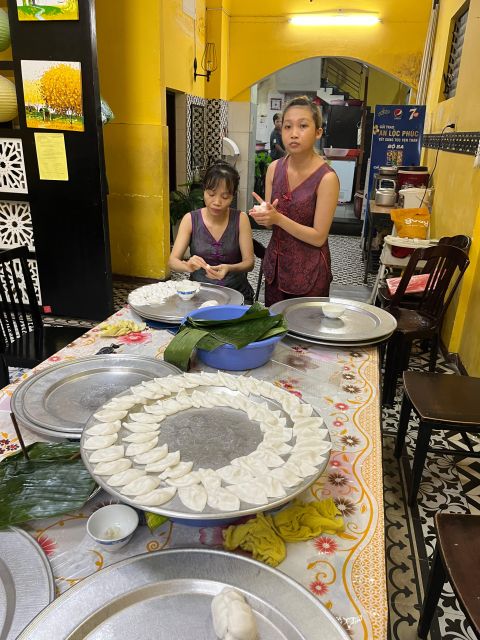
One stop centers on Hoi An dumplings, produced using a secret family recipe. The tour mentions a 100-year-old local factory behind these dumplings, which adds a real sense of continuity. This is not a “new trend” food. It’s part of local manufacturing and routine.
What to watch for: the dumpling texture and flavor balance. In Hoi An, the experience isn’t just “the filling.” It’s how the wrapper holds up and how toppings and dipping sauces bring the dish together.
If you’ve only had dumplings elsewhere, this is the one you should treat like a lesson. You’re learning what local cooks protect over decades.
A few more Hoi An tours and experiences worth a look




3) Wonton-style flavors and quick local comfort
Next up is Hoi An wonton, served in a way that fits local tastes and everyday eating habits. Wontons can be comforting anywhere, but here the guide frames it as part of a broader local food culture—not a generic noodle-shop dish.
Drawback to keep in mind: if you’re sensitive to rich broths, go slow with early soup-heavy items. You’ll still get plenty of food overall, so you don’t need to force every bowl at once.
4) Banh My and satay: the grab-and-go dinner mix
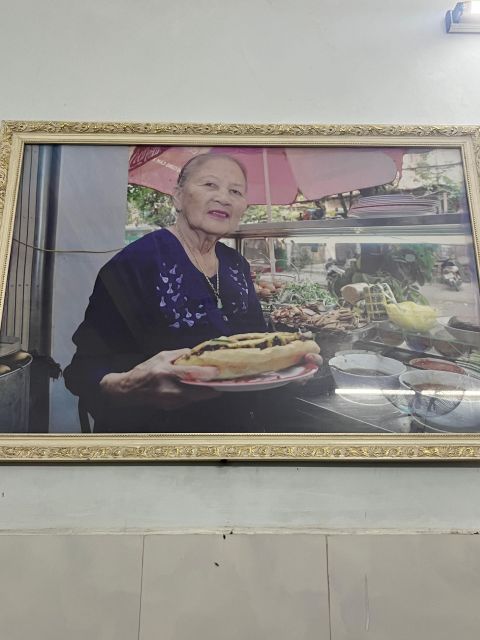
You’ll also taste bánh mì (banh my) and Hoi An satay. This pairing is smart because it gives you contrast. Bánh mì brings crunch and herbs. Satay brings the smoky-sweet comfort you expect from grilled influences, but with a Hoi An local spin.
In practice, this part of the tour is what helps you keep walking without feeling overloaded. You’re switching textures—bouncy, crisp, grilled—so your appetite stays awake.
5) Cao Lau: the specialty noodle with a story behind it
If you only remember one dish afterward, make it Cao Lau noodle. The tour highlights it as a specialty made using a recipe that goes back around 300 years, and that matters. When a dish has that kind of age, the “how” is usually as important as the “what.”
Cao Lau is also one of those foods that’s hard to replicate without the right local ingredients and method. This makes the tasting more meaningful than it sounds on paper—you’re eating the real version, in the town that shaped it.
One practical tip: if you’re ordering in your next restaurant evening, don’t automatically assume every place makes Cao Lau the same way. This tour helps you set a baseline for what to look for.
6) Black sesame soup to finish strong
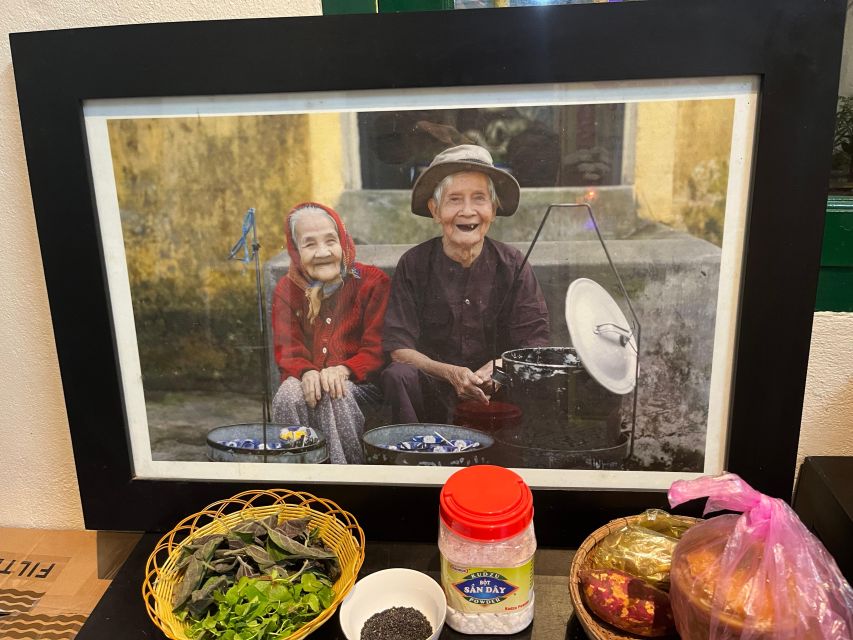
To end the tastings, you’ll get black sesame soup. This works as a natural landing after savory dishes. Sesame brings a nutty depth that feels both comforting and slightly “dessert-like,” without turning the tour into a sugar bomb.
Some guests also talk about enjoying the final drink stop near the end (often something like iced tea). Even if your drink differs, the point is the same: you finish relaxed, not wandering around still trying to find your next meal.
7) Old town stroll with stories and Hoai River romance
Between food stops, you’ll also see old buildings and hear local stories. Toward the end, you’ll head into the old town area and get a romantic look at the Hoai River.
This isn’t just scenery. It’s part of why the food tastes the way it does. Hoi An’s cuisine is linked to its trading history, its layout, and how communities formed around markets and waterways. You’ll feel that connection more clearly once you’ve walked through the smaller lanes.
Guides and group vibe: what the reviews consistently point to
A big theme in the feedback is the guide. Names like Tham, Danny, Vu, Uyen, and Phi show up repeatedly, and the consistent vibe is warm, patient guiding with plenty of dish context. If you’re the kind of person who likes asking questions—why this dish exists, how families keep recipes, what locals eat on regular days—this tour will work well.
Also, a practical advantage: vegetarian options are available. More than one guest notes that they could be accommodated at different stops. If you have dietary restrictions, you should mention them when you book so your guide can plan adjustments.
The “value math” of $23 in Hoi An
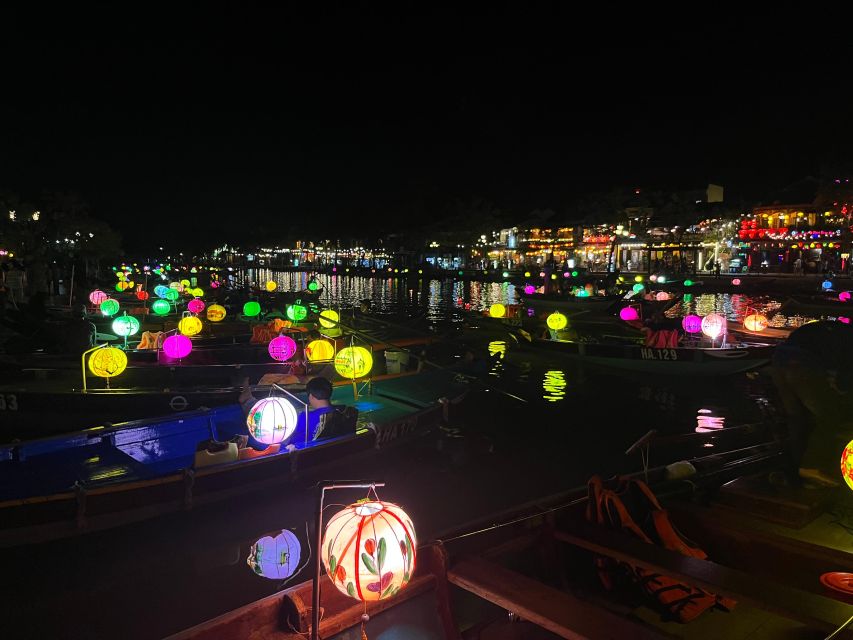
Let’s be honest: food tours can be hit-or-miss. What makes this one feel worth it is the structure.
You pay for:
- An English-speaking guide
- All food items named in the tour
- Water and one drink at the end
- Enough stops to try 6–7 different dishes, not just “two bites and a souvenir”
That’s why the price doesn’t feel like you’re paying extra just for walking. You’re paying for access—access to local kitchens, older recipe holders, and places you’d likely walk past without noticing.
One cost wrinkle: there’s a $37 USD surcharge on public holidays. If you’re traveling around a busy Vietnamese holiday, check the date carefully before you commit.
Also note: the Hoi An old town entrance ticket isn’t included. The tour still guides you through the areas, but you’ll want that separate line item in mind if you’re aiming for a full day of wandering afterward.
What to bring (so your night stays fun)
This is a night walk. You don’t want your feet making decisions.
Bring:
- Comfortable shoes (you’ll walk between stops)
- A small appetite buffer (come hungry, not “snacked already”)
- An open mind about textures (some dishes are gentle; others are richer)
If you’re picky about specific allergens or ingredients, the tour data says vegetarian options are available, but it doesn’t list detailed allergen protocols. I’d still communicate restrictions early so your guide can plan safer alternatives.
Who should book this tour?
This tour is a strong fit if:
- It’s your first night in Hoi An and you want orientation through food
- You want local family-style dishes, not only the most famous tourist stalls
- You enjoy history and culture, but you prefer it told through what people actually eat
- You want a guided way to access backroads and residential areas without awkward guesswork
It may be less ideal if:
- You dislike walking tours or you want a seated, stop-and-chat dinner
- You’re only interested in one or two famous dishes and don’t care about sampling others
- You have dietary needs beyond vegetarian options (you’ll need to ask directly)
Should you book the Hoi An hidden food adventure?
Yes—if you’re in Hoi An for a short stay and want a dinner plan that doubles as town orientation. The inclusion of 6–7 tastings in 3 hours, plus a guide who takes you beyond the main lanes, makes it a practical choice for value.
If you’re going on a public holiday, factor in the $37 surcharge and keep your budget tidy. And if you hate walking, this is probably not your style. But if you like eating your way through a place, this is one of the easiest “book it and relax” evenings you can choose.