REVIEW · SAPA
Sapa Motorbike Tour 1 Day| See All Of Rice Fields & Valleys in One Day
Book on Viator →Operated by Trekking Tour Sapa · Bookable on Viator
One day in Sapa can feel like a blur. This ride-style tour gives you a focused route through Muong Hoa Valley views, classic rice terraces, and village life across Hmong, Giay, and Red Dao communities.
I especially liked the way the guides bring village culture into the ride, with real explanations about rice-field work and even Hmong marriage traditions and house-building techniques. I also liked the practical package: lunch is included (vegetarian), and you don’t have to figure out village entry fees or motorbike petrol.
One caution: the roads can be rough. You should have moderate physical fitness and be comfortable being on the back of a motorbike for long stretches, especially if you’re sensitive to bumps or curvy mountain roads.
In This Review
- Key highlights
- Why this one-day Sapa motorbike tour works
- Start in Sapa: meeting point, timing, and getting safely on the bike
- The best morning stop: Y Linh Ho for Muong Hoa Valley panoramas
- Lao Chai rice terraces: a classic village vista with an educational guide
- Ta Van Village: where the culture lessons feel personal
- Hau Thao and Giang Ta Chai: finishing with more valleys and more context
- Food and inclusions: what you get for the money
- The road reality: fitness and comfort matter more than you think
- Who should book (and who might want a gentler option)
- Should you book this 1-day Sapa motorbike tour?
- FAQ
- What’s the duration of the Sapa motorbike tour?
- How much does the tour cost?
- Where do we meet for the tour?
- What time does the tour start?
- Is pickup offered?
- Do I get a mobile ticket?
- What’s included in the price?
- Is lunch included, and is it vegetarian?
- What level of fitness do I need?
- Is this a private tour?
Key highlights
- Muong Hoa Valley panoramas at Y Linh Ho and Lao Chai, timed early for great morning light
- Five village stops in one day: Y Linh Ho, Lao Chai, Ta Van, Hau Thao, and Giang Ta Chai
- Culture you can ask about, including Hmong marriage traditions and house-building techniques
- Lunch included as a vegetarian meal, plus village entry fees and a small bottle of water
- A private tour setup, so your group follows your guide’s pace
- Motorbike logistics handled, with the driver and petrol included in the price
Why this one-day Sapa motorbike tour works
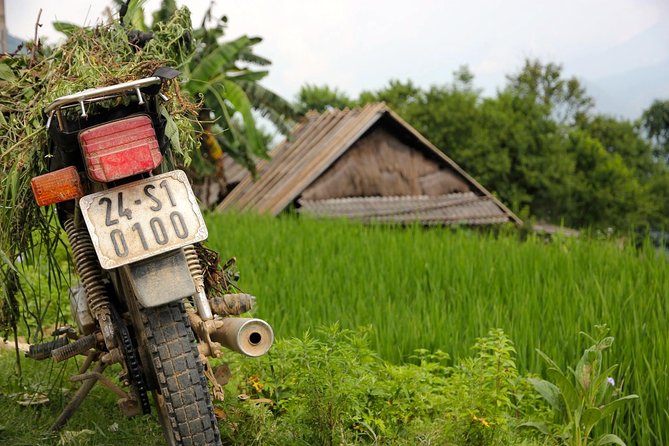
Sapa is famous for its rice terraces and mountain scenery, but spending time actually moving through the valley and reaching villages takes effort. This tour is built for that. In about 6.5 hours, you cover multiple village areas and get big views over Sapa’s biggest river and valley, not just a quick drive-by.
For me, the biggest advantage is balance: you get enough time to see rice paddies and village routines, but it’s still short enough to fit into a tight trip. The price—$97.44 per person—also makes sense for a day that includes a local guide, motorbike driver, petrol, village entry fees, and lunch.
The tour is also aimed at culture, not just photos. Your guide is there to explain customs and daily life among Hmong, Giay, and Red Dao communities, including specific topics like Hmong marriage traditions and how people build homes and work the rice fields.
A few more Sapa tours and experiences worth a look
Start in Sapa: meeting point, timing, and getting safely on the bike
You’ll start at Sapa Church on P. Hàm Rồng (TT. Sa Pa, Sa Pa, Lào Cai). The tour begins in the morning, with the schedule showing 8:40 am as the tour start and 9:00 am listed as the start time—so plan to be ready around that window.
Pickup is offered, and the guide meets you at your hotel in Sapa town or in front of the main church area. If you’re the kind of traveler who hates waiting around, this helps: you’re not stuck figuring out transport or where to meet a driver.
Before the ride starts, you’ll get a quick setup on how to sit and how to keep safe on the back of the bike. That safety briefing matters. I’ve found that mountain motorbike days go much better when you know where to place your hands, how to brace, and how to manage the turns without fighting the driver.
This is also a private tour/activity, meaning only your group participates. That’s a big deal in a place like Sapa, where routes can get crowded. Here, your day is paced around your group, not around matching up strangers.
The best morning stop: Y Linh Ho for Muong Hoa Valley panoramas
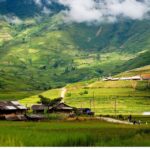
The route begins with a drive toward Y Linh Ho, a village area connected with the Black Hmong people. The timing is early: you reach Y Linh Ho around 9:30 am.
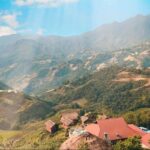
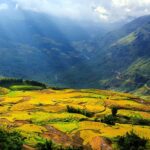
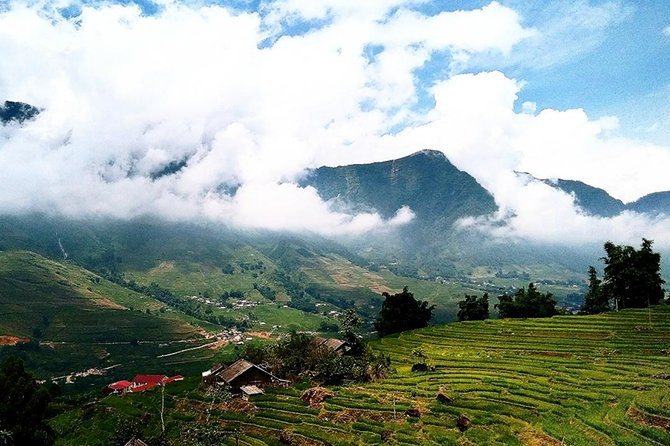
This is where you get panorama-style views across Muong Hoa Valley, with dramatic rice paddies spread out below. If you care about photography, the early timing helps, because morning light tends to show texture in terraces and shadows in the valleys.
You also get the benefit of starting your day with “view first, culture second.” After the ride, your brain already understands the geography—valleys, ridges, terraces—so the cultural explanations land faster.
Practical note: bring something you can hold securely. Cameras and phones are great, but you don’t want to be fiddling with straps while the bike is moving. Use short stops, not constant handling.
Lao Chai rice terraces: a classic village vista with an educational guide
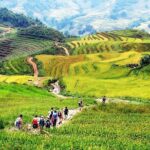
After Y Linh Ho, you head onward to Lao Chai, arriving around 10:00 am. Like Y Linh Ho, Lao Chai is positioned for panoramic views—another chance to see terraced fields that match the postcard image, but from up close and at walking pace.
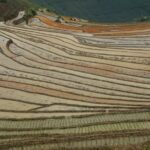
Your guide doesn’t treat these stops as just photo ops. They point out the terraced rice fields and explain what they mean for village life: where work happens, how the terraces shape daily routines, and how families manage building and maintenance.
This is also a good time to ask questions. Because you’re with a local guide, it’s easier to move from vague sightseeing to specific understanding—what people grow, how they work the land, and why techniques matter in mountainous terrain.
There’s also mention of an included ticket component during this stretch (the itinerary shows 1 hour with admission ticket included). In practice, that means at least one part of the morning includes access or a paid entry element, so you don’t have to sort out additional fees at the last minute.
Ta Van Village: where the culture lessons feel personal
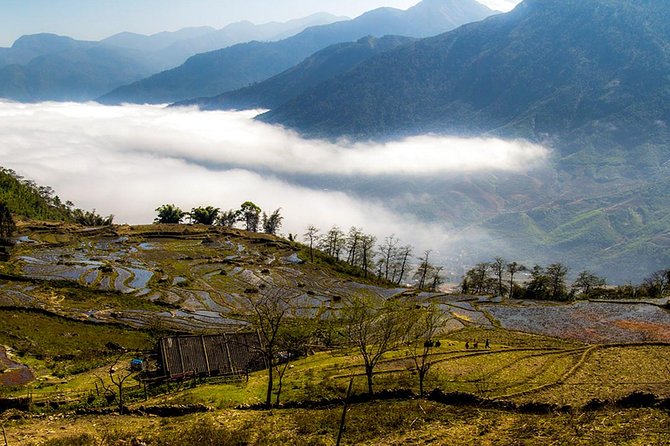
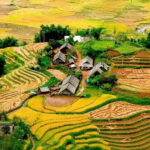
From the morning village vistas, the tour continues to Ta Van Village. This is one of the stops where the experience shifts from scenery to lived culture.
Your guide introduces customs and traditions across three ethnic minority groups: Hmong, Giay, and Red Dao. The tour highlights specific Hmong topics like:
- unique marriage traditions
- rice fields work routines
- house building techniques
Even if you only remember a few details, this kind of targeted explanation makes the day feel grounded. You’re not just passing through. You’re learning what’s behind what you’re seeing.
Ta Van also tends to be the emotional center of the route for many people because it’s where the story becomes more human-scale: homes, everyday movement, and conversations that don’t feel like a scripted performance.
Timing-wise, the itinerary notes a morning ride distance of about 15 km (around 3.5 hours) for this first major run through villages. That long-but-focused block is a typical rhythm for a day like this: ride, stop, talk, ride again.
Hau Thao and Giang Ta Chai: finishing with more valleys and more context
After Ta Van, the route continues to Hau Thao and Giang Ta Chai. Together with Y Linh Ho and Lao Chai, these stops complete the day’s five village focus.
What I like about the “two more villages” finish is that it keeps the story from turning into repetition. By the time you reach the last stretch, you’ve already seen rice terraces and you’ve learned some cultural themes. So the later stops feel like another layer: more viewpoints, more daily-life moments, and more context about how different communities live in the valley system.
The itinerary frames the ride as a way to enjoy mountain landscapes while also seeing Sapa’s biggest river and valley. You’re not just circling close to town. You’re using the motorbike to reach the valley areas where those major views show up.
This is also where fatigue sneaks in for some people. If you’re sensitive to motion, plan to keep your shoulders relaxed and let the driver do the work. Stop briefly when offered, drink water slowly, and don’t over-stuff your pockets with stuff you’ll drop when you move.
Food and inclusions: what you get for the money
This tour is not a bare-bones ride. It’s structured so you can stay focused on the day.
Included items:
- Vegetarian lunch (the tour provides vegetarian foods)
- village entry fees
- 1 small bottle of water
- local guide
- motorbike petrol
- motorbike driver
Not included:
- extra drinks (for example, bottled water or beer at a restaurant/homestay)
- personal travel insurance
- tips
Here’s how I’d think about value: a motorbike day that includes the driver, petrol, and a guide is already doing a lot. Adding lunch and village entry fees removes several common “hidden” costs that add up on day trips.
Still, don’t assume you’ll have unlimited drinks. The only guaranteed water is the small bottle included. If you get thirsty easily, consider bringing a little extra cash for drinks. Also, if you drink more than average, plan ahead so you’re not stuck deciding between water and snacks in a village setting.
The road reality: fitness and comfort matter more than you think
This is a motorbike tour, so your comfort level matters. The tour specifically notes moderate physical fitness. That doesn’t mean you need to train for a hike, but it does mean you should be able to handle:
- long stretches of sitting on the bike
- repeated stops and walks around village areas
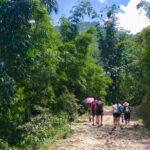
- uneven ground in village settings
Also, based on the overall tone people use when describing this kind of ride in Sapa, expect curvy roads and bumpy sections. One common theme is that the roads can feel intense. If you’re prone to motion sickness, you’ll want to plan for that before you go.
The good news: you’re not doing this alone. You have a driver, a guide, and a planned route. And since the tour is private, your guide can pace it to your group.
Who should book (and who might want a gentler option)
This is a smart fit if you want:
- rice terrace views and valley scenery in one day
- village culture explanations around Hmong, Giay, and Red Dao
- a tour where lunch and village fees are handled
- a smaller, private group feel instead of weaving through crowds
It’s also a good option if Sapa town itself doesn’t feel like the best use of your time. The route takes you out toward the villages, where daily life is the main event.
It may be less ideal if:
- you’re uncomfortable on motorbikes or easily get travel sick
- you prefer a slower pace with lots of long breaks
- you don’t want to deal with weather-dependent activities (the tour requires good weather)
Should you book this 1-day Sapa motorbike tour?
I’d book this if you’re the kind of traveler who wants one strong day in Sapa that mixes big views with real village contact, and you value having lunch, guides, and entry fees handled for you. The total time—about 6 hours 30 minutes—is long enough to feel satisfying, but short enough that you’re not trapped in travel mode all day.
If you’re on the fence, the deciding factor is simple: can you handle a motorbike day on curvy mountain roads? If yes, this tour offers excellent value for how much it covers—five villages, terrace panoramas, and cultural lessons—without requiring you to plan the logistics yourself.
If you want the most comfortable version of this day, choose it when weather is stable and pack for the ride: water awareness (only a small bottle is included), secure your phone/camera, and wear shoes that can handle uneven village paths.
FAQ
What’s the duration of the Sapa motorbike tour?
It runs for about 6 hours 30 minutes (approx.).
How much does the tour cost?
The price is $97.44 per person.
Where do we meet for the tour?
The meeting point is Sapa Church on P. Hàm Rồng, TT. Sa Pa, Sa Pa, Lào Cai 333100, Vietnam. The end of the activity returns to this meeting point.
What time does the tour start?
The tour start is listed as 8:40 am in the itinerary, and 9:00 am in the start time details. You should plan to be ready around that morning window, and your guide will coordinate meeting/pickup.
Is pickup offered?
Yes. Pickup is offered, and the guide meets you at your hotel in Sapa town or in front of Sapa’s main church.
Do I get a mobile ticket?
Yes, the tour includes a mobile ticket.
What’s included in the price?
Included are vegetarian lunch, village entry fees, 1 small bottle of water, a local guide, motorbike petrol, and the motorbike driver.
Is lunch included, and is it vegetarian?
Yes. Lunch is included and it’s vegetarian. Drinks at the restaurant or homestay are not included.
What level of fitness do I need?
The tour asks for moderate physical fitness.
Is this a private tour?
Yes. It’s a private tour/activity, so only your group participates.