REVIEW · SAPA
Vietnamese Spring Rolls Cooking Class
Book on Viator →Operated by SAIGONESE TREKKING HOUSE · Bookable on Viator
Crispy spring rolls turn cooking into a story. In Sapa, this class teaches you how to roll delicate rice paper, stuff it with local fillings like noodles, mushrooms, and vegetables, and fry it until you get that golden crunch you crave.
What I like most is the hands-on rolling and frying (this is not a sit-and-watch show) and the family-style meal where you eat what you made. One consideration: the experience requires good weather, and with a maximum of 10 people, it’s lively but not a private class.
In This Review
- Key points to know before you go
- Why Crispy Fried Spring Rolls Make the Best Sapa Cooking Class
- Saigonese Trekking House on Nguyễn Chí Thanh: Easy to Find, Easy to Return
- The Two-Hour Flow: From Welcome Drink to Dinner You Cook
- Ingredient Prep in Plain Sight: Herbs, Vegetables, Noodles, Mushrooms
- Rolling Rice Paper: The Skill That Makes Spring Rolls Work
- Frying Until Golden and Crunchy (Without Guesswork)
- Dipping Sauce and Flavor Balance: How Vietnamese Meals Read on the Plate
- Price and Value in Sapa: What $25 Gets You (and What It Doesn’t)
- Who Should Book This Spring Roll Class (and Who Might Skip It)
- What to Do Before You Go (So Your Rolls Come Out Better)
- Should You Book the Vietnamese Spring Rolls Cooking Class in Sapa?
- FAQ
- How long is the Vietnamese Spring Rolls Cooking Class?
- Where does the class start and end?
- What is included in the $25 price?
- How many people are in the group?
- What will I learn to make?
- What happens if the weather is bad or I need to cancel?
Key points to know before you go
- Hands-on rice paper rolling with guidance from a local chef
- Fresh-style fillings featuring noodles, mushrooms, and vegetables
- Frying practice until spring rolls are golden and crunchy
- Traditional dipping sauce paired with your homemade rolls
- Small group limit of 10 for more hands-on time and questions
- Dinner included, plus a take-home recipe to repeat at home
Why Crispy Fried Spring Rolls Make the Best Sapa Cooking Class
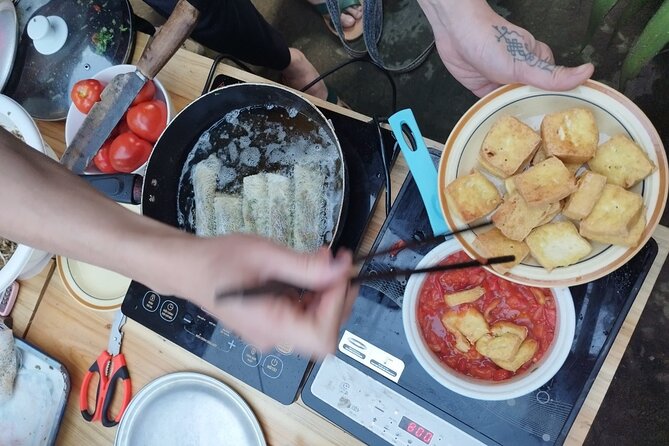
Vietnamese spring rolls are comfort food with attitude. They’re simple at first glance, then you notice the details: the right chew, the right crunch, and the balance between fresh herbs, warm filling, and a dipping sauce that ties everything together.
This class focuses on the fried version, which means you’ll practice the key skills that give spring rolls their signature texture. Rice paper rolling can feel fiddly at home, but here you get real-time help as you learn the shape, the amount of filling, and the pacing. It’s the kind of practical cooking lesson that sticks because your hands do the work, not just your brain.
You’ll also pick up a useful way Vietnamese home cooking thinks about meals: not just flavor, but texture and timing. Crispy outside, warm inside. Freshness next to richness. That idea shows up in everyday eating, and it’s easier to understand when you make it yourself.
You can also read our reviews of more cooking classes in Sapa
Saigonese Trekking House on Nguyễn Chí Thanh: Easy to Find, Easy to Return
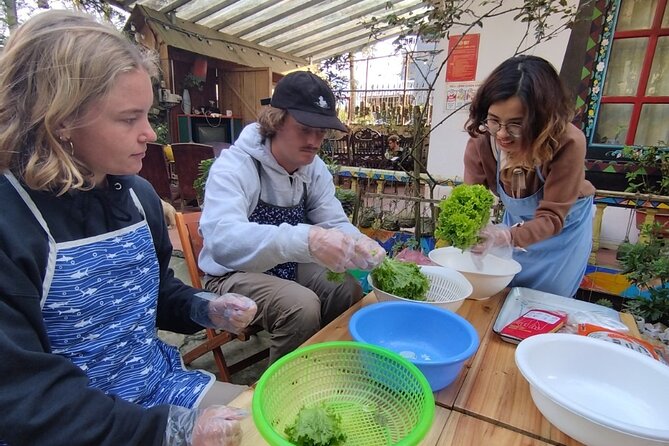
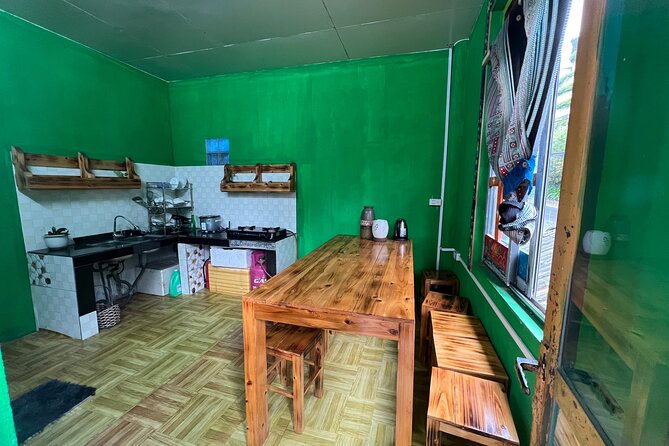
Your class starts at Saigonese Trekking House, address 02 Nguyễn Chí Thanh, TT. Sa Pa, Sa Pa, Lào Cai, Vietnam. It also returns to the same meeting point, so you don’t have to track a moving itinerary or worry about where you’ll end up afterward.
It’s listed as near public transportation, which matters in Sapa because you don’t want the day to be about logistics. You want it to be about food. If you’re staying anywhere in the Sa Pa town area, you should be able to get there without a major detour.
This setup also helps your timing. You’re not committing to half a day of travel between activities. You get a clear start, a smooth flow, and you’re back where you began.
The Two-Hour Flow: From Welcome Drink to Dinner You Cook
This is roughly a 2-hour experience, taught for small groups (up to 10). That time frame is long enough to learn the steps properly, but short enough that you’re not trapped in the kitchen all evening.
Here’s the typical rhythm you can expect:
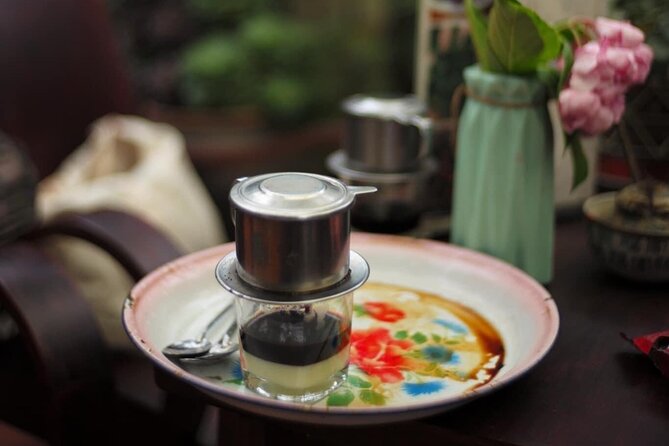
- You begin with a welcome drink of coffee and/or tea.
- You get an introduction to the ingredients, including fresh herbs and vegetables.
- Then you move into hands-on work: rolling the rice paper, assembling the filling, and learning the frying process.
- You finish by eating your spring rolls in a warm, family-style setting, with dinner included.
What I like about this structure is the payoff. You don’t just end up holding a lesson. You end up holding a plate.
Ingredient Prep in Plain Sight: Herbs, Vegetables, Noodles, Mushrooms
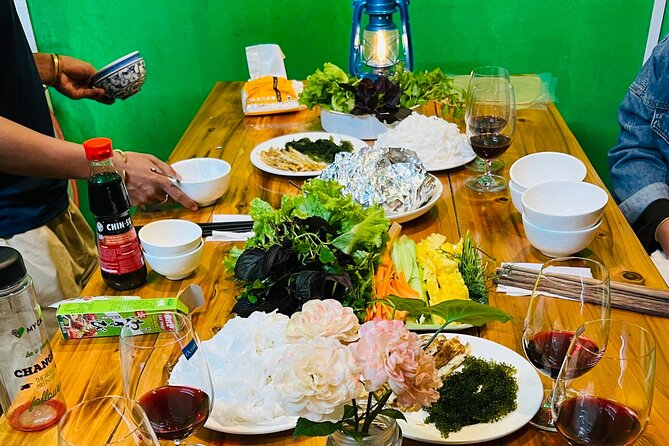
Before anyone heats oil, you learn what goes into the filling and why those ingredients matter. You’ll start with a look at the essentials, especially the fresh herbs and vegetables that give Vietnamese dishes their lift.
The filling you’ll work with includes noodles, mushrooms, and vegetables. That combination is smart because it gives you a mix of textures even before frying. Mushrooms add a savory depth. Vegetables add bite. Noodles help the filling feel substantial rather than dry.
If you care about dietary fit, pay attention to the phrase filling includes… It’s a concrete start. You may still want to confirm dipping sauce ingredients if you avoid certain foods, but the filling itself is built around common veggie-friendly components.
This ingredient stage isn’t filler time. It’s where you learn how the class thinks about balance: not one heavy flavor, but layers that work together once everything’s wrapped and fried.
Rolling Rice Paper: The Skill That Makes Spring Rolls Work
Rice paper rolling is where most home cooks get frustrated. It sticks when it’s too wet, tears when it’s too dry, and suddenly you’ve got a shape more like a dumpling wrapper than a spring roll.
In this class, rolling is a central lesson. You’ll practice the mechanics of wrapping rice paper and assembling the filling so you get the right size and seal. The guide shows you how to handle the wrap, how much filling to use, and how to work efficiently so your dough-like wrapper stays workable.
Two practical notes for you:
- Be ready for small messes. Even if the kitchen is tidy, rice paper is a hands-on ingredient.
- Keep your expectations realistic. The first few rolls are practice. The later ones are when your technique starts to look like what you’ve seen on menus.
The value here is not just learning to make a roll. It’s learning what the roll should feel like and why.



Frying Until Golden and Crunchy (Without Guesswork)
Frying is simple in theory and tricky in practice. You need enough heat to crisp the outside while keeping the filling hot and balanced.
The class trains you to fry the rolls until golden and crunchy. That line matters. It tells you what success looks like, and it gives you an outcome you can measure with your eyes. You’re not just told to heat things; you’re guided toward the exact texture you want.
Because this is a group class, you also learn the pace: how to keep things moving without rushing your rolling steps. In cooking, speed is useful only when it doesn’t ruin the texture.
Once the rolls come out, you’ll be ready to eat. Crunch after frying doesn’t wait politely, so you’ll want to settle in and get your first bite while they’re at their best.
Dipping Sauce and Flavor Balance: How Vietnamese Meals Read on the Plate
After all that work, you’ll get to taste the full idea: crispy fried spring rolls paired with a traditional dipping sauce.
This is where the class goes beyond technique. Vietnamese cooking often balances flavors and textures so each bite has contrast: crunchy against soft filling, savory against fresh aromatics, and sauce that rounds out everything you wrapped.
Sitting down in a warm, family-style setup is part of why this experience feels like culture rather than a chore. You’re not just eating in silence. You’re learning how the dish is meant to be enjoyed, which helps you recreate it later.
If you’re the type who likes to understand meals, not just repeat recipes, this portion is your payoff. You’ll start noticing what makes a dipping sauce work: saltiness, tang, and how it balances fried food’s richness.
Price and Value in Sapa: What $25 Gets You (and What It Doesn’t)
At $25 per person, this class lands in the category of affordable, skill-building food experiences. The cost makes more sense when you compare it to what’s included.
You get:
- A welcome drink (coffee and/or tea)
- Dinner included
- Hands-on instruction with rolling, filling, and frying
- A take-home recipe so you can cook it again
Tips aren’t included, so plan to budget a little extra if you’re happy with the lesson.
The group-size cap of 10 also matters for value. Smaller groups usually mean better chances to ask questions while your hands are working. You’re more likely to get corrected before you commit your mistakes to your cutting board.
One more value note: the recipe takes what you learn from the class and turns it into something you can actually use at home. That’s a real quality-of-life win. Many cooking classes end with photos. This one ends with a plan.
Who Should Book This Spring Roll Class (and Who Might Skip It)
This is best for you if:
- You want hands-on cooking instruction, not just watching.
- You like learning technique you can repeat at home.
- You’re curious about Vietnamese eating habits and how flavors and textures work together.
- You enjoy the comfort-food side of Vietnamese cuisine, especially crunchy fried snacks.
You might want to skip it if:
- You’re looking for a deep cultural tour of Sapa beyond food.
- You prefer very quiet, strictly timed activities. This is family-style, and conversation is part of the experience.
- You’re the kind of traveler who hates any kind of mess or stovetop work. Rolling and frying are physical.
Overall, it’s a great match for food lovers, couples, and solo travelers who want a friendly, guided way to understand Vietnamese cooking.
What to Do Before You Go (So Your Rolls Come Out Better)
Since the class is practical, your small prep can pay off. Here’s what I’d do:
- Arrive hungry. You’ll cook, fry, and then eat your creations.
- Wear something comfortable for kitchen work. Rice paper and frying mean you’ll be reaching and moving.
- If you have dietary restrictions, ask about sauce ingredients in advance. The filling includes noodles, mushrooms, and vegetables, but you’ll want clarity on the dipping sauce.
Once you start rolling, focus on consistency. Use the instructor’s guidance as your “baseline,” then adjust. Cooking is a feedback loop, and this class is basically built around that.
Should You Book the Vietnamese Spring Rolls Cooking Class in Sapa?
Book it if you want a short, fun, genuinely practical cooking lesson that ends with dinner you made yourself. The hands-on rolling and frying plus family-style meal is a strong combo for value, especially at $25 with a take-home recipe.
Skip or reconsider if you need rigid scheduling with no weather risk, since the experience requires good weather. If you’re flexible and you want a real skill, this is a smart way to spend a couple hours in Sapa.
FAQ
How long is the Vietnamese Spring Rolls Cooking Class?
The class is about 2 hours.
Where does the class start and end?
It starts at Saigonese Trekking House at 02 Nguyễn Chí Thanh, TT. Sa Pa, Sa Pa, Lào Cai, Vietnam, and ends back at the same meeting point.
What is included in the $25 price?
The experience includes a welcome drink (coffee and/or tea) and dinner.
How many people are in the group?
The class has a maximum of 10 travelers.
What will I learn to make?
You’ll make crispy fried spring rolls, including rolling rice paper, preparing a filling with noodles, mushrooms, and vegetables, and frying the rolls, served with a traditional dipping sauce.
What happens if the weather is bad or I need to cancel?
The experience requires good weather. If it’s canceled due to poor weather, you’ll be offered a different date or a full refund. You can also cancel for a full refund up to 24 hours in advance.