REVIEW · SOUTHERN VIETNAM
Best of Saigon Ho Chi Minh City Shore Excursion from Cruise Port
Book on Viator →Operated by Maximus Travel Vietnam · Bookable on Viator
Saigon in one organized, history-filled day. This private shore excursion strings together the War Remnants Museum and classic colonial sights, then adds a Chinese-temple stop so you don’t leave Ho Chi Minh City as one-dimensional history class. I especially like the smooth round-trip cruise port pickup and the way a strong guide can connect the dots fast; if you’re sensitive to graphic war imagery, you’ll want to brace yourself for that museum.
You’ll get a private guide and a route that can flex, which is a big deal when you’re working around cruise schedules. The itinerary is packed enough to feel efficient, but the overall time range (about 6 to 12 hours) means you should plan for a long day and wear comfortable shoes and sun protection.
In This Review
- Quick reasons this shore day works
- A Fast Saigon Hit With Private Port Pickup and Lunch
- The Big Picture: War, Colonial Saigon, and Chợ Lớn Side Streets
- Notre Dame Cathedral of Saigon and the Central Post Office: Paris Square to Postmark Time
- Independence Palace: Where Ngo Dinh Diem and 1975 Collide
- War Remnants Museum: The Vietnam War, Told Without Soft Focus
- People’s Committee Building and Saigon Opera House: French Lines in a Modern City
- Chợ Lớn’s Phố Tau Sai Gon and Ba Thien Hau Temple: Chinatown With Real Purpose
- Your Guide and the Heat-Traffic Reality Check
- Price and Value at $115 per Person
- Practical Tips to Get the Most From the Day
- Should You Book This Cruise Shore Excursion?
- FAQ
- How long is the shore excursion?
- Does the tour include pickup and drop-off from the cruise port?
- Is this tour private or shared?
- What’s included for food?
- Are admission tickets included for the main attractions?
- Do I get water during the tour?
- Is there any mobile ticket option?
- What’s the cancellation policy?
Quick reasons this shore day works
- Round-trip private port transfers so you’re not worrying about taxis or timing
- War Remnants Museum + Independence Palace for a clear Vietnam War storyline
- French colonial landmarks like Notre Dame Cathedral and the Central Post Office
- Chợ Lớn Chinatown contrast with Phố Tau Sai Gon and Ba Thien Hau Temple
- Included lunch at a local Vietnamese restaurant to keep the day feeling real
- Guides with strong English (I saw examples like Sarah, Peter, and Tom) who explain clearly
A Fast Saigon Hit With Private Port Pickup and Lunch
If you’ve got limited time in Ho Chi Minh City, this tour makes sense because it doesn’t waste your morning. The day is built around a simple goal: see the big-name sites plus the places that help you understand how Saigon became Ho Chi Minh City.
I like that lunch is included and happens at a local Vietnamese restaurant, not a “tourist-only” pit stop. That matters because food is how you slow down and actually feel the place. You’ll also get bottled water and cold tissues, a small thing that can feel huge on a warm, busy day.
One practical note: the tour duration is listed as 6 to 12 hours. That’s a wide range, so you should mentally budget for a long stretch from port exit to port return—especially if your ship’s schedule is tight. The good news is the tour is designed to help you get back in time.
You can also read our reviews of more boat tours in Southern Vietnam
The Big Picture: War, Colonial Saigon, and Chợ Lớn Side Streets
Ho Chi Minh City can feel like three cities layered on top of each other: French colonial administration, American-era Vietnam War realities, and the long-running community life of Chợ Lớn (Saigon’s Chinatown area). This tour covers all three without turning the day into a blur of random stops.
You start with iconic French-era buildings—Notre Dame Cathedral and the Central Post Office—then shift into the 20th-century power story at the Independence Palace and the Vietnam War memory work at the War Remnants Museum. After that, you move into colonial-era government architecture and the Saigon Opera House, and finally pivot to Chợ Lớn with Phố Tau Sai Gon and Ba Thien Hau Temple.
For me, the value is that the stops aren’t just pretty facades. They give you a framework you can walk through while the city is right in front of you. It’s the kind of structure that helps you remember what you saw when you’re back on the ship.
Notre Dame Cathedral of Saigon and the Central Post Office: Paris Square to Postmark Time
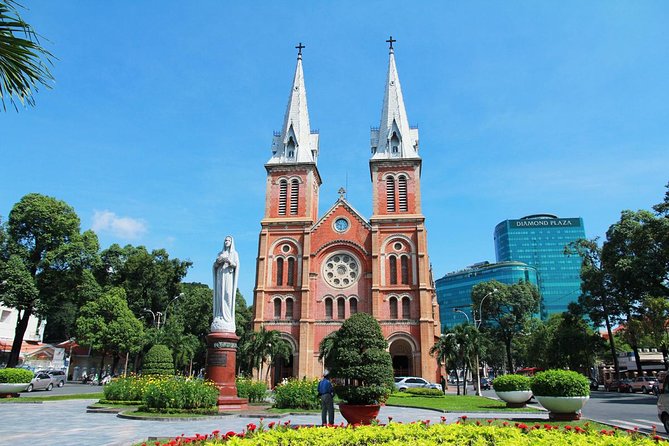
Notre Dame Cathedral of Saigon is one of the few remaining strongholds of Catholicism in Vietnam’s largely Buddhist setting. The cathedral itself dates to the late 1880s, built by French colonists—so you get immediate “colonial era” context as soon as you arrive.
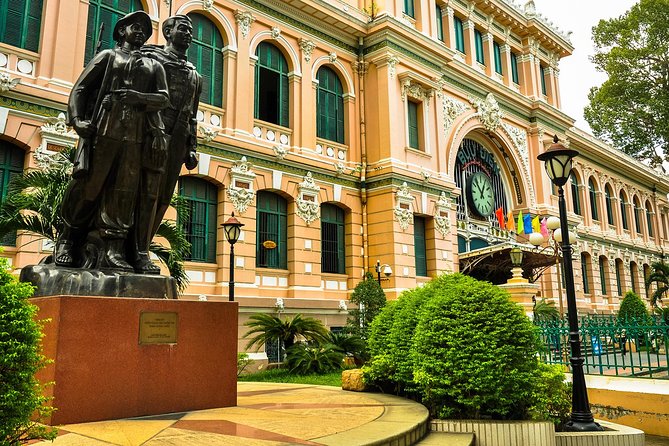
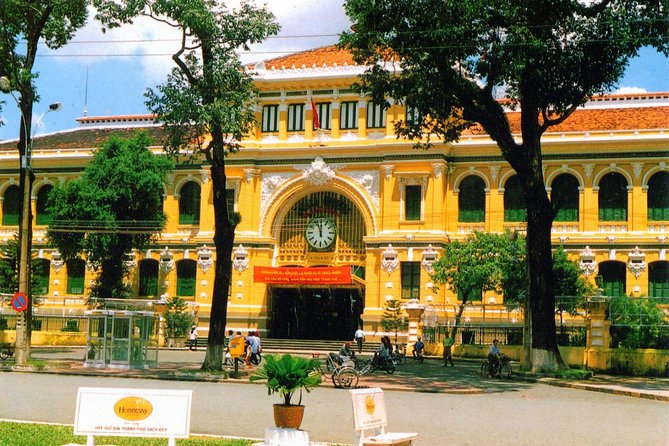
Right next door is the Saigon Central Post Office, described as perhaps the grandest post office in all of Southeast Asia. Even if you’re not a building-nerd, you’ll feel why this place mattered: it’s practical infrastructure treated like important civic architecture. The pairing of these two stops works well because it’s visual storytelling. One site shows religion and European influence; the other shows communications and how the French ran things.
Time-wise, you’re looking at about 30 minutes at each stop in the itinerary. That’s enough to take photos and soak it in without turning it into a museum-style marathon. Drawback: both areas are central, so you may deal with crowds and street noise. If you want calm photos, plan to step away for a minute and let the busy moments pass.
Independence Palace: Where Ngo Dinh Diem and 1975 Collide
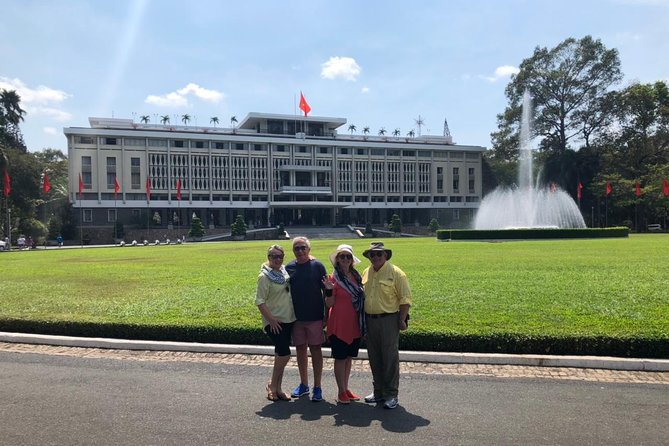
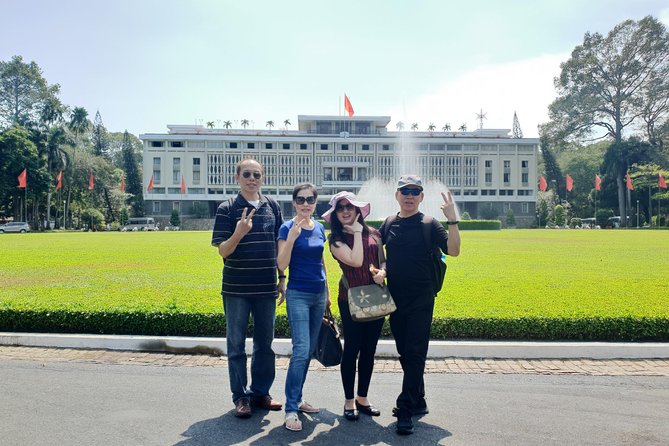
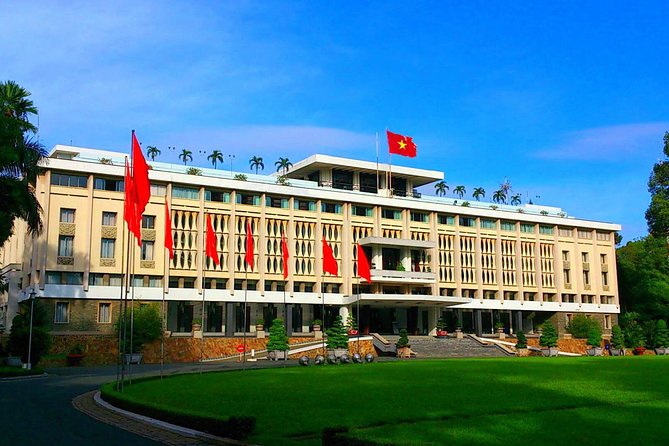
The Independence Palace (also known as Reunification Palace) is one of those places that makes history feel physical. The site was the base of Vietnamese General Ngo Dinh Diem until his death in 1963, and it later became famous in 1975—when a tank belonging to the North Vietnamese Army crashed through the main gate.
This is history that you can’t just skim. Even with a short visit time (about 45 minutes), the palace layout helps you understand how power operated and how fast the world can change. It’s also a good “anchor stop” after you’ve seen the French-era buildings, because it shifts the story from colonial administration into Vietnamese political decision-making.
Admission is included here, which helps keep your day smooth. The main consideration is emotional tone: this site sits right in the middle of wartime and political conflict. If you prefer lighter cultural stops, you may want to approach this one with a quick mental reset so the rest of your day stays enjoyable.
War Remnants Museum: The Vietnam War, Told Without Soft Focus
The War Remnants Museum opened to the public in 1975 and was once known as the Museum of American War Crimes. The museum is intentionally shocking; expect graphic photographs and hard-to-look-at war imagery.
In practical terms, this stop is listed for about 45 minutes with admission included. That’s a good length because you can get the main message without being stuck in an all-day emotional burden. I’d treat it like a serious museum visit: go in with patience, and give yourself permission to look away when you need to.
Why it’s worth it: you come out understanding that the Vietnam War is remembered not only in political terms but also in personal and physical consequences. A good guide can also help connect what you see here to the Independence Palace earlier in the day, so it feels like one storyline rather than two separate exhibits.
If you’re traveling with kids, or you know you personally struggle with graphic content, you’ll want to plan accordingly. This isn’t a “casual sightseeing” stop.
You can also read our reviews of more city tours in Southern Vietnam

People’s Committee Building and Saigon Opera House: French Lines in a Modern City
After the heavy stops, the People’s Committee Building gives you a breather while still staying in the history lane. The People’s Committee Building in central Ho Chi Minh City features well-preserved French colonial architecture set in a spacious garden landscape. It was originally constructed as a hotel in 1898 by French architects.
That French-built “administration meets garden space” vibe is a key Saigon detail. It shows how colonial planning often blended authority with style, and it also gives you a change of pace from indoor exhibits.
Then you step toward the Saigon Opera House (Ho Chi Minh Municipal Theater), an elegant colonial building located at the intersection of Le Loi and Dong Khoi Street, very close to Notre Dame Cathedral and the Central Post Office. The itinerary keeps this lighter—about 15 minutes—so it’s more of a sight-and-stroll moment than a full tour.
Both stops list free admission. So you’re paying mostly for time and guidance, not extra ticketing. The main drawback here is heat and traffic exposure while moving between points. Wear breathable clothing and carry water, even though bottled water is included.
Chợ Lớn’s Phố Tau Sai Gon and Ba Thien Hau Temple: Chinatown With Real Purpose
Chợ Lớn (Quận 5) is where the day becomes more than “capital city monuments.” This is Ho Chi Minh City’s largest Chinatown, with roots dating back to 1778. The description notes that Chinese minorities hid here from the Tay Son, which adds a survival-and-community angle to what could otherwise be only a shopping detour.
Phố Tau Sai Gon is the Chinatown street stop in this itinerary, listed for about 1 hour. It’s described as admission free, and it gives you time to look around, people-watch, and get a feel for everyday life at street level. If you like markets and neighborhoods more than museum rooms, this is the part that tends to feel most fun.
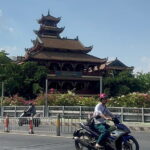
Then you visit Ba Thien Hau Temple, dedicated to Mazu, the Chinese sea goddess. The temple’s belief system is practical in the way traditions often are: Mazu is believed to protect and rescue ships and people on the sea, flying around on a mat or cloud. The stop is about 30 minutes and admission free.
Why I like ending with a temple: it’s a cultural reset after war museums. You’re not ignoring history—you’re balancing it with living belief and community life. Just remember: temples can still be crowded and busy, so keep your visit respectful and watch your footing.
Your Guide and the Heat-Traffic Reality Check
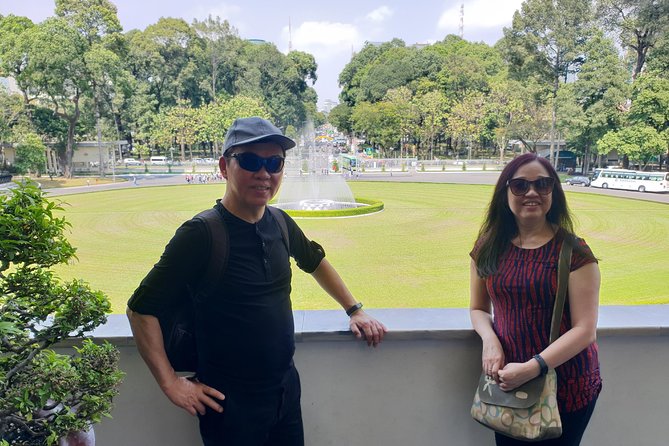
This tour is private and flexible, and that matters in Ho Chi Minh City. A “same-day schedule” in a city like this isn’t just about sightseeing—it’s also about road conditions, walking distances, and how quickly you need to move to stay on time for your ship.
The tour includes port pickup and drop-off, and that’s the difference between feeling relaxed and feeling stressed. In the examples I saw, guides like Sarah, Peter, and Tom stood out for clear English and for making sure you get safely across busy roads. You may also find that for longer distances you’re taken by car, which helps when it’s hot and you’re trying to keep the day enjoyable.
What you can control: you’ll enjoy the day more if you communicate your pace early. If you want photos, say so. If you need bathroom stops, ask. Private guidance is meant to be customized, not rigid.
What to watch for: the itinerary includes multiple central locations, so you’ll be exposed to street traffic and sun while transferring between stops. Plan on comfortable shoes, a hat, and simple patience. If you’re traveling during a hot month, start hydrating as soon as you get off the ship.
Price and Value at $115 per Person
At $115 per person, you’re paying for more than tickets. You’re paying for private port transfers, a professional guide, included Vietnamese lunch, and “all fees and taxes,” plus bottled water and cold tissues.
Here’s how I think about the value. The big-cost items in a day like this are time and logistics. Cruise shore days punish you when you have to figure out transportation and timing yourself. This tour handles the timing problem with pickup and drop-off, and it builds a route that hits major landmarks without leaving gaps that you’d otherwise fill with extra taxi time.
Also, a tour that includes lunch helps you avoid the common cruise-day trap: spending your cash on a rushed meal and then paying again for time lost. With lunch handled, your day stays predictable.
Could it be more expensive than a basic group tour? Maybe. But the private setup is where the value shows up: flexible route, private guide, and a focus on getting you back on time.
If you’re traveling solo, it can cost more than a shared bus style tour. If you’re a small group, it often starts to feel like a smart, practical way to buy back your day.
Practical Tips to Get the Most From the Day
Here’s how to make the itinerary work for you, not against you.
- Wear slip-resistant, comfy shoes. You’ll be moving between multiple major sites and walking in hot conditions.
- Bring sun protection even if it’s cloudy. The city’s pace can be fast, and you don’t want to waste time buying basics.
- Keep your camera ready, but don’t rush every photo. Notre Dame and the Central Post Office are best when you pause and look slowly.
- Expect a tonal shift at the War Remnants Museum. If you need a breather, do it; it’s part of a responsible visit.
- Use the guide for context, not just directions. The best moments usually come from the connections between stops—French colonial influence leading to political power and then to war memory.
- Save room for Chinatown details. Chợ Lớn can be visually loud; take your time at Phố Tau Sai Gon before you move on to Ba Thien Hau Temple.
If you’re prone to getting overwhelmed, tell your guide early. Private tours are easier when you’re upfront about how you like to move.
Should You Book This Cruise Shore Excursion?
Book it if you want a structured, high-impact Saigon day that covers the big war story, the French colonial architectural highlights, and a Chinatown cultural stop—all with port pickup and an included lunch. The strongest reason to choose it is the balance: heavy history stops plus lighter, cultural moments, all paced through a private guide you can adjust.
Skip it or choose a different option if you know you’re not comfortable with graphic war imagery, since the War Remnants Museum is a major part of the itinerary. Also, if you hate long days or you’re traveling with very young kids who won’t sit through museum-style content, this may feel like too much.
If your priority is easy logistics, clear explanations, and a day that fits into a cruise schedule, this is one of the more practical ways to see Ho Chi Minh City without spending your shore time stuck solving transportation problems.
FAQ
How long is the shore excursion?
The tour duration is listed as approximately 6 to 12 hours.
Does the tour include pickup and drop-off from the cruise port?
Yes. Port pickup and drop-off are included.
Is this tour private or shared?
It’s a private tour/activity, meaning only your group will participate.
What’s included for food?
Lunch at a local Vietnamese restaurant is included.
Are admission tickets included for the main attractions?
Admission is included for the Independence Palace and the War Remnants Museum. Several other listed stops (like Notre Dame Cathedral, the Central Post Office, and the temple stops) are shown as free admission in the itinerary.
Do I get water during the tour?
Yes. Bottled water and cold tissues are included.
Is there any mobile ticket option?
Yes. Mobile ticket is listed as a feature.
What’s the cancellation policy?
Free cancellation is available. You can cancel up to 24 hours in advance for a full refund. If you cancel less than 24 hours before the experience starts, the amount paid is not refunded.