REVIEW · SAPA
Mount Fansipan Hike 1 Day The Roof Of Indochina
Book on Viator →Operated by Sapa Khai Hmong Treks · Bookable on Viator
Fansipan is a big mountain with an early start. This 1-day hike from Sapa aims straight at the Roof of Indochina, climbing through rolling hills to 3,143 meters where the air turns crisp and the views can sit above the clouds. I like that the day is built around a clear rhythm: early drive from Sapa to Tram Ton Pass, a steady uphill push, then a lunch break before the long descent. It also feels like a practical way to tackle a serious peak without committing to a multi-day trek.
I also love the value piece: you get bottled water and lunch included, plus pickup and return drop-off back to your starting point in Sapa. One possible drawback: the pace can feel a bit rushed, and you may need to speak up for more explanations or extra stop time for photos.
In This Review
- Key points to know before you go
- Sapa to Tram Ton Pass: the early jump that makes or breaks the hike
- The climb to Fansipan’s 3,143 m: expect changing terrain and thinner air
- What I’d watch for on the uphill
- Lunch at 12:00: the smart break before the knees start complaining
- The descent to 4:00 PM: where pace, mud, and weather matter most
- How I’d manage the descent
- Weather and clothing: this is a mountain day, not a stroll
- Price and value: is $185 worth a one-day Roof of Indochina push?
- Who this Fansipan hike suits best (and who should reconsider)
- Should you book Mount Fansipan Hike 1 Day?
- FAQ
- What time does the hike start?
- How long is the Mount Fansipan hike?
- Where do we begin hiking?
- How far is the trek in one day?
- What altitude do we reach?
- What is included in the price?
- What is not included?
- How big is the group?
- What weather happens if conditions are poor?
- What is the cancellation window?
Key points to know before you go
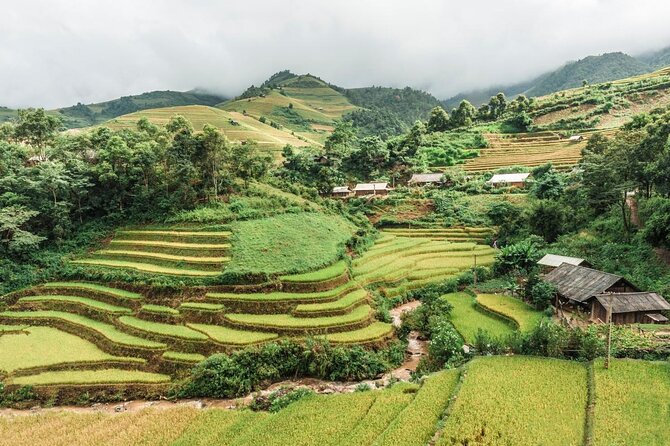
- Tram Ton Pass start: you begin the hike after a dedicated drive from Sapa, not from town center.
- 3,143 m summit altitude: expect a real altitude challenge and colder air as you climb.
- About 24 km total: this is a long day, not a quick nature walk.
- Lunch at 12:00: you get a built-in reset before the descent.
- Maximum 20 people: small group size can help with pace and navigation.
- Bring your own snacks: the day includes water and lunch, but not extra food.
Sapa to Tram Ton Pass: the early jump that makes or breaks the hike
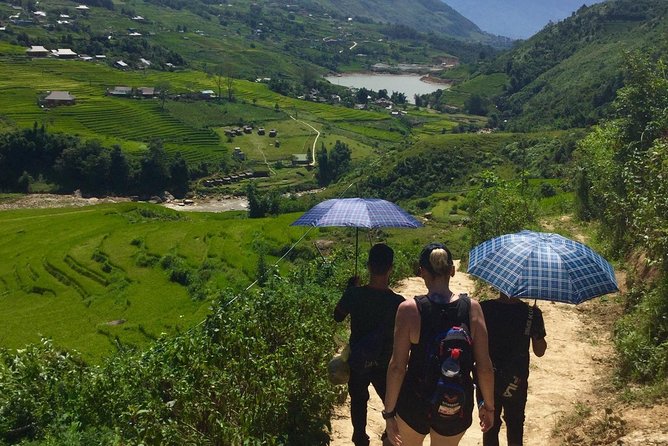
This hike starts with a very early pickup in Sapa, around 5:30 AM in most cases, then you’re driven to Tram Ton Pass. The goal is simple: get you hiking while the mountain is still quiet and the temperature is more forgiving. Starting this early matters. Fansipan can turn moody with weather, and a slow, steady pace early in the day is much easier on your body than trying to catch up later.
The meeting point is tied to the local operator setup in Sapa (near public transportation), so you’re not navigating a complicated system just to begin. You’ll also use a mobile ticket, which is convenient if you’re keeping your plans on your phone.
Group size is capped at 20 people, which usually feels manageable on a steep, narrow route. That matters on a mountain hike where there’s only so much room to pass, pause for photos, or check footing.
If you’re sensitive to mornings, plan to be mentally ready before pickup time. This isn’t the kind of day where you can sleep in and hope for the best.
You can also read our reviews of more hiking tours in Sapa
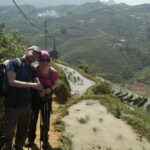
The climb to Fansipan’s 3,143 m: expect changing terrain and thinner air
The hike section is built around climbing from Tram Ton Pass through rolling hills, working your way upward until you reach an altitude of 3,143 meters. At that height, you’re not just dealing with steepness. You’re dealing with a different feel in your lungs, and often a colder, sharper wind.
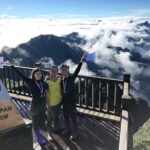
You’ll get big payoffs here. The description of this moment is exactly what many hikers hope for: breathtaking views and that crisp air above the clouds. In practical terms, it means the day shifts from effort to reward. You’ll likely want time to look around, but also time to warm up again. Even on a clear day, the summit atmosphere can be brisk.
The total distance is listed at about 24 kilometers for the round trip. That makes this a true endurance hike. It’s not just one long climb; you’re also banking energy for the descent. Your body will “learn” quickly what kind of hike it is based on your footwear, your pace, and how often you stop.
What I’d watch for on the uphill
- Footing: changing terrain at higher altitudes can be slippery or uneven.
- Breathing: don’t force a fast pace just because you feel okay early.
- Stops: if you want photos, I’d ask for them as early as possible in the day, so you’re not trying to negotiate later when everyone is tired.
If you like hiking but don’t love suffering, you’ll still be okay. Just plan for slow. This mountain is not about speed.
Lunch at 12:00: the smart break before the knees start complaining
Lunch lands around 12 PM, right in the middle of the day’s timeline. That’s a big deal for a one-day trek. Food and timing affect everything on the descent: energy, hydration, and even how steady your legs feel on uneven ground.
What’s included is lunch and bottled water. What’s not included is snacks. So if you think you’ll want something between meals or after your summit break, you’ll want to bring it yourself. Even if you don’t eat much during the climb, having a small snack option can help you avoid the end-of-hike low-energy slump.
The best way to use lunch time is to treat it like a reset, not a long sit-down. Eat, drink, then check your gear: shoes laces (tight), layers (on or off depending on wind), and any rain protection you packed. With Fansipan, the weather can shift fast, so being able to adjust quickly helps.
Also, if you got moving without much explanation from your guide, lunch is a good moment to ask practical questions: route clarity, pacing expectations, and when you might reach viewpoints again. One review note I take seriously is that the guide can sometimes rush. Don’t wait until the very end to ask. Set expectations early.
The descent to 4:00 PM: where pace, mud, and weather matter most
Your descent is scheduled to finish by around 4:00 PM, when you’ll be dropped back at your starting point in Sapa. In other words: you’re hiking hard uphill in the morning, then you’re doing the long work of coming down while your legs are already tired.
Descending is often worse for knees than climbing is for lungs. You’re still covering a long distance, and changing terrain can be harder on the body because you’re constantly adjusting your step. If there’s mud, wet stone, or slick patches, that’s when you’ll feel the need for solid footwear and careful footing.
A few more Sapa tours and experiences worth a look
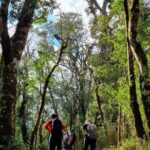
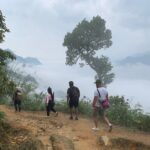

How I’d manage the descent
- Walk slowly on technical parts. Speed makes you sloppy.
- Keep your center of gravity steady. Small trips happen fast on uneven ground.
- Plan water intake. You lose fluid even in cool air.
The big thing to remember is that you’re not just “going back down.” You’re doing the second half of a 10-hour hike. The day’s rhythm ends up shaping how good the experience feels. A calm descent can turn the entire day into a victory lap. A rushed descent can turn it into a survival mission.
Weather and clothing: this is a mountain day, not a stroll
Mount Fansipan has a reputation for difficulty, not because it’s impossible, but because weather can be unpredictable and the terrain is rugged. The route is known for challenging climbing routes and changing conditions, so your clothing choices matter.
You’ll want proper hiking footwear and boots or shoes with grip. The info also calls out bringing things like rain gear and sun protection such as a hat. That’s not overkill. On a high-elevation hike, you can feel sun intensity, then suddenly need rain protection when clouds roll in.
Pack for temperature swings. At the altitude near 3,143 meters, it can feel sharply colder than in Sapa. Layers are your friend because you can adjust while you’re moving (warm) or while you stop (cool).
And don’t forget snacks. Bottled water and lunch are included, but the day will be long. Having your own small food options helps you keep your energy stable from the climb through the descent.
Price and value: is $185 worth a one-day Roof of Indochina push?
At $185 for a one-day hike, the price sits in the “worth it if you want convenience and structure” category. Here’s why that cost can make sense for the right person:
- Pickup and drop-off in Sapa: that’s time and hassle saved.
- Guide support: you’re tackling a tough mountain in a single day, where route knowledge and pacing matter.
- Inclusions that actually help: you get bottled water and lunch, which prevents the common budget trap of paying for extras mid-hike.
- Small group size: up to 20 people keeps it from feeling like a mass event.
The trade-off is that you’re still responsible for bringing your own extras like snacks, and you should have the fitness level to handle about 24 km and high altitude. If you’re not prepared for that physical demand, no price point will feel like a bargain.
To me, this tour is best value when you want a serious mountain experience without building your own plan from scratch. If you already have the gear, fitness, and confidence to navigate independently, you might feel the price less compelling. But for most people, convenience and a guided structure are part of the appeal.
Who this Fansipan hike suits best (and who should reconsider)
This experience is aimed at people with moderate physical fitness. You don’t need to be a mountaineer, but you do need stamina and good hiking legs. A one-day trek of roughly 10 hours with a long distance climb and descent means you should be comfortable walking for extended stretches at altitude.
You’ll enjoy it most if you:
- want big views and high-altitude bragging rights without multi-day planning
- like a clear day plan with a lunch break and a scheduled return
- can handle cold air and long hiking time
You might reconsider if:
- you’re nursing knee issues or know you get worn out fast on descents
- you prefer very leisurely hikes with lots of slow sightseeing time
- you need a lot of guide explanations throughout the day. One experience note I take from past feedback is that pacing can feel rushed, so you’ll want to be proactive about asking questions.
Should you book Mount Fansipan Hike 1 Day?
Yes, I’d book it if you want a focused, challenging day on the Roof of Indochina and you can show up ready for a real hike. The included lunch and bottled water, plus the early pickup and return drop-off, make it feel like good, practical value for a mountain day.
But book with eyes open. Bring snacks, pack real layers and rain protection, and plan to hike your own pace. If you want extra time for photos or deeper explanation, say so early in the day and don’t assume there will be lots of slack built in.
FAQ
What time does the hike start?
The activity is listed to start at 6:00 AM, with pickup in Sapa arranged early in the morning.
How long is the Mount Fansipan hike?
The duration is about 1 day and 10 hours (approx.).
Where do we begin hiking?
You’re driven to Tram Ton Pass and the hike starts from there.
How far is the trek in one day?
The hike is approximately 24 kilometers total.
What altitude do we reach?
You reach an altitude of 3,143 meters.
What is included in the price?
Bottled water and lunch are included.
What is not included?
Snacks, coffee and/or tea, soda/pop, and alcoholic beverages are not included.
How big is the group?
The maximum group size is 20 travelers.
What weather happens if conditions are poor?
This experience requires good weather. If it’s canceled due to poor weather, you’ll be offered a different date or a full refund.
What is the cancellation window?
You can cancel for a full refund up to 24 hours before the experience’s start time (local time). If you cancel less than 24 hours before, the amount paid isn’t refunded.