REVIEW · SAPA
Fansipan Mount Trekking 1 Day
Book on Viator →Operated by Old Quarter Travel · Bookable on Viator
Fansipan in one day is serious work. This full-day trek from Sapa goes after the roof of Indochina, with a guide and porter doing the heavy coordination, plus a picnic lunch that keeps you moving without food stress.
Two things I really like: you get porter support (one porter is included), and you finish with a Fansipan summiting certificate, which feels like a legit stamp on all that effort. One drawback to plan for is weather: rain and fog can roll in and shrink the summit views, so you’ll be hiking mostly by trail and timing rather than scenery.
Key things to know before you go
- 6:00 am hotel pickup gets you onto the trail early, before the day heats up and conditions change
- Bamboo forests up to Tram Ton Pass start the climb gradually, then it turns into stairs and uphill work
- Picnic lunch is included at a mid-route stop, portered up with you so you can focus on the trail
- Summit certification is included after you complete the hike, even if the view is foggy
- Cable car is not included, so this is truly a hike-first day
- Weather can affect visibility, but the route and schedule stay the backbone of the day
In This Review
- Fansipan feels like Sapa’s big test (and that’s why people love it)
- Price and what you’re actually paying for
- Getting to Tram Ton Pass: why the early start matters
- The trek begins: bamboo forests to the first big uphill grind
- Lunch handled for you: the mid-route break that keeps the day sane
- Summiting Fansipan and that certificate moment
- Guides and safety: the value of local pacing
- Rain, fog, and what you should do mentally
- Getting back to Sapa: finishing on time for a real meal
- Who should book this one-day Fansipan trek?
- Should you book the Fansipan Mount Trekking 1 Day?
- FAQ
- What time does the tour start?
- How long is the Fansipan trek?
- Is lunch included?
- Do I get water during the trek?
- Is a porter included?
- Will I receive a certificate?
- Is the cable car included?
- How do I get to the trail area?
- What if the weather is poor?
- Is the tour private?
Fansipan feels like Sapa’s big test (and that’s why people love it)
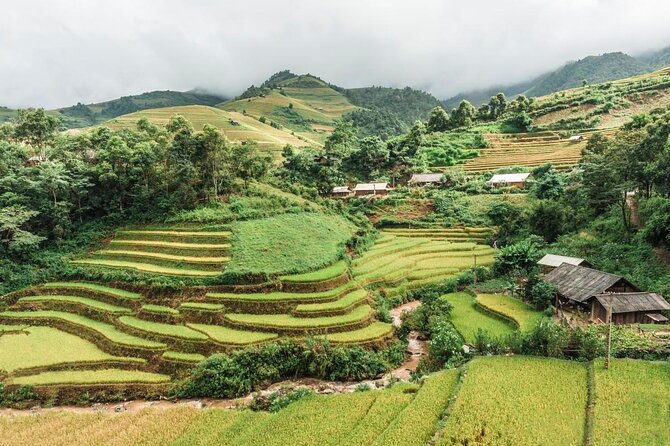
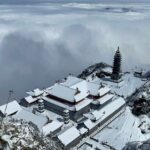
Fansipan is the tallest mountain on the Indochinese Peninsula, and Sapa is the launch point. The name roof of Indochina gets repeated for a reason: the day has that “we’re really doing this” energy from the first morning transfer.
This trek is built for people who want a peak experience without having to organize permits, logistics, or food. You’re not wandering around trying to figure it out yourself. A guide leads the route, a porter helps carry key items, and you move through the Hoang Lien National Park area starting from about 1,800 meters.
If you’re the type who likes a clear goal for the day—reach the top, get the certificate, earn dinner later—this one-day format makes the accomplishment very concrete.
Price and what you’re actually paying for
The price is $89 per person for about 10 hours on the go. That cost can feel fair or high depending on what you compare it to, so here’s the value math that matters.
What you get included:
- Bottled water (1 bottle per person)
- Picnic lunch
- 1 porter
- Medical kit
- Summiting Fansipan certification
- Transportation from Sapa to Ton Station (the early transfer is part of the program)
What can add cost if you want it:
- Cable car (not included)
- Tips for the guide
- Beverages and personal expenses
- VAT is listed as not included
So the core value isn’t just the guide. It’s the combination of transport into the trail zone, food handled for you, porter help, and the paperwork/certification part that turns the hike into an official summit experience. If you’d otherwise hire separate help or show up under-prepared, this package usually ends up making more sense than piecing everything together.
Also, you’ll often see people book this kind of trek weeks ahead (this one is commonly booked about 27 days in advance). That’s usually about securing a spot and timing with guides and permits, not just convenience.
You can also read our reviews of more hiking tours in Sapa
Getting to Tram Ton Pass: why the early start matters
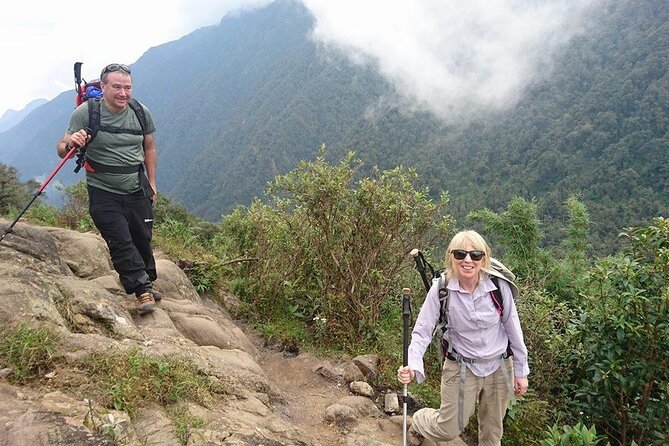
Your day begins at 6:00 am with hotel pickup in Sapa. From there you head to Tram Ton Pass, part of Hoang Lien National Park, at about 1,800 meters above sea level.
That early push matters because Fansipan isn’t an easy stroll. The mountain route is steep and demanding even when the weather behaves. Starting early also gives you a better shot at finishing the hike by midday, which is when the program aims to reach the summit window.
One nice detail: the pickup includes the early entry elements, with the plan calling out a ticket-admission item as free. You still want to show up on time, but the day’s rhythm is designed so you aren’t stuck handling paperwork at the worst possible moment.
And yes, you’ll feel the altitude. Even before you’re high on the mountain, the air at 1,800 meters changes how your body warms up.
The trek begins: bamboo forests to the first big uphill grind
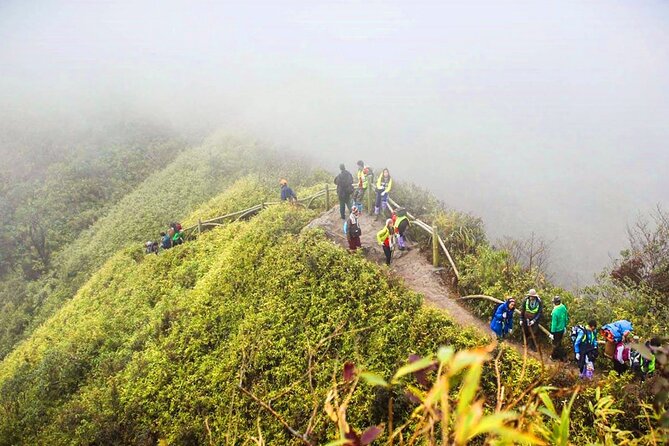
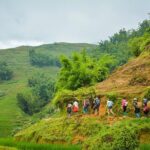
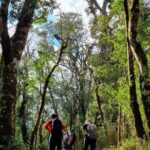
Around 6:50 am, you start trekking through bamboo forests. This is where the day transitions from “travel” to “workout.”
Bamboo forest miles tend to feel smoother than the steepest sections, but don’t let that fool you. The trick on Fansipan is that it’s not just one hard climb—it’s a series of climbs, including lots of uphills and stairs. This is why the tour notes moderate physical fitness as the requirement. It’s not for couch-to-mountain daydreamers, even if your guide keeps the pace manageable.
During the climb, you stop for your picnic lunch. The program doesn’t treat lunch like a long meal break; it’s designed as a practical pause, then you’re back on the ascent.
From the timing described for one-day completion, the lunch stop often lands roughly in the late-morning range, and the summit goal comes later, around 12:00 to 1:00 pm.
Lunch handled for you: the mid-route break that keeps the day sane
The lunch is included, and it’s a real stress-saver. You don’t need to guess what to pack, worry about keeping food edible, or manage extra weight.
In practice, a guide and porter pairing makes this portion smoother. I like the idea that the porter supports the setup, so you can eat, catch your breath, and return to hiking without turning lunch into a logistics project.
Specific guide examples from the experience show different flavors of support:
- One guide, Pang, handled the lunch and kept the day moving with a steady rhythm.
- Another guide, Sii, portered the lunch and kept the hike at a pace that felt challenging but not reckless.
- Bao was good at warning about hazards, which is especially helpful when conditions are slick or visibility drops.
Even when the summit view ends up muted by mist or rain, a well-timed lunch stop keeps morale up. It also helps you save energy for the final stretch rather than burning out early.
Summiting Fansipan and that certificate moment
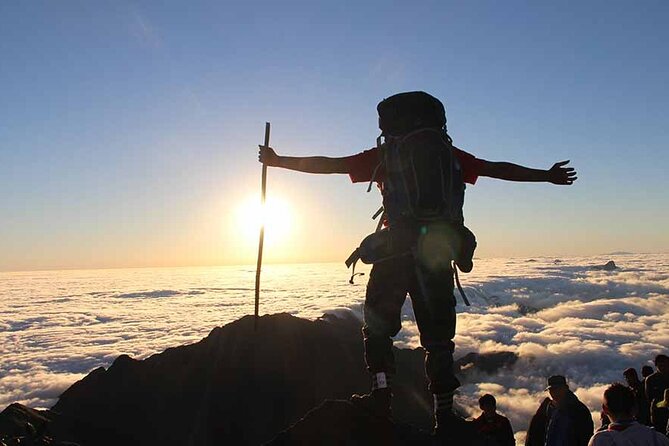
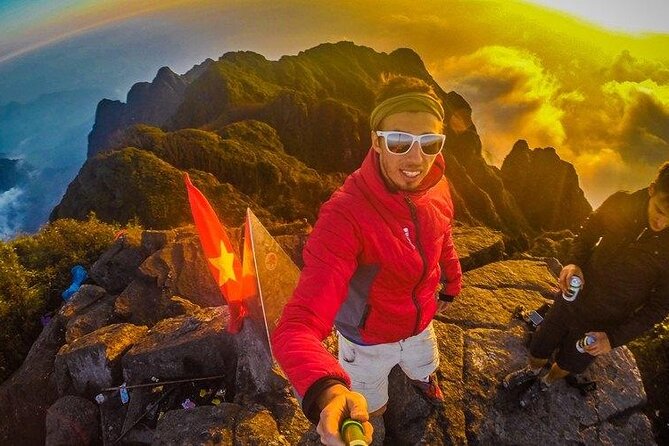
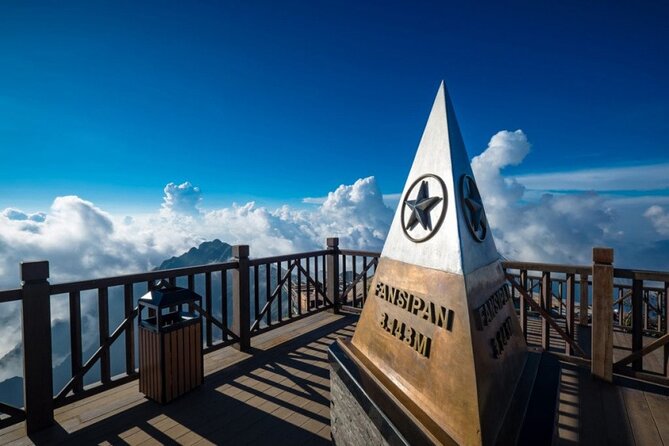
The goal is to reach Fansipan Peak around noon to 1 pm, depending on pace and conditions. That means you’re hiking most of the day’s daylight hours, with your energy managed around the lunch stop and the final push.
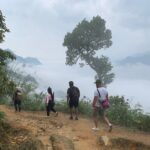
And here’s a practical point that matters: fog is common on mountain treks, and rain can turn the trail into a careful step-by-step route. Even on a day where the view is mostly cloud cover, you can still complete the hike and claim what you came for.
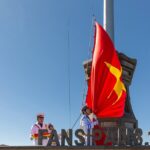
That’s where the Fansipan summiting certificate becomes more than a nice souvenir. When weather hides the top, a certificate still gives you a clear completion marker—something official that says you made it, not just that you walked near something tall.
On tougher days, you’ll feel it in your legs. One day format can feel like a lot—especially if you’re new to stairs and sustained uphill hiking. If you think you might struggle, consider that a longer multi-day pace could reduce strain. For this specific one-day option, the “worth it” factor is strong, but only if you’re realistic about effort.
A few more Sapa tours and experiences worth a look
Guides and safety: the value of local pacing
The tour is designed with a guide and porter, plus a medical kit included. That’s not marketing fluff. On a mountain route, it’s about staying oriented and not rushing.
The guide’s job is part navigation, part pacing, part hazard awareness. In the real-world examples behind this tour, guides like Sii were praised for keeping a manageable pace and maintaining a safe, positive vibe. Bao was noted for warning about hazards along the way. Another guide, Pang, helped keep timing on track and delivered a satisfying lunch stop.
One balanced note: not every guide will be equally chatty in English. If you’re hoping for lots of conversation, you might find there’s less to talk about during the hardest sections, especially with language barriers. The trade-off is often more focus on safety and route control.
Rain, fog, and what you should do mentally
You can plan your outfit, but you can’t control the mountain weather. Rain and fog are part of the deal up here, and they change the experience in two ways:
- Visibility can drop at the summit, so the “roof of Indochina view” might be wrapped in clouds.
- Trail conditions can get harder, which means more cautious steps and less margin for slipping.
I recommend you treat this as a hike-first day. If you’re chasing perfect photos, you’ll be disappointed more often than you’ll be lucky. If you’re chasing effort, achievement, and a mountain day you can talk about for years, you’ll still win—even with mist.
That mindset shift also helps you handle the emotional letdown if the summit looks like a fog bank. The physical completion and certificate still land as the main payoff.
Getting back to Sapa: finishing on time for a real meal
After the trek, you’re picked up around 16:30 to return to Sapa town center. The transfer back is brief, about 40 minutes, and then the program ends.
That timing is practical. You’re not arriving in the evening after a full day and then having to scramble for transport. You’ll still be tired, yes, but you’ll likely be in a position to eat, shower, and not lose the whole night to logistics.
If you’re planning anything later the same evening, keep it light. Your body will remind you this was stairs and uphill work long after the cloud cover clears.
Who should book this one-day Fansipan trek?
This tour is a strong fit if:
- you want a guided push to the peak with porter support
- you like having lunch handled, not planned and packed
- you want an official summit certificate
- you’re physically ready for a demanding day that includes uphills and stairs
It may not be your best match if:
- you’re very new to hiking and want a gentler pace
- you hate long uphill effort and prefer more gradual hikes
- you’re only interested in clear views and don’t want weather uncertainty
One more practical check: since cable car is not included, this is an all-in hike. If you’re hoping to shorten the effort with a gondola, you’ll need to plan that separately.
Should you book the Fansipan Mount Trekking 1 Day?
I think you should book it if your goal is a real summit day with support, not a casual nature walk. The package makes sense because it handles the things that usually make mountain treks stressful: food, transport into the trail zone, porter help, and a certificate that confirms the summit.
I’d hesitate only if you’re uncertain about the physical demands of a one-day climb. In that case, the mountain won’t become easier because you booked the tour—you’ll just carry that extra strain longer. If you’re reasonably fit and okay with fog and rain as possibilities, this is a memorable Sapa experience with clear, measurable payoff at the top.
FAQ
What time does the tour start?
The tour starts with pickup at 6:00 am from your Sapa hotel.
How long is the Fansipan trek?
It runs for about 10 hours (approx.).
Is lunch included?
Yes. You get an included picnic lunch during the hike.
Do I get water during the trek?
Yes. Bottled water is included as 1 bottle per person per day.
Is a porter included?
Yes. 1 porter is included for the trek.
Will I receive a certificate?
Yes. You receive a Fansipan summiting certificate after completing the hike.
Is the cable car included?
No. Cable car is not included.
How do I get to the trail area?
Transportation from Sapa to Ton Station is included, and the early transfer takes you to the area around 1,800 meters above sea level.
What if the weather is poor?
This experience requires good weather. If it’s canceled due to poor weather, you’ll be offered a different date or a full refund.
Is the tour private?
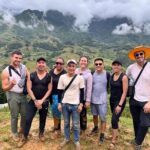
Yes. It’s described as a private tour/activity, meaning only your group participates.