REVIEW · HOI AN
Hoi An: Authentic Cooking class in organic Herb Village
Book on GetYourGuide →Operated by Tra Que Water Wheels Company Limited · Bookable on GetYourGuide
A village day that tastes like Vietnam’s heart. This cooking class in Hoi An takes you from a lively local market straight into the calm Tra Que vegetable world, then back to a family kitchen for hands-on Vietnamese cooking. I love the mix of flavors and learning, especially the way guides like Vi (and the Water Wheel family team) explain herbs and spices you’ll actually use at home.
Two big pluses: the market stop where you can sample produce with the sellers’ rhythm, and the four-course cooking class where you work with fresh ingredients and traditional tools. One consideration: the schedule runs rain or shine and includes cycling, so plan for wet paths and bring shoes you don’t mind getting dirty.
In This Review
- Key highlights worth your time
- From Hoi An pickup to a market full of herb staples
- The 20-minute bike ride through rice fields and farm animals
- Entering Tra Que’s herb village: 300+ years of manual growing
- Cooking four traditional dishes with fresh herbs and old-school tools
- How the teaching style helps you succeed
- Dietary needs and accommodations
- Clay-pot fish, papaya salad, and the moment it all clicks
- Natural table decoration and why it’s not just decoration
- Basketboat in coconut village: nice add-on if you want more water time
- Value at about $41: what you’re really paying for
- Who should book this Tra Que Water Wheel cooking day
- Should you book this cooking class?
- FAQ
- What’s included in the tour price?
- Where does the tour start?
- How long is the experience?
- What dishes do you cook?
- Can they accommodate allergies or special diets?
- Does it run in bad weather?
- Is the tour taught in English?
- Can children join?
Key highlights worth your time
- Market tour with real ingredient talk: see and taste what locals buy every day
- About 20 minutes of countryside cycling: rice fields, cows, ducks, and big-breath air
- Tra Que herb village, 300+ years old: manual growing of 30+ herb types
- Four classic dishes taught step-by-step: spring rolls, pancake, papaya salad, clay-pot fish
- Fresh fruit dessert after you cook: simple, satisfying finish
- Relaxed, family-run atmosphere: photos and a good vibe during the whole day
From Hoi An pickup to a market full of herb staples
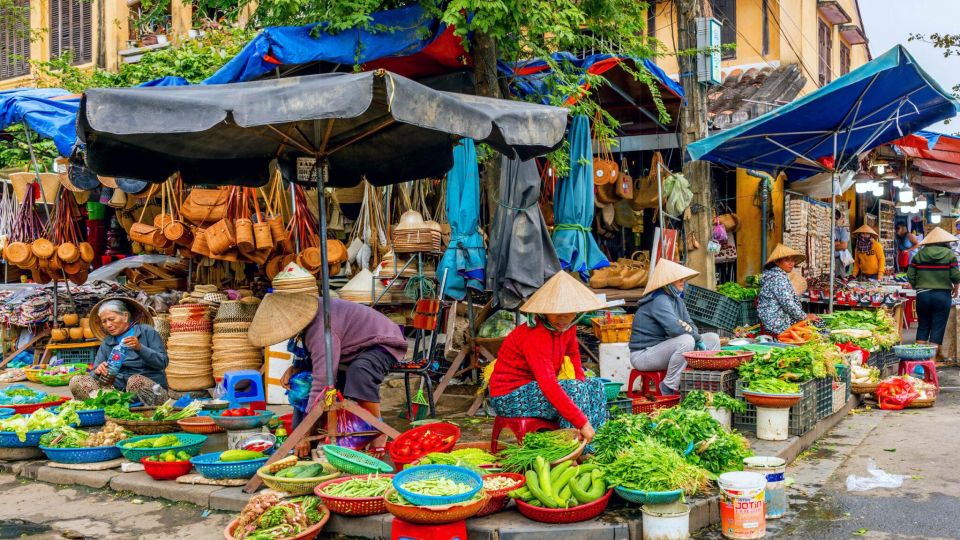
The day starts with pickup from your hotel, usually by bicycle, motorbike, or car depending on where you’re staying and how your group is set. Then you head to a colorful local market where the energy is practical, not touristy. You’ll walk through stalls of produce and spices, watch how people shop, and get a sense of who does what when it comes to buying and selling.
What makes this market part more useful than the usual quick photo stop is the ingredient focus. The guide explains traditional vegetables and spices that show up in daily Vietnamese meals, so the cooking later doesn’t feel like a random cooking show. Instead, it clicks: you understand what you’re holding, why it’s used, and how it changes the taste.
In reviews, people also point out the friendly, relaxed pace—your guide doesn’t just lecture. You’re shown what matters, and you often get to sample along the way. If you like learning by tasting, this market stop is one of the strongest parts of the whole experience.
You can also read our reviews of more cooking classes in Hoi An
The 20-minute bike ride through rice fields and farm animals
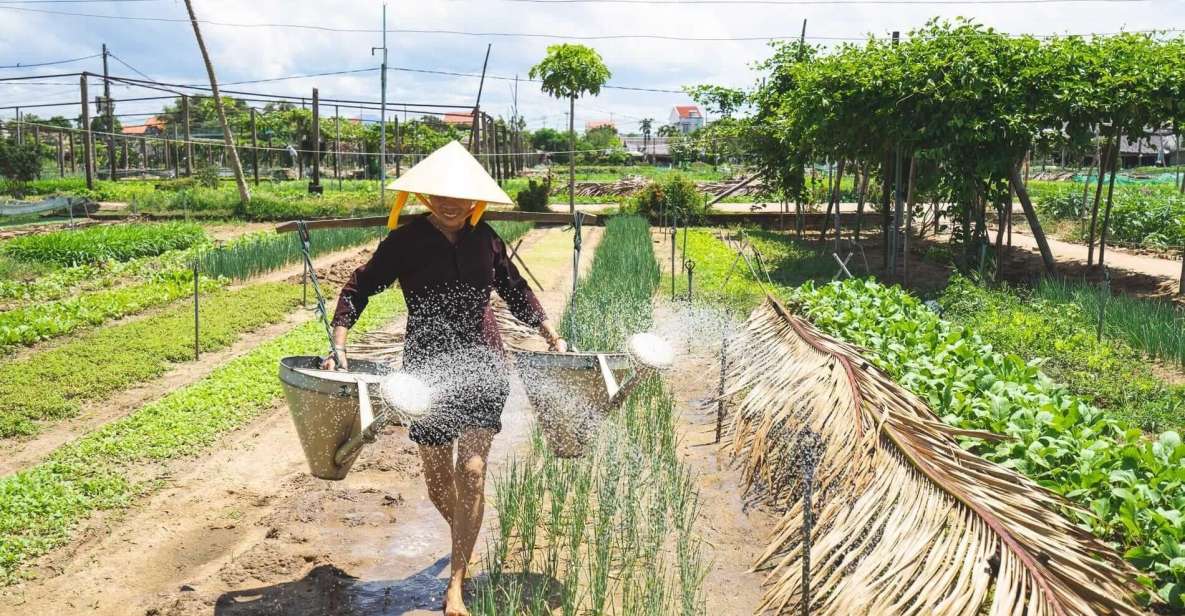
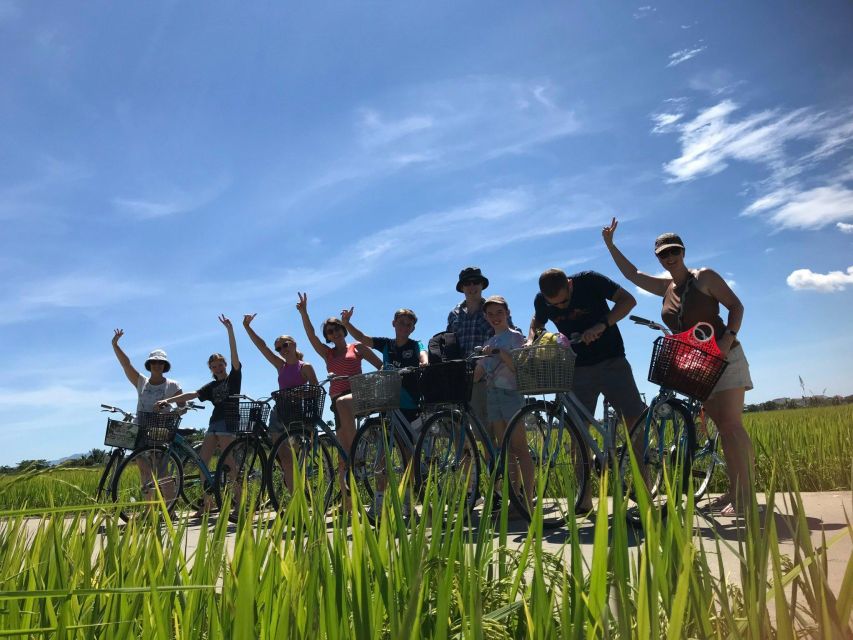
After the market, you cycle for about 20 minutes through the countryside. This isn’t an intense workout. Think of it as a reset button between the busy market and the quiet green of Tra Que.
As you ride, you’ll pass farm scenery that’s both calm and alive: rice fields and the sights of cows, ducks, and buffaloes. The air is noticeably fresher than town, and you’ll get a rare Hoi An perspective—the area’s “everyday” setting rather than the evening lantern circuit.
Possible drawback: if it’s raining, the ground can get slick and muddy. Nothing dramatic is mentioned, but rain or shine is part of the plan. Wear shoes with grip, and keep a light layer in your day bag so you don’t get cold if the weather turns.
Also, cycling time is short. If you expect a long ride or a full “bike tour,” you may find this section pleasantly brief rather than big adventure.
Entering Tra Que’s herb village: 300+ years of manual growing
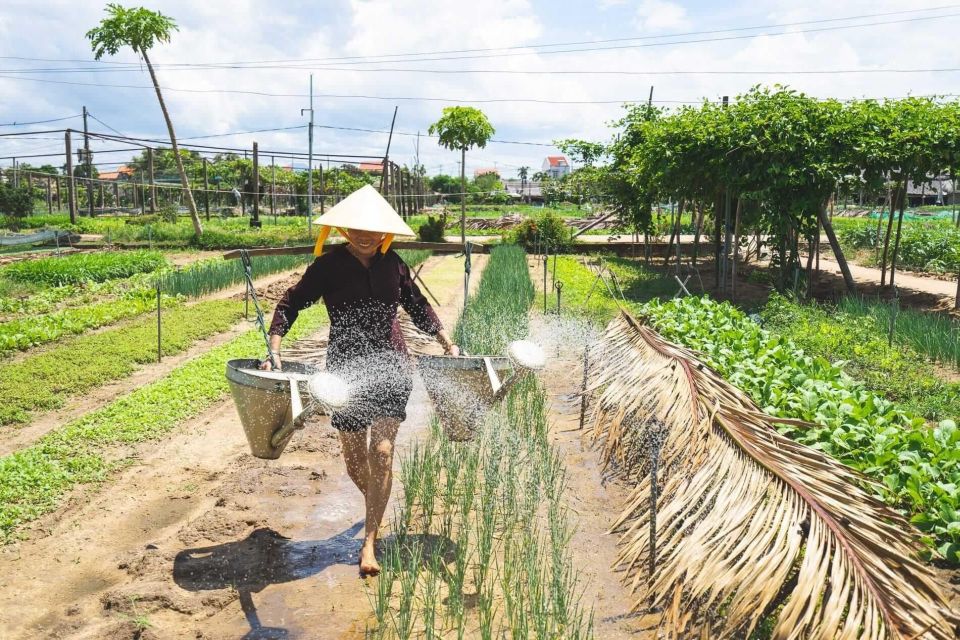
Once you arrive, the change in pace is the point. You’re heading into an over 300-year-old vegetable village where more than 30 types of herbs are grown using manual methods. This is where the day’s theme—farm-to-fork—becomes real.
The fields have a peaceful feel, and the setting is quiet in a way that’s hard to describe until you’re there. You can smell herbs as you walk, and you’re surrounded by green rows where the work is the main event. The tour includes an eco-style walk and a look at how herbs are cultivated without heavy machinery.
This is also where you’ll connect the dots for cooking. By the time you’re later at the kitchen, you’re not just memorizing steps—you know what kind of herb you’re using and what role it plays in flavor and aroma. That’s a huge difference between “learn to cook” and “learn to cook with context.”
If you’re the type who enjoys nature and slow travel for a few hours, this stop will feel like the heart of the day. If you prefer city sights and museums, the value here is still real—it’s just a different kind of interest: working farms, herbs, and calm.
Cooking four traditional dishes with fresh herbs and old-school tools
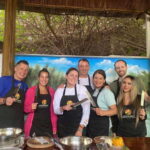
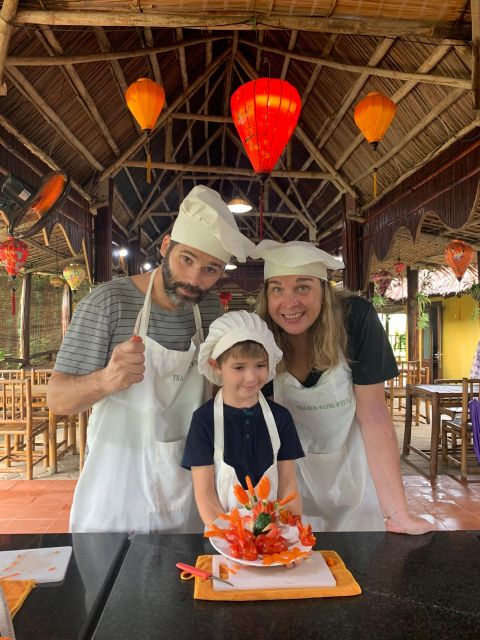
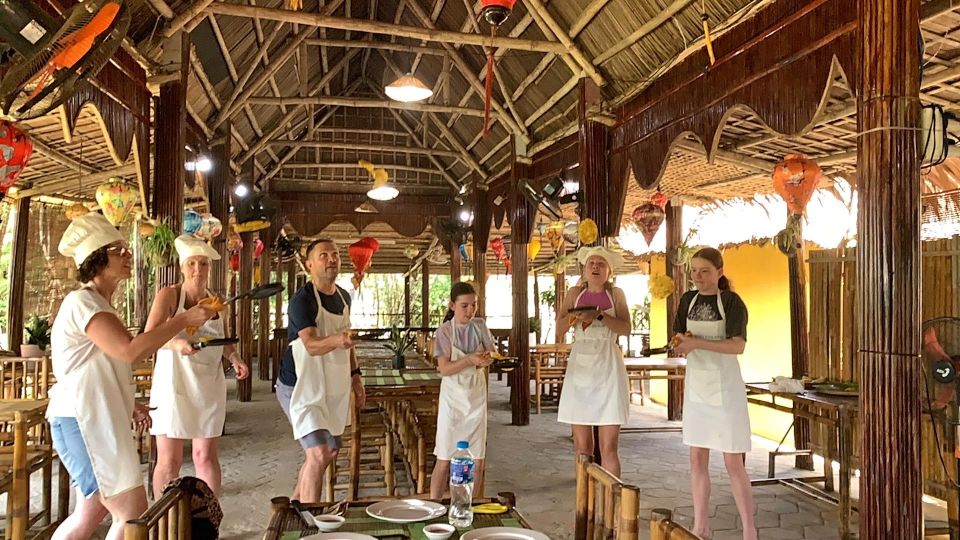
Now comes the hands-on part. You’ll follow the local chef and family members at the Water Wheel restaurant and learn to cook four unique traditional Vietnamese dishes. This is not sit-and-watch.
The menu includes:
- Three friends spring roll
- Local pancake
- Papaya salad
- Braised fish in clay pot
Plus steamed rice in banana leaves
Here’s what I think you’ll appreciate: the dishes are classic, but you’re learning the method, not just copying a plate. The tour is designed so ingredients and spices you saw at the market and village aren’t separate lessons—they feed directly into your cooking.
How the teaching style helps you succeed
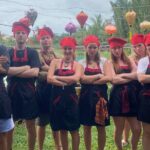
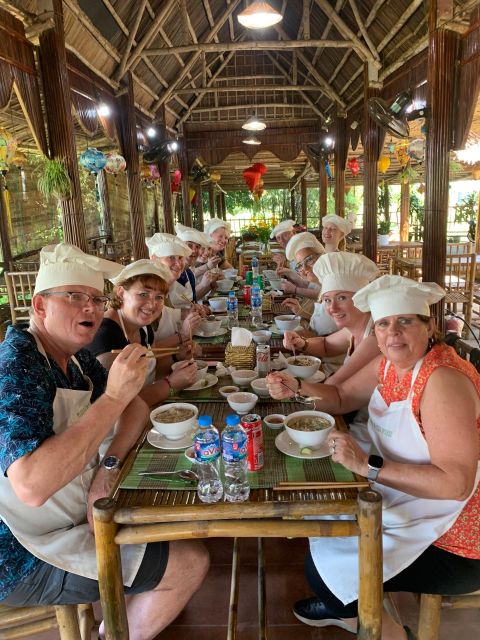
In the reviews, the class is described as fun, relaxed, and informative. Guides take time to explain, and the group structure is small enough that you can actually participate. In at least one account, the instructor also takes photos and videos during the day—helpful if you want to remember details later or if you’re sharing with family back home.
A few more Hoi An tours and experiences worth a look
Dietary needs and accommodations
If you have food allergies or you eat vegetarian, vegan, gluten-free, or dairy-free, tell the organizers ahead of time. The info you provided says they can handle requests and you should inform them of your needs. One review also mentions easy accommodation for a pescatarian, which is a good sign if your diet includes fish but limits meat.
If you have multiple severe allergies, ask very clearly what can be substituted. The tour can accommodate requests, but your best move is to be specific about what you must avoid.
Clay-pot fish, papaya salad, and the moment it all clicks
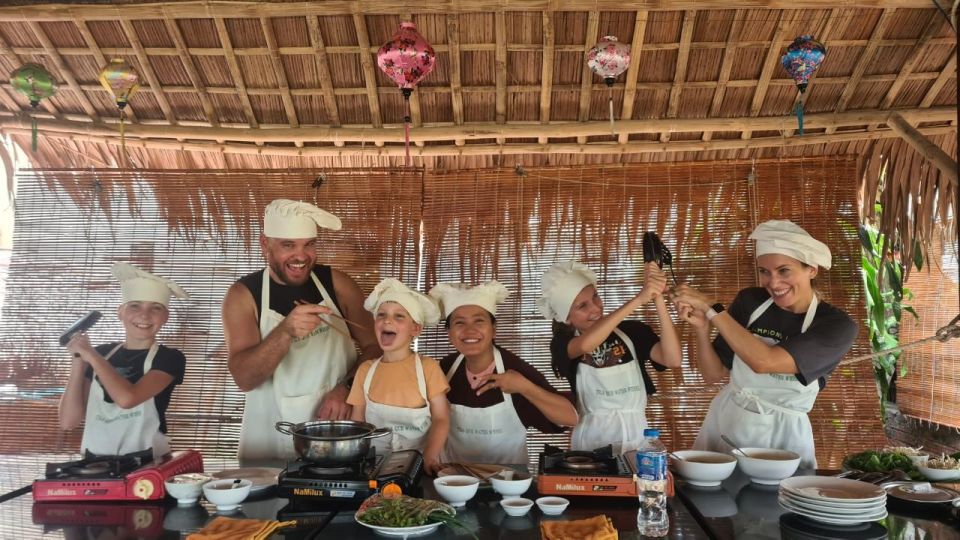
It’s one thing to learn recipes. It’s another when the food hits the table right after you cook it.
The experience is structured so you cook dishes and then eat the results after each course. That pacing matters. You’re not stuck waiting for a single giant dinner. Instead, you taste, adjust your expectations, and carry the learning forward immediately.
Papaya salad is often the most memorable for first-timers because it’s bright and balanced—sweet, sour, herbal, and crunchy in a way that feels distinctly Vietnamese. The clay-pot braised fish is the comfort side: warm, savory, and different from the quick stir-fry flavors many people associate with Vietnam.
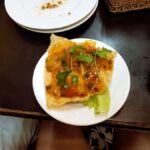
Then there’s the local pancake and the three friends spring roll. Together, they cover the snack-to-meal range. The steamed rice in banana leaves adds a subtle fragrance and makes the meal feel special without being complicated.
Finally, there’s a fresh fruit dessert. It’s simple, but it’s the kind of finish that makes the whole day feel complete, not just stuffed with cooking effort.
Natural table decoration and why it’s not just decoration
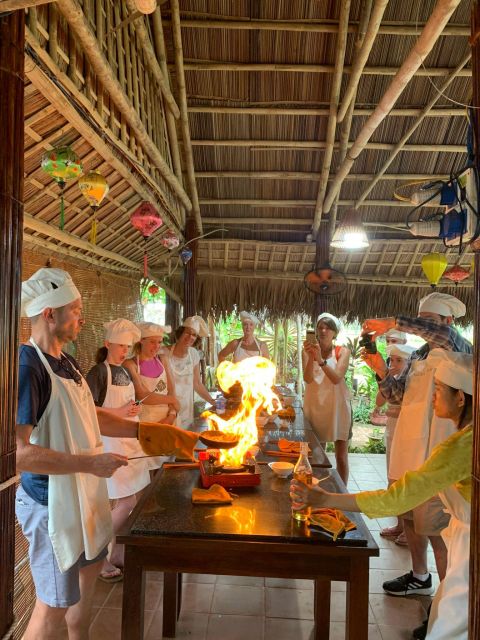
One of the more charming inclusions is learning how to use natural materials for decoration to create a lovely dining table. This isn’t required for your meal to taste good, so why include it?
Because it matches the farm theme. You’re not only cooking with herbs—you’re also thinking about natural materials and how the day is presented. It adds a gentle creativity element, and it helps the meal feel like a real family experience rather than a standard restaurant event.
Even if you don’t care about table styling, it’s a fun break from hands-on cooking and gives you a few minutes to slow down before the next course.
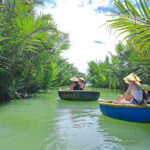
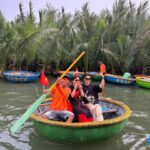
Basketboat in coconut village: nice add-on if you want more water time
The tour includes what you need for the herb village cooking day, and there’s also an extra option: a basketboat in the coconut-village, listed as additional.
If you want your day to include more water scenery, this can be a good follow-on. If your priority is the cooking and the herb fields, you may not need the extra add-on—especially if you already have a full schedule with cycling and four courses.
If you’re unsure, decide based on how you feel about boats and time. The info here clearly marks it as optional.
Value at about $41: what you’re really paying for
At $41 per person for group tours, the price feels fair when you consider what’s included: market visit, welcome drink, cycling to Tra Que, the eco-tour through the herb village, and a cooking class with four courses.
Many cooking classes in Vietnam cover “the cooking.” This one covers the ingredients journey too: you see how people shop, you walk the herb fields, and then you cook with that same knowledge. That’s value because it makes the learning stick. You’re more likely to repeat the flavors when you’re back home, because you know what the herbs are and why they’re there.
Also, the food isn’t just eaten later. You cook it and eat it in sequence. That’s a practical way to keep your energy up during the full day and helps you stay engaged.
Where you should watch your expectations: the pickup and cycling are included, but the schedule is still centered on the farm and cooking. If you’re looking for major city sights or long sightseeing stops, this won’t be that kind of tour.
Who should book this Tra Que Water Wheel cooking day
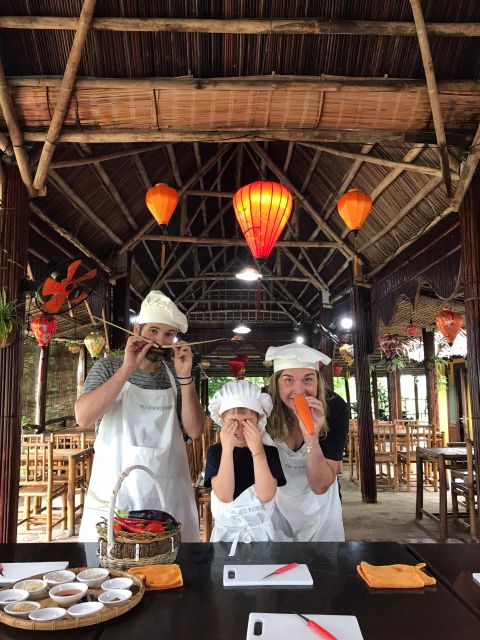
This is a great match if you:
- want an authentic rural experience near Hoi An
- like learning cooking methods with fresh herbs
- enjoy markets and ingredient explanations
- prefer small, relaxed group energy over big bus tours
It’s also ideal for couples and solo travelers. The class structure is described as enjoyable and family-run, and people highlight the atmosphere as a key reason they recommend it.
If you dislike riding a bike—even briefly—this might feel like a mild hassle rather than fun. If you hate rain days, note that it runs rain or shine. The upside is that the herb village and cooking don’t depend on perfect weather.
Should you book this cooking class?
I’d book it if you want a memorable Hoi An day that goes beyond restaurants. The pairing of market + herb village + four-course hands-on class is the main reason it’s worth your time. You leave with both recipes and a clearer sense of the flavors behind them.
Skip it (or at least think twice) if your must-see list is mostly city landmarks, or if you’re not comfortable with short cycling in less-than-ideal weather. Also, if you have very complex food restrictions, email ahead and be very explicit so the kitchen can plan properly.
FAQ
What’s included in the tour price?
The tour includes a local market visit, cycling to Tra Que Island, a welcome drink at Water Wheel Restaurant, an eco-tour through the heritage Tra Que herb village, countryside life time, a cooking class with four unique courses, learning natural material table decoration, and a fruit dessert. A basketboat in the coconut village is listed as additional.
Where does the tour start?
You’re picked up at your hotel, and transport may be by bicycle, motorbike, or car depending on the group.
How long is the experience?
The reviews describe it as about five hours.
What dishes do you cook?
You cook four dishes: Three friends spring roll, Local pancake, Papaya salad, and Braised fish in clay pot. You also have steamed rice in banana leaves.
Can they accommodate allergies or special diets?
Yes. You should inform them about food allergies and dietary needs such as vegetarian, vegan, dairy-free, gluten-free, and others before the tour.
Does it run in bad weather?
Yes. The tour runs rain or shine.
Is the tour taught in English?
Yes, it is conducted in English.
Can children join?
Children 7 years or older can join at full price. Children 6 and younger may follow along, but for safety reasons they won’t do actual cooking and there is no charge. Children 6 and younger can also order from the a la carte menu.