REVIEW · HOI AN
Hoi An: Vietnamese Coffee Making Course
Book on GetYourGuide →Operated by Hoi An Scooter Adventures · Bookable on GetYourGuide
Vietnamese coffee tastes like a small science experiment. In this Hoi An course, you get a hands-on look at roasting and brewing, not just a sit-and-watch demo, and you’ll also learn why the Phin filter matters for the final cup. I like that the roasting demo explains how bean roast levels change flavor, and I like that you leave with a made-by-you coffee you can actually recreate.
One thing to plan around: it’s 90 minutes, and you pick which styles you make, so you won’t cover every coffee type if you choose fewer sessions. (That’s not a downside so much as a reality of time.)
You meet at Tri Long coffee in downtown Hoi An, and the instructor speaks English, which keeps the whole class practical and easy to follow. It also helps that this has a strong track record, with a 4.9 rating from 25 reviews.
In This Review
- Key coffee moments you’ll care about
- Hoi An Vietnamese coffee making course: what you’re really signing up for
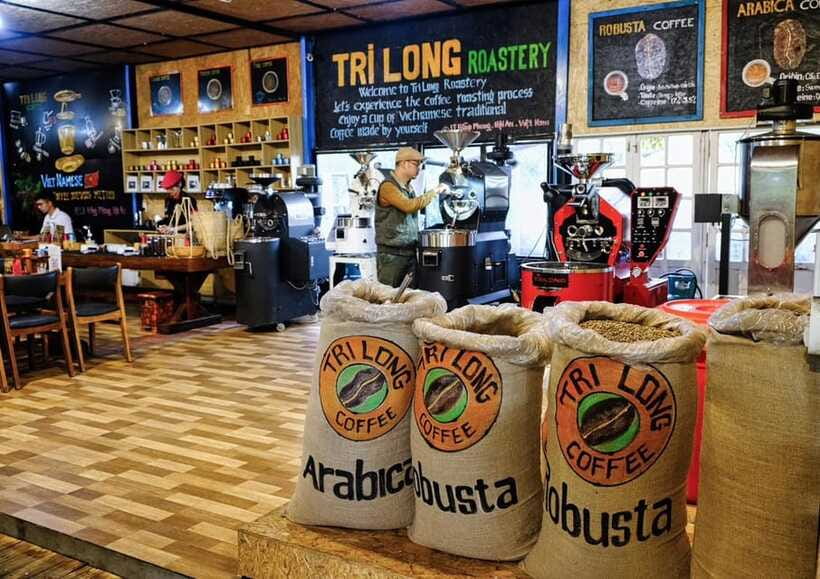
- Getting started at Tri Long coffee in downtown Hoi An
- Roast levels: the one skill that improves everything you order later
- Vietnamese Phin filter coffee: why slow-drip coffee tastes different
- Egg coffee: the creamy specialty you’ll want to learn by heart
- Coconut coffee: tropical flavor without turning the drink into candy
- Salt coffee: the most surprising lesson in flavor balance
- What you actually do during the 90 minutes
- Small-group feel and who this tour suits best
- Price and value: is $22 fair for coffee you can recreate?
- A few practical tips before you go
- Should you book this Hoi An coffee making course?
- FAQ
- How long is the Hoi An Vietnamese coffee making course?
- What coffee types can I make during the class?
- Where do I meet the instructor?
- Is hotel pickup or drop-off included?
- Is the instructor available in English?
- Can I book a private group?
- Is there free cancellation and can I pay later?
Key coffee moments you’ll care about
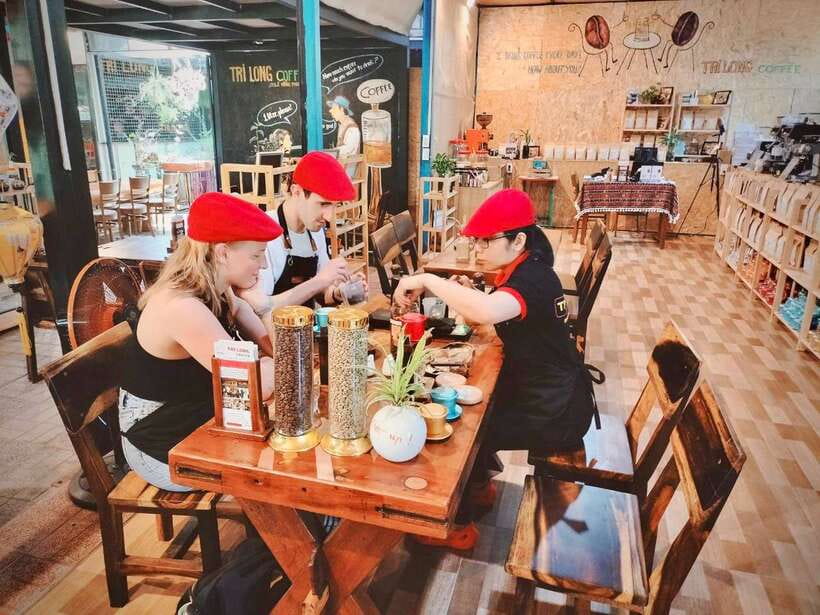
- Roast levels affect taste: learn how different roasting changes the cup before you brew.
- Hands-on Phin-filter brewing: slow-drip style that creates a bold, robust result.
- Egg coffee, if you want dessert-with-coffee: creamy coffee made with egg yolks and condensed milk.
- Coconut coffee for a sweeter, tropical profile: learn how coconut flavor fits into the brew.
- Salt coffee for balance: a pinch of salt that helps reduce bitterness.
- You get tools, ingredients, and a self-made cup: the class is built around doing, not just watching.
Hoi An Vietnamese coffee making course: what you’re really signing up for
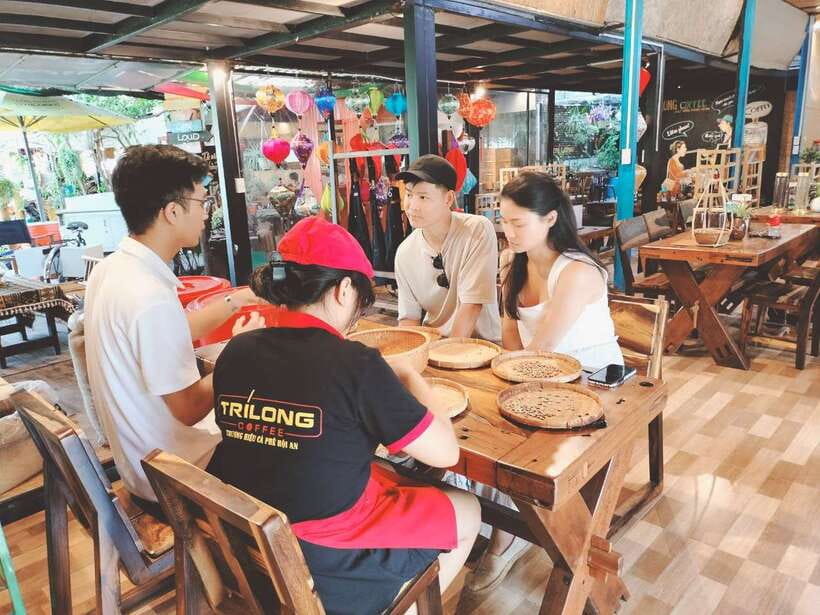
Hoi An is famous for tailor shops and lantern-lit streets. But coffee is a more useful souvenir than a keychain. This 90-minute course is set up for exactly that: you learn the core Vietnamese coffee method, then you make one (or more) signature styles yourself.
The class is centered on three things that actually change your cup: roasting, brewing method, and flavor additions. Most coffee tours only cover one. Here, you get a little of all three, which makes it easier for you to understand what you’re drinking instead of just accepting it as a mystery liquid.
The main choice you’ll make is which coffee types you want to learn. You can pick sessions—such as egg coffee, coconut coffee, or salt coffee—and you also get Vietnamese Phin filter coffee as a key part of the experience. The timing is tight but not rushed in concept: the format is designed around learning and then making.
If you want an activity that fits solo travel or a small group, this works well. It’s also reasonably priced at $22 per person for the course, tools, ingredients, and an English-speaking instructor. Hotel pickup isn’t included, so you’re going to rely on your own timing and local navigation. But that’s often the trade for a class like this: you spend your money on the coffee, not on a van.
A few more Hoi An tours and experiences worth a look



Getting started at Tri Long coffee in downtown Hoi An
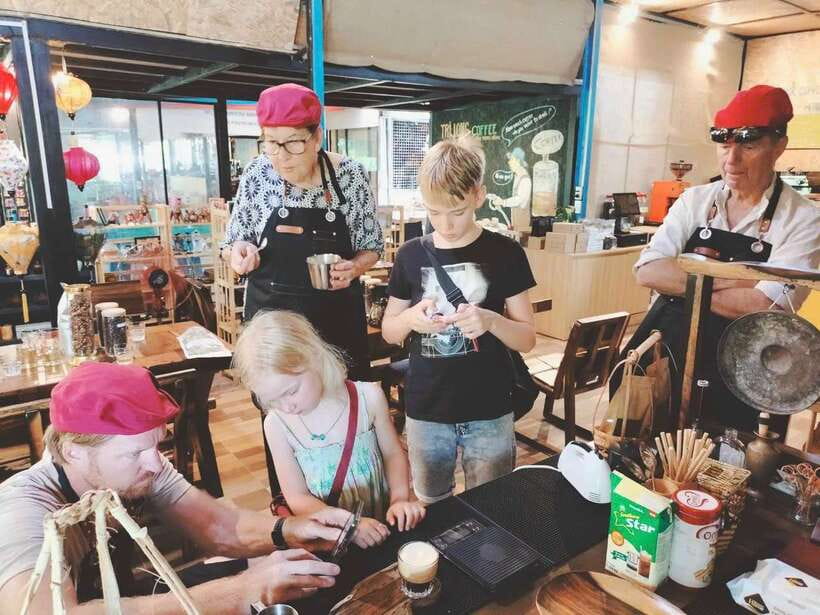
Your day begins at Tri Long coffee in Hoi An city. The instructor welcomes you there, so you’re not trying to decode a meeting point hidden behind three alleys.
Why this matters: starting in a real coffee place keeps the class grounded. You’re not being escorted to a staged studio where everything is fake and spotless. You’re in the kind of environment where coffee is the main event, and that changes how seriously the brewing technique feels.
Plan to arrive a few minutes early. You’ll likely want a quick moment to settle in, skim what’s on offer, and make your session choices. Since you can choose coffee types like egg coffee, Phin filter coffee, coconut coffee, and salt coffee, your first minutes set the pace for what you’ll be making.
Also, bring a mindset of curiosity. This isn’t just about tasting sweet drinks. The course is built to show you why the cup tastes the way it does.
Roast levels: the one skill that improves everything you order later
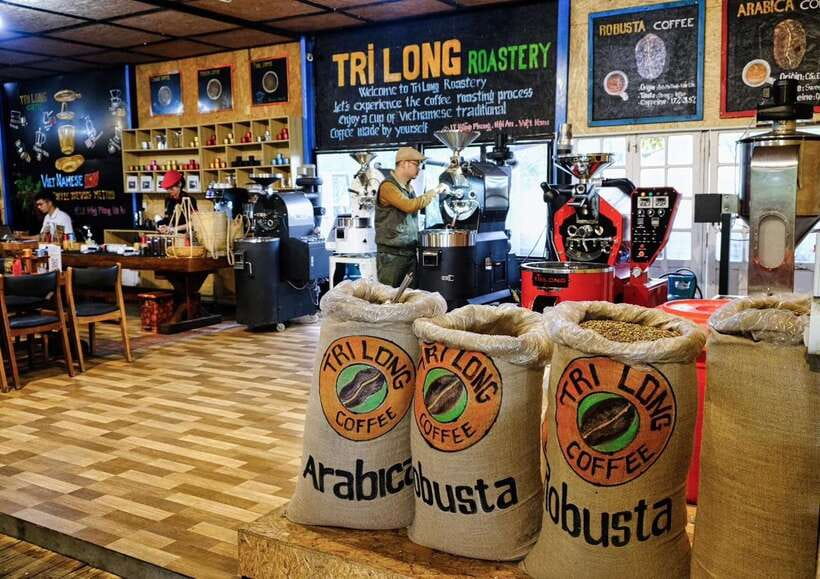
Before you start building drinks, the class includes a roasted coffee demonstration. This part is where the tour earns its keep.
You learn the journey from raw beans to aromatic coffee, and you get the idea that roast levels aren’t just for flavor nerds. Roast changes taste in obvious ways. A lighter roast tends to show different notes than a darker roast, and the balance in the cup can shift—especially when you brew using Vietnamese style methods.
Even if you never become the person who turns every cafe visit into a tasting seminar, understanding roast levels helps you make better choices. You’ll start to recognize why one cup tastes sharper, another tastes heavier, and another tastes more balanced.
It also sets you up for the rest of the class. When you later make a coffee with egg or salt, you’ll taste less like you’re following a recipe and more like you’re controlling variables.
Vietnamese Phin filter coffee: why slow-drip coffee tastes different
Next comes the Vietnamese Phin filter coffee part. This is the classic slow-drip method, where water passes through the grounds slowly, creating a concentrated brew.
The real value here is not just learning the steps. It’s understanding the effect. The class focuses on the bold, robust result and the distinctive balance between bitterness and sweetness that makes Vietnamese coffee so loved.
If you’ve only had drip coffee in the West, you might think bitterness means failure. In Vietnamese coffee, bitterness is part of the design. The style leans into stronger coffee strength, then balances it so the final drink feels drinkable, not harsh.
The Phin method also rewards patience. You can’t rush the physics of a filter. That’s why the drink tastes like it has more depth than typical “fast” coffee. You’ll see the slow drip happen, which makes the final taste feel earned instead of accidental.
Egg coffee: the creamy specialty you’ll want to learn by heart
Egg coffee is one of those Vietnamese specialties that sounds odd until you taste it and suddenly you’re convinced. The class shows you how to prepare it, typically using egg yolks, condensed milk, and sugar to create a creamy texture over coffee.
In practical terms, what you’re learning is how to make a coffee that behaves like a dessert and a drink at the same time. The result is velvety and rich, with sweetness that smooths the coffee’s stronger edges.
A bonus for value: egg coffee is easiest to remember and order later because it has a clearly defined flavor profile. If you want one coffee style as your Hoi An “signature,” egg coffee is usually the pick.
When you leave the class, you’ll have enough understanding to recognize how egg coffee should taste, so you can compare it at other cafes instead of hoping you land the real thing.


Coconut coffee: tropical flavor without turning the drink into candy
Coconut coffee takes a different direction. Instead of focusing on creaminess from egg, it focuses on infusing coconut into the coffee.
What’s interesting here is learning how coconut’s nutty sweetness can change the way coffee flavor shows up in your cup. Coconut doesn’t just add sweetness. It shifts aroma and perception, making the coffee feel lighter and more fragrant, especially if you like tropical notes.
If you’re someone who finds traditional coffee too bitter, coconut coffee can be your bridge. It keeps coffee as coffee, but with a flavor add-on that makes it feel smoother and more aromatic.
This is one of those choices that also makes sense for sharing. Even people who don’t usually love strong coffee often find coconut coffee more approachable.
Salt coffee: the most surprising lesson in flavor balance
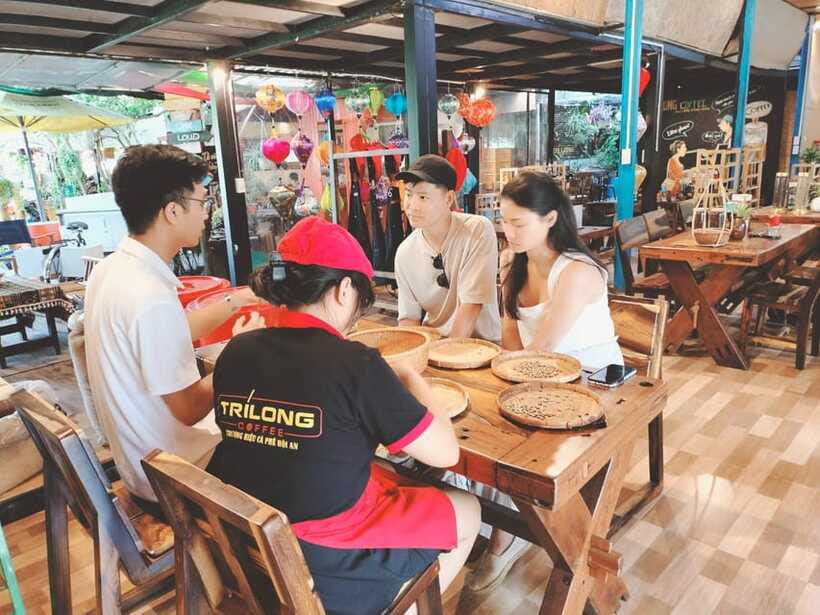
Salt coffee is the curveball: a pinch of salt can enhance coffee’s natural flavors and help reduce bitterness.
This part matters because it teaches you a real, transferable idea. Salt isn’t only for savory dishes. It changes perception—especially around bitterness—and can make coffee taste more rounded instead of sharp.
The class frames it as both a sensory experience and a small science lesson, so you’re not just eating the weirdness. You’re learning why it might work.
If you like experimenting, salt coffee is fun because it turns a basic coffee into a new flavor game. If you’re skeptical, it’s still worth trying because you’ll taste the effect directly rather than relying on theory.
What you actually do during the 90 minutes
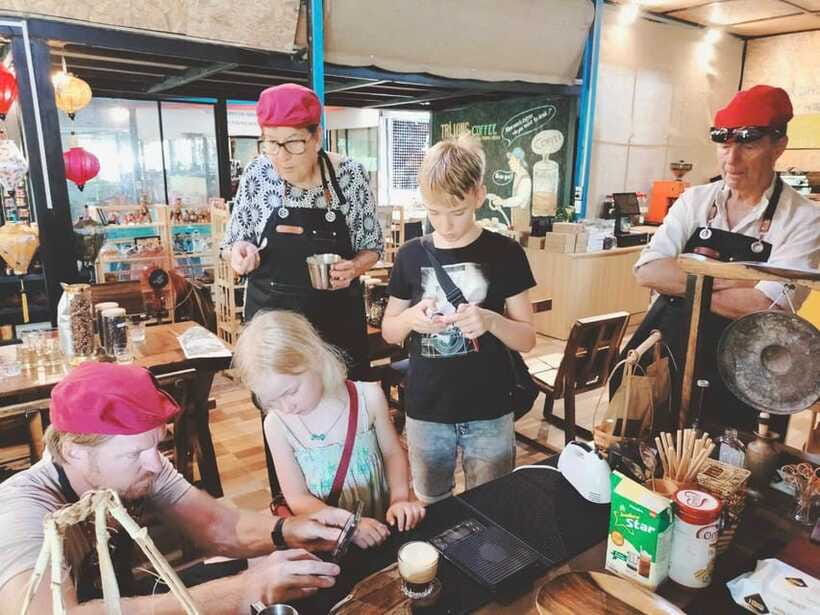
This class isn’t a lecture. You get ingredients and tools, and you make a cup of coffee yourself. That hands-on approach is a major reason people rate it so high.
You’ll also get an English-speaking instructor, so you’re not stuck guessing. Plus, the instruction format supports different choices—whether you want 2, 3, or 4 sessions (depending on availability). That means you can tailor the class to your taste.
The best part for most visitors is the mix of “learn how it works” and “watch it happen, then do it.” You get the satisfaction of brewing, mixing, and tasting rather than just collecting knowledge.
One more practical detail: based on course feedback, recipes are provided at the end of class. That’s one of the best ways to turn the experience into something you can reuse when you’re back home.
And if you end up wanting more, you might even be able to buy beans on-site, so you can extend the flavor memory after your last sip.
Small-group feel and who this tour suits best
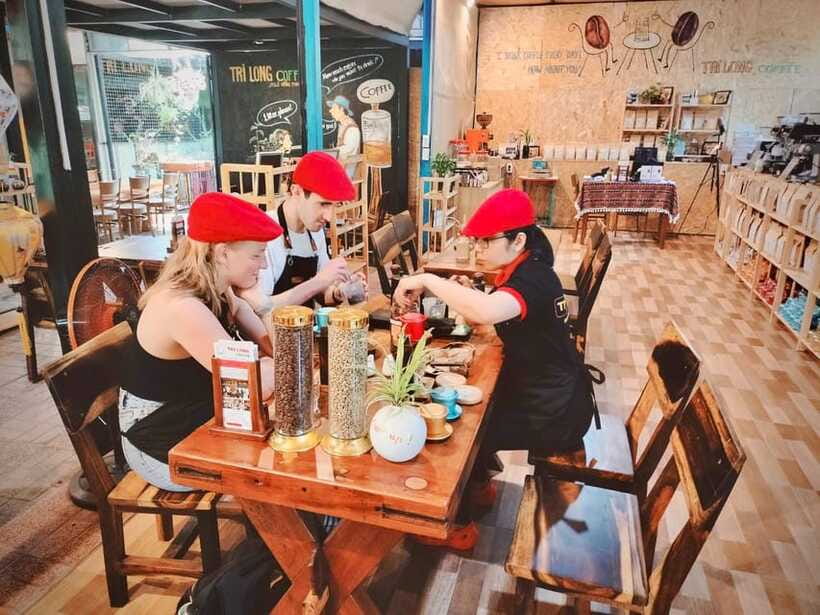
This experience works especially well if you want more interaction than a big-group tour. The course is often described as small-group, which makes it easier to ask questions about roasting and flavor choices as you go.
Who it suits:
- Coffee lovers who want technique, not just tasting.
- Curious beginners who like learning through doing.
- Solo travelers who want a social activity without the chaos.
- Gift-givers who want an experience with a take-home recipe and a new set of taste memories.
If you’re traveling with friends, it’s also a good shared activity because people often pick different coffee styles. You can compare the final cups and debate which one tastes most “correct.”
If you’re the type who wants every option, you’ll need to plan your session choices carefully. Since you can select 2, 3, or 4 sessions, picking more styles usually means a tighter schedule within the overall 90 minutes.
Price and value: is $22 fair for coffee you can recreate?
At $22 per person, this is priced like a focused workshop, not a luxury tasting event. What you get for that price is the key: you receive a course, ingredients and tools, water, and an English-speaking instructor, plus you make and drink a coffee.
Hotel pickup and drop-off aren’t included, so you’re not paying for transportation. In exchange, more of the cost goes into the class itself. For many travelers, that’s a smart trade.
Value check:
- If you want to learn Phin filter brewing and one signature style (egg, coconut, or salt), you’ll likely feel like you got your money’s worth fast.
- If you’re purely buying coffee to drink and don’t care about technique, you may find it less necessary.
- If you want multiple styles, the experience gets more fun because you’ll taste contrast between methods and flavor additions.
Given the high overall rating (4.9 from 25 reviews), the strong takeaway is simple: people feel the class delivers on the hands-on part.
A few practical tips before you go
- Choose your coffee types early. Since you can make different styles like egg coffee, coconut coffee, and salt coffee, your preferences decide what you’ll spend most time on.
- Think about how sweet you like things. Egg coffee tends to be rich and creamy. Coconut coffee leans sweet and aromatic. Salt coffee keeps coffee as coffee but changes bitterness perception.
- If you care about roast style understanding, pay attention during the roasting demonstration. That part helps you interpret every cup afterward.
- Wear comfortable clothes. You’ll be working with tools and ingredients as part of the course.
- Plan your own arrival. Meeting at Tri Long coffee means you should give yourself enough buffer to get there calmly.
Should you book this Hoi An coffee making course?
If you want a real coffee skill and not just a meal stop, I think you should book. The experience is short, hands-on, and built around choices you’ll actually enjoy making: Phin filter coffee plus one or more signature styles like egg coffee, coconut coffee, or salt coffee. At $22, you’re paying for instruction, tools, ingredients, and a take-home ability to recreate what you learn.
Skip it only if you’re the kind of traveler who doesn’t care about method at all. If you just want something sweet and quick, you can find plenty of cafes. But if you want the why behind Vietnamese coffee and you like learning through doing, this class is a strong use of your time in Hoi An.
FAQ
How long is the Hoi An Vietnamese coffee making course?
The course lasts about 90 minutes.
What coffee types can I make during the class?
You can choose to make Vietnamese Phin filter coffee and also select from egg coffee, coconut coffee, or salt coffee.
Where do I meet the instructor?
You meet at Tri Long coffee in Hoi An city. The instructor will welcome you there.
Is hotel pickup or drop-off included?
No, hotel pickup and drop-off are not included.
Is the instructor available in English?
Yes, the instructor speaks English.
Can I book a private group?
Yes, private group options are available.
Is there free cancellation and can I pay later?
There is free cancellation up to 24 hours in advance for a full refund, and you can reserve now and pay later.