REVIEW · HOI AN
Hoi An: Bike Tour to Countryside and Food Tour
Book on GetYourGuide →Operated by HOI AN FOOD TOUR · Bookable on GetYourGuide
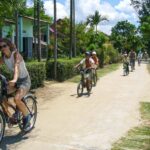
Bikes make Hoi An feel local. This 4-hour bike-and-food tour pairs an easy 10 km ride with countryside detours, then rewards you with street-food tasting in small local neighborhoods.
You’ll be rolling through real daily life, not just storefronts. It’s the kind of outing that turns the city into a story you can taste.
I love the way the tour strings together 5 tasting stops and serves 9 dishes—enough food that you can treat it like lunch or dinner. I also like that it mixes eating with explanation at meaningful places, including Chuc Thanh Pagoda (founded 1454).
You get context for why certain flavors show up again and again.
One drawback: it runs rain or shine, so you should expect wet roads and plan clothing accordingly. No weather tantrums, just proper Vietnam-day gear.
In This Review
- Key Reasons This Bike and Bite Tour Works in Hoi An
- Hoi An by Bike: The Easy Ride That Gets You Out of the Center
- The Food List: How 9 Dishes Turns Into a Real Meal
- How Chuc Thanh Pagoda (1454) Fits Into the Food Story
- Tra Que Vegetable Village and Rice Paddies: Seeing Ingredients Before You Taste
- Guides, Group Size, and the Real Neighborhood Feel
- What to Wear, How to Prepare, and Bike-Fitting Tips
- Price and Value: Why $35 Can Be a Bargain Here
- Who This Tour Suits Best (and Who Might Want Something Else)
- Should You Book the Hoi An Bike and Bite Tour?
- FAQ
- How long is the Hoi An Bike Tour to Countryside and Food Tour?
- Is the bike ride difficult?
- What food is included in the tour?
- Do you offer vegetarian options?
- Does the tour run in bad weather?
- Is pickup and drop-off included?
- What should I wear or bring?
Key Reasons This Bike and Bite Tour Works in Hoi An
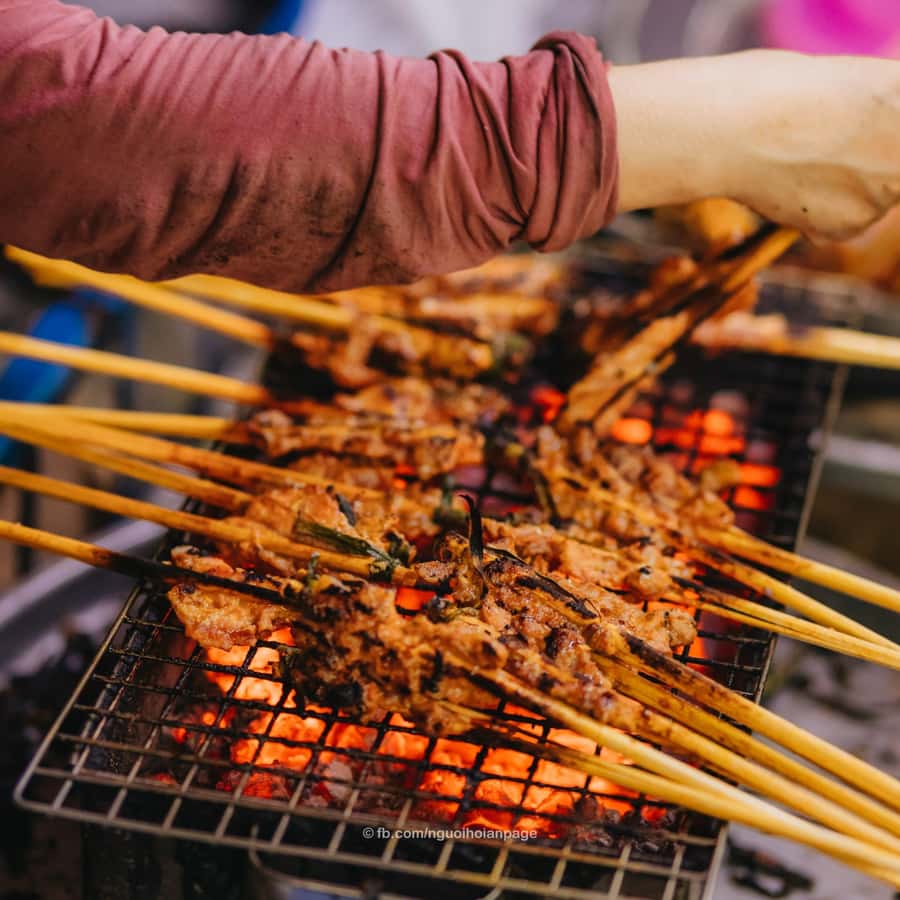
- 9 dishes across 5 tasting stops so you’re not hunting down snacks afterward
- Easy cycling (about 10 km) with only ~5 km actually spent riding, so it stays comfortable
- Chuc Thanh Pagoda (1454) for a quick, meaningful stop that ties into local culture
- Tra Que Vegetable Village and rice paddy areas where you see what goes into the food
- Small groups up to 12 for a less chaotic vibe and more guide attention
- Diet options handled best when you speak up early, including vegetarian needs and questions like fish sauce or egg
Hoi An by Bike: The Easy Ride That Gets You Out of the Center
This tour is built for relaxed movement. You’re looking at an easy 10 km route, with about 5 km riding by bike. That mix matters: you’ll get the freedom of a bike, but you won’t feel like you’re grinding out a workout.
The pace stays friendly because the goal isn’t to win a race. It’s to get you into neighborhoods where people actually live and eat, then connect those places to what’s on your menu later. You’ll ride through the city streets and then head toward countryside stops, so your day doesn’t feel like one long loop.
Do remember one practical thing: the tour runs in weather. Rain or shine means you’ll be outdoors for cycling time and walking time. If the forecast looks miserable, pack a rain layer you can actually move in, and expect the roads to be slick.
Also, there’s no pickup or drop-off service. You’ll need to make your own way to the starting point, then return on your own after the tour. If you’re staying in the heart of Hoi An, that usually isn’t a big deal. If you’re farther out, it’s worth factoring in your transport plan.
You can also read our reviews of more food & drink experiences in Hoi An

The Food List: How 9 Dishes Turns Into a Real Meal
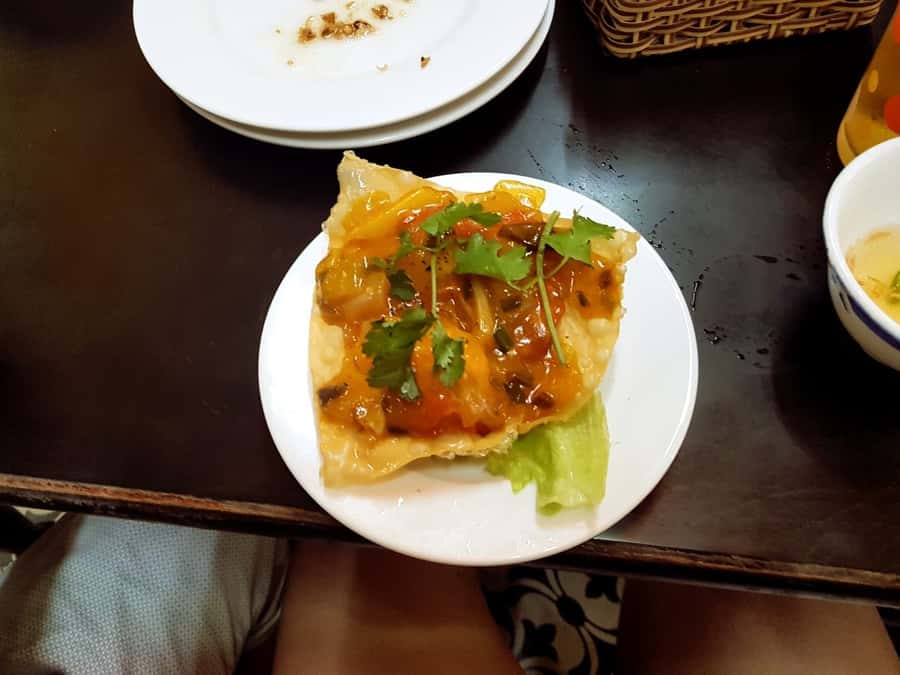
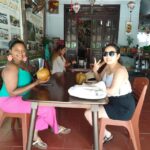
The heart of this experience is simple: you eat. But it’s more than tasting a few bites. The tour is designed around 5 tasting locations and 9 delicious samples, which the experience describes as enough for lunch or dinner for most people.
Here’s what you’ll likely find on the menu:
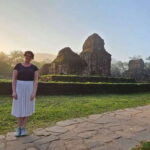
- White rose dumplings
- Fried wonton
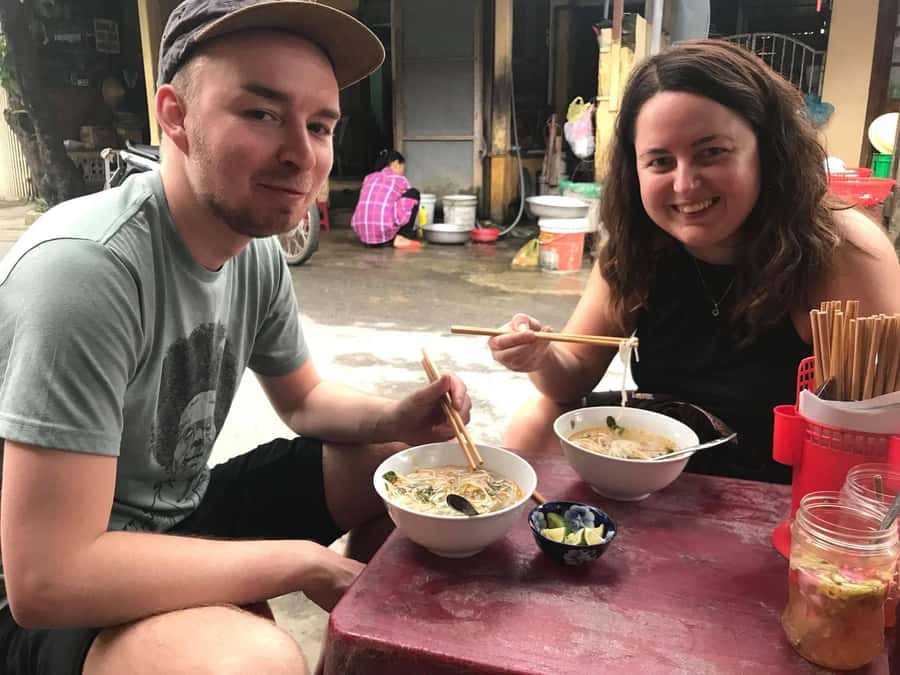
- Bun Bo (served as a local beef noodle soup style dish)
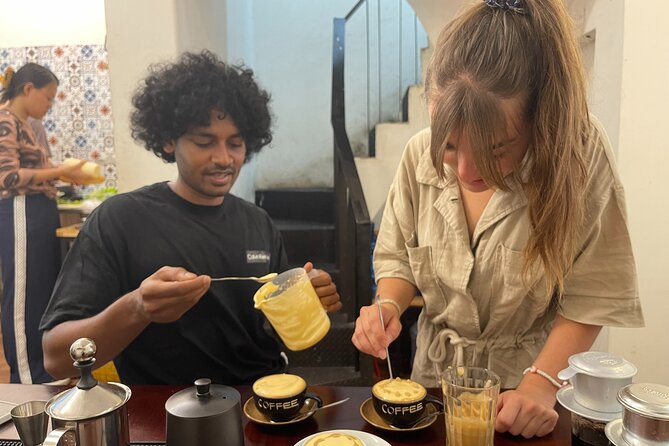
- Vietnamese coffee
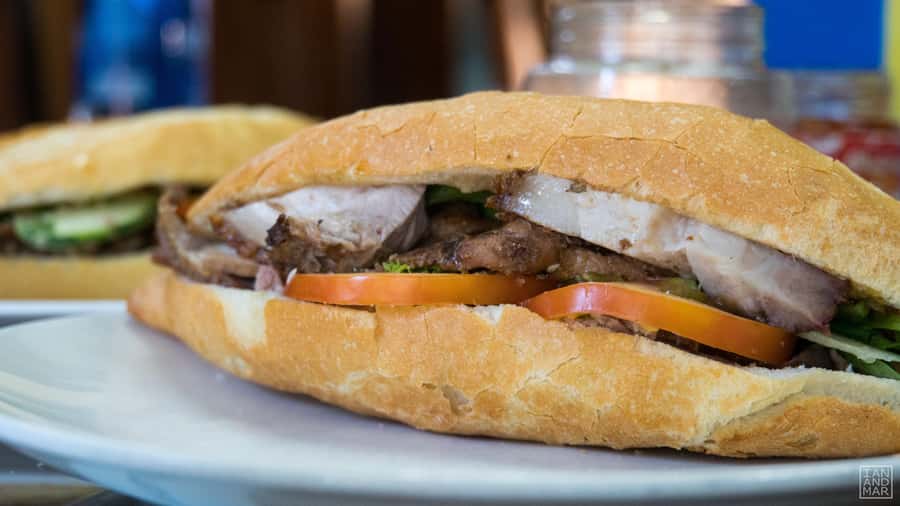
- Bánh mì (Vietnamese sandwich)
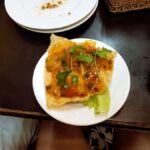
- Bánh khọt (savoury coconut pancake)
- Slice pork wrapped in rice paper
- Dessert
- Balut egg is optional
What I like about this setup is how it covers the spectrum of Hoi An street food. You’re not stuck in one category—dumplings, noodles, crispy bites, pancakes, sandwiches, plus coffee and dessert. That variety makes the tour feel like a guided sampler of the local food culture, not just a checklist.
Two more details that help you plan: soft drinks are included, and there’s 1 beer in the package. And because the tour is heavy on food, you’re strongly advised to come with a light lunch (more on that below). If you show up overly hungry, great. If you show up already stuffed, you’ll spend the tour trying to be polite instead of enjoying.
One tip: the balut egg is optional. If you’re curious, it’s an easy way to try something brave without being forced. If you’d rather skip it, you can.
How Chuc Thanh Pagoda (1454) Fits Into the Food Story
This tour isn’t only about eating. It also uses culture to explain why foods matter here. One of the big stops is Chuc Thanh Pagoda, noted as Hoi An’s oldest pagoda, founded in 1454.
Pagodas in Vietnam often connect food traditions, community life, and daily rhythms. Even if you only spend a short time there, it gives you a frame for what you’re seeing around town. You’re not just consuming bites; you’re noticing the setting that supports community gatherings, markets, and long-running family food traditions.
I also like that the tour’s tone is built around laughs and learning. The goal is to keep it light while still giving you food history and local context. When a guide ties a dish to where it comes from, the flavor suddenly feels less random and more intentional.
If you’re the type who usually walks past religious sights without much thought, this is an easy way to pay attention without turning it into a whole separate museum day.
Tra Que Vegetable Village and Rice Paddies: Seeing Ingredients Before You Taste
One of the most satisfying parts of this tour is the ingredient detour. You visit Tra Que Vegetable Village and also spend time around rice paddy fields.
Why this matters: when you’re shown how herbs and fruits are grown and used locally, the food you eat right afterward feels more connected. It’s not abstract. You can point to what you just learned and connect it to what’s on your plate.
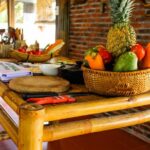
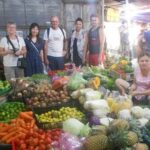
Tra Que is known for vegetable growing, and the tour uses that reputation to teach you what makes the region’s flavors work. You’ll get a “from field to fork” feeling, even though the tour stays short and practical. It’s more hands-on understanding than classroom talk.
The countryside scenery also breaks the street-food rhythm. After biking through neighborhoods and stuffing your face, the paddy and vegetable stops reset your head. They also give your eyes something to do besides follow a menu list.
And yes, it’s still part of the food tour. The guide keeps connecting the environment to what’s in the tastings.
Guides, Group Size, and the Real Neighborhood Feel
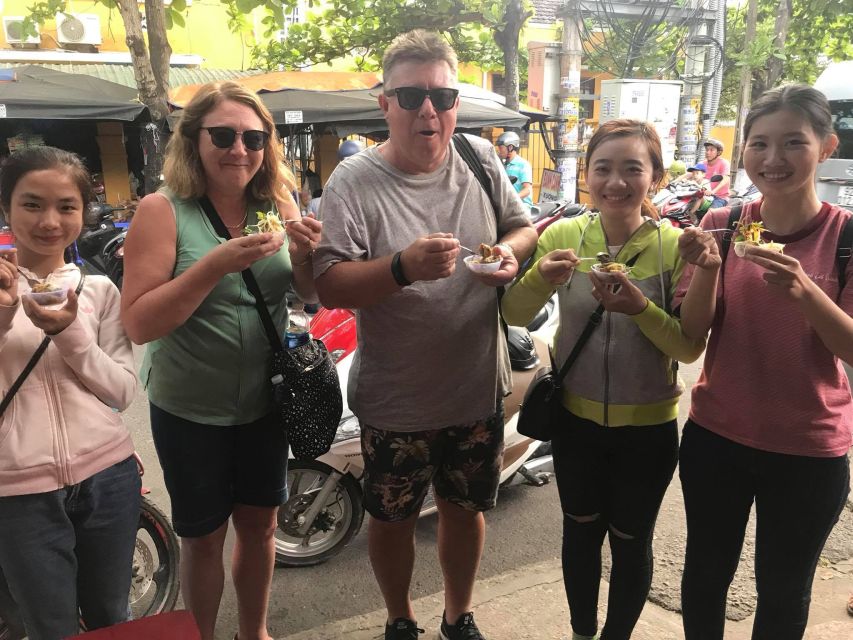
This is a small-group tour, typically up to 12 people. That size keeps things manageable. You’re not stuck behind a camera wall, and you have a better chance to hear the explanations clearly when the guide talks about local dishes and food history.
English-speaking guides run the show. In past groups, guides like Kim and Jackie have led tours and focused on showing people the foods and places they might otherwise miss. That friendly guidance shows up in the details—how dishes get explained, how stops flow, and how you’re encouraged to ask questions.
If you care about not feeling like a tourist pass-by, small group helps a lot. You can move with the group and still feel like you’re part of the experience instead of being marched.
Two helpful bits for food questions:
- You should advise dietary requirements at booking.
- If you’re vegetarian, ask specifically about fish sauce and egg, since those ingredients are common in Vietnamese cooking and your guide needs to plan accordingly.
The tour information also notes that vegetarian options are available when you ask in advance. That’s what makes it work smoothly rather than hoping someone can swap things at the last second.
A few more Hoi An tours and experiences worth a look


What to Wear, How to Prepare, and Bike-Fitting Tips
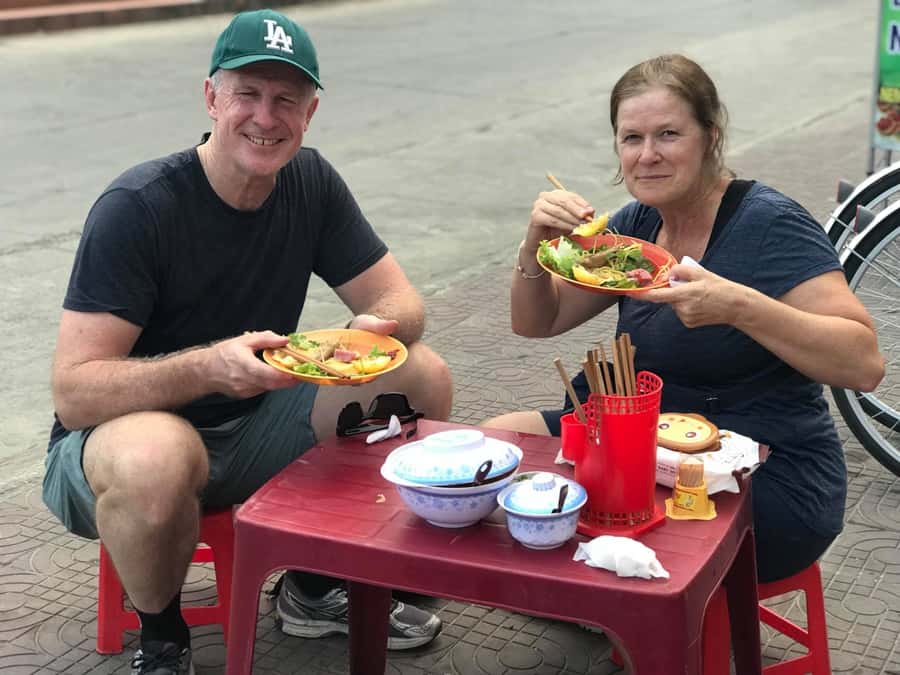
Clothing rules here are pretty relaxed. You can generally wear what you want. One note: women should not wear short dresses or skirts. That’s not about fashion. It’s about comfort and practicality while riding.
Bring rain gear if the forecast is iffy. The tour takes place rain or shine, and you’ll be outside on a bike. A light waterproof layer and shoes you don’t mind getting wet can save your day.
You’ll also want to think about the bike setup. You’re asked to advise your height so the company can arrange the best bicycle for you. That small step matters. A bike that fits feels easier right away, and it helps you enjoy the ride instead of adjusting constantly.
Now for the single most important prep item: eat a light lunch before the tour. The tour serves enough food that most people won’t need dinner afterward. If you come starving and don’t eat earlier, you might be tempted to overdo the pace of tasting. If you come too full, you’ll feel miserable by dish four.
Included drinks are part of that planning too. Soft drinks are included, plus 1 beer. If you’re skipping alcohol, you can still enjoy the tastings; just know that the beer is part of what’s provided.
Price and Value: Why $35 Can Be a Bargain Here
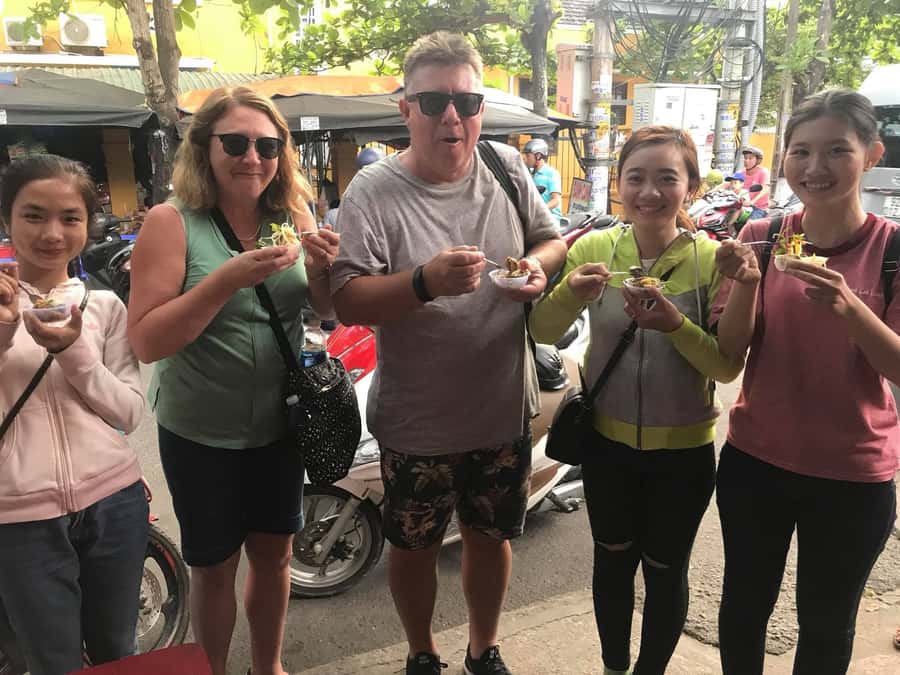
At $35 per person, you’re paying for more than a ride. You’re getting:
- A bicycle
- An English-speaking guide
- Food tasting and dinner
- Soft drink
- 1 beer
- A small-group format (up to 12)
That bundle is the value. Many “food tours” turn into snack-sized bites that barely change your appetite. This one explicitly aims for enough food to cover lunch or dinner for most participants, with 9 samples across 5 locations.
You also pay for time and logistics that would be annoying on your own: knowing which places to visit, how to order through the menu, and how to navigate the neighborhoods without turning it into a scavenger hunt. With a guide, you spend your energy on eating and learning, not on guessing.
If you’re budgeting carefully in Central Vietnam, $35 for a guided bike outing plus that many stops can be a very efficient use of an afternoon.
Who This Tour Suits Best (and Who Might Want Something Else)
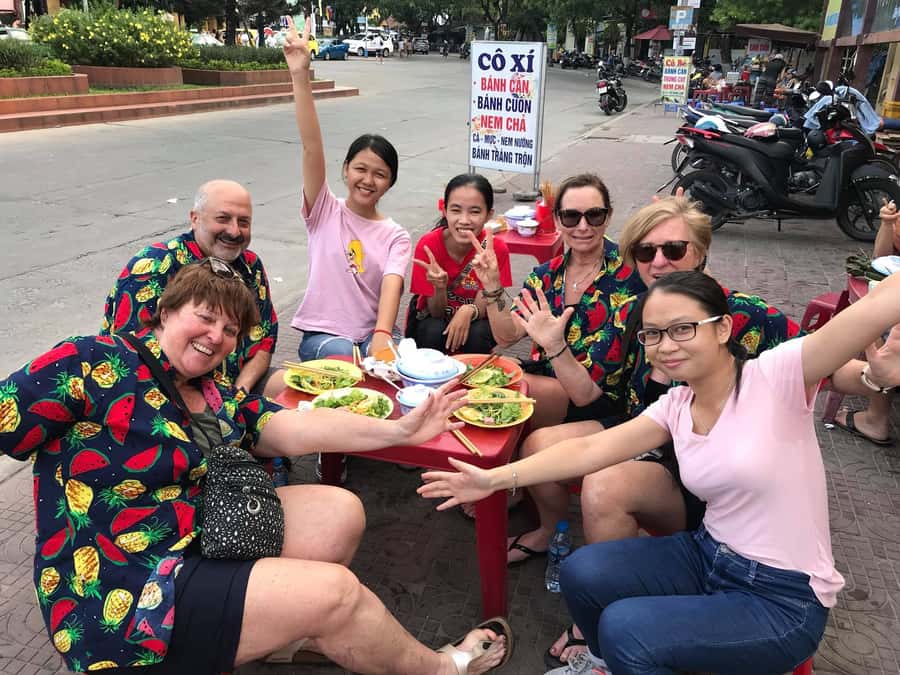
This is a great fit if:
- You like cycling, even at a relaxed pace
- You want both city street food and countryside views in one outing
- You enjoy learning small, practical cultural context while you eat
- You’d rather follow a plan than gamble on where to find the best bites
It’s also good for people who want an authentic feel without needing to be a hardcore explorer. The tour focuses on places you might not find in guidebooks, in real neighborhoods, with food makers who have been doing it for generations.
You might consider a different style of activity if:
- You dislike being outdoors in rain (since it runs rain or shine)
- You want minimal eating or light snacks only (this is intentionally food-heavy)
- You need complicated dietary accommodations and haven’t communicated them at booking
Should You Book the Hoi An Bike and Bite Tour?
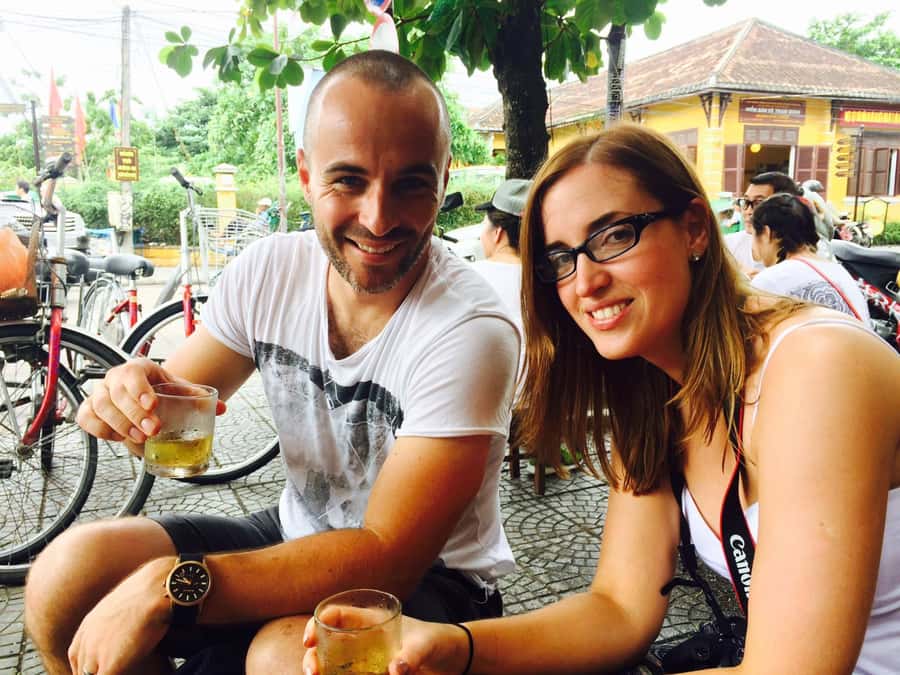
Book it if you want a single, structured way to experience Hoi An’s food culture from street level to ingredient level. The combination of an easy bike ride, 9-dish tastings, and stops like Tra Que Vegetable Village and Chuc Thanh Pagoda (1454) is exactly the kind of day that turns into a memory you can taste.
Skip it only if rain or heavy eating is a deal-breaker for you. Otherwise, go hungry (but not starving), ask about vegetarian needs early, and plan to treat this as a full food experience rather than a quick snack break.
FAQ
How long is the Hoi An Bike Tour to Countryside and Food Tour?
The tour lasts about 4 hours. Starting times vary, so you’ll need to check availability to see when it runs.
Is the bike ride difficult?
It’s described as an easy ride. You’ll cover about 10 km total, including around 5 km of actual biking.
What food is included in the tour?
You’ll visit 5 tasting locations and receive 9 delicious samples. The menu includes items such as white rose dumplings, fried wonton, bun bo, local beef noodles soup, Vietnamese coffee, bánh mì, bánh khọt, pork wrapped in rice paper, dessert, and balut egg is optional.
Do you offer vegetarian options?
You should advise dietary requirements at booking. For vegetarians, the tour notes you should ask in advance, including whether fish sauce and egg are okay for you.
Does the tour run in bad weather?
Yes. The tour takes place rain or shine.
Is pickup and drop-off included?
No pickup and drop-off service is included. You’ll need to arrange your own transport to the starting area and back afterward.
What should I wear or bring?
You can wear just about anything for the ride, but women should not wear short dresses or skirts. Since it runs rain or shine, bring weather-appropriate clothing and you should also share your height so the bike can be fitted well.