REVIEW · HOI AN
Hoi An: Vietnamese Coffee Making Workshop at Local Roastery
Book on GetYourGuide →Operated by GJ Travel Viet Nam · Bookable on GetYourGuide
Vietnamese coffee tastes different, and this makes sense fast. You’ll learn it step-by-step in a small, interactive class at Trí Long Coffee, guided in English by local baristas such as Tee, Thi, and Houng (names that show up in recent sessions). I love how the lesson combines a quick story about Vietnam’s coffee culture with practical brewing steps, and I also love the fun choice part: you pick two drinks from phin, egg, coconut, or salt coffee and actually make them. One thing to consider is that you’re not getting hotel pickup, so you’ll want to plan your own way to 88 Phan Châu Trinh Street.
The payoff is simple: you leave with two freshly made cups and the know-how to repeat them later. You’ll also get guidance that feels structured but not stiff, so beginners can keep up without bringing any special gear. Still, this is only about an hour (often 60–75 minutes), so it won’t be a long, slow coffee tour. It’s a focused class, not an all-day food experience.
Key points I’d use to choose this class
- Pick 2 drinks from phin, egg, coconut, or salt coffee, then learn both step-by-step
- English-led, small-group feel with time for questions at the end
- Coffee culture + brewing: you get stories from bean to cup, not just a recipe lesson
- Hands-on tools provided, so you don’t need any complicated equipment
- You’ll taste your own work right away in a cozy roastery setting
- Optional recipe takeaways show up in many sessions, and some people receive a certificate
In This Review
- Vietnamese Coffee, Made Hands-On at Trí Long Coffee
- Before You Go: The Real Schedule and What It Means
- Your Two Drink Choices: Phin, Egg, Coconut, or Salt Coffee
- Coffee Culture Lesson: From Bean to Cup in Plain Language
- The Hands-On Brewing Phase: What You’ll Actually Do
- Phin filter coffee
- Egg coffee
- Coconut coffee
- Salt coffee
- Enjoy Your Creations: Taste, Take Photos, Ask Questions
- Price and Value: Is $16 Worth It?
- Logistics You Should Get Right (So You Don’t Waste Time)
- Who This Workshop Suits Best
- Should You Book This Vietnamese Coffee Workshop in Hội An?
- FAQ
- What is the duration of the Vietnamese coffee-making workshop?
- Where do I meet the guide in Hội An?
- Which Vietnamese coffee styles can I choose from?
- Do I need prior experience to join?
- Is hotel pickup included?
- What should I bring?
- Can I cancel for a full refund, and is pay later available?
Vietnamese Coffee, Made Hands-On at Trí Long Coffee
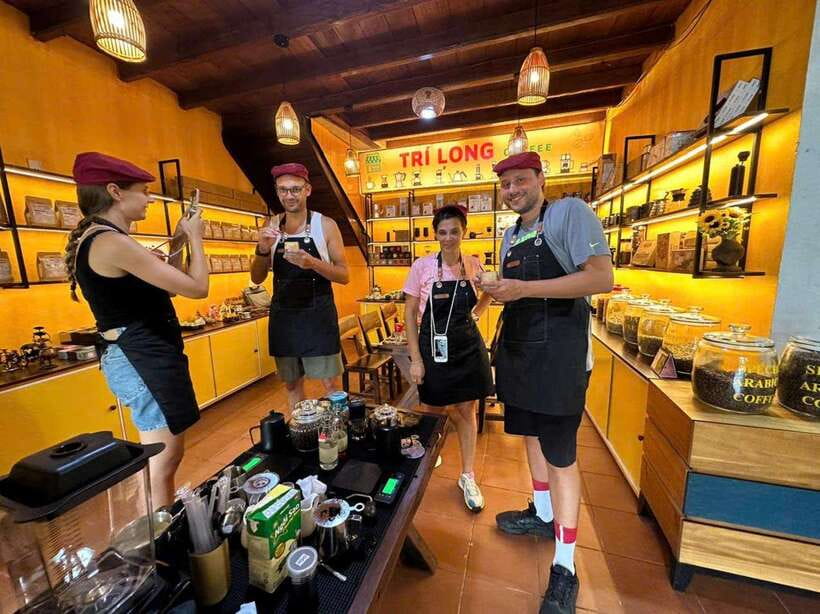
Hội An has plenty of cafés, but this experience goes further than ordering and chatting. The best part is that you’re not just tasting Vietnamese coffee flavors that locals love. You’re learning the mechanics behind them: how the brewing method changes the taste, how roasting matters, and how signature styles become signature.
The workshop takes place at Trí Long Coffee, at 88 Phan Châu Trinh Street in the city center. When you arrive, look for a guide standing outside the shop wearing a red hat. In recent experiences, hosts and instructors have included people named Tee, Thi, and Houng, and the class is run in English, which makes it easier to ask follow-up questions while you work.
Before You Go: The Real Schedule and What It Means
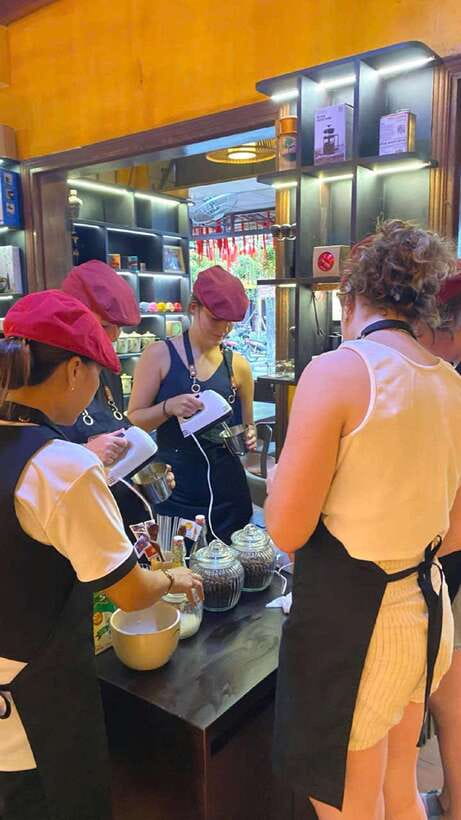
Plan for 60–75 minutes total. The pace is tight but not chaotic. The flow typically looks like this: you meet, get a quick welcome, then move into a short background lesson before you start brewing. After that, you make your two chosen drinks with step-by-step guidance, sit down to enjoy them, and end with a brief Q&A plus optional bean shopping.
Why this matters for your trip: one hour is ideal if you’re tight on time in Hội An but still want something memorable that isn’t just another meal. It also means the class stays focused. You’ll get taught enough to make two styles well, not a long list of drinks you’ll forget later.
One practical note: there’s no hotel pickup. That’s not a deal-breaker, but it does mean you should build in time to reach 88 Phan Châu Trinh Street on your own.
A few more Hoi An tours and experiences worth a look



Your Two Drink Choices: Phin, Egg, Coconut, or Salt Coffee
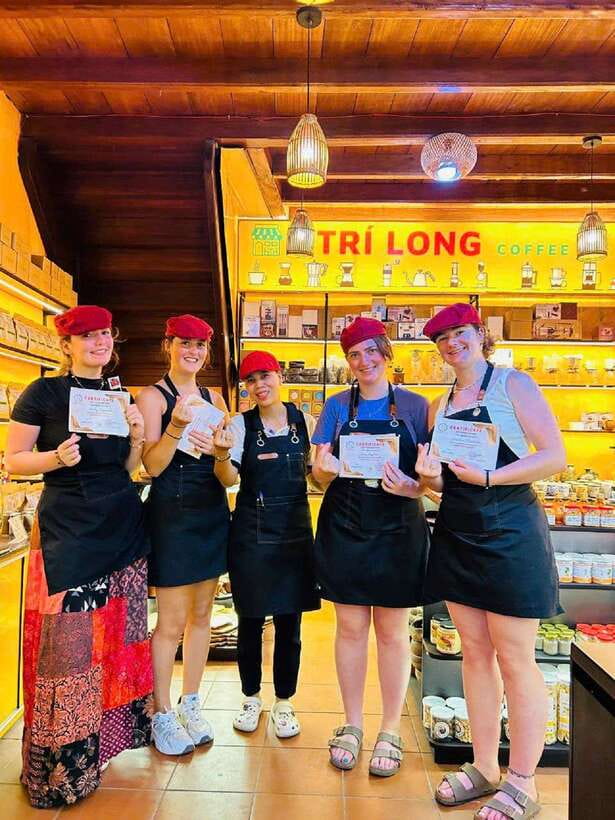
Here’s the part that usually gets people excited: you select two coffees out of four signature styles:
- Phin filter coffee
- Egg coffee
- Coconut coffee
- Salt coffee
You’re not limited to “one standard version.” You’re learning two different styles, each with its own personality. That’s why this workshop can be more valuable than it first seems. If you like sweet drinks, egg and coconut often hit the spot. If you’re curious about the iconic Vietnamese mix of flavors—especially the salty-sweet contrast—salt coffee is a great bet.
In several sessions, people mention that coconut iced coffee is a favorite because it feels refreshing and easy to drink. Others rave about salt coffee as a memorable, unusual flavor that still makes sense once you understand how it’s built.
Coffee Culture Lesson: From Bean to Cup in Plain Language
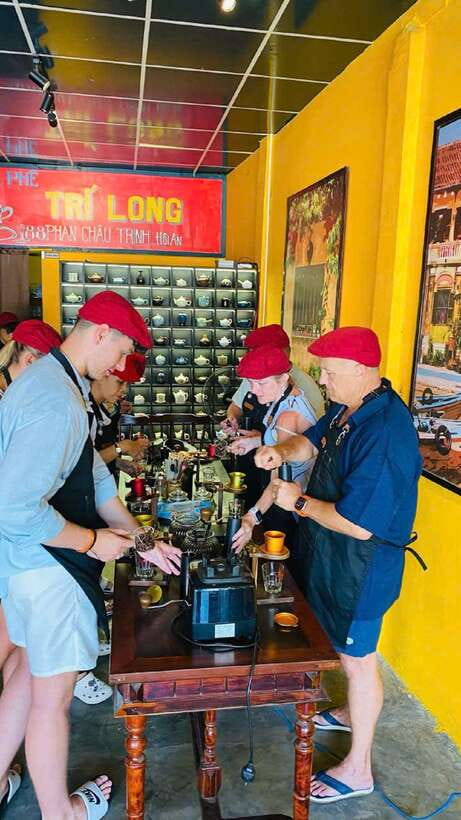
Before you start making anything, you get an intro to Vietnam’s coffee culture. This isn’t a textbook lecture. It’s the kind of story you can connect to what you’ll taste later.
You’ll hear about the journey from bean to cup—how coffee is grown, roasted, and brewed—and you’ll learn why Vietnamese coffee is known for its distinct character. The instructor also explains roasting methods and brewing techniques. Even if you’ve never made coffee before, this context helps you understand what you’re doing when you step into the hands-on phase.
I like this approach because it gives you a “why.” You’re not just following a sequence of steps. You’re learning what changes the flavor. When you can explain the taste to yourself, you’re more likely to recreate it at home.
The Hands-On Brewing Phase: What You’ll Actually Do
Once you choose your two drinks, the class switches gears into making. You’ll work through each coffee step-by-step with guidance from the barista/instructor. Since the tools and ingredients are provided, you’re mostly responsible for following instructions and paying attention to small adjustments.
This is also where you’ll start spotting the differences between styles:
Phin filter coffee
With phin coffee, the method is the main event. You’ll learn how the brew process works with the filter and how the final cup comes together. This style is a foundation for lots of Vietnamese coffee culture, so even if you end up loving egg or coconut more, phin gives you a strong baseline.
A few more Hoi An tours and experiences worth a look



Egg coffee
Egg coffee is famous for that creamy, custard-like texture. In the workshop setting, you’ll learn how the drink is assembled so you can understand how the foam/cream component changes the experience from a basic coffee into something dessert-like.
Coconut coffee
Coconut coffee tends to feel lighter and refreshing, often showing up as an iced favorite. You’ll learn the drink structure so it tastes intentional instead of just sweet. It’s a great pick if you want a coffee style that feels like a treat but not heavy.
Salt coffee
Salt coffee is the wildcard for most first-timers. The flavor can sound strange until you learn how it’s balanced. Once you understand the build, it becomes easier to appreciate why it’s considered iconic.
A small but important detail: the class is designed for beginners. You’re not expected to already know brewing tricks. Everything you need is set up for you.
Enjoy Your Creations: Taste, Take Photos, Ask Questions
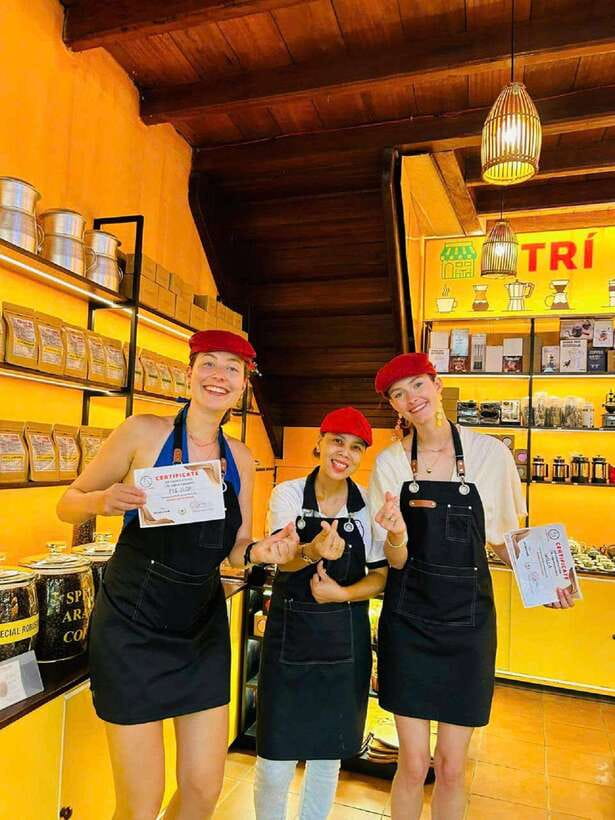
After both drinks are made, you get time to sit down and enjoy what you made. Many people focus on this moment because it’s immediate proof of what the lesson is teaching: the coffee you craft is the coffee you drink.
The space is described as cozy and music-filled, so it feels like a break in the middle of your day rather than a stiff classroom. You’ll likely take photos, compare flavors, and figure out which style you want to recreate later.
Then comes the short Q&A. This is where you can ask practical questions like:
- how to order similar drinks around Hội An,
- what to look for when buying beans,
- or how roasting and brewing change the cup.
Some people also mention recipe takeaways, including printed recipes, and a few sessions include a completion certificate. Even if you don’t get one every time, the instruction itself usually sticks because you’ve made the drinks with your own hands.
Price and Value: Is $16 Worth It?
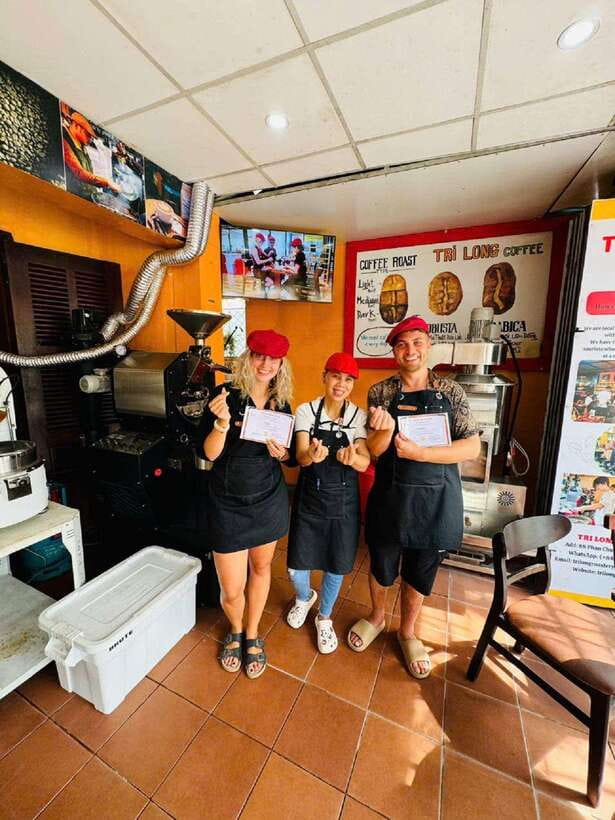
At $16 per person, this is priced like a real activity, not just a tasting. Is it worth it? For most people, yes—because you get more than samples.
You’re paying for:
- a guided, English-led class,
- tools and ingredients,
- hands-on instruction,
- and two cups you make yourself.
If you’ve ever paid for a coffee tasting where you sip three small samples and leave with nothing actionable, this feels different. Here, you get a “repeatable skill” (how the drinks are built) plus the immediate reward (two drinks, made by you). In a one-hour format, that’s strong value.
One more value angle: the workshop sometimes runs with small groups, and in some cases people have ended up with very small numbers at their chosen time. That often means more attention and easier Q&A.
Logistics You Should Get Right (So You Don’t Waste Time)
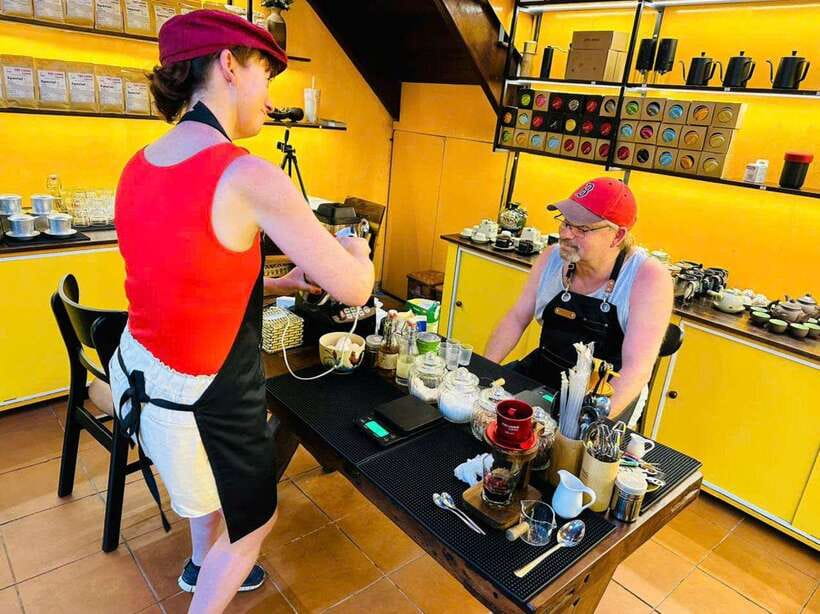
This is a simple class, but a few practical points will make it smoother:
- Arrive 5 minutes early at Trí Long Coffee, 88 Phan Châu Trinh Street.
- Look for the guide outside wearing a red hat.
- Wear comfortable shoes and bring a hat, sunscreen, water, and your camera if you want photos.
- Smoking isn’t allowed, so don’t plan around it.
Because there’s no pickup, you’ll want to choose transport that drops you near the center. One hint from prior participants: follow the host’s advice for getting there by taxi or ride-hailing.
Who This Workshop Suits Best
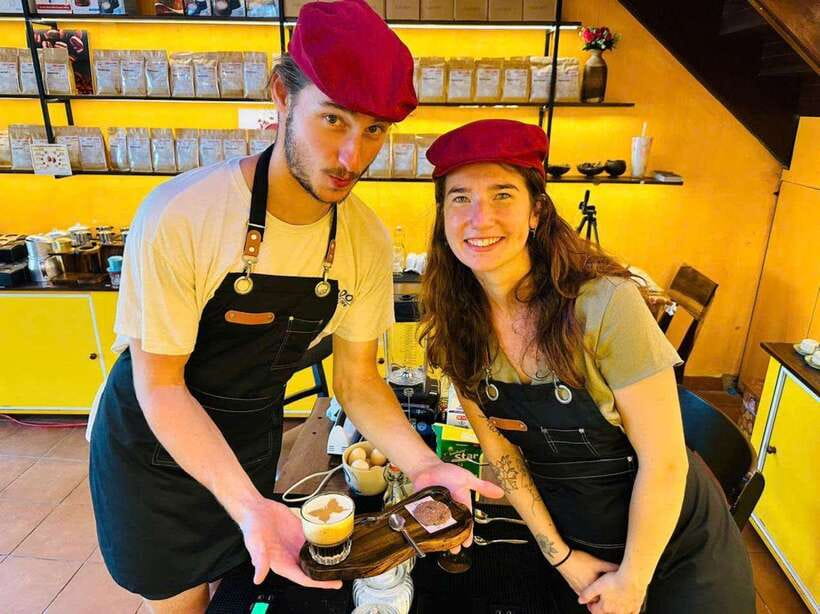
This workshop fits best if you want an authentic slice of Hội An beyond walking the streets and ordering off a menu.
You’ll probably love it if you:
- enjoy coffee and want to understand why Vietnamese coffee tastes the way it does,
- want a hands-on activity that’s beginner-friendly,
- like trying unusual flavors without having to research everything yourself,
- travel with friends or family and want an activity that keeps everyone engaged.
It may not fit as well if you:
- only want to drink coffee and have zero interest in the making process,
- are looking for a long tour with lots of stops and scenery,
- hate tight time blocks (since it runs about an hour).
Should You Book This Vietnamese Coffee Workshop in Hội An?
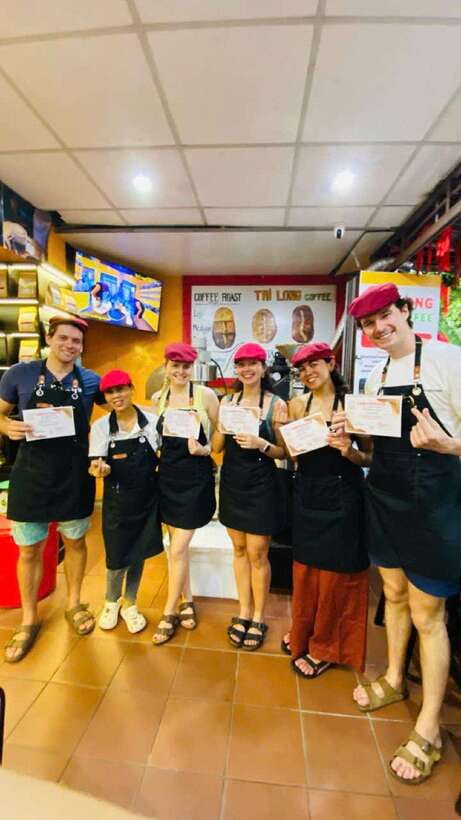
Book it if you want a practical, enjoyable skill you can use again at home—plus two genuinely different Vietnamese coffee styles you’ll make yourself. At $16 for a guided, hands-on class that includes tools, ingredients, and your own two cups, it’s an efficient way to spend a limited day in Hội An.
Before you go, pick your two styles with intention. If you’re curious but unsure, choose one “classic” option like phin and one “signature twist” like salt or coconut. Then you’ll leave with both a foundation and a surprise.
If you’re the type who likes to ask questions, show up on time and use the Q&A part. That’s where you can translate your experience into better coffee choices during the rest of your trip.
FAQ
What is the duration of the Vietnamese coffee-making workshop?
It lasts about 1 hour, and the full experience typically runs 60–75 minutes.
Where do I meet the guide in Hội An?
Meet at Trí Long Coffee – 88 Phan Châu Trinh Street. Look for the guide standing outside wearing a red hat.
Which Vietnamese coffee styles can I choose from?
You can choose two from: phin filter coffee, egg coffee, coconut coffee, or salt coffee.
Do I need prior experience to join?
No. The workshop is suitable for beginners, and you’ll get step-by-step guidance.
Is hotel pickup included?
No. Hotel pickup/transportation isn’t included, so you’ll need to get to the meeting point yourself.
What should I bring?
Bring comfortable shoes, a hat, camera, sunscreen, and water.
Can I cancel for a full refund, and is pay later available?
Yes. You can cancel up to 24 hours in advance for a full refund. You can also reserve now & pay later, so you can book without paying immediately.