REVIEW · HOI AN
Vietnamese Culture and Coffee Making Class
Book on Viator →Operated by Hoian Handicraft Tours · Bookable on Viator
Coffee culture in Hoi An starts here. In this 2-hour class, you learn why Vietnamese coffee is different and how French influence shaped it, then you get hands-on with five signature cups made the traditional way with a phin filter. It’s led by an English-speaking local instructor at a small family-style setup in the heart of Hoi An.
I love the hands-on format and the pace that keeps you moving from one coffee to the next. I also like that tools are provided and you leave with a Vietnamese filter (phin) plus recipes, so you can recreate the drinks at home instead of just remembering them.
One thing to consider: the coffee is very strong, and while most people love the full 2 hours, a shorter experience may feel like a better fit for you.
In This Review
- Key things I think you’ll remember
- Why Vietnamese coffee tastes different (and what you’ll learn first)
- Finding the class: 10C Bà Triệu and the practical setup
- The five coffees you’ll make, step by step
- Real traditional black coffee by Vietnamese filter
- Vietnamese happy white coffee
- Hue Imperial Salt coffee
- Hoi An fresh coconut coffee
- Ha Noi capital Egg coffee
- Why the pacing matters (and how to handle the caffeine)
- The value equation: $15.39 and what you actually get
- Small-group energy, humor, and staying comfortable
- What you take home: phin filter, recipes, and refill potential
- Who should book this Hoi An coffee workshop
- Should you book this Vietnamese culture and coffee making class in Hoi An?
- FAQ
- FAQ
- What is the duration of the Vietnamese culture and coffee making class in Hoi An?
- How much does the experience cost per person?
- Where does the class meet, and where does it end?
- Is hotel pickup included?
- What types of coffee will I make during the class?
- What’s included in the price?
- How many people can be in the group?
Key things I think you’ll remember
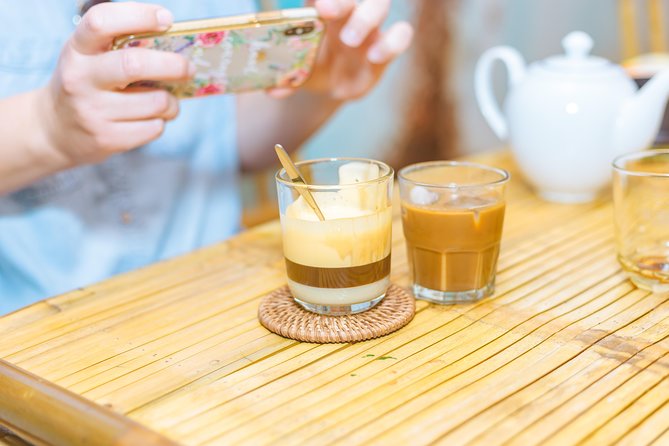
- Five coffees, one class: black filter coffee, happy white coffee, Hue salt coffee, Hoi An coconut coffee, and Hanoi egg coffee
- True Vietnamese brewing gear: you practice with the phin filter and learn why the method matters
- Local instruction in plain English: clear explanations, patience, and lots of laughs during prep
- A take-home gift beyond souvenir pictures: you get the filter to brew again later
- Recipes you can actually use: you’re not leaving with vague tips
Why Vietnamese coffee tastes different (and what you’ll learn first)
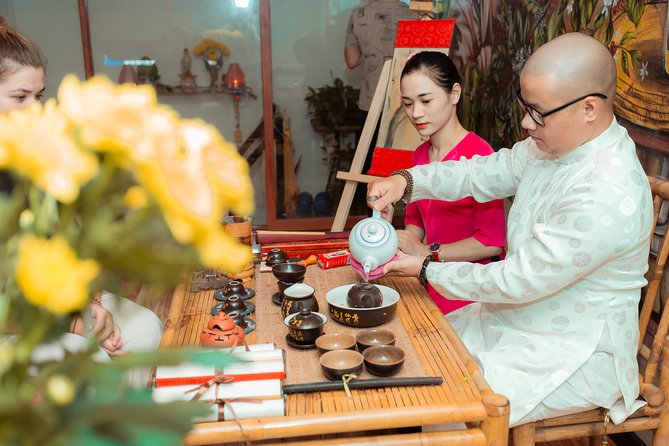
Vietnamese coffee isn’t just a drink order. It’s a brewing system, a flavor style, and a set of habits that grew in Vietnam for a reason. In class, you start by understanding what makes Vietnamese coffee stand out from what most people grow up expecting in their home countries.
You’ll hear how coffee culture developed in Vietnam and how French colonization helped shape modern Vietnamese tastes and habits. The big takeaway for you is that the flavor balance often leans on sweetened condensed milk, dark-roasted beans, and a slow-drip filter method. That combination is why Vietnamese coffee can taste bold, creamy, and strong without needing fancy equipment.
It also helps that the instruction is built around doing. Instead of lecturing you into confusion, the class moves from concept to cups. You’ll see how changes in ingredients and brewing steps create totally different results—even when you’re working with the same core coffee.
A few more Hoi An tours and experiences worth a look

Finding the class: 10C Bà Triệu and the practical setup
The meeting point is at 10C Bà Triệu, Phường Cẩm Phổ, Hội An, Quảng Nam. There’s no hotel pickup, so plan to get there on your own using public transportation (it’s marked as near public transit). You’ll use a mobile ticket, so you’ll want your phone charged and ready.
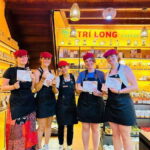
This kind of workshop is usually best when you show up calm and curious. You don’t need coffee knowledge in advance. You’re there to learn the process, then practice it. With a maximum group size of 10 travelers, the energy tends to stay friendly and not chaotic.
If you’re combining this with a busy day of Hoi An sights, keep the start time in mind and give yourself a little buffer. Not because the class is hard, but because Vietnamese neighborhoods can be a bit of a maze on foot and by motorbike taxi if you’re not used to them yet.
The five coffees you’ll make, step by step
The heart of this experience is that you don’t just taste five drinks. You make them. That changes everything. When you physically put the filter in place, control the pour, and understand how the coffee comes through, you stop treating each cup as a mystery and start treating it like a repeatable recipe.
The class includes making these five coffees:
Real traditional black coffee by Vietnamese filter
This is your baseline. Expect to practice the phin filter method so you can understand how Vietnamese drip brewing works. You’ll get a feel for how the coffee concentrates as it drips and settles. This first step matters because it sets the flavor reference for everything after.
Practical tip for you: when you taste your own first cup, pay attention to strength and bitterness. That’s the foundation for why later drinks can be either balanced or super intense depending on milk and toppings.
Vietnamese happy white coffee
Happy white coffee is a crowd favorite style, usually known for being creamier and sweeter than plain black. In class, you’ll learn how the ingredients and the brewing flow shape the end result. You’ll probably notice how the same coffee base can taste totally different once milk sweetness enters the picture.
If you like coffee that feels smoother and dessert-adjacent, this is likely to be one of your best bets. If you prefer crisp, dark coffee, this one can feel heavier—but it’s a great lesson in how Vietnamese coffee traditions build layers.
A few more Hoi An tours and experiences worth a look
Hue Imperial Salt coffee
Hue has its own culinary identity, and this salt coffee reflects that. You’ll learn how salt plays a role in balancing flavors—making sweetness taste more rounded instead of one-note. This is the kind of drink that helps you see Vietnamese coffee as food, not just caffeine.
If you’re the type who wonders why a dish with a small pinch of salt tastes more complete, you’ll appreciate this cup. It teaches a technique you can mimic even after you leave Vietnam.
Hoi An fresh coconut coffee
This is the local-skyline option for many coffee lovers: coconut brings a fresh, fragrant note that softens the heaviness of strong coffee. In the class, you’ll make Hoi An coconut coffee and compare it directly to the other styles you create.
Several people call this one their favorite, and I get why. Coconut flavor can make bold coffee feel lighter, and it’s also a reminder that Vietnamese coffee culture often uses local ingredients rather than copying a single global template.
If you’re curious about Vietnam beyond coffee stereotypes, this is one of the best “local flavors meet coffee technique” examples in the set.
Ha Noi capital Egg coffee
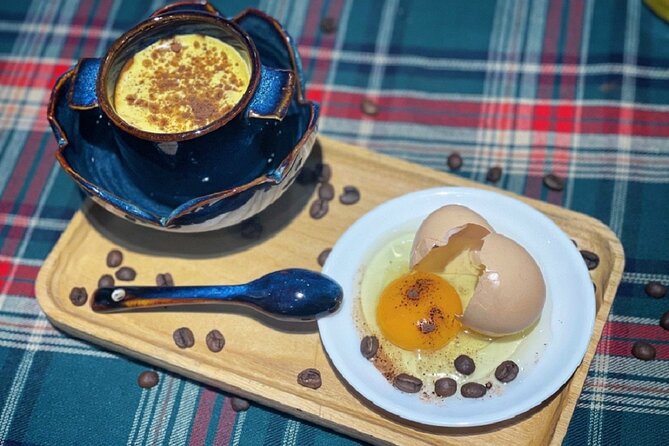
Egg coffee, especially the Hanoi version, is the drink most people recognize once they hear the name. In this class, you’ll make the egg coffee style linked to Hanoi. This is a fun contrast: instead of relying only on milk sweetness, the drink’s texture and richness come from egg-based preparation.
It’s also a good final step for training your palate. By the end, you’ll have tasted and brewed multiple styles in one session, so you’ll be able to spot what changed: strength, sweetness, and texture.
One note for you: egg coffee can feel extra rich. Plan to pace yourself, especially since you’re making and tasting several cups in one go.
Why the pacing matters (and how to handle the caffeine)

A common theme in the experience feedback is that it’s well paced and keeps you engaged. Even with five different coffees, you’re not stuck waiting while someone else does all the work. You’re generally guided through each brew step, with clear instructions and a patient approach.
That said, there’s also at least one caution worth listening to: 2 hours might feel long if you want only a quick stop. The good news is that you’re getting five distinct coffees out of that time. If you’re choosing between this and a shorter tasting-only experience, the value is the “learn-and-do” part.
The bigger practical caution is strength. Many people point out that the coffees are seriously potent, and you can easily end up with more caffeine than you expected. My advice: take smaller sips, share with your group if that’s allowed in your moment, and drink water along the way. If you’re sensitive to caffeine, consider taking a slower approach or saving your last cup for later.
Also, plan your evening accordingly. If you’re doing late-night lantern wandering in Hoi An, you might not want a full caffeine load.
The value equation: $15.39 and what you actually get
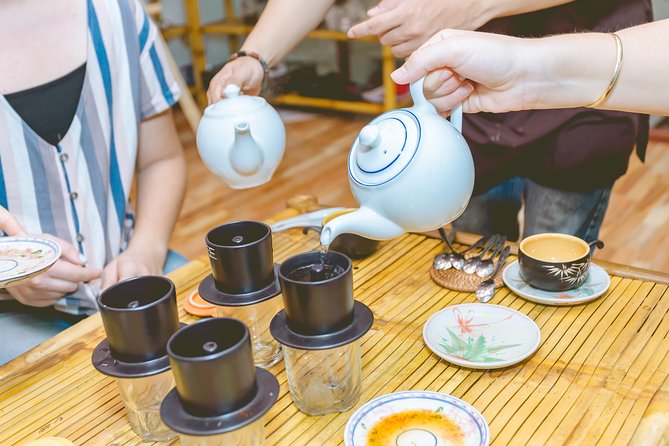
At $15.39 per person, the best way to judge value is not just price. It’s what’s included and what it teaches you to do again later.
You get:
- Coffee making tools used during class
- An English-speaking guide/instructor
- The Vietnamese phin filter to take home
- Recipes provided for recreating the coffees
For you, that take-home filter is the real value lever. If you were only tasting, you’d be paying for a fun afternoon. But because you leave with a core brewing tool and instructions, you’re paying for a skill. That makes the price feel more reasonable, especially in Hoi An where many activities are mostly about watching.
The class also limits group size to 10 travelers, which helps keep the instruction from turning into a lecture. More attention usually means fewer mistakes, and fewer “I did it wrong” moments when you try the brew at home.
One more thing: there’s no hotel pickup. That’s not a deal breaker, but it does affect your planning. If you’re staying far from 10C Bà Triệu, factor in a short taxi or rideshare trip so you arrive on time without stress.
Small-group energy, humor, and staying comfortable
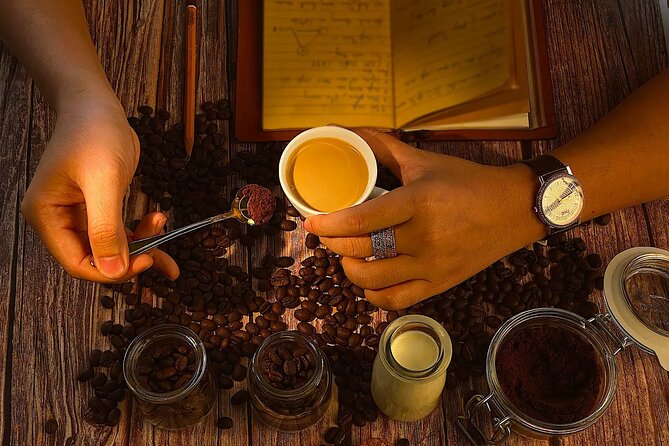
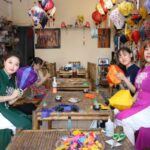
This workshop tends to feel family-run and friendly. People highlight the staff as warm, and instruction as clear with plenty of patience. Humor is part of the atmosphere, which many people love because it keeps the class from feeling stiff.
Still, it’s worth flagging that humor style can be subjective. If you’re sensitive to jokes or you want a very formal class, you might not love every moment of banter. The structure itself is the main win: five coffees, tools provided, and an instructor who helps you through each stage.
If you’re a solo traveler, this also works well. A small group usually means it’s easier to talk with people and not feel stuck on the sidelines. If you’re with friends or on a date, it’s also a fun shared activity because everyone is making drinks and comparing flavors.
What you take home: phin filter, recipes, and refill potential
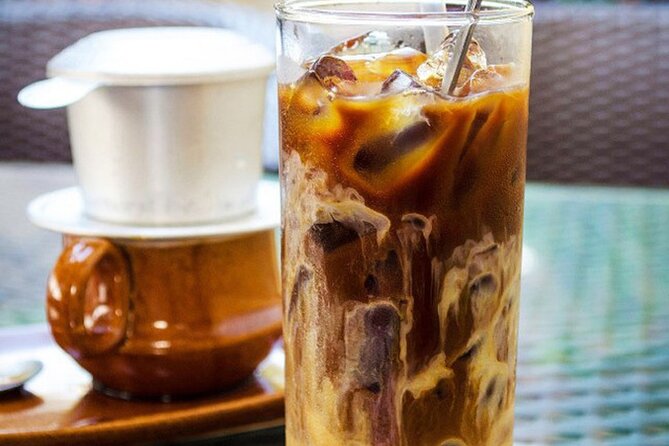
You leave with more than satisfaction. You’ll take home:
- A Vietnamese filter (phin)
- Recipes for the coffees made in class
That matters because Vietnamese coffee is best when you can brew it the same way at home. The phin filter is the tool that makes the process repeatable. Recipes help you remember ingredient choices and build steps later, when you no longer have the instructor standing by.
If you like souvenirs that actually earn their shelf space, this one does. A filter and recipes mean you’ll probably use it again—especially if you enjoyed black filter coffee first, then started exploring coconut and egg coffee variations.
Also, if you’re the type who brings home gifts for people who claim they dislike coffee, this kind of class is a great way to do it with confidence. You can brew it and show them what Vietnamese coffee is supposed to taste like.
Who should book this Hoi An coffee workshop

Book it if you:
- Love coffee and want to understand why Vietnamese coffee tastes the way it does
- Want a hands-on class with five different drinks
- Prefer small groups and clear instructions
- Want something you can recreate at home with a real brewing tool
Skip it or consider another option if you:
- Are extremely caffeine sensitive
- Want a very short experience (some people felt 2 hours could be faster)
- Prefer a formal class with minimal humor
Should you book this Vietnamese culture and coffee making class in Hoi An?
If you’re a coffee person, I think this is a strong yes. You’re paying a modest price for a skill plus five distinct cups, and you end with the phin filter to keep the learning alive back home. The format is interactive, the group is small, and the drinks are built around real Vietnamese methods—not generic coffee talk.
Just go in with two smart expectations: the coffee can be strong, and the experience is designed as a complete 2-hour session. If you can work with that, you’ll walk away with both memories and the ability to brew your own Vietnamese coffee nights later.
FAQ
FAQ
What is the duration of the Vietnamese culture and coffee making class in Hoi An?
The class lasts about 2 hours.
How much does the experience cost per person?
The price is $15.39 per person.
Where does the class meet, and where does it end?
It starts at 10C Bà Triệu, Phường Cẩm Phổ, Hội An, Quảng Nam 560000, Vietnam and ends back at the same meeting point.
Is hotel pickup included?
No. Hotel pick up and drop-off are not included.
What types of coffee will I make during the class?
You’ll make: traditional Vietnamese black coffee (phin filter), Vietnamese happy white coffee, Hue Imperial Salt coffee, Hoi An fresh coconut coffee, and Hanoi egg coffee.
What’s included in the price?
Included: coffee making tools, an instructor and English-speaking guide, and a Vietnamese filter (phin) to take home.
How many people can be in the group?
The group has a maximum of 10 travelers.