REVIEW · DA NANG
Go Surfing In Danang AND Hoi An
Book on Viator →Operated by Go Surfing · Bookable on Viator
Catching waves in Vietnam is pure payoff. This Go Surfing session is built around detailed instruction and getting you onto the water quickly, whether you’re brand-new or returning. You’ll be in a tight group (up to 8 people) so you’re not just watching others.
I especially like the teaching style described by instructors who explain things clearly and stay calm. In Da Nang, Tom is singled out for patient, steady coaching and practical tips, and Rob (the owner) adds a relaxed, friendly touch beyond the lesson. One thing to plan for: conditions matter, and at least one surf student wished for bigger waves on the day.
In This Review
- Quick Highlights: What Makes This Surf Lesson Feel Worth It
- Surfing in Da Nang: The “Coach, Then Catch Waves” Formula
- Where You Start: Bãi Tắm Sơn Thủy (Da Nang)
- The 1.5-Hour Lesson: What Happens Once You’re on the Shore
- Da Nang and Hoi An: Picking the Right Base for Your Trip
- Coach Tom and Owner Rob: Why Teaching Style Gets Credit
- Value for Money: What $43.47 Buys You
- Weather and Wave Reality: When Conditions Change
- Who This Surf Session Fits Best
- Small Details That Matter: Ticketing, Timing, and the Group Size
- Should You Book Go Surfing in Da Nang (and the Hoi An Option)?
- FAQ
- How much does the Go Surfing lesson cost?
- Where does the Da Nang surf lesson start?
- How long is the surfing experience?
- What are the opening hours?
- What is the maximum group size?
- Is this surf lesson suitable for first-timers?
- What fitness level do I need?
- Can I bring a service animal?
- What happens if it’s canceled due to poor weather?
Quick Highlights: What Makes This Surf Lesson Feel Worth It

- Small group size (max 8) helps you get real attention and corrections fast
- Beginner-ready coaching moves you from basics toward board tips in about 1.5 hours
- Instructor style that stays calm and clear, with foreigners teaching in an easy-to-follow way
- You likely catch multiple waves rather than spending the whole time waiting
- Da Nang’s beach meeting point keeps things simple and centered on getting in the water
- Good-weather dependent means you’ll want to keep flexibility in your schedule
Surfing in Da Nang: The “Coach, Then Catch Waves” Formula
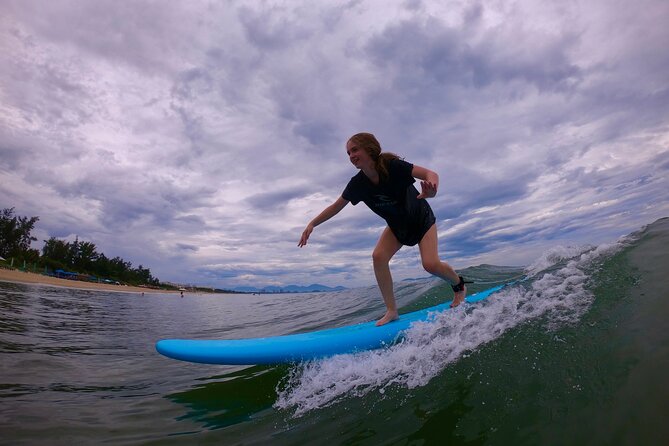
This is one of those activities where the main value is not the beach view or the gear rack. It’s the coaching. The whole point here is to help you catch waves by giving you instruction you can actually use in the moment. The lesson is designed for both first-timers and people who’ve already stood up before, so you’re not stuck repeating the same slow steps.
What I like most is that the instruction isn’t vague. Students describe getting advice at a basic level that’s easy to apply right away. That matters in surf lessons because timing is everything. If someone can explain what to do—stance, balance, and how to approach a wave—you can start making progress before your patience runs out.
You’re also not treated like a spectator. The goal is fun, but structured fun: learn, then try, then refine. Reviews mention students catching lots of waves on the first lesson, which is exactly what you hope for when you’re paying for a single 1 hour 30 minute session.
You can also read our reviews of more tours and experiences in Da Nang.



Where You Start: Bãi Tắm Sơn Thủy (Da Nang)
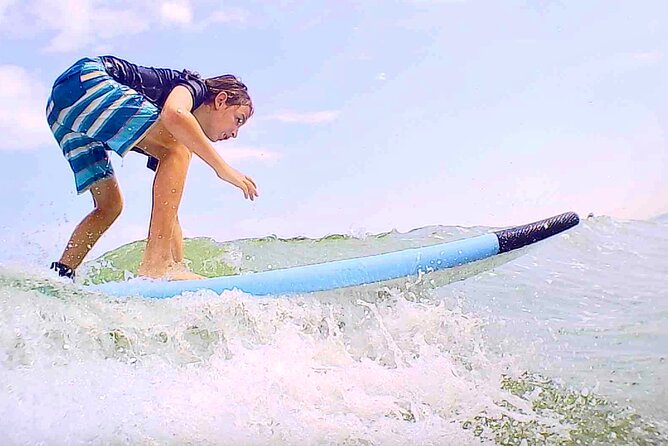
The meeting point for this session is Bãi Tắm Sơn Thủy, Trần Quốc Hoàn, Ngũ Hành Sơn, Đà Nẵng, Vietnam. The activity ends back at the same meeting point, so you don’t need to plan extra transportation between “lesson time” and “your next stop.”
Why this matters for you: surf schools can be scattered, and that turns a short session into a logistics puzzle. Here, your time stays focused on the water. The beach name also helps you anchor your plan when you’re organizing a half-day around it.
The session runs daily from 6:00 AM to 6:00 PM, so you can pick a slot that matches your energy level. If you’re the type who wants to get it done early, morning makes sense. If you prefer a later start, you still have options throughout the day.
The 1.5-Hour Lesson: What Happens Once You’re on the Shore
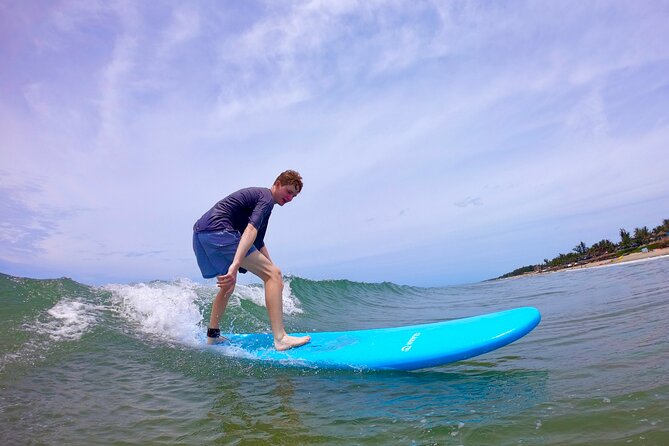
The duration is about 1 hour 30 minutes, and with that time limit, the school clearly leans toward efficient learning. You’re not signing up for a day-long surf camp. You’re signing up for a solid chunk of feedback and real attempts.
Based on the coaching described, you can expect an approach like this:
- First, you get basics and orientation so you’re not guessing.
- Then you practice enough to build confidence on the board.
- Finally, you’re coached with small, usable tips to improve how you approach and catch waves.
This matters most if you’re a first-timer. Your biggest challenge isn’t just fear or balance—it’s uncertainty. If you know what to do when a wave is coming, you get less frozen in place and more chances to try. Students specifically call out improvements after just an hour and a half, which is a strong sign the coaching is targeted rather than generic.
Da Nang and Hoi An: Picking the Right Base for Your Trip

Your title mentions both Da Nang and Hoi An, and the lesson stories you’ll find include both cities. In practice, think of this as a surf experience you can fit into your itinerary depending on where you’re staying.
Here’s how I’d make the choice:
- If you’re already based in Da Nang, you’ll have a straightforward plan because this session’s meeting point is clearly in Da Nang at Bãi Tắm Sơn Thủy.
- If you’re staying in Hoi An, you can look for the Hoi An option described in student feedback. That particular mention calls it a small surf school vibe near the beach and highlights patient, competent trainers.
Important reality check: you probably won’t experience the exact same ocean conditions every day, and wave size can vary. One student even wished the waves were bigger. So your best strategy is to book when you have some schedule flexibility, then match the lesson to your city base.
Coach Tom and Owner Rob: Why Teaching Style Gets Credit
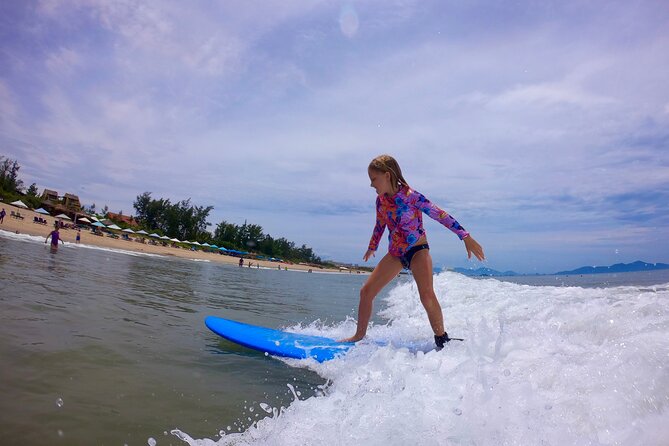
Coaching is the make-or-break factor in surf lessons, and the student notes here are surprisingly specific about people.
In Da Nang, Tom is highlighted for being a great teacher: patient, calm, and clear with instruction. The standout detail is that his coaching leads to real progress for a girlfriend who was learning. That’s the kind of outcome you want if you’re traveling with a partner and need both people to feel confident.
Then there’s Rob, named as the owner. One review explains that after the lesson, Rob showed a mural project and an art gallery. That might sound like a small extra, but it signals something useful about the overall vibe: this place seems built around community and creativity, not just check-in and paperwork.
Even if you only care about catching waves, this kind of relaxed, welcoming environment helps you learn faster. You’re more likely to ask questions, keep trying, and stay calm when a wipeout happens.



Value for Money: What $43.47 Buys You

The price listed is $43.47 per person, and for a lesson that lasts about 1.5 hours with a maximum of 8 travelers, the math tends to work in your favor.
Here’s what you’re really paying for:
- Time on the water with coaching, not just watching instruction
- A smaller group, which usually means more attention
- A focused session that aims at rapid improvement
In many surf lessons, the biggest cost problem is inefficiency: you wait, you get rushed, and corrections don’t land. The reviews here repeatedly emphasize learning quickly and catching a bunch of waves, which suggests the school uses the session time effectively.
Also, you get a mobile ticket, which is the kind of detail that saves hassle when you’re figuring out beach days and grabbing food afterward.
Weather and Wave Reality: When Conditions Change
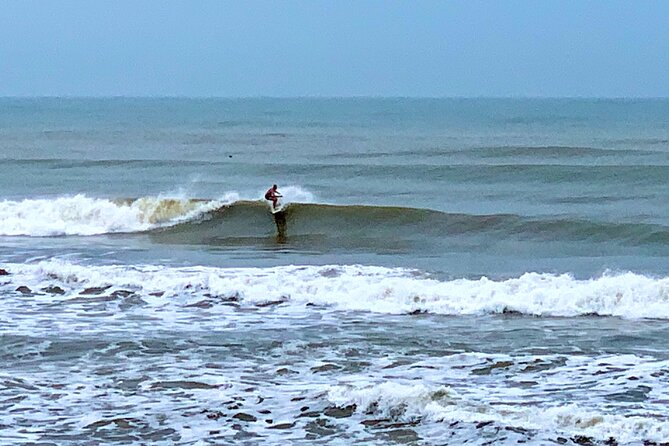
Surfing in Vietnam runs on the ocean’s schedule, not yours. The experience requires good weather, and if it’s canceled because of poor conditions, you’ll be offered a different date or a full refund.
You’ll also want to adjust expectations around wave size. One surf student described a wish for bigger waves. That doesn’t mean the lesson wasn’t good—it means the day’s ocean gave different results than a student hoped for. If you’re booking with the mindset that learning and having fun come first, you’ll feel better no matter what the surf does.
If you can, pick a day where you can shift plans. When weather is a variable, flexibility is the real upgrade.
Who This Surf Session Fits Best

This lesson asks for a moderate physical fitness level. That’s not a dealbreaker, but it does mean you should be ready for active time outdoors: getting onto the board, paddling, and handling the movements that come with trying to stand.
You’ll likely enjoy it most if:
- You want a beginner-friendly start with practical tips
- You want short-session progress rather than a multi-day commitment
- You’re traveling solo, as a couple, or with friends and want personalized attention (again, max 8)
If you’re an advanced surfer hunting consistent, big-wave conditions, this might feel more like a skill-building session than a surf-buffet of massive swells. But for getting your legs under you and learning how to catch waves, that’s exactly the sweet spot.
Small Details That Matter: Ticketing, Timing, and the Group Size
A few practical notes can help you plan with confidence:
- Mobile ticket: easier to keep track of than paper slips.
- Confirmation at booking: you shouldn’t be stuck wondering if you’re in.
- Max 8 travelers: you’ll feel like a class, not a crowd.
And the lesson seems welcoming in terms of general participation. Service animals are allowed, which is a thoughtful detail for travelers who need to travel with support animals. The activity is also near public transportation, which helps if you’re not renting a scooter for the day.
Finally, the session runs from 6:00 AM to 6:00 PM, giving you options if your morning is packed with beach strolls or you’re saving the surf for later.
Should You Book Go Surfing in Da Nang (and the Hoi An Option)?
Yes, you should book if you want a surf lesson that focuses on learning fast, getting coaching that makes sense, and spending your time actually trying. The strongest reasons to choose this experience are the repeated mentions of patient instruction, clear tips, and students catching multiple waves even on a first lesson.
Book it with one expectation set: some days will have smaller waves. If you’re okay with that and you’re there to improve and have fun, you’ll likely leave feeling you learned something real. If you want guaranteed big waves no matter what, that’s not what a weather-dependent lesson promises.
If you’re deciding between Da Nang and Hoi An bases, pick the city you’re already living out of. The Da Nang meeting point is clearly Bãi Tắm Sơn Thủy, and the Hoi An option has its own praise for patient coaching and a fun, beginner-friendly vibe.
FAQ
How much does the Go Surfing lesson cost?
The price is listed as $43.47 per person.
Where does the Da Nang surf lesson start?
It starts at Bãi Tắm Sơn Thủy, Trần Quốc Hoàn, Ngũ Hành Sơn, Đà Nẵng, Vietnam.
How long is the surfing experience?
The duration is about 1 hour 30 minutes.
What are the opening hours?
The listed opening hours are Monday to Sunday, 6:00 AM to 6:00 PM.
What is the maximum group size?
This experience has a maximum of 8 travelers.
Is this surf lesson suitable for first-timers?
Yes. The description and feedback highlight that you can learn from the basics even if you have stood on a board before or not.
What fitness level do I need?
Travelers should have a moderate physical fitness level.
Can I bring a service animal?
Yes. Service animals are allowed.
What happens if it’s canceled due to poor weather?
The experience requires good weather. If it’s canceled due to poor weather, you’ll be offered a different date or a full refund.