REVIEW · HOI AN
Hoi An: Vietnamese Coffee Culture and Coffee Making Class
Book on GetYourGuide →Operated by Hoian Handicraft Tours · Bookable on GetYourGuide
Coffee and lanterns, in the same room. This Hoi An workshop connects Vietnamese café culture with a very practical, hands-on coffee-making lesson you can repeat at home. You’ll learn the story behind the drinks, then actually brew them yourself using the signature Phin metal filter.
I like two things most: first, you get a real crop-to-cup walkthrough, not just a tasting. Second, the class is fun and chatty, with instructors who keep the mood light while you learn how each coffee style is built.
One drawback to plan for: you’ll drink a lot of coffee in a short time. If caffeine makes you jittery, eat first and pace yourself.
In This Review
- Key Things You’ll Notice Fast
- Lantern-Lit Workshop in Hoi An: What Happens in 2 Hours
- Start With Herbal Tea and Café Stories From the Hosts
- Crop-to-Cup Brewing: Roasting, Condensed Milk, and the Phin Filter
- Five Vietnamese Coffee Styles You’ll Make and Taste
- What makes the tasting actually useful
- The Hands-On Skills That Travel With You
- Price and Value: Is $14 a Good Deal in Hoi An?
- Logistics That Matter: Getting There and Handling Caffeine
- Who This Class Is Best For (and Who Might Prefer Another Option)
- Tips to Make Your Class Smoother and More Fun
- Should You Book the Hoi An Vietnamese Coffee Making Workshop?
- FAQ
- Where is the meeting point?
- How long is the class?
- How much does it cost?
- Is hotel pickup included?
- What’s included in the class?
- What languages are used?
- How many people are in the group?
- Is it wheelchair accessible?
- What should I bring?
- Can I cancel?
Key Things You’ll Notice Fast
- Small group size (limited to 10) so you’re not just watching from the back row
- Phin filter technique you can copy later, down to the steps and timing
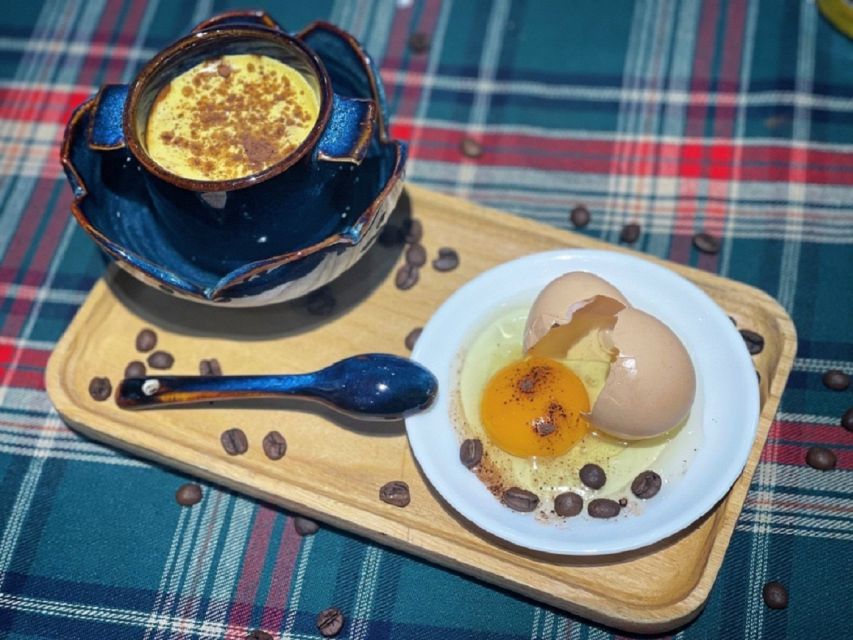
- Multiple famous styles including Hanoi egg coffee, Hue Imperial salt coffee, coconut coffee, plus black and happy white options
- Take-home learning tools like recipes, and in many cases a mini Phin filter gift
- Lantern-lit, friendly family vibe with humor and good music that keeps the 2 hours moving
Lantern-Lit Workshop in Hoi An: What Happens in 2 Hours
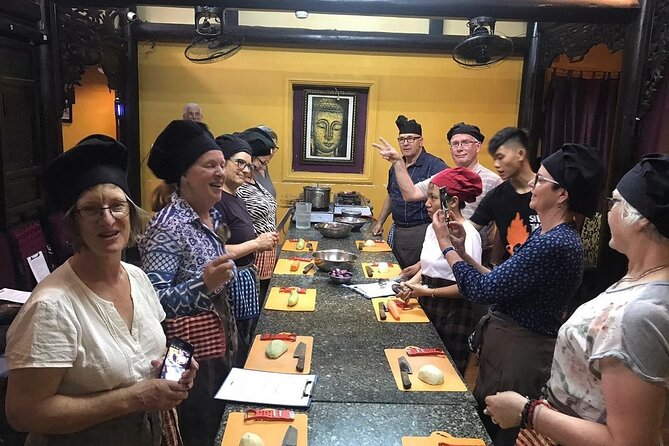
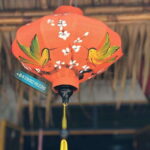
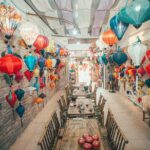
This is a straightforward, two-hour workshop built around one idea: Vietnamese coffee is more than a drink. It’s a method, a history, and a social ritual. You start at a small venue decorated with silk lanterns, and you’ll see a clear board that reads COFFEE MAKING WORKSHOP.
You meet your guide, then settle in with a hot cup of herbal tea before coffee-making starts. The pace stays easy, and the group stays small enough that questions don’t get lost. For a first food-and-drink activity in Hoi An, it’s a smart way to get your bearings fast.
The class runs for about two hours, so it fits well into an afternoon plan. If you want something active without committing a whole day, this hits that sweet spot.
A few more Hoi An tours and experiences worth a look

Start With Herbal Tea and Café Stories From the Hosts
Before the brew lessons, your instructors set the stage with coffee culture in Vietnam. Expect explanations about how Vietnamese cafés became famous, and how those cafés connect to history and everyday life. It’s not just facts on a slide; it’s told in plain language as you’re gearing up to make drinks.
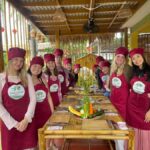
Several people also highlight the hosting style. The workshop is run by a family of siblings, and guides such as Tan and Le are called out for their humor and energy. That matters, because coffee-making has a bunch of small steps. When the mood is relaxed, the technique sticks.
You’ll also hear stories tied to each coffee style as you move through the lesson. That turns your tasting into something you can actually remember, not just something you sip and forget.
Crop-to-Cup Brewing: Roasting, Condensed Milk, and the Phin Filter
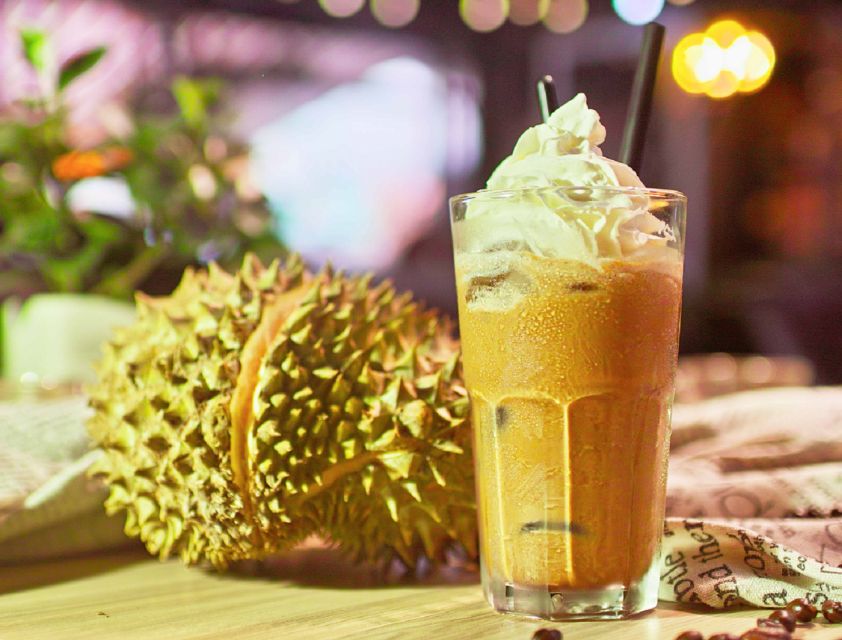
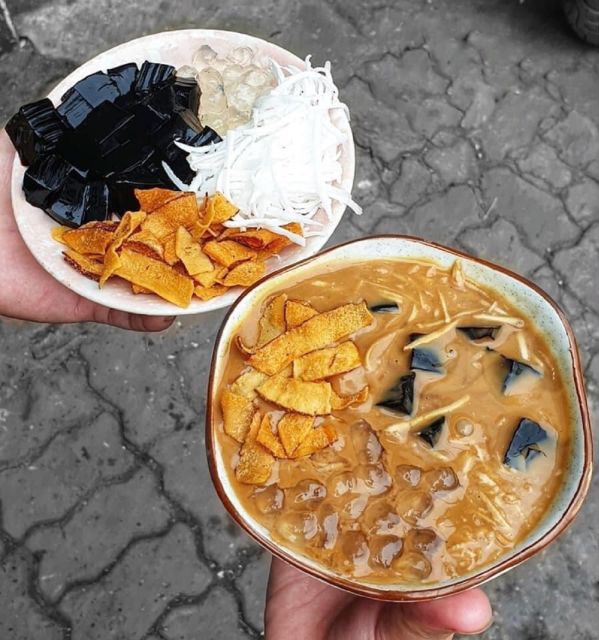
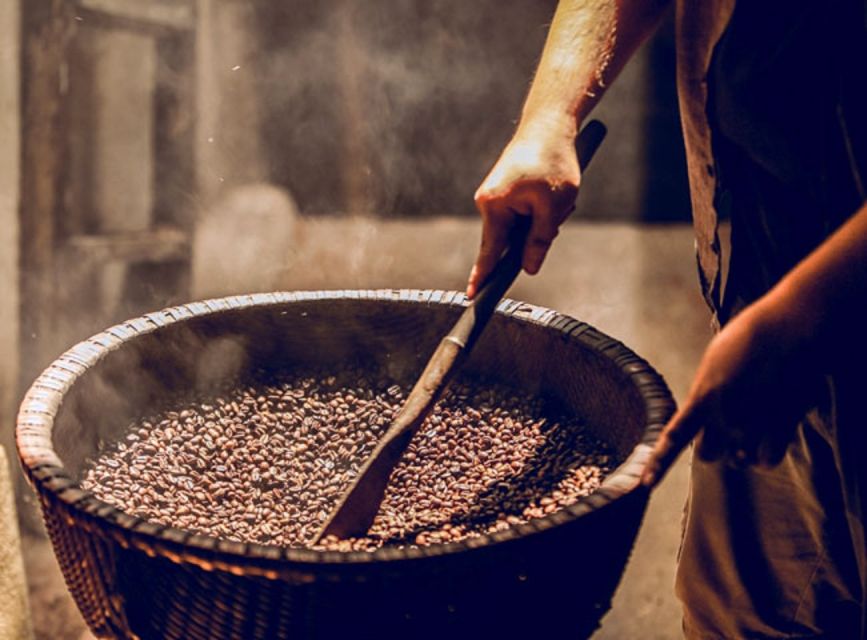
The most useful part is the crop-to-cup process. You’ll hear about how beans are roasted dark in Vietnam, and why that matters for the final taste. Then you connect that roast profile to what comes next: sweetened condensed milk and the way Vietnamese drinks balance strong coffee with sugar.
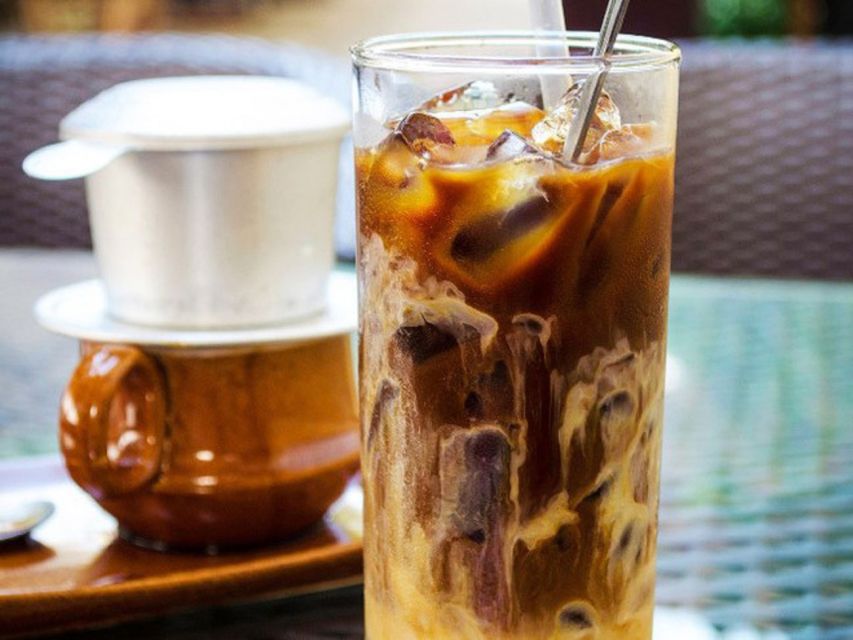
Here’s where the workshop gets practical. You learn to brew Vietnamese coffee using a Phin metal filter. Think of it as a small, pour-over-style system that sits on your cup and lets coffee drip slowly. That slow drip is a big part of the flavor. It concentrates the brew and makes the coffee taste bold and deep.
You’ll also get shown how to time the process. Some drinks, like egg coffee, include a waiting step while the egg mixture sets and cools enough for the final drink. People specifically call out how that timing is part of the experience, so don’t plan to multitask during that segment.
Five Vietnamese Coffee Styles You’ll Make and Taste
This is where your hands-on learning pays off. The session covers a lineup of famous Vietnamese coffees, including:
- Black coffee
You’ll make a straight, strong cup first so you understand the base flavor before milk and toppings get involved.
- Happy white coffee
This is a lighter, milk-leaning style that helps you learn how to balance sweetness and coffee strength.
- Hue Imperial salt coffee
This one is about contrast. You’ll see how salt changes the perception of sweetness and creates a more complex flavor than you’d expect from a simple ingredient list.
- Coconut coffee
Coconut adds aroma and softness. You’ll learn how the coconut layer and the coffee base interact, instead of just tasting it blindly.
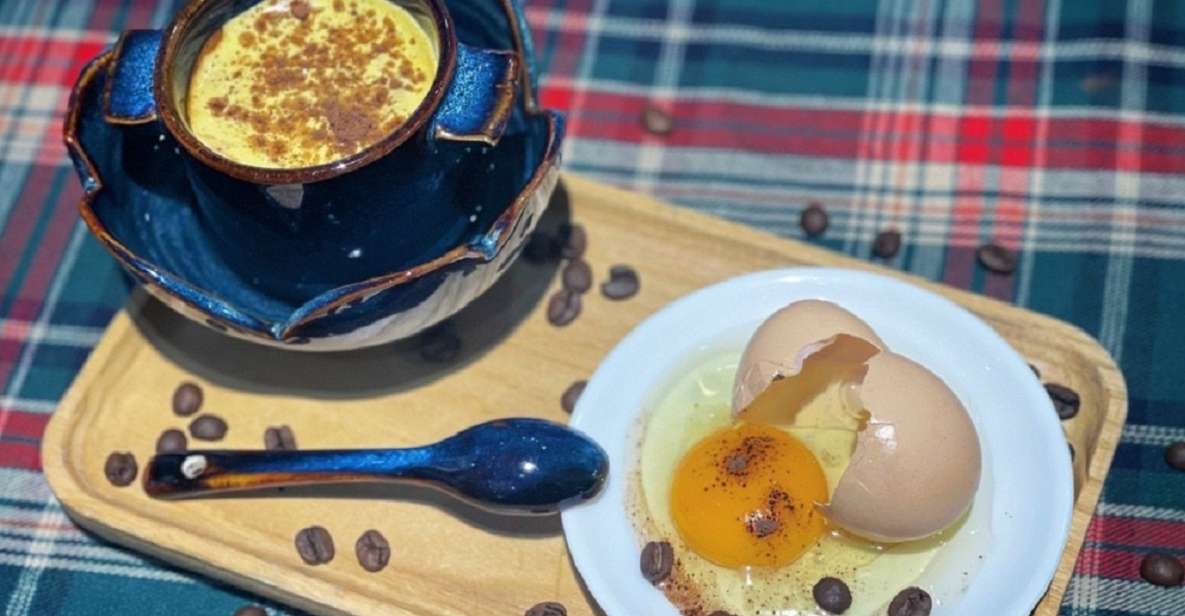
- Hanoi egg coffee (egg coffee)
This is the showpiece for many people. You’ll learn the steps behind it, including the slow, patient part of waiting for the egg coffee to reach the right texture and temperature.
Across the class, you’ll taste what you make. You’ll also sip your coffee at the end with a cookie, and there’s music in the background to keep the room comfortable.
What makes the tasting actually useful
A lot of coffee workshops end with a sip. This one helps you connect why a drink tastes the way it does. Once you know the base roast, how condensed milk is used, and how the Phin controls extraction, you can recreate the general idea when you get home.
A few more Hoi An tours and experiences worth a look
The Hands-On Skills That Travel With You
The value here isn’t only in the drinks. It’s in the tools and instructions. You get ingredients and tools included, plus coffee and Vietnamese tea during the session. You also get a local guide who explains what you’re doing as you do it.
A big “yes” factor: take-home learning. Many participants mention receiving recipes to recreate the coffees at home. Some also mention a mini Phin coffee filter gift. Even if you don’t get the gift every time, you’ll almost certainly leave with enough written guidance to keep experimenting.
Practical tip: when they give you recipe cards, pause and snap a photo if you like. Then you can cook from your own phone later without worrying about losing paper. People specifically mention taking pictures of the recipe to recreate drinks at home.
Also, if you’re planning to buy coffee after the class, this is the time to do it. You’re leaving with an instant sense of what flavors you liked and what style you want to brew again.
Price and Value: Is $14 a Good Deal in Hoi An?
At about $14 per person for a two-hour workshop, this is strong value for Hoi An. You’re not just paying for a tasting flight. You’re paying for:
- hands-on instruction with multiple coffees,
- the Phin brewing technique,
- stories behind the café culture,
- and included coffee, Vietnamese tea, and cookies.
When you break it down, you’re paying for a guided food experience plus skills. That’s often better than booking a tour where you mostly watch and walk.
One more reason it feels like value: the group stays small (10 max). That increases the chances you’ll actually do the steps yourself, not just stand nearby while someone else handles the tricky parts.
Logistics That Matter: Getting There and Handling Caffeine
Hotel pickup isn’t included, so you’ll need to get to the meeting spot on your own. The good news is the location is easy to spot: the venue has silk lantern decorations and a board that clearly signals the coffee workshop.
Also, plan for the amount of coffee. Multiple people say it’s a lot of caffeine in a short window. If coffee makes you anxious or you get shaky, do two things:
1) eat something beforehand
2) pace your sips rather than gulping to keep up with the group
If you’re sensitive to lactose, that’s another point to consider. One review notes that even when a vegan option is chosen, there’s no vegan substitute for the egg, and non-dairy milk may be used instead. So if dietary needs are strict, ask how they handle substitutes before you arrive.
And if you’re over 95 years old, the experience states it’s not suitable. If that applies, you’ll want to choose a different café-centered activity.
Who This Class Is Best For (and Who Might Prefer Another Option)
You’ll probably love this if you:
- want a practical food skill, not just photos,
- enjoy café culture stories,
- like tasting multiple styles in one sitting,
- and want to leave with recipes (and possibly a mini Phin).
You might want to skip it or choose a different activity if you:
- are extremely caffeine-sensitive,
- don’t want to participate hands-on,
- or have dietary restrictions that can’t be safely adjusted (especially around egg in the egg coffee style).
It also works well for solo travelers because the small group format makes it easier to talk. For couples and friends, it’s a fun shared activity with plenty of moments where you compare your version of the drink.
Tips to Make Your Class Smoother and More Fun

A few small moves can make your two hours feel even better:
- Bring a camera (it’s specifically listed as what to bring). You’ll want photos of the recipes and the final drinks.
- Arrive hungry enough to enjoy coffee, but not empty-stomach hungry if caffeine hits you hard. Eating first is a common smart workaround.
- Ask questions during the Phin and timing steps. That’s when the technique becomes repeatable.
- Take your notes right away after tasting. Your brain connects flavors to methods faster when the experience is still fresh.
And don’t be surprised if the hosts are funny. That humor isn’t random entertainment. It helps you stay relaxed while you’re learning something that has small timing details.
Should You Book the Hoi An Vietnamese Coffee Making Workshop?
Book it if you want a hands-on, story-led coffee experience that teaches you how Vietnamese coffee is made, not just what it tastes like. With a small group, included ingredients, and a focus on the Phin method, it’s a practical souvenir of knowledge you can use at home.
Skip it if you’re strongly caffeine-sensitive or you don’t want to drink multiple coffees in two hours. In that case, you might prefer a lighter café tour where you control pacing more easily.
If you’re on the fence, here’s the deciding question: do you want to learn a technique you can repeat? If yes, this workshop is one of the best ways to spend a couple hours in Hoi An.
FAQ
Where is the meeting point?
The meeting point is a workshop decorated with silk lanterns. Look for the sign board that says COFFEE MAKING WORKSHOP.
How long is the class?
The experience lasts 2 hours.
How much does it cost?
The price is $14 per person.
Is hotel pickup included?
No. Hotel pickup and drop-off are not included.
What’s included in the class?
It includes the coffee making class, ingredients and tools, coffee and Vietnamese tea, cookies, and a local guide.
What languages are used?
The instructor speaks English and Vietnamese, and an English audio guide is included.
How many people are in the group?
It’s a small group, limited to 10 participants.
Is it wheelchair accessible?
Yes, the experience is wheelchair accessible.
What should I bring?
You should bring a camera.
Can I cancel?
Yes, free cancellation is available up to 24 hours in advance for a full refund.