REVIEW · HANOI
Hanoi Ultimate Coffee Workshop: Make, Learn & Taste
Book on GetYourGuide →Operated by Sondax Travel Agency - Hoa Binh company · Bookable on GetYourGuide
Coffee class in Hanoi that actually tastes different. In a 3–5 hour session, you get hands-on with Vietnamese coffee while learning what happens from bean to cup, including roasting and why it matters.
I especially like the step-by-step brewing practice—your guide walks you through real Hanoi favorites like Vietnamese egg coffee. You also get practical tips on spotting good coffee versus bad or questionable beans.
One thing to consider: this is a coffee-heavy experience. If you’re caffeine-sensitive, pace yourself, sip water, and remember you’ll be tasting multiple drinks.
In This Review
- Key things I’d circle on the schedule
- Start at the right spot: Old Quarter access and timing that actually works
- What $23 buys: coffee craft, not just cups on a tray
- Coffee history, cultivation, and roasting: how the lesson makes your tasting sharper
- The tools and technique: filters, grinders, and the “small moves” that change everything
- The Hanoi brews you’ll make: five classics plus extra sips
- Vietnamese salt coffee: learning balance, not just sweetness
- Vietnamese egg coffee: the dessert coffee that has a real technique
- Original Vietnamese brown coffee: the roast and the classic style
- Coconut coffee: why it tastes like Vietnam, not elsewhere
- Pour-over coffee: a reality check on technique
- Coffee cocktails with jam and local wine: an unusual pairing that works
- How the workshop feels in real life: cozy pace, guided explanations, and lots of questions
- Who should book this Hanoi coffee workshop
- A few practical moves to get the most out of your $23
- Should you book the Hanoi Ultimate Coffee Workshop?
- FAQ
- How long is the Hanoi Ultimate Coffee Workshop?
- What coffee drinks will I learn to make?
- Does the experience include wine or coffee cocktails?
- Is the instructor an English speaker?
- Where is the meeting point in Hanoi?
- Is hotel pickup available?
Key things I’d circle on the schedule
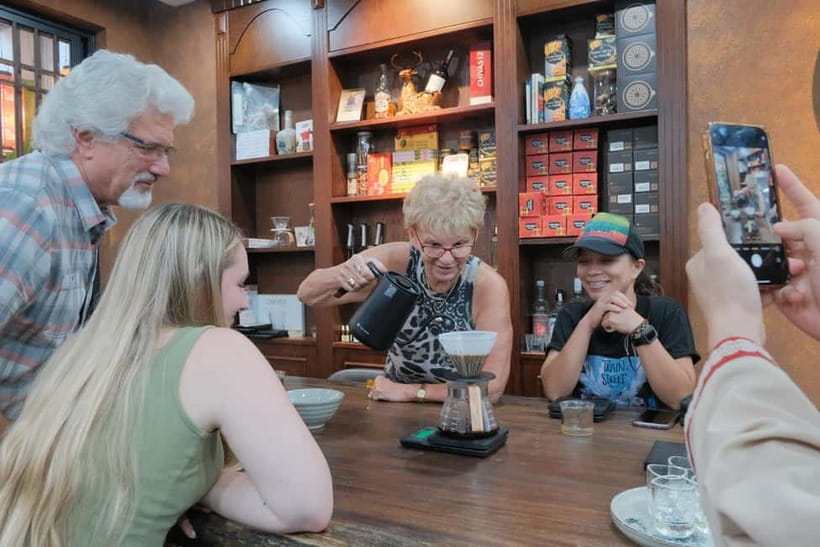
- Green beans to roasting basics so you understand what you’re tasting
- Real brewing practice using tools like filters and grinders
- Five classic Hanoi brews made by you, not just watched
- Coffee cocktails with jam and local wine paired into the flow
- Guides with years in the industry such as Lin, Luka, Giang, Lyon, and Jonathan
- A recipe book so the drinks don’t disappear after the class
Start at the right spot: Old Quarter access and timing that actually works
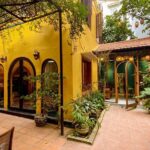
The workshop meeting point is Alley 75, Lane 173, Hoang Hoa Tham Street. Stand at the intersection with the big yellow sign that says Bia Hoi Mau Dich, and your team will guide you to the venue.
If you’re in the Old Quarter, hotel pickup and drop-off can be included. If you’re staying farther out (outside the French Old Quarter area), pickup may cost extra. For private groups, hotel pickup is complimentary within 10 km from the Hanoi Post Office.
Why this matters: Hanoi traffic and sudden rain can change travel times fast. One practical tip from the way the experience runs—build a small buffer into your day, especially if you’re booking on a wet forecast day. The workshop itself is a good fit for rainy schedules because you’re indoors once you arrive.
A few more Hanoi tours and experiences worth a look

What $23 buys: coffee craft, not just cups on a tray
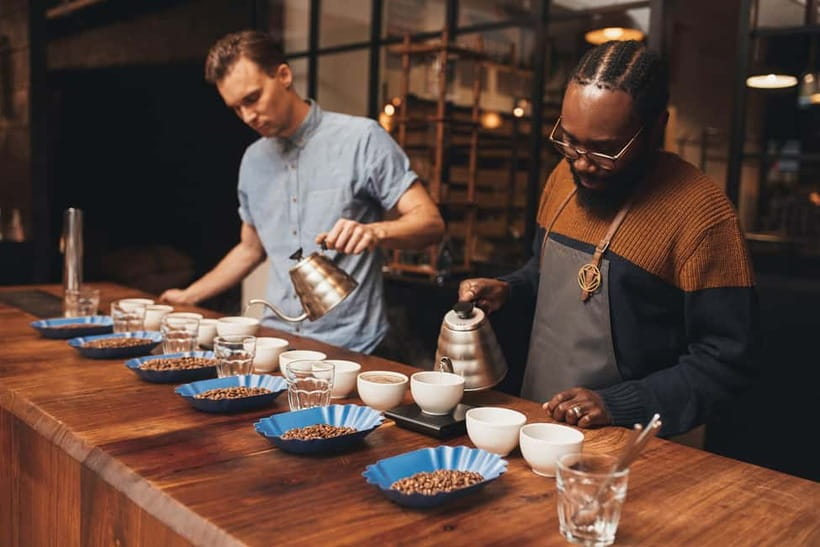
At $23 per person for a 3–5 hour workshop, you’re paying for more than tastings. The value is in the workflow: history and cultivation/roasting context first, then brewing technique, then you producing multiple drinks yourself.
You’re also not just tasting plain black coffee. The included drinks span styles and flavors, from Vietnamese salt coffee and coconut coffee to a pour-over you make with guidance. On top of that, you get signature coffee cocktails made with jam and local wine, plus a selection of local Vietnamese wines.
Then there’s the take-home value: you receive a recipe book, plus free digital copies of coffee books related to your workshop. If you want it for your future self (or to share with friends), that’s the difference between a “cool experience” and something you can recreate at home. If you request it, you can also get a professional certificate.
Coffee history, cultivation, and roasting: how the lesson makes your tasting sharper
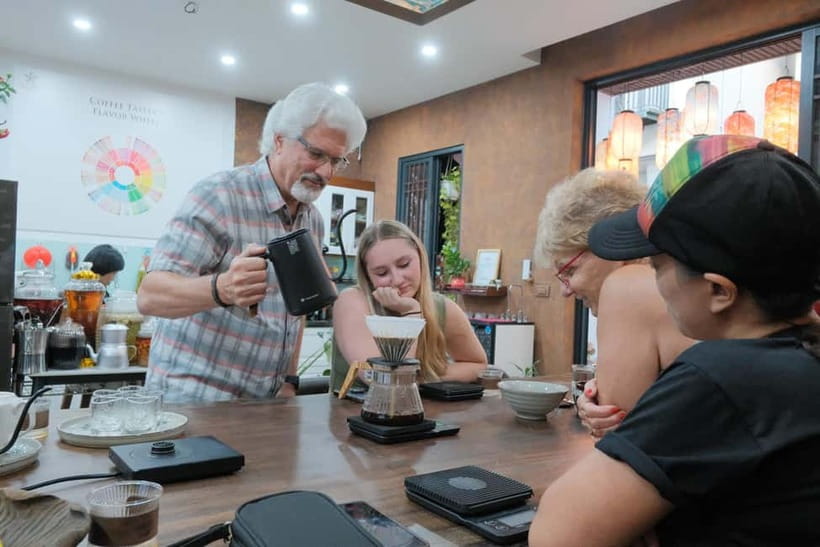
Before you start brewing, the workshop walks you through how coffee became part of Vietnam and how it spread worldwide. It’s not just trivia. Learning where coffee comes from changes how you notice flavors later.
Here are the specific pieces you can expect in this first segment:
- You’ll look at different coffee beans and coffee-making equipment.
- You learn about the growing process of coffee trees.
- You get the roasting process explained, including mention of special green coffee beans.
- You also get guidance on how to tell authentic coffee from counterfeit or poor-quality alternatives.
This is where the class feels most useful if you want more than taste. When someone explains roasting and tells you what to look for, you can start asking better questions in Vietnam’s coffee shops: Why does this cup taste this way? What’s changed in the roast? Is this coffee aiming for something smooth, bold, or sweet?
The tools and technique: filters, grinders, and the “small moves” that change everything
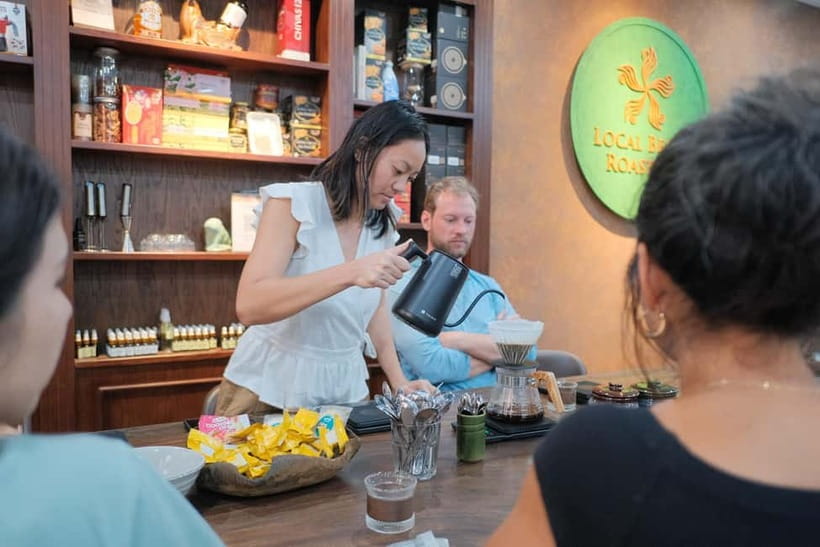
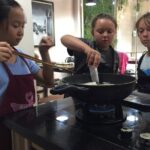
Once you’re in the practical phase, you’ll use tools like filters and grinders (the workshop includes special coffee-making equipment). Your guide explains technique requirements so you can create a great cup, not just follow a recipe.
The key takeaway here is control. Vietnamese coffee flavors often come from process—grind size, extraction style, timing, and how you assemble the drink. The workshop format is built to teach that cause-and-effect, because you brew multiple types rather than repeating one drink.
It also helps that the instructors are hands-on educators. In different sessions, hosts such as Luka, Lin, Giang, Lyon, and Jonathan have been highlighted for being entertaining and strong at explaining the logic behind the drinks—not just the steps.
Practical tip for you: take notes on what you do that feels different each time (grind feel, timing, pouring method). Even if you’re not a “coffee person,” that mental checklist makes the final tasting phase make more sense.
The Hanoi brews you’ll make: five classics plus extra sips
The core promise is that you’ll learn to make up to five unique Vietnamese brews and taste them by yourself. While the exact number can vary by session flow, the overall structure is consistent: you’ll produce a set of iconic styles with guidance, then taste what you made.
Based on what’s included, plan on these brews:
- Vietnamese salt coffee
- Vietnamese egg coffee
- Original Vietnamese brown coffee
- Coconut coffee
- Pour-over coffee
Here’s how each one helps you understand Hanoi coffee culture.
A few more Hanoi tours and experiences worth a look


Vietnamese salt coffee: learning balance, not just sweetness
Salt coffee is a great “training cup” because it teaches balance. When sweetness appears in the drink, salt can bring clarity and keep it from tasting flat or one-note. Expect the workshop to explain how the ingredient choice affects the overall flavor profile, so you’ll taste it as a designed balance rather than a novelty.
Vietnamese egg coffee: the dessert coffee that has a real technique
Egg coffee is famous for a reason: it’s creamy, slightly custardy, and often feels like dessert. The workshop gives you the brewing and making process, so you can connect the final taste to the steps that create the texture. This is one of the easiest cups to remember later because it’s so different from standard coffee drinks.
In sessions led by guides like Lin or Luka, the instructions are typically described as detailed and friendly, which matters here. Egg coffee is the one drink where small technique differences can change the final mouthfeel.
Original Vietnamese brown coffee: the roast and the classic style
This is where you understand the “everyday Hanoi” feel. The class uses this brew to teach how roast choices and brewing style shape the baseline taste of Vietnamese coffee. Even if you don’t love sweet drinks, brown coffee is often a bridge into the rest of the flavor world.
Coconut coffee: why it tastes like Vietnam, not elsewhere
Coconut coffee gives you a different sensory lane: aroma first, then sweetness and texture. The workshop helps you make it yourself, which is important because coconut drinks often hinge on how ingredients are mixed and served. You’ll likely leave knowing whether you enjoy coconut coffee for the aroma, the creaminess, or the way it smooths the coffee edge.
Pour-over coffee: a reality check on technique
Pour-over in this workshop isn’t random. It’s the technique-focused part where you can compare styles. If you’re used to one method at home, pour-over helps you see what changes when you control water flow and extraction.
You may notice the class makes it easier by giving guidance before you start. Even coffee novices usually come away feeling like they did the process correctly.
Coffee cocktails with jam and local wine: an unusual pairing that works
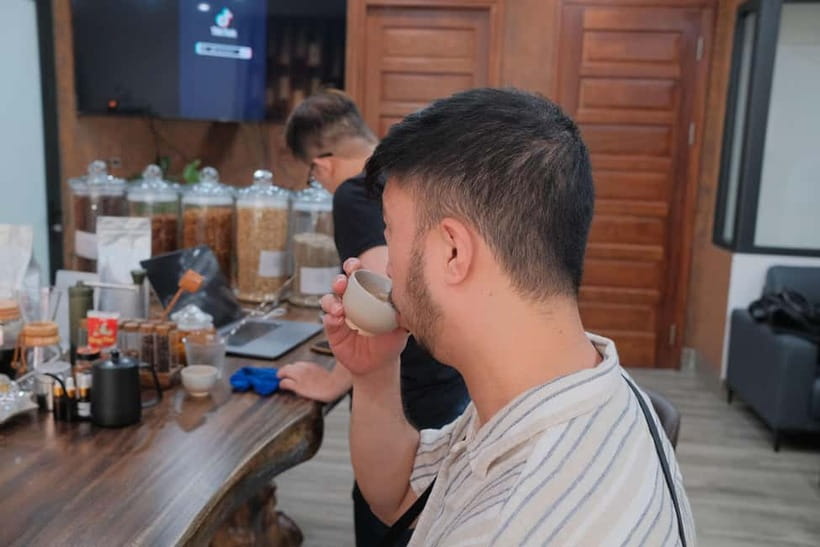
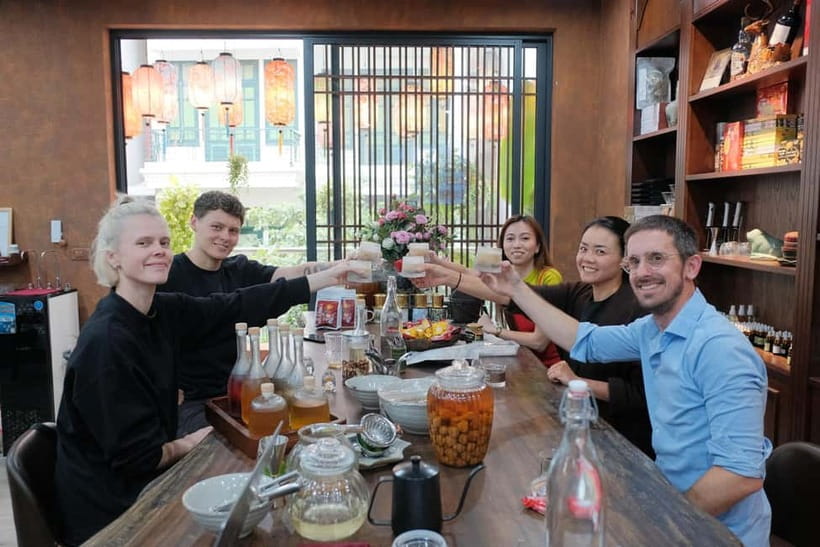
After you’ve brewed and tasted your coffee set, the session includes signature coffee cocktails with jam and local wine, plus a selection of local Vietnamese wines.
The reason this pairing is smart: coffee’s bitterness and wine’s acidity both benefit from sweetness and texture. Jam adds a concentrated fruity note, and local wine rounds out the flavor. The result is less “coffee drink” and more “treat,” which is why it often feels fun at the end of a tasting-heavy morning.
One practical note: try to pace these. By the time wine enters, you’ll have likely sampled several coffee styles already. If you’re doing this earlier in the day, you’ll generally have the energy for it; later in the day, you may feel the caffeine and sugar together.
How the workshop feels in real life: cozy pace, guided explanations, and lots of questions
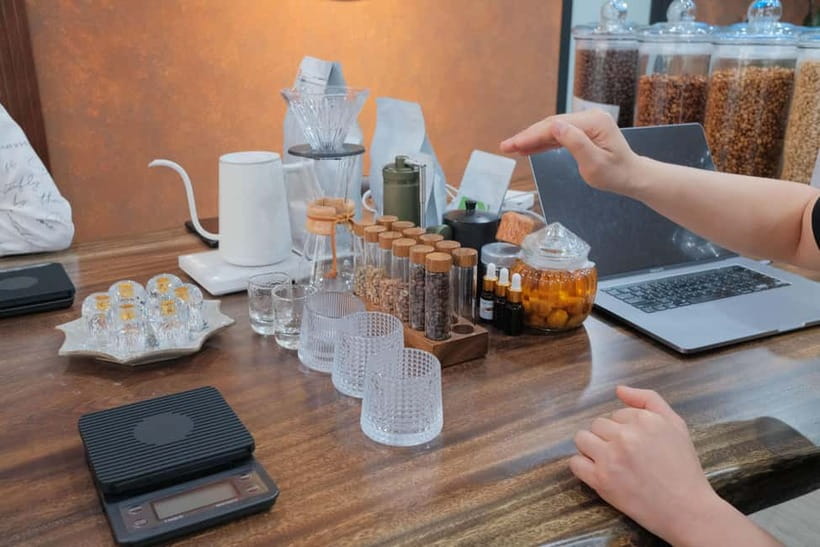
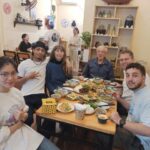
The tone in the sessions is built to keep you comfortable and engaged. Several hosts—Luka, Lin, Giang, Lyon, and Jonathan—are described as entertaining, organized, and strong at answering questions.
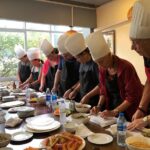
You’ll notice the pacing is designed to avoid feeling overloaded. Even when people end up making 6 coffees (some sessions add an extra cup beyond the five listed), the setup feels manageable because you’re guided through each drink in sequence. Water and snacks are also part of the experience if you need a reset.
If you love learning how things work, this is the type of class where you’ll actually use the information later. That includes guidance about authenticity (how to identify good coffee and avoid counterfeit or poor-quality options), not just how to make one drink.
Who should book this Hanoi coffee workshop
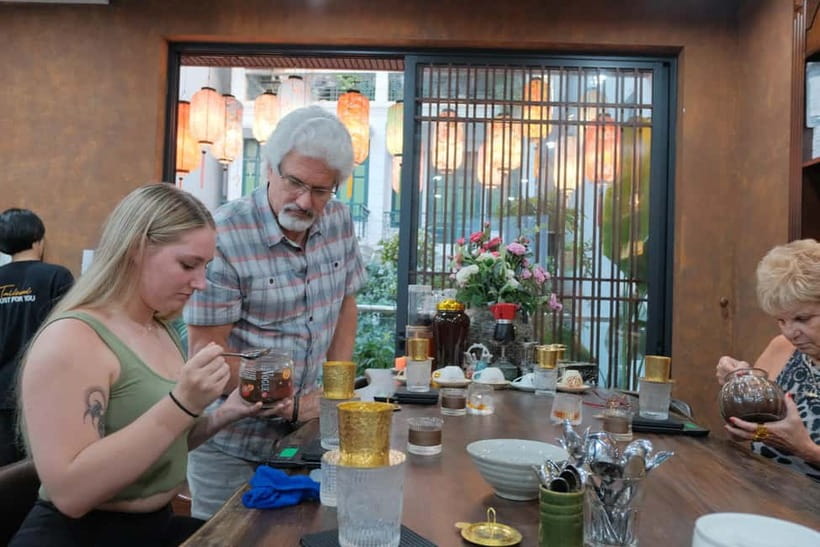
This workshop is a good match if:
- You’re a coffee lover who wants more than a tasting flight
- You want to learn the why behind flavors in Vietnamese coffee
- You like hands-on activities and don’t mind tasting multiple drinks
- You’re visiting during rainy weather and want an indoor plan
- You’d enjoy a meal/downtime window built around the activity
It’s not the best fit if:
- You’re avoiding alcohol. Wine and coffee cocktails are included.
- You have a strong sensitivity to caffeine and don’t want to manage it. This is a heavy coffee tasting format.
If you’re traveling solo, this can still work well because the class structure keeps you busy and focused. For couples, it’s often fun because you can compare which drink is your favorite (egg coffee vs pour-over, for example).
A few practical moves to get the most out of your $23
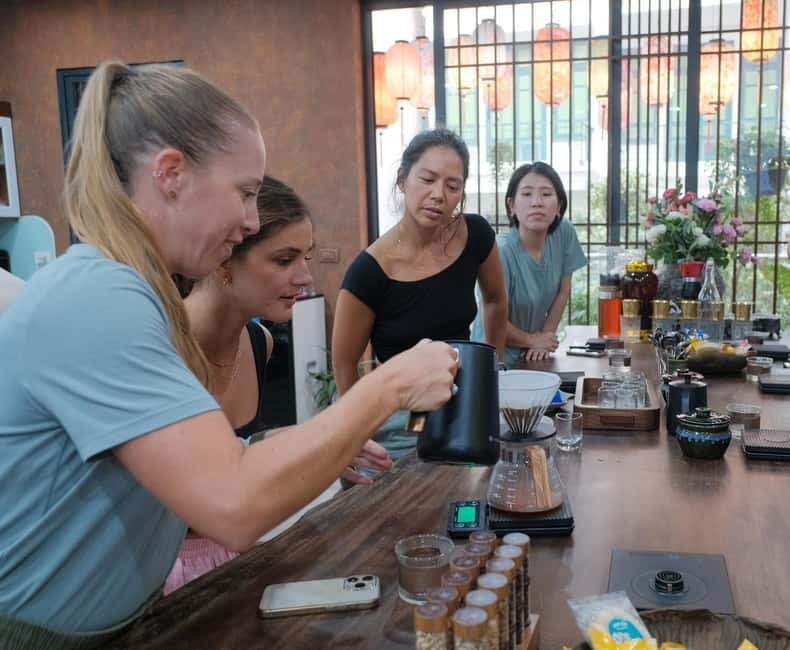
- Go early in your trip day, so the coffee and wine don’t collide with a long walking schedule later.
- If you’re unsure what you’ll like, start with the tastings but keep your notes on which part you enjoy most: sweetness, aroma, creaminess, or roast flavor.
- Ask questions about authenticity and roasting. Even a few minutes of that kind of explanation can improve your coffee choices across the city.
- Bring a camera if you like, but don’t forget to pay attention. The technique is the real souvenir.
Should you book the Hanoi Ultimate Coffee Workshop?
I’d book it if you want a hands-on Vietnamese coffee experience in Hanoi where you actually make multiple drinks, learn how roasting and technique affect flavor, and leave with a recipe book you can use later. The included wine and coffee cocktails are a bonus for food-and-drink people, and the workshop length (3–5 hours) fits well into a morning or early afternoon.
If you’re only looking for a quick coffee tasting with no technique component, you might feel it’s more class than café hop. And if caffeine or alcohol isn’t your thing, you’ll want to choose timing carefully (or consider a different style of workshop).
If your goal is to understand Hanoi coffee culture by doing it yourself, this is an easy yes.
FAQ
How long is the Hanoi Ultimate Coffee Workshop?
It runs for 3 to 5 hours, depending on the starting time and how the session is scheduled.
What coffee drinks will I learn to make?
The workshop includes hands-on making of Vietnamese salt coffee, Vietnamese egg coffee, original Vietnamese brown coffee, coconut coffee, and pour-over coffee.
Does the experience include wine or coffee cocktails?
Yes. You’ll get signature coffee cocktails made with jam and local wine, along with a selection of local Vietnamese wines.
Is the instructor an English speaker?
Yes. The instructor provides the workshop in English.
Where is the meeting point in Hanoi?
You meet at Alley 75, Lane 173, Hoang Hoa Tham Street. Stand at the intersection with the big yellow sign that says Bia Hoi Mau Dich.
Is hotel pickup available?
Pickup is available within the Old Quarter area. If you stay outside the French Old Quarter area, pickup may require an additional fee. For private groups, complimentary hotel pickup is included within 10 km from the Hanoi Post Office.