REVIEW · HANOI
Hanoi Coffee Workshop: Taste Salt, Coconut and Egg Coffee
Book on Viator →Operated by Local Beans Roastery · Bookable on Viator
Salt, coconut, and egg coffee are the point. This Hanoi workshop turns weird-sounding drinks into something you can actually brew at home, with step-by-step help from local pros. Local Beans Roastery sets the stage, and you’ll taste your way through signature styles like Salt Coffee and Coconut Coffee.
What I really liked was how hands-on it feels for the full 3 hours 30 minutes. You brew multiple drinks yourself, using the filters and grinders provided, not just watching from a chair.
Another plus is the focus on learning, not just sipping. You’ll get a recipe book (plus digital coffee reading) so the flavors stick, and the crew can accommodate vegan and dietary needs. One possible drawback: the tastings include a coffee cocktail with local jam and wine plus a bonus homemade rice wine, so plan accordingly if you avoid alcohol.
In This Review
- Key things to know before you go
- Where this Hanoi coffee workshop starts (and why that matters)
- The full 3 hours 30 minutes: from farm-to-cup tasting to your own brews
- Step 1: Get settled with welcome tea and snacks
- Step 2: Learn why Vietnamese coffee tastes the way it does
- Step 3: Brew six signature Vietnamese coffees (and taste each one)
- Step 4: A bonus tasting of homemade rice wine
- Step 5: Leave with recipes you can actually follow
- What I’d pay attention to: roast levels, technique, and how to tell good from average
- Roast levels: why you should care
- The brewing method is the lesson
- Egg coffee and the salt-and-coconut lineup: how these flavors work
- Egg coffee: more than a gimmick
- Salt coffee: why salt isn’t only for savory
- Coconut coffee: comfort with structure
- The cocktail: coffee with a food-pairing mindset
- Dietary needs, vegan options, and alcohol tasting: plan the right way
- Price and value: is $16 worth 3 hours 30 minutes of coffee practice?
- The take-home part: recipes, digital books, and a certificate if you want it
- Who this workshop is for (and who should skip it)
- This is a great fit if you…
- Consider skipping if you…
- My final take: should you book this Hanoi coffee workshop?
- FAQ
- How long is the Hanoi Coffee Workshop?
- What does the ticket price include?
- Can vegan travelers join?
- What coffee drinks do we brew and taste?
- Is there hotel pickup and drop-off?
- What is the cancellation policy?
Key things to know before you go
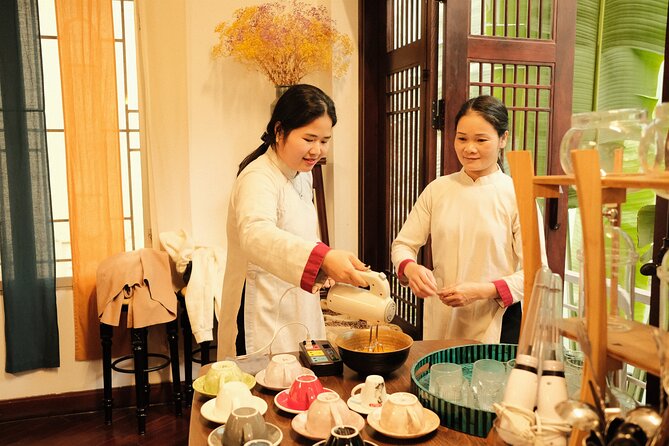
- Try six signature Vietnamese coffees plus a coffee cocktail, so you’re not stuck with one style all morning or afternoon
- All equipment is included, which means you can focus on technique instead of hunting tools
- Pickup and drop-off in the Old Quarter makes this easy to fit into your Hanoi schedule
- Vegan and dietary restrictions can be accommodated, with options available during tastings and brews
- You get take-home learning: a recipe book, free digital copies of coffee books, and an optional certificate
Where this Hanoi coffee workshop starts (and why that matters)
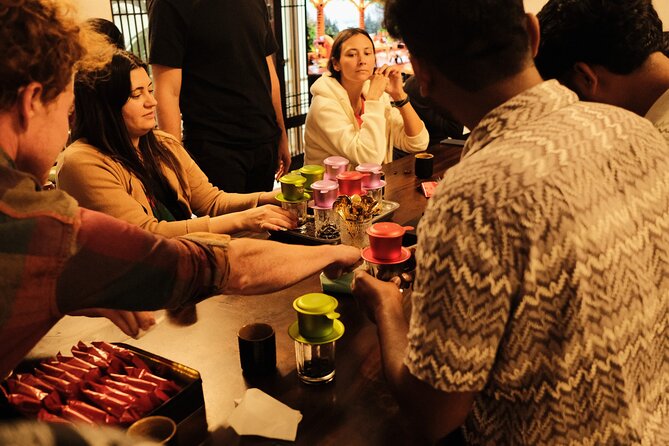
I like workshops that begin in a real place, not a random room with tables. This one starts at Local Beans Roastery (No. 75/173 Hoang Hoa Tham Street, Ngoc Ha Ward, Ba Dinh). Even if you’re just passing through Hanoi, roasteries have a different energy: grinders humming, fresh coffee smells in the air, and staff who treat coffee like part craft, part culture.
If you’re staying in the Old Quarter, you’ll have a major convenience win. Hotel pickup and drop-off are available within that area, so you’re not juggling taxis right before your tasting. And if you’re the type who likes to get oriented fast, the roastery location on a main street helps—this is near public transportation too.
The class runs up to 100 people, which keeps it social without turning it into a chaotic crowd. It’s long enough (3h30) to actually practice brewing, not just do a quick sampling.
A few more Hanoi tours and experiences worth a look

The full 3 hours 30 minutes: from farm-to-cup tasting to your own brews
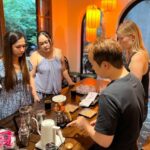
Here’s the heart of the experience: you’ll learn coffee’s story and then put that knowledge into action. The flow is designed to go from context to technique to tasting, and you’ll repeat the process across different styles.
Step 1: Get settled with welcome tea and snacks
Before you start brewing, you’re treated to snacks plus a welcome herbal ginger root and peach tea. I think that’s a smart touch. In Hanoi’s heat (or on a rainy day), it keeps you from arriving dehydrated or hungry, and it makes the later coffee tastes clearer and easier to judge.
Step 2: Learn why Vietnamese coffee tastes the way it does
The host walks you through coffee’s role in Vietnam’s daily life—how it became part of local identity, not just a drink. You’ll also cover how roast level changes aroma and flavor, which matters because Vietnamese coffee often leans into deep, bold profiles.
This is where the workshop helps even if you don’t think of yourself as a coffee person. Once you understand what roasting is doing, you stop treating every cup like a mystery.
Step 3: Brew six signature Vietnamese coffees (and taste each one)
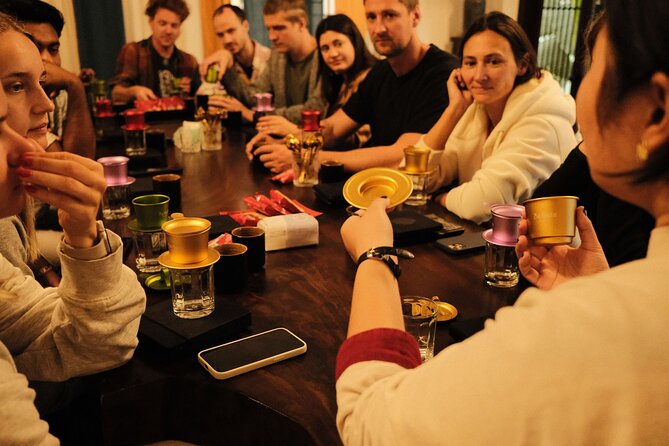
Now the fun part. You’ll brew six signature Vietnamese coffees, guided by the instructors:
- Classic Phin-brewed Coffee
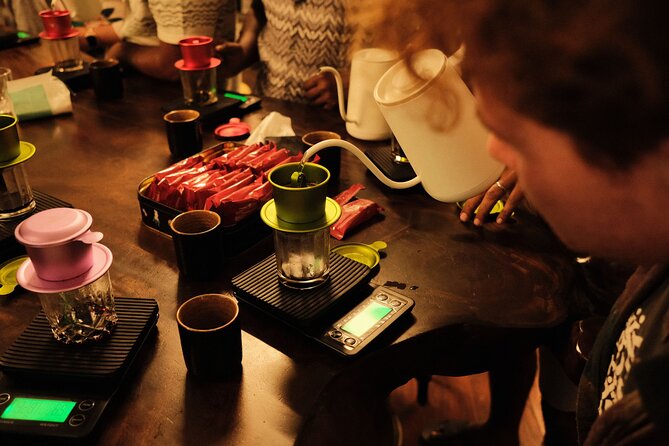
The Phin is the famous Vietnamese drip-style filter, and this is the foundation for the other styles. If you want to recreate anything later, start here.
- Brown Coffee
You’ll taste a style that reflects Vietnam’s preferences for deeper, grounded flavors.
- Salt Coffee
This one is an attention-grabber for a reason: the salt is used to change how sweetness and bitterness land on your tongue.
- Egg Coffee
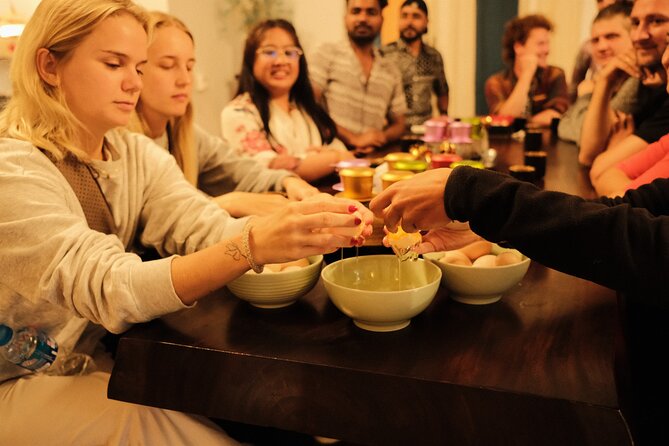
The silky, foamy texture is a signature. You’re not just tasting—you’re learning what makes it feel different.
- Coconut Coffee
Expect a richer, softer profile than plain black coffee, with coconut adding body.
- Coffee Cocktail with local jam and wine
This is a playful twist that turns coffee into something more like a drinkable dessert. It’s also one of the easiest ways to understand how coffee aromas pair with sweet and fruity notes.
At each round, you taste while hearing the origin story and how the drink shows up in everyday life. That “story + technique + taste” format is exactly what makes coffee workshops stick, because you remember flavors better when you understand what they’re meant to do.
A few more Hanoi tours and experiences worth a look



Step 4: A bonus tasting of homemade rice wine
After the coffee rounds, you get a bonus tasting of homemade rice wine made by the hosts. The workshop also includes a cocktail that uses wine, so if you avoid alcohol completely, you’ll want to consider whether this fits your comfort level.
Step 5: Leave with recipes you can actually follow
You finish by receiving digital coffee recipes to take home. That helps you turn the workshop from a fun afternoon into something you can repeat with your own morning routine.
What I’d pay attention to: roast levels, technique, and how to tell good from average
The workshop doesn’t just say coffee tastes good. It teaches you how to judge it.
Roast levels: why you should care
You’ll learn how different roast levels influence aroma and taste. In practical terms, this helps you notice things like:
- how a darker roast tends to bring heavier, more chocolatey notes (and sometimes more bitterness)
- how lighter roast profiles can feel sharper or more aromatic
Even if you don’t memorize the roasting science, you’ll start picking up the sensory differences. That’s one of the biggest “value per minute” things in this workshop.
The brewing method is the lesson
Because you brew several styles yourself, you start understanding how small changes create big differences. With the Phin method, timing and grind consistency can affect extraction. With egg and coconut styles, balance matters too—especially how texture and sweetness show up in the final cup.
And yes, it’s okay if your first attempts aren’t perfect. The goal is to teach you what to look for so your next try improves.
Egg coffee and the salt-and-coconut lineup: how these flavors work

This is a workshop where the unusual drinks make sense by the end.
Egg coffee: more than a gimmick
Egg coffee is famous, but it can feel like a novelty until you understand the texture and balance. The foam-like top isn’t just decoration. It changes how the coffee hits your palate—smoother, rounder, and easier to enjoy if you usually find black coffee too intense.
Salt coffee: why salt isn’t only for savory
Salt coffee is one of the clearest examples of technique changing perception. Salt can soften bitterness and make other flavors pop. When you taste it as part of a structured comparison (with other Vietnamese styles), it stops being a surprise trick and becomes something you can describe and recreate.
Coconut coffee: comfort with structure
Coconut brings body and a different kind of sweetness. It can make coffee feel less harsh while keeping the coffee character underneath. It’s a great bridge drink if you’re curious but cautious about egg coffee or salt coffee.
The cocktail: coffee with a food-pairing mindset
The coffee cocktail made with local jam and wine is where the workshop nudges you toward thinking like a barista. You learn to recognize how coffee aromas interact with sweet and fruity components. If you like dessert-like drinks, this part alone is worth the workshop time.
Dietary needs, vegan options, and alcohol tasting: plan the right way
If you have dietary restrictions, this is one of those experiences where you should feel comfortable asking questions ahead of time. The workshop explicitly notes it can accommodate vegan travelers and those with dietary restrictions.
That matters because coffee workshops can be strict when it comes to foam, dairy, and sweeteners. Here, you’re told the team can adjust, which helps you join the tastings without sitting out.
Now, the other planning point: alcohol is part of the program. You’ll taste:
- a coffee cocktail that uses local jam and wine
- a bonus homemade rice wine
If alcohol isn’t your thing, you may still enjoy the coffee education, but you’ll want to mentally prep for it.
Price and value: is $16 worth 3 hours 30 minutes of coffee practice?
At $16 per person, this workshop is priced like a local experience, not a high-end coffee “tour.” The value comes from what’s included:
- All equipment provided (filters, grinders, and the tools you need)
- Snacks and welcome tea
- Hotel pickup and drop-off within the Old Quarter area
- Guidance from coffee instructors
- A recipe book so you can recreate brews
- Free digital copies of coffee-related books
- An optional professional certificate if requested
When you add those up, you’re not just buying drinks—you’re buying technique, comparison tasting, and take-home instructions. It’s also a good deal because coffee shops often charge more for tastings alone, especially when you start factoring in guidance.
The one “consideration” on value: this kind of workshop is also naturally a sales environment. The space is a roastery, and you might be tempted to buy beans or tools to recreate what you learned. I’d simply plan a little budget if you want to take coffee supplies home.
The take-home part: recipes, digital books, and a certificate if you want it
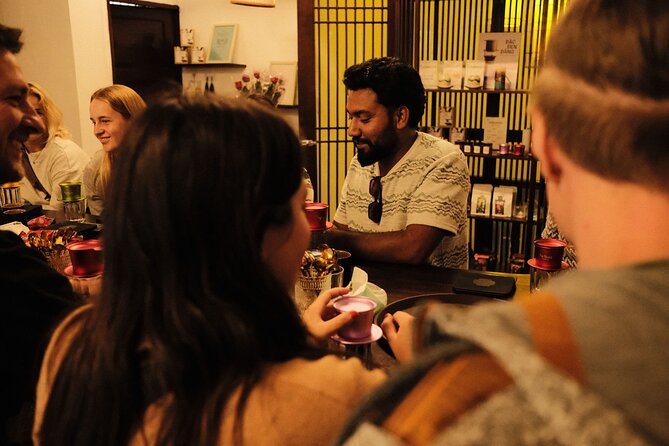
I love workshops that send you home with a repeatable system. Here, you get:
- a recipe book covering the brews you learn
- free digital copies of coffee books related to the workshop
- digital coffee recipes at the end
- a professional certificate if requested
That matters because coffee is all about small variables. With recipes in hand, you can avoid the usual problem: trying a drink later and wondering why it tastes different. You’ll also be able to share the “why” behind each style, not just the flavor.
Who this workshop is for (and who should skip it)
This is a great fit if you…
- want to learn how Vietnamese coffee works beyond the hype
- enjoy tasting multiple styles in one afternoon
- like hands-on instruction more than passive tours
- travel solo and want a structured group experience
- have dietary restrictions and want options rather than an awkward workaround
Consider skipping if you…
- avoid alcohol and don’t want to participate in rice wine or wine-based cocktail tastings
- only want a lightweight coffee sampling with zero brewing practice (this one is more “learn and make” than “sip and go”)
My final take: should you book this Hanoi coffee workshop?
Book it if you want a practical, palate-friendly way to understand Hanoi’s coffee culture. For $16, you’re getting multiple brews you can actually recreate, plus guidance that helps you taste with intention instead of guessing. The egg, salt, and coconut lineup is fun, but the real win is the technique you take home.
If you’re sensitive to alcohol flavors, tell yourself up front that wine and rice wine are part of the program—then decide if you’re okay with that. For most coffee-curious travelers in the Old Quarter, this is one of the easiest “yes, do it” workshops to fit into a Hanoi stay.
FAQ
How long is the Hanoi Coffee Workshop?
The workshop lasts about 3 hours 30 minutes.
What does the ticket price include?
The price includes snacks, welcome herbal ginger root and peach tea, guidance from coffee instructors, and all coffee-making equipment like filters and grinders. Hotel pickup and drop-off are included within the Old Quarter area, and you also receive a recipe book plus free digital copies of coffee books.
Can vegan travelers join?
Yes. The workshop can accommodate vegan travelers and those with dietary restrictions.
What coffee drinks do we brew and taste?
You’ll sample and brew Phin-brewed Coffee and several signature styles including Brown, Salt, Egg, and Coconut coffees, plus a Coffee Cocktail made with local jam and wine. There is also a bonus tasting of homemade rice wine.
Is there hotel pickup and drop-off?
Yes, hotel pickup and drop-off are available within the Old Quarter area.
What is the cancellation policy?
Cancellation is free up to 24 hours in advance for a full refund. If you cancel less than 24 hours before the start time, the payment isn’t refunded.