REVIEW · HANOI
Hanoi: 5 Local Dishes Cooking Class with Meal & Market Visit
Book on GetYourGuide →Operated by Apron Up Cooking Class · Bookable on GetYourGuide
You could spend a day in Hanoi just eating. This class turns that same craving into hands-on cooking with a market visit first. I like the way it’s built around real ingredients and real technique, not just a demo you watch from the sidelines.
Two things I really value: first, you actually make five classic dishes with step-by-step guidance from an English-speaking instructor. Second, you get a proper start at a wet market so the flavors feel connected to the produce, herbs, and staples you buy in person. Names that show up in the instructor lineup include Vy, Winnie, Ruby, and Bella.
One drawback to consider: it’s not suitable for wheelchair users or people with mobility impairments, and the market stop involves active walking and standing.
In This Review
- Key highlights at a glance
- Market Shopping in Hanoi Old Quarter: Fresh Ingredients First
- Two Set Menus for Five Dishes: What You’ll Cook
- Wet Market to Cooking Station: How the Ingredients Shape the Flavor
- Hands-On Cooking: Step-by-Step Skills You’ll Use Again
- The Shared Meal, Rice Whisky, and Classic Hanoi Moments
- Take-Home Cookbook and Certificate: Your Souvenir That’s Actually Useful
- Price and Value: Is $40 Worth It in Hanoi?
- Who Should Book This Cooking Class (and Who Might Pass)
- Should You Book This Hanoi Cooking Class?
- FAQ
- How long is the cooking class?
- How many dishes will I learn to make?
- Can the menu be adapted for vegetarian diets?
- Where do I meet for the class?
- What’s included in the price?
- Is transportation included?
- Is there a refund if I cancel?
Key highlights at a glance
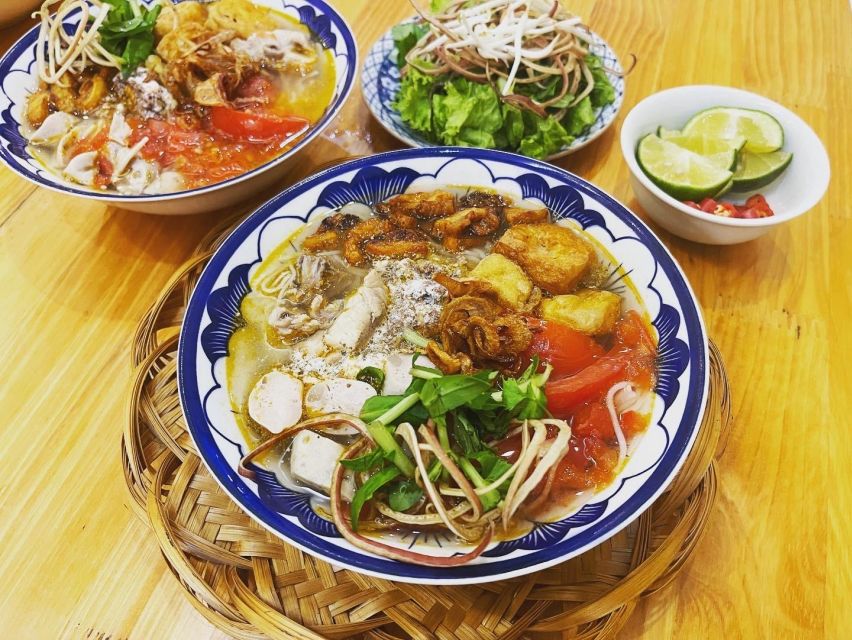
- Wet market shopping with an instructor who helps you pick fresh ingredients
- 5 Hanoi dishes hands-on, with clear guidance on how each dish comes together
- Two set menus to choose from, with vegetarian adaptation options
- Shared meal at the end, plus tea and rice whisky sampling
- Take-home extras: a cook book and a certificate of completion
Market Shopping in Hanoi Old Quarter: Fresh Ingredients First
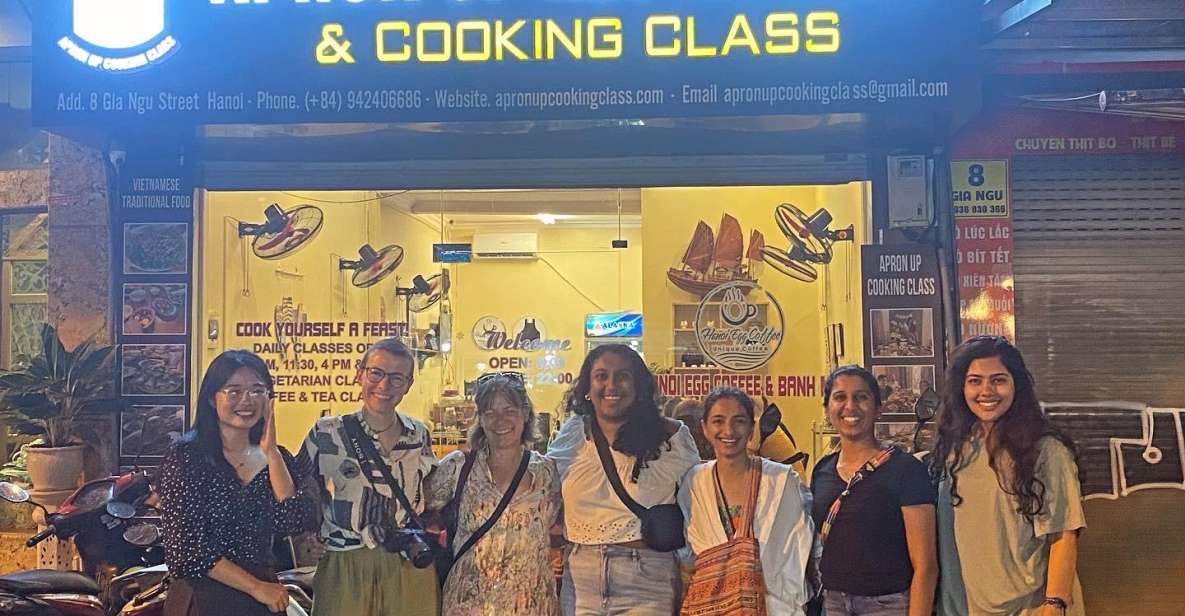
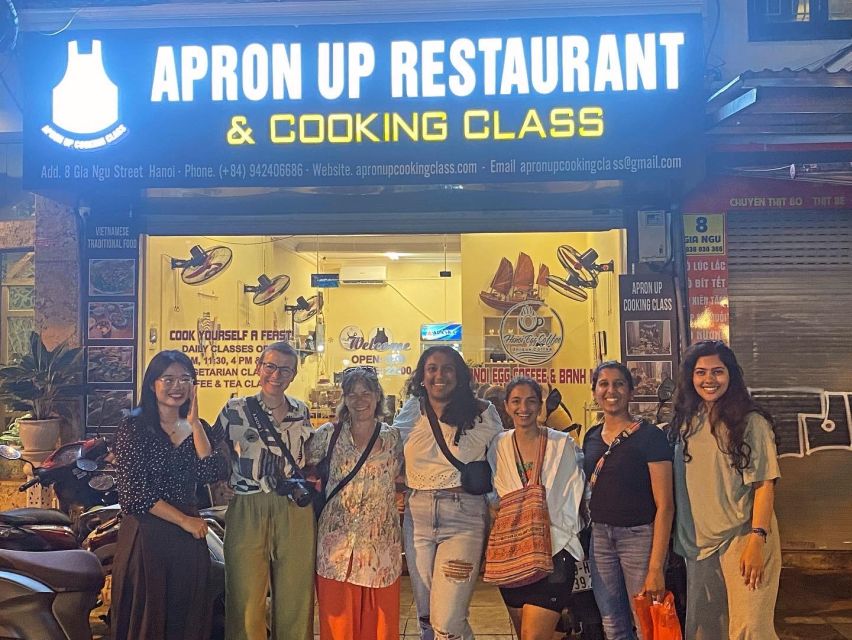
This experience starts in Hanoi’s Old Quarter at Apron Up Cooking Class. You’ll meet up with the instructor (English-speaking) and then head out to a local wet market to shop like you mean it.
The market part matters more than you’d think. You’re not just killing time while someone else plans the menu. Instead, you watch the instructor select ingredients, and you learn what to look for when you’re buying things like herbs, sauces, noodles, and proteins. That small skill pays off later when you try to cook at home and want flavors that feel like Hanoi, not like a guess.
The class also tends to stay friendly in size. In one case, a group class turned into a near-private style session because there weren’t other bookings that day. So even if you’re booking as part of a group, you may still get lots of attention while you work.
You can also read our reviews of more shopping tours in Hanoi
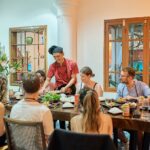

Two Set Menus for Five Dishes: What You’ll Cook
You’ll choose one of two menu sets, and each set is designed around making five dishes. Some items are optional depending on what your instructor offers and what your group chooses, but the dish list below is what you can expect.
Set menu options commonly include choices like:
- Bánh xèo pancakes
- Bún chả (grilled pork and noodles)
- Pork rib noodle soup
- Fresh rolls
- Chicken salad
- Banana ice cream
The other set menu options commonly include:
- Phở
- Bún chả (grilled pork and noodles)
- Fried spring rolls
- Papaya salad
- Egg coffee
Vegetarian plans are built in. The menus can be adapted for vegetarian diets, and the selection is arranged so you’re not stuck with one token dish while everyone else cooks meat and you wait around. If you’re vegetarian, this is one of the biggest “go for it” reasons to pick this class.
Also, you can book two classes if you want to cover both sets. That’s useful if you’re the type who wants variety, or if you love one style like noodles and soups and want a second chance to perfect your technique.
Wet Market to Cooking Station: How the Ingredients Shape the Flavor
After you shop, you move from browsing to action. You’ll use what you bought to cook, and that’s the key difference between this and most cooking tours.
You’ll see ingredients picked with purpose, not randomness. That helps explain why certain sauces taste the way they do and why herbs show up in the final minutes rather than being tossed in at the start. You’ll also learn the “why” behind small steps, like timing and texture checks, even if the final dish looks simple.
This matters because Hanoi food can be a balancing act: salty, sweet, sour, and fresh herbs all show up together. When you understand what each ingredient is supposed to do, you get better results at home. And you’re not trying to reproduce a recipe from memory alone; you’ll have a cook book to take with you.
One more small win: you might find that the instructor also teaches practical buying tips, like how to judge freshness during the market stop. Even if you’re not a food nerd, those shortcuts help you shop smarter later.
Hands-On Cooking: Step-by-Step Skills You’ll Use Again
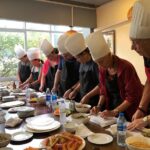
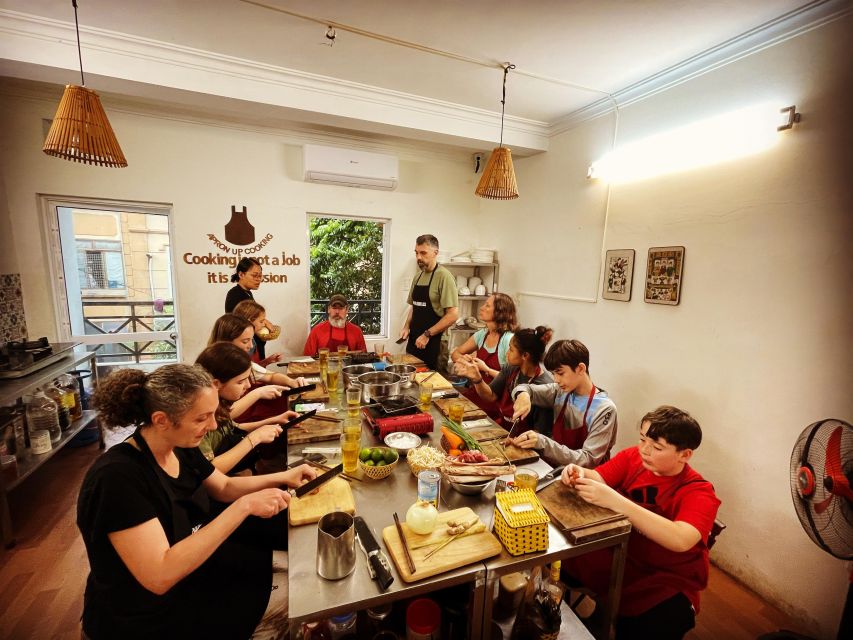
Once you’re back at the cooking area, the pace shifts to “learn by doing.” You’re not just watching someone assemble dishes. You’ll work through the steps yourself, with an English-speaking instructor guiding each dish.
From the reviews and class format, the teaching style is a big part of why this works. Instructors like Vy and Ruby are praised for being patient, giving clear directions, and showing you how to repeat techniques until they click. Winnie and Bella also show up in feedback as guides who explain origins and methods, while keeping things relaxed and fun.
What you’ll do during the hands-on portion will vary by your menu choice, but the general flow stays consistent:
- You’ll follow steps for prepping components (like making fresh rolls or assembling pancake batter).
- You’ll learn how to cook the “main” part (grilling, frying, broth building, or assembling salad).
- You’ll finish with the final balancing touches so the dish tastes right, not just looks right.
You’ll also get tea during the class, and you’ll sample seasonal fruit as part of the experience. Small, real food breaks like that help you stay focused instead of rushing through everything.
The Shared Meal, Rice Whisky, and Classic Hanoi Moments
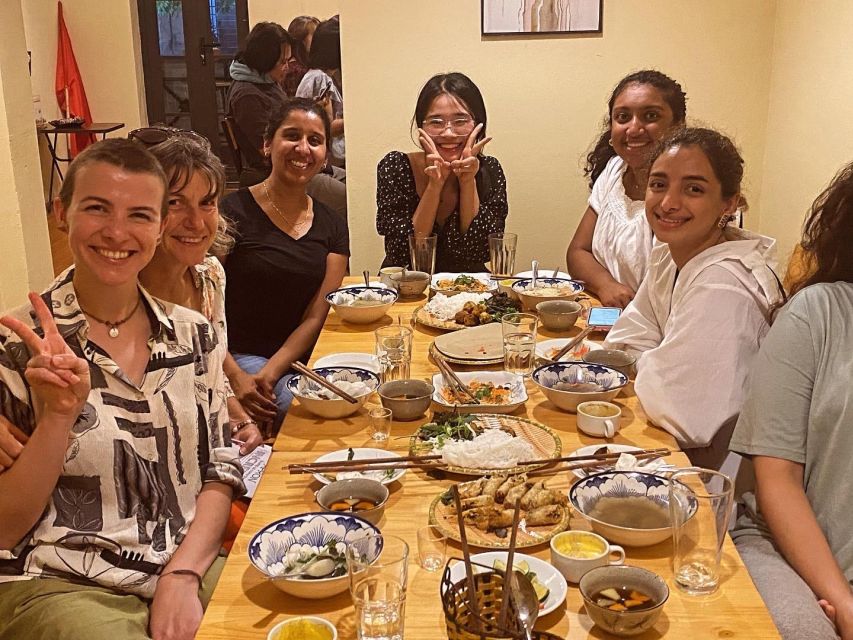
By the time you sit down to eat, the menu stops being theory. You’re tasting your own work, and that changes your attention. You’ll notice what tastes different when you follow instructions closely versus when you get impatient.
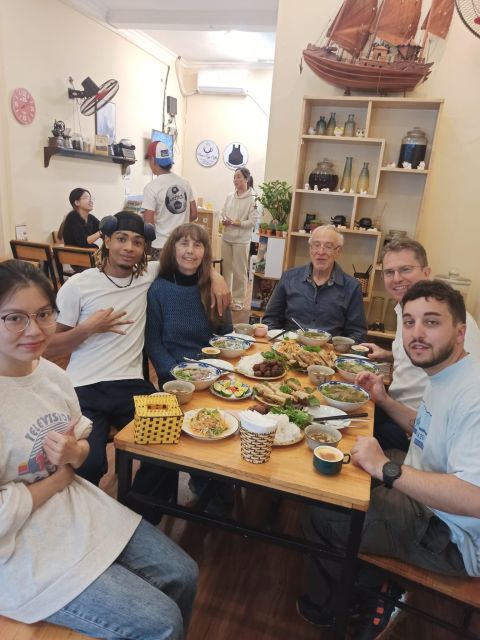
This class typically wraps with a lunch or dinner you prepare yourself. The meal is also a social piece: you’ll eat with the group, which makes the time go faster and turns the cooking stations into a team effort. Several reviews mention enjoying the shared meal atmosphere and meeting people from other countries while everyone compares how their dish turned out.
Expect Hanoi-flavored extras too. You’ll have tea and rice whisky tasting during the experience, plus fruit. In the menu that includes it, you might also make egg coffee, one of Hanoi’s most famous coffee styles. That’s a fun skill because it’s not just about mixing ingredients—it’s about texture and timing.
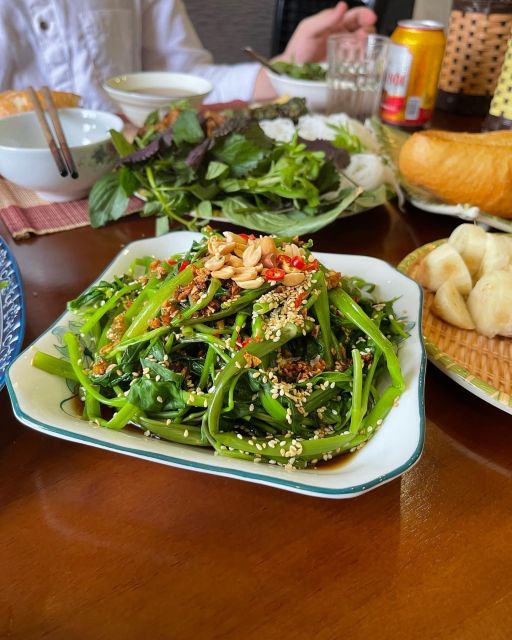
And because you make multiple dishes, you get a realistic sense of what a Hanoi table can look like: soup plus noodles, fresh herbs plus fried items, and sweet finishes like banana ice cream.
A few more Hanoi tours and experiences worth a look



Take-Home Cookbook and Certificate: Your Souvenir That’s Actually Useful
Most souvenirs end up as clutter. This class leans the other way.
You’ll receive a cook book plus a certificate confirming your achievement. The cook book is the practical part: it gives you a way to repeat dishes at home without guessing measurements or steps. One review specifically notes that the recipe book is a highlight because it helps you recreate what you made.
The certificate is small, but it also signals you did real work. You didn’t just take photos and leave. You completed a full sequence: market shopping, prep, cooking five dishes, and eating what you cooked.
If you’re traveling with friends or family, the cook book also becomes a shared reference point later. You can cook together, argue about which dish was best, and laugh about how you learned the market tricks in the first place.
Price and Value: Is $40 Worth It in Hanoi?
At about $40 per person for roughly 3.5 hours, this can be excellent value, mainly because the price includes a lot of what costs money elsewhere: ingredient shopping, an English-speaking instructor, cooking tools and ingredients, and your lunch or dinner.
You’re getting more than lessons. You’re getting:
- Market trip
- All ingredients and tools
- Hands-on instruction making five dishes
- Tea and rice whisky sampling
- Fruit
- Cookbook and certificate
The one line item you should plan around is transportation. It’s not included, so you’ll want to budget for getting yourself to the Old Quarter meeting point and back. If you’re already staying nearby, that’s easy. If not, it can add a bit to the total cost.
Still, compared with typical “watch-and-eat” experiences, the hands-on cooking and market education are what justify the price. You pay for practice, not just entertainment.
Who Should Book This Cooking Class (and Who Might Pass)
This is a great match for you if:
- You want a food-focused activity that teaches real technique.
- You like learning by doing, not only watching.
- You want a Hanoi meal experience that feels connected to ingredients you bought yourself.
- You’re vegetarian and want menus adapted so you still make the full set.
It may be a poor match if:
- You have mobility limitations. The market stop and cooking set-up involve standing and walking.
- You’re traveling with very young children. It’s not suitable for kids under 4 years.
- You’re expecting a purely relaxed sit-down tour. It’s active and hands-on for most of the time.
If you’re the kind of traveler who loves food but doesn’t want to spend the whole day eating, this hits a sweet spot: you end up eating well, but you also leave with skills.
Should You Book This Hanoi Cooking Class?
I’d book it if you want a memorable Hanoi experience with a practical payoff. The best reason is simple: you’re shopping first, then cooking five dishes with real instruction, then eating what you made. Add in the cookbook and certificate, and you leave with something you can actually use later.
Choose it with confidence if you care about vegetarian options, since the menus can be adapted and include veggie-suitable choices across the set. And if you’re trying to pick between two classes, consider taking both if you want to cover the full spread, especially if soups and coffee are your thing.
If you’re short on time, remember it runs about 3.5 hours and starts at Apron Up Cooking Class in the Old Quarter. If you can fit that, you’ll likely come away fed, informed, and able to cook at least a few Hanoi-style dishes back home.
FAQ
How long is the cooking class?
The experience runs for about 3.5 hours.
How many dishes will I learn to make?
You’ll cook and make five traditional Hanoi dishes.
Can the menu be adapted for vegetarian diets?
Yes. The set menus can be adapted to vegetarian diets.
Where do I meet for the class?
Meet at Apron Up Cooking Class. Look for a big Apron Up sign in front of the venue in the Old Quarter.
What’s included in the price?
Your price includes an English-speaking instructor, the market trip, lunch or dinner, all ingredients and tools, hands-on cooking for five dishes, tea and rice whisky, fruit, plus a cook book and certificate.
Is transportation included?
No. Transportation is not included.
Is there a refund if I cancel?
Yes. There is free cancellation up to 24 hours in advance for a full refund.