REVIEW · HANOI
Hanoi: Vietnamese Coffee Workshop with 6 Brews and 8 Recipes
Book on GetYourGuide →Operated by Quiet Asia Travel Co.,Ltd · Bookable on GetYourGuide
Hanoi coffee has a way of turning curious taste buds into full-on coffee nerds, and this hands-on workshop delivers six Vietnamese brews with a practical, recipe-led approach. With Old Quarter hotel pickup, you roll right into a local villa setting where you’ll learn the process, taste along, and make multiple drinks yourself.
I especially like the way the session mixes story with hands-on brewing—so you’re not just watching, you’re tasting and building. I also like that the format is strongly guided by English-speaking instructors such as Piey, Linh, Alex, Maxie, Vanessa, Hazel, and PA, who keep the pace friendly and the facts clear.
One consideration: this is a multi-drink class, so if you want a slow, sit-down coffee tasting only, you might find the 3-hour tempo a bit quick. Also, egg coffee is part of the set, so if you have food restrictions (like an egg allergy), tell the team beforehand and ask what alternatives they can do.
In This Review
- Key takeaways
- From Old Quarter pickup to the roastery-style villa
- Welcome drink, bean browsing, and how tastings get taught
- Vietnam’s coffee story: beans, roasting, and the world coffee belt
- Brewing plan: six Vietnamese coffee styles you’ll make
- Egg coffee, coconut coffee, and that “wait, I made this” moment
- Pour-over coffee: when technique finally clicks
- The pastry pairing and why it matters
- What the instructors actually do (and why it keeps reviews high)
- How long it takes—and how to fit it into a Hanoi day
- Included value: $27 plus pickup, tastings, and equipment
- Who should book this workshop—and who might skip it
- Should you book? My practical take
- FAQ
- How long is the Hanoi Vietnamese Coffee Workshop?
- What does it cost?
- Is hotel pickup and drop-off included?
- What coffee drinks will I learn to make?
- Will the workshop be in English?
- Are recipes included?
- Can children join the workshop?
- Are pets or alcohol allowed?
Key takeaways
- Old Quarter pickup and drop-off keeps the logistics simple
- Six brews plus eight recipes means you leave with more than just memories
- Welcome drink, tastings, and equipment are included in the price
- English instruction makes the coffee techniques easier to follow
- Instructors like Piey and Linh are repeatedly praised for clear guidance and fun energy
- Receipts for recreating at home: many participants report getting the recipes after the session
From Old Quarter pickup to the roastery-style villa
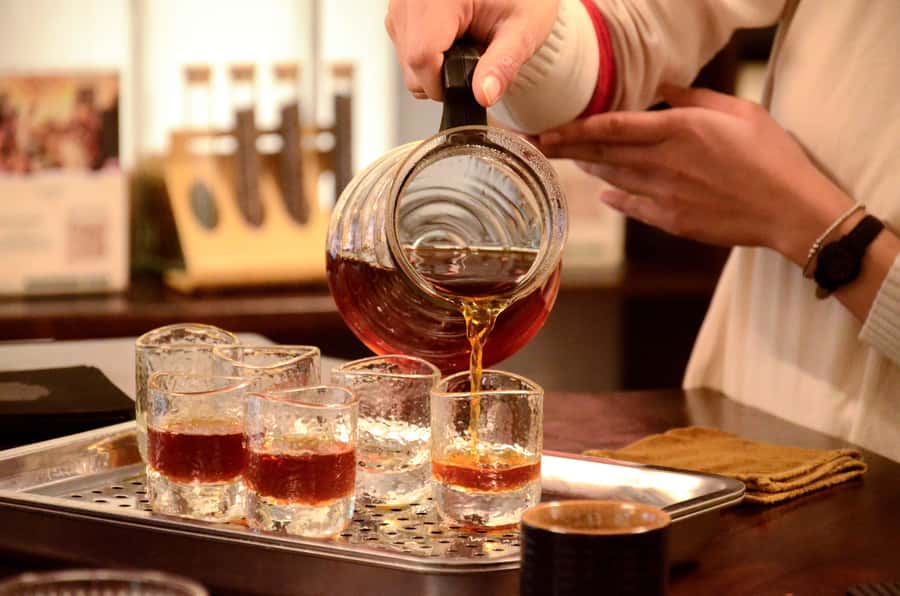
The workshop starts with a hotel pickup and drop-off that’s designed for travelers staying around the Hanoi Old Quarter. If your base is in that area, you save time and you don’t have to play taxi roulette before your caffeine fix.
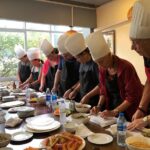
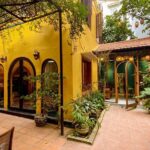
After pickup, you’ll head to a local villa setting where the class feels more like a small café workshop than a formal classroom. Before you start brewing, you get a welcome drink, and that’s more than a courtesy. It sets the tempo: you’re already in tasting mode, so when the teachers talk through beans and brewing equipment, it connects to flavor instead of staying abstract.
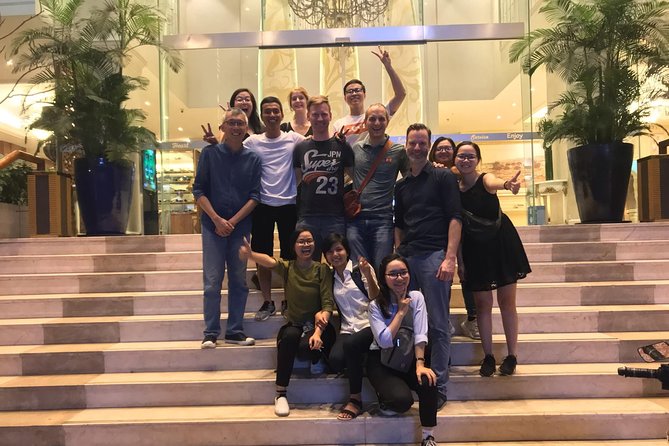
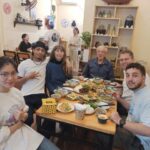
If you’re traveling solo, keep in mind that a few participants note the group can feel small. That matters. In smaller groups, you tend to get more hands-on time and quicker help when something doesn’t go as planned.
A few more Hanoi tours and experiences worth a look
Welcome drink, bean browsing, and how tastings get taught
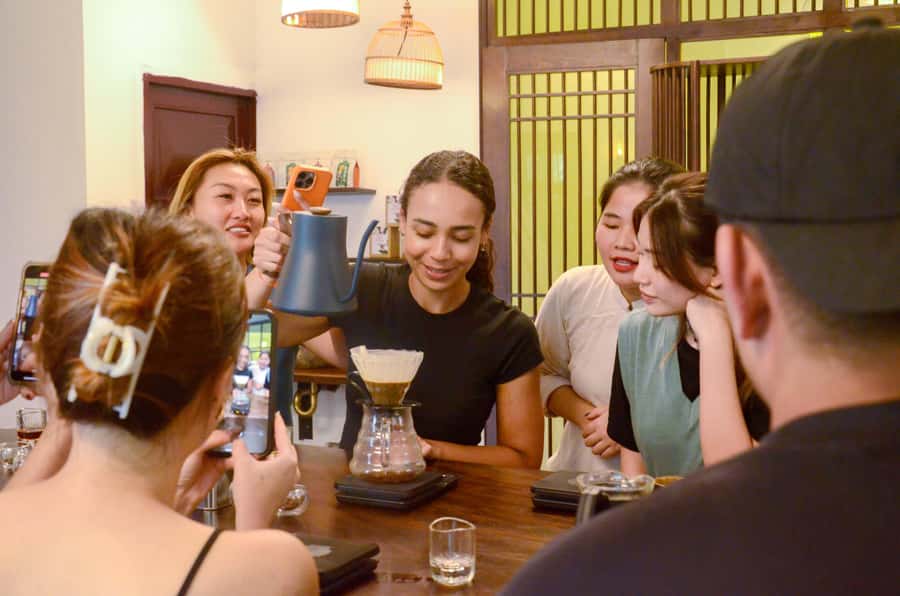
One of the smartest parts of the experience is the setup. You’re not only learning recipes—you’re also looking at beans and brewing tools before you touch them. That order helps. When you know what you’re working with, the final coffee tastes make more sense.
You’ll see different coffee beans and brewing equipment, and you’ll hear about the coffee growing and roasting process. Even if you’ve had Vietnamese iced coffee a hundred times, the workshop teaches you to pay attention to the step that most people skip: what happens before the drink hits your cup.
Then comes the tastings. The tasting portion works like a “calibration session” for your palate. You learn what differences taste like, not just what the drink is called. That’s also why coffee lovers consistently rate this highly.
Vietnam’s coffee story: beans, roasting, and the world coffee belt
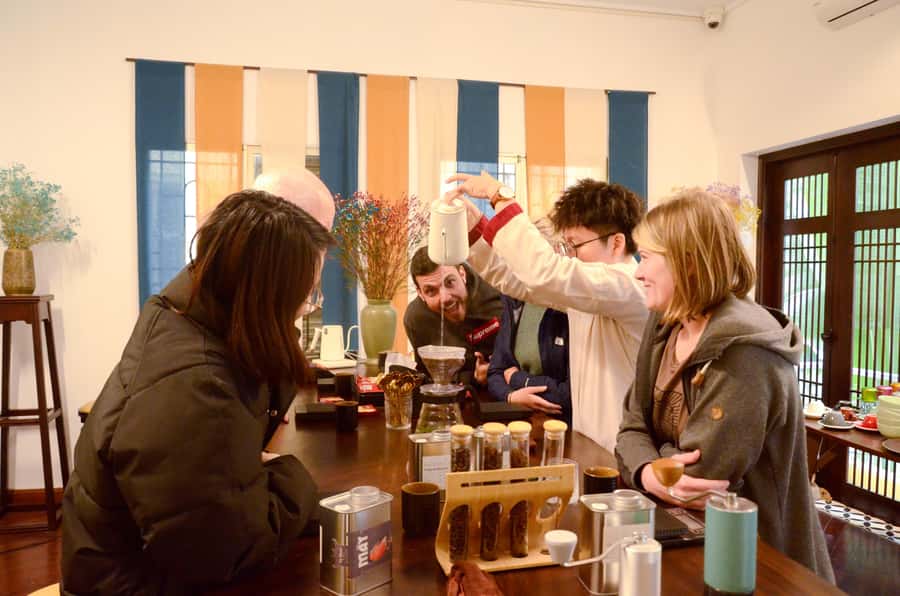
Vietnam sits in the big coffee conversation for a reason, and this class gives you the straight story behind how coffee travels and changes along the way. You’ll hear about the world coffee belt—where coffee can grow, why it thrives in certain climates, and what that means for what ends up on your spoon.
The key value here is practical context. When you understand the basics of growing and roasting, you stop treating Vietnamese coffee as one flavor category. You start tasting it as a set of choices: bean type, roast style, and brewing method.
This part also helps if you’re going beyond “sweet and strong.” During the workshop, you’ll get the background so your next café order in Hanoi feels more like decision-making than guessing.
Brewing plan: six Vietnamese coffee styles you’ll make
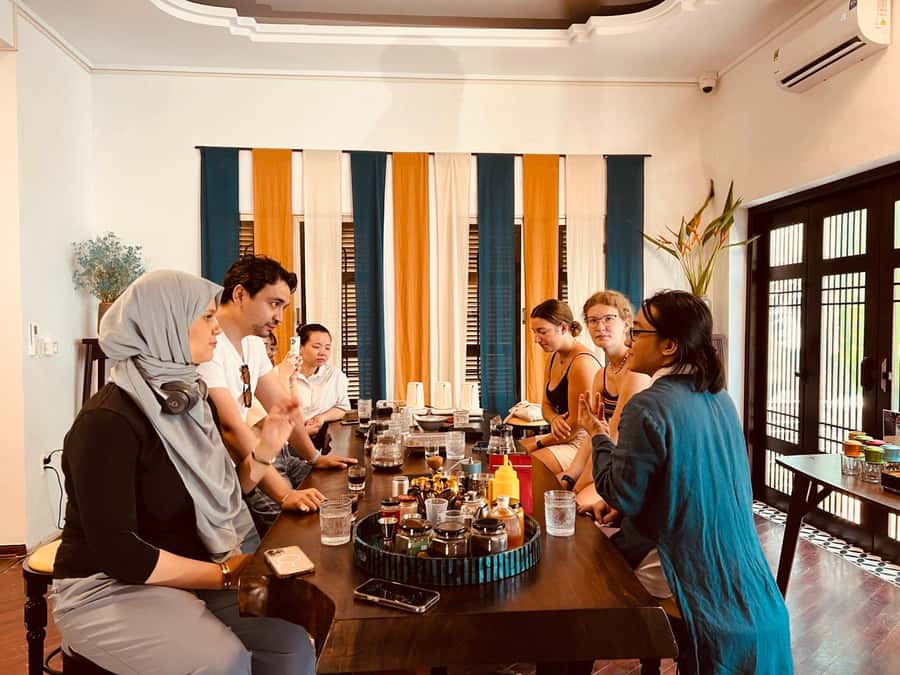
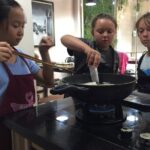
This is a true hands-on workshop. You’ll learn to brew six Vietnamese coffee styles using eight authentic recipes. The menu includes several crowd favorites, and you’ll also get practical guidance so you can repeat them later.
Here are the styles you can expect in the taught lineup:
- Egg coffee
- Iced coffee with milk
- Coconut coffee
- Pour-over coffee (with Arabica beans mentioned in the experience descriptions)
- A signature coffee served with pastries
You’ll also cover a sixth coffee style from the set, though the exact drink can vary by session. The important thing is the structure: you learn the method, you taste the result, and you refine your approach with the instructor standing by.
Egg coffee, coconut coffee, and that “wait, I made this” moment
Egg coffee tends to be the highlight for many people because it feels like a special-occasion drink. In the workshop, you’re not just sipping it—you’re learning how to craft it from the recipe.
Coconut coffee brings a different personality to the table. It’s a great contrast to the egg-and-milk vibe because it adds its own flavor direction, so you’re practicing how to recognize what each ingredient is doing.
If you have an egg allergy, don’t panic. One participant specifically notes the instructor made a non-dairy creamer alternative and shared that recipe too. Still, the best move is to tell the team ahead of time so they can plan.
A few more Hanoi tours and experiences worth a look


Pour-over coffee: when technique finally clicks
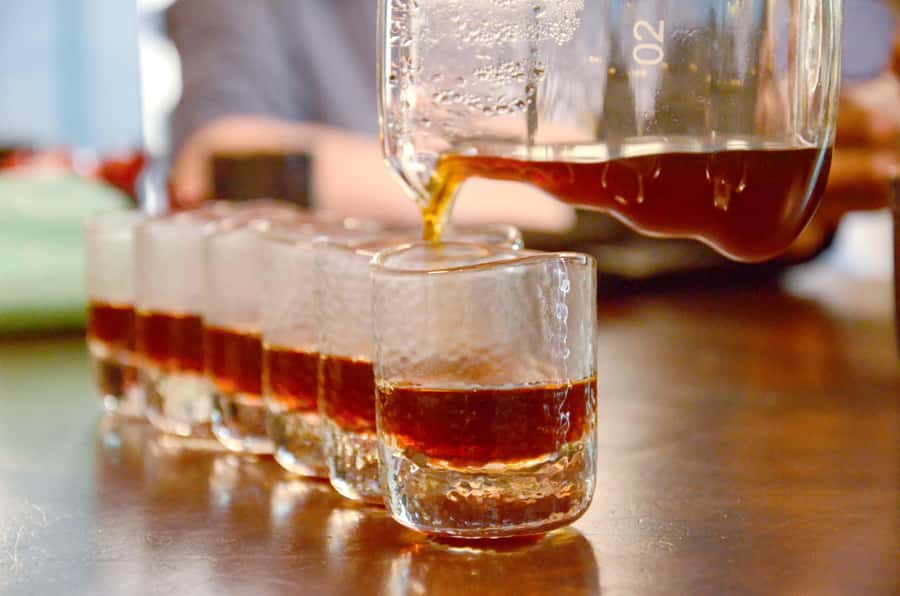
Pour-over is one of those methods that sounds simple until you try it. In this workshop, it’s taught as part of the Vietnamese coffee lineup, not as a generic barista demo. You’ll get the chance to follow the method step-by-step and taste the difference that comes from attention to process.
It’s also a smart way to break the “Vietnamese coffee = one style” assumption. You get a cleaner comparison between brewing approaches, and your pour-over cup becomes a reference point for how other drinks differ.
The pastry pairing and why it matters
One drink in the workshop is a signature coffee served alongside pastries. This isn’t just for filling time. Pastry pairing makes the tasting more realistic to how you’ll actually experience Vietnamese coffee in cafés and neighborhood spots—sweet, savory, and designed to be eaten slowly.
If you like food with your coffee (which most people do), this pairing helps you remember the session as an experience, not a lecture. You’ll also finish with a clearer idea of what to order together when you go back out.
What the instructors actually do (and why it keeps reviews high)
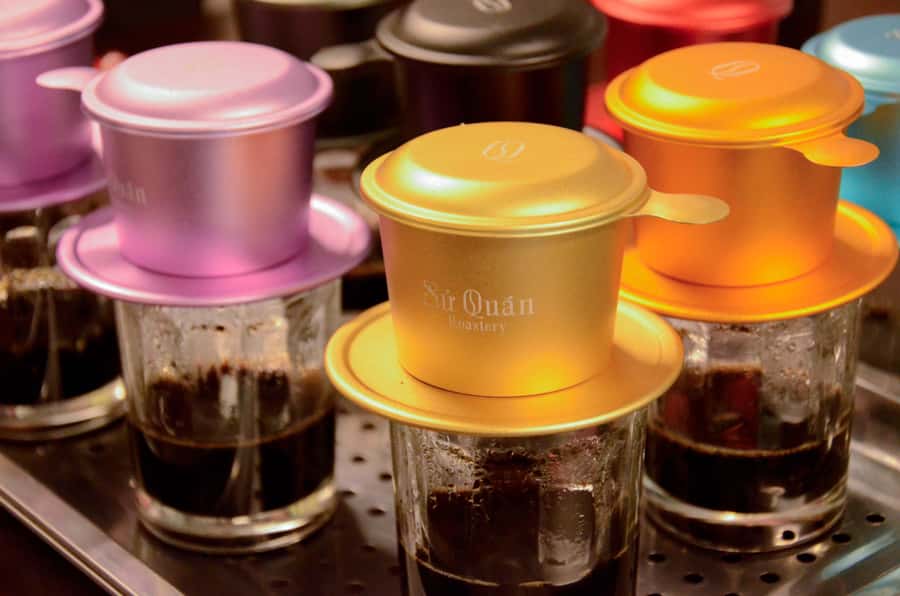
An awful coffee class is just a series of instructions and a room full of people hoping for the best. This one aims for something better: guidance that’s specific enough for you to succeed and fun enough that you don’t feel intimidated.
English-speaking instructors with over ten years of experience guide the session, and multiple experiences mention the teachers keeping it interactive—either working with you directly as you brew or explaining in a way that makes the steps easy to follow.
Names that come up often in past sessions include Piey and Linh, plus instructors such as Maxie, Alex, Vanessa, Hazel, and PA. The common thread is clear communication and a friendly tone, not just technical talk.
One practical bonus: you’ll get support if something doesn’t work on your first attempt. That’s part of why people finish this feeling like they can actually reproduce the drinks, not just describe them.
How long it takes—and how to fit it into a Hanoi day
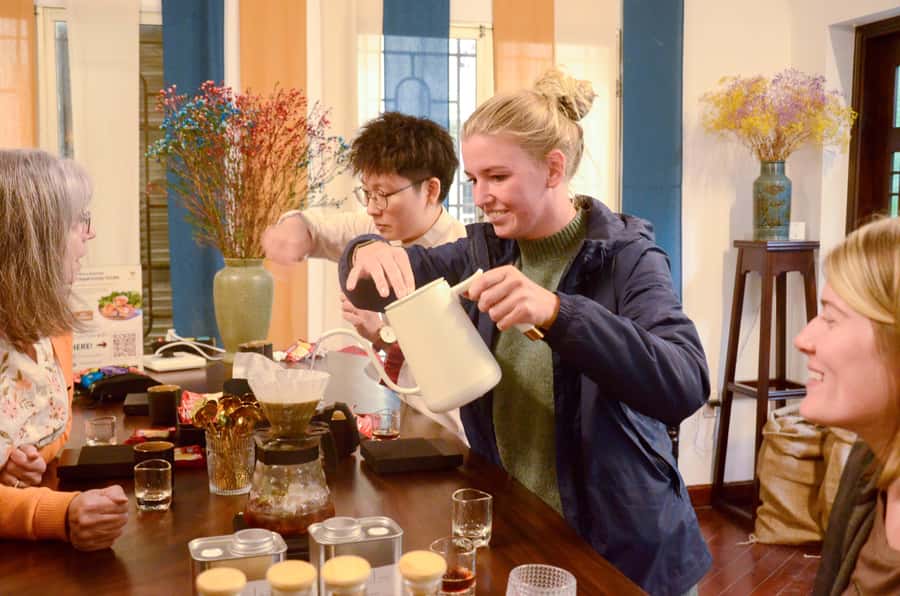
The workshop runs about 3 hours. That’s a solid length for Hanoi. It’s long enough to learn multiple drinks and get hands-on time, but short enough that you can still do other sights before dinner.
Because pickup is included within the Old Quarter area, this works especially well as an afternoon activity. If you’re planning a day around food markets and cafés, this workshop can act like your “coffee training session,” making your later coffee orders more confident.
If your schedule is tight, choose a start time that avoids your most important dinner plans. You’ll want a little breathing room after the class, because tasting multiple drinks can make you pretty full on coffee and sweets.
Included value: $27 plus pickup, tastings, and equipment
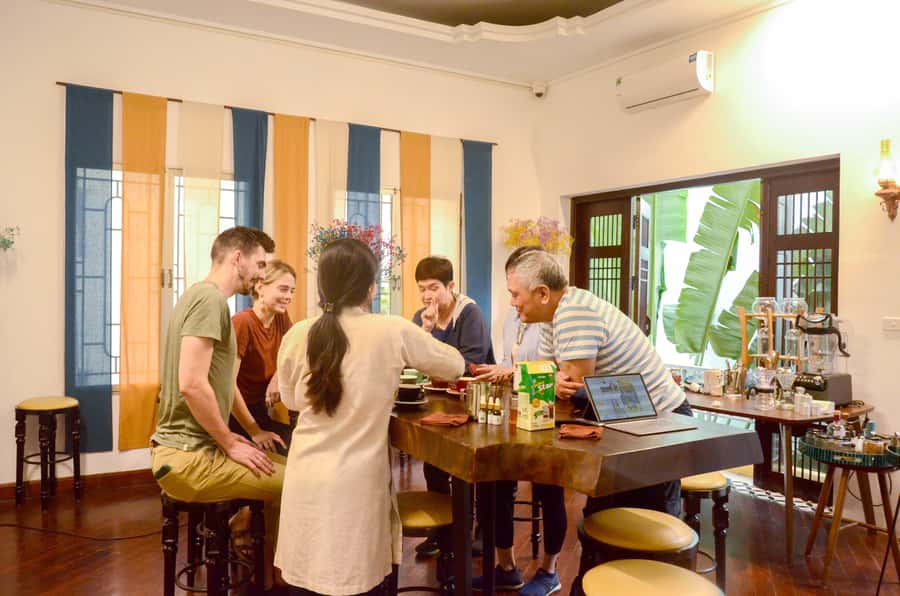
At $27 per person for a 3-hour workshop, the value depends on what’s included—and here, a lot is bundled in. You get:
- hotel pickup and drop-off within the Old Quarter area
- a welcome drink
- all coffee tastings
- the equipment
That matters because coffee workshops can nickel-and-dime you: extra tastings, additional drink charges, or equipment fees. Here, you’re paying mainly for instruction plus what you need to make the drinks.
Also, the class doesn’t just hand you a few sips. You make multiple coffee types yourself, and you’re guided through the process. That’s the difference between paying for a show and paying for a skill.
On top of that, many participants report receiving the recipes afterward, so the cost stretches beyond the day you take the workshop. It turns into something you can practice at home, which is the best form of “souvenir.”
Who should book this workshop—and who might skip it
This is a great fit if:
- you genuinely love coffee and want to understand Vietnamese styles beyond guessing
- you want a hands-on food experience, not a passive tour
- you’re traveling with someone who likes desserts and sweet drinks
- you want a rainy-day activity in Hanoi that still feels social and fun
You might consider skipping if:
- you only want one type of coffee and dislike sweet or milky drinks
- you’re looking for a slow, quiet sit-down tasting with no brewing practice
- you have strict dietary needs and want zero chance of ingredient exposure (though you can ask about alternatives)
If you’re the type who likes learning a technique you can repeat later, this workshop is built for you.
Should you book? My practical take
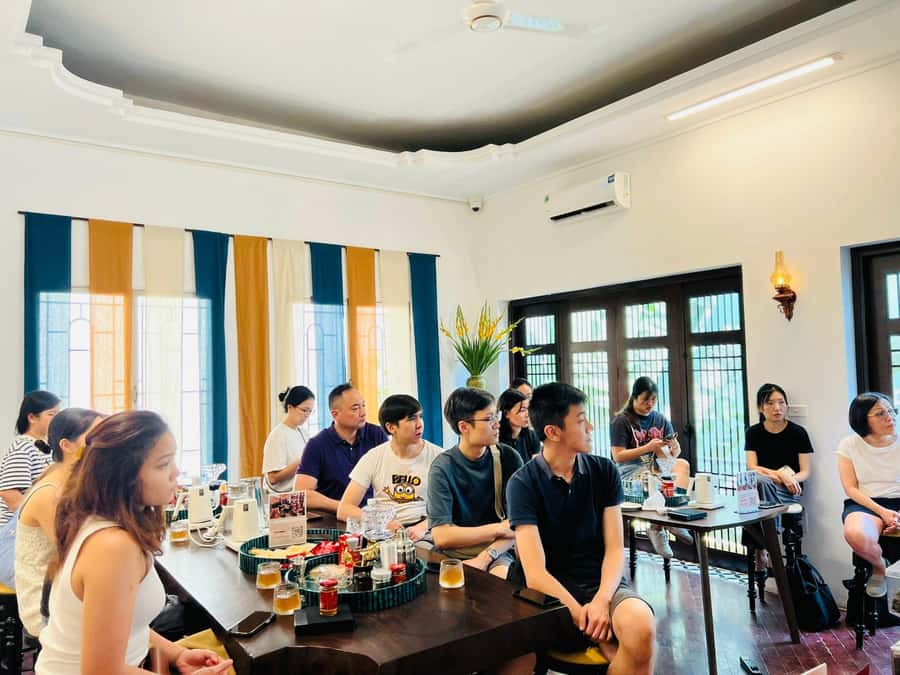
Yes, I’d book it if you’re in Hanoi and you want a coffee experience that’s both educational and hands-on. The combination of six brews, included tastings, and Old Quarter pickup makes it feel like a “pay once, do a lot” kind of afternoon.
Book it soon if:
- you want a structured way to learn Vietnamese coffee styles in a short time
- you’d like recipes you can recreate later
- you appreciate English instruction and guided steps, especially if you’re not a coffee expert
Skip it only if your schedule can’t handle a 3-hour block or you know you won’t enjoy milky/sweet coffee formats. Otherwise, it’s one of those Hanoi activities that turns curiosity into actual cups.
FAQ
How long is the Hanoi Vietnamese Coffee Workshop?
The workshop lasts about 3 hours.
What does it cost?
It costs $27 per person.
Is hotel pickup and drop-off included?
Yes. Pickup and drop-off are included for hotels located in Hanoi Old Quarter.
What coffee drinks will I learn to make?
The workshop covers six Vietnamese coffee styles. The set includes egg coffee, iced coffee with milk, coconut coffee, pour-over coffee, and a signature coffee served with pastries.
Will the workshop be in English?
Yes. The instructor teaches in English.
Are recipes included?
The workshop focuses on 8 authentic recipes, and many participants report receiving the recipes afterward so you can recreate the coffees at home.
Can children join the workshop?
Ages 12 to 17 need to be accompanied by a parent or guardian, and the parent/guardian needs to book and pay for their own slot. Children under 12 can go along with their parents but are not allowed to participate in the workshop session.
Are pets or alcohol allowed?
Pets are not allowed. Alcohol and drugs are also not allowed.