REVIEW · HO CHI MINH CITY
Morning Cu Chi Tunnels – Join Small Group By Van
Book on GetYourGuide →Operated by ONE VIETNAM TOURS COMPANY LIMITED · Bookable on GetYourGuide
The Cu Chi Tunnels morning tour makes history feel physical, not just read-and-forget. I love two things most: the expert English-led guided visit (with guides like Simon and Linh known for clear explanations), and the chance to experience the tunnels yourself, not only view displays.
One thing to factor in: crawling is tight and dark, so the tour isn’t a fit if you have claustrophobia, heart issues, or high blood pressure.
In This Review
- Key Highlights You’ll Remember
- Why This Morning Cu Chi Tunnels Tour Works So Well
- Pickup in Districts 1, 3, 4, and More: Smooth Start, Simple Plan
- The Drive Through Rice Fields and Rubber Trees (and What the Guide Adds)
- Inside the Cu Chi Story: Bunkers, Weapon-Making, and Trap Logic
- The Crawl Through the Tunnels: Tight, Dark, and Very Real
- Tea and Tapicoca: A Break That Connects to Tunnel Life
- Optional AK47/M16 Shooting Range: Cool, But Not Included
- Timing and What the Day Feels Like End-to-End
- Price and Value: What $36 Includes (and What It Doesn’t)
- Who This Tour Is Best For (and Who Should Rethink It)
- Should You Book the Morning Cu Chi Tunnels by Van?
- FAQ
- How long is the Morning Cu Chi Tunnels tour?
- What are the pickup areas in Ho Chi Minh City?
- Where is the tour dropped off?
- Is the shooting range included in the price?
- Can I choose to crawl through the tunnels?
- What food and drinks are included?
- What should I bring?
- Is there anything I should not bring?
- Are there extra charges on Vietnamese holidays?
Key Highlights You’ll Remember
- Small-group feel (up to 12 people) helps the guide keep things organized and your questions answered.
- Morning drive through rice fields and rubber trees sets the tone and makes the whole area feel real.
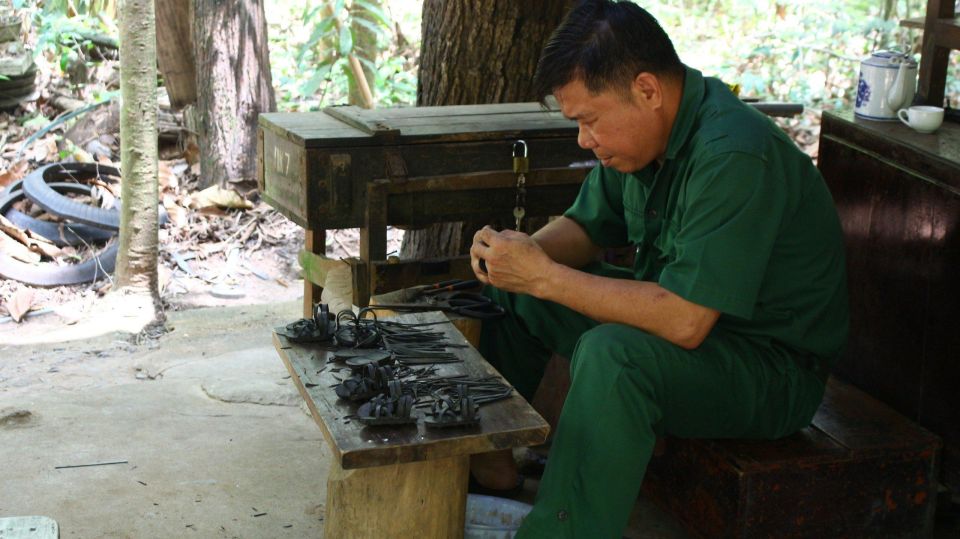
- VC handiwork and battlefield improvisation gets explained, including bamboo weapons and trap ideas.
- Crawl time inside the tunnels lets you understand why space and silence mattered underground.
- Tea and tapioca break is more than a snack; it connects to what people ate in the tunnel life.
- Optional AK47/M16/machine-gun shooting range is there, but bullets cost extra.
Why This Morning Cu Chi Tunnels Tour Works So Well
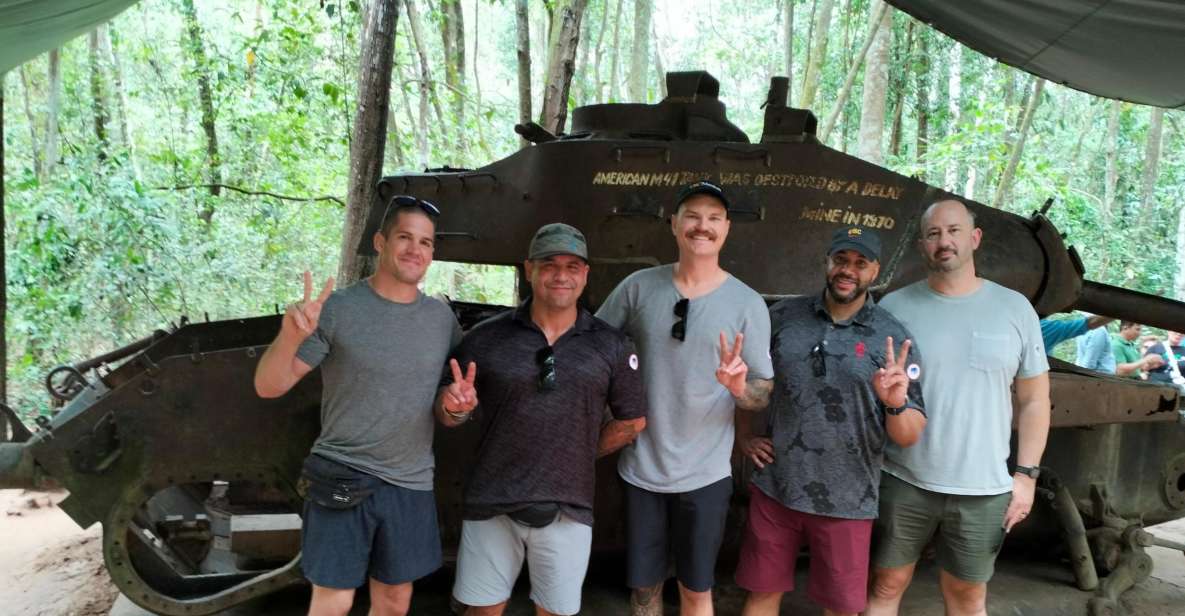
Cu Chi is famous because it wasn’t a museum idea first. It was a living system built for survival and secrecy. In the morning, you get the added benefit of a calmer schedule and less time spent rushing. You’re picked up early, driven out, and back before late afternoon—ideal if you’re also planning other Ho Chi Minh City activities.
What I like is that the tour doesn’t just point at tunnels and move on. You get a guide-led explanation of war in Vietnam from the Vietnamese side, plus documentary viewing and structure lessons on how tunnels were made by hand. That combo helps you connect the dots: why locations mattered, how people moved, and why the underground design was more than a hole in the ground.
Still, keep expectations honest. The crawling section is the main “wow” moment, but it also takes willpower. If you don’t want tight spaces, you’ll have a better day skipping this specific crawl portion and choosing a different Cu Chi format.
A few more Ho Chi Minh City tours and experiences worth a look



Pickup in Districts 1, 3, 4, and More: Smooth Start, Simple Plan
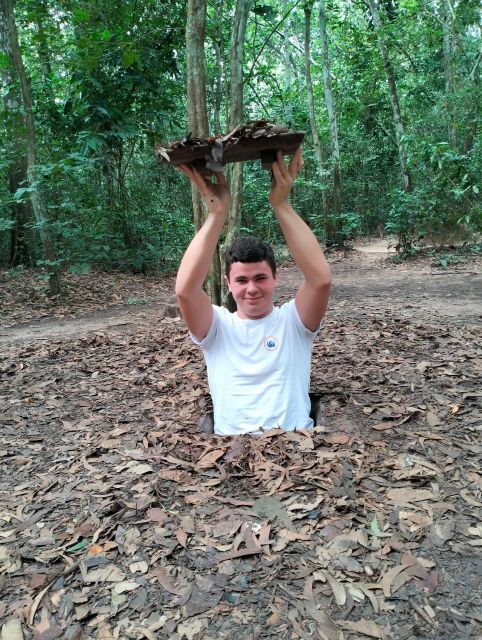
This tour is built around van pickup. You’ll be collected between about 7:15am and 8:45am depending on where you stay (District 4, District 1, or District 3). If your hotel isn’t in the pickup list, the meeting point is around Saigon Opera House near 8:00am.
Practically, what matters is timing and location. The morning window is tight enough that it helps to be ready early—especially if you’re staying outside District 1/3/4 and need to get to the meeting point. Once you’re in the van, the ride to Cu Chi is roughly one and a half hours, and the day keeps moving without long waits.
The small-group limit (up to 12 people) also helps. You’re not squeezed into a huge bus where everyone disappears into their own world. I find that makes the guide’s explanations easier to follow, and it’s nicer if you want to ask questions during the drive.
The Drive Through Rice Fields and Rubber Trees (and What the Guide Adds)
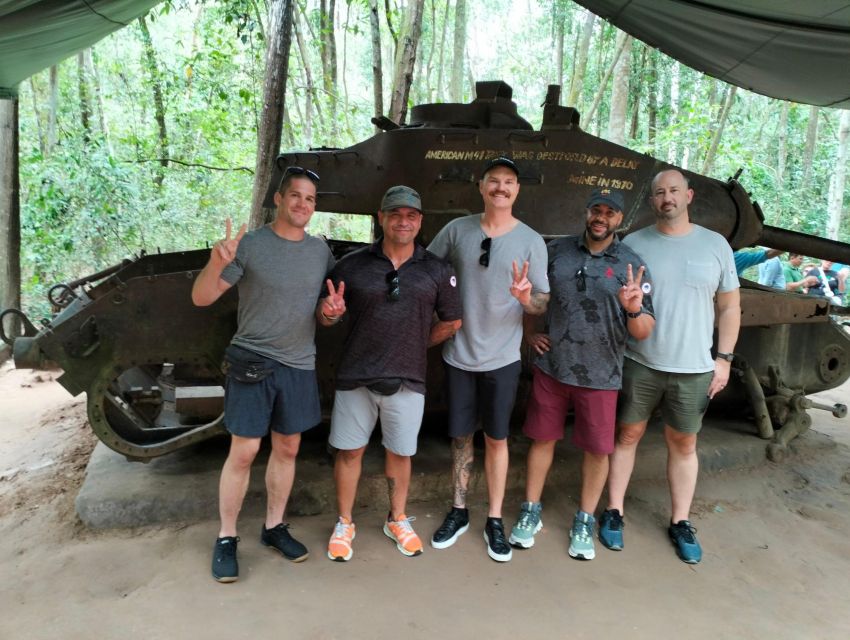
As the van heads out, you’ll pass through a greener Vietnam than people often picture when they hear the word war. You see rice fields and rubber trees, and the guide uses the drive time to frame the story—war context, how the area became strategically important, and what day-to-day survival looked like for people on both sides.
This is a smart use of time. You’re not just sightseeing on the way; you’re preparing your brain for the underground sections. When you later hear about tunnel structure, entrances/exits, and roles inside the system, the landscape context makes more sense.
One more detail that’s easy to overlook: the tour includes bottled mineral water, and the countryside drive + sun later can feel warm. If you’re sensitive to heat, plan to dress light and follow the bring list.
Inside the Cu Chi Story: Bunkers, Weapon-Making, and Trap Logic
The guided part is about 2.25 hours once you arrive. That section is where the tour balances education and spectacle. You’ll watch a documentary, learn tunnel-making logic, and explore features like secret entrances and exits. Instead of treating the tunnels as one generic attraction, the guide explains how different areas served specific purposes.
Expect to see bunkers used as meeting space, medical space, kitchen space, and weapon-making areas. You’ll also learn how people improvised tools and weapons—especially examples like bamboo weapon-making and trap concepts (often referenced as booby-cell or similar defensive methods in the tour materials).
I particularly like how these explanations emphasize ingenuity under constraint. It’s not just about big dramatic moments; it’s about small, repeated engineering choices: concealment, movement, storage, and the ability to keep functioning under pressure. That’s the part that can change how you think about history. It becomes less like a distant event and more like a human problem-solving story.
If your guide is Simon or Linh, you’re likely to get strong English delivery—clear, focused, and easier to follow when things get technical.
The Crawl Through the Tunnels: Tight, Dark, and Very Real
This is the signature experience: you get a chance to crawl through parts of the tunnel system. It’s designed to show what life in those spaces demanded. Expect darkness and narrow sections, with tight turns and low ceilings where you can’t stand fully.
Here’s the practical reality: even if you’re generally fine with small spaces, this can still feel intense. It’s not a casual “walk-through.” It’s more like a test of comfort and control—how you move, how you breathe, and how calm you stay when you can’t fully see what’s next.
So yes, it’s memorable. But it’s also why the tour clearly warns that it’s not suitable for claustrophobia, and it’s also not recommended for people with heart problems or high blood pressure. If any of those apply, skip the crawl portion. If you’re unsure, don’t guess—ask your doctor or choose a different Cu Chi option that doesn’t require entering tight tunnel segments.
A small tip that helps: wear shoes that can handle dust and low-light movement, and keep your hands free for balance. Sunglasses and a hat are useful outside, but inside the tunnels your main goal is staying steady.





Tea and Tapicoca: A Break That Connects to Tunnel Life
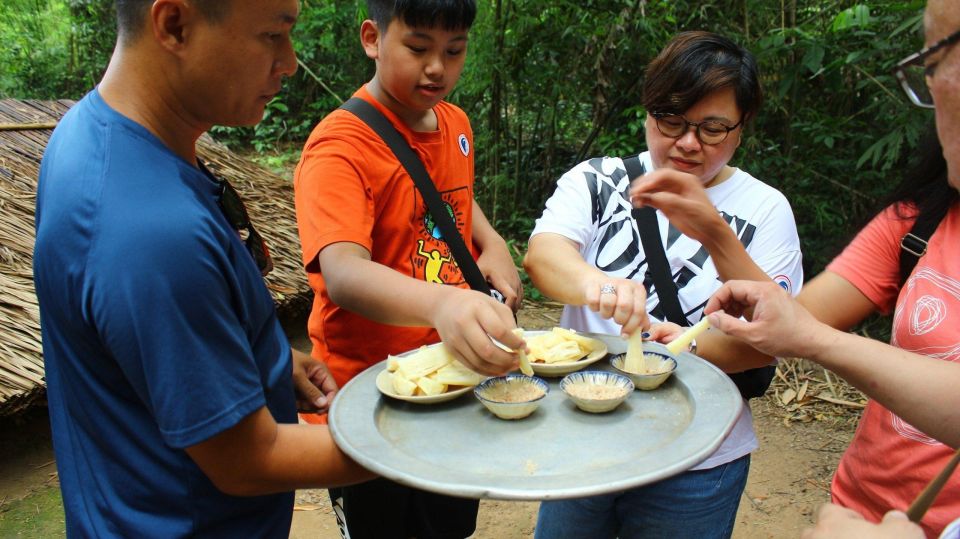
After crawling, you’ll get a break with tea and tapioca. This isn’t presented as a fancy meal; it’s tied to what was eaten in the tunnels as a staple option. That simple snack lands better after you’ve just experienced the conditions underground. You’re not just hungry; you understand why certain foods mattered when cooking space was limited.
Plan on it as your main provided food during the tour. Anything else you want—extra drinks or personal snacks—would be on you, since food and drinks beyond what’s indicated are not included.
The timing is also nice. You’ll recharge, then get ready for the return drive back toward Ho Chi Minh City.
Optional AK47/M16 Shooting Range: Cool, But Not Included
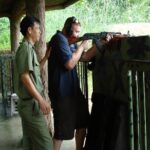
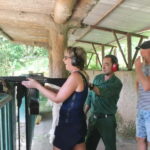
One of the more attention-grabbing stops is the shooting range area. The tour may offer a chance to fire AK47, M16, or machine guns, but shooting is optional, and bullets are not included.
This matters for value. The base price is already solid for a full half-day with guide, van, entrance, and provided refreshments. But if you add shooting, your total cost goes up. If you’re mainly there for the tunnels and history, you can skip the shooting without feeling like you missed the point.
If shooting appeals to you, bring cash and keep in mind that it’s an add-on experience rather than part of the core tour package.
Timing and What the Day Feels Like End-to-End
A typical flow looks like this:
- Early morning pickup from selected Districts (or Saigon Opera House)
- Ride out to Cu Chi through countryside
- Documentary and guided explanation
- Guided exploration of tunnels, bunkers, and defensive features
- Optional shooting range
- Crawl inside the tunnels
- Break with tea and tapioca
- Return to Ho Chi Minh City and hotel drop-off around 2:30pm (approx.)
That return timing is useful if you want energy for something else later—like a market visit or a museum stop. It’s also why this is a good half-day plan compared to tours that swallow your entire day.
One small drawback to watch for: you’re spending hours outdoors in the morning and afternoon. Even though the pickup is early, humidity and heat can hit, and the tour highlights warm conditions. Come prepared.
Price and Value: What $36 Includes (and What It Doesn’t)
The stated price is $36 per person for about a half-day tour with a small-group van. In practical terms, you’re paying for a full package: hotel pickup/drop-off, an English-speaking guide, entrance ticket, A/C van transport, mineral water, and tea and tapioca at Cu Chi.
That’s why this price can feel fair for many visitors. You’re not arranging transport, paying separate entry fees, and finding a guide on your own. The guided narration is part of the product, not a bonus.
The parts you should plan for separately:
- Bullets if you want to shoot
- Insurance (not included)
- Personal expenses
- Any extra food/drinks beyond the tea and tapioca provided
- Holiday surcharges: 10% extra around Independence celebrations (30/4 and 2/9, also 1/5) and 20% extra during Tet
If you travel during holiday peaks, the “headline” price can change. Still, even with surcharges, you’re usually getting a full, guided half-day with transport included—so it still tends to be good value.
Who This Tour Is Best For (and Who Should Rethink It)
This is a strong fit if you want a guided Cu Chi experience with crawl time and you like learning in context. It’s also a good choice if you’re short on time and want to see Cu Chi without losing the whole day.
It may be less ideal if:
- You have claustrophobia (the crawl is tight and dark)
- You have heart problems or high blood pressure
- You want a laid-back photo stop (this tour is more active and structured)
- You prefer to combine multiple major trips in one day—this one alone can be intense in heat, so pairing it with another long-distance tour the same day may feel like too much
A smart planning note from how people often handle it: if you’re also doing the Mekong Delta, doing them on separate days makes the schedule feel more humane.
Should You Book the Morning Cu Chi Tunnels by Van?
If your priority is a half-day, small-group Cu Chi visit with a real guide, plus the chance to crawl inside the tunnels, I’d say yes—this is one of the more practical formats. The morning schedule reduces wasted hours, and the included tea/tapioca break gives you a cultural connection beyond the tunnels themselves.
But if tight spaces scare you, or if you have health conditions that make physical exertion or confined areas risky, skip the crawl-focused version. You’ll enjoy the story more if you can stay comfortable.
Bottom line: book this morning tour if you want your Cu Chi visit to be hands-on and guided, not just a drive-by photo stop—and you’re ready for the reality of narrow, dark tunnel life.
FAQ
How long is the Morning Cu Chi Tunnels tour?
The duration is about 6 hours total. The guided tunnel visit is about 2.25 hours, and you’ll be returned to Ho Chi Minh City by around 2:30pm (approx.).
What are the pickup areas in Ho Chi Minh City?
Hotel pickup is offered within District 1. Other pickup options include District 3 and District 4 (with specific morning pickup windows depending on where you stay). If your accommodation isn’t in the pickup list (District 1/3/4), the tour meets at Saigon Opera House around 8:00am.
Where is the tour dropped off?
Drop-off is offered in District 3, District 1, District 4, and District 5.
Is the shooting range included in the price?
Shooting is optional. Bullets are not included, so if you choose to shoot, you’ll pay for bullets separately.
Can I choose to crawl through the tunnels?
The tour includes a crawling experience as part of the program. That said, it is not suitable for people with claustrophobia, heart problems, or high blood pressure.
What food and drinks are included?
You get tea and tapioca in Cu Chi, plus mineral water on the tour. Food and drinks beyond that aren’t included.
What should I bring?
Bring sunglasses, a hat, a camera, cash, and biodegradable insect repellent.
Is there anything I should not bring?
Weapons or sharp objects are not allowed.
Are there extra charges on Vietnamese holidays?
Yes. There’s a 10% extra charge per person during special holidays such as 30/4 and 2/9 and labor day 1/5, and a 20% extra charge during Tet.