REVIEW · HANOI
Hanoi: Salt Coffee Workshop Awake Your Senses With 6 Brews
Book on GetYourGuide →Operated by Up Travel · Bookable on GetYourGuide
Salt coffee sounds wild, and it’s worth it. In a Hanoi workshop near Dong Bac, you’ll learn how Vietnamese coffee became a global habit and make six brews yourself, including the famous salted-cream version. Expect history, practical brewing know-how, and a session led in English by local coffee pros such as Luka or Jonathan (names that show up again and again in the reviews).
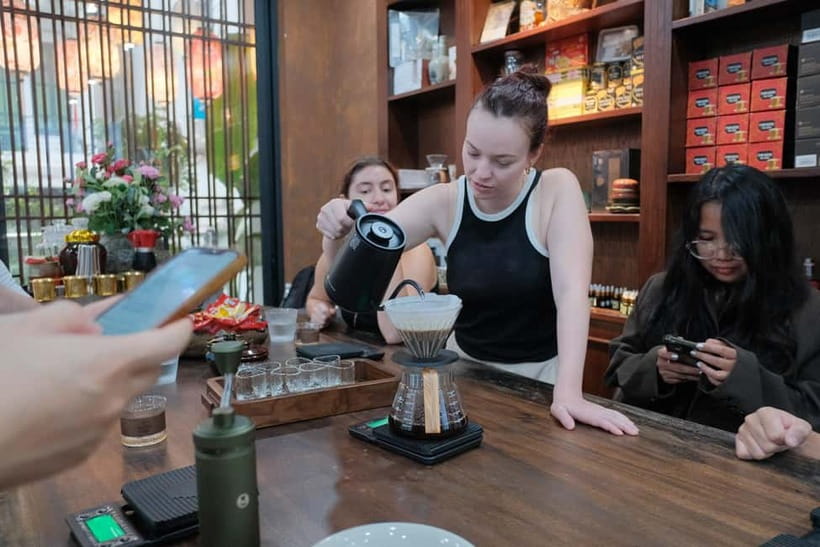
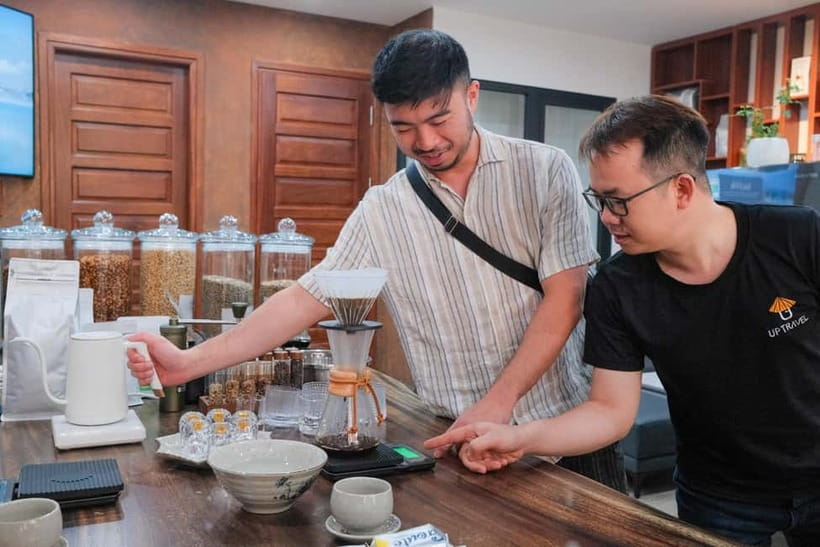
I love the hands-on part: you don’t just taste, you grind, filter, and build drinks with the tools used for everyday Vietnamese coffee. I also love that you leave with a written game plan, including a recipe book so you can remake the drinks at home instead of guessing.
One thing to consider: the coffee styles here lean strong (Robusta-forward), and flavors like egg coffee and salt foam may feel unusual at first. If you hate bold coffee, you might still enjoy the class, but the drinks themselves are the main event.
In This Review
- Key takeaways before you go
- Hoàn Kiếm pickup to Dong Bac coffee basics: the flow you’ll feel
- Why Vietnamese coffee hits different: Robusta, roasting, and the salt trick
- Workshop stop-by-stop: what happens after pickup
- The welcome and setup
- The main workshop at the local café
- Return to Hoàn Kiếm
- Six brews you’ll learn to make: the real menu
- 1) Vietnamese salt coffee
- 2) Vietnamese egg coffee
- 3) Original Vietnamese brown coffee
- 4) Coconut coffee
- 5) Pour-over coffee
- 6) Signature coffee cocktail with jam and local wine, plus espresso martini option
- What you’ll actually learn that helps you after Hanoi
- Spot better beans and avoid bad ones
- Use the tools with confidence
- Understand why brewing changes taste
- You get recipes you can repeat
- Price and value: $23 for a guided, hands-on coffee education
- Who should book this Hanoi coffee workshop
- Should you book the Hanoi Salt Coffee Workshop?
- FAQ
- How long is the workshop?
- How much does it cost?
- Where do I get picked up?
- Is transport included?
- What drinks will I learn to make?
- Is the workshop taught in English?
- Do I get a recipe book to take home?
- Can I cancel and get a refund?
- Is a private group available?
Key takeaways before you go
- You make the drinks, not just taste them: filters, grinders, and brewing steps are part of the experience.
- Six brews with big variety: salt coffee, egg coffee, brown coffee, coconut coffee, pour-over, plus a coffee cocktail.
- Real coffee education, not only trivia: roasting, cultivation, and how to spot bad coffee get explained clearly.
- A smooth Old Quarter flow: pickup from Hoàn Kiếm, welcome refreshments, then workshop, then return.
- Take-home support: recipe book and digital coffee book copies help you recreate what you learn.
- Small-group energy is real: even when the group is small, the pacing stays active and interactive.
Hoàn Kiếm pickup to Dong Bac coffee basics: the flow you’ll feel
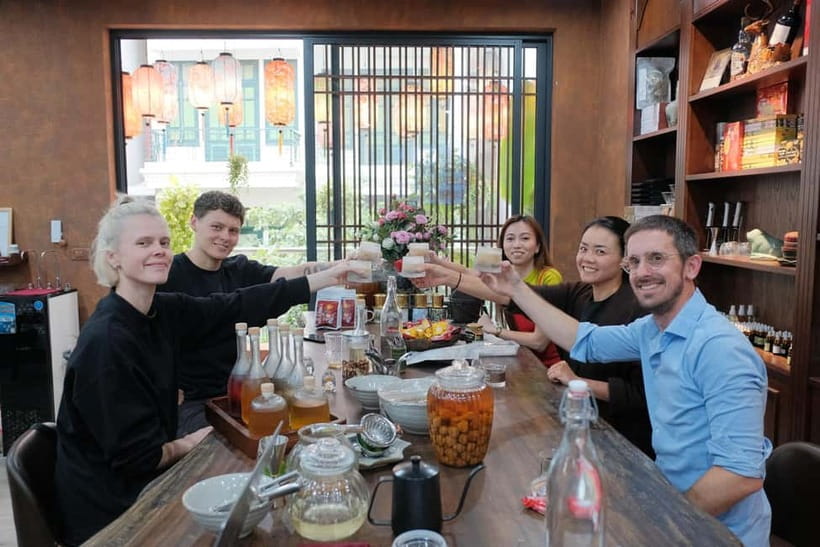
This is the kind of Hanoi activity that’s easy to fit into a travel day because it starts and ends where most people base themselves. You’ll be picked up in the Hoàn Kiếm area, and the plan includes a short welcome stage with refreshments before you get into the class.
Then you head to the workshop setting where the learning actually happens. The total time on the schedule is about 3 hours, with the workshop portion running just under that (around 2.75 hours), which is long enough to learn steps and taste your results without dragging on. When I look for coffee classes, I want two things: enough time to make mistakes and learn, and enough structure that you’re not waiting around. This format tends to deliver both.
A practical note: pickup is included within the Old Quarter area for the hotels that fall within the French Old Quarter zone. If your hotel is outside that range, the activity may require an added fee for pickup.
A few more Hanoi tours and experiences worth a look

Why Vietnamese coffee hits different: Robusta, roasting, and the salt trick
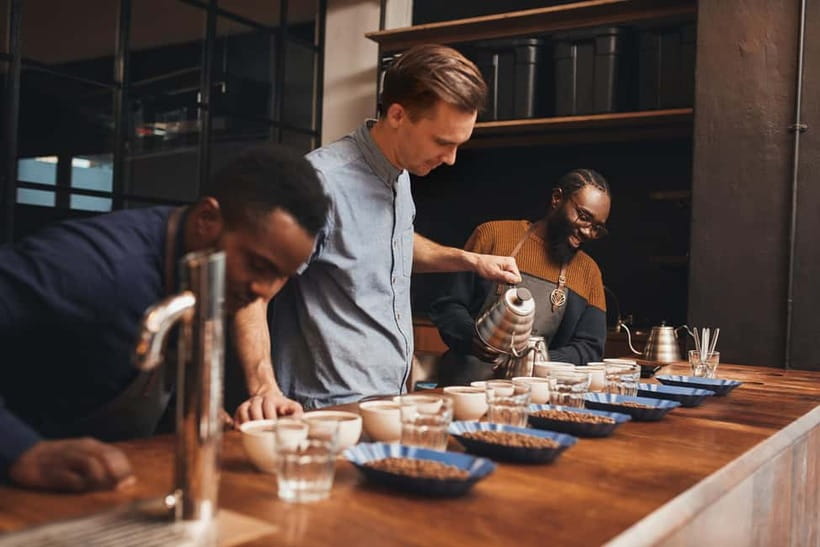
Vietnam has a coffee culture built around flavor that survives heat, quick service, and daily routines. A big part of that is the widespread use of Robusta beans, which tend to be more intense and have a heavier body than many Arabica-forward coffees. That matters because several of the drinks you’ll make are designed to taste good even when they’re strong.
In the workshop, you’ll get a guided look at:
- how coffee trees are grown
- how beans are roasted
- what “green coffee beans” are and why roasting changes everything
- how to tell authentic coffee from counterfeit or simply poor-quality coffee
That last part is surprisingly useful. A lot of coffee buyers are tempted by price tags or shiny labels. Learning basic authenticity cues helps you shop smarter later, especially if you’re planning to bring beans or packaged coffee home.
And then there’s the salt coffee itself. The salt isn’t there to make it taste like food seasoning. It’s there to balance the bitterness and round out the heavier Robusta profile. You end up with a drink that tastes sweet-smooth on the surface, but still has that unmistakably dark coffee backbone.
Workshop stop-by-stop: what happens after pickup
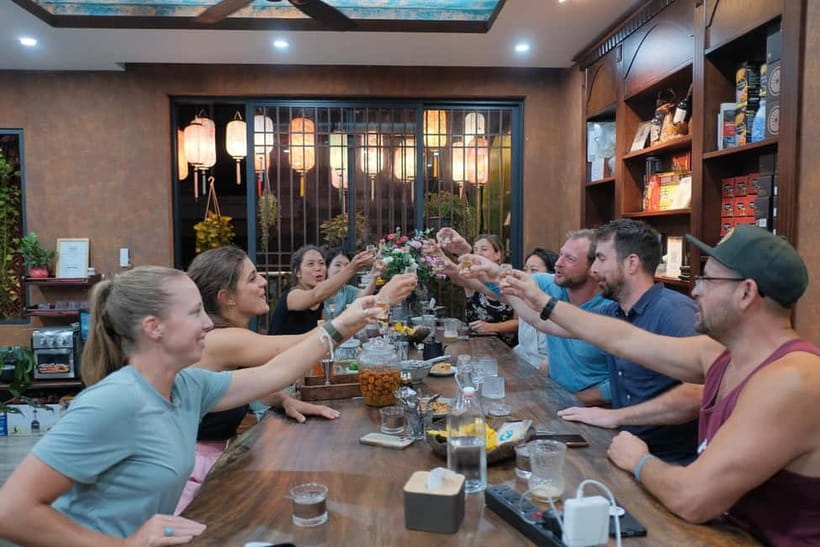
The welcome and setup
Right after you meet your driver in Hoàn Kiếm, you’ll get a short welcome and refreshments. This is more than a polite start. It gives you a calm reset before the class, and it helps you settle into the rhythm of smelling and tasting, which you’ll be doing throughout.
The main workshop at the local café
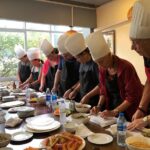
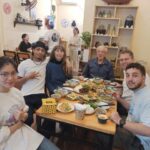
This is the heart of the experience, about 2.75 hours. You’ll be guided through the coffee story and then put directly to work. In practice, that means you get a clear sequence: learn the basics, see how the tools are used, then make the drinks.
From what’s described, hosts like Luka and Jonathan keep the class interactive. The best classes aren’t lectures. They’re the kind where you can ask questions as you go—like why one brew tastes more bitter, or what a pour-over is doing to highlight sweetness and fruit notes.
A few more Hanoi tours and experiences worth a look



Return to Hoàn Kiếm
At the end, you’ll be brought back to Hoàn Kiếm. That matters because Hanoi traffic can eat time and energy. When an activity handles the transport for you, you’re free to spend your evening doing something else: a late dinner, a stroll around the lake, or a casual coffee stop that’s less touristy.
Six brews you’ll learn to make: the real menu
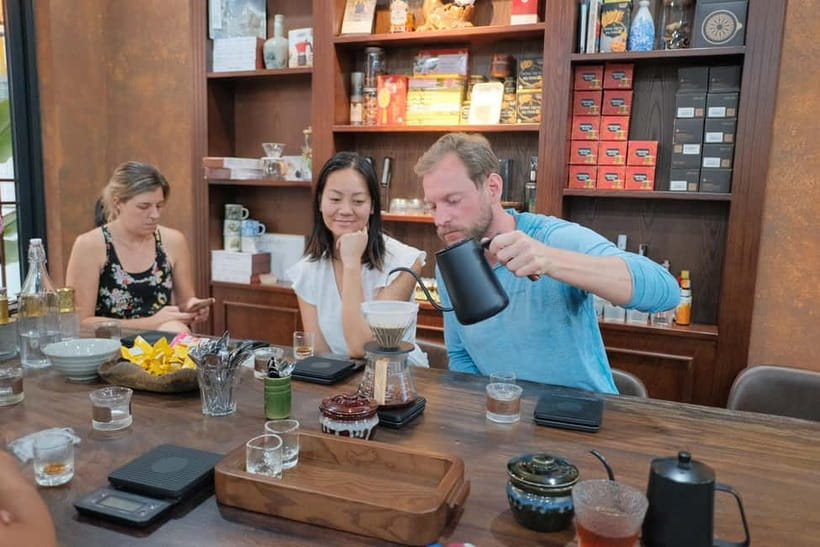
This workshop is built around six classic Vietnamese coffee styles, with you making multiple drinks yourself. Here’s what you can expect, in the same order of how you’re guided through them.
1) Vietnamese salt coffee
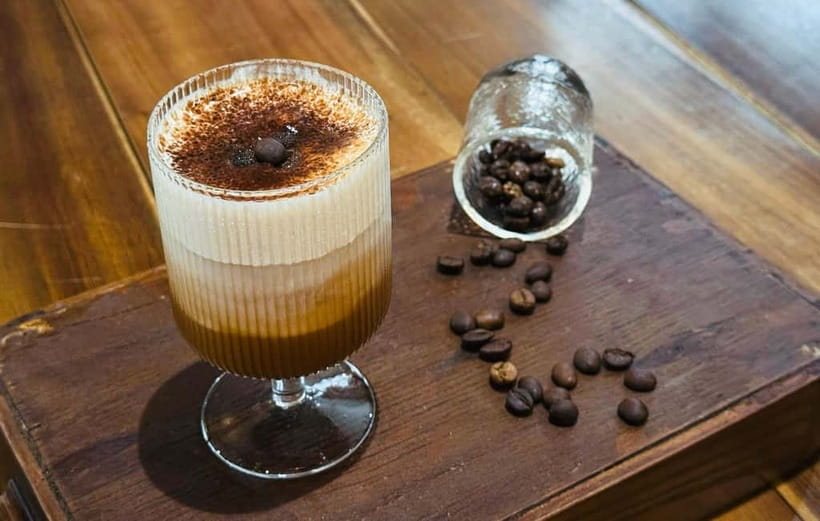
You’ll work with a strong Vietnamese-style coffee base paired with salted cream foam. The goal is a drink that’s rich and balanced, not harsh. If you’ve only had sweetened coffee from cafes abroad, this one can feel like a new category: dessert-like foam over serious coffee.
2) Vietnamese egg coffee
Egg coffee is one of those Hanoi icons that sounds strange until you taste it. You’ll learn how a silky, light-as-air froth made from egg yolk sits atop strong dark coffee, creating a big contrast in texture and taste.
In the reviews, people repeatedly call out egg coffee as a favorite. That makes sense: it’s smooth and creamy without being sugary in a simple way. It also makes you appreciate how technique affects mouthfeel.
3) Original Vietnamese brown coffee
This is dark, roasted Vietnamese beans brewed to perfection for a bold, intense cup. Think of it as your baseline. It’s the kind of coffee that shows you what the “default” Vietnamese roast profile tastes like before you add foam, coconut, or brewing tweaks.
4) Coconut coffee
Here, a strong coffee base gets balanced with coconut milk. The flavor goal is refreshing rather than heavy, while still keeping the coffee character. If salt coffee is about balance, coconut coffee is balance plus aroma.
5) Pour-over coffee
Pour-over is where you learn technique that reduces bitterness and brings out sweetness. The class explains how the brew method helps the natural character of the beans show up more—often with subtle fruit notes that would get buried by darker, heavier methods.
In reviews, people mention the pour-over as a standout, including a light roast style. Even if your tastes run darker, it’s worth trying because it teaches you what your coffee could taste like with a different approach.
6) Signature coffee cocktail with jam and local wine, plus espresso martini option
This is the fun curveball. The course includes signature coffee cocktails that feature jam and local wine, and the sample menu lists an espresso martini style with espresso, coffee liqueur, and vodka for a creamy, energizing drink.
If you’re curious about Vietnamese coffee beyond the usual iced drip, cocktails are a practical bridge. You learn how coffee flavor behaves when it mixes with sweetness and alcohol.
What you’ll actually learn that helps you after Hanoi
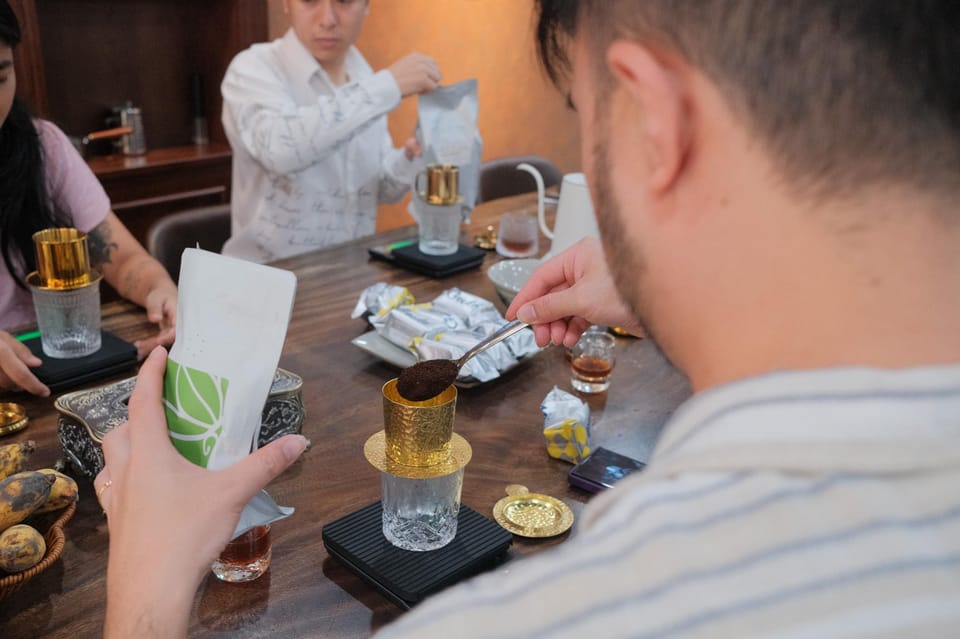
A coffee workshop is worth it when you can transfer the skills. Here’s what you can take home from this one.
Spot better beans and avoid bad ones
You’re taught tips for telling authentic coffee from counterfeit or poor coffee. That can guide your shopping later. When you walk into a beans-and-bags shop, you’ll know what questions to ask and what red flags to watch.
Use the tools with confidence
You’ll see and handle equipment like filters and grinders. That sounds basic, but it’s the difference between buying gear you don’t understand and buying gear you can use.
Understand why brewing changes taste
Pour-over vs stronger Vietnamese styles isn’t just about tradition. It’s about how bitterness and sweetness show up. Once you learn that, tasting the drinks in the workshop becomes a hands-on lesson in cause and effect.
You get recipes you can repeat
The recipe book matters more than people think. Without it, coffee memories blur. With it, you can recreate the salt foam, the egg coffee texture, or the pour-over technique at home and actually compare results.
Price and value: $23 for a guided, hands-on coffee education
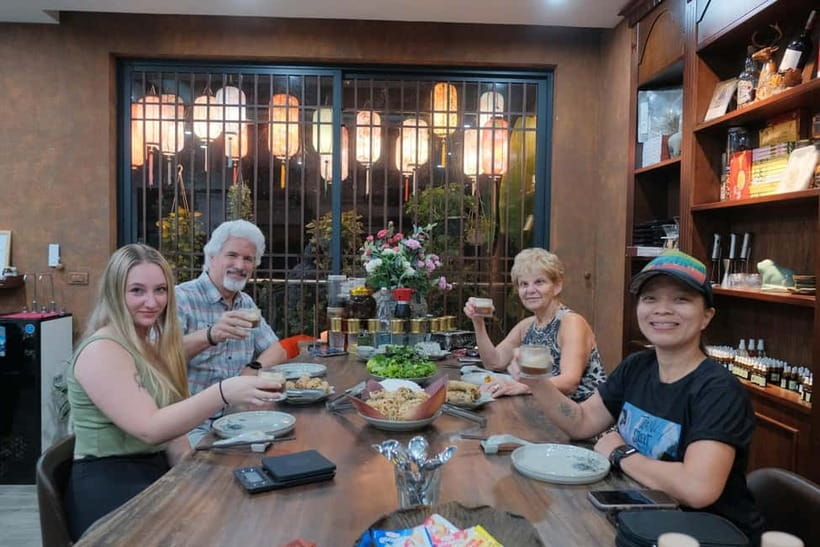
At $23 per person, this workshop prices itself as a value-friendly experience for Hanoi. You’re not just paying for coffee samples. You’re paying for:
- guided instruction on cultivation, roasting, and brewing
- hands-on brewing with tools provided
- multiple distinct drinks (not one or two)
- a recipe book plus free digital copies of coffee books
- included transportation within the Old Quarter area
Is it a “cheap” activity? It’s priced like one, but it doesn’t feel like a bargain basement class. The reviews consistently rate it at 5 out of 5 and highlight how the hosts keep the session interactive and paced well—even with smaller groups.
If you’re the type of traveler who likes learning a practical skill (not just collecting photos), this is a strong match. If you prefer scenery-heavy tours, you’ll still probably enjoy it, but you should know the focus here is coffee craft.
Who should book this Hanoi coffee workshop
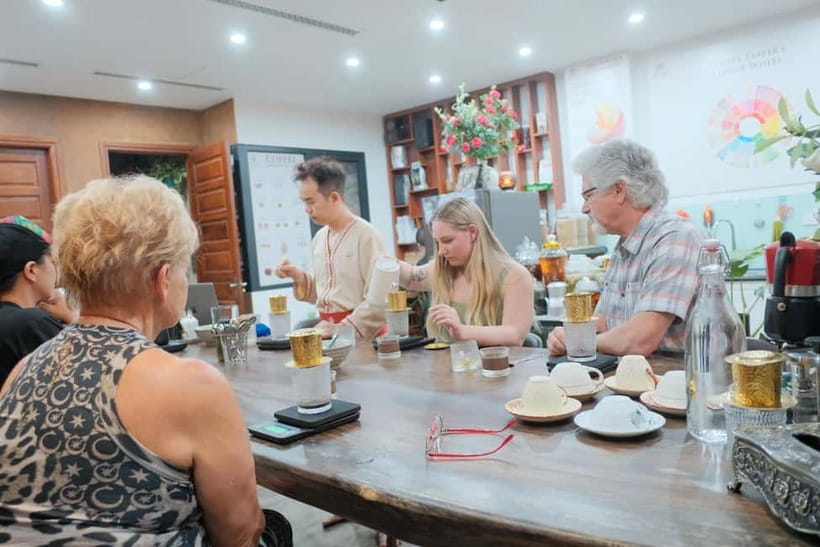
This workshop is ideal if you:
- want a deeper look at Vietnamese coffee culture without doing a multi-stop tour
- like hands-on activities where you actively make what you drink
- enjoy strong flavors and are curious about egg coffee and salt coffee
- plan to buy coffee beans and want better instincts for what you’re choosing
It’s also a good option if you’re traveling solo or as a couple, since private group availability is offered and the class keeps energy even with a small number of participants.
Should you book the Hanoi Salt Coffee Workshop?
If you want one Hanoi experience that’s both fun and actually useful later, this is an easy yes. The big reason is the combination of hands-on brewing plus real coffee know-how, all wrapped in a format that’s simple to plan around Hoàn Kiếm.
Book it if you’re curious about Vietnamese coffee classics, and especially if you’ll enjoy learning why each drink tastes the way it does. Skip it only if you strongly dislike dark, robust coffee flavors or you’re hoping for a sightseeing-heavy day. For everyone else, the recipes, the drinks, and the guided brewing steps are exactly what make this feel worth the time.
FAQ
How long is the workshop?
The activity lasts about 3 hours total. The workshop portion is listed at around 2.75 hours, with a short welcome period before that.
How much does it cost?
The price is $23 per person.
Where do I get picked up?
Pickup is from Hoàn Kiếm.
Is transport included?
Yes, complementary transportation within the Old Quarter area is included. Complimentary hotel pick-up applies for hotels located within the French Old Quarter Area.
What drinks will I learn to make?
You’ll make Vietnamese salt coffee, Vietnamese egg coffee, original Vietnamese brown coffee, coconut coffee, pour-over coffee, and a signature coffee cocktail (the sample menu includes an espresso martini).
Is the workshop taught in English?
Yes. The instructor is listed as English.
Do I get a recipe book to take home?
Yes. A recipe book is provided, plus free digital copies of coffee books related to your workshop.
Can I cancel and get a refund?
Free cancellation is available up to 24 hours in advance for a full refund.
Is a private group available?
Yes. Private group options are available.