REVIEW · HANOI
Hanoi Cooking Class and Market Tour in Ancient House
Book on Viator →Operated by Blue Butterfly Restaurant & Cooking Class · Bookable on Viator
Markets turn cooking into a story.
In this Hanoi market-to-fork class, you start with a walk to pick fresh ingredients, then get hands-on with four traditional Vietnamese dishes, finishing with a proper meal. I like that hotel pickup is limited to Hanoi’s Old Quarter and French Quarter, so the logistics stay easy, and I also like the small-group feel that keeps the class from feeling like a factory line. One thing to note: the course includes alcoholic beverages, so if you want zero alcohol, you’ll want to make that preference clear at the start.
Meeting your chef, talking through the menu, and seeing what you actually buy (not just what you cook) makes this one feel more real. You’ll leave with recipes at the end of the session and a better sense for how Vietnamese flavor comes together, not just a list of steps you follow blindly. If you’re expecting a long, high-end cooking retreat, keep in mind the day is tightly timed to fit shopping, cooking, and eating in about 4.5 hours.
In This Review
- Key highlights worth your time
- Why this Hanoi cooking class starts in the market
- Blue Butterfly in an ancient Hanoi house: what the setting means
- Market tour: how to shop like you cook
- The cooking class flow: four dishes, real participation
- The meal: lunch/dinner plus a little Hanoi in your cup
- Price and value: what you’re really paying for
- Timing and logistics: how to fit it into your Hanoi day
- Should you book? My straight advice
- FAQ
- How long is the Hanoi Cooking Class and Market Tour?
- Where does the tour start, and where does it end?
- Is hotel pickup included, and from which areas?
- Do I shop for ingredients before cooking?
- How many dishes will I cook?
- What meals and drinks are included?
- Is this private or shared with other groups?
- What’s the cancellation window?
Key highlights worth your time
- Market first: you shop local ingredients before you cook, so flavors make sense
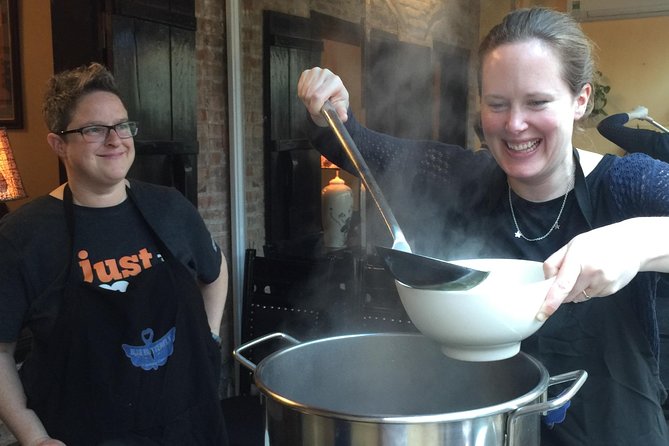
- Hands-on four dishes: you actively prep and cook, not just watch
- Chef-led explanations: you learn the why behind spices, sauces, and textures
- Included meal + drinks: lunch/dinner plus coffee/tea, bottled water, and alcoholic beverages
- Hotel pickup in two areas: Old Quarter and French Quarter reduce hassle
Why this Hanoi cooking class starts in the market
A cooking class is usually just a kitchen lesson. This one adds the missing piece: the ingredient hunt. You meet your chef first, talk through the menu, and then head to a local market to pick what your dishes actually need. For me, that changes everything. When you see fresh herbs, different cuts of meat, and the way vendors bundle items, you start to understand what you’re aiming for once you’re in the kitchen.
The market portion also helps you cook with confidence later at home. Instead of relying on a single supermarket substitute, you learn what ingredients do for the dish—like how herbs affect aroma, or how specific sauces shape balance. And it’s practical. You get a feel for what should be fragrant, what should be vibrant green, and what you should smell before you buy. That kind of “use your senses” guidance is hard to get from a cookbook.
There’s also a cultural bonus. Markets are where everyday Vietnamese food culture shows up. Even if your Vietnamese is limited, you’ll pick up visual cues: how people choose produce, how ingredients are displayed, and how bargaining and quick decisions work in real time.
You can also read our reviews of more shopping tours in Hanoi

Blue Butterfly in an ancient Hanoi house: what the setting means
This class happens at Blue Butterfly Restaurant & Cooking Class, located at 69 Mã Mây in Hanoi’s Hoàn Kiếm area. The meeting point is also that address, so you’re not stuck guessing where the action begins. What I like about the old-house setup is the way it keeps things intimate. It feels less like a staged “tourist cooking demo” and more like a working space where a group can actually cook.
One review described a beautiful, old two-storey shop with an upstairs kitchen area. Even if your exact room layout is different from day to day, the general idea is the same: you’re in a traditional-style space where the kitchen feels close enough to the group that it stays hands-on. You’ll likely be moving between prep steps and cooking stations, and that’s easier in a smaller venue.
If you’re the type who learns best by doing, this matters. In a cramped kitchen, staff can guide you faster. In a too-large facility, you can end up watching others. Here, the format is designed for participation.
Market tour: how to shop like you cook
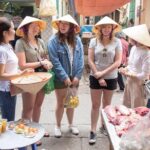
After you meet the chef and review the menu, you’ll walk through a local market to buy ingredients. This is where you start learning the practical side of Vietnamese cooking: not just what goes into a dish, but how to select ingredients that won’t wreck the flavor later.
Here’s what you should pay attention to during the market walk:
- Fresh herbs and aromatics: Vietnamese dishes lean on fragrant greens, and the right aroma is half the point
- Sauces and seasoning jars: you’ll get a sense that Vietnamese flavor is layered, not one-note
- Meat and produce cuts: choosing the right pieces affects texture after cooking
Even the small details help. In the class experience, you may get a short ride to the market—some sessions include a tuk-tuk-style transfer. Whether you walk the whole way or not, your chef’s job is to point out what matters and guide you toward what will work in your four dishes.
Also, don’t treat the market like a shopping spree. You’re shopping for your cooking mission, so keep your mindset practical. Ask the chef how an ingredient changes the final dish—sweetness, sourness, or aroma—and you’ll pick up the “why” that makes recipes easier later.
The cooking class flow: four dishes, real participation
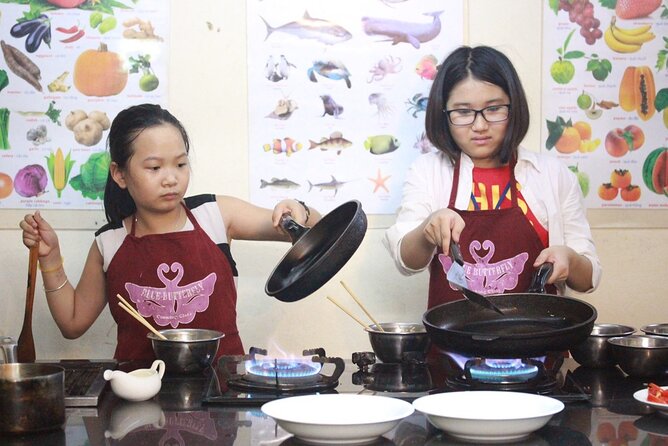
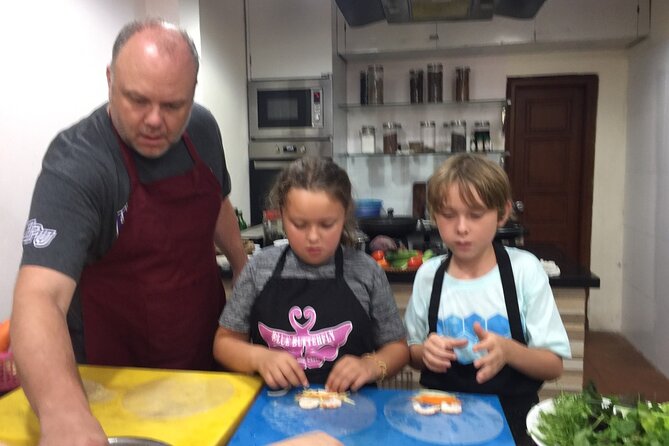
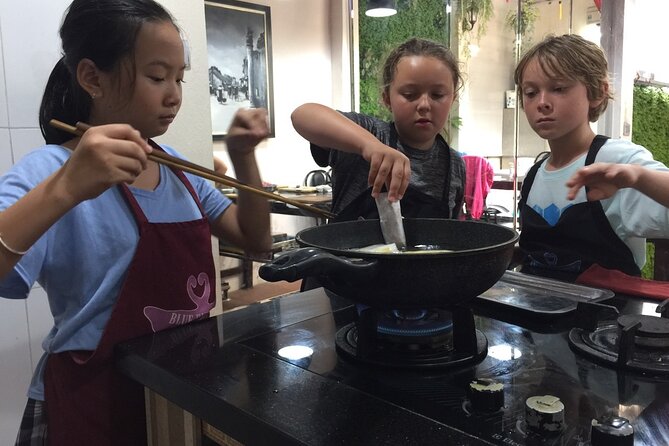
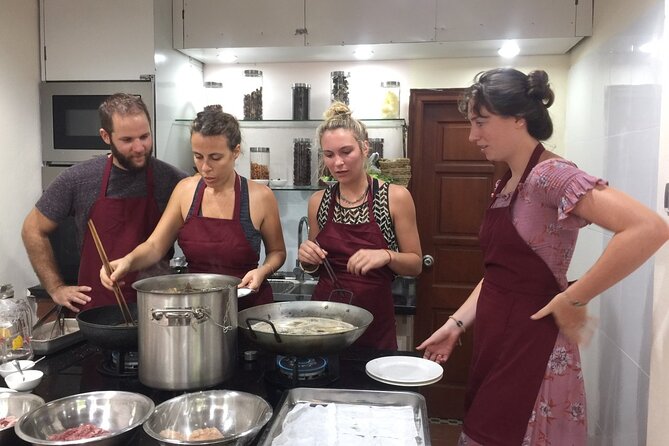
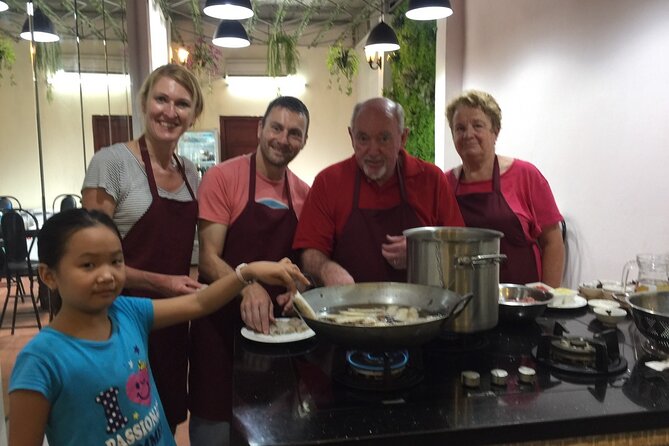
Once you’re back at the kitchen, you get to the part you came for: hands-on cooking. The class is structured around preparing four traditional Vietnamese dishes, with a professional chef guiding you. The best thing about this setup is that it balances demonstration and participation. You’ll usually watch a key step, then you’ll do it yourself—mixing, chopping, prepping, and assembling the parts that make each dish work.
The menu is discussed with the chef at the start. That means you aren’t stuck with a random option that doesn’t fit your interests. You can also ask questions as you go. In past sessions, the teaching style has been described as patient and even funny, which is exactly what you want when you’re handling sauces and balancing flavors that feel unfamiliar at first.
A common start point in some sessions is preparing something like pho-style stock before heading to the market, so you might see how a foundational flavor builds up. Even if your exact menu differs, the idea stays the same: you build flavor step-by-step, then you bring it together in the finished dishes.
What you’ll likely practice during the class:
- Prepping proteins and vegetables in the right sizes
- Combining seasoning elements that create balance (not just salt)
- Using correct textures for herbs and garnishes
- Timing so dishes finish together for the meal
And there’s a real payoff. One big theme from the experience style is that you don’t just learn recipes; you taste what you made. That’s the fastest way to understand what you did right, and what you might adjust next time you cook at home.
The meal: lunch/dinner plus a little Hanoi in your cup
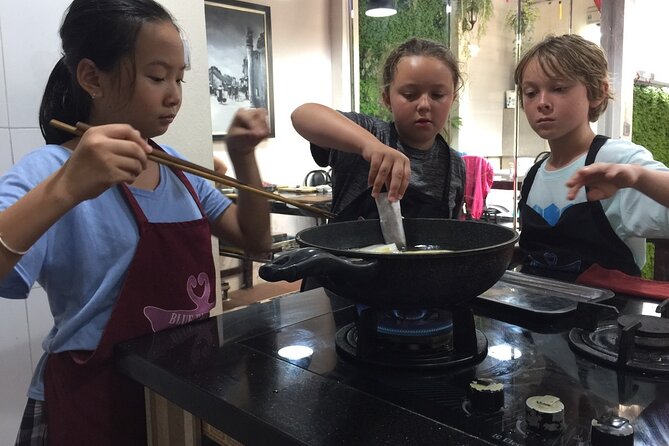
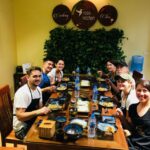
After cooking, you sit down to eat what you prepared. The experience includes lunch or dinner, plus snacks, seasonal fruits after the meal, and plenty of hydration (bottled water). You’ll also get coffee and/or tea, which is useful if you want something calming after the hands-on steps.
Drinks are included too. The overview highlights local wine, and the included list specifically mentions Hanoi beer and other beverages. Translation: you can pair what you cooked with a local drink if that’s your style. If alcohol isn’t for you, this isn’t a reason to skip—just clarify your preference at the start so you’re not surprised by what’s on the drink table.
One of the nicest parts of the meal is that you finally get to connect flavors you tasted during cooking—herb aroma, sauce balance, and the way the four dishes work together as a spread. Instead of treating each dish like a separate lesson, you experience how Vietnamese meals are meant to be shared: you cook, you eat, then you compare notes and ask questions while it’s still fresh in your mind.
A few more Hanoi tours and experiences worth a look

Price and value: what you’re really paying for
At $45 for about 4 hours 30 minutes, the value comes from three things that most cheaper cooking classes often miss:
- Market-to-fork design: you don’t just cook; you shop with a chef
- Four dishes with real participation: you’re not waiting for your turn while others do all the work
- Meals and drinks included: lunch/dinner, snacks, fruits, coffee/tea, bottled water, and alcoholic beverages
Also, the transport factor matters. Pickup is included from hotels in the Old Quarter and French Quarter. In Hanoi, where traffic and distance can make plans messy, that pickup saves time and stress. You end the activity back at the meeting point area, and you’ll sort out getting home from there—but the heavy lifting to start is handled.
Is it the cheapest cooking class in town? Probably not. But this price feels aimed at giving you an experience you can actually remember: ingredients you recognize, dishes you prepared yourself, and recipes you can reproduce later.
Timing and logistics: how to fit it into your Hanoi day
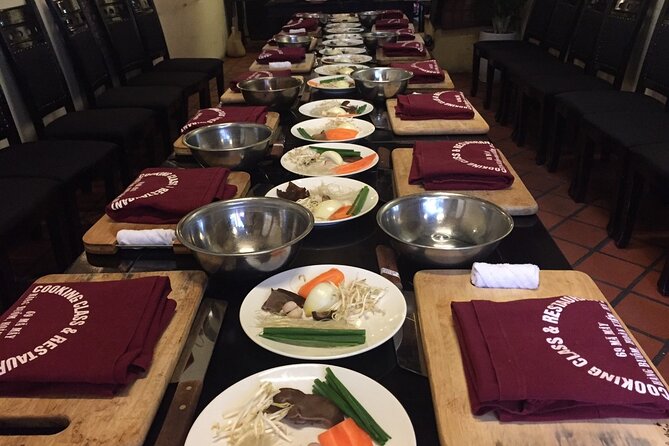
The class runs with morning and afternoon start times, so it can slot into a busy itinerary. That flexibility is a big deal in Hanoi, where one day can swing between old-quarter wandering, museums, and day trips. If you prefer a slower start, go morning. If you want lunch rather than dinner (and a calmer evening pace), choose the afternoon session.
Pickup is from hotels in the Old Quarter and French Quarter, which covers the areas most visitors stay. You’ll meet the chef at 69 Mã Mây, Hàng Buồm, Hoàn Kiếm, then the market portion and cooking happen on the same timeline.
One practical note: this is a private tour/activity, meaning only your group participates. That tends to make the instruction more attentive, and it usually reduces the feeling of being rushed.
Should you book? My straight advice
You should book this class if:
- You want a hands-on cooking lesson, not a show
- You enjoy markets and want a chef’s help picking ingredients
- You’d rather spend a few hours learning something usable than doing another quick photo stop
- You like the idea of pairing your meal with included drinks like beer or local wine
You might want to skip (or at least ask a few questions first) if:
- You’re very strict about alcohol and don’t want any involved at all
- You dislike market walking or prefer a purely kitchen-based experience
- You already feel confident sourcing Vietnamese ingredients and want only a dish-focused class
If you’re deciding between a generic cooking class and one that connects the market to the meal, I’d pick this style. The structure is built for understanding flavors, not just memorizing steps.
FAQ
How long is the Hanoi Cooking Class and Market Tour?
The experience runs about 4 hours 30 minutes.
Where does the tour start, and where does it end?
It starts at 69 Mã Mây, Hàng Buồm, Hoàn Kiếm, Hà Nội 100000, Vietnam, and it ends back at the meeting point.
Is hotel pickup included, and from which areas?
Pickup is included from hotels in Hanoi’s Old Quarter and French Quarter.
Do I shop for ingredients before cooking?
Yes. You meet the chef, discuss the menu, and then do a market tour to buy fresh ingredients before cooking.
How many dishes will I cook?
You’ll do hands-on cooking for four traditional dishes.
What meals and drinks are included?
Lunch or dinner is included, along with snacks, seasonal fruits, coffee and/or tea, bottled water, and alcoholic beverages (including items like Hanoi beer). A herbal welcome drink and soft drinks are also included.
Is this private or shared with other groups?
It’s private. Only your group will participate.
What’s the cancellation window?
You can cancel for a full refund up to 24 hours before the experience’s start time (free cancellation).