REVIEW · HANOI
Hanoi: Cho Gioi Vietnam War History Walking Tour
Book on GetYourGuide →Operated by ONETRIP WITH LOCAL TRAVEL CO., LTD · Bookable on GetYourGuide
War history is a street-level affair.
This 3-hour Hanoi walk connects the Cho Gioi area to the Kham Thien B52 memorial and then to Train Street, with real human stories behind the monuments. You also get the wider picture—life under a planned economy, the divide between North and South, and the story of unification on the Cold War edge.
I really like two things. First, the guide style is chatty and personal: Kien’s English is often described as excellent, and I like that the tour is built as conversation, not a lecture. Second, the finish at 65 Railway coffee gives you a pause right where Hanoi’s present-day oddball charm meets the heavy past.
One thing to consider: the topic is intense, and the walk includes local streets plus a short taxi ride. If you want a purely light sightseeing day, this one will feel more serious than you expect.
In This Review
- Key highlights in plain terms
- Why This Hanoi War Tour Feels Different Than a Monument Visit
- The Start at 24B Chùa Vua: Finding Your Group Fast
- Nguyen Cong Tru Market: Two Hours of Daily Life With Historical Weight
- The Short Break and Quiet Walking Lanes (15 Minutes)
- Kham Thien B52 Memorial: Context Before the Photos
- Train Street at 65 Railway Coffee: A Heavy Topic Ends With a Human Moment
- The Short Taxi Ride: Why It’s Worth Keeping the Energy
- Guides Matter: Kien, Dung, and the Conversation Style
- Price and Value: $29 for History, Coffee, and Local Streets
- Who Should Book This Tour (and Who Might Skip It)
- Why the Donation Piece Matters
- Practical Tips Before You Go
- Should You Book This Cho Gioi Vietnam War History Walking Tour?
- FAQ
- How long is the Hanoi Cho Gioi Vietnam War History Walking Tour?
- What’s included in the tour price?
- Where do I meet the tour guide?
- What do you visit on the tour?
- What should I bring?
- What language is the tour guide?
Key highlights in plain terms
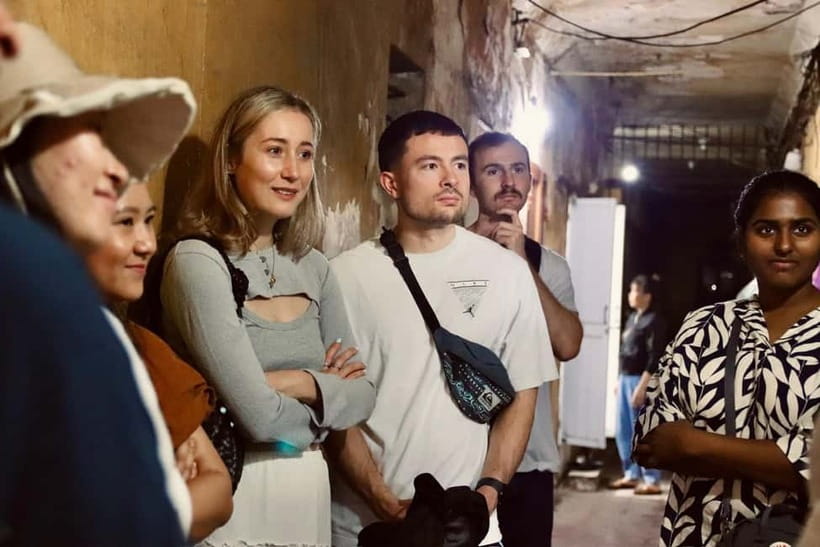
- Cho Gioi first, tourist sights last: you start in the places guidebooks often skip.
- Kham Thien B52 memorial: you get context, not just a photo stop.
- Train Street at 65 Railway coffee: a calmer moment for reflection and a drink.
- Market time around Nguyen Cong Tru: long enough to see how daily life moves.
- Short taxi ride mid-walk: helps you cover ground without burning the whole day.
Why This Hanoi War Tour Feels Different Than a Monument Visit
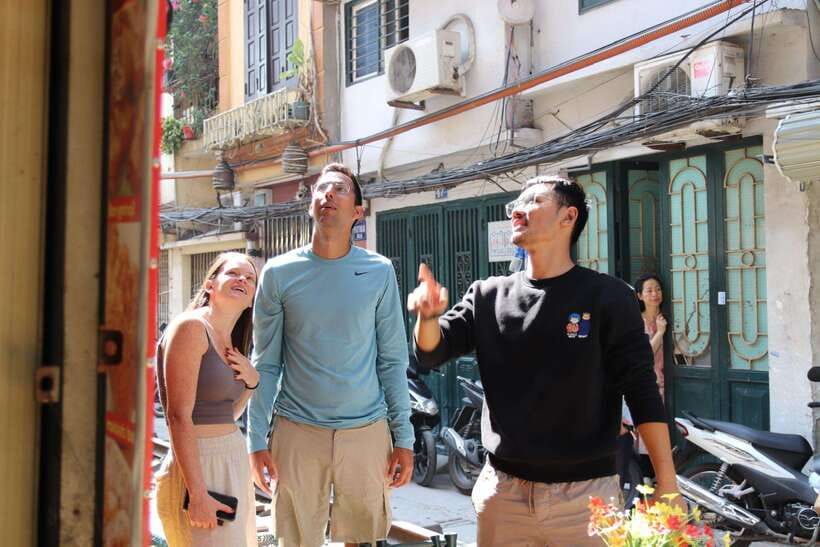
Hanoi has big, famous memorials. This tour doesn’t ignore them, but it does something smarter: it shows how war history lives in neighborhoods and habits, not only in stone.
You’ll hear about life under a planned economy and how the conflict shaped the fates of people from both sides of Vietnam’s split. That’s a lot to process for three hours. The good news is the guide keeps it human—stories, questions, and plenty of room for you to steer the conversation.
And yes, the mood can go from thoughtful to heavy. You’ll still get moments that feel very Hanoi: market activity, small-town scale street corners, and the stop at Train Street where people actually hang out over coffee. That mix is the point. The war didn’t end and leave the city behind.
You can also read our reviews of more walking tours in Hanoi


The Start at 24B Chùa Vua: Finding Your Group Fast
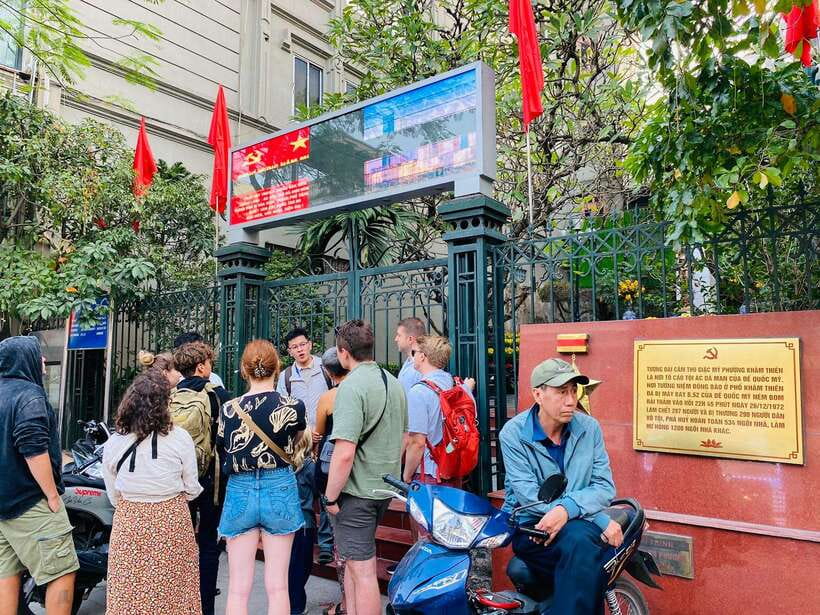
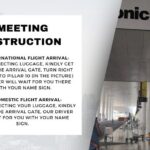
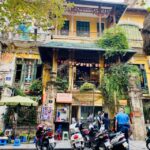
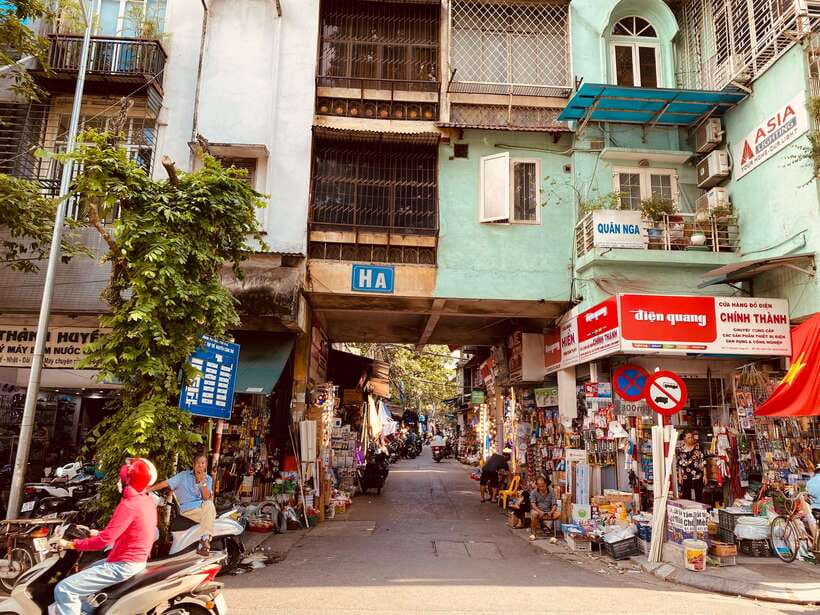
The meeting point is at 24B Chùa Vua Street, in front of a secondary school named Trường Tung học cơ sở Đoàn Kết. It’s about 2.5 km from Hoan Kiem Lake (or around 3.5 km from Hanoi Old Quarter), so it’s close enough to feel walkable, but far enough that you’ll start in a more “local Hanoi” zone.
Look for the school entrance first. Nearby you’ll find a coffee shop and several second-hand bicycle shops—useful if you want a quick drink or you’re trying to settle your nerves before the history part begins.
This matters because the tour’s promise is not “see the usual stuff.” Starting here sets the tone: you’re stepping into the city’s rhythm before you talk about conflict.
Nguyen Cong Tru Market: Two Hours of Daily Life With Historical Weight
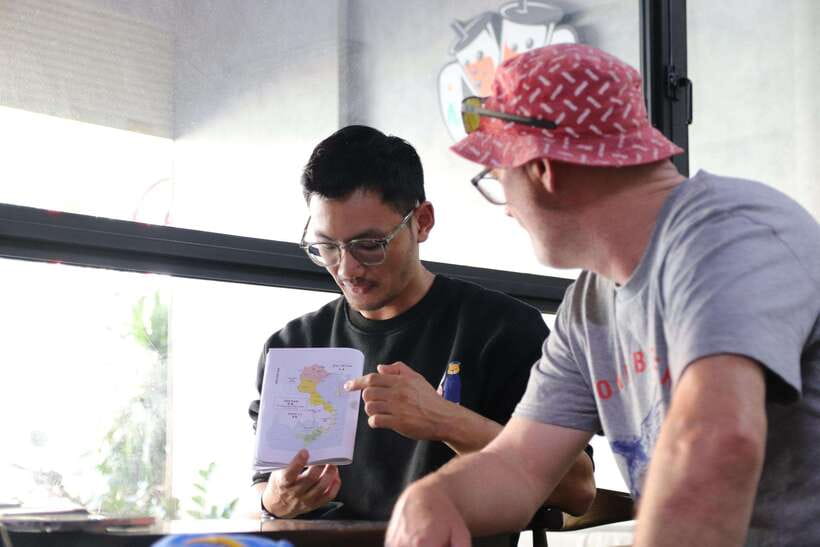
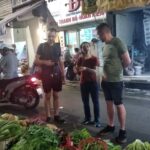
Your longest scheduled stop is around Nguyen Cong Tru Market—about two hours, with a photo stop and sightseeing. Markets are a great teacher. They show what people buy, how they trade, and what they consider normal.
In a war-focused tour, you might expect only grave markers and memorial plaques. Instead, you’re given time to watch and talk. The history is tied to the people, including how the planned economy and the North/South divide changed everyday life.
A practical note: a market area can be crowded and uneven. Wear comfortable shoes, and keep your camera ready, but also keep your attention on what your guide points out. The value here is the explanation that turns “just a market” into “a place shaped by politics and survival.”
The Short Break and Quiet Walking Lanes (15 Minutes)
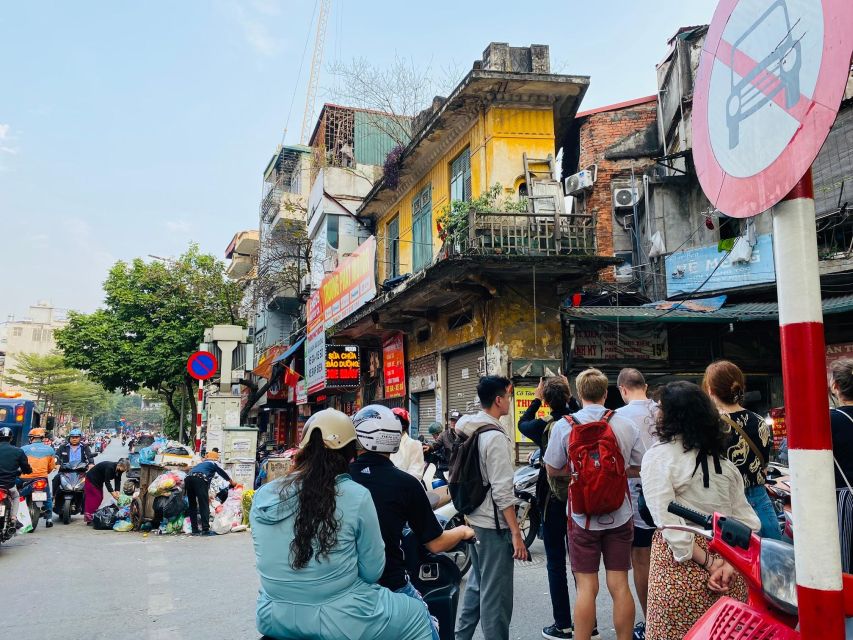
After the market time, there’s a brief break and then a short walk (about 15 minutes) through a less-visited area. This is where you’ll feel the tour’s focus on being away from the tourist bubble.
This segment is small on paper, but it often does a big job. It shifts you from looking at a specific place to understanding the pattern: how neighborhoods connect, where daily life sits next to the shadows of past decisions, and why the city’s geography can matter to history.
If you’re the type who likes context—why things are where they are, how people adapted—this bit helps you “read” the city as you move.
Kham Thien B52 Memorial: Context Before the Photos
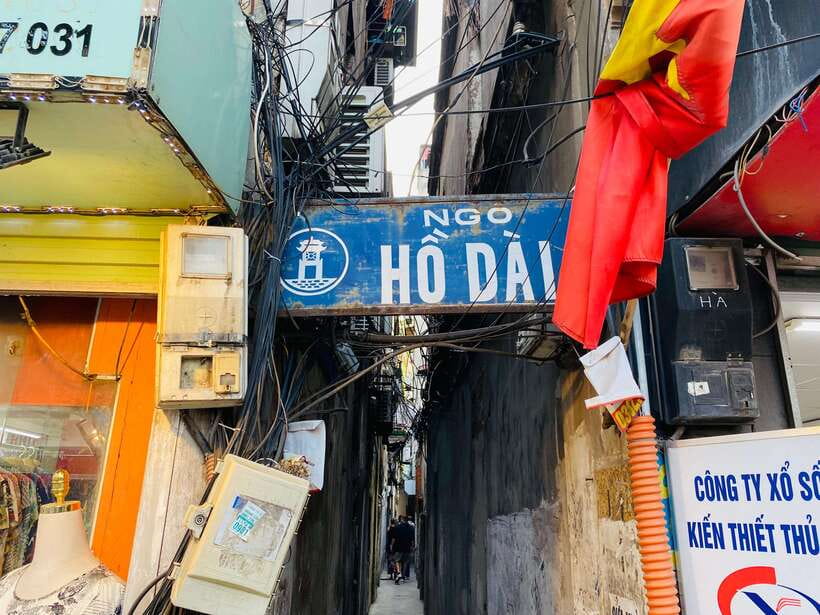
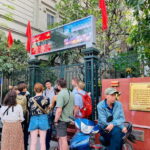
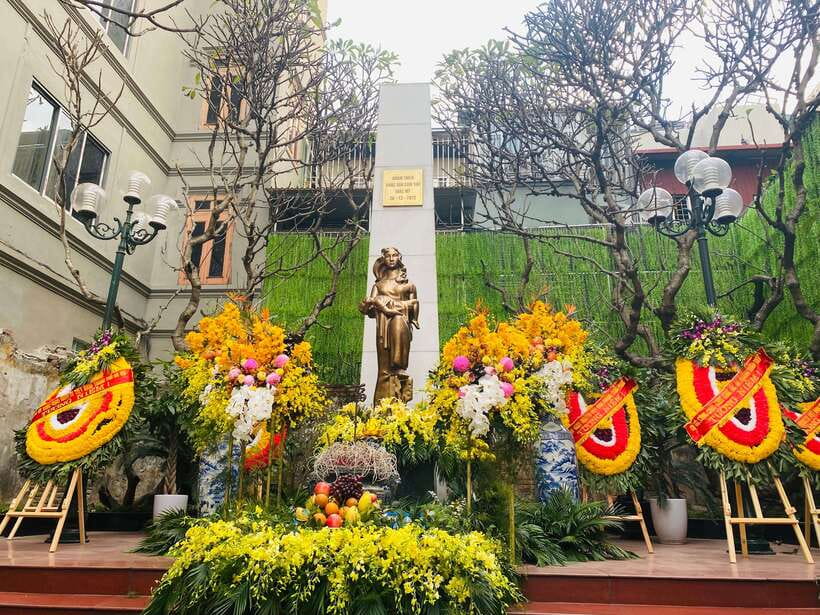
One of the named stops is the Kham Thien B52 memorial. This is where the tour turns sharper.
A memorial site can easily become a stop-and-snap moment. The tour aims to do the opposite: you spend time learning and sharing stories so you understand what you’re looking at and why it matters to people in Hanoi. The broader theme running through the day—life on both sides of the divide and the road to unification—comes into focus here.
Also, guides like Kien (mentioned in many accounts) are praised for answering questions and keeping the pace relaxed. That matters with memorials. If you don’t have time to ask what you’re seeing, you leave with a photo and no meaning.
If you want to take photos, do it. But also give yourself a minute to stand still. War history hits differently when you’re not rushing.
You can also read our reviews of more historical tours in Hanoi

Train Street at 65 Railway Coffee: A Heavy Topic Ends With a Human Moment
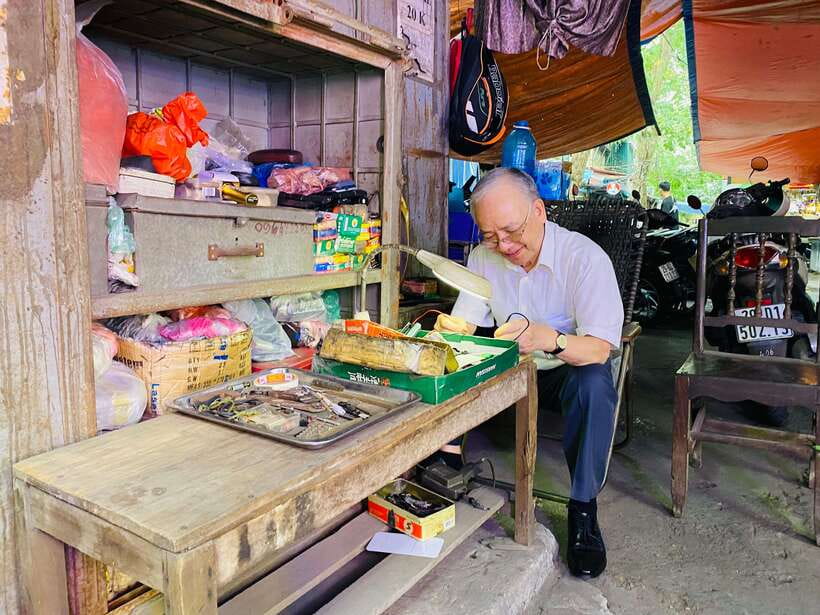
The tour’s finish point is 65 Railway coffee, which links directly to Train Street. This is one of those Hanoi things that feels almost unreal at first—yet people treat it as a normal place to meet, sip coffee, and watch.
That’s why it works so well at the end. You’ve spent the morning and afternoon connecting war-era changes to real lives. Then you land in a present-day scene where you can breathe again—while still thinking about the past you just learned.
Many people highlight the pacing here: time to slow down, plus the guide’s stories to keep you grounded. It’s also a practical win. Coffee means you’re not scrambling for a café after a three-hour walk.
One small caution: Train Street can draw attention and the surroundings may feel busy depending on timing. Go with the mindset of “watch and listen,” not “perform tourism.”
The Short Taxi Ride: Why It’s Worth Keeping the Energy
Halfway through, there’s a short taxi ride. This helps you cover Hanoi without turning the tour into a marathon of dodging traffic and long detours.
For you, that translates to more listening time and fewer fatigue gaps. With a history-heavy theme, being tired can make it harder to absorb what the guide is explaining. The taxi ride keeps the experience feeling structured rather than exhausting.
Guides Matter: Kien, Dung, and the Conversation Style
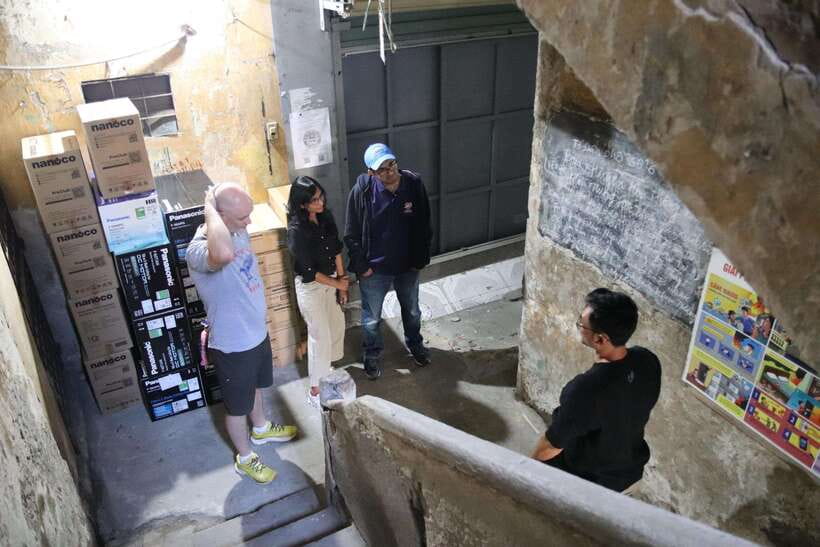
Two names come up again and again: Kien and Dung. Both are described as passionate and engaging, with strong English.
The biggest strength isn’t just “good delivery.” It’s the format. You’ll get a conversation, not a lecture. That’s what makes the tour feel less like a set script and more like a local explaining how their city got shaped.
In one account, Kien’s background living in the USA and Ireland is mentioned, which likely helps with clarity and answering wide-ranging questions. Another note: humor is sometimes described as part of the experience. That’s not an off switch for serious topics—it’s a way to keep the day from becoming emotionally flat.
If you like to ask questions, this tour suits you. If you prefer quiet, expect the guide to keep inviting discussion—but you can still absorb the story at your own pace.
Price and Value: $29 for History, Coffee, and Local Streets
At $29 per person for about three hours, the value is mainly in three bundled things:
- A live English-speaking guide focused on story and context (not just directions).
- Coffee or tea included, plus that very memorable stop at 65 Railway coffee.
- One short taxi ride, which reduces wasted time and keeps the tour moving.
You’re also getting a specific theme—Vietnam War history viewed through Hanoi’s neighborhoods and daily life under a planned economy. If you’re already planning to do monuments, this adds something monuments rarely do: the human layer of what “war” meant on the street level.
Could you find cheaper history walks? Maybe. But this one is clearly built around time in real places, plus a guide who can connect them. For many visitors, that’s the difference between reading history and understanding it.
Who Should Book This Tour (and Who Might Skip It)
This tour is a strong fit if you:
- want Vietnam War history with context about daily life and division
- like small, off-the-main-route areas in Hanoi
- enjoy guides who answer questions and keep things relaxed
- want time at Train Street but not in a purely tourist way
You might think twice if:
- you’re looking for a light, casual photo-only day
- you don’t want to touch intense topics about war and its impacts
Why the Donation Piece Matters
The tour notes that 20% of the profit goes to the Vietnam Association for Victims of Agent Orange/Dioxin and the Blue Dragon Children’s Foundation in Hanoi.
That doesn’t erase the heaviness of the subject. But it gives you a clearer line from learning to real-world support. It’s also a good sign of how seriously the tour provider treats the topic beyond storytelling.
Practical Tips Before You Go
- Bring comfortable shoes. Local streets and short walks add up.
- Wear breathable clothing. Three hours in Hanoi can warm you up quickly.
- Check the forecast. The tour runs rain or shine, so pack a small umbrella or raincoat if there’s any chance of rain.
- The meeting area is near a school, coffee, and bicycle shops—arrive a few minutes early so you can settle.
Also, mentally prepare for a tour that balances “what happened” with “how it affected people.” If you go in open-minded, you’ll get far more out of it.
Should You Book This Cho Gioi Vietnam War History Walking Tour?
Yes, if you want Hanoi history that feels lived-in, not staged. The best reason to book is the guide-driven conversation style—people mention names like Kien and Dung, and the consistent theme is that the stories make the city’s past feel real.
If you’re the type who likes a structured itinerary with a couple of major stops, you’ll also appreciate the shape of the day: market time, memorial time, and a thoughtful finish at 65 Railway coffee.
I’d skip it only if you’re trying to keep the day light, or you’re uncomfortable with war-related topics. Otherwise, this is one of the more worthwhile ways to see Hanoi beyond the usual postcard route—and to understand the city as a place shaped by division and unification.
FAQ
How long is the Hanoi Cho Gioi Vietnam War History Walking Tour?
It lasts about 3 hours. Starting times depend on availability.
What’s included in the tour price?
You get a live English-speaking guide, coffee or tea, and a short taxi ride during the walk.
Where do I meet the tour guide?
The meeting point is at 24B Chùa Vua Street, in front of Trường Tung học cơ sở Đoàn Kết. It’s roughly 2.5 km from Hoan Kiem Lake and about 3.5 km from Hanoi Old Quarter.
What do you visit on the tour?
You’ll spend time in the Cho Gioi area, visit the Kham Thien B52 memorial, and finish at 65 Railway coffee near Train Street.
What should I bring?
Bring comfortable shoes and breathable clothing. If rain is possible, bring an umbrella or raincoat since the tour runs rain or shine.
What language is the tour guide?
The tour is conducted in English with a live guide.