REVIEW · HANOI
Old Quarter Hanoi Street Foods and Heritage Road Tour by Walking
Book on Viator →Operated by Hanoi Street Food Tour · Bookable on Viator
Dinner starts with a drink, not a menu. This walking tour strings together Old Quarter street food and a few real Hanoi landmarks into one smooth, photo-friendly loop. I really like how it starts with a welcome Happy Water and moves quickly into tastings, and I also like that you get 6 to 7 street foods plus beer and egg coffee without having to plan anything.
The pace is built for 3 hours outside in the Old Quarter, with short sightseeing stops like Long Biên Bridge and Duờng Tau (the alley by the active train track). The main drawback to consider is that the start point can be a little tricky to spot, so I’d plan a few extra minutes to find your guide and settle in.
In This Review
- Key highlights to look for
- Street food on foot, plus heritage stops (and why it works)
- Price and value: what $39 buys you in real meals
- Start at Trần Nhật Duật: how to make your first 15 minutes easy
- Old Quarter time with O Quan Chuong Gate and multiple vendors
- Small consideration: pace and timing
- Dong Xuan market roots: why a short stop still adds meaning
- Long Biên Bridge: a short walk with a big time scale
- Phùng Hưng Mural Street: street art as a postcard moment
- Duờng Tầu: the train-track alley photo stop that people love
- The end point near the train street area (so plan your next step)
- The guide experience: what matters beyond the itinerary
- Who this tour is best for (and who should skip it)
- Should you book the Old Quarter Street Foods and Heritage Road Tour?
- FAQ
- How much does the Hanoi Old Quarter Street Foods and Heritage Road Tour cost?
- How long is the tour?
- What’s included in the street food tastings?
- Where does the tour start and end?
- How big is the group?
- Is it okay if I need to cancel?
Key highlights to look for

- Happy Water first: a quick welcome drink before the food.
- 6–7 street foods included: you’re not just sampling snacks.
- Small group size: capped at 20 people, so the vibe stays friendly.
- Classic photo stops: murals on Phung Hùng Street and the train-track alley at Duờng Tau.
- Heritage context without lectures: Gate, market roots, bridge history.
- Guide matters: one guide named Elena is praised for being friendly and responsive to food choices.
Street food on foot, plus heritage stops (and why it works)
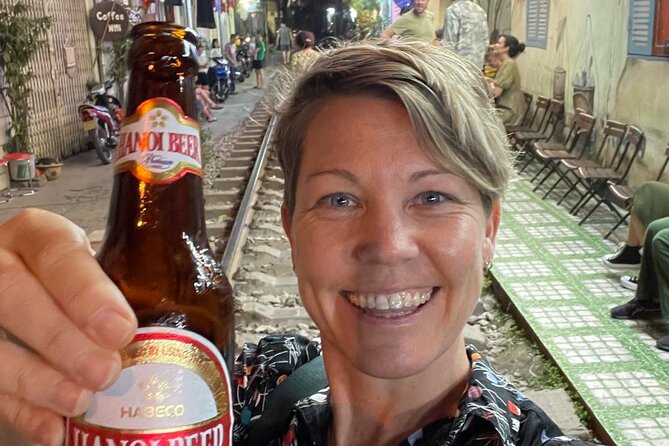
Hanoi is a city where food and place names are tangled together. This tour is a practical way to experience that. In about 3 hours, you get street food sampling and a handful of heritage sights that help you understand why these neighborhoods feel the way they do.
The big win is that you’re not spending your day choosing between “food tour” and “sightseeing tour.” You do both, and the walking route keeps things moving: Old Quarter lanes early on, then landmark stops as you head through the area. It’s also a good fit if you like the texture of street life—small signs, side streets, and the kind of everyday scenes you usually only see when you follow a local route.
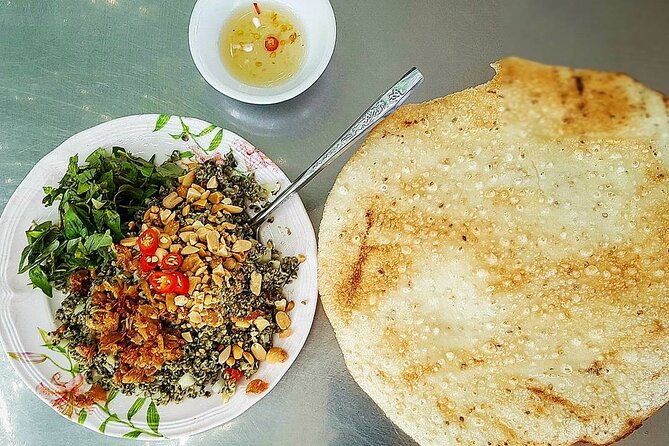
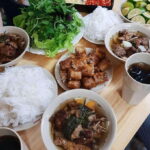
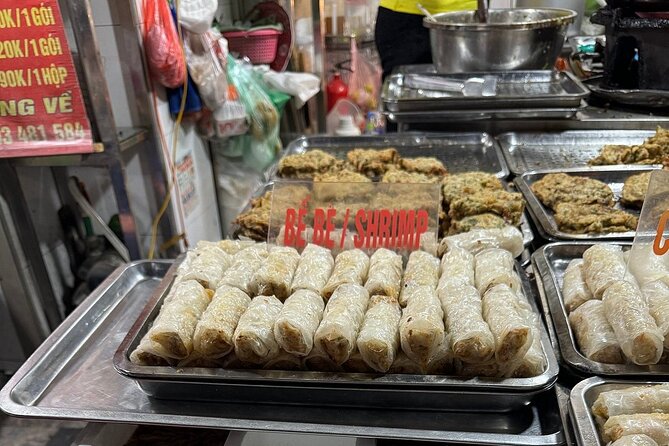
Another plus: the tour includes 6 to 7 different street foods, plus a drink, one beer, and egg coffee. That combination makes the price feel more like a bundle than a gamble. At $39 per person, you’re essentially paying for guided access to multiple bites and set drinks, not just a single snack stop.
If you want a very quiet, sit-down, no-footsteps kind of day—this won’t be that. It’s a walking experience in the Old Quarter, so comfortable shoes and an attitude for short bursts of street life will pay off.
You can also read our reviews of more walking tours in Hanoi



Price and value: what $39 buys you in real meals
Let’s talk value in plain terms. You’re paying $39 for roughly 3 hours of guide time, walking guidance, and 6 to 7 street foods along with a drink, one beer, and egg coffee.
Street food costs can add up fast if you’re going out on your own and then ordering just one or two things. Here, the mix of multiple stops is the point: you’re meant to try different vendors and different items rather than get stuck repeating the same thing. The tour also handles the “what do I order?” part, which is a real time-saver in a place where menus can be more confusing than comforting.
You should also think about what’s not included. Tip is not included, so you’ll want to budget a little extra if you feel the guide earned it. Alcohol is included as one beer, but you’re still responsible for your own comfort level with drinking during the walk.
One other value factor: the group size cap. With a maximum of 20, you get the benefits of a guided route without a huge crowd turning the tasting stops into chaos.
Start at Trần Nhật Duật: how to make your first 15 minutes easy
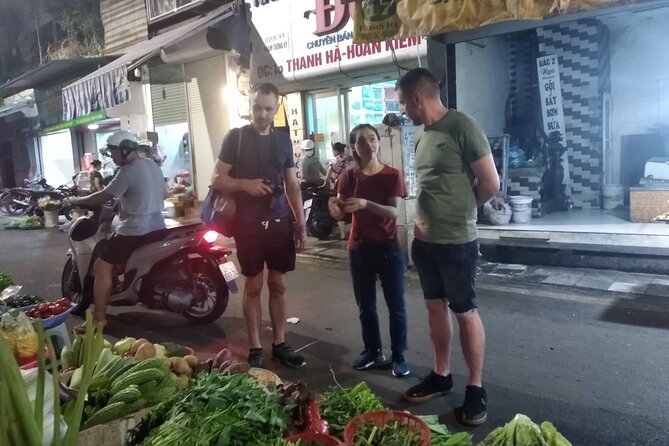
The tour starts at 78a Đ. Trần Nhật Duật, in Hoàn Kiếm. Your end point is different: it finishes at Bếp Vua Chả Cá cơ sở 4269 P. Giảng Võ, in the Chợ Dừa area, at/near the train street area.
That matters because you’re not doing a simple out-and-back stroll. You’re moving through different pockets of the city’s Old Quarter orbit and finishing somewhere with a strong “street photo” feel. If you’re planning later plans the same day, keep in mind that you’ll end in a different area than where you start.
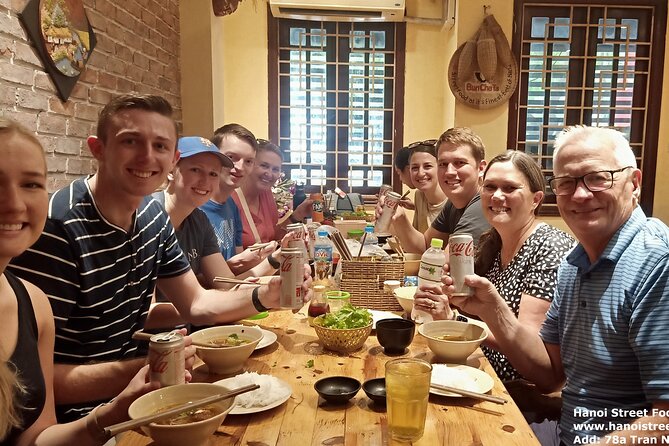
The first stop is quick and intentional: a welcome Happy Water drink. It’s just 15 minutes, but it sets the tone. One theme in the feedback is that people find Happy Water useful as an opener—especially when you’re about to start sampling multiple street foods back-to-back. It’s also a good moment to get oriented: you’re with your group, you’ve found your guide, and you’re ready to taste instead of scrambling.
Also note: there’s a mobile ticket, and confirmation is received at booking. That’s helpful if you’re trying to keep your day paper-light.
Old Quarter time with O Quan Chuong Gate and multiple vendors
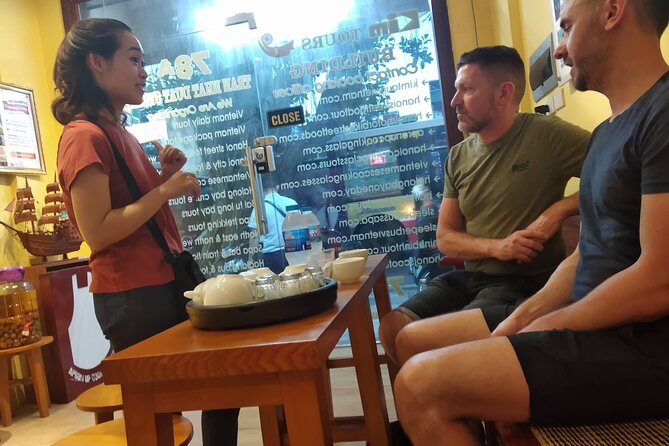
After the welcome drink, you spend about 1 hour 45 minutes around the Old Quarter, discovering O Quan Chuong Gate and sampling street foods from different vendors.
This is the heart of the tour, and it’s where the format makes the most sense. Street food in Hanoi is rarely just about the food. It’s about how locals move through their day—how they order quickly, how they trade small talk, and how the vendors keep things flowing. A guided route helps you avoid the common solo-tour problem: you walk in circles, you find one spot, and the rest of the day turns into repeats.
Here you’re getting the idea of variety. The tour is designed around trying different foods at different places, which is exactly what helps you expand your taste range. If you’re the kind of person who likes to say I’d never pick this myself, this is the part that usually delivers.
O Quan Chuong Gate gives you a landmark anchor. It’s not a long museum stop where you lose time to seating and explanations. Instead, it’s a visible marker in the Old Quarter that helps the tasting stops feel grounded in place.
Small consideration: pace and timing
Because the tasting segment is long (1 hour 45 minutes), you’ll want to go into it with a realistic appetite. Also, if you’re sensitive to strong smells or busy sidewalks, you might want to pause briefly as you go, rather than trying to push through every stop without a break.
You can also read our reviews of more historical tours in Hanoi

Dong Xuan market roots: why a short stop still adds meaning
The Dong Xuan Market stop is only 10 minutes, but it’s packed with context. The tour notes that the forerunner of Dong Xuan Market was Bách Mã Market and Cầu Đông Market, described as ancient markets of the Thăng Long Citadel area.
So even though you’re not spending a long time shopping, you’re getting a historical connection. This matters because Hanoi’s markets aren’t random buildings where you pick up souvenirs. They’re part of the city’s trade patterns—routes that have been shaping daily life for generations.
If you’re the type who likes “quick but useful” context, this brief stop hits the sweet spot. It gives you something to look for: market structure, street-corner energy, and the sense that you’re seeing a modern expression of older trading spaces.
Long Biên Bridge: a short walk with a big time scale

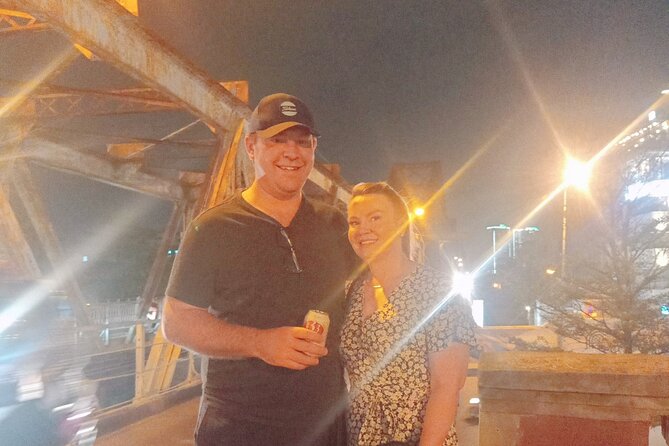
Then you move to Long Biên Bridge for about 15 minutes. The tour frames it clearly: it’s around 2 km from Hoàn Kiếm Lake, and it has a history of over 100 years.
That time scale is the point. Long Biên isn’t just a pretty crossing. It’s a symbol of Hanoi’s endurance—something you can look at while knowing it has outlasted many versions of the city around it.
Even if you’re not a photos-only person, a bridge stop like this gives your brain a breather from continuous food sampling. It breaks the rhythm, lets you step back and look around, and helps the earlier Old Quarter segment feel like part of a bigger story.
Phùng Hưng Mural Street: street art as a postcard moment
Next up is Phùng Hưng Mural Street for about 15 minutes. This is described as a tourist attraction where you can see the best murals from talented Hanoi artists.
If you like color and street visuals, this is a quick stop that works. It also gives you a break from tasting and walking through food crowds. Even if murals are not your main interest, it’s one of the stops that makes the tour feel more like a rounded walk through the city rather than a food-only assignment.
Practical thought: this is also a natural moment to check your photos and clean up your shots. Street murals are often best when you’re not rushing, so use the time to slow down rather than treating it like a quick pass-through.
Duờng Tầu: the train-track alley photo stop that people love
The last stop is Duờng Tầu, spending about 20 minutes. This narrow alley is famous because it sits by an active train track. The tour description makes the appeal simple: you come for the picture and for the thrill of seeing a train whiz by.
This is one of those Hanoi moments that feels like it belongs to the city alone. In many places, you watch trains from a safe distance. Here, the street setting is part of the experience, and the alley itself becomes the stage for the photo.
A key thing to know: this kind of stop is timing-sensitive even when the tour provides a set time window. So go in ready to wait a bit. Keep your camera accessible, but also be patient. Twenty minutes is not a full hour, so if you want the best shots, plan to stay alert and ready.
Also, since you’ve been walking and tasting for hours, this is the point where you’ll probably appreciate having the tour clock keep moving toward the finish.
The end point near the train street area (so plan your next step)
The tour finishes at Bếp Vua Chả Cá cơ sở 4269 P. Giảng Võ, in the Chợ Dừa area, with the finish near the train street area.
Why does this matter? Because you’ll want an easy plan for after. If you’re hungry again, you’re ending near a food-focused area. If you’re heading to a museum or another neighborhood, decide on your route while you still have the guide’s context fresh.
It’s a good idea to keep your next commitment flexible. The tour is about 3 hours total, and you finish in a different neighborhood from where you started at Trần Nhật Duật.
The guide experience: what matters beyond the itinerary
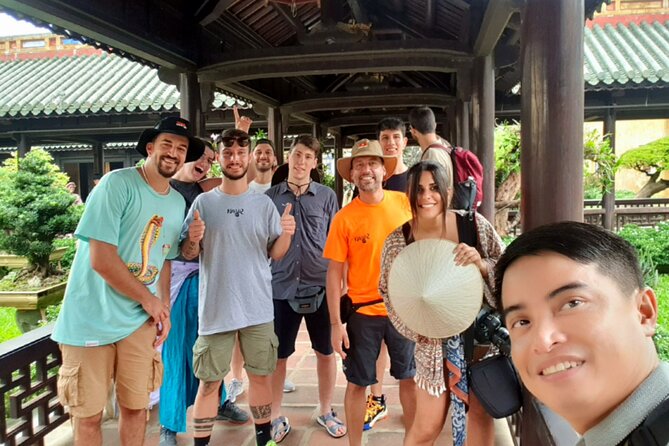
One name stands out from the feedback: Elena. People praised her for being wonderful and friendly, and for keeping the tour aligned with food choices.
That last part is not small. Street food tours can go two ways: either the guide follows a rigid script, or they adjust. When a guide is aware of food preferences, the tour becomes less stressful and more enjoyable—especially if you’re unsure what you’ll like once you’re standing in front of a vendor.
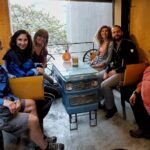
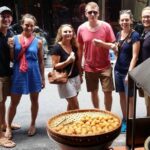
Also, small group size is part of the quality here. With a cap at 20, you’re more likely to get attention, timing help, and smoother movement between stops.
If you’re hoping for a guide who doesn’t just rush you through, this tour’s format is built for that. The stops are short enough to keep energy up, but the big food segment gives room to try multiple items instead of skimming the surface.
Who this tour is best for (and who should skip it)
This tour is a strong match if you want:
- Street food variety without having to research every vendor
- A walkable Old Quarter route with heritage anchors
- A mix of food, photos, and short landmarks in about 3 hours
- A guide who takes food choices seriously (Elena is specifically praised)
You may want to look elsewhere if:
- You want a slow, low-walking pace
- You hate any chance of waiting for the train moment at Duờng Tầu
- You prefer only indoor stops or museum-style pacing
If you’re someone who loves “small stops, big texture,” this one usually hits the mark.
Should you book the Old Quarter Street Foods and Heritage Road Tour?
I think this is a smart booking if you’re staying near Hoàn Kiếm and want a day-plan that doesn’t require you to be an expert in Hanoi street food. For $39, you’re getting multiple tastings, beer and egg coffee, and a route that includes O Quan Chuong Gate, Long Biên Bridge, Phùng Hưng murals, and the Duờng Tầu train-track alley.
Book it if you like food with context and you want a guide to handle decisions. Don’t book it if you want guaranteed quiet or you can’t handle walking and short waits.
If you do book, my advice is simple: build in a few minutes for locating the start at 78a Trần Nhật Duật, come hungry (but not stuffed), and treat Duờng Tầu like a patient photo break rather than a guaranteed instant shot.
FAQ
How much does the Hanoi Old Quarter Street Foods and Heritage Road Tour cost?
It costs $39.00 per person.
How long is the tour?
The tour lasts about 3 hours.
What’s included in the street food tastings?
You’ll get 6 to 7 different street foods, a drink, 1 beer, and egg coffee.
Where does the tour start and end?
It starts at 78a Đ. Trần Nhật Duật, Hoàn Kiếm, Hà Nội and ends at Bếp Vua Chả Cá cơ sở 4269 P. Giảng Võ, Chợ Dừa, Đống Đa, near the train street area.
How big is the group?
The tour has a maximum of 20 travelers.
Is it okay if I need to cancel?
Yes. Free cancellation is available up to 24 hours before the experience start time for a full refund.