REVIEW · HO CHI MINH CITY
Ho Chi Minh: Private Can Gio Mangrove Forest Day Tour
Book on GetYourGuide →Operated by Vn biketour · Bookable on GetYourGuide
Mangroves, monkeys, and bats in one long day. I love the Can Gio mangrove forest time for the fresh air and hands-on nature learning, and I love the Monkey Island stop with its 1,000+ monkeys. The only real catch: it’s a full schedule, so expect a lot of movement and animal-focused stops in one outing.
What makes it work is the guide. I’ve seen trips led by Jacky Hieu for high-energy storytelling and photo help, and by Steven for a relaxed pace and strong wildlife spotting.
In This Review
- Key things I’d bank on before you go
- Can Gio Private Day Tour: How the Whole Day Runs
- Picking Up in Ho Chi Minh City and Reaching Binh Khanh Ferry
- Can Gio Mangroves: Flora Lessons and Riverbank Life
- Canoe Through the Mangroves to Bat Lagoon and the Crab Pond
- Deer Feeding That’s Friendly to Humans
- Crocodile Farm Stop: Hatching Crocodiles and Seeing Them Up Close
- Vam Sat Mangrove Views From Tang Bong Tower and a Suspension Bridge
- Lunch at Carrot Restaurant: Included Energy for the Afternoon
- Monkey Island at 2:30 PM: Over 1,000 Monkeys
- Price and Value: Is $136 Worth It for a Full Wildlife Day?
- Who This Tour Fits Best (and Who Might Want Another Option)
- Practical Tips to Make Your Can Gio Day Go Smoothly
- Should You Book This Can Gio Private Tour?
- FAQ
- What time does the Can Gio tour start and end?
- How do you travel from Ho Chi Minh City to Can Gio?
- What are the main stops during the day?
- Is lunch included, and where do you eat?
- What languages are the live guides available in?
- Is the tour suitable for wheelchair users?
- Is there any extra cost during Lunar New Year and how does cancellation work?
Key things I’d bank on before you go
- Private pickup in Ho Chi Minh City gets you out of town with minimal fuss.
- Binh Khanh Ferry crossing adds a scenic reset before Can Gio begins.
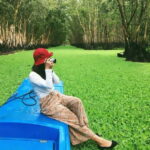
- Canoe time inside the mangroves to reach Bat Lagoon and a crab pond area.
- Deer feeding and crocodile hatchery viewing bring the day’s wildlife variety into focus.
- Tang Bong tower + suspension bridge gives you a real payoff for the effort.
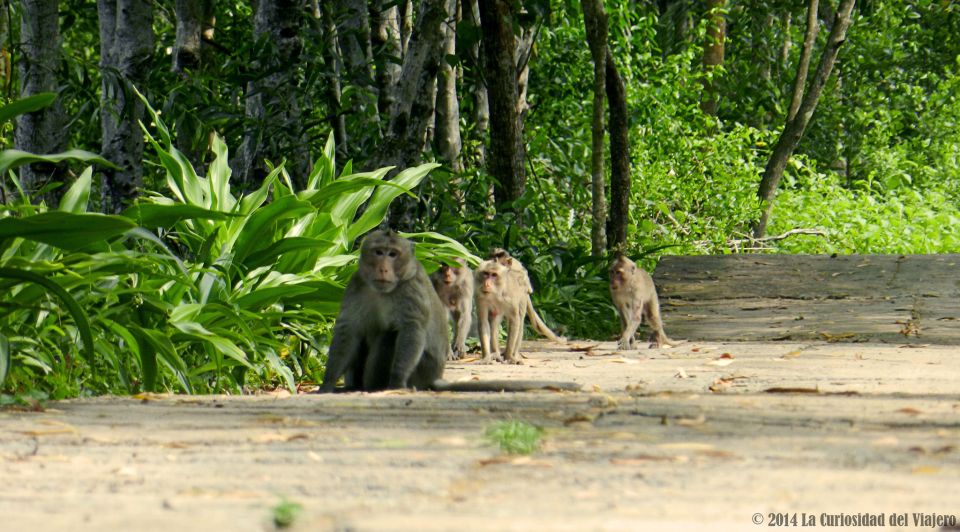
- Monkey Island with 1,000+ monkeys is the main spectacle of the afternoon.
Can Gio Private Day Tour: How the Whole Day Runs
This tour is built like a nature “loop” from Ho Chi Minh City. You start early at 8:00 AM, ride out to Binh Khanh Ferry, then head by boat to Can Gio. You come back to Saigon around 5:00 PM, which means you’ll be out for most of the day, but not so long that it turns into a travel marathon.
The flow matters here because Can Gio isn’t just one attraction. You’re bouncing between mangrove forest, riverbank life, animal areas, a tower viewpoint, and Monkey Island. If you like your days packed with variety and clear destinations, you’ll probably enjoy how it’s organized.
If you’re the type who wants quiet time with no schedule pressure, take note: you’ll have free time, but the day is still structured around set sights and timed transitions.
You can also read our reviews of more private tours in Ho Chi Minh City

Picking Up in Ho Chi Minh City and Reaching Binh Khanh Ferry
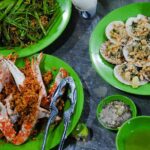
The day starts with a private car pickup from your Ho Chi Minh accommodation. That’s a real value piece, because it removes the “how do we get there?” headache. After pickup, you drive about 40 minutes to Binh Khanh Ferry, then switch to a boat for the Can Gio crossing.
I like ferry transitions like this for two reasons. First, it’s a break from traffic. Second, it acts like a mental shift: once you’re on the water, you’re no longer in the city mode.
The tour uses a round-trip approach, so you’re not left figuring out return logistics. You’ll be back at the ferry in the late afternoon and then drive straight back to Saigon.
Can Gio Mangroves: Flora Lessons and Riverbank Life
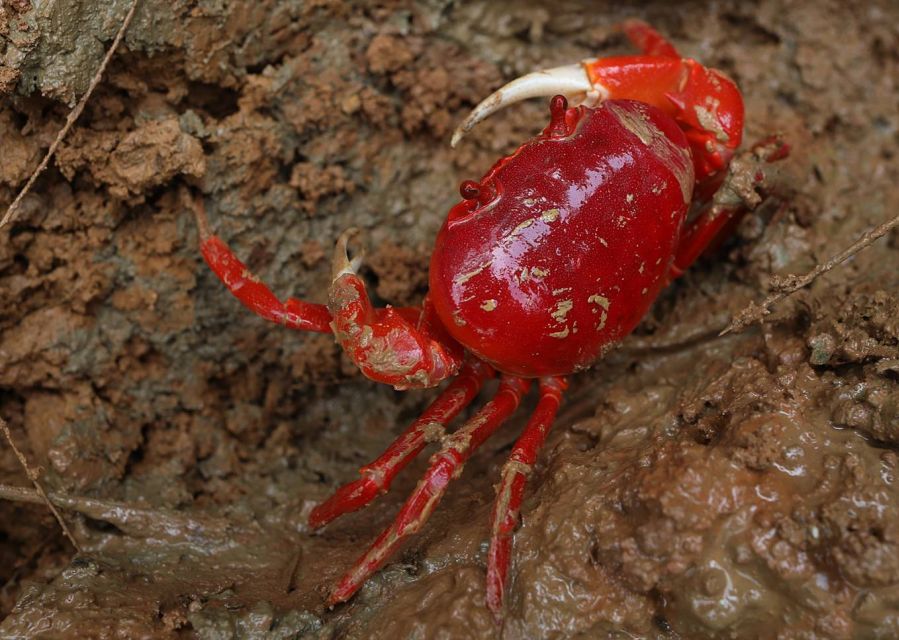
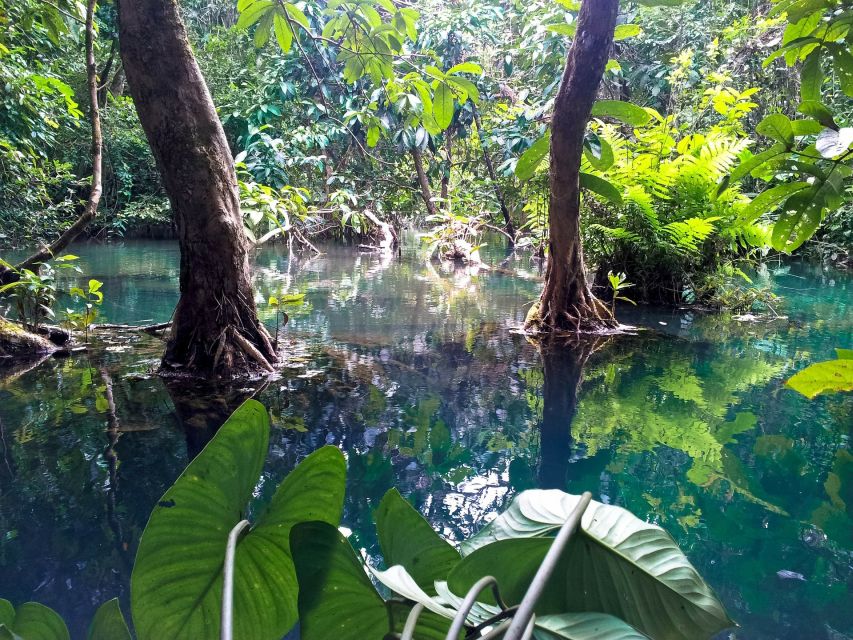
Once you reach Can Gio, you’ll drive toward the mangrove forest and start with the scenery: those green trees lining the road set the tone fast. Can Gio’s mangrove area is huge—75,740 hectares—and it’s home to 150+ botanical species. That scale is part of the appeal. You’re not just seeing a few trees; you’re getting a real sense of a living system.
At around 10:00 AM, you’ll spend time exploring the mangroves and learning about what makes them special. The focus isn’t only plant names. You’ll also connect the environment to how people live along the river banks, including what you see at the local fishing hamlet.
Here’s what I’d consider the “value” of the mangrove stop: you get context. Mangroves can look like “green swamp forest” if someone just points and moves on. But when your guide ties the flora to local life and fauna, it becomes more than scenery—it becomes a story you can follow with your eyes.
And since you’re out in fresh air, this is a nice break from Ho Chi Minh’s heavier urban feel.
Canoe Through the Mangroves to Bat Lagoon and the Crab Pond
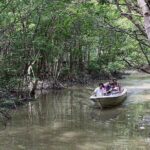
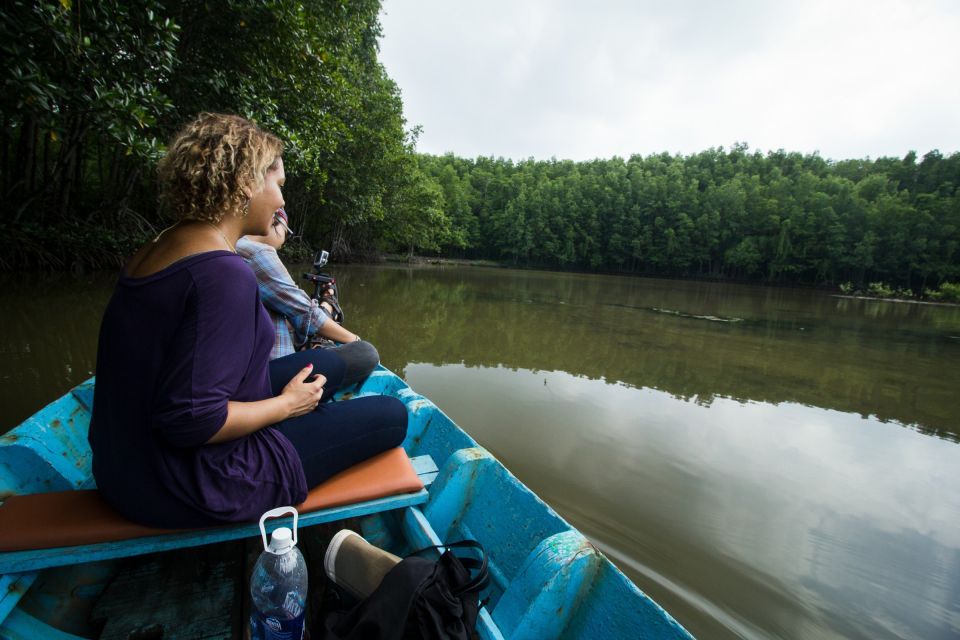
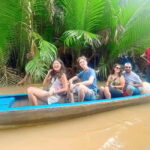
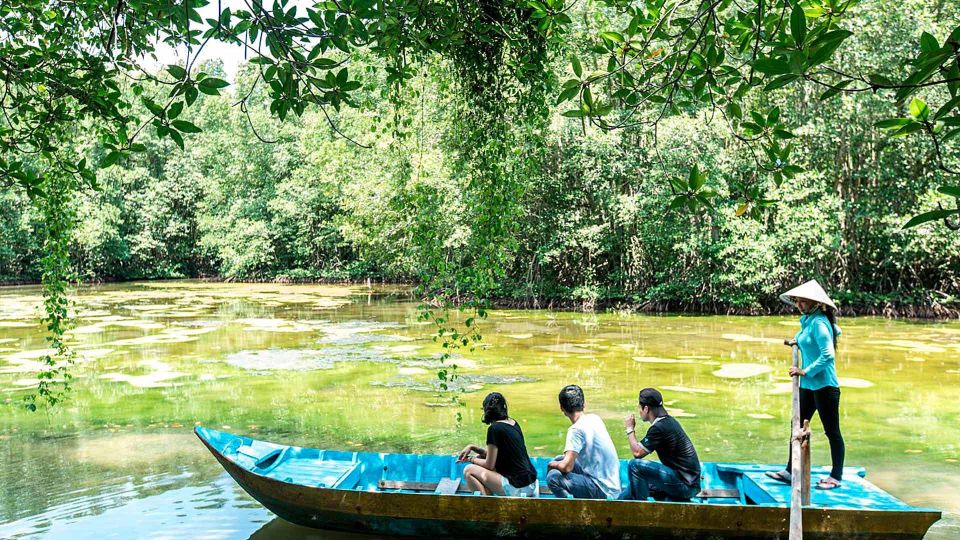
After the land-based mangrove time, the tour shifts to something more active: you go through the reserve by canoe. This is the moment that helps the day feel different from a standard bus tour, because you’re moving at a slower speed, closer to the water edges, and you can look for small details.
Your canoe route takes you to Reserve Bats Lagoon and the crab pond area. You’re not just seeing one animal type—you’re seeing how the mangrove ecosystem supports different life. Even if you don’t catch bats in perfect conditions, the boat-and-canoe format still gives you the “you’re in the habitat” feeling.
One practical mindset: wildlife days are partly about timing. If your first viewing spot doesn’t produce the action you want, a flexible guide can help you find better viewing along the way. That kind of adjustment has been part of this tour experience with guides like Jacky Hieu, including changing locations when needed.
Deer Feeding That’s Friendly to Humans
Then comes one of the tour’s standout moments: you’ll encounter a herd of deer that are described as friendly to people, and you’ll have the chance to feed them.
This is the part where you’ll want to keep expectations grounded. You’re not in a safari park with fully staged lighting. You’re in a semi-wild setting where the animal behavior can vary. Still, the overall tone is described as friendly, and it’s a memorable contrast to the canoe quiet.
What I like about this stop is that it breaks up the day’s “just look” style. It gives you a hands-on interaction point, even while the rest of the tour keeps moving through habitats.
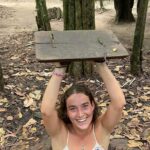
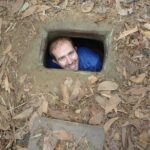
Crocodile Farm Stop: Hatching Crocodiles and Seeing Them Up Close
Next you head to a crocodile farm. The tour’s framing here is educational: you learn about the process of hatching crocodiles, and you can witness them in their natural environment.
This is one of those places where you’ll want to decide for yourself how you feel. Some people love it because it’s animal-focused learning. Others prefer nature areas over farms. Either way, it’s at least connected to the bigger theme of local ecosystems and wildlife care.
I also find crocodile stops useful as a “structure point” in a packed day. It’s a break from long outdoor walking while still keeping the animal theme going.
Vam Sat Mangrove Views From Tang Bong Tower and a Suspension Bridge
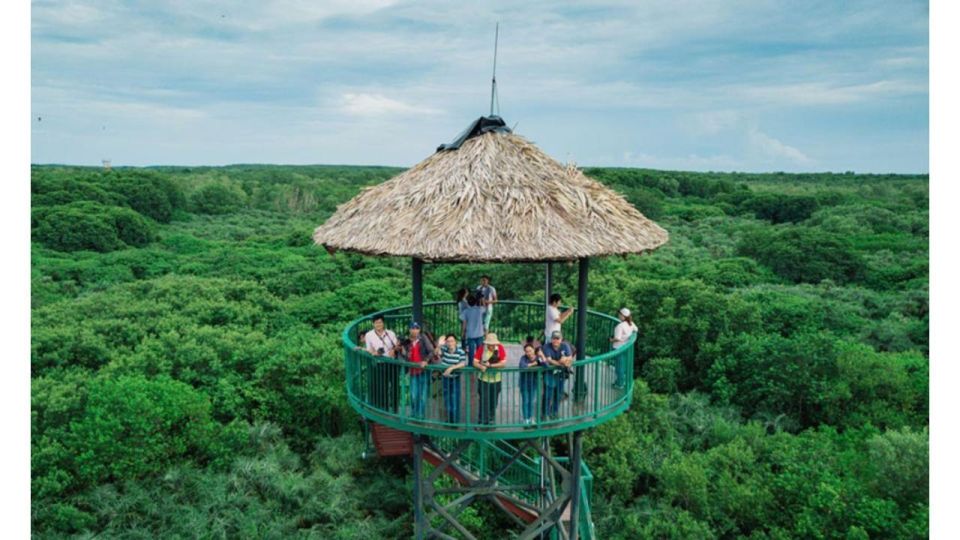
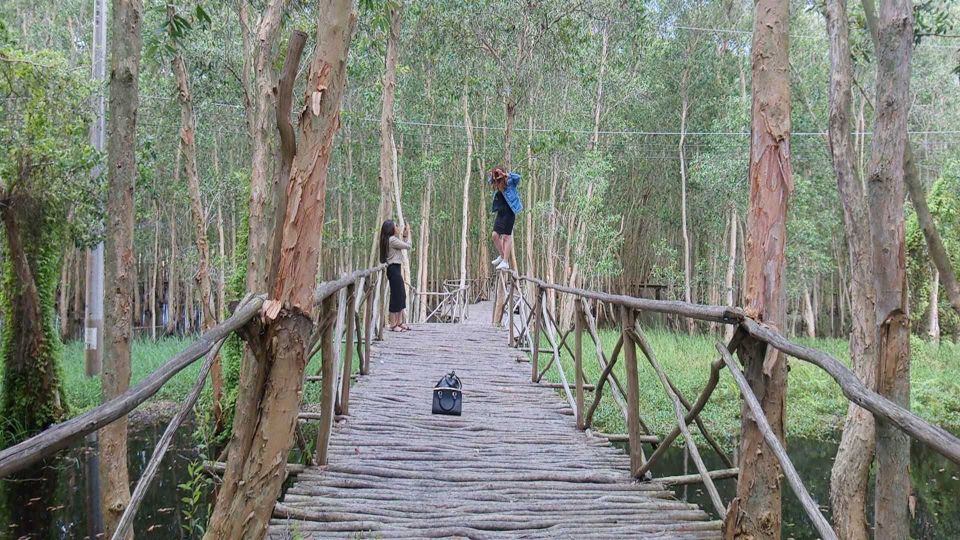
Later in the morning and into the earlier afternoon, you go toward the center of Vam Sat. The centerpiece here is the viewpoint from Tang Bong tower, where you get panoramic views of the Vam Sat mangrove forest.
A tower stop does two things for your brain. It shows you what you’ve been looking at all day, but from above. And it turns “green everywhere” into something with structure—channels, water edges, and forest blocks you can actually make sense of.
After the tower, there’s an optional thrill for the more active crowd: a suspension bridge crossing. It’s not described as extreme, but it’s definitely a change in rhythm from boat and flat walking. If you’re comfortable on bridges and you like a small challenge, this is a good payoff point.
Lunch at Carrot Restaurant: Included Energy for the Afternoon
At 1:00 PM, you’ll have lunch at Carrot Restaurant. Lunch is included, which matters because it keeps the day from turning into “pay for everything yourself” territory.
I’d plan for a full plate, not a snack. This is still an active day, and your afternoon includes another major wildlife stop. A proper lunch also helps you handle the humid conditions without feeling cranky.
If you have food allergies, let the operator know in advance. The tour info specifically asks you to inform them about allergies or special requests.
Monkey Island at 2:30 PM: Over 1,000 Monkeys
At 2:30 PM, the tour heads to Monkey Island to see over 1,000 monkeys living there. This is the loud, fast-paced climax of the day, and it’s where your camera will probably get a workout.
Monkey Island can feel chaotic in the best way. You’ll be surrounded by movement—monkeys crossing paths, changing perches, and generally doing monkey things at full speed. The number is part of the magic: it’s not just a small group.
One thing to know: the closeness of monkey interactions can depend on what your guide and the local rangers can coordinate. With guides like Jacky Hieu, groups have had moments where a ranger called monkeys down for photos and feeding. So if you care about getting great photo opportunities (not just watching from far away), your guide really matters.
If rain hits, this is also where having someone prepared helps. In one instance, ponchos were provided when it started raining, and that kind of calm problem-solving makes a big difference when you’re outdoors.
Price and Value: Is $136 Worth It for a Full Wildlife Day?
At $136 per person, this tour sits in the “pay for convenience and access” category. The honest question is: are you getting enough included to justify the cost?
Here’s what’s included:
- Guide
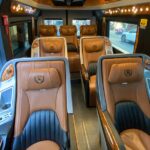
- Private hotel pickup and transportation
- Round-trip ferry ticket
- Food and beverages at the restaurant
- Entrance fees
You’re also getting a structured full-day program with multiple destinations: mangroves, canoe-based sites (Bat Lagoon and a crab pond), a crocodile farm, a tower viewpoint, a suspension bridge, and Monkey Island.
For me, the value comes from combining ecosystems that would be hard to line up efficiently on your own without spending hours planning transport. Even if you could do bits independently, a single-day loop with guide support saves time, stress, and lots of back-and-forth.
That said, one guide-led day can feel “a bit expensive” to some people, even when it’s enjoyable. If you’re price-sensitive and you don’t care much about wildlife-heavy stops, you might feel the cost more than the payoff.
Who This Tour Fits Best (and Who Might Want Another Option)
This is a good match if you want:
- Nature learning tied to local river life
- A day that mixes mangroves + wildlife + viewpoints
- A private setup with a guide in English, French, or Japanese
It’s less ideal if:
- You need wheelchair access. The tour explicitly says it’s not suitable for wheelchair users.
- You strongly prefer slow, minimal-scheduling travel. This day keeps moving.
If you like animal encounters but don’t want to spend multiple days coordinating separate tours, this private Can Gio loop is built for you.
Practical Tips to Make Your Can Gio Day Go Smoothly
Small preparation makes a big difference in humid, outdoors-heavy tours like this one.
- Bring a light layer you can handle if weather turns. Ponchos have been provided during rain for at least one group experience, but you’ll feel better if you’re not caught off guard.
- If you have any food allergies or special requests, tell the operator before the day starts.
- Wear comfortable shoes. Between canoe transfer moments, tower time, and that suspension bridge, you’ll be on the move more than you might expect from the brochure-style description.
- If you’re taking photos, don’t wait until the “perfect moment.” Some guides help with photo timing and will often position you when action starts.
Should You Book This Can Gio Private Tour?
I’d book it if you want a one-day dose of Can Gio’s mangrove ecosystem plus wildlife stops, all delivered in a tight schedule without you managing transport. The included guide, ferry, entrance fees, and lunch at Carrot Restaurant make it easier to justify the price when you add up what you’d otherwise pay and the time you’d spend organizing it.
I’d skip or reconsider if you hate being rushed through multiple stops in a single day, or if you need wheelchair accessibility. Also be honest about whether you’re comfortable with farm-style animal learning alongside the more natural habitat moments.
If you do book, the guide makes a real difference. If you see options like Jacky Hieu or Steven, choose based on who you feel would keep the day fun and practical for you—because that energy shows up when the schedule turns into real outdoor weather, real wildlife, and real photos you actually want.
FAQ
What time does the Can Gio tour start and end?
The tour starts with pickup at 8:00 AM and returns to Ho Chi Minh City at around 5:00 PM.
How do you travel from Ho Chi Minh City to Can Gio?
You’re picked up from your accommodation, drive about 40 minutes to Binh Khanh Ferry, then take a boat to Can Gio. You also use the ferry for the return trip.
What are the main stops during the day?
You’ll spend time in the Can Gio mangrove forest, visit spots like Reserve Bats Lagoon and a crab pond by canoe, see a crocodile farm, go to Vam Sat for views from Tang Bong tower and a suspension bridge crossing, and finish with Monkey Island where there are over 1,000 monkeys.
Is lunch included, and where do you eat?
Yes. Lunch is included at Carrot Restaurant around 1:00 PM.
What languages are the live guides available in?
The live tour guide is available in English, French, and Japanese.
Is the tour suitable for wheelchair users?
No. It is not suitable for wheelchair users.
Is there any extra cost during Lunar New Year and how does cancellation work?
There is a 30% surcharge on the total price during Lunar New Year Holiday (Feb 8–Feb 13). You can cancel up to 24 hours in advance for a full refund.