REVIEW · HANOI
Private: Hanoi Street Food Exploration and Train Street Trip
Book on GetYourGuide →Operated by Nest Asia Travel · Bookable on GetYourGuide
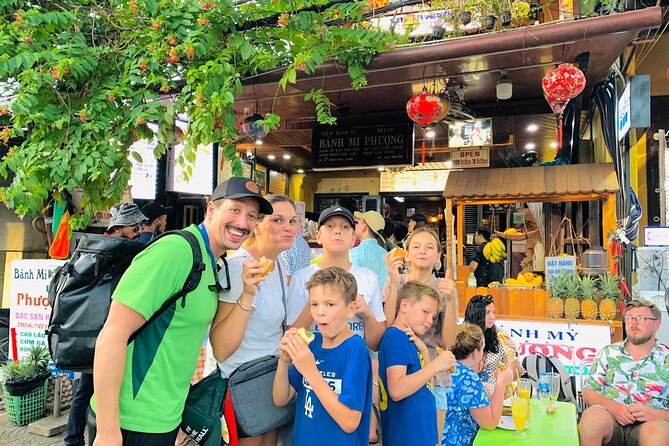
Egg coffee and alley noodles in one evening. This private tour is a practical way to eat your way through Hanoi’s Old Quarter, where you’ll hop from family-run stalls to small back-alley tables and actually understand what you’re ordering. I especially like the 7+ food stops you get before you’re even full, and I love that the ending spot is for egg coffee in a low-key café atmosphere, not a photo line.
What to expect is pretty straightforward: pickup and drop-off happens only around the Hanoi Old Quarter, and most of the joy comes from walking, tasting, and listening to your guide explain how dishes work and why locals order them. One possible drawback: the experience can feel rushed if your guide or timing is off, and if the day includes extra moving around, transport comfort can matter (one group noted bus air-conditioning problems and slow traffic).
In This Review
- Key Highlights You’ll Actually Use
- Where the Tour Starts: Old Quarter Feet-First, Not Bus-Waiting
- Your Food Game Plan: What 7+ Stops Usually Taste Like
- Pho (Bò or Gà)
- Bun chả
- Bun ốc (Snail Noodle Soup)
- Bánh cuốn (Steamed Rice Rolls)
- Bánh mì
- Nem rán (Fried Spring Rolls)
- Bánh tôm (West Lake Shrimp Cakes)
- Bánh gối (Crispy Pillow Cake)
- Chè (Traditional Sweet Dessert)
- Hoa quả dầm (Mixed Fruit Dessert)
- Egg coffee (Cà phê trứng)
- What It Feels Like to Eat Like a Hanoian
- Egg Coffee in a Tucked-Away Café With Atmosphere
- The Train Street Part: How to Fit It Into a Food-Focused Night
- Price and Value: What You Get for $22
- Who This Works Best For (and Who Should Skip It)
- The Guide Factor: Why Names Like Sonny, Ming, and Kien Matter
- Quick Tips Before You Go (So the Tour Feels Easy)
- Should You Book It? My Practical Take
- FAQ
- What food is included on the Hanoi street food tour?
- Do I get pickup and drop-off?
- Is the tour in English?
- Are drinks included?
- What should I bring?
- Can I pay later and cancel?
Key Highlights You’ll Actually Use
- 7+ tastings built around real Hanoi favorites like pho, bun chả, bánh mì, and bún ốc
- Old Quarter walking with a friendly English guide, plus plenty of time to nibble and ask questions
- Small-stool street-style eating, including iced tea and sugarcane juice while you watch the action
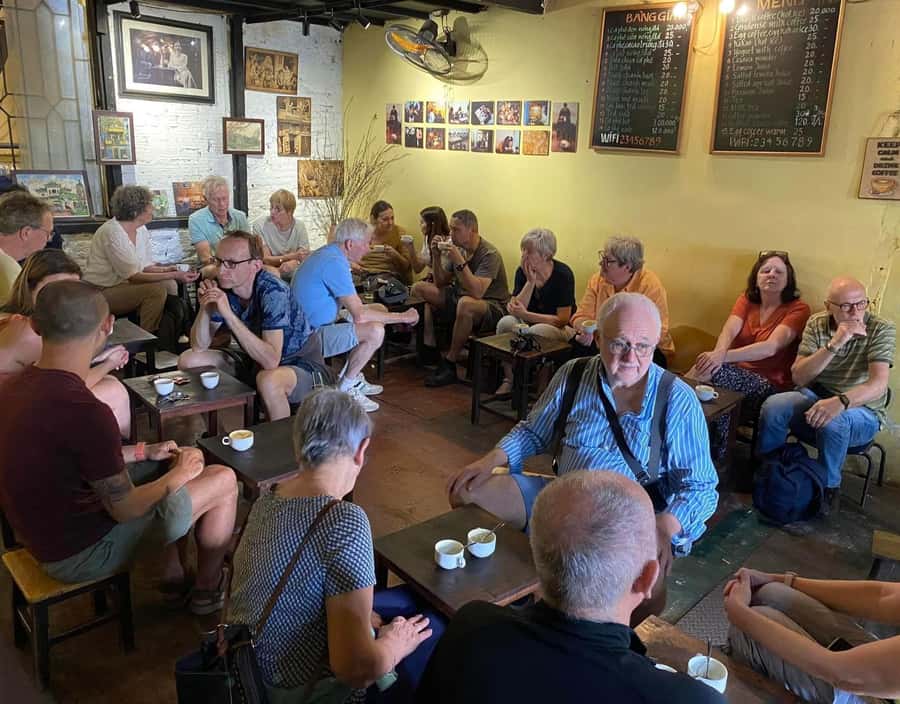
- Egg coffee in a tucked-away café, served as a signature sweet finish
- Options for a wide mix of savory and sweet, including crispy bánh gối and fruit dessert hoa quả dầm
Where the Tour Starts: Old Quarter Feet-First, Not Bus-Waiting
Your tour begins in the heart of Hanoi’s Old Quarter, where a guide meets you and sets the tone fast: you’ll walk, you’ll taste, and you’ll pay attention to small details like what’s cooking right now and how locals order. This matters because Hanoi street food is a moving target. If you show up hungry but without a plan, you end up guessing.
You’ll stay anchored in the Old Quarter area, and that’s a big value point. The included pickup and drop-off at your hotel applies only in the Old Quarter, so if you’re staying outside that zone, you’ll likely need to make your own way to the meeting area. Still, once you’re there, the walking pace is the whole point.
A good sign is how different guide styles can feel. In examples like Sonny’s approach, the tour can turn into a smooth explanation of how Vietnamese eating culture fits into daily life. In other cases, guides named Ming and Kien have shown how much the guide can shape your experience—Kien, in particular, was praised for being helpful with getting back by taxi. In other words: on this tour, the person leading the walk really matters.
You can also read our reviews of more food & drink experiences in Hanoi


Your Food Game Plan: What 7+ Stops Usually Taste Like
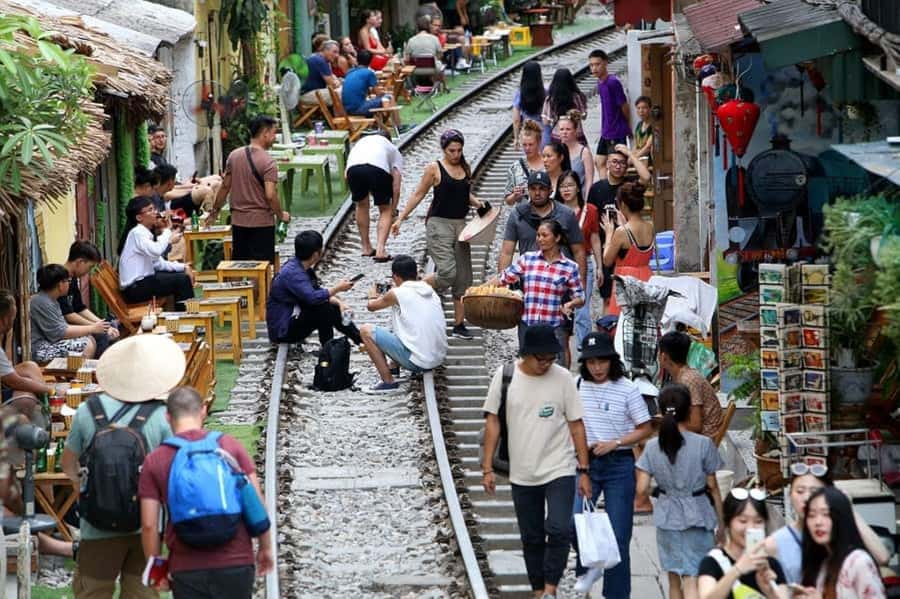
The tour is built around tasting 7+ Hanoi street foods, including classics such as pho, bun chả, bun ốc, bánh cuốn, and bánh mì. You should come with a realistic expectation: you won’t eat one giant meal. You’ll eat a sequence of smaller bites so you can sample the range—soups, noodles, grilled meat, pancakes/rolls, and fried snacks—then end with dessert-style sweetness.
Here are the dishes you may run into, and why each one is worth the stop:
Pho (Bò or Gà)
Even if you’ve had pho elsewhere, Hanoi pho has its own street energy—steam, fast service, and the kind of broth you notice after the first sip. You’re usually tasting it on the spot, so you’ll get the real-time version: hot, fragrant, and built for quick eating.
Bun chả
This is one of Hanoi’s signature flavors: grilled pork served with noodles and dipping sauce. On a walking tour, bun chả is great because you can taste the balance—smoky meat, cooling noodles, and the tang/salt from the sauce—without waiting for a sit-down restaurant to finish cooking.
Bun ốc (Snail Noodle Soup)
Bún ốc can sound intimidating, but it’s popular for a reason: it’s hearty and flavorful, and it gives you a taste of “Hanoi comfort food” rather than just a famous tourist dish. The learning part helps here—when your guide explains how locals think about it, it stops being a novelty and becomes a dish with a logic.
A few more Hanoi tours and experiences worth a look


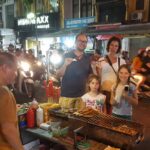
Bánh cuốn (Steamed Rice Rolls)
These are delicate rice rolls, often served with dipping sauce and toppings. On street-food timing, they work because they’re light enough to fit between heavier snacks. If you like texture, this is a strong mid-tour palate reset.
Bánh mì
A good bánh mì stop hits the street sweet spot: crunchy crust, savory fillings, and quick assembly. This is also a dish where you benefit from someone explaining what’s inside, because different vendors lean into different flavor mixes.
Nem rán (Fried Spring Rolls)
You’ll often get these as crispy, handheld bites. They’re a reliable stop for anyone who wants “safe and satisfying” without giving up local flavor. Plus, fried food is a nice counterpoint after noodle-based tastings.
Bánh tôm (West Lake Shrimp Cakes)
This one tends to feel special on tours because it’s more regional than it sounds. You’re tasting shrimp-forward flavor in a street snack format, which makes it easy to understand why people associate it with Hanoi.
Bánh gối (Crispy Pillow Cake)
Another crispy snack with a fun name. The value here is variety: fried-but-not-the-same, so you don’t just eat “one kind of crunch” all night.
Chè (Traditional Sweet Dessert)
Chè is where the tour shifts from savory to sweet in a way that still feels grounded in local tastes. It’s a good final flavor category because it’s flexible—different stalls make different versions—so your guide can point out what’s typical for Hanoi.
Hoa quả dầm (Mixed Fruit Dessert)
This brings fruit freshness to balance all the noodles and fried bites. If you find the savory stops running long, hoa quả dầm helps you finish with something lighter.
Egg coffee (Cà phê trứng)
This is the signature finish, and it earns its place. Egg coffee is smooth, creamy, and sweet in a way that feels unlike regular coffee. When it’s served at a tucked-away café, it also feels like a reward: you slow down, sit, and reset before heading back out.
What It Feels Like to Eat Like a Hanoian
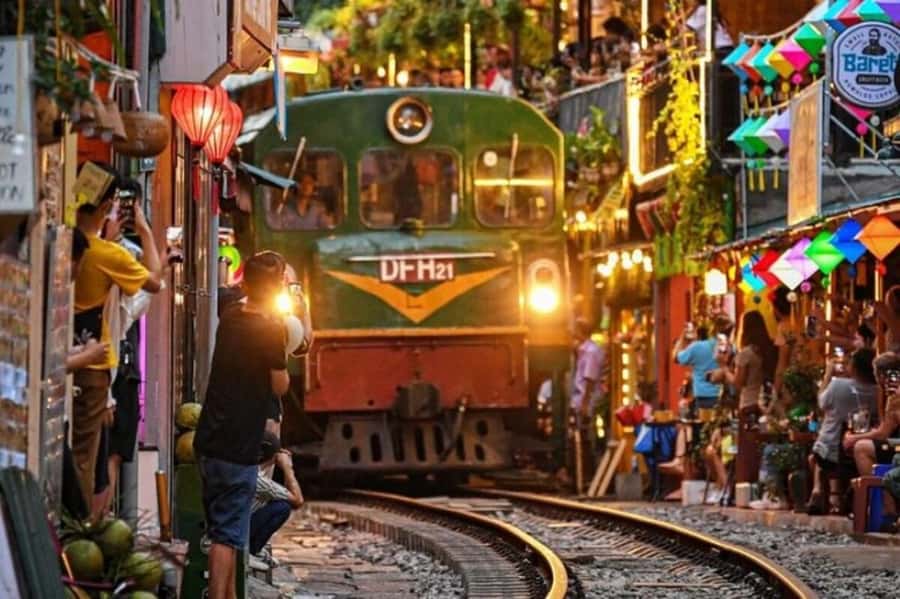
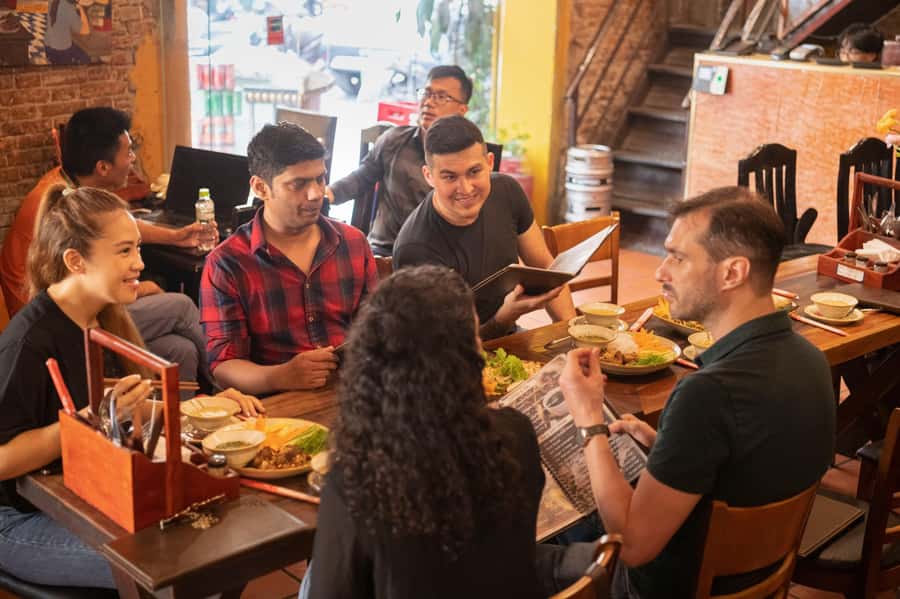
One of the real pleasures here is the format: you’ll often sit on tiny stools, eat in close quarters, and watch food being made in front of you. You might get iced tea and even local beer along the way, and sugarcane juice shows up as another refreshing option depending on the stop.
This style of eating is more than a gimmick. Hanoi street food isn’t about fine plating. It’s about speed, repetition, and flavor that works in a real neighborhood setting. On a guided tour, you’re not stuck trying to decode menus or guess what’s good. You just eat, ask a question, and move on.
Practical note: wear comfortable shoes. You’ll likely walk enough that your feet will complain if you wear the wrong sandals. A hat and sunscreen are smart too. Hanoi sun can sneak up on you between alleyways.
Egg Coffee in a Tucked-Away Café With Atmosphere
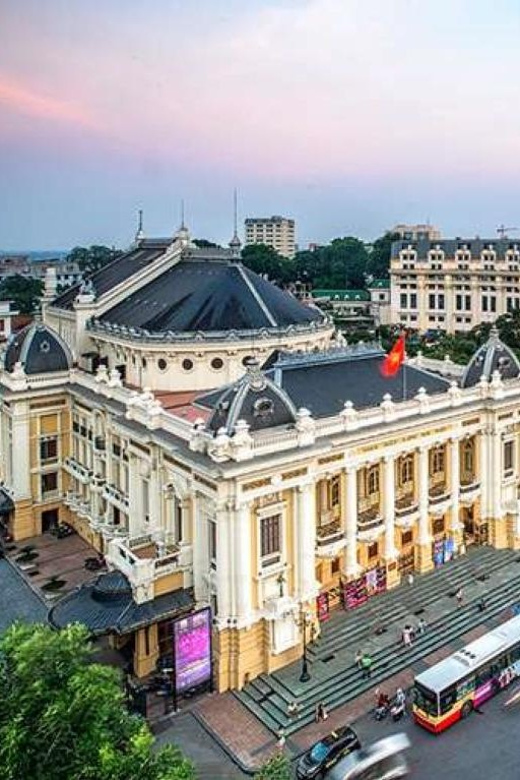
The tour wraps with Hanoi’s famous egg coffee served at a hidden-feeling café. That last stop is where the night usually clicks into place: after tasting lots of savory food, you get a slow sweet sip and a chance to reflect on what you just ate.
Why it works for most people: egg coffee is memorable without being complicated. You don’t need a food dictionary. You taste it, notice the creamy foam, then you understand why locals keep coming back for it as a treat.
If your guide is strong, they’ll also connect it to the broader idea of Hanoi café culture—why coffee can be more than a caffeine hit. If your guide is weaker, you still get the coffee, but you might miss the “why.”
The Train Street Part: How to Fit It Into a Food-Focused Night
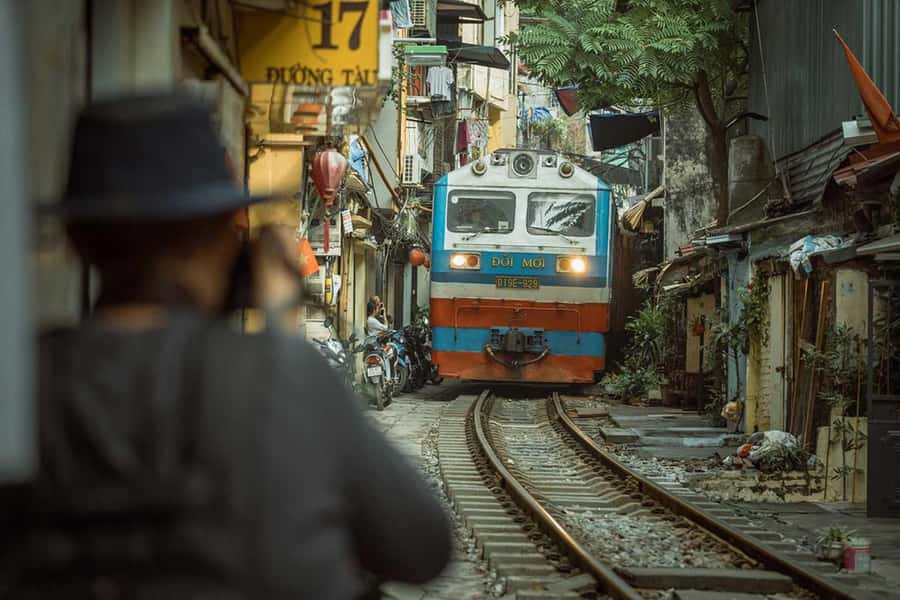
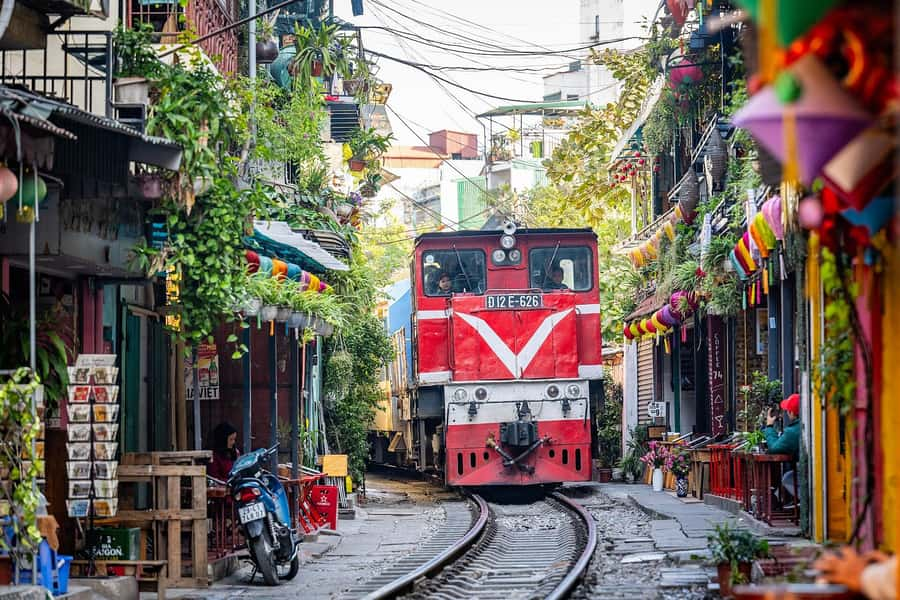
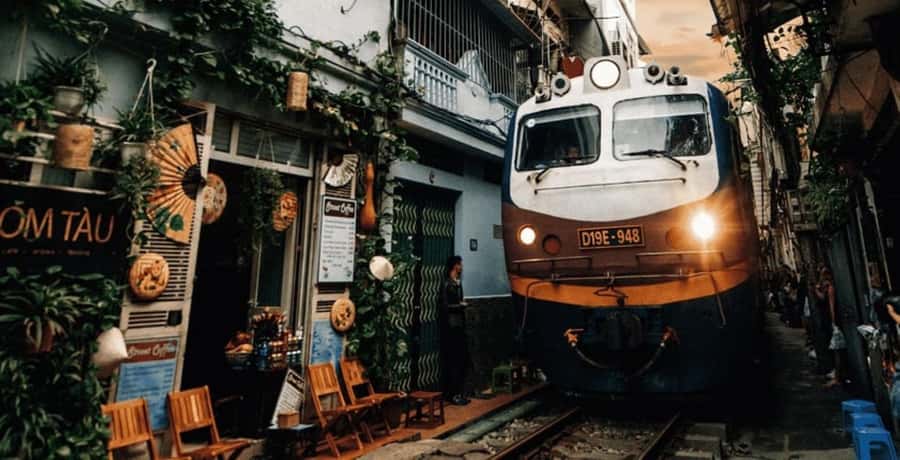
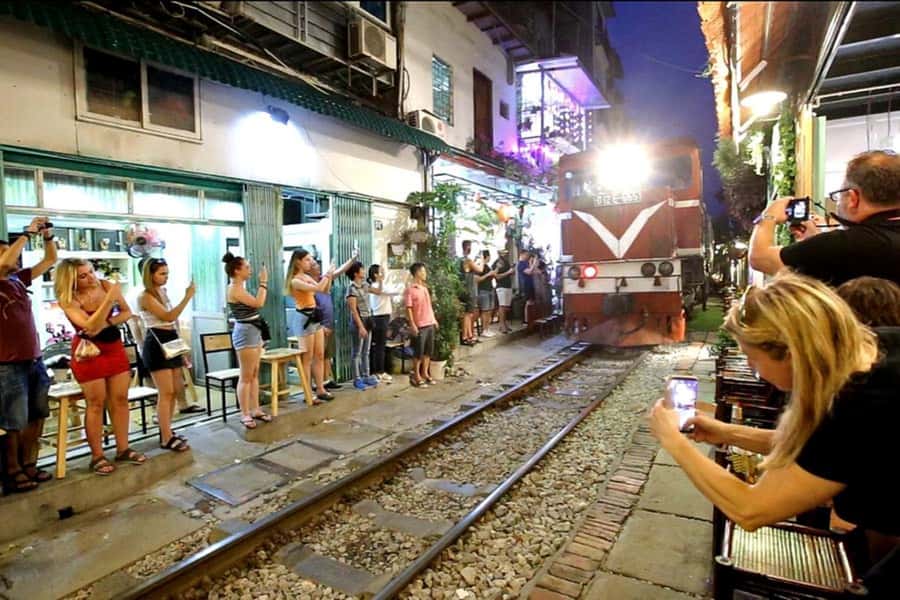
The tour name includes a Train Street trip, but the exact timing and how long you spend there isn’t specified in the details I have. What you can do with that information: treat Train Street as a short add-on, not the core of the tour.
This tour is fundamentally a food experience, anchored in the Old Quarter. So your best move is to keep your energy for the tastings. If Train Street feels crowded or quick, you won’t lose the main value—you’ve already been eating and learning for most of the evening.
If you’re hoping for a slow photography moment, plan your expectations. The best way to enjoy Train Street on a food tour is to treat it like a snapshot, then return your focus to the next bite.
Price and Value: What You Get for $22
At $22 per person, this tour prices itself as good value for the mix you receive: pickup/drop-off within the Old Quarter, an English-speaking guide, and admission/entry support for the Old Quarter area. Most importantly, you’re not paying for a single meal. You’re paying for multiple tastings plus someone to help you order and understand.
Also, you’re getting both savory and sweet—soups, grilled meats, fried snacks, rolls, dessert bowls, and egg coffee. That’s the difference between paying for “a tasting” and paying for a true food walkthrough.
One clear item not included: other drinks. That means you should expect to budget a little if you want extras beyond what’s commonly provided like iced tea or sugarcane juice. But the main tastings are the value core.
Who This Works Best For (and Who Should Skip It)
This tour fits best if you:
- Want to eat your way through Hanoi without planning every stop yourself
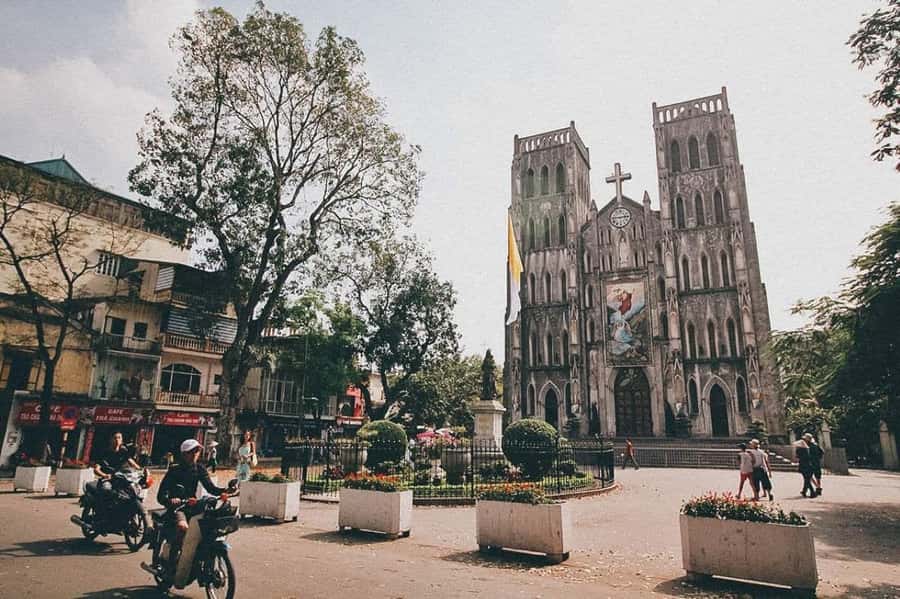
- Prefer a walking experience in the Old Quarter
- Enjoy learning how food connects to daily life and local habits
- Like a mix of street snacks, noodles, and sweets rather than one signature dish
It might be less ideal if you:
- Hate crowds or long waits at popular stalls
- Need a very predictable pace and timing, with no flexibility
- Get uncomfortable with basic seating (the tiny stools part is real)
Also, consider group size. One concern that came up in feedback was that smaller groups make timing and organization smoother. If you can choose the group size when booking, lean smaller for a calmer experience.
The Guide Factor: Why Names Like Sonny, Ming, and Kien Matter
Because this is a food-and-culture walk, the guide’s role is central. When the explanation is strong, you don’t just taste items—you understand how locals think about them. Guides like Sonny were praised for being able to answer questions and keep the conversation tied to culture and Vietnam’s context.
On the other hand, guidance quality can vary. Ming was described as nice but sometimes too broad, with parts skipped that might have felt important. That’s a reminder: a food tour should give you specific value, not just a list of stops.
Kien received praise not just for knowledge, but for practical help like getting taxis back to your hotel. That kind of support can be the difference between a smooth finish and a stressful one.
Quick Tips Before You Go (So the Tour Feels Easy)
Bring:
- Comfortable shoes
- Hat and sunscreen
- Camera
Then show up hungry-but-not-too-hungry. With 7+ tastings, you’ll want room for egg coffee and dessert. If you arrive stuffed, you’ll miss the variety that makes the tour work.
Finally, go with curiosity. Ask simple questions like what topping goes with what dish, or why locals order this particular street snack at this time of day. That’s when the tour turns from eating to understanding.
Should You Book It? My Practical Take
If you want a guided way to sample Hanoi street food—without guessing, translating menus, or spending hours researching—this tour is a strong pick. The $22 price feels fair for the number of tastings, the guide support, and the classic Hanoi finish of egg coffee.
Book it especially if you like the Old Quarter vibe and you’re comfortable with a walking plan and small-stool seating. If you’re sensitive to timing, crowding, or transport comfort, choose the slot that feels calmest for you and keep your expectations realistic about how long different stops take.
If your top priority is deep historical sites or museum-style time, then you may find this feels more about food than monuments. But if your goal is to leave Hanoi with a real taste map—pho to egg coffee—that’s exactly what this tour aims to deliver.
FAQ
What food is included on the Hanoi street food tour?
You’ll taste 7+ Hanoi street foods, with possible dishes including phở (beef or chicken), bún chả, bún ốc, bánh cuốn, bánh gối, nem rán, bánh tôm, bánh mì, chè, bánh bao, bánh khoai/bánh chuối, hoa quả dầm, trà đá, and egg coffee (cà phê trứng).
Do I get pickup and drop-off?
Yes, pickup and drop-off are included only if your hotel is in the Hanoi Old Quarter.
Is the tour in English?
Yes, the guide is English-speaking.
Are drinks included?
Some local drinks may be included, such as iced tea (trà đá) and possibly sugarcane juice or local beer. Other drinks are not included.
What should I bring?
Bring comfortable shoes, a hat, sunscreen, and a camera.
Can I pay later and cancel?
You can reserve & pay later. Cancellation is allowed up to 24 hours in advance for a full refund.